Category: Mazon Monday
-

Mazon Monday #199: The Enigmatic Tully Monster (or the Lesser Orm of Mazon Creek)
This is Mazon Monday post #199. What’s your favorite Mazon Creek fossil? Tell us at email:esconi.info@gmail.com. Today, we a have strange, enigmatic tale of the Tully Monster. It’s a tale of wonder…. of wonder why it was written and can this be real? In 1969, the book “The Great Orm of Loch Ness: A Practical…
-
Mazon Monday #198: Priapulites konecniorum
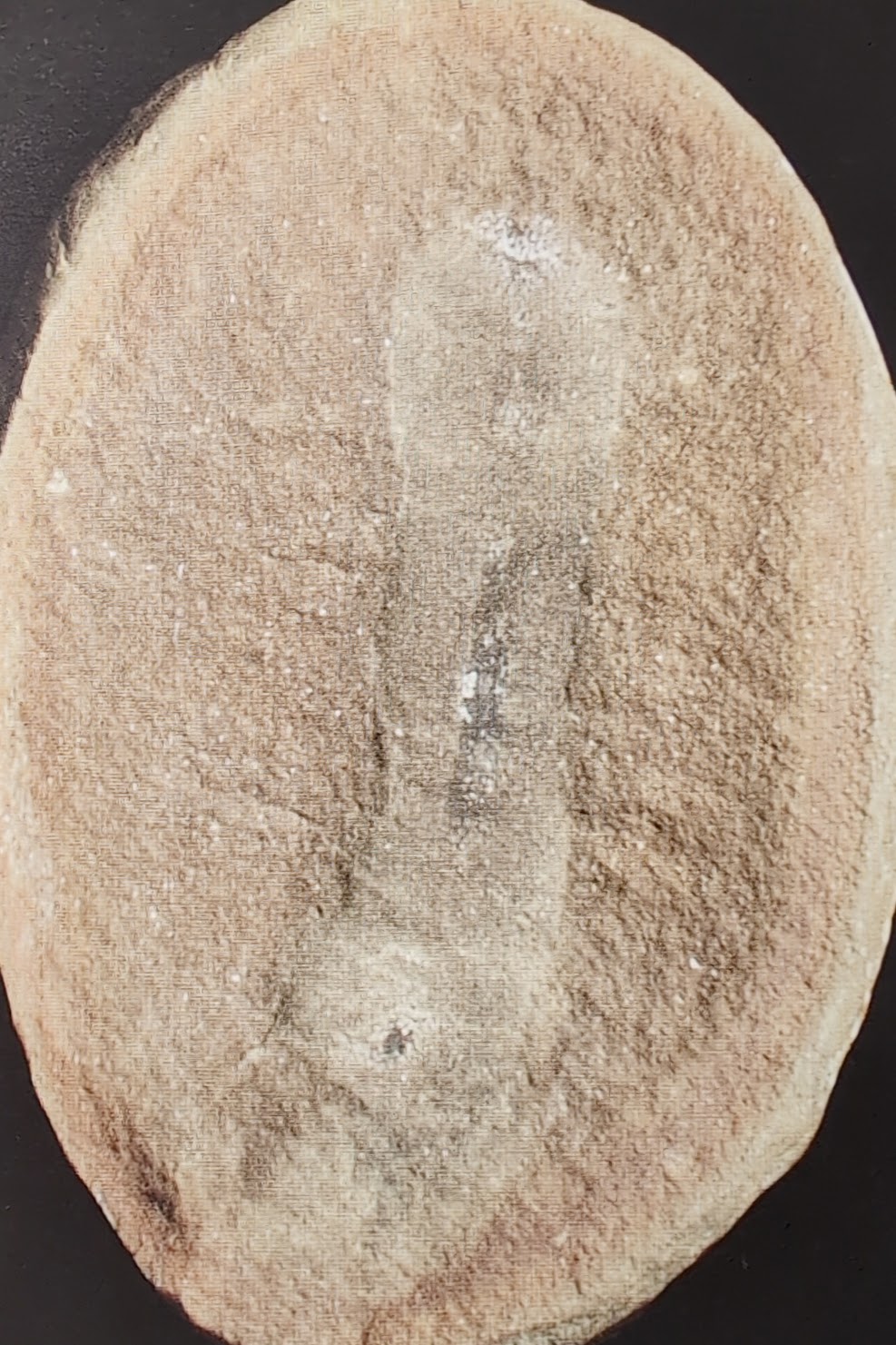
This is Mazon Monday post #198. What’s your favorite Mazon Creek fossil? Tell us at email:esconi.info@gmail.com. Priapulites konecniorum is an extinct species of priapulid worm. Priapulida is a phylum of unsegmented marine worms. The name relates to the Greek god of fertility. Due to their shape and their extensible proboscis, they are sometimes referred to…
-
Mazon Monday #197: Palaeostachya
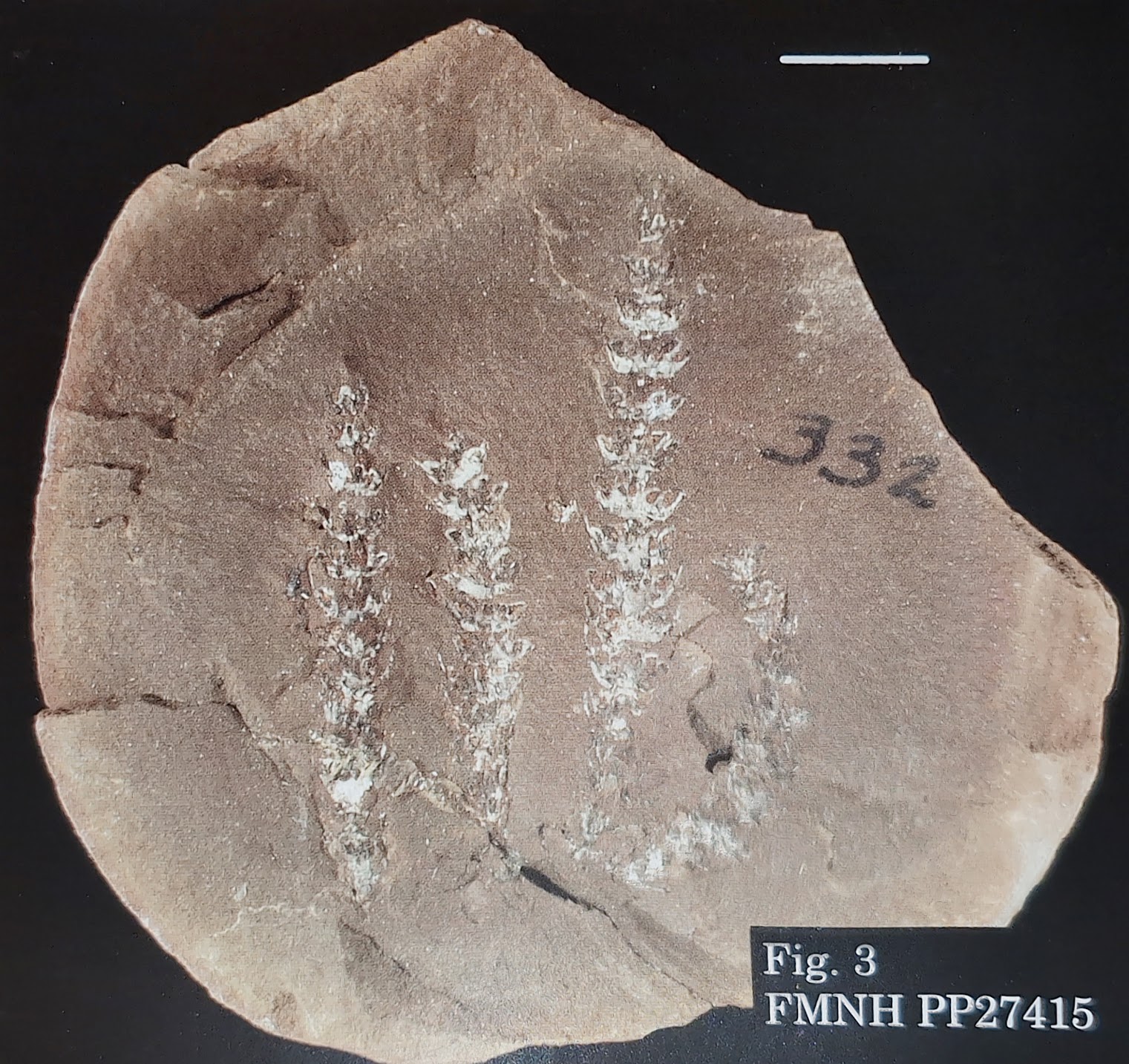
This is Mazon Monday post #197. What’s your favorite Mazon Creek fossil? Tell us at email:esconi.info@gmail.com. Palaeostachya sp. is a cone from a Calamites plant. It is very similar to Calamostachys (Mazon Monday #99), which are also cones from Calamites. Identification between the two can be difficult as the attachment point of the sporangiophores is…
-

Mazon Monday #196: 1939 Season’s Greetings from the Langfords!
This is Mazon Monday post #196. What’s your favorite Mazon Creek fossil? Tell us at email:esconi.info@gmail.com. George Langford, Sr. (1876-1964) was a prolific collector of Mazon Creek fossils. He collected and then sold or donated multiple collections of Mazon Creek fossils. The fossils he collected in various museums around the country including Illinois State Museum…
-
Mazon Monday #195: Vetacapsula cooperi
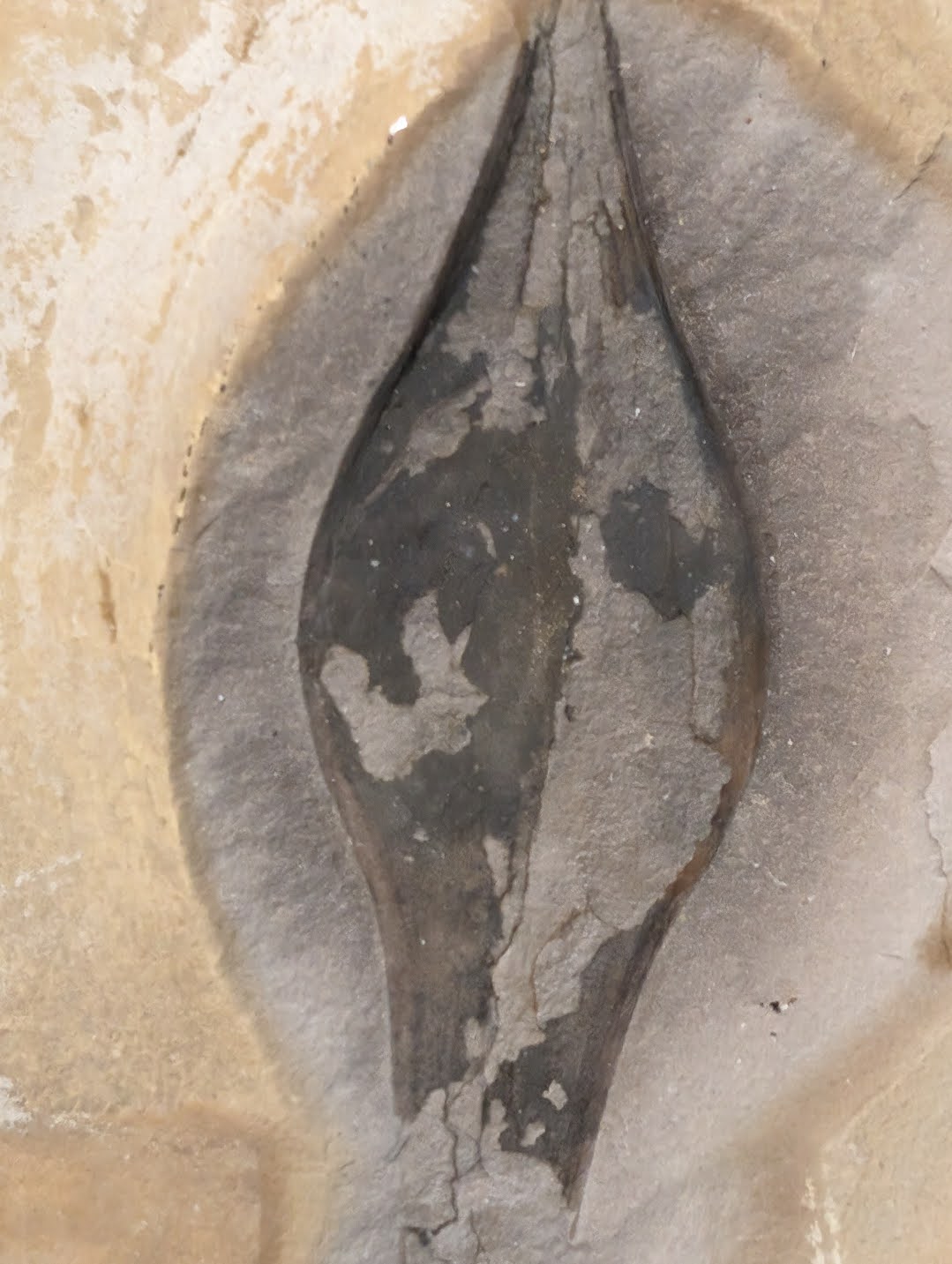
This is Mazon Monday post #195. What’s your favorite Mazon Creek fossil? Tell us at email:esconi.info@gmail.com. Vetacapsula cooperi is a very rare shark egg case from the Pennsylvanian Period. It was originally described by Robert Crookall (1890-1981) in 1928. In the late 1920’s, Crookall took a deep look at Carboniferous shark egg cases, then classified…
-

Mazon Monday #194: Mazon Creek Census
This is Mazon Monday post #194. What’s your favorite Mazon Creek fossil? Tell us at email:esconi.info@gmail.com. The September 1978 edition of the Field Museum Bulletin had a article by Gordon Baird about his project to survey Mazon Creek fossil localities across Will, Grundy, Livingstone, and Kankakee Counties in Illinois. Almost 300,000 concretions were collected from…
-

Mazon Monday #193: A reappraisal of Nemavermes mackeei from the Mazon Creek fossil site expands Carboniferous cyclostome diversity
The Mazon Creek fossil family has a new member… Squirmarius testai. It was described in the paper “A reappraisal of Nemavermes mackeei from the Mazon Creek fossil site expands Carboniferous cyclostome diversity“. The paper’s lead author is Victoria McCoy, who you’ll remember from her work on Tullymonstrum gregarium. S. testai was named for Tom Testa,…
-
Mazon Monday #192: Mischoptera douglassi
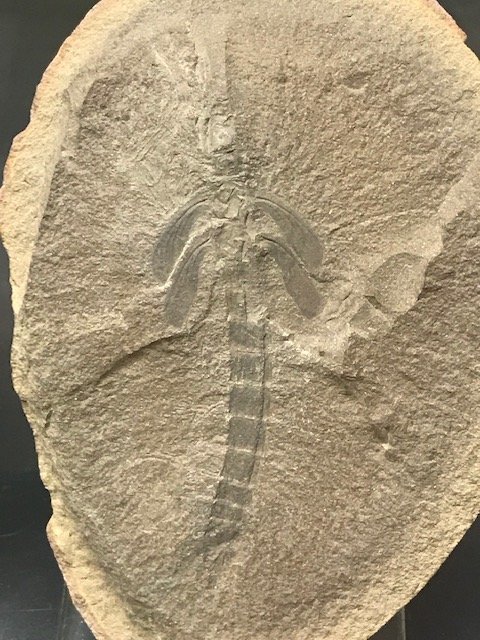
This is Mazon Monday post #192. What’s your favorite Mazon Creek fossil? Tell us at email:esconi.info@gmail.com. Mischoptera douglassi is a winged fossil insect from the Pennsylvanian Period. It belongs to Superorder Palaeodictyopteroidea and Order Megascoptera. The first specimen was found by Lincoln Douglass in Pit 6 of the Northern Illinois Coal Company. Lincoln, was the…
-

Mazon Monday #191: Ilyodes inopinata
This is Mazon Monday post #191. What’s your favorite Mazon Creek fossil? Tell us at email:esconi.info@gmail.com. Velvet worms, also known as Onychophora, are a phylum of terrestrial invertebates. They are soft-bodied, with many short thick legs, and a velvety body. Modern day examples live in tropical environments. They are very rare in the fossil record…
-
Mazon Monday #190: Amarixys sulcata
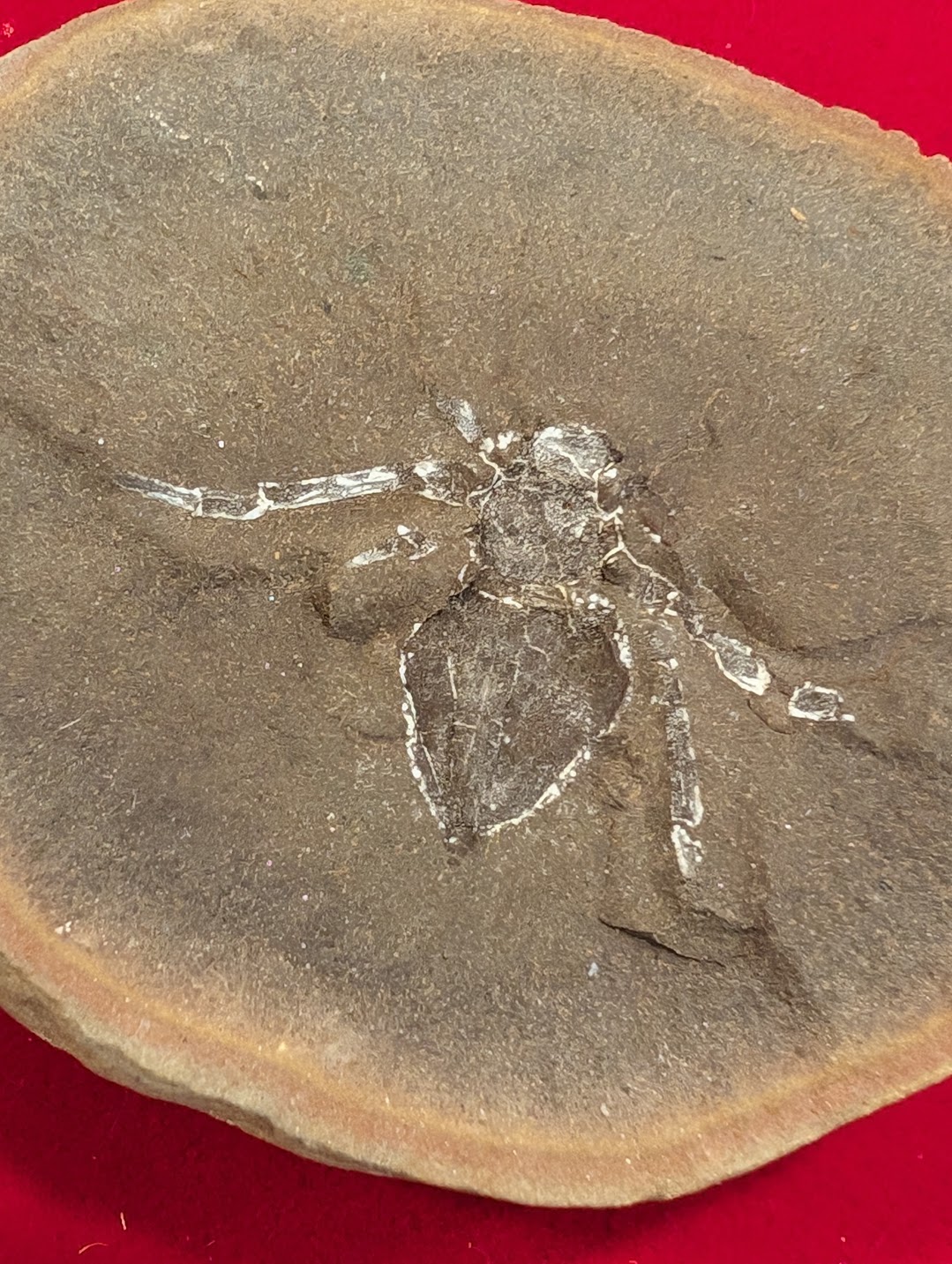
This is Mazon Monday post #190. What’s your favorite Mazon Creek fossil? Tell us at email:esconi.info@gmail.com. Amarixys sulcata is a Mazon Creek spider. When it was first found in the late 1880’s, it was mistaken for a beetle. A.L. (Axel Leonard) Melander (1878-1962) described it as Kustarachne sulcata in 1903 in the paper “Some additions…
-
Mazon Monday #189: Fossil Plant Miniatures of Mazon Creek
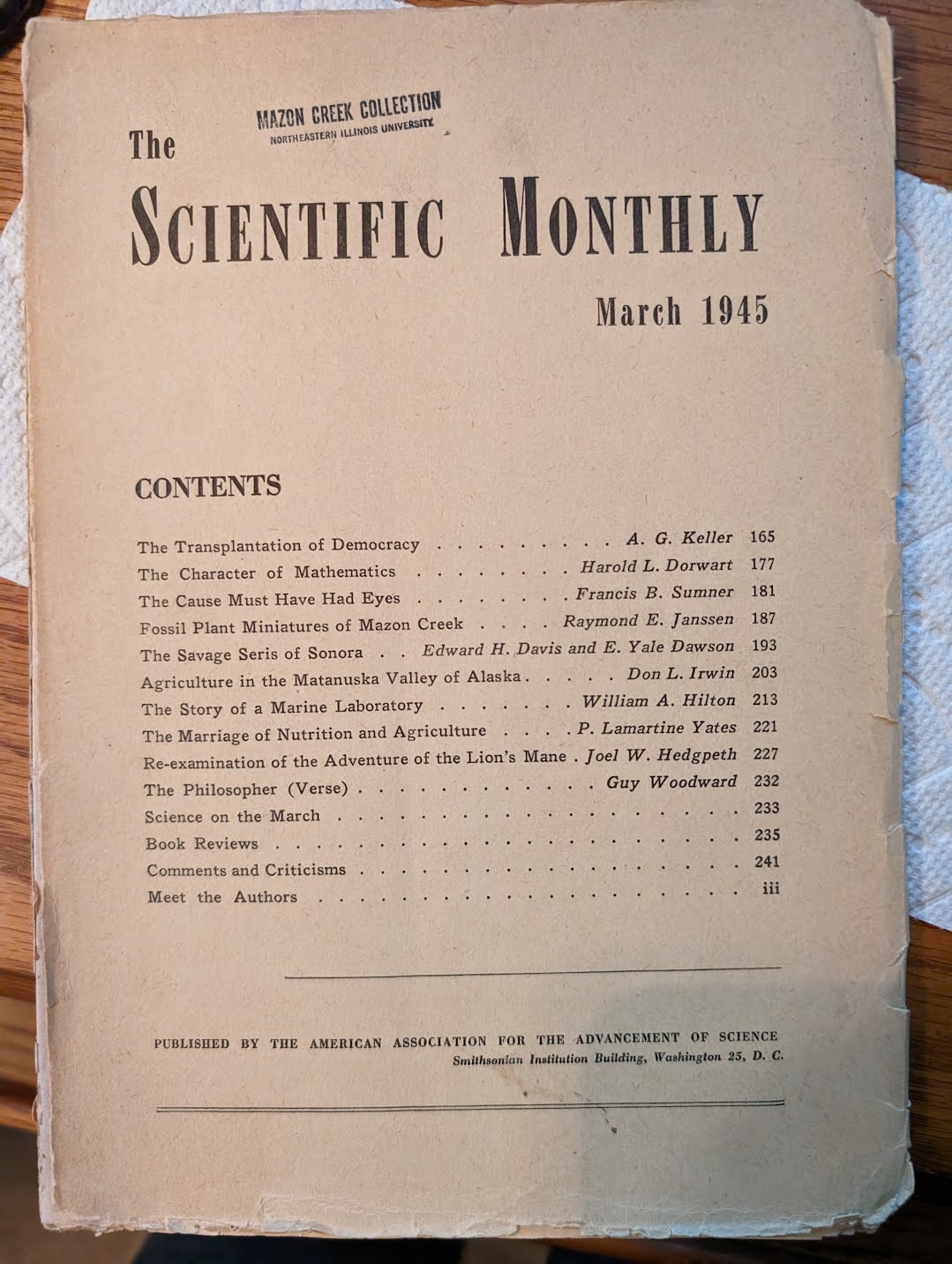
This is Mazon Monday post #189. What’s your favorite Mazon Creek fossil? Tell us at email:esconi.info@gmail.com. You might remember Raymond Janssen from his “Leaves and Stems from Fossil Forests” book (Mazon Monday #51), which was published in 1939. It was part of a series of books distributed by the Illinois State Museum. Until George Langford…
-
Mazon Monday #188: He looks for Tullys in gullies – Andy Hay
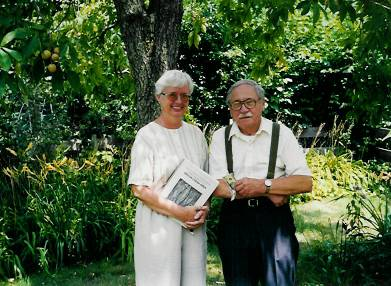
Tullimonstrum gregarium was first discovered by Francis Tully in the mid-1950s in the legendary Pit 11 fossil locality. It was described by Ralph Johnson and Eugene Richardson Jr. in the article “Pennsylvanian Invertebrates of the Mazon Creek Area, Illinois: The morphology and affinities of Tullimonstrum“, which was published in the March 1969 edition of Fieldiana…
-
Mazon Monday #187: Palaeocampa anthrax
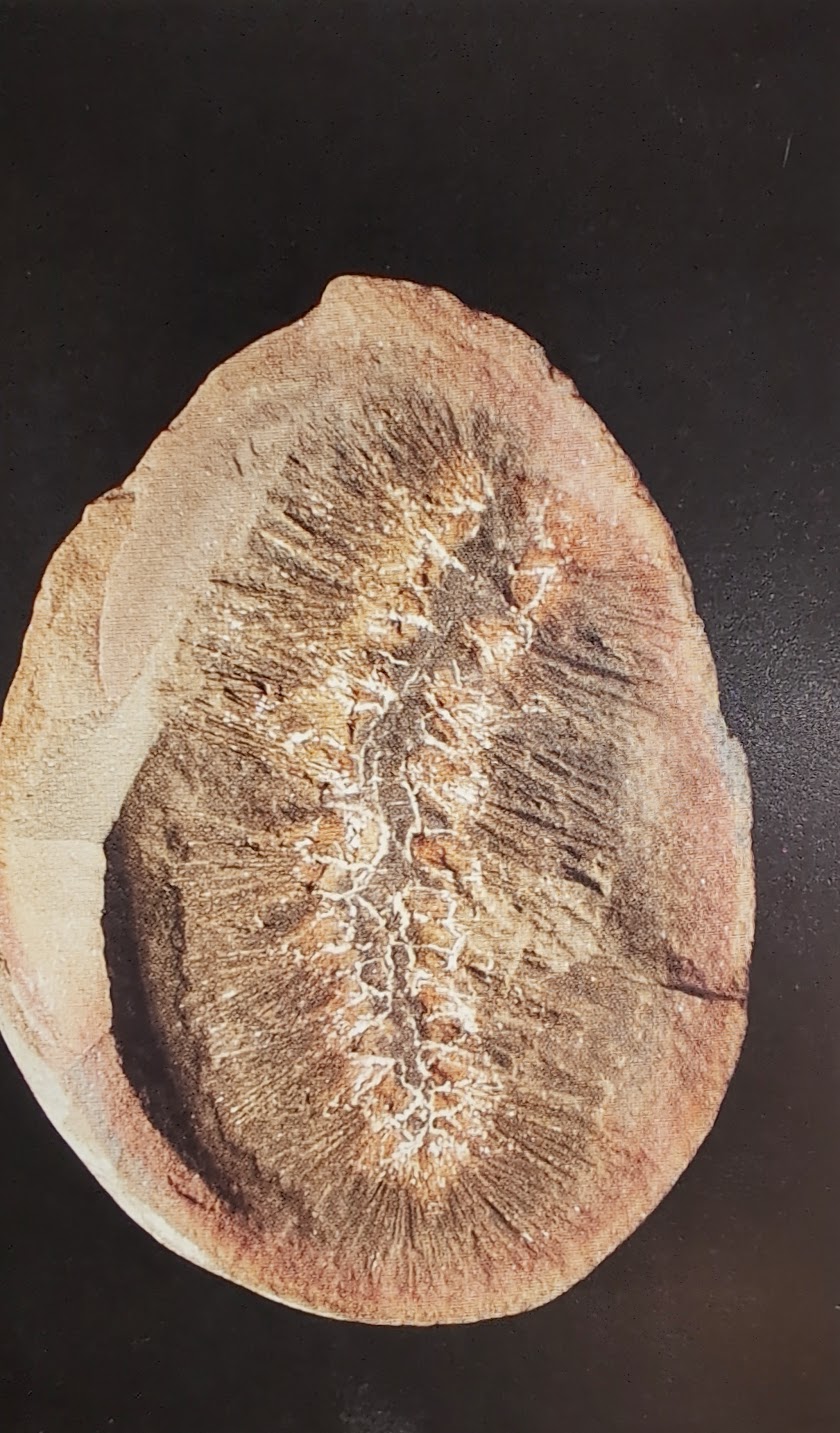
This is Mazon Monday post #187. What’s your favorite Mazon Creek fossil? Tell us at email:esconi.info@gmail.com. Palaeocampa anthrax was an polychaete worm, believed to be similar to a group of modern day annulid worms referred to as fireworms. It was described by Fielding Bradford Meek (1817-1876) and Amos Henry Worthen (1813-1888) in “Notice of some…
-

Mazon Monday #186: Mazon Creek Fossil Day
ESCONI and the Carbon Hill School Museum sponsored “Mazon Creek Fossil Day” on October 14th, 2023. The event was a celebration of Mazon Creek amateur fossil collectors and their contributions to Paleontology. There were fossil displays, two presentations, and 5+ hours of interesting conversation.
-

Mazon Monday #185: The Naming of the Tully Monster
This is Mazon Monday post #185. What’s your favorite Mazon Creek fossil? Tell us at email:esconi.info@gmail.com. The Tully Monster was named the state fossil in 1989. Unfortunately, this was about two years after Francis Tully, its namesake, had passed away. The following article appeared in the April 1989 edition of the ESCONI newsletter. It was…
-
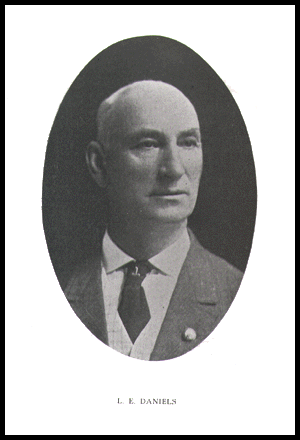
Mazon Monday #184: Historic Collectors – L.E. Daniels
This is Mazon Monday post #184. What’s your favorite Mazon Creek fossil? Tell us at email:esconi.info@gmail.com. Lorenzo Eugene Daniels was a Farmer, Sheriff of Grundy County, IL, Assistant State Geologist, Indiana, and an Amateur Conchologist. He was born in Mazon, Illinois on March 4th 1852. In the scientific literature of the time, he is referred…
-
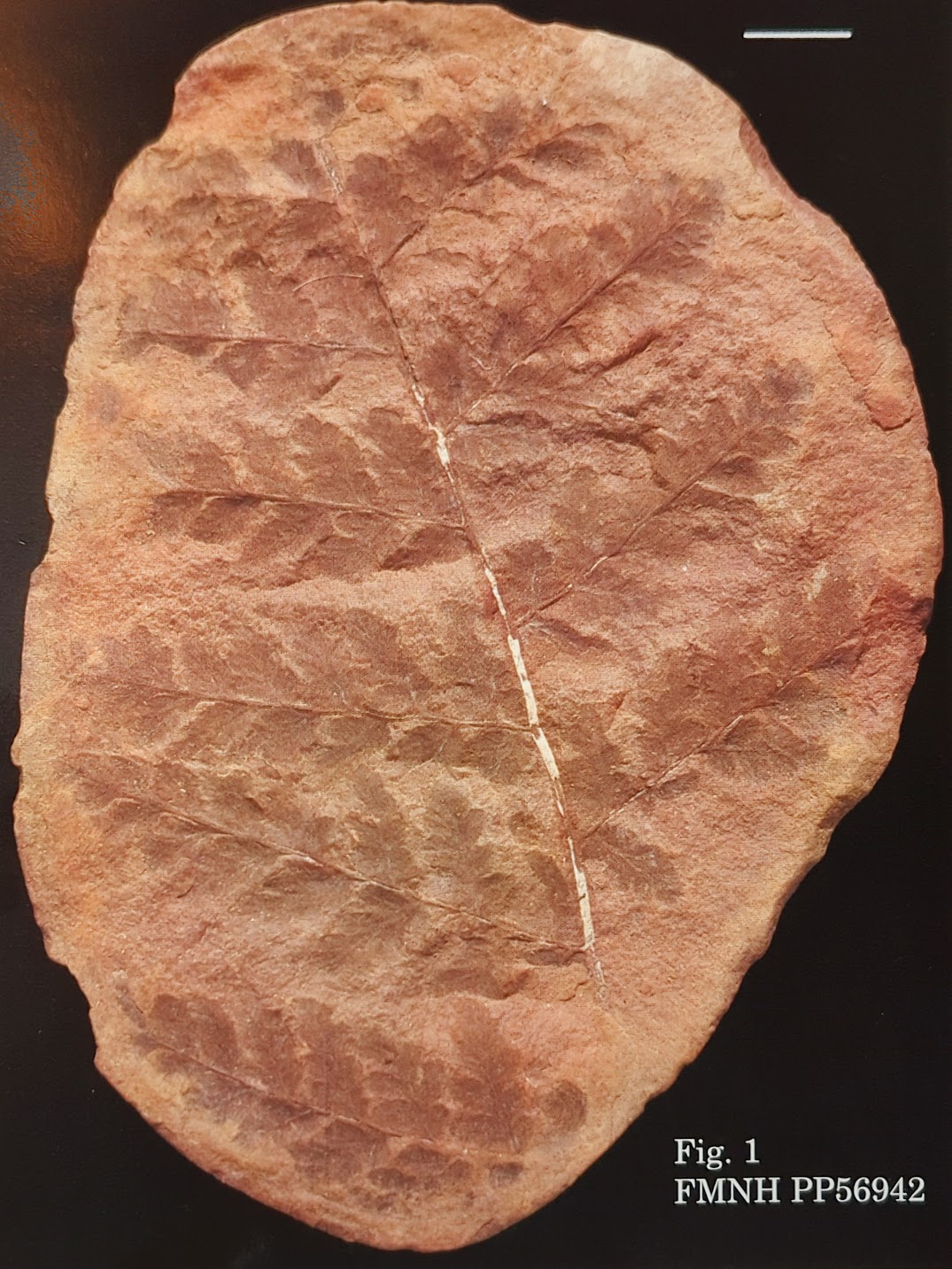
Mazon Monday #183: Sphenopteris plicata
This is Mazon Monday post #183. What’s your favorite Mazon Creek fossil? Tell us at email:esconi.info@gmail.com. Sphenopteris plicata was described by Leo Lesquereux in 1858. Lesquereux (1806 – 1889) described much of the North American Carboniferous flora in the mid 1800’s as a consultant to various US state geological surveys. His book “Atlas to the…
-

Mazon Monday #182: Braceville Fall 2023 Report
This is Mazon Monday post #182. What’s your favorite Mazon Creek fossil? Tell us at email:esconi.info@gmail.com. The Fall 2023 Braceville Field Trip is in the books… is is that on the web? It was a enjoyable, but somewhat wet, weekend. We had rain at the very end of the day on Saturday and most of…
-
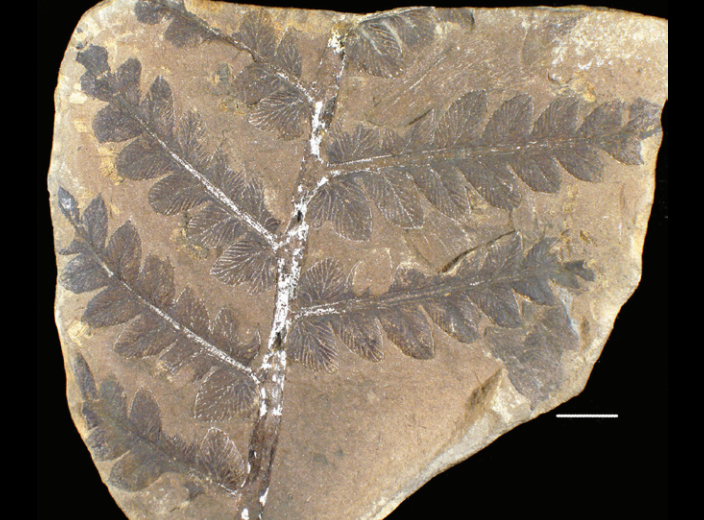
Mazon Monday #181: Mariopteris nervosa
Mariopteris nervosa is the most common species of Mariopteris found in the Mazon Creek fossil biota. It was named by Adolphe-Theodore Brongniart in 1879. He was a French botanist, who is widely considered the father of Paleobotany. He lived from 1801 until 1876. Some of his works were published posthumously in the early 1880’s. He…
-

Mazon Monday #180: Grundy County Historical Society Museum
This is Mazon Monday post #180. What’s your favorite Mazon Creek fossil? Tell us at email:esconi.info@gmail.com. The Grundy County Historical Society Museum is a hidden gem in Morris, IL. Their mission is to house, preserve, and exhibit objects pertaining to Grundy County’s history: cultural, social, geological, and anthropological. Established in 1923, they had a centennial celebration…
-
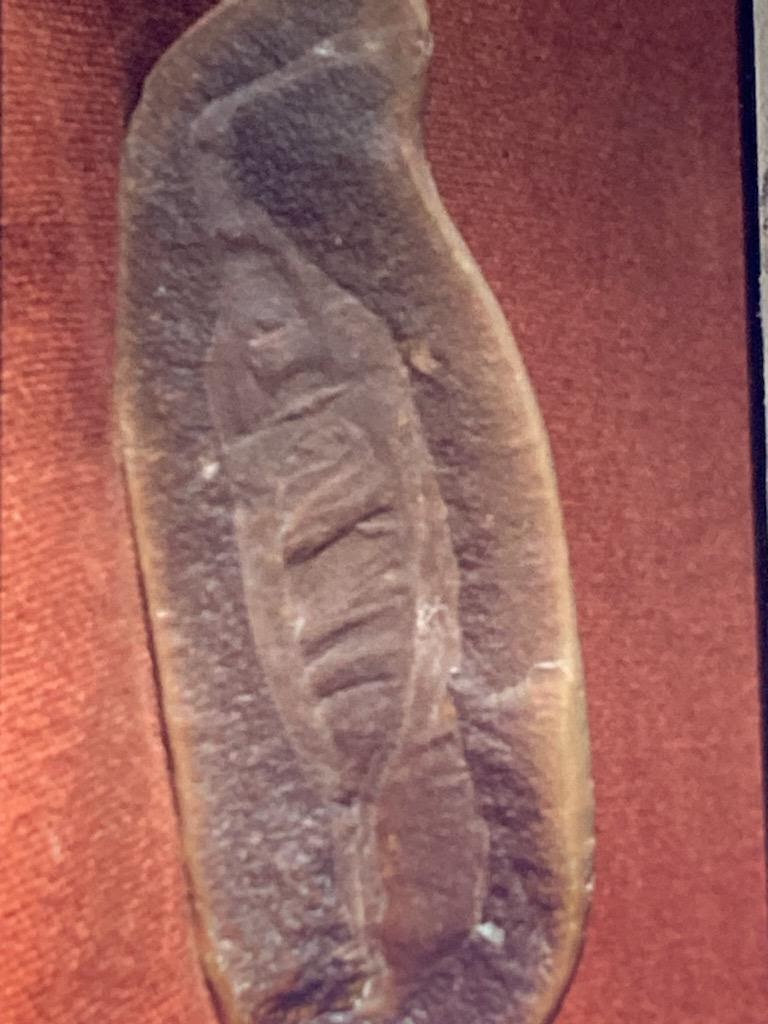
Mazon Monday #179: Mr Tully’s Tullys
This is Mazon Monday post #179. What’s your favorite Mazon Creek fossil? Tell us at email:esconi.info@gmail.com. The Tully Monster was designated Illinois’ State Fossil in 1989. Unfortunately, Francis Tully (yes! an ESCONI member!) didn’t live to see it as he died in 1987. While much is still uncertain, we know quite a bit more about…
-

Mazon Monday #178: Investigating Mazon Creek fossil plants using computed tomography and microphotography
This is Mazon Monday post #178. What’s your favorite Mazon Creek fossil? Tell us at email:esconi.info@gmail.com. Fabiany Herrera, Assistant Curator of Paleobotany at the Field Museum of Natural History, was the lead author of a new paper about Mazon Creek plant research. The paper is entitled “Investigating Mazon Creek fossil plants using computed tomography and…
-
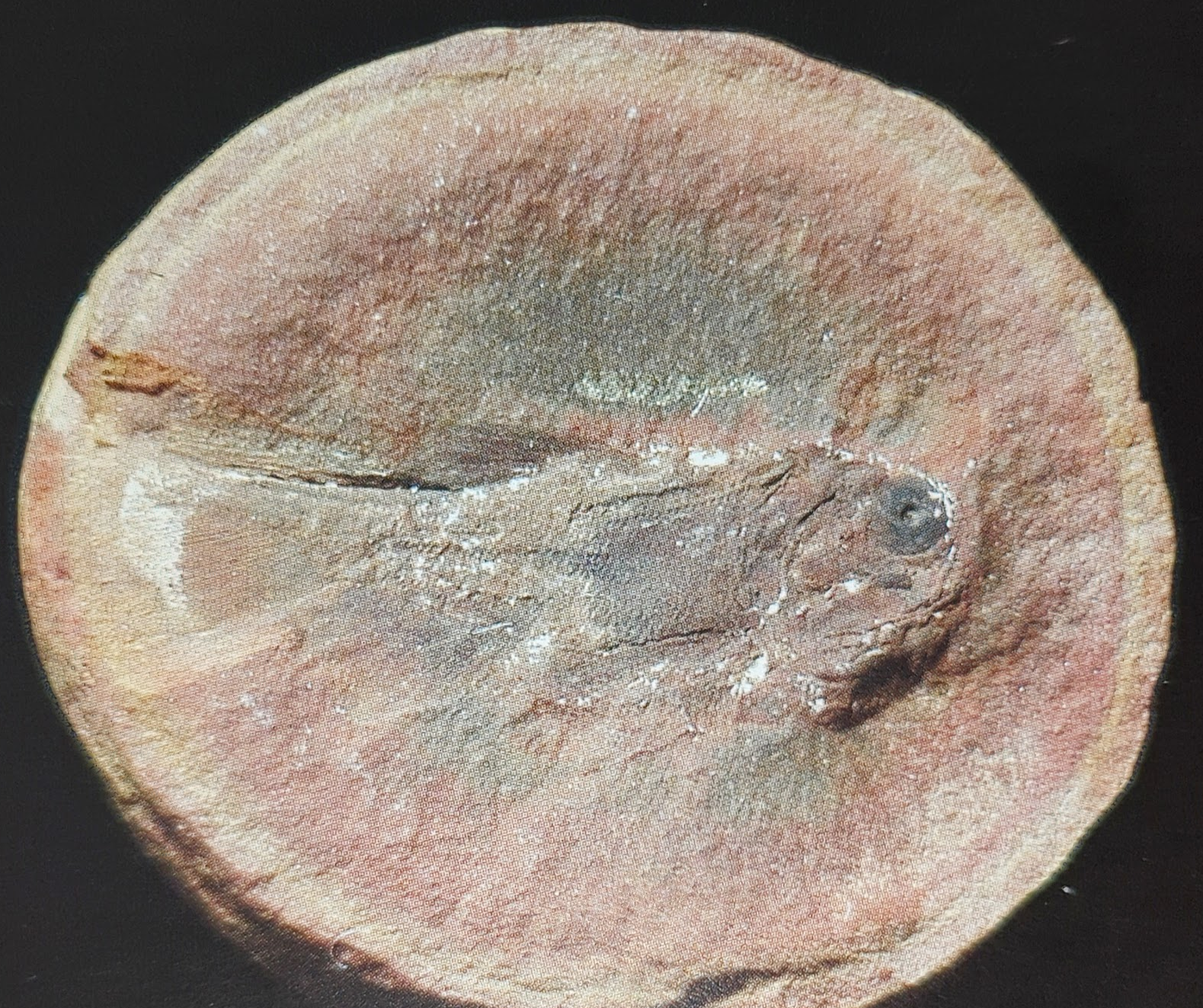
Mazon Monday #177: Elonichthys hypsilepus
This is Mazon Monday post #177. What’s your favorite Mazon Creek fossil? Tell us at email:esconi.info@gmail.com. Elonichthys hypsilepus was described in 1900 by Oliver Perry Hay (1846 – 1930) in the paper “Descriptions of some vertebrates of the Carboniferous age, Proceedings American Philosophical Society, Philadelphia”. Hay was an American herpetologist, ichthyologist, and paleontologist. He worked…
-
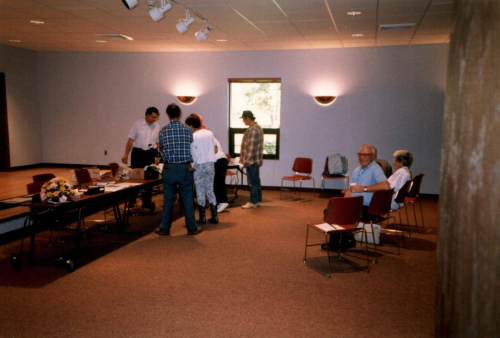
Mazon Monday #176: “Please, try for more fossil insects!”
Today’s post is an update to Mazon Monday #172, which was entitled “Fossil Insect Symposium 1990”. Long time ESCONI member Marty Houdek read that post and sent us some information about the event, because he was there! Actually, he’s in the last photo framed in the window, wearing the flannel shirt.
-
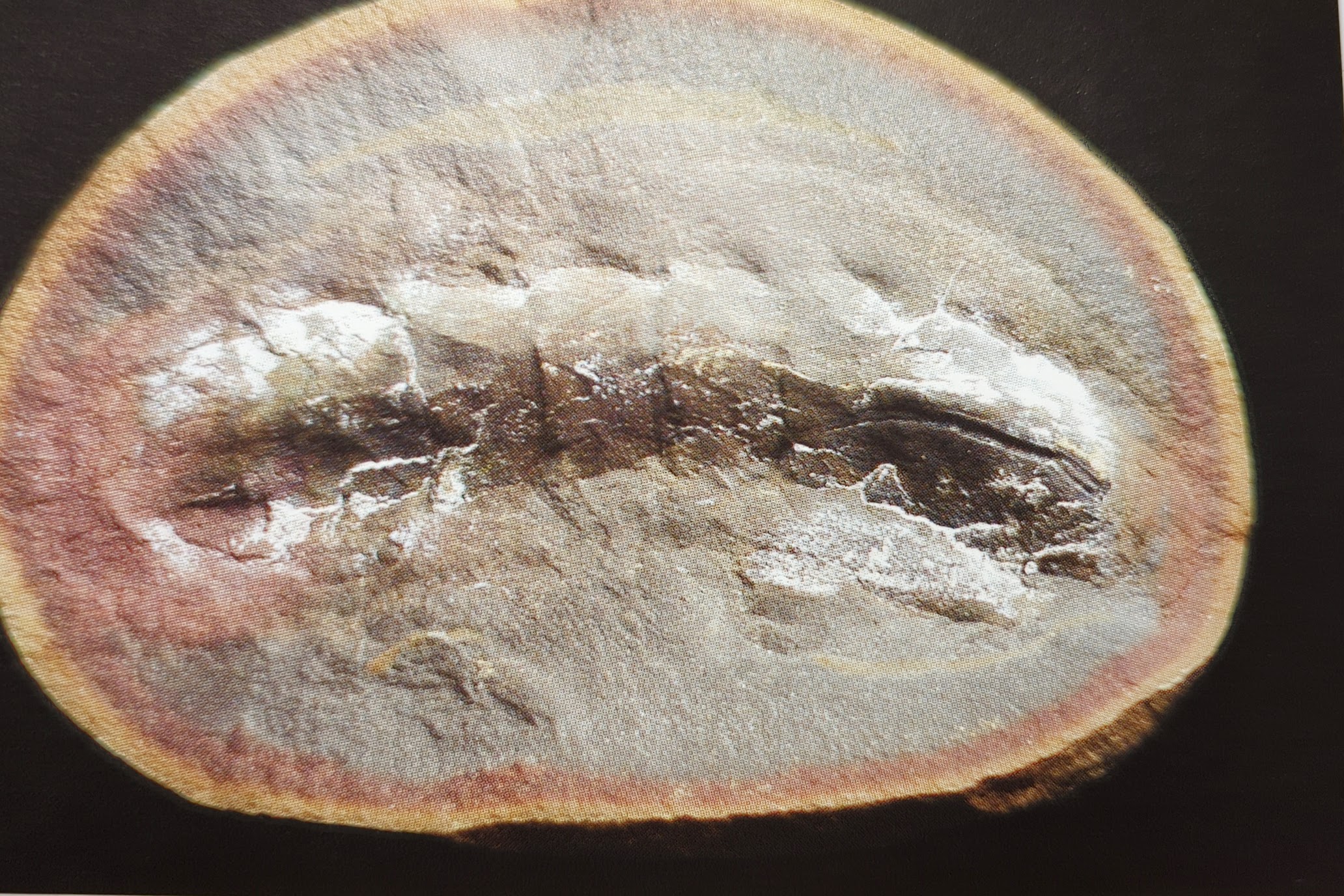
Mazon Monday #175: Glaphurochiton concinnus
This is Mazon Monday post #175. What’s your favorite Mazon Creek fossil? Tell us at email:esconi.info@gmail.com. Chitons are rare in the Mazon Creek biota. They are Mollusks, belonging to the same Phylum as oysters, clams, cephalopods, snails, and gastropods. Classified as polyplacophorans, they always have eight ornamented segments or valves. Glaphurochiton concinnus was one of…
-
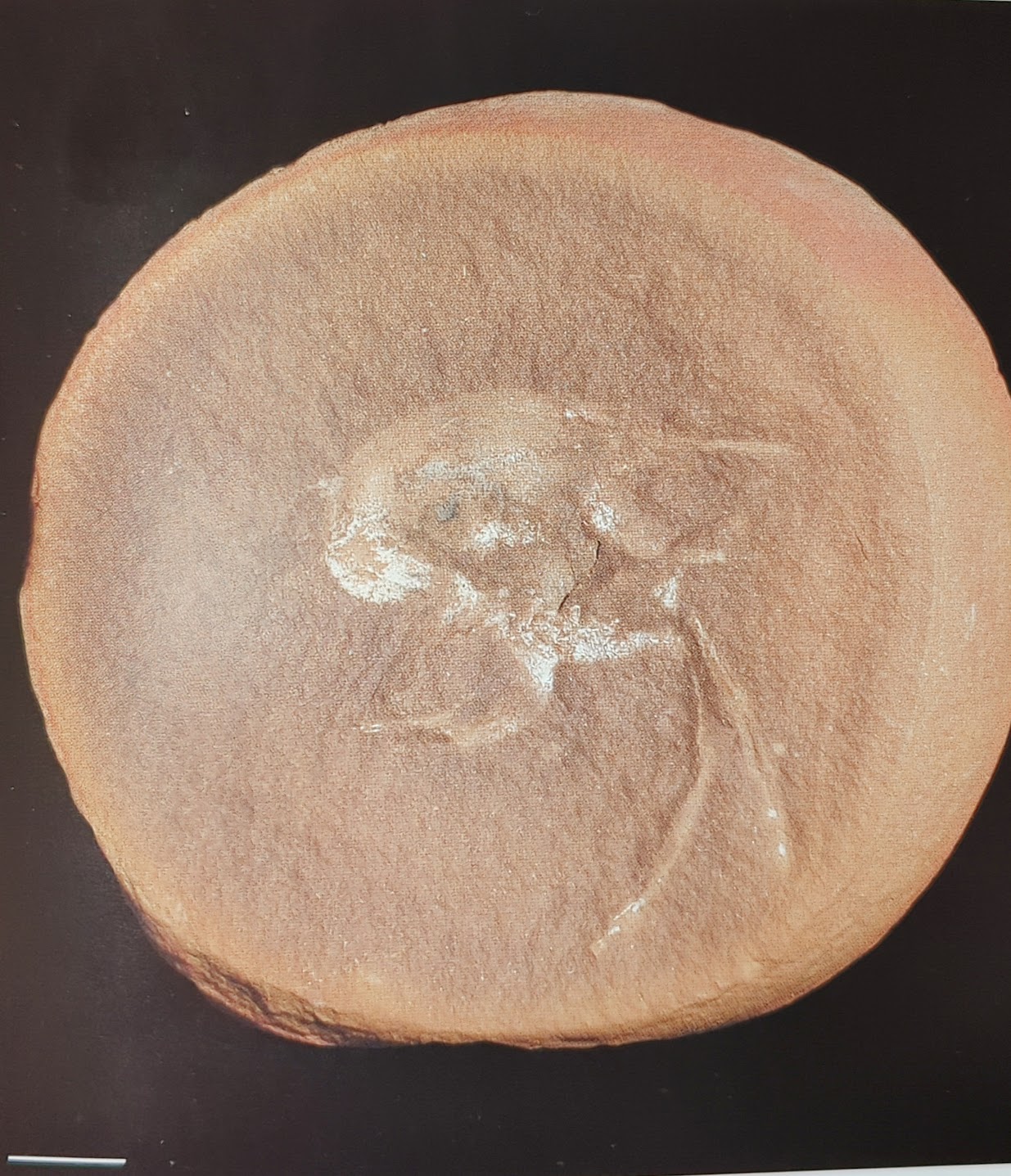
Mazon Monday #174: Flea Shrimp
This is Mazon Monday post #174. What’s your favorite Mazon Creek fossil? Tell us at email:esconi.info@gmail.com. Thylacocephala are considered problematic. They are known from some species in the Paleozoic and a few more from Mesozoic, with no known extant forms. There are two species of Thylacocephala, often referred to as “flea shrimp”, from Mazon Creek…
-

Mazon Monday #173: Halicyne max
This is Mazon Monday post #173. What’s your favorite Mazon Creek fossil? Tell us at email:esconi.info@gmail.com. Halicyne max is a species of Cycloidea from Mazon Creek. Other Cycloidea species known from Mazon Creek are Cyclus americanus, Cyclus obesus, and Apionicon apiodes. Of these, the most commonly known is Cyclus americanus. Halicyne max was described in…
-

Mazon Monday #172: Fossil Insect Symposium 1990
On May 18th, 1990, ESCONI was part of a symposium on Mazon Creek fossil insects from Pit 11. Unfortunately, there aren’t many details. However, we recently ran across some photos from the event at the Carbon Hill School Museum in their Tom Testa collection. Tom donated the photos and other miscellaneous materials. His Mazon Creek…
-
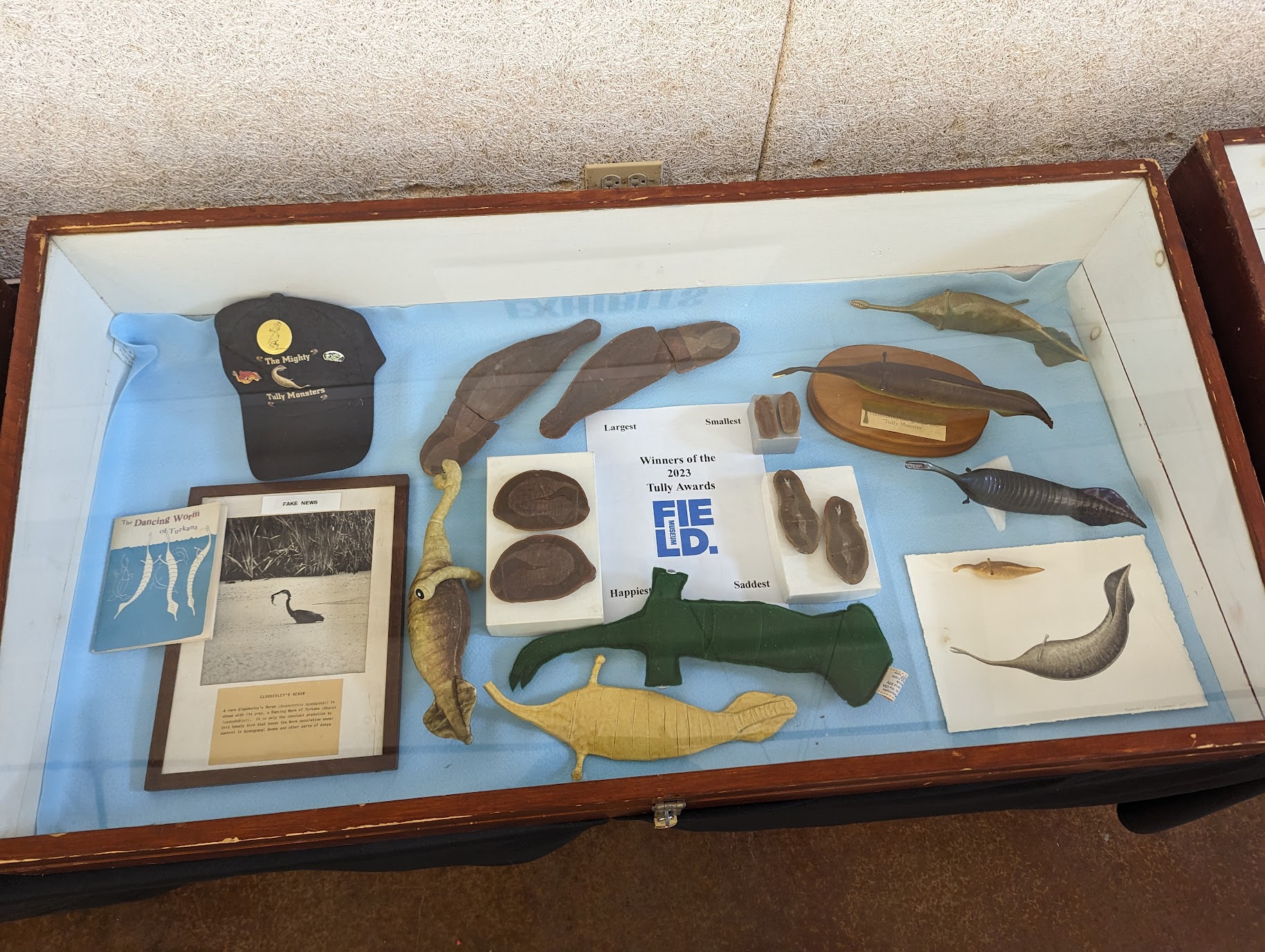
Mazon Monday #171: Tullies at CGMA
This is Mazon Monday post #171. What’s your favorite Mazon Creek fossil? Tell us at email:esconi.info@gmail.com. Back at the CGMA show in late May, Jack Wittry brought a very nice Tully Monster display from the Field Museum. Jack brings a nice display every year to CGMA. Last year’s topic was sharks of Mazon Creek. This…
-
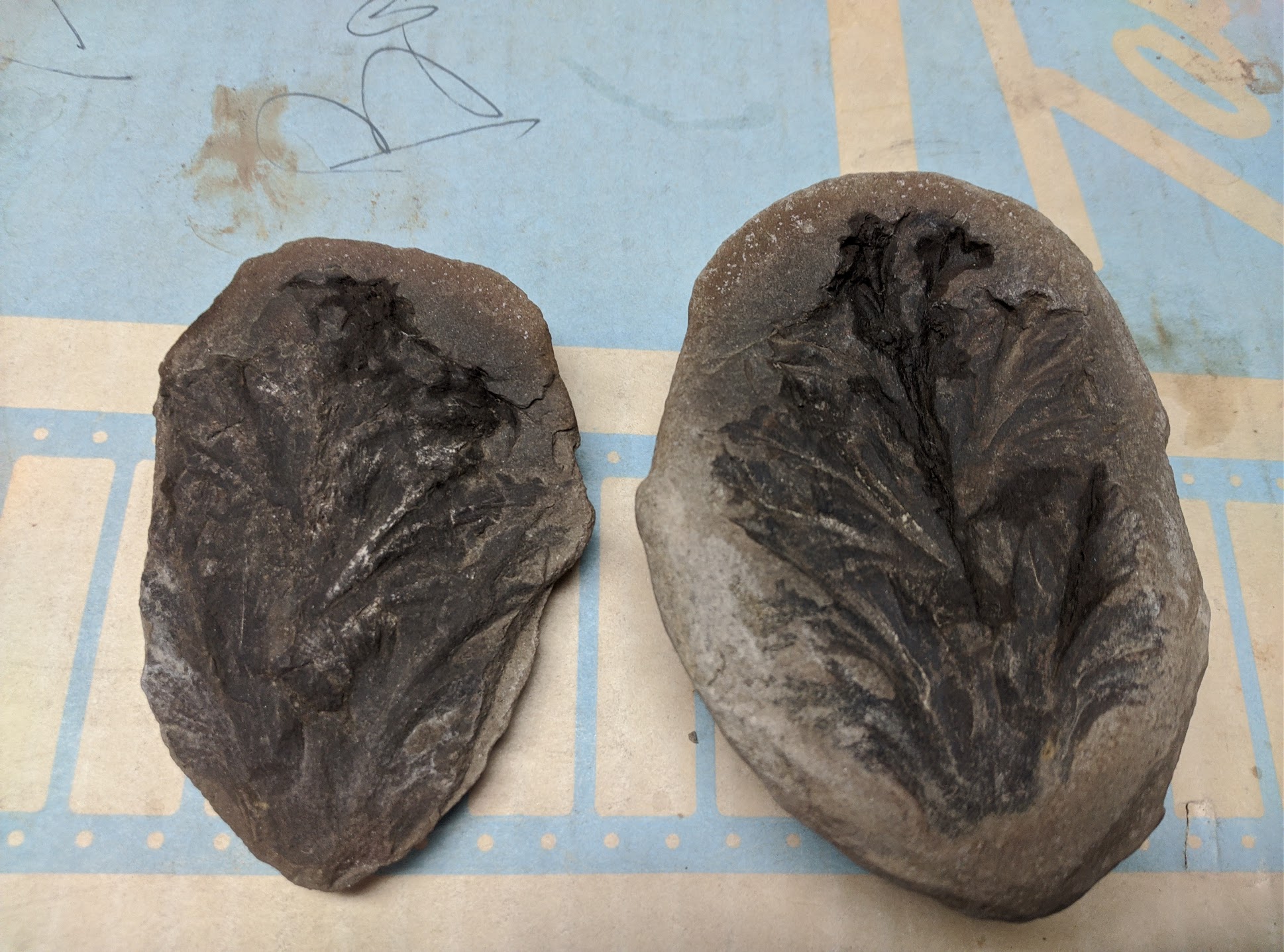
Mazon Monday #170: Rhacophyllum clarkii
This is Mazon Monday post #170. What’s your favorite Mazon Creek fossil? Tell us at email:esconi.info@gmail.com. Several species of Aphlebia and Rhacophyllum have been identified in the Mazon Creek fossil deposit, though all are considered rare—and some exceptionally so. Their classification is somewhat uncertain, with some specimens grouped with aquatic plants and others with ferns.…
