
-

Trilobite Tuesday #50: Penn Dixie: Dig With the Experts 2026 – June 13th and 14th, 2026
Read more: Trilobite Tuesday #50: Penn Dixie: Dig With the Experts 2026 – June 13th and 14th, 2026The Penn Dixie Fossil Park and Nature Center are holding their annual “Dig With the Experts” event on June 13th and 14th, 2026. Details can be found be found on their website. We’ve featured a few trilobites from Penn Dixie for Fossil Friday. I went there a few years ago and had a great time. If you love trilobites, don’t miss this event!
-
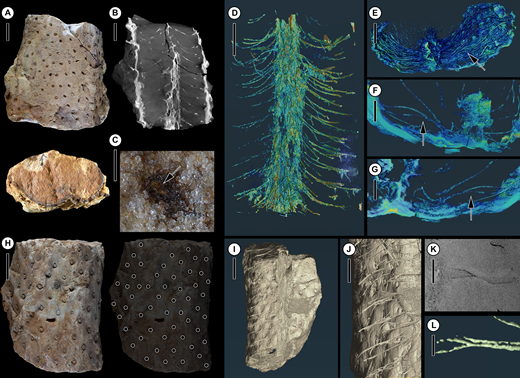
Mazon Monday #320: A shoot at the root? Unique development and evolution of the stigmarian apical meristem
Read more: Mazon Monday #320: A shoot at the root? Unique development and evolution of the stigmarian apical meristemOur friends at the Field Museum have been busy… this time it’s paleobotany. The paper “A shoot at the root? Unique development and evolution of the stigmarian apical meristem” was published in the journal Proceedings of the Royal Society B a few days ago. The authors should be familiar… Michael P. D’Antonio, C. Kevin Boyce, Michael P. Donovan, and Fabiany Herrera. Michael D’Antonio, Michael Donovan, and Fabiany Herrera work at the Field Museum, while C. Kevin Boyce is at Stanford University. All have been referenced in posts on our website.
-
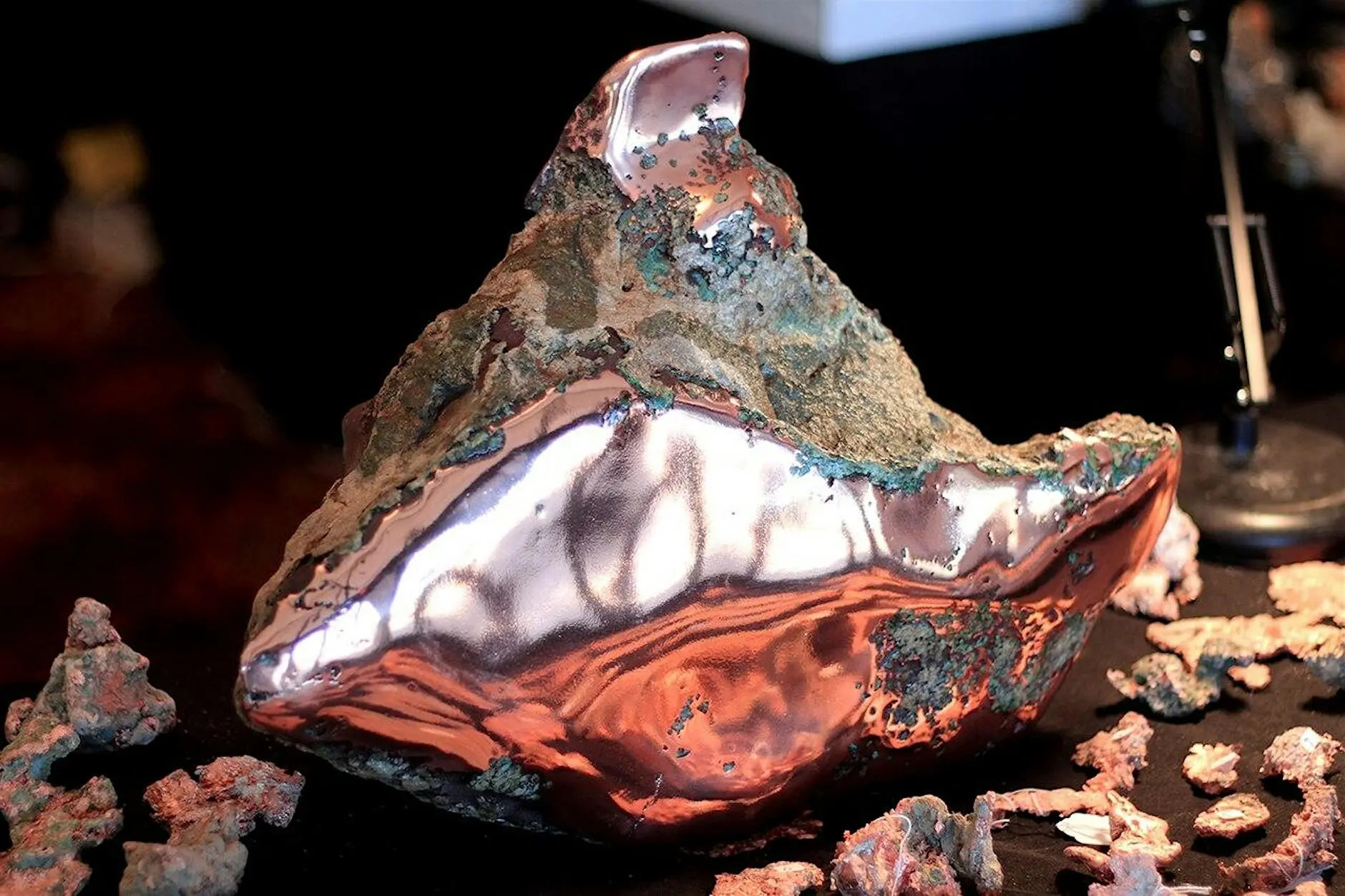
Keweenaw Week 2026 – August 2nd – 9th, 2026 in Michigan’s famous Keweenaw Peninsula
Read more: Keweenaw Week 2026 – August 2nd – 9th, 2026 in Michigan’s famous Keweenaw PeninsulaThe Copper Country Rock and Mineral Club is holding their annual Keweenaw Week for 2026 from August 2nd – 9th, 2026 up in Michigan’s famous Keweenaw Peninsula. Tickets are on sale now on this website. You can find out more on their website at https://ccrmc.info/.
-

PBS Eons: How Dinosaurs May Have Cursed Us With Aging
Read more: PBS Eons: How Dinosaurs May Have Cursed Us With AgingPBS Eons has a new episode. This one is about how aging in mammals might be due to evolved traits while we lived alongside dinosaurs.
-
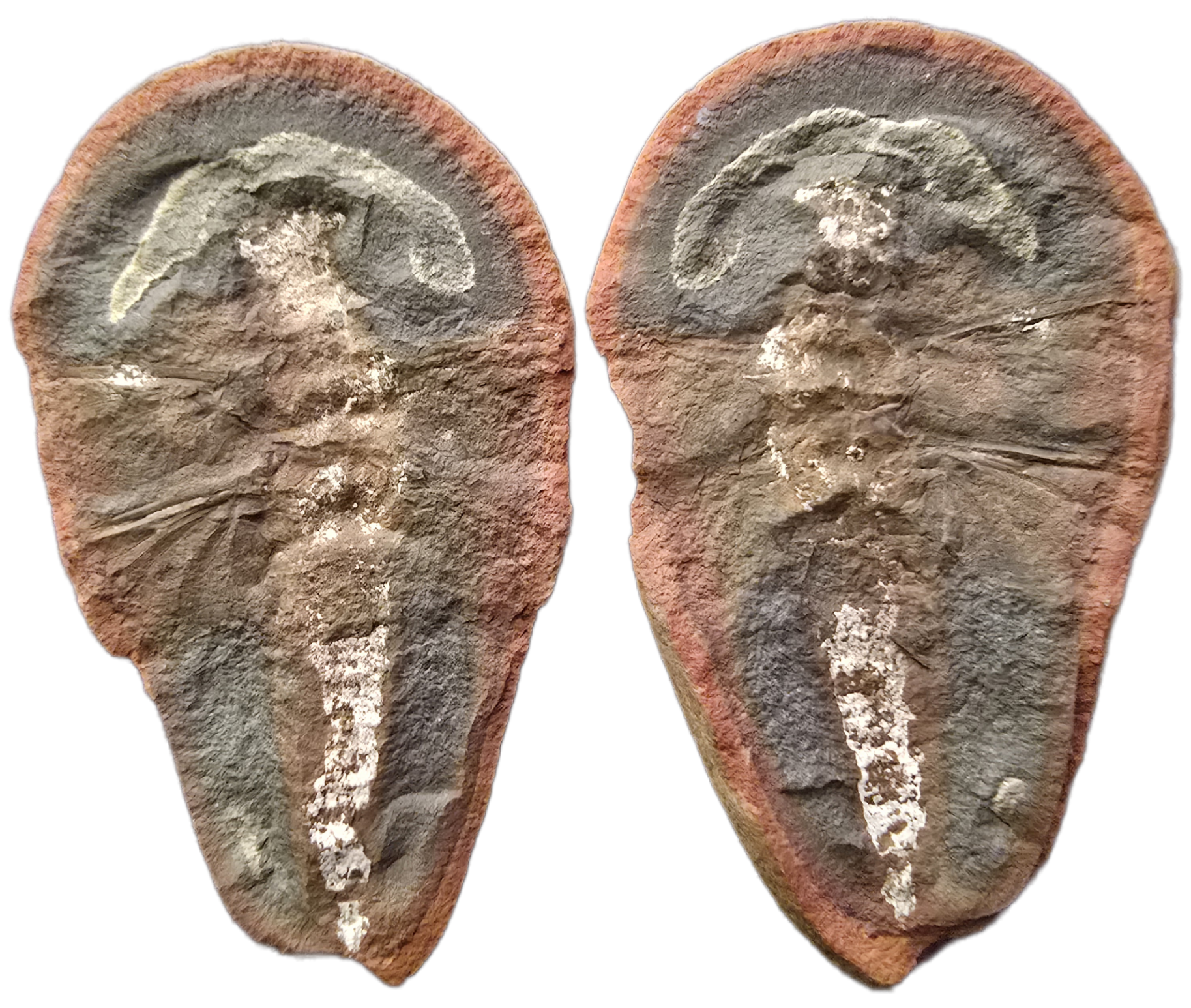
Fossil Friday #315: Eubleptus danielsi
Read more: Fossil Friday #315: Eubleptus danielsiEubleptus danielsi belongs to the Palaeodictyoptera an extinct order of medium-sized to very large, primitive Palaeozoic paleopterous insects. E. danielsi was described by Anton Handlirsch in 1906. Handlirsch (1865 – 1935) was an Austrian entomologist, who worked extensively on many insect orders. He did significant work studying of fossil insects. Handlirsch described E. danielsi in “Revision of American Paleozoic insects. Proceedings of the United States National Museum“.
-

-
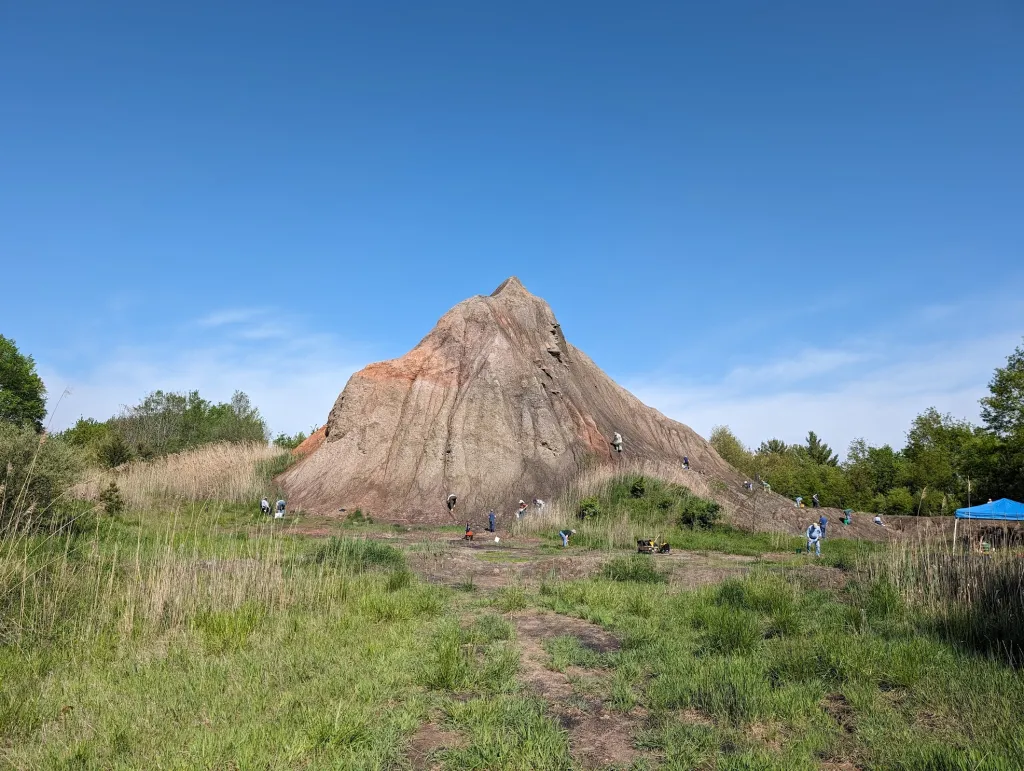
ESCONI Field Trip to Braceville, IL for Mazon Creek Fossils – Saturday, May 30th and Sunday, May 31st, 2026
Read more: ESCONI Field Trip to Braceville, IL for Mazon Creek Fossils – Saturday, May 30th and Sunday, May 31st, 2026The ESCONI field trips to Braceville for Mazon Creek fossils are set for May 30th and 31st, 2026 from 9 AM to 3 PM. You can attend one or the other, but not both days. There is an attendance limit of 50 people each day. You must register to go on this trip. See rule 6 below for instructions. This is the ONLY way to register.
-

Throwback Thursday #315: Empire Quarry in Bloomington, Indiana
Read more: Throwback Thursday #315: Empire Quarry in Bloomington, IndianaAtlas Obscura has an interesting post about the Empire Quarry located in the area of Bloomington, Indiana. This quarry supplied the 18,630 tons of stone used to build the Empire State Building in the 1920’s. Indiana is known for its rocks. Some of the world’s finest limestone hails from the area surrounding Bloomington and Bedford, Indiana. Many of our iconic building are constructed of Indiana limestone, including the Empire State Building, the Washington National Cathedral, the Pentagon, and many current state capital buildings.
-

PBS Eons: When the Earth Had Supermountains
Read more: PBS Eons: When the Earth Had SupermountainsPBS Eons has a new episode. This one is about some truly giant mountains and the evolutionary changes they drove.
-
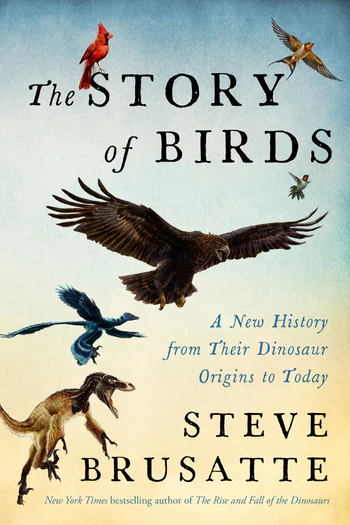
Science Quickly: The dinosaurs at your window: How birds survived the asteroid that killed all other dinosaurs
Read more: Science Quickly: The dinosaurs at your window: How birds survived the asteroid that killed all other dinosaursScientific American’s “Science Quickly” had an interview with Steve Brusatte on a recent episode. Steve’s new book “The Story of Birds” is available to day April 28th, 2026.
-
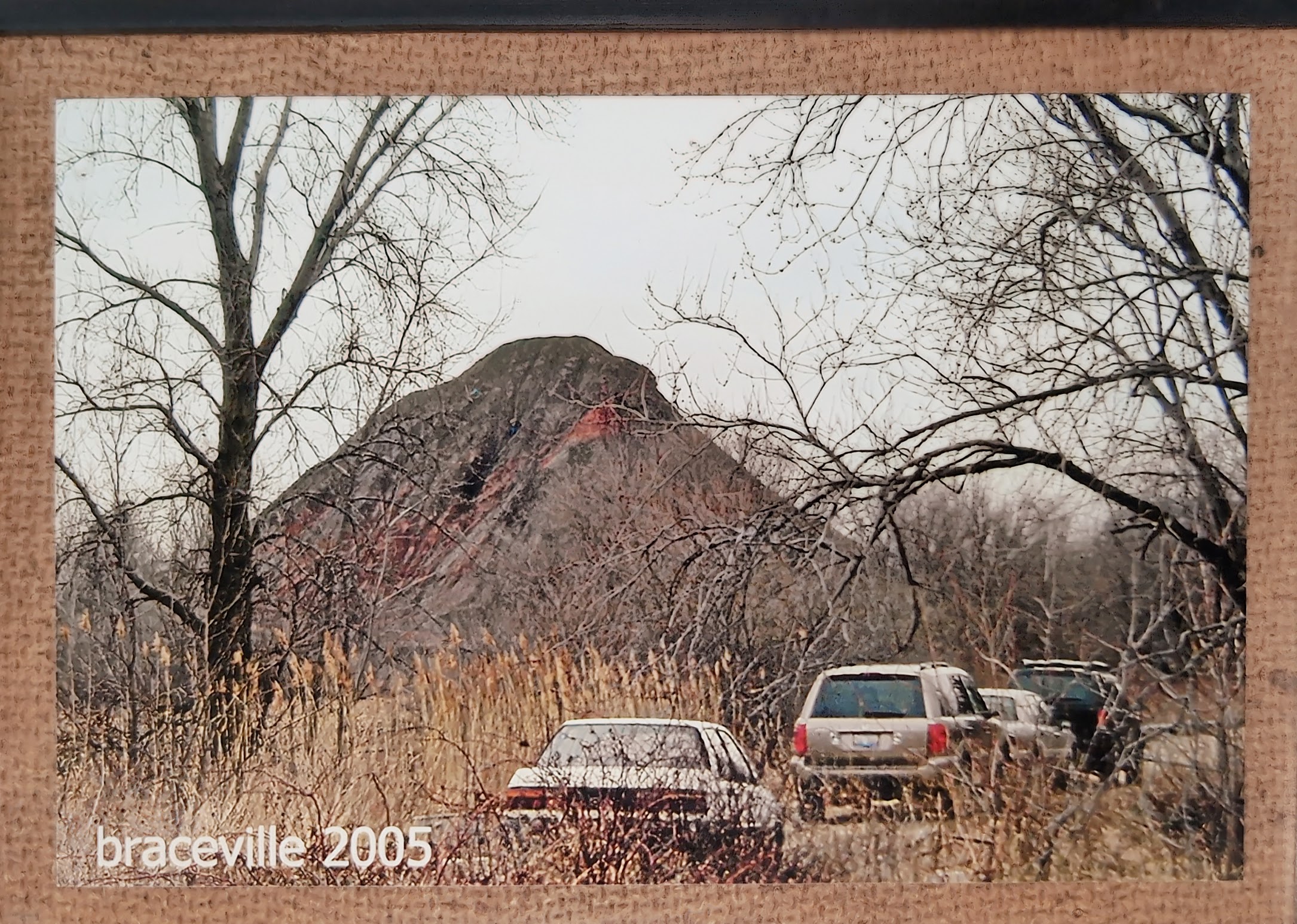
Mazon Monday #319: ESCONI Braceville Trip Spring 2005
Read more: Mazon Monday #319: ESCONI Braceville Trip Spring 2005Our spring trip to Braceville Spoil Pile is coming up in May. The sign-up will kick off very soon. We have been going there for many years. For the spring trip in 2005, Barbara Brotman, a reporter for the Chicago Tribune was there to talk to a few ESCONI members and talk about ESCONI.
-
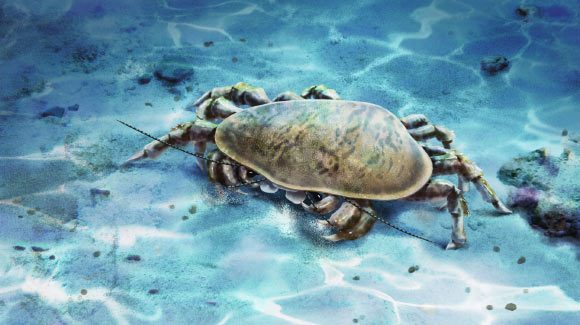
Early Triassic Cyclidan Crustacean Had Powerful Jaws
Read more: Early Triassic Cyclidan Crustacean Had Powerful JawsSci-News has an article about a distinctive, but enigmatic, group of arthropods called Cyclidans. Cyclidans appeared during the Carboniferous and hung around until the Late Cretaceous.
-

Science Quickly: The fans who went from collecting Pokémon to studying bugs and fossils
Read more: Science Quickly: The fans who went from collecting Pokémon to studying bugs and fossilsScience American’s “Science Quickly” had a recent episode about the upcoming Pokemon display at the Field Museum. Arjan Mann, Field Museum Curator of Early Tetrapods, was one of the guests.
-

Fossil Friday #314: Kellibrooksia macrogaster
Read more: Fossil Friday #314: Kellibrooksia macrogasterFor today’s fossil, we have a beautiful specimen of Kellibrooksia macrogaster, which was a species of mantis shrimp (see Mazon Monday #105). This rare animal was described by Frederick Schram in 1973. It was named in honor of Harold Kelly Brooks, who published the first well-illustrated modern account of Mazon Creek crustaceans. A pdf of his work is available. Have a look as it has some amazing illustrations! This contribution comes from Alan Keith. Alan is a very serious Mazon Creek collector. He travels up here from Texas multiple times each year to collect concretions he can process back home. Thanks for sharing,…
-
Throwback Thursday #314: Collecting from 1954
Read more: Throwback Thursday #314: Collecting from 1954We are in the midst of the spring field trip season and this article by Roy Beghtol from the May 1954 edition of the ESCONI newsletter seemed appropriate.
-

Happy Earth Day 2026!
Read more: Happy Earth Day 2026!For more information see the Earth Day website.
-
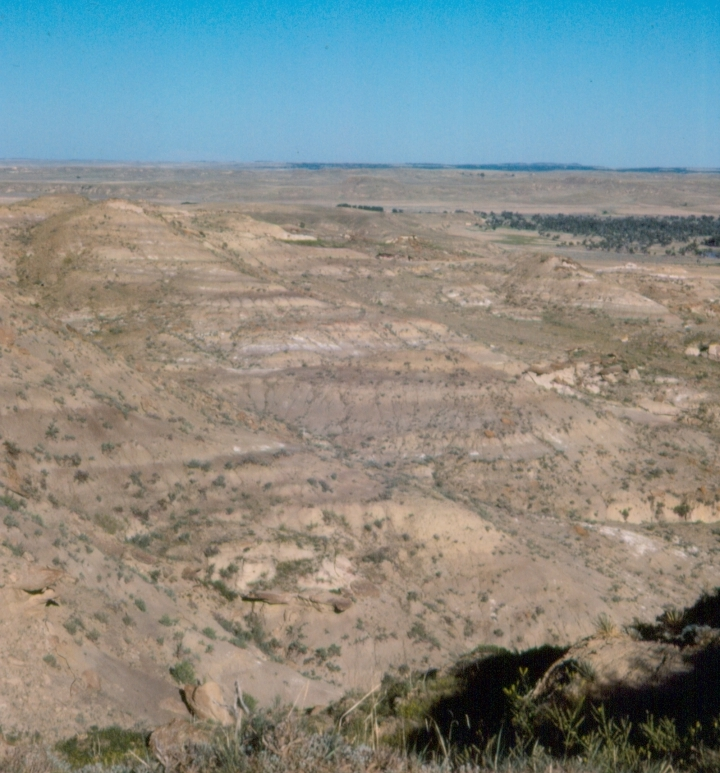
Video for ESCONI April 2026 Paleontology Meeting – “Digging the Marl of the Lance Formation”
Read more: Video for ESCONI April 2026 Paleontology Meeting – “Digging the Marl of the Lance Formation”The April 2026 Paleontology Study Group Meeting featured Keith Robitschek and his presentation “Digging the Marl of the Lance Formation”.
-

Video for ESCONI April 2026 General Meeting – “Life in the Devonian Period, The Age of Fishes”
Read more: Video for ESCONI April 2026 General Meeting – “Life in the Devonian Period, The Age of Fishes”The April 2026 General Meeting was held on April 10th, 2026 at 8:00 via Zoom. At the meeting, Jessica Hull presented “Life in the Devonian Period, The Age of Fishes.”
-
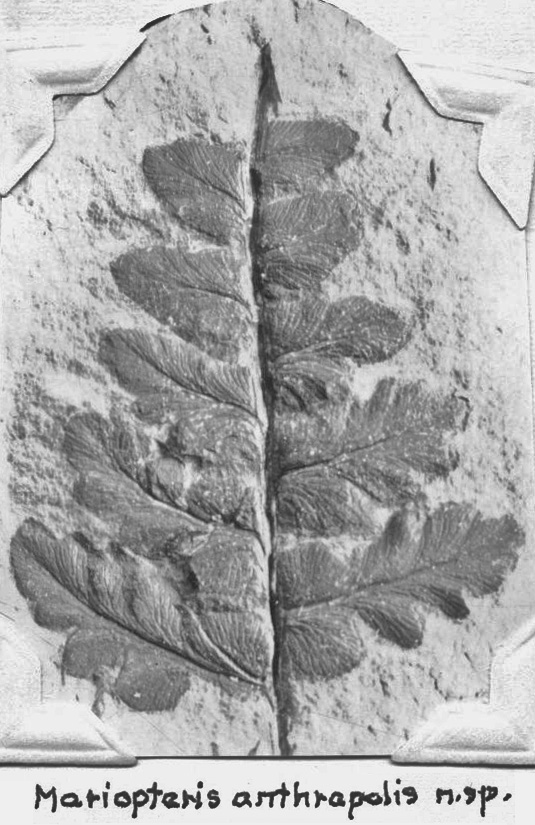
Mazon Monday #318: Eusphenopteris neuropteroides
Read more: Mazon Monday #318: Eusphenopteris neuropteroidesEusphenopteris neuropteroides is an extinct seed fern species that is relatively uncommon, though it is primarily known from the terrestrial deposits of Mazon Creek. It was originally described as Pseudopecopteris anceps by Leo Lesquereux, but its classification has shifted over time as its relationships to other taxa became better understood. Over the years, it has been reassigned among several genera, including Sphenopteris and Mariopteris, before being placed in its current genus.
-
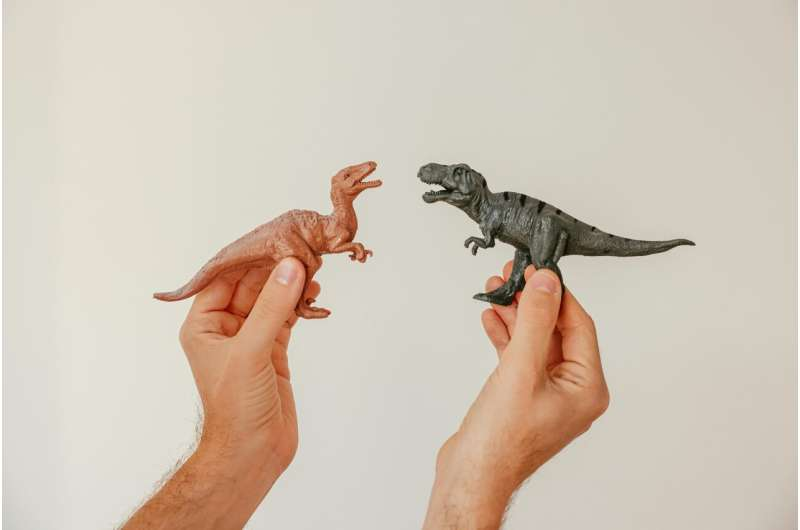
The revolution in dinosaur science started 50 years ago—here’s what we have learned
Read more: The revolution in dinosaur science started 50 years ago—here’s what we have learnedPhys.org has a story about the dinosaur renaissance that started about 50 years ago. Before the research that led to the revolution in dinosaur science, dinosaurs were thought to dumb, slow, lumbering animals that went extinct because mammals were faster and smarter. Bone histology, birds as dinosaurs, feathers, lifespan, diet, and behavior are just a few of the advances we now understand to a greater extent than before the change in view that led to the renaissance.

ESCONI Gem, Mineral, and Fossil Show
Most Recent Post
- Throwback Thursday #324: Poem “Cephalopodosis”
 We have nothing but respect for cephalopods in ESCONI, but this is a rather odd poem called “Cephalopodosis” from B. J. Babbitt. This poem appeared in the June 1950 edition of the ESCONI newsletter. Babbitt was the editor of the newsletter at the time. And, he remained editor for ESCONI’s first three years.
- About ESCONI
- Around the Web
- Calendar of Events
- Code of Ethics and Conduct
- ESCONI Books for Sale
- ESCONI Gem, Mineral, and Fossil Show
- ESCONI in the News
- ESCONI Videos
- Field Trips
- Flashback Friday
- Fossil Friday
- Mazon Creek
- Mazon Monday
- Member Spotlight
- Membership Information
- Reference Material
- Throwback Thursday
- Trilobite Tuesday
Field trips require membership, but visitors are welcome at all meetings!
| Friday, June 12th | General Meeting – 8:00 PM via Zoom. Adrienne Stroup of The Field Museum will present “At the Intersection of Art and Science: Outreach in Natural History Museums”. |
| Saturday, June 20th | Paleontology Study Group – 7:30 PM via Zoom. Lincoln Shoemaker will present “Factors controlling the distribution of Late Ordovician – Silurian crinoids.” |
| No meeting this month | Junior Study Group Meeting |
| No meeting this month | Mineralogy Study Group |