-
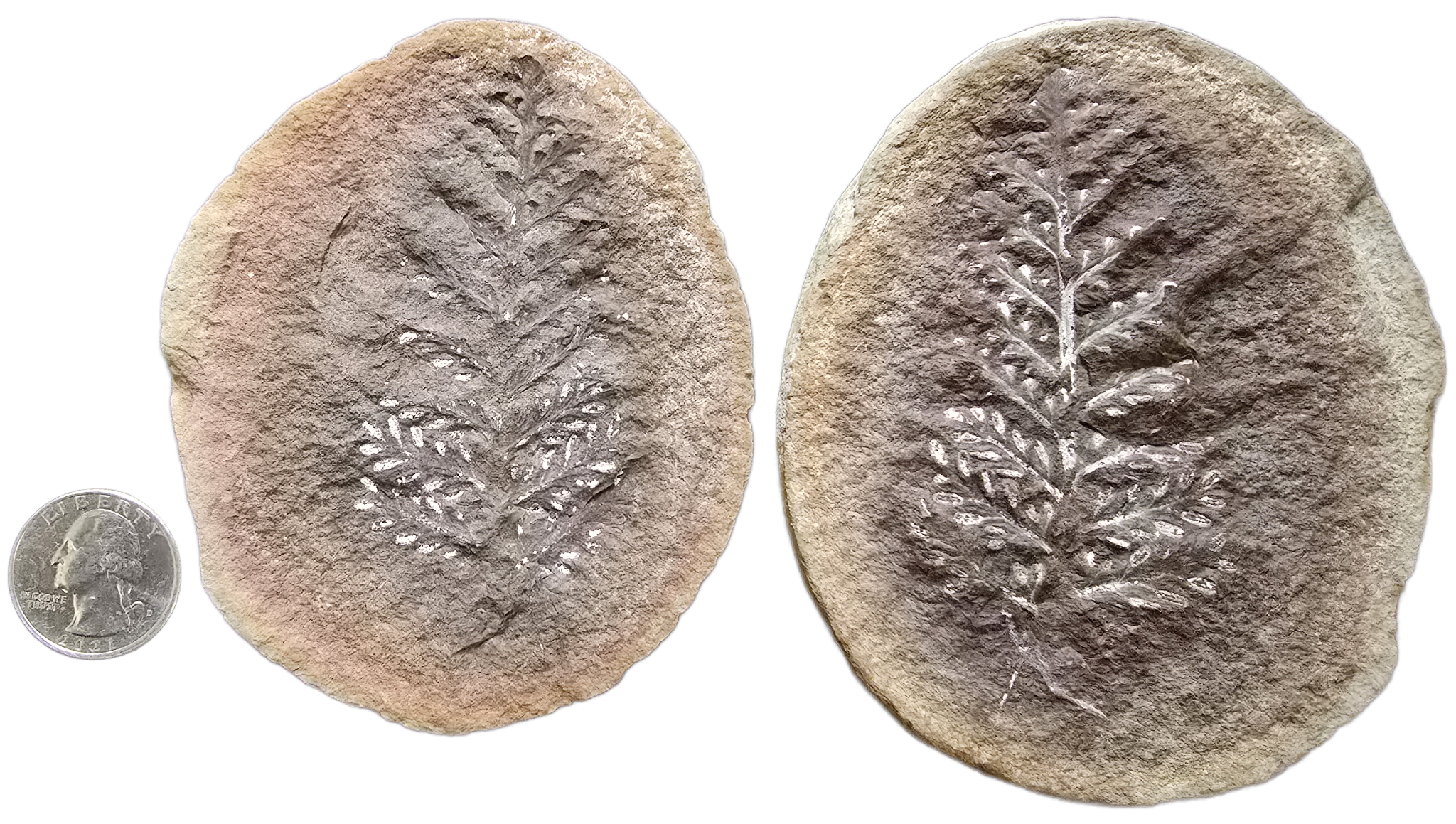
Fossil Friday #325: Radstockia kidstonii
Read more: Fossil Friday #325: Radstockia kidstoniiJeremy Zimmerman sent in photos of this breathtaking Radstockia kidstonii. R. kidstonii is a very rare true fern from Mazon Creek. Its pinnules and fertile structures are similar to the modern fern Marattia alata.
-

Throwback Thursday #325: Journey to the Beginning of Time
Read more: Throwback Thursday #325: Journey to the Beginning of TimeOk, who remembers “Journey to the Beginning of Time” on Garfield Goose on morning television in Chicago? Just recently, the trailer to the US version of the movie recently appeared in one of my feeds, so I did a little research to find out more about the film/episodes.
-
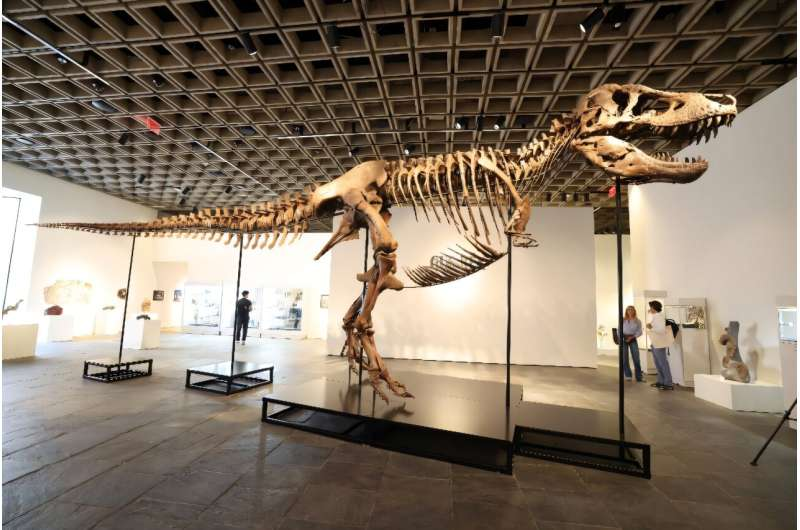
‘Gus’ the T. rex presented in New York ahead of auction
Read more: ‘Gus’ the T. rex presented in New York ahead of auctionPhys.org has an article about “Gus” the Tyrannosaurus rex. “Gus” lived during the late Cretaceous Period, about 67 million years ago. The fossil is about 61% complete by bone count and 75-80% by bone mass. It was discovered in Harding County, South Dakota in 2021. “Gus” is named after the late rancher Gary “Gus” Licking, on whose land it was found.
-
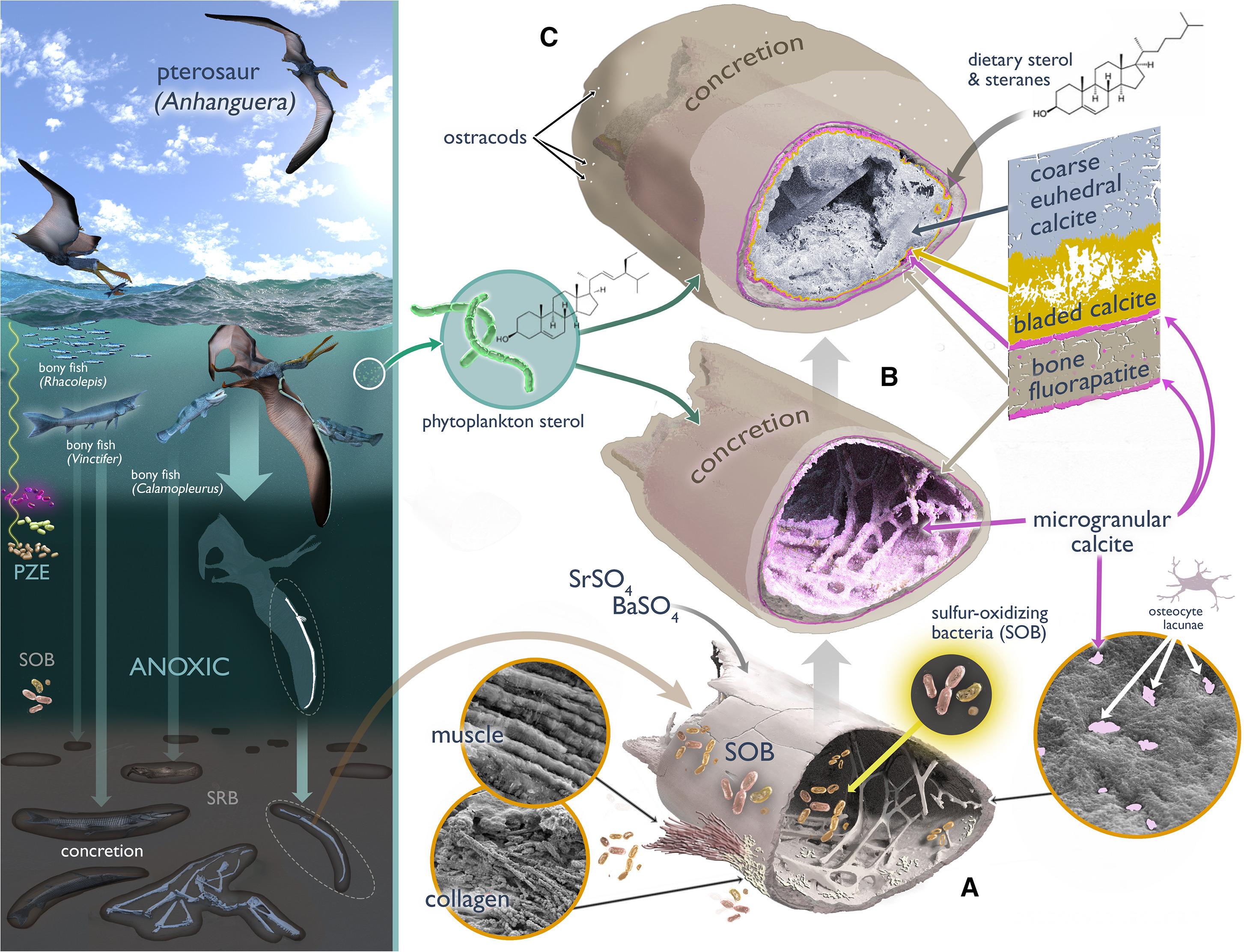
Scientists Discover the First-Ever Molecules Preserved Inside a 113-Million-Year-Old Pterosaur Fossil
Read more: Scientists Discover the First-Ever Molecules Preserved Inside a 113-Million-Year-Old Pterosaur FossilSciTechDaily has a story about an exceptionally preserved pterosaur wing from Brazil. The animal lived about 113 million years ago, during the middle Cretaceous Period, in what is now northeastern Brazil. Its wing phalanx, which refers to the individual bone segments which make up the finger skeleton supporting the wing, was preserved in 3 dimensions with chemical traces that might provide clues to the its diet. The research “Multi-staged mineralization and biomarker preservation in a 113-million-year-old pterosaur bone via redox shifts in diagenesis” was published in the journal iScience.
-

Mazon Monday #330: A New Mazon Creek Worm
Read more: Mazon Monday #330: A New Mazon Creek WormWhile you were getting ready to celebrate our nation’s 250th birthday, a new fossil polychaete from Mazon Creek was being introduced to the world! It’s the first in annelid from Mazon Creek in over 20 years! Mazovermes magnaterminus was described in “The first new polychaete from the Mazon Creek fossil site in 20 years suggests cryptic annelid diversity in the Late Paleozoic”, which was published in the journal Geological Magazine. The paper is open access. The authors, Karma Nanglu, Jack Wittry, and Victoria McCoy, should be familiar to all of those interested in Mazon Creek fossils.
-
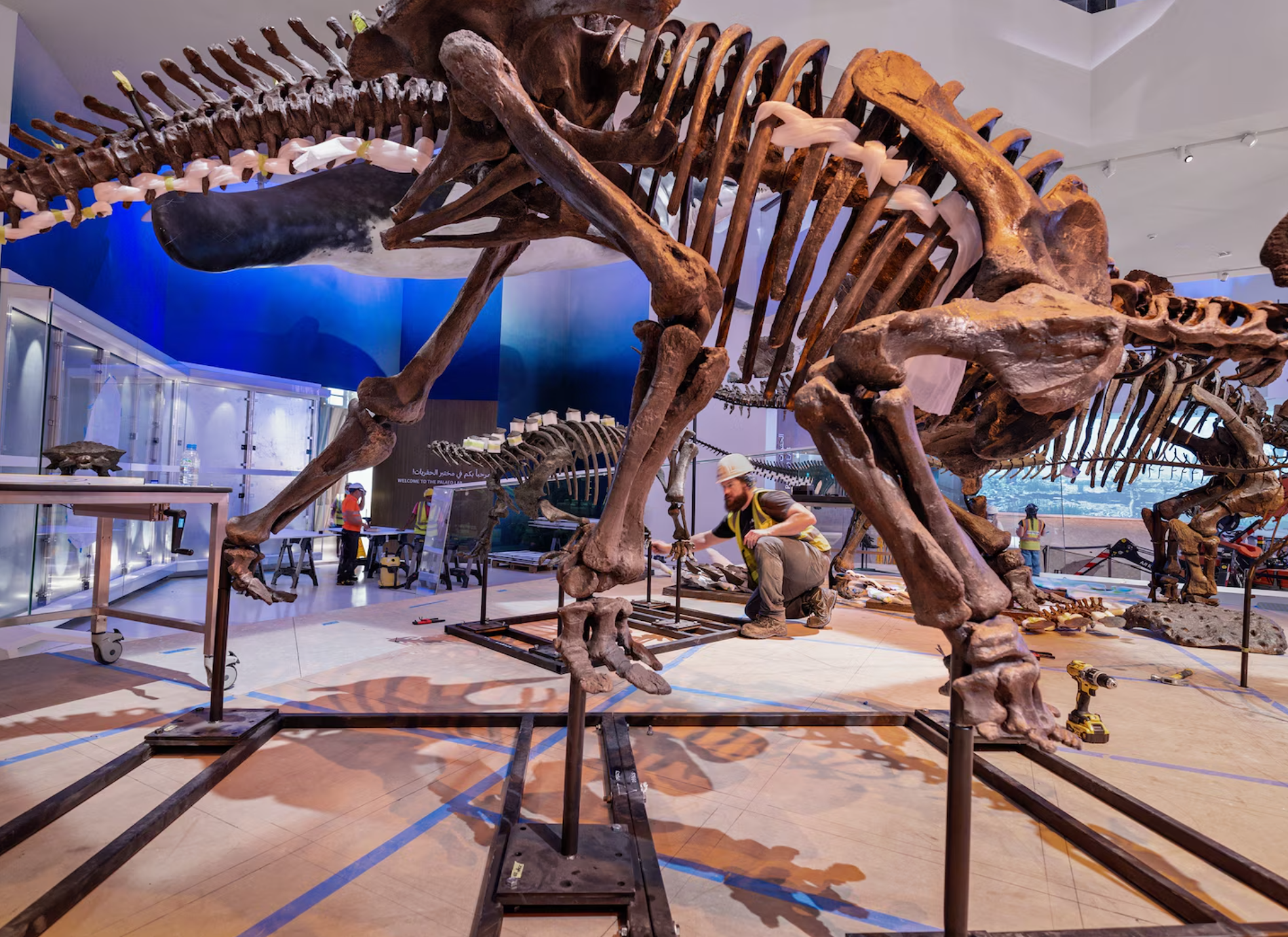
Inside the making of the world’s most modern natural history museum
Read more: Inside the making of the world’s most modern natural history museumNational Geographic has an interesting story about the making of the new Natural History Museum Abu Dhabi. The museum opened in late 2025, with beautiful modern exhibits. This is the story of its making…
-
Happy 4th of July… the 250th Edition!
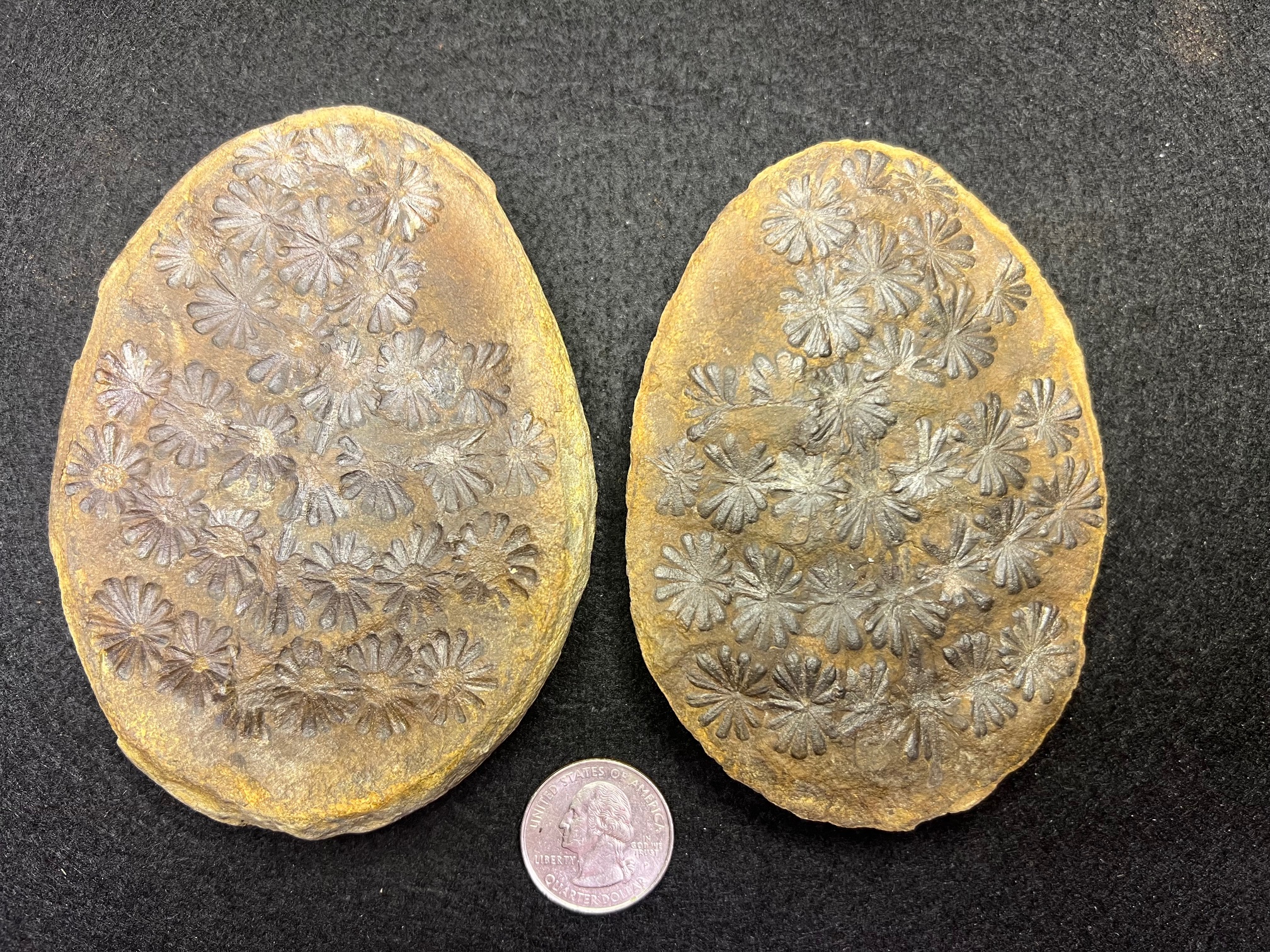
Read more: Happy 4th of July… the 250th Edition!What better way to celebrate the 4th of July than with some beautiful Annularia fossils?!? We have a variety of species here, so sit back and enjoy the fireworks!
-
Fossil Friday #324: A Big Beautiful Acanthotelson stimpsoni
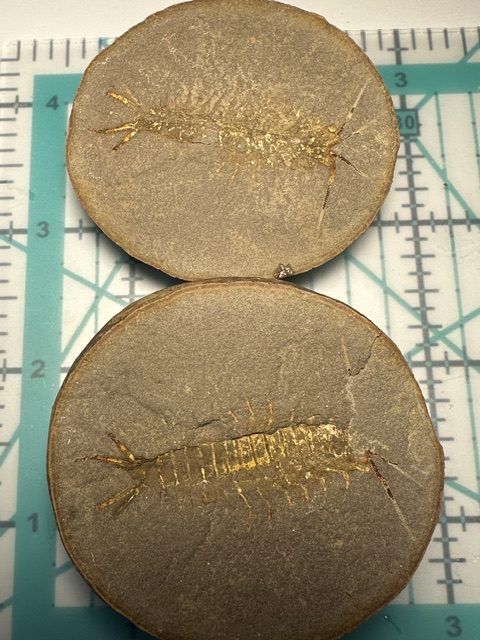
Read more: Fossil Friday #324: A Big Beautiful Acanthotelson stimpsoniIt’s not exactly fireworks, but this week’s beautiful Acanthotelson stimpsoni will leave you speechless. A. stimpsoni is a syncarid shrimp and one of the most common shrimp found amongst the fauna of Mazon Creek. Syncarida is a superorder of crustaceans. It consists of two extant orders Anaaspidacea and Bathynellacea, and one extinct order Paleocaridacea, to which Acanthotelson belongs.
-

Throwback Thursday #324: Poem “Cephalopodosis”
Read more: Throwback Thursday #324: Poem “Cephalopodosis”We have nothing but respect for cephalopods in ESCONI, but this is a rather odd poem called “Cephalopodosis” from B. J. Babbitt. This poem appeared in the June 1950 edition of the ESCONI newsletter. Babbitt was the editor of the newsletter at the time. And, he remained editor for ESCONI’s first three years.
-

2026 ESCONI Rock, Mineral and Fossil Swap and Sale – August 15, 2026 at College of DuPage
Read more: 2026 ESCONI Rock, Mineral and Fossil Swap and Sale – August 15, 2026 at College of DuPageESCONI is sponsoring a rock swap and sale event on August 15, 2026 at College of DuPage in Glen Ellyn. The location is Parking Lot 4, south of the Health and Science Building, and adjacent to the prairie.
-
After 35 Years, 152-Million-Year-Old Dinosaur ‘Big Al’ Returns Home To Wyoming
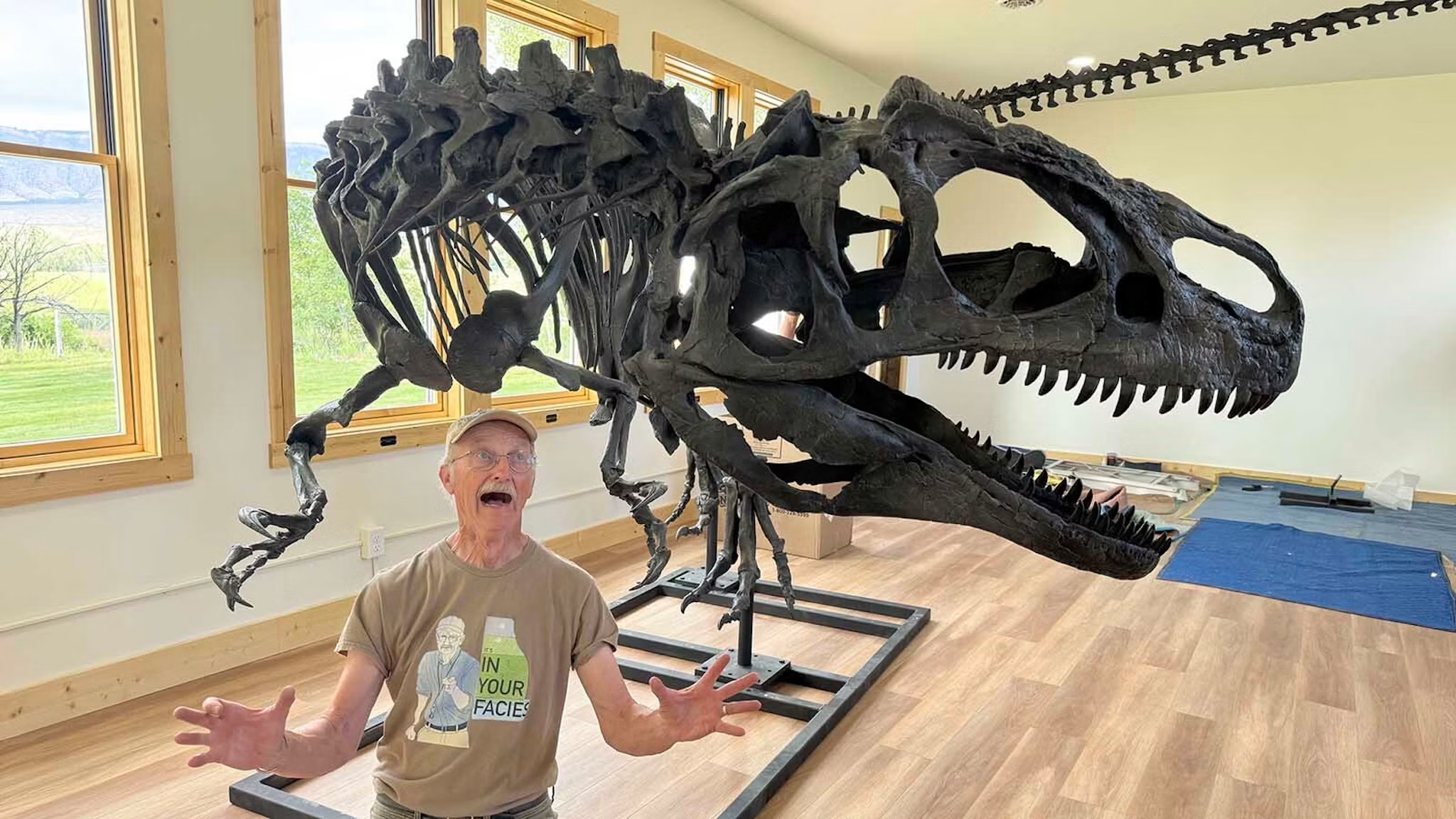
Read more: After 35 Years, 152-Million-Year-Old Dinosaur ‘Big Al’ Returns Home To WyomingCowboy State Daily has a story about “Big Al” the Allosaurus… He is headed home! “Al”, the star of the 2000 BBC documentary “Walking with Dinosaurs”, was found near Shell, WY in 1990. He lived about 152 million years ago during the Jurassic Period. A 2002 paper, “Record-Breaking Pain: The Largest Number and Variety of Forelimb Bone Maladies in a Theropod Dinosaur”, documented 19 distinct injuries and diseases preserved in “Big Al’s” fossils. The injuries included several fractured ribs, a torn up hand, and a massive bone infection in his right middle toe bone.
-
Mazon Monday #329: Danville Spoil Pile May 2026
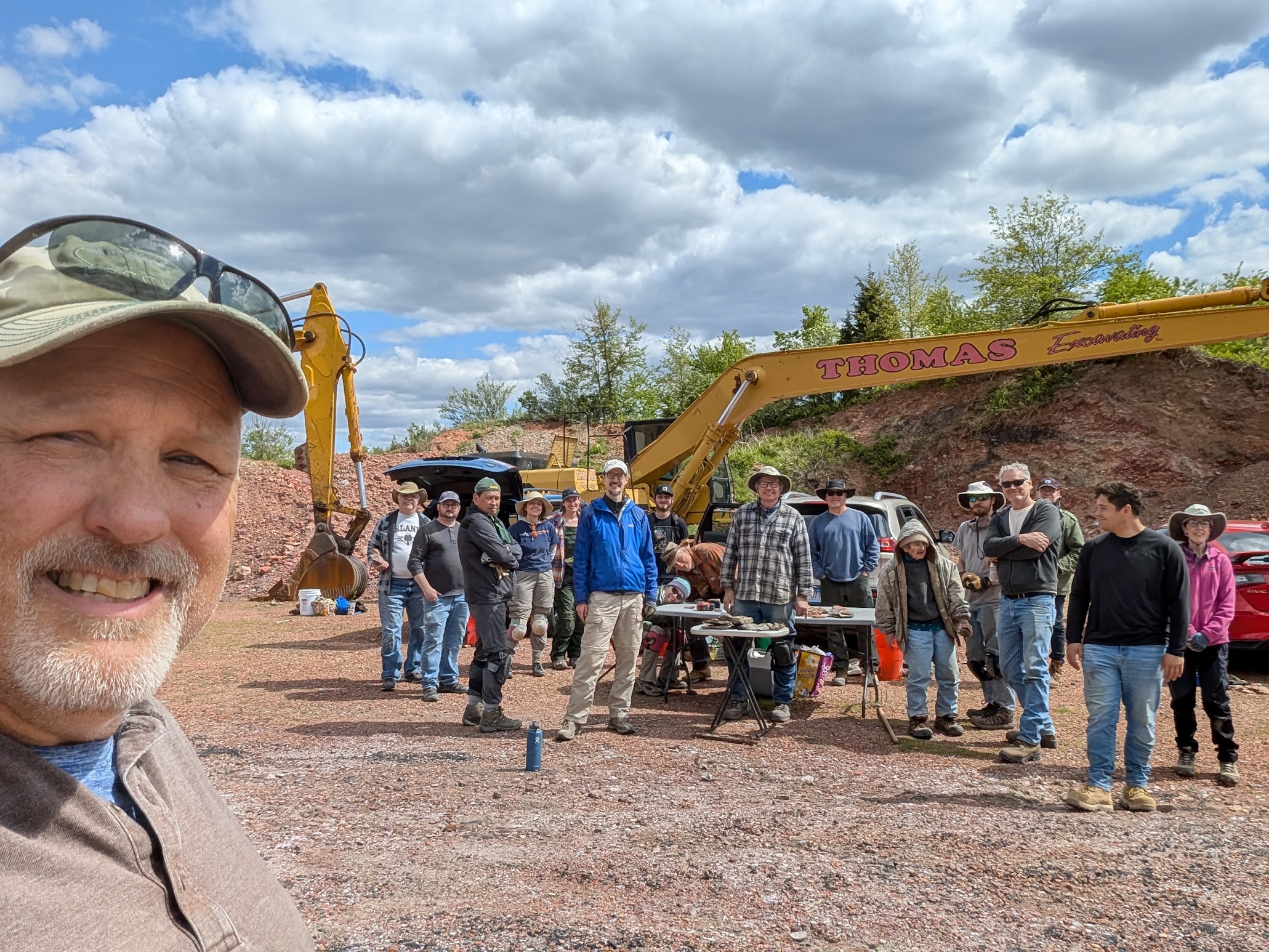
Read more: Mazon Monday #329: Danville Spoil Pile May 2026Saturday, May 2nd, 2026 was a fairly nice day. It was partly cloudy with some wind. It was a little cooler than previous trips.
-

PBS Eons: The Terrifying Reason Flightless Dinosaurs Grew Feathers
Read more: PBS Eons: The Terrifying Reason Flightless Dinosaurs Grew FeathersPBS Eons has a new video. This one is about the evolution of feathers. The question of what non-flying dinosaurs were doing with their feathered wings – and why they originally evolved in the first place – has been a mystery since they were discovered. But thanks to what might just be one of the strangest experiments in the recent history of paleontology – involving a makeshift robot-dino – a new hypothesis has emerged…
-
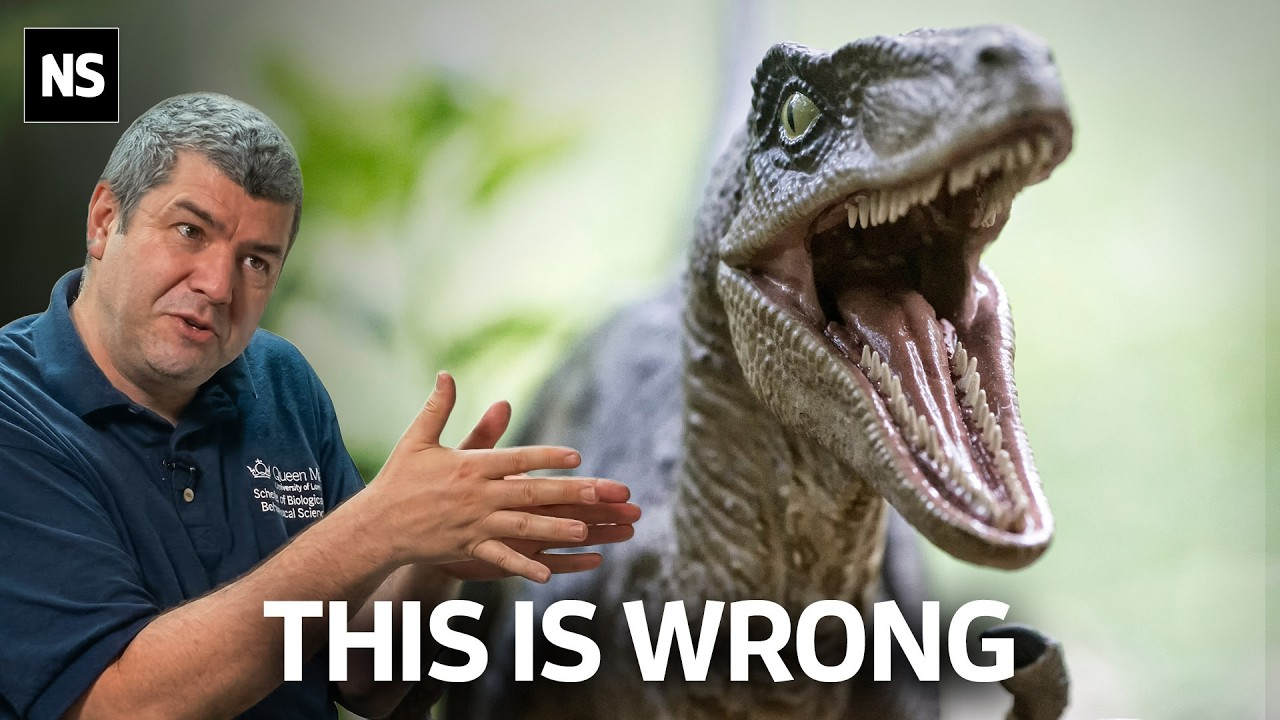
The Real Dinosaurs Were MUCH Weirder
Read more: The Real Dinosaurs Were MUCH WeirderIn this New Scientist video, David Hone discusses dinosaurs. What were dinosaurs really like?
-

Fossil Friday #323: Laveineopteris rarinervis from the Mazon River
Read more: Fossil Friday #323: Laveineopteris rarinervis from the Mazon RiverThis is the “Fossil Friday” post #323. Expect this to be a regular feature of the website. We will post fossil pictures you send in to esconi.info@gmail.com. Please include a short description or story. Check the #FossilFriday Bluesky/Twitter hash tag for contributions from around the world! Marie Angkuw sent us these photos of a gorgeous Laveineopteris rarinervis from the Mazon River. Laveineopteris rarinervis, a seed fern, is pretty commonly found in Mazon Creek localities (see Mazon Monday #81). This specimen was collected from one of the I&M Canal Corridor benefits on the Kodat farm. The concretion opened via the freeze/thaw…
-
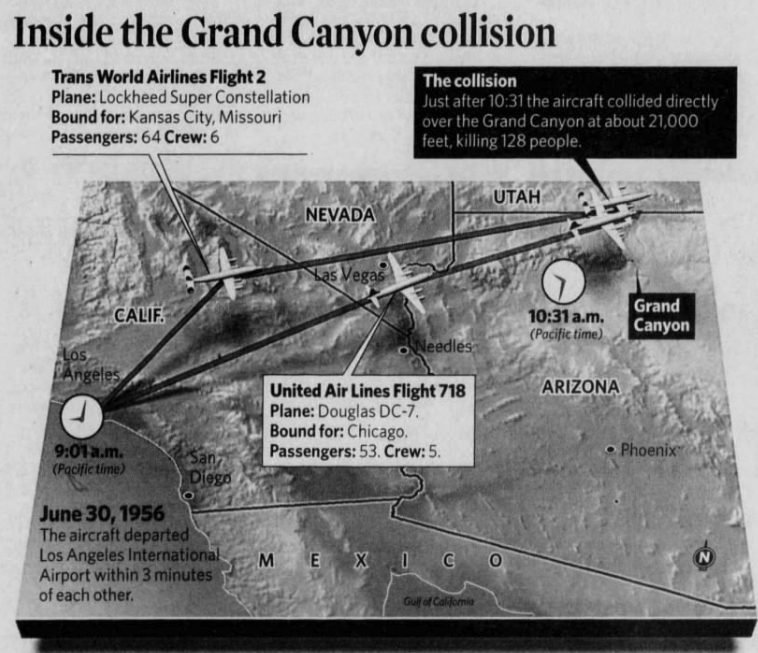
Throwback Thursday #323: June 30, 1956 Mid-Air Collision Over the Grand Canyon
Read more: Throwback Thursday #323: June 30, 1956 Mid-Air Collision Over the Grand CanyonNewspapers.com recently featured an interesting article about the tragic mid-air collision over the Grand Canyon on June 30, 1956. TWA Flight 2, a Lockheed Super Constellation en route to Kansas City, collided with United Flight 718, a DC-7 bound for Chicago. Both aircraft had departed from Los Angeles, and the collision is believed to have occurred at an altitude of about 21,000 feet.
-
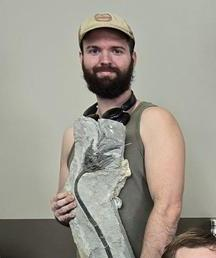
Video for ESCONI June 2026 Paleontology Study Group Meeting – “Factors controlling the distribution of Late Ordovician – Silurian crinoids.”
Read more: Video for ESCONI June 2026 Paleontology Study Group Meeting – “Factors controlling the distribution of Late Ordovician – Silurian crinoids.”The ESCONI June 2026 Paleontology Study Group Meeting was held on Saturday, June 20th, 2026 at 7:30 PM via Zoom. Lincoln Shoemaker presented “Factors controlling the distribution of Late Ordovician – Silurian crinoids.” Lincoln Shoemaker is currently a master’s student at the University of Cincinnati where he is involved in multiple projects regarding the Late Ordovician Mass Extinction along with minor work involving Mississippian crinoids. Prior to pursing a master’s Lincoln worked as a freelance fossil preparator and commercial dealer of invertebrate fossils.
-

Mazon Tuesday #328: The Legacy of Tom Testa
Read more: Mazon Tuesday #328: The Legacy of Tom TestaMichele Micetich, curator of the Carbon Hill School Museum, will host a special event on Saturday, June 27, 2026, celebrating the life and legacy of Tom Testa. A lifelong fossil collector with a passion for Mazon Creek fossils, Tom assembled one of the finest private collections of its kind. In 2015, he gave his collection to Jack Wittry, who donated it to the Field Museum, ensuring that it would remain available for scientific study. The remarkable depth and diversity of Tom’s collection has contributed to numerous scientific discoveries, including research highlighted recently in Mazon Monday #327.
-
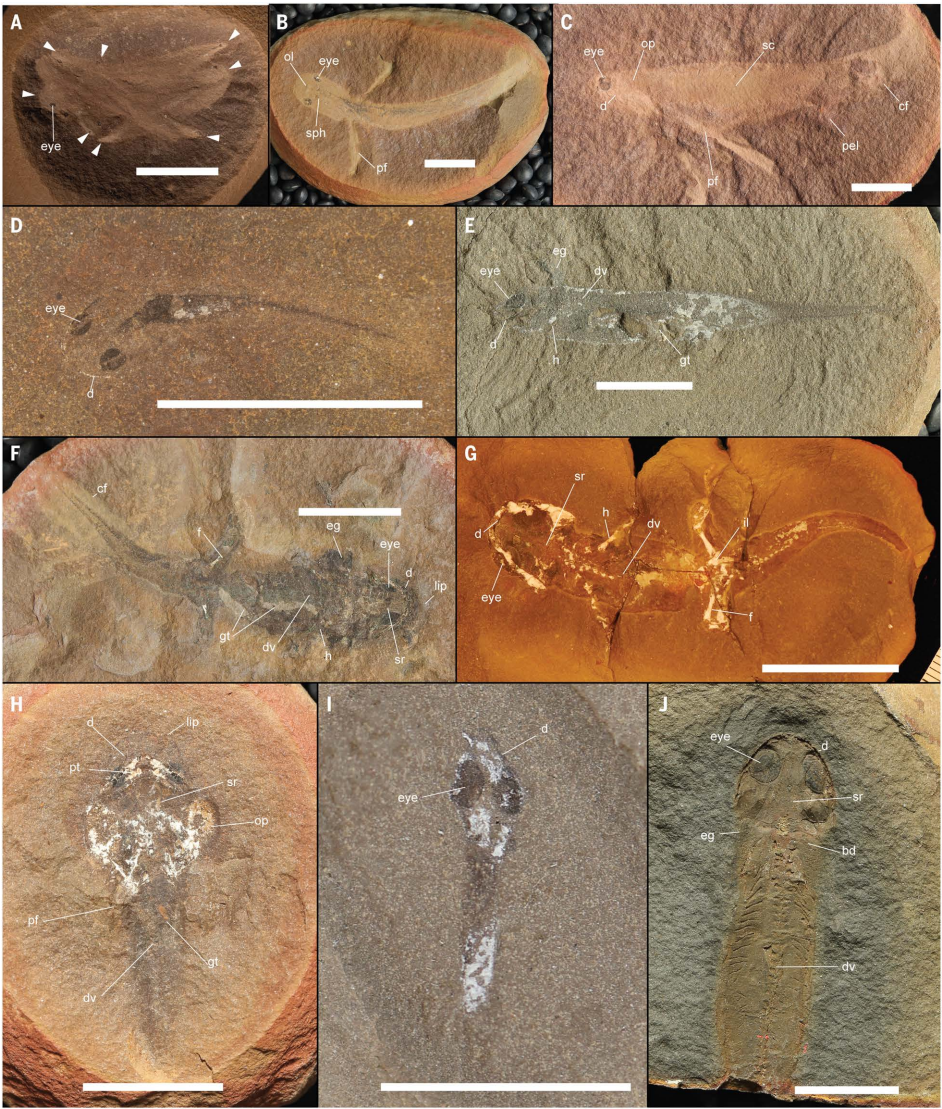
Mazon Monday #327: Direct development of stem tetrapods across the fin-to-limb transition
Read more: Mazon Monday #327: Direct development of stem tetrapods across the fin-to-limb transitionA significant paper on tetrapod development was published last week, and Mazon Creek fossils played a central role. “Direct Development of Stem Tetrapods Across the Fin-to-Limb Transition” by Jason Pardo and Arjan Mann of the Field Museum appeared in the journal Science. Lauer Foundation for Paleontology, Science, and Education also contributed to the study. The paper presents an important new perspective on the life history of the earliest tetrapods, which are the vertebrates that eventually gave rise to amphibians, reptiles, birds, and mammals. Using exceptionally preserved fossils from the Mazon Creek, the authors conclude that these early tetrapods did not…
-

ESCONI at the Coal City Library!
Read more: ESCONI at the Coal City Library!On June 4, ESCONI was at the Coal City Library to kick off summer with exhibits of fossils, geodes, and our popular dig box. Jody Gosain and Jim Bigler presented to over 150 people including 100 children. Interestingly, the library itself has three beautiful collection of Mazon Creek fossils donated by locals over the years. So many residents told stories of relatives having “tullies” , buckets full of concretions collected over the years and asking how to get them to open, and playing along the creek and finding beautiful specimens! Many were surprised to learn just how fortunate they were…

ESCONI Rock, Mineral and Fossil Swap and Sale!
Most Recent Post
- Field Faire: A Knight at the Museum
 The Field Museum is holding another special Museum After Hours event. This one is Thursday, August 20th, 2026. Hear ye,… Read more: Field Faire: A Knight at the Museum
- About ESCONI
- Around the Web
- Calendar of Events
- Code of Ethics and Conduct
- ESCONI Books for Sale
- ESCONI Gem, Mineral, and Fossil Show
- ESCONI in the News
- ESCONI Videos
- Field Trips
- Flashback Friday
- Fossil Friday
- Mazon Creek
- Mazon Monday
- Member Spotlight
- Membership Information
- Reference Material
- Throwback Thursday
- Trilobite Tuesday
Field trips require membership, but visitors are welcome at all meetings!
| Saturday, July 11th | Field Trip to Mount Orab for Ordovician Trilobites Details were sent in an email. |
| Saturday, August 15th | ESCONI Rock, Mineral, and Fossil Swap College of Dupage – 9:00 AM – 3:00 PM. Details here. |
| No meetings until September | General Meeting |
| No meetings until September | Paleontology Study Group |
| No meetings until September | Junior Study Group Meeting |
| No meetings until September | Mineralogy Study Group |