Month: April 2026
-
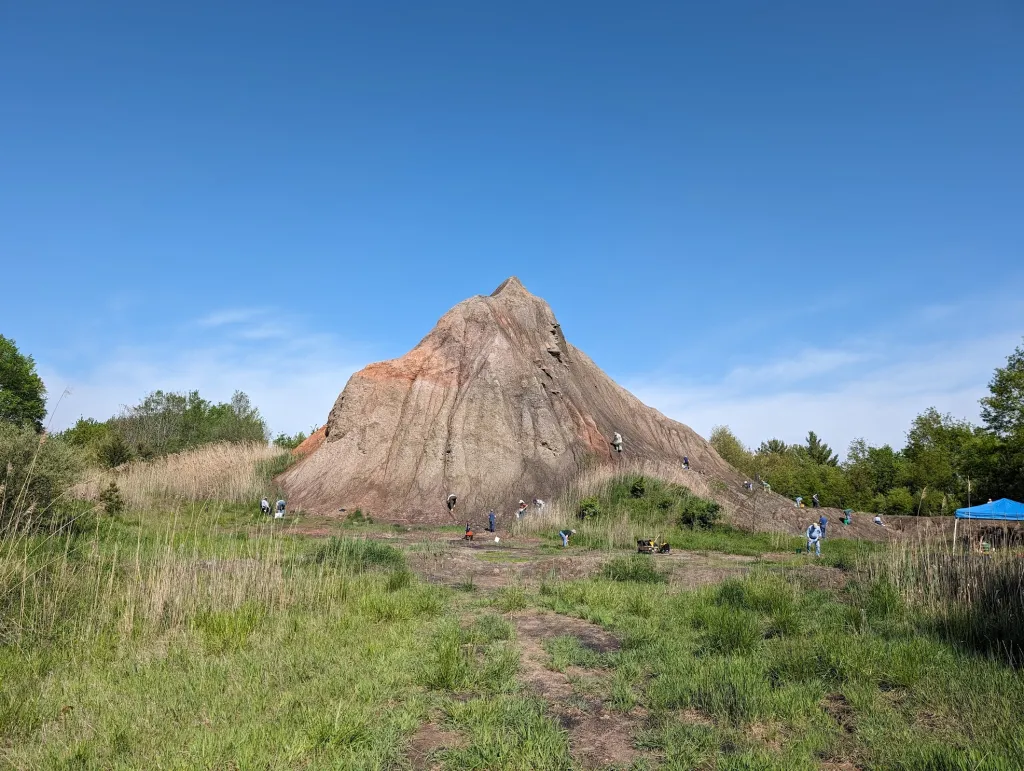
ESCONI Field Trip to Braceville, IL for Mazon Creek Fossils – Saturday, May 30th and Sunday, May 31st, 2026
The ESCONI field trips to Braceville for Mazon Creek fossils are set for May 30th and 31st, 2026 from 9 AM to 3 PM. You can attend one or the other, but not both days. There is an attendance limit of 50 people each day. You must register to go on this trip. See rule…
-

Throwback Thursday #315: Empire Quarry in Bloomington, Indiana
Atlas Obscura has an interesting post about the Empire Quarry located in the area of Bloomington, Indiana. This quarry supplied the 18,630 tons of stone used to build the Empire State Building in the 1920’s. Indiana is known for its rocks. Some of the world’s finest limestone hails from the area surrounding Bloomington and Bedford,…
-
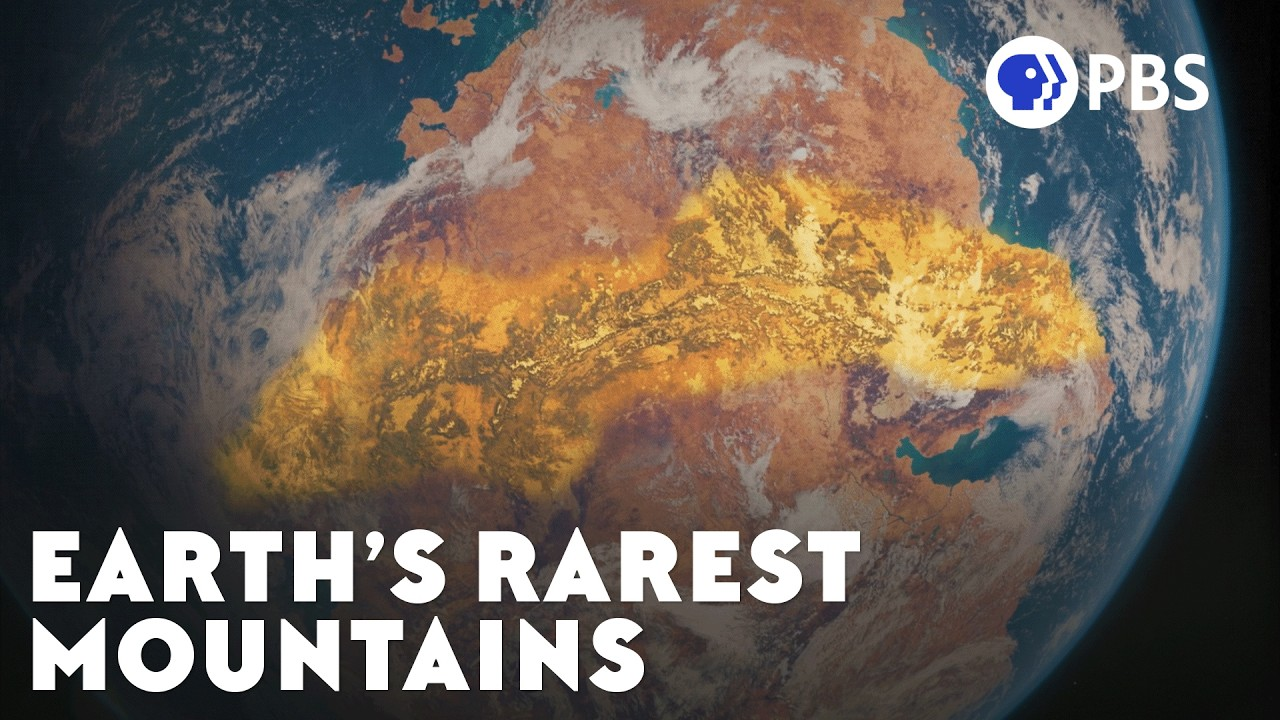
PBS Eons: When the Earth Had Supermountains
PBS Eons has a new episode. This one is about some truly giant mountains and the evolutionary changes they drove.
-
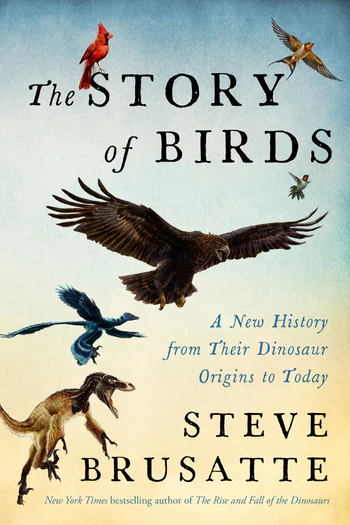
Science Quickly: The dinosaurs at your window: How birds survived the asteroid that killed all other dinosaurs
Scientific American’s “Science Quickly” had an interview with Steve Brusatte on a recent episode. Steve’s new book “The Story of Birds” is available to day April 28th, 2026.
-
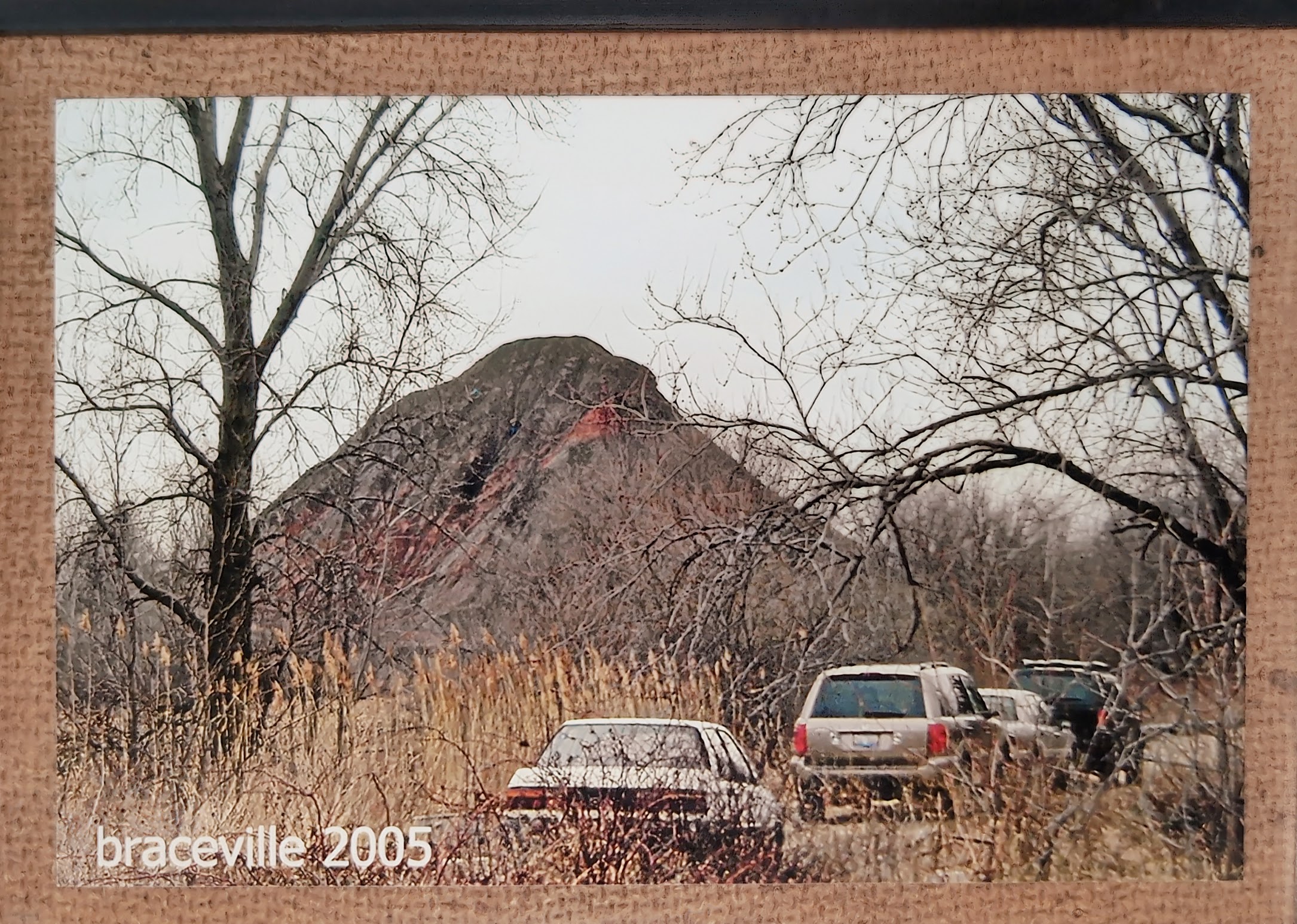
Mazon Monday #319: ESCONI Braceville Trip Spring 2005
Our spring trip to Braceville Spoil Pile is coming up in May. The sign-up will kick off very soon. We have been going there for many years. For the spring trip in 2005, Barbara Brotman, a reporter for the Chicago Tribune was there to talk to a few ESCONI members and talk about ESCONI.
-
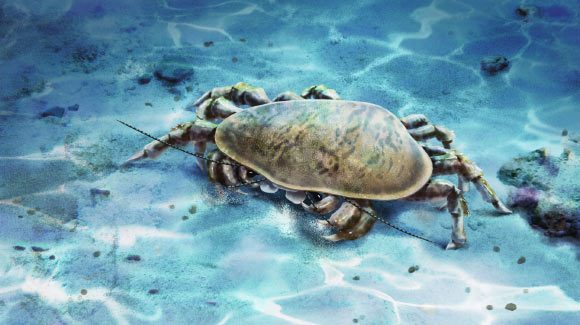
Early Triassic Cyclidan Crustacean Had Powerful Jaws
Sci-News has an article about a distinctive, but enigmatic, group of arthropods called Cyclidans. Cyclidans appeared during the Carboniferous and hung around until the Late Cretaceous.
-

Science Quickly: The fans who went from collecting Pokémon to studying bugs and fossils
Science American’s “Science Quickly” had a recent episode about the upcoming Pokemon display at the Field Museum. Arjan Mann, Field Museum Curator of Early Tetrapods, was one of the guests.
-

Fossil Friday #314: Kellibrooksia macrogaster
For today’s fossil, we have a beautiful specimen of Kellibrooksia macrogaster, which was a species of mantis shrimp (see Mazon Monday #105). This rare animal was described by Frederick Schram in 1973. It was named in honor of Harold Kelly Brooks, who published the first well-illustrated modern account of Mazon Creek crustaceans. A pdf of his work is…
-
Throwback Thursday #314: Collecting from 1954
We are in the midst of the spring field trip season and this article by Roy Beghtol from the May 1954 edition of the ESCONI newsletter seemed appropriate.
-
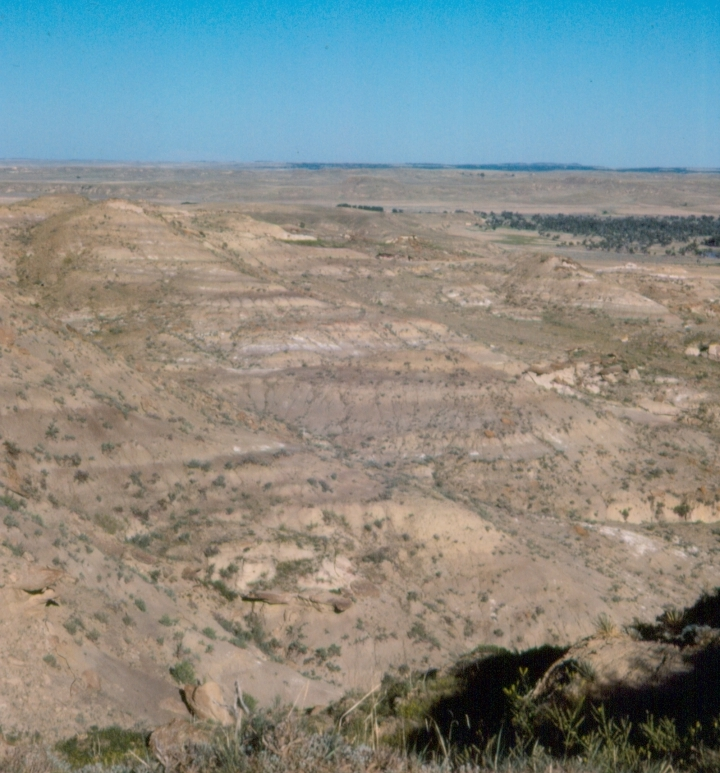
Video for ESCONI April 2026 Paleontology Meeting – “Digging the Marl of the Lance Formation”
The April 2026 Paleontology Study Group Meeting featured Keith Robitschek and his presentation “Digging the Marl of the Lance Formation”.
-

Video for ESCONI April 2026 General Meeting – “Life in the Devonian Period, The Age of Fishes”
The April 2026 General Meeting was held on April 10th, 2026 at 8:00 via Zoom. At the meeting, Jessica Hull presented “Life in the Devonian Period, The Age of Fishes.”
-
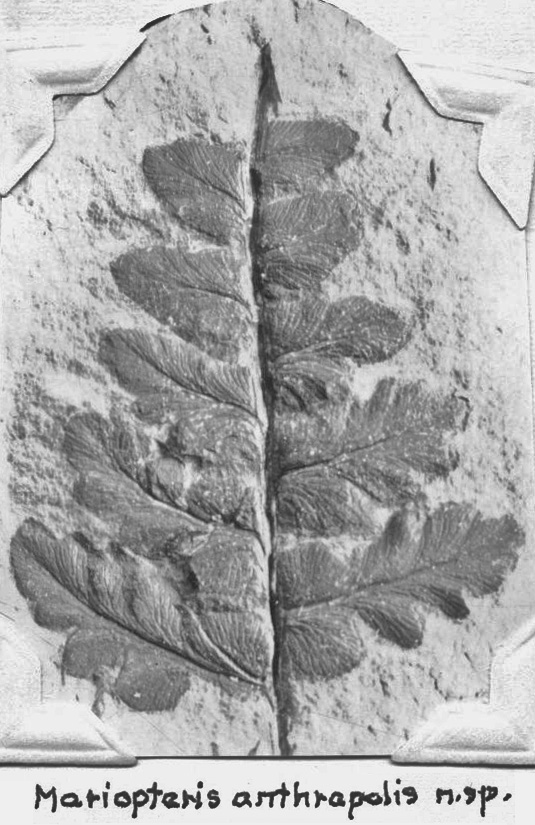
Mazon Monday #318: Eusphenopteris neuropteroides
Eusphenopteris neuropteroides is an extinct seed fern species that is relatively uncommon, though it is primarily known from the terrestrial deposits of Mazon Creek. It was originally described as Pseudopecopteris anceps by Leo Lesquereux, but its classification has shifted over time as its relationships to other taxa became better understood. Over the years, it has…
-
The revolution in dinosaur science started 50 years ago—here’s what we have learned
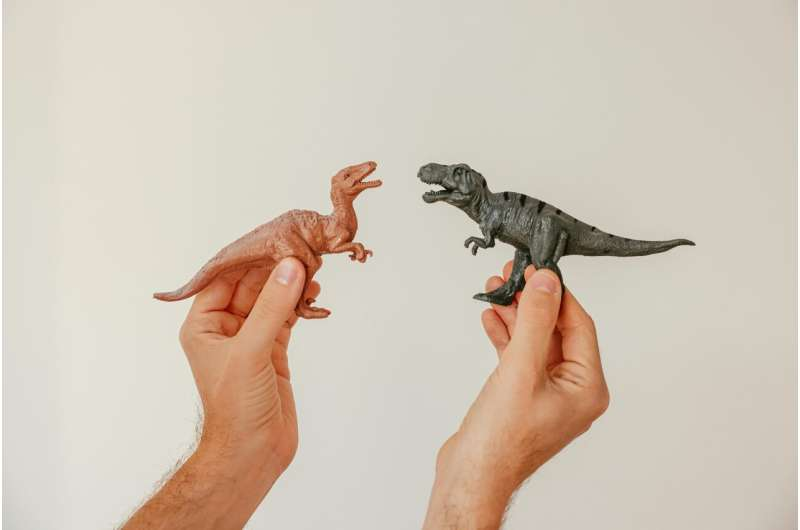
Phys.org has a story about the dinosaur renaissance that started about 50 years ago. Before the research that led to the revolution in dinosaur science, dinosaurs were thought to dumb, slow, lumbering animals that went extinct because mammals were faster and smarter. Bone histology, birds as dinosaurs, feathers, lifespan, diet, and behavior are just a…
-
Reminder: MAPS Expo XLVII – April 24-26, 2026 in Springfield, IL
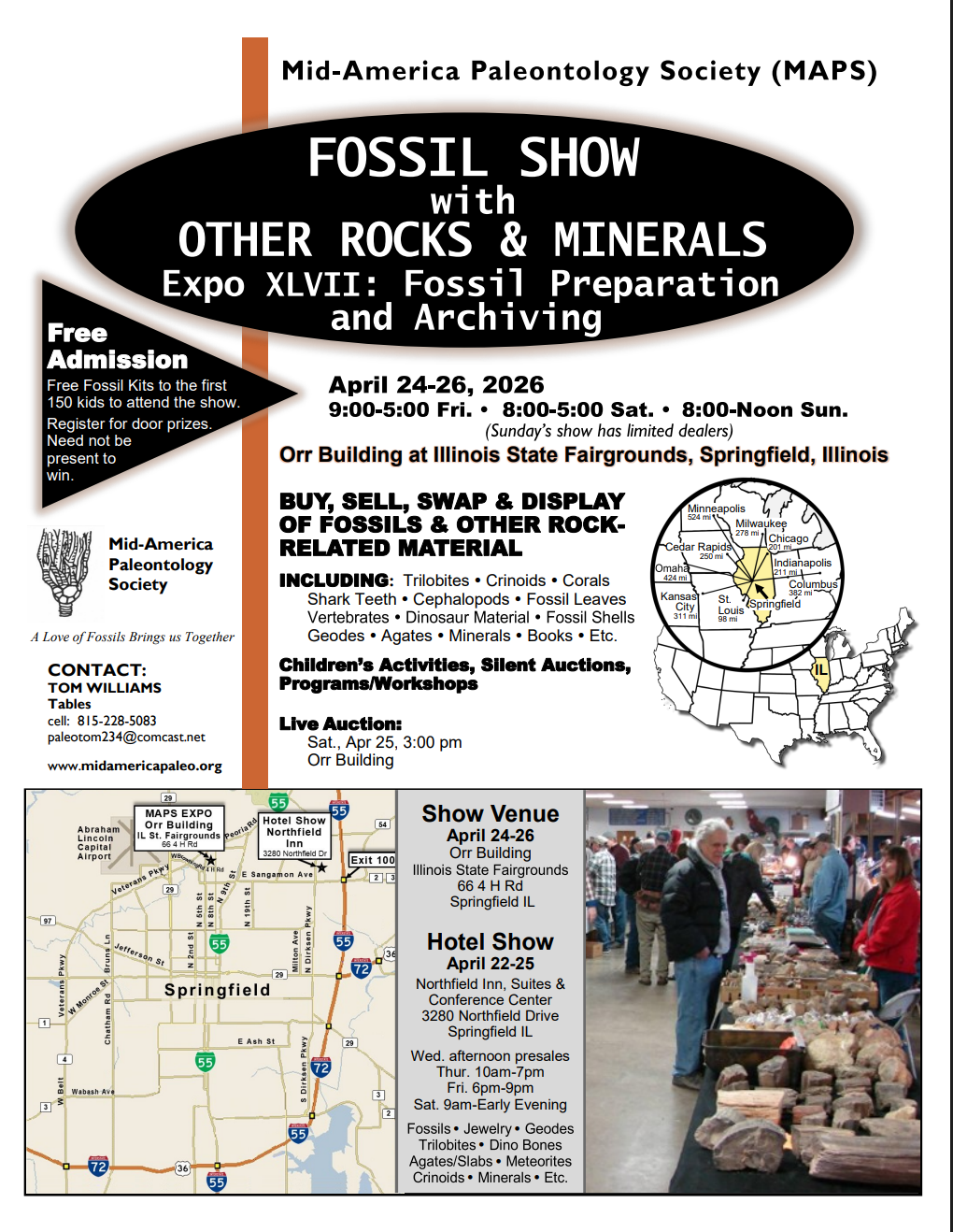
The Mid-America Paleontology Society (MAPS) 2026 Expo XLVII is being held from April 24th to 26th, 2026 at the Joe Orr Building on the Illinois State Fairgrounds in Springfield, Illinois. The topic for the show is “Fossil Preparation and Archiving”.
-
Fossil Friday #313: Mazonomya mazonensis
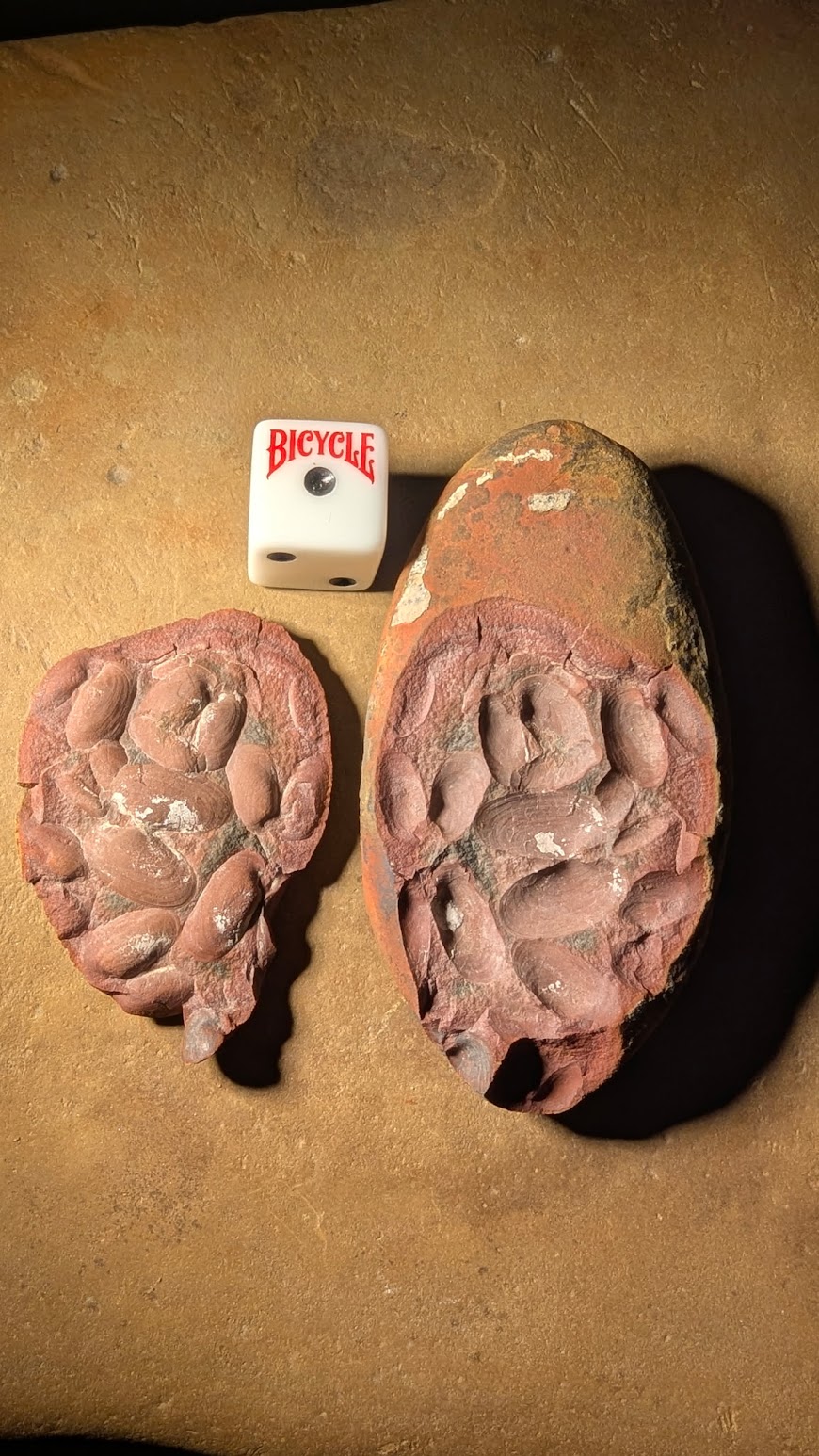
George Witaszek sent us this breathtaking plate platter of Mazonomya mazonensis (see Mazon Monday #25). This animal was called “clam-clam” by collectors. Mazonomya mazonensis was known incorrectly as Edmondia for a long time. It was redescribed by Jack Bailey in the book “Paleobiology, Paleoecology, and Systematics of Solemyidae (Mollusca: Bivalvia: Protobranchia) from the Mazon Creek…
-
Throwback Thursday #313: Who Was DuPage? How the River and County Were Named
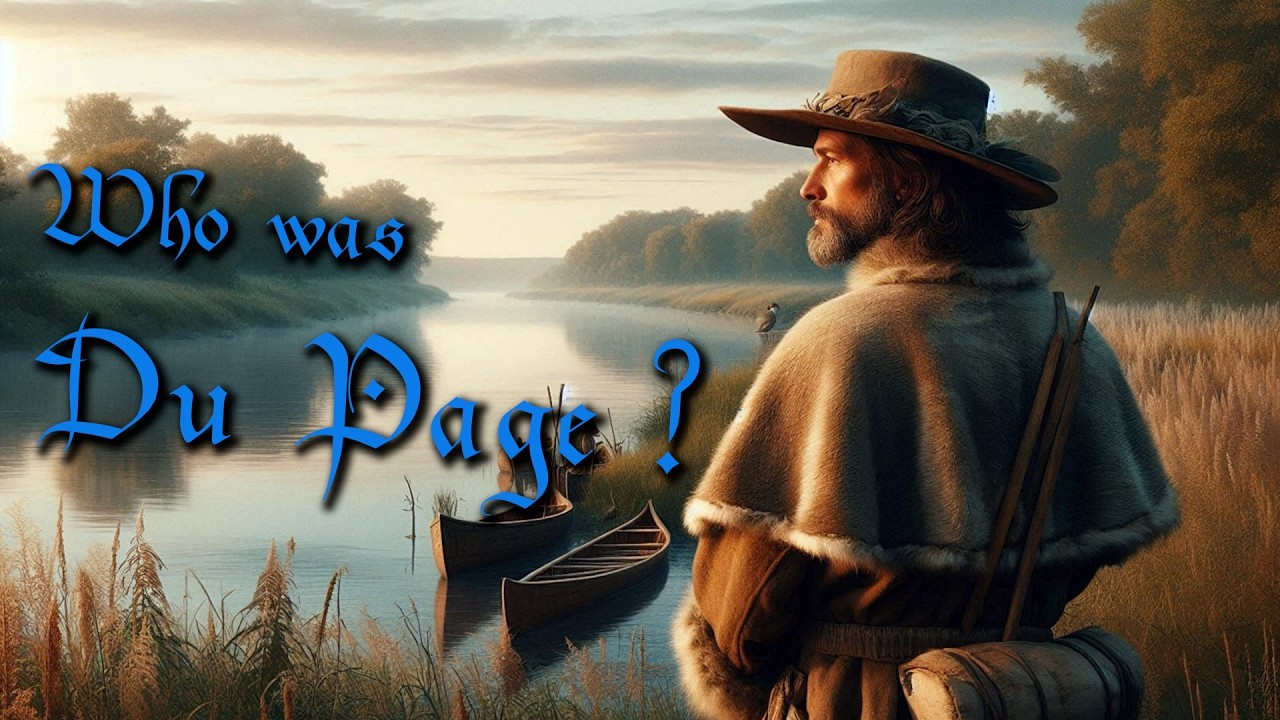
The BeHistoric channel on Youtube has a fascinating video about the history behind the name of the DuPage River and DuPage County.
-
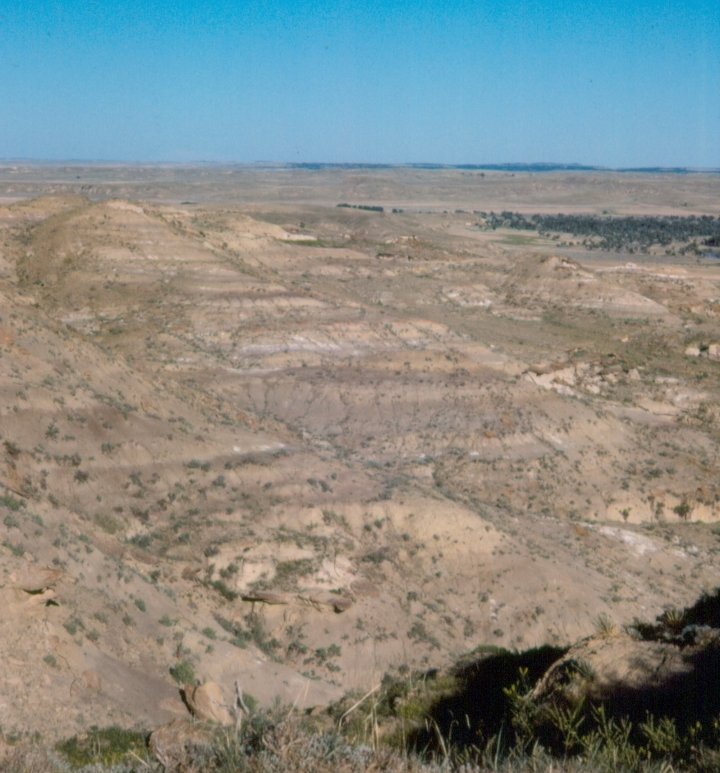
ESCONI April 2026 Paleontology Meeting via Zoom and in-person – “Digging the Marl of the Lance Formation”
The April 2026 Paleontology Study Group Meeting will feature Keith Robitschek and his presentation “Digging the Marl of the Lance Formation”. You can attend in-person at the College of DuPage, TEC, Room 1038B (Map). The meeting will also be available via Zoom.
-

49th Annual CGMA Show – May 23rd and 24th, 2026
The 49th Annual CGMA Show will be held May 23rd and 24th, 2026 at the Expo Center of the Kane County Fairgrounds.
-

Mazon Monday #317: Pohlsepia Revisited — Not an Octopus After All
A new paper “Synchrotron data reveal nautiloid characters inPohlsepia mazonensis, refuting a Palaeozoic origin for octobrachians” in the journal Proceedings of the Royal Society B Biological Sciences refutes the classification of Pohlsepia mazonensis as an octopus and reclassifies it as a soft-bodied nautiloid with the new name Paleocadmus pohli.
-
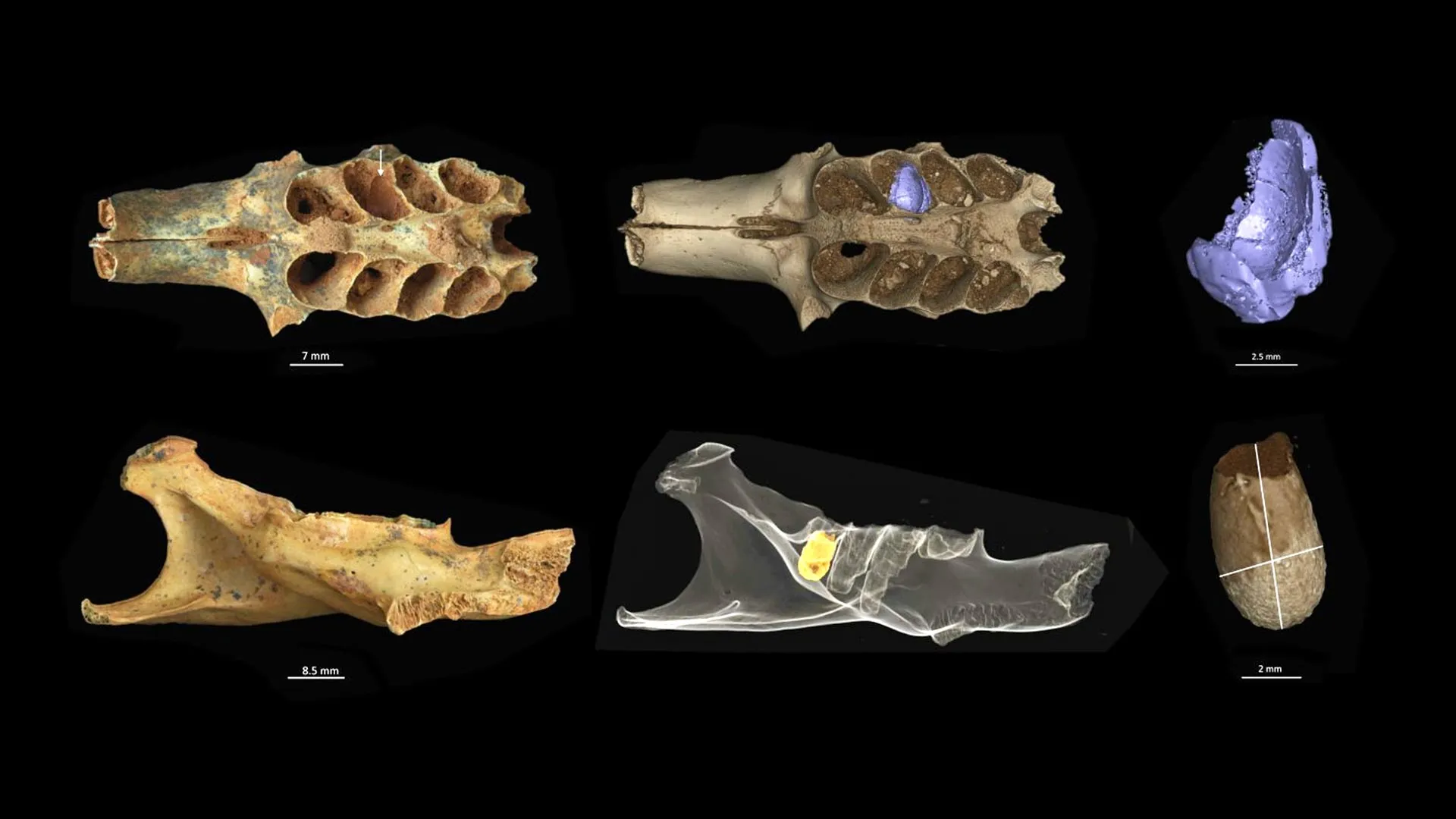
Ancient bees found nesting inside fossil bones in rare cave discovery
Science Daily has a post about a recent paper that looked at novel bee nesting behavior. Researchers working on the Caribbean island of Hispaniola discovered a rare and unusual fossil interaction in a cave, ancient bees used fossilized bones as nesting sites.
-

PBS Terra: The Cascadia Megaquake Is Inevitable. And It Will Reshape America Forever
PBS Terra has an interesting new video. This one covers the history, science, and future of the Cascadia Subduction Zone in the Pacific Northwest.
-
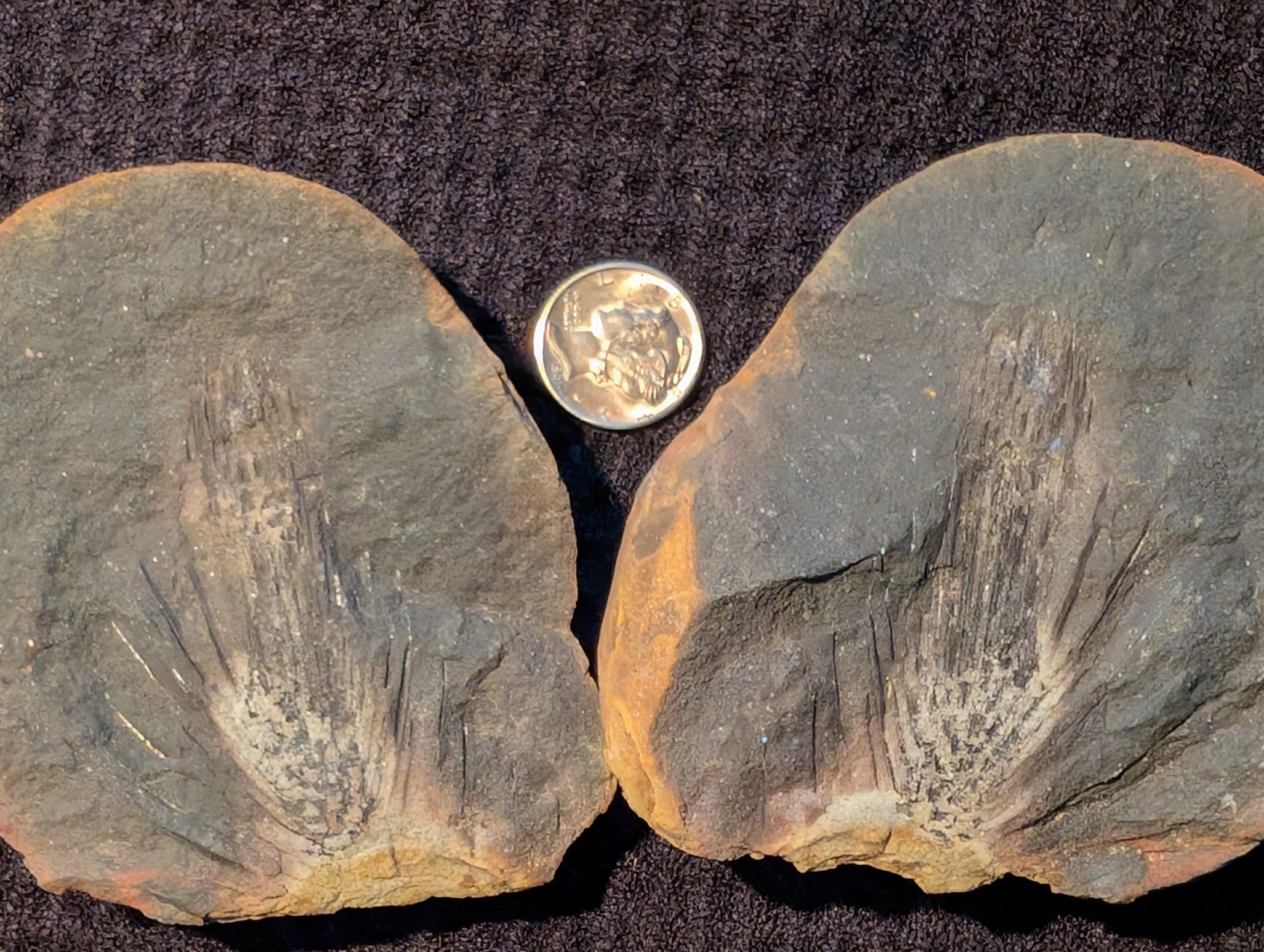
Fossil Friday #312: Sublepidophloios protuberans with a spray of Cyperites bicarinatus
At first glance, today’s fossil might look like a cone. But, closer examination reveals it to be a nice specimen of Sublepidophloios protuberans with a spray of Cyperites bicarinatus at the top. Sublepidophloios protuberans is a species of lycopsid branch (see Mazon Monday #316) and Cyperites bicarinatus was the sterile leaves for the Lycopsida (see Mazon…
-
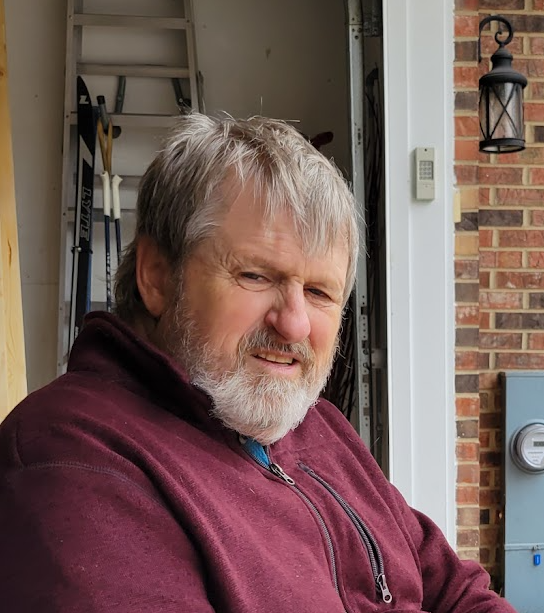
Throwback Thursday #312: Ron Schinderle Donation
Barb Schinderle stopped by ESCONI Show last month to drop off a donation of her late husband Ron’s fossils. Ron passed away in 2021. He was a long time ESCONI member and an avid fossil collector . He went on many ESCONI field trips. A group of us remember him fondly from our many trips…
-
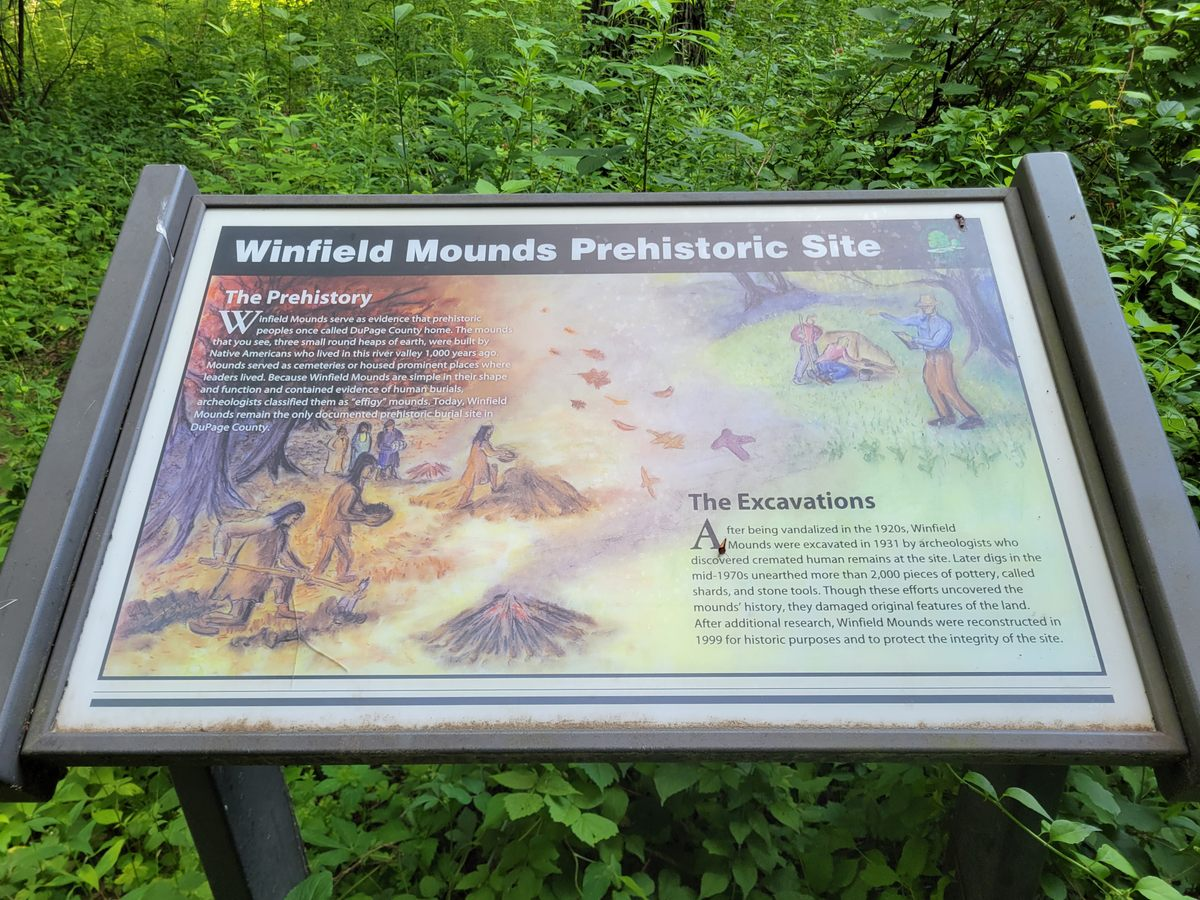
ESCONI Field Trip to the Winfield Mounds “Walking with the Ancestors” – Saturday, May 9th, 2026
There will be a field trip to the Winfield Mounds on Saturday, May 9th, 2026. Meet at Hedge’s Station in Winfield, IL. at 1:00 PM. We will be departing from the meeting spot at 1:15 PM. The field trip ends around 3:00 PM. This guided nature-and-culture hike offers participants an immersive journey through the Winfield…
-
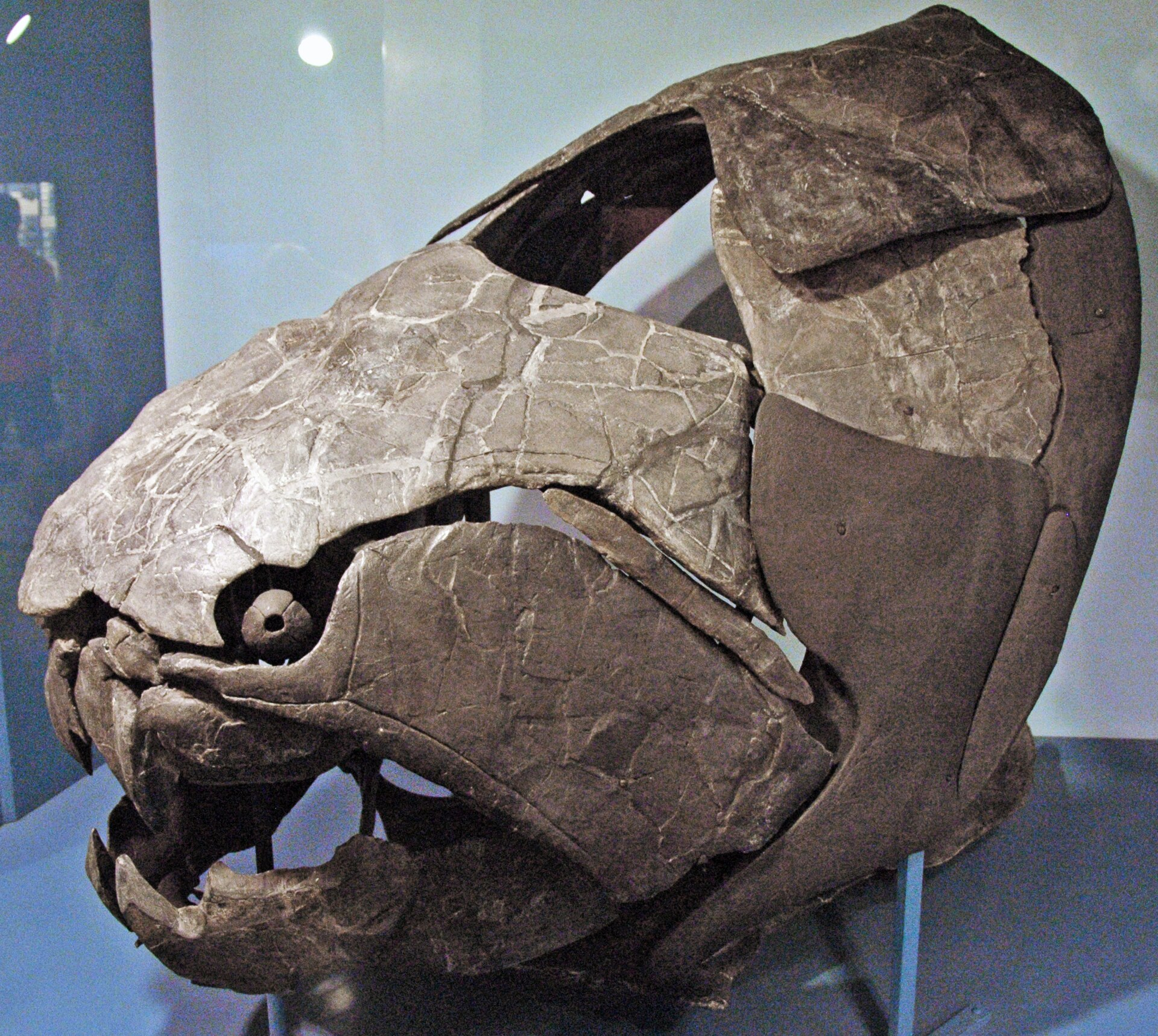
ESCONI April 2026 General Meeting via Zoom – “Life in the Devonian Period, The Age of Fishes”
The April 2026 General Meeting will be held on April 10th, 2026 at 8:00 via Zoom. At the meeting, Jessica Hull will present “Life in the Devonian Period, The Age of Fishes.” The Devonian Period was a crucial moment in the history of life. In this presentation, Jessica Hull will bring fossils to life by…
-
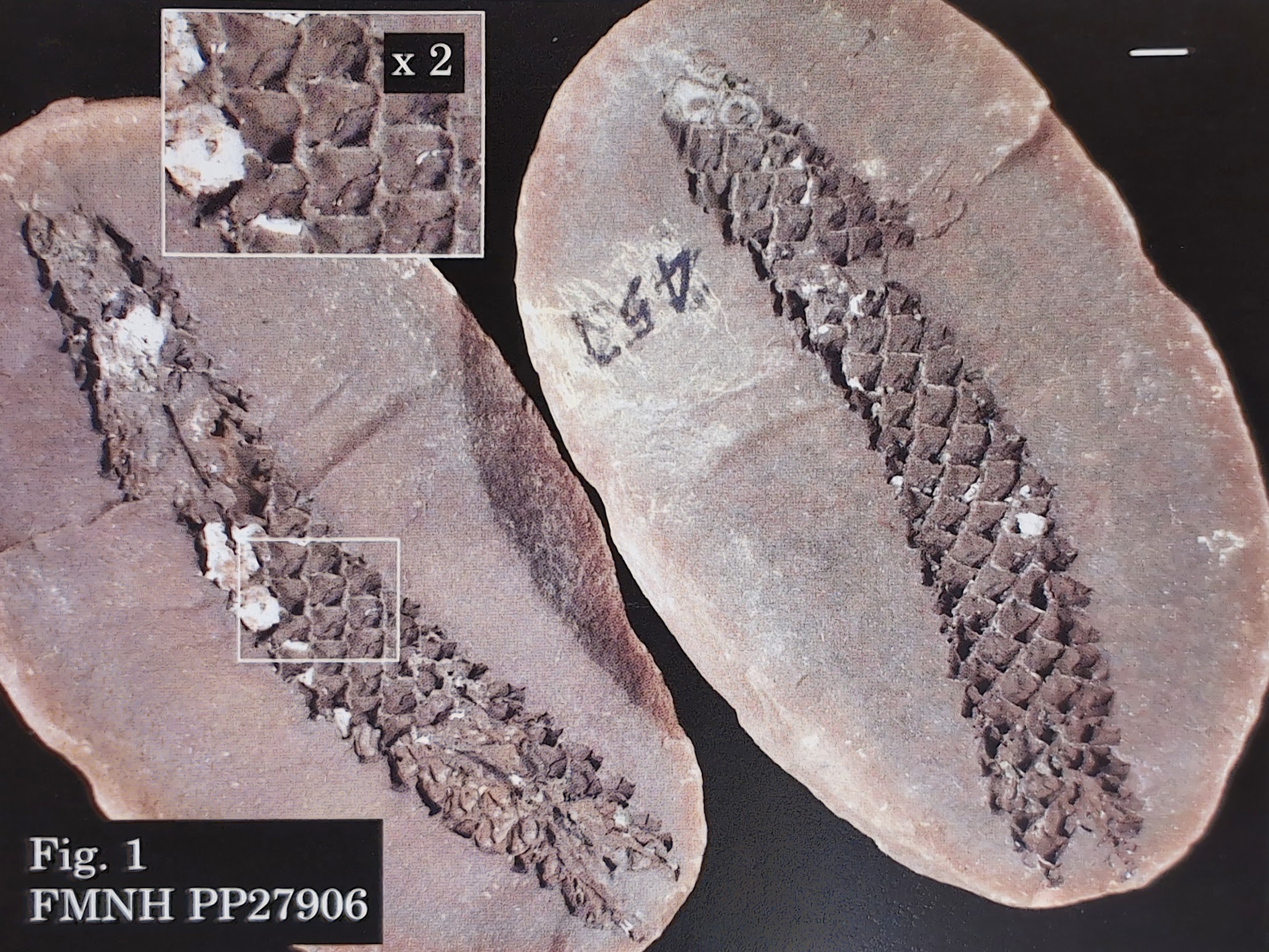
Mazon Monday #316: Sublepidophloios protuberans
Today, we have Sublepidophloios protuberans, which is a species of lycopsid branch. It’s very common, actually the most common form of lycopsid bark in the Mazon Creek fossil flora.
-

Fossil of Pincer-Wielding Crawler Reveals Origins of Spiders, Scorpions and Others
The Trilobites column over at the New York Times has a interesting story about the origin of chelicerates – spiders, scorpions, mites, horseshoe crabs, and others. Chelicerates are a diverse group of arthropods that consists of more than 120,000 known species. Member of this group are classified by having a pair of appendages called chelicerae.…
-
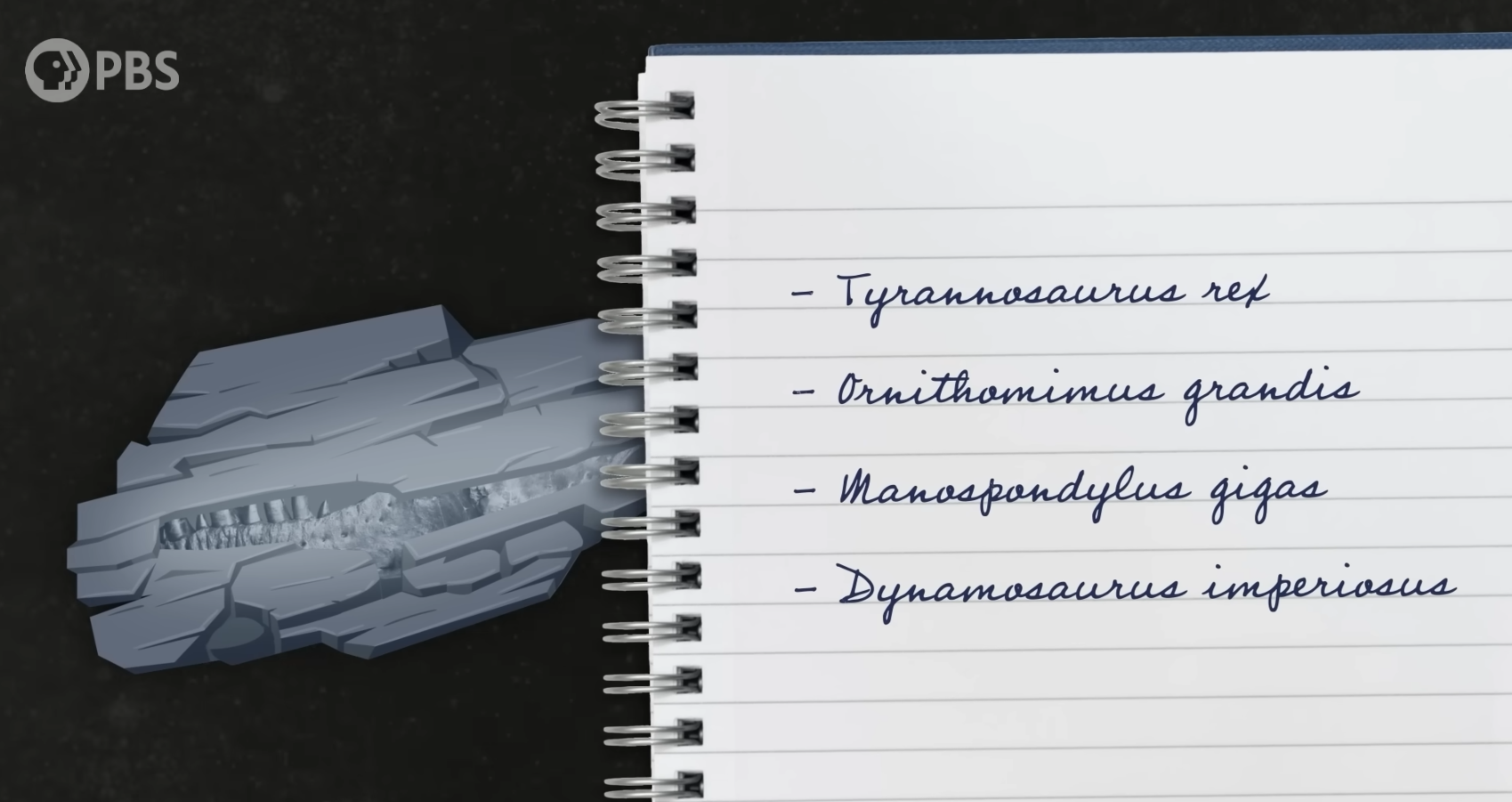
PBS Eons: The Chaotic Race to Name T. rex
PBS Eons has a new episode. This one is about the controversial history of the name Tyrannosaurus rex.
-
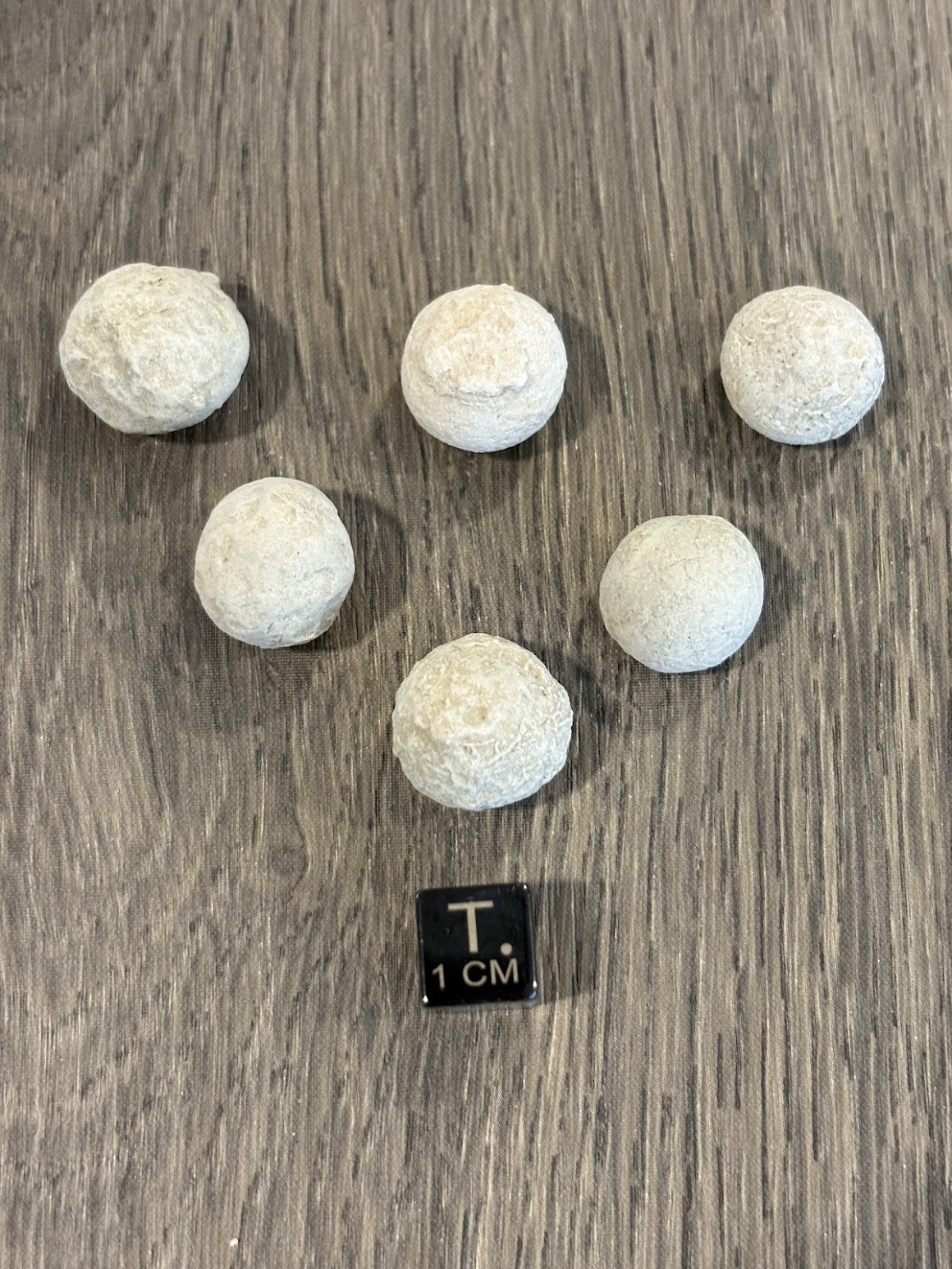
Fossil Friday #311: Dung Beetle Balls from the Oligocene
Today’s contribution comes from our old friend Ralph Jewell. Back in the 1990s, Ralph was interested in the Oligocene fossils of the Brule Formation, which dates to 34-40 million years ago. This region is sometimes referred to as the White River as the Brule Formation is a member of the White River Group.