Tag: trilobites
-
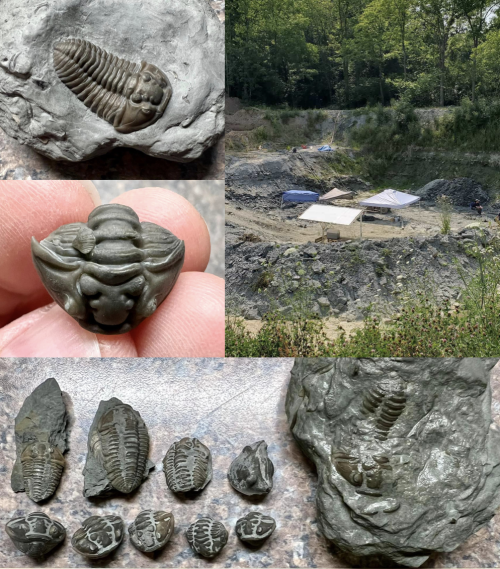
ESCONI Field Trip to Mount Orab for Trilobites – Saturday, September 19th, 2026
ESCONI will have a field trip to Flat Run Fossils in Mt. Orab, OH on Saturday September 19, 2026. There is an attendance limit of 16 people. Flat Run Fossils is a new pay-to-dig site in the famous Mt. Orab trilobite beds. For many years, thousands of gorgeous Flexicalymene and Isotelus trilobites have been collected…
-
ESCONI Field Trip to Mount Orab for Trilobites – Saturday, July 11th, 2026
ESCONI will have a field trip to Flat Run Fossils in Mt. Orab, OH on Saturday July 11, 2026. There is an attendance limit of 16 people. Flat Run Fossils is a new pay-to-dig site in the famous Mt. Orab trilobite beds. For many years, thousands of gorgeous Flexicalymene and Isotelus trilobites have been collected…
-

Trilobite Tuesday #50: Penn Dixie: Dig With the Experts 2026 – June 13th and 14th, 2026
The Penn Dixie Fossil Park and Nature Center are holding their annual “Dig With the Experts” event on June 13th and 14th, 2026. Details can be found be found on their website. We’ve featured a few trilobites from Penn Dixie for Fossil Friday. I went there a few years ago and had a great time.…
-
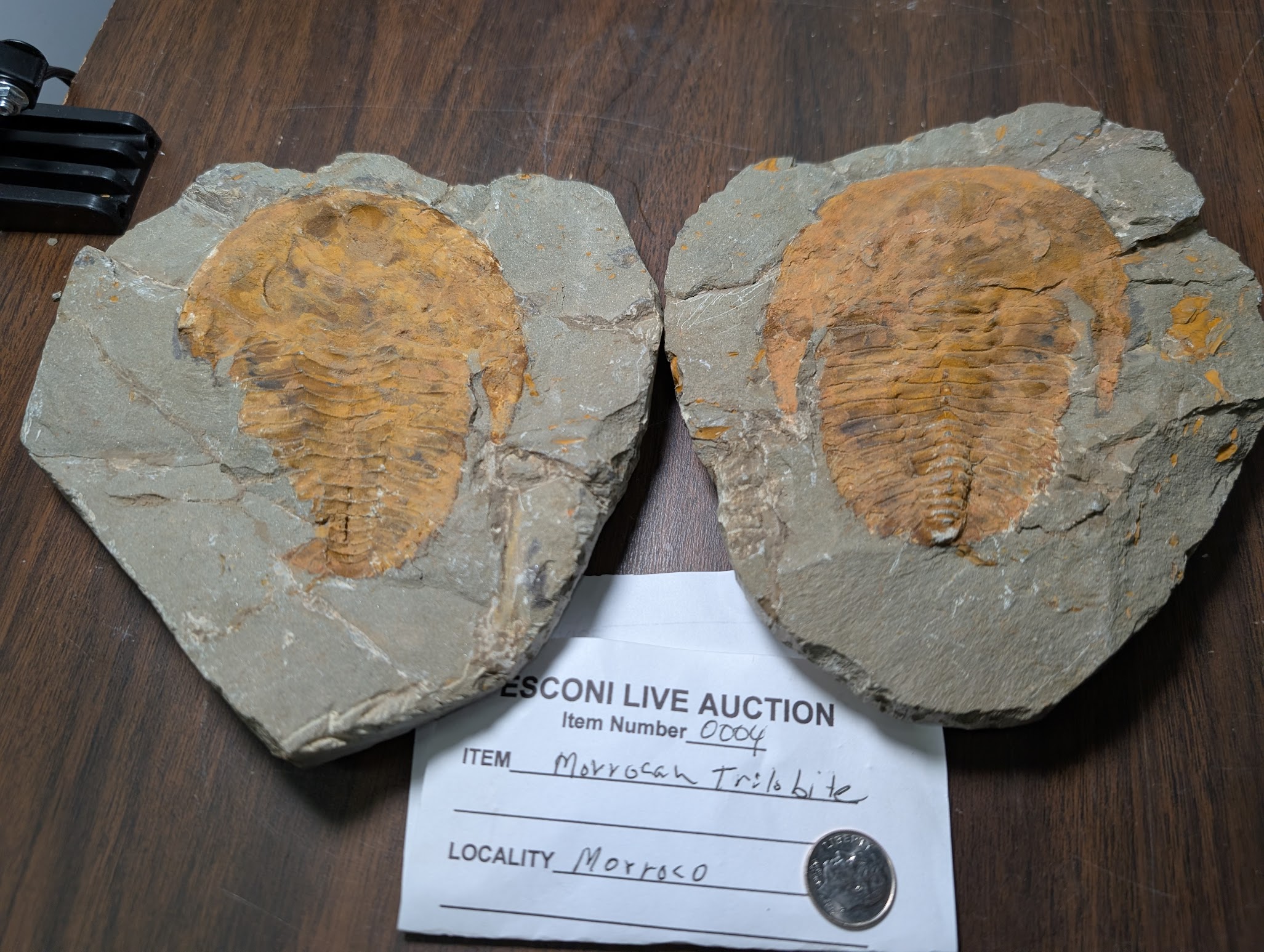
2026 ESCONI Gem, Mineral, and Fossil Show – Preview #34: Giant Moroccan Trilobite
How about a giant Moroccan trilobite for something different? Come on out… we will have other trilobites at the show.
-

Will County Forest Preserve: Silurian Trilobite Souvenirs
Event details ***Please note this program is being offered virtually via Zoom.*** Join Donald G. Mikulic for a fascinating look at the trilobite fossils left behind by the Silurian Sea that was once right here in Will County! Mikulic was a senior paleontologist at the University of Illinois Urbana-Champaign and served as the curator of…
-

ESCONI Field Trip to Mount Orab for Trilobites – Saturday, September 13th, 2025
ESCONI will have a field trip to Flat Run Fossils in Mt. Orab, Ohio on September 13th, 2025. Flat Run Fossils is a new pay-to-dig site in the famous Mt. Orab trilobite beds. For many years,thousands of gorgeous Flexicalymene and Isotelus trilobites have been collected from this area. Other possible finds include brachiopods, graptolites, cephalopods,…
-

PBS Eons: There’s An Invisible Ocean Between These Fossils
There’s a new episode of PBS Eons. This one is about trilobites and what they show us about the history of the Earth’s continents. This is the hundred-year tale of how an unlikely bunch of bottom-dwelling marine critters helped reveal that ocean basins are basically reincarnated every few hundred million years.
-

Throwback Thursday #263: Looking Back At ESCONI For May 2025
This is Throwback Thursday #263. In these, we look back into the past at ESCONI specifically and Earth Science in general. If you have any contributions, (science, pictures, stories, etc …), please send them to esconi.info@gmail.com. Thanks! email:esconi.info@gmail.com. AMNH Sylvania, Ohio – Trilobites in the Heartland AMNH Eldredgeops milleri 25 Years Ago – May 2000…
-

Throwback Thursday #257: RIP Richard Fortey
This is Throwback Thursday #257. In these, we look back into the past at ESCONI specifically and Earth Science in general. If you have any contributions, (science, pictures, stories, etc …), please send them to esconi.info@gmail.com. Thanks! email:esconi.info@gmail.com. I was saddened to learn of the passing of Richard Fortey last week. He was a towering…
-

Throwback Thursday #256: Scenes from the 2018 Show
This is Throwback Thursday #256. In these, we look back into the past at ESCONI specifically and Earth Science in general. If you have any contributions, (science, pictures, stories, etc …), please send them to esconi.info@gmail.com. Thanks! email:esconi.info@gmail.com. Here are some scenes from the 2018 ESCONI Gem, Mineral, and Fossil Show, which was held on…
-

New Grand Canyon Discovery Could Rewrite Geology Textbooks
SciTechDaily reports on a discovery that may reshape our understanding of the Cambrian Period. New research, published in the journal GSA Today, focuses on Cambrian rock formations at the base of the Grand Canyon. The study, a collaborative effort led by Carol Dehler, a professor at Utah State University, and Fred Sundberg, a paleontologist and adjunct professor at UNM, revisits…
-
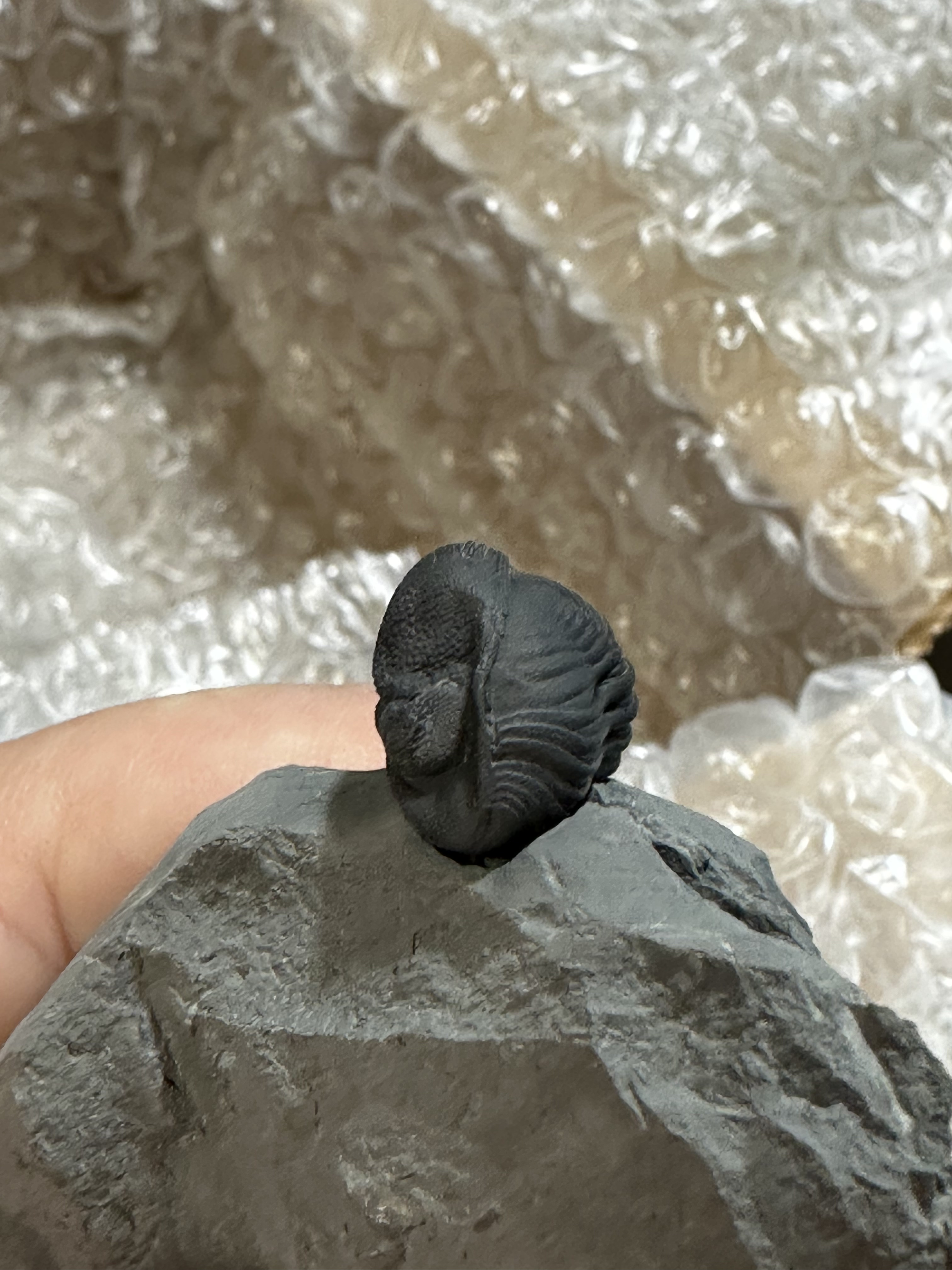
Fossil Friday #230: Trilobites from Penn Dixie
This is the “Fossil Friday” post #230. Expect this to be a somewhat regular feature of the website. We will post any fossil pictures you send in to esconi.info@gmail.com. Please include a short description or story. Check the #FossilFriday Twitter hash tag for contributions from around the world! Penn Dixie is on most fossil collectors’…
-
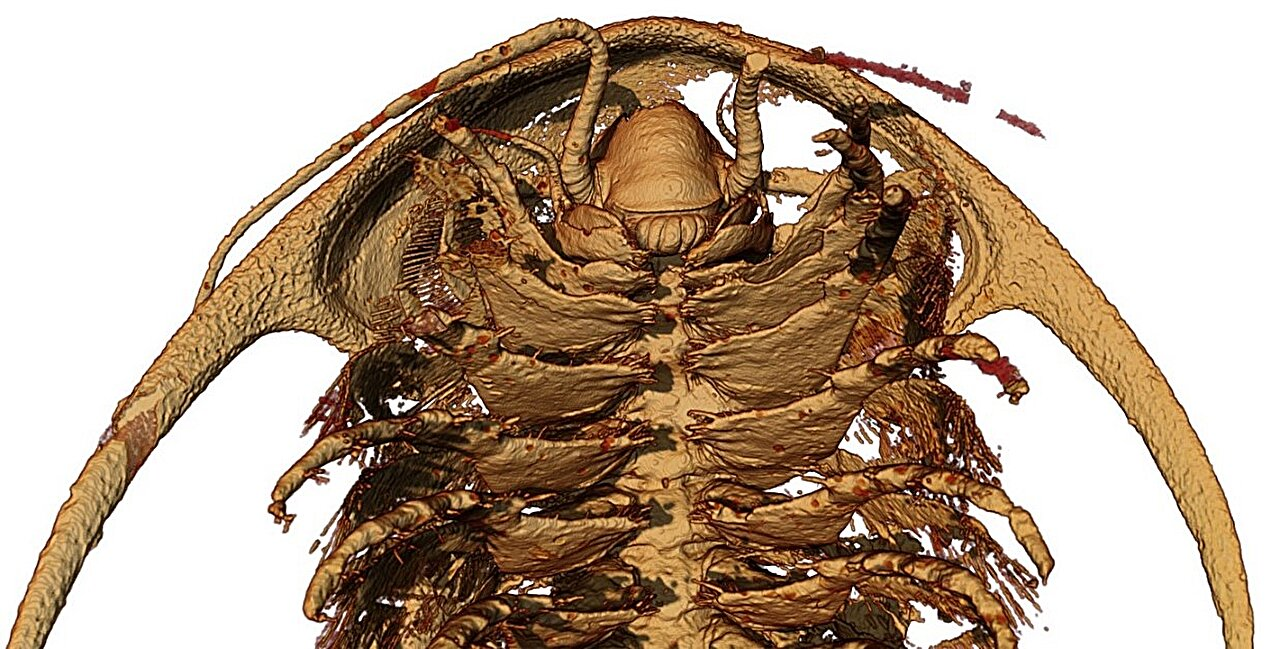
Trilobite Tuesday #49: Most pristine trilobite fossils ever found shake up scientific understanding of the long extinct group
Phys.org has an article about an amazing fossil find in Morocco. A recently discovered deposit of Cambrian trilobites is being described as Pompeii-like, in that the fossils were preserved in volcanic ash (like the Roman city of Pompeii). The fossils are preserved with such fidelity that some never before seen anatomical features are seen preserved…
-
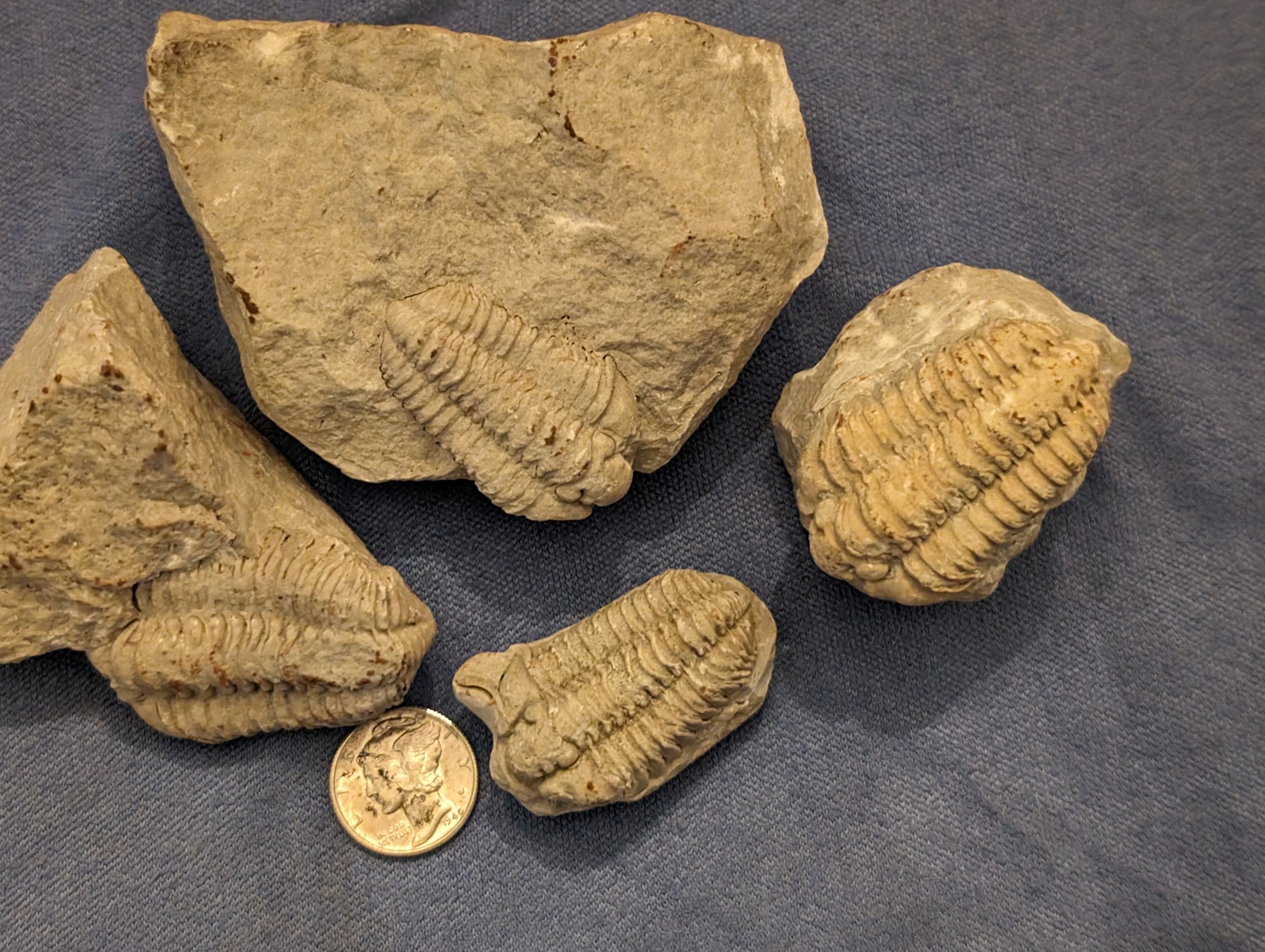
Fossil Friday #211: Lemont Calymene From the Past
This is the “Fossil Friday” post #211. Expect this to be a somewhat regular feature of the website. We will post any fossil pictures you send in to esconi.info@gmail.com. Please include a short description or story. Check the #FossilFriday Twitter hash tag for contributions from around the world! This week, we have a combination Throwback…
-

Trilobite Tuesday #48: Rare museum specimen reveals new insights into how trilobites curled themselves into a ball
Phys.org has a story that shed light how trilobites evolved the ability to enroll their bodies for protection against predators. A team of researchers from Harvard examined a museum specimen that had preserved sternites, where were plates that lined the stomach of trilobites. Using micro-CT scans, the researchers could see how the plates slid past…
-
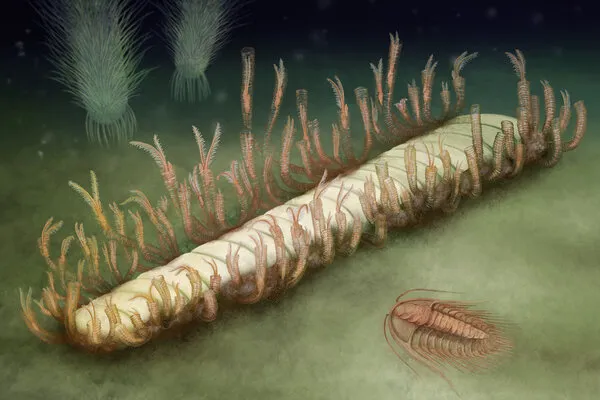
Fossil Reveals Ancient Seafloor Communities
An artist’s reconstruction of the tube-like animals attached to the dead phragmocone..Credit…Franz Anthony The New York Times Trilobites column has a story about some very old ocean floor communities. Research published recently in the journal Communications Biology looked at a 480-million-year-old cephalopod from Morocco that was posthumously converted into a condominium. It’s the earliest known…
-
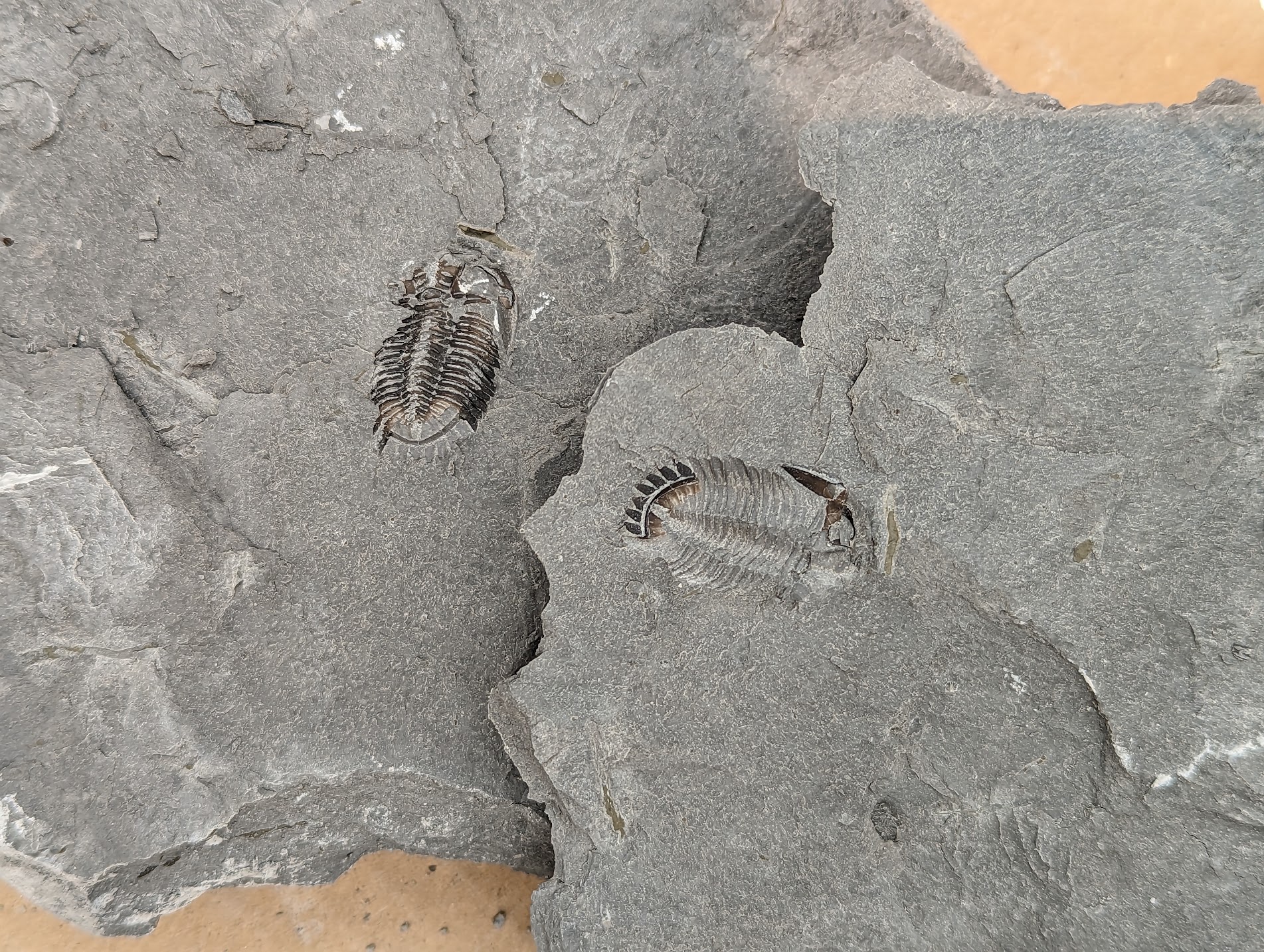
Fossil Friday #186: Greenops sp. from Penn Dixie
This is the “Fossil Friday” post #186. Expect this to be a somewhat regular feature of the website. We will post any fossil pictures you send in to esconi.info@gmail.com. Please include a short description or story. Check the #FossilFriday Twitter hash tag for contributions from around the world! Today, we have a Greenops trilobite from…
-
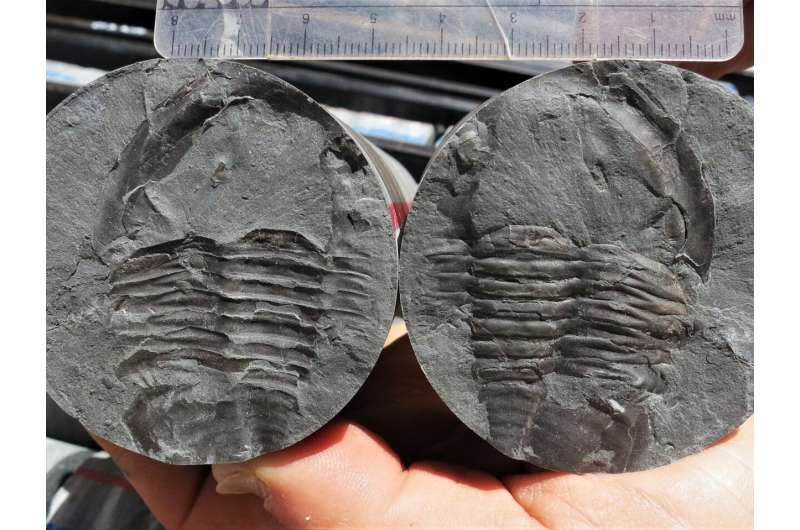
Trilobite Tuesday #47: Six new species of Western Australian trilobites discovered
Phys.org has a story about the discovery of six new species of Australian trilobites. The new animals hail from deep underground in Canning Basin of Western Australia. Their discovery was via a stratigraphic drilling program by the Geological Survey of Western Australia and Geoscience Australia. It sheds light on both ancient life and the geologic…
-

Wonderful Early Silurian Life
Sci-News has a story about interesting new fossils from Wisconsin. The Waukesha Biota, a Silurian lagerstatten located near Milwaukee, dates to about 437 million years ago. The deposit preserves an ancient tidal lagoon. The fossils are found in a fine-grained mudstone known as the Brandon Bridge Formation. The locality and its fauna are described in…
-
Trilobite Tuesday #46: Trilobite’s last meal
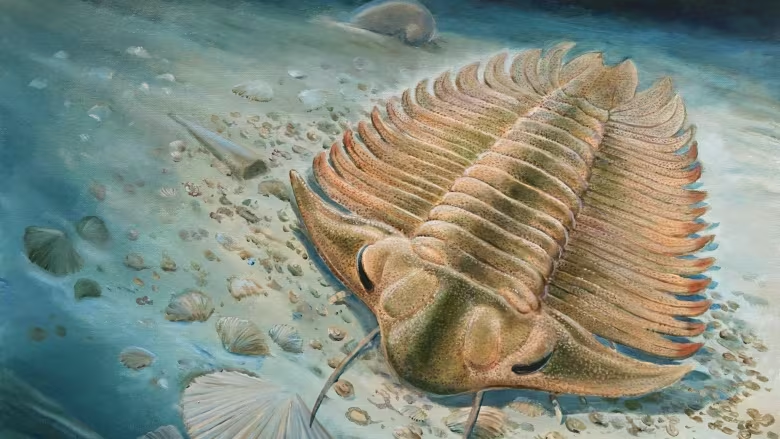
CBC Radio’s Quirks and Quarks show has a segment about a trilobite’s last meal. The trilobite specimen, Bohemolichas incola, was found in a 465 million year old (Ordovician Period) shale deposit. A 465 million year old trilobite fossil with remarkably preserved gut contents reveals for the first time what these extinct arthropods ate. Per Ahlberg, a…
-
Trilobite Tuesday #45: Taphonomy of non-biomineralized trilobite tissues preserved as calcite casts from the Ordovician Walcott-Rust Quarry, USA
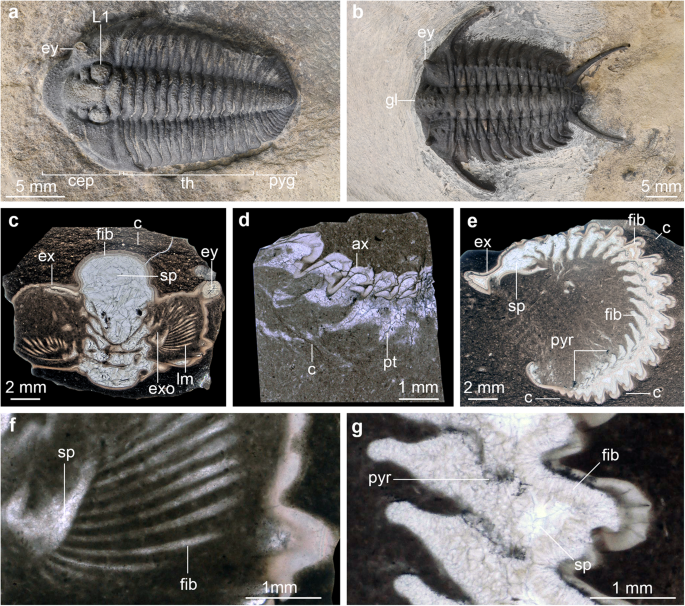
Nature’s journal communication Earth & environment has a paper about the preservation of trilobites in the Wolcott-Rust quarry. The Walcott-Rust quarry was discovered by Charles Wolcott in the 1870’s. It dates to the Ordovician Period and yielded the first known trilobite appendages. This paper details research into the mechanism of the delicate, three dimensional preservation.…
-
Fossil Friday #175: Calymene from Naperville
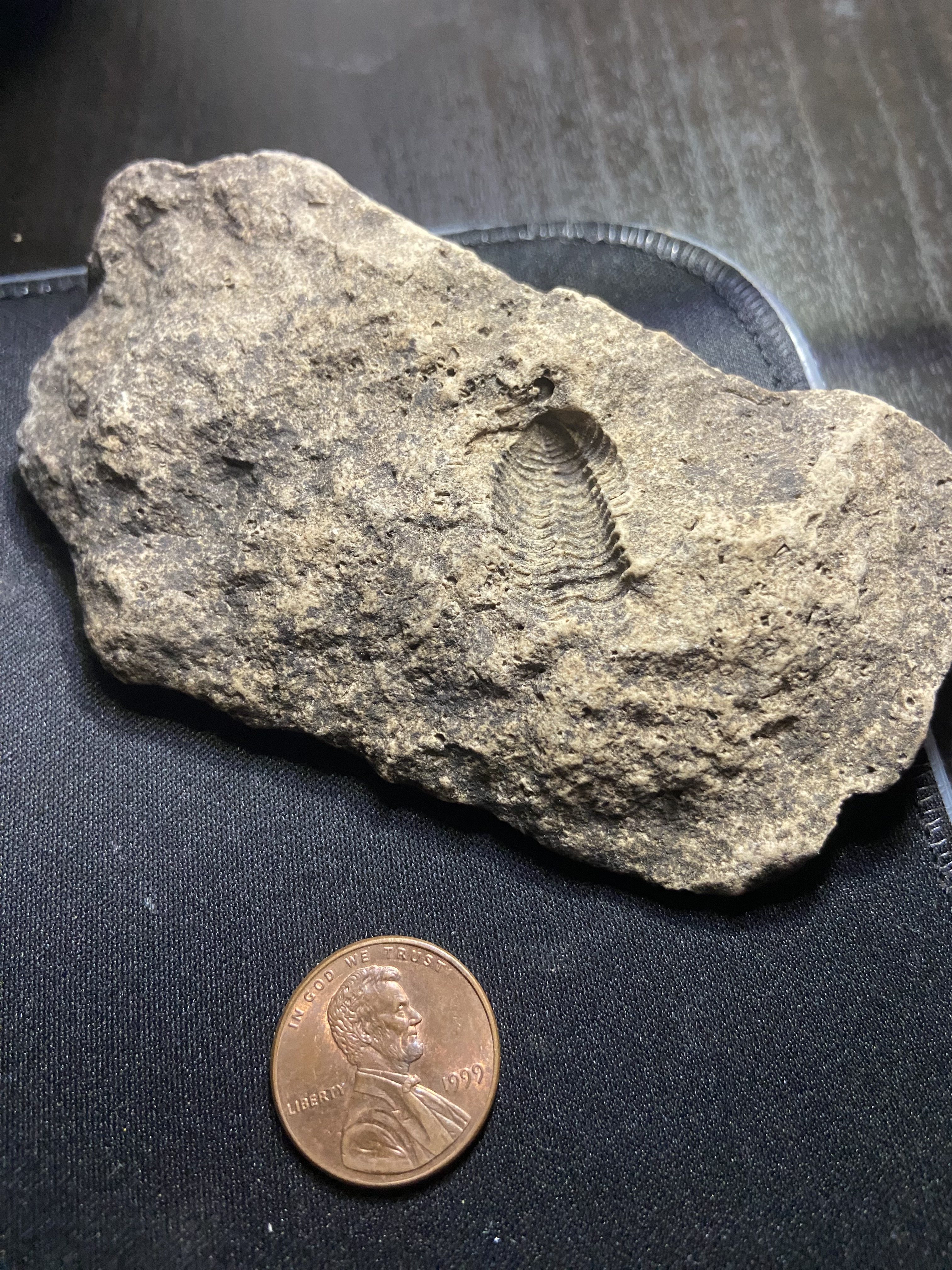
This is the “Fossil Friday” post #175. Expect this to be a somewhat regular feature of the website. We will post any fossil pictures you send in to esconi.info@gmail.com. Please include a short description or story. Check the #FossilFriday Twitter hash tag for contributions from around the world! We received another Fossil Friday contribution from…
-
Trilobite Tuesday #44: Trilobite of the Month, August 2023
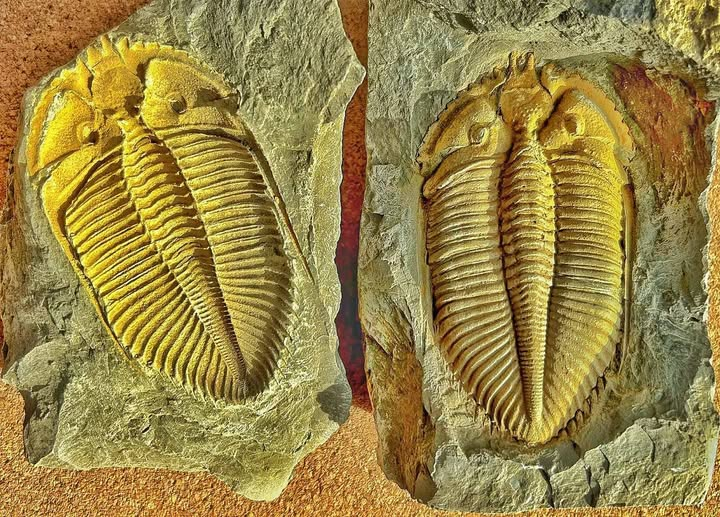
Sam Ohu Gon III posted some awesome photos for Trilobite of the Month, August 2023 over on Facebook. If you don’t know of Sam’s work, have a look at trilobites.info for everything you ever wanted to know about trilobites!
-

Fossil Friday #155: Isotelus From Illinois
This is the “Fossil Friday” post #155. Expect this to be a somewhat regular feature of the website. We will post any fossil pictures you send in to esconi.info@gmail.com. Please include a short description or story. Check the #FossilFriday Twitter hash tag for contributions from around the world! Isotelus is a trilobite from the middle…
-
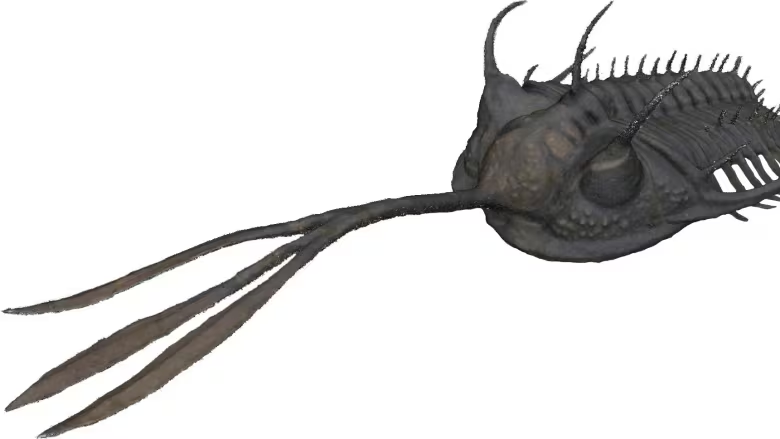
Trilobite Tuesday #43: Ancient sea creature sported a big fork on its head to toss away the competition, study suggests
CBC Radio’s Quirks and Quarks had a recent segment about trilobites. New research published in the journal Proceedings of the National Academy of Sciences suggests a use for the large forks that some trilobites grew on their heads. A species of ancient trilobites grew big forks on their heads to fight their opponents and impress…
-

Fossil Friday #127: Calymene Trilobite
This is “Fossil Friday” post #127. Expect this to be a somewhat regular feature of the website. We will post any fossil pictures you send in to esconi.info@gmail.com. Please include a short description or story. Check the #FossilFriday Twitter hash tag for contributions from around the world! Today, we have a gorgeous trilobite from long-time…
-

Trilobite Tuesday #42: Trilobites’ growth may have resembled that of modern marine crustaceans
Phys.org has a story about trilobite growth. Research published in the journal Paleobiology shows that trilobites grew in a fashion similar to modern extant crustaceans. Data for the study came from exceptionally preserved trilobites from “Beechers Trilobite Bed” in upstate New York. For more information about “Beecher’s Trilobite Bed”, have a look at Trilobite Tuesday…
-
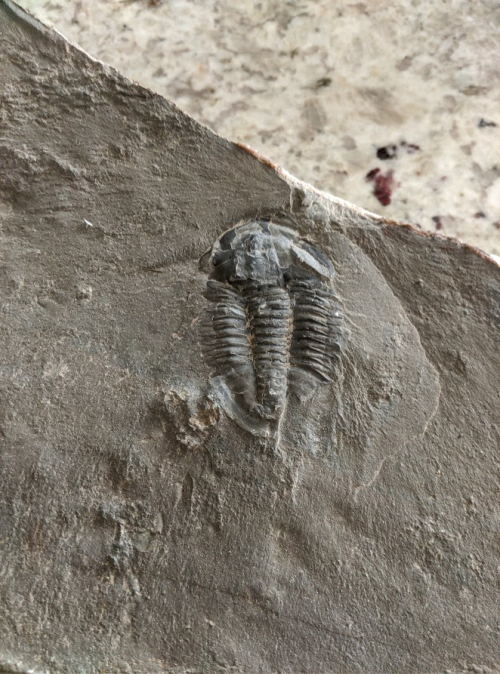
Throwback Thursday #117: Trilobite Troubles
This is Throwback Thursday #117. In these, we look back into the past at ESCONI specifically and Earth Science in general. If you have any contributions, (science, pictures, stories, etc …), please send them to esconi.info@gmail.com. Thanks! For this week throwback, we have a poem called “Trilobite Troubles” from the November 1963 edition of the…
-
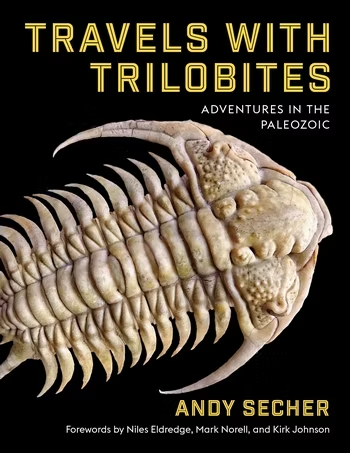
Trilobite Tuesday #41: Travels with Trilobites
There’s a new trilobite book coming out on June 21st, 2022. It’s called “Travels with Trilobites”. The author is Andy Secher a prolific collector of trilobites. He lives in New York City just a few blocks from the American Museum of Natural History. He’s co-editor of the AMNH’s very informative trilobite website. Trilobites were some…
-

Trilobite Tuesday #40: Find the Trilobite!
ESCONI recently held a field trip to the St. Paul Quarry in St. Paul, Indiana. As part of that trip, a few of us paid a visit to the famous St. Leon roadcut on Indiana Route 1 just off Interstate 74 at exit 164 for St. Leon. The road cut is huge and loaded in…

