Tag: trilobites
-
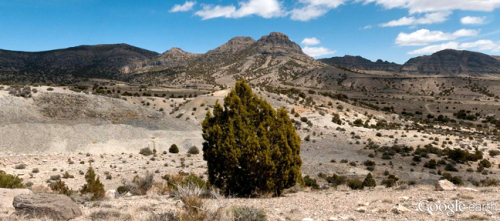
Trilobite Tuesday #24: Fossils In Millard County, Utah by Rich Holm
While doing some research during my recent trip to Utah, I ran across a very interesting page on the fossils of Millard County, Utah. It’s a great report of a couple field trips in this area of Utah. We stayed in Delta, Utah, which is a great place to stay to explore this area. The…
-
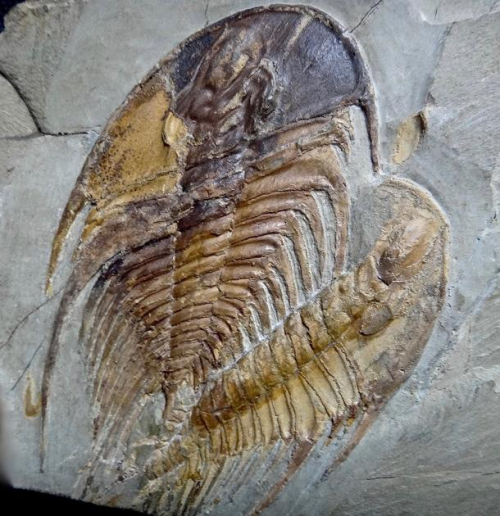
Trilobite Tuesday #23: AMNH: Trilobites on Land
It’s been generally accepted that trilobites were marine animals, living only in the ocean. However, there are some specimens that might hint that some of them crawled out of the sea. The American Museum of Natural History (in New York) has a page about this. Here is a paper from Nature that also proposes that…
-
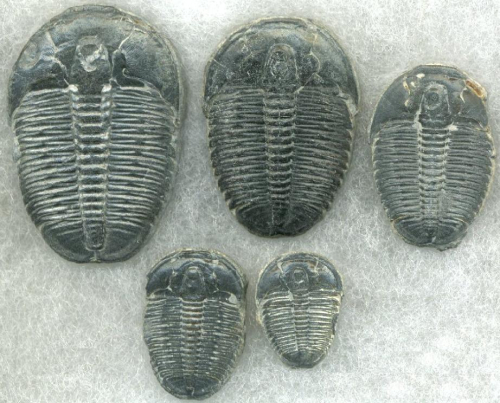
Trilobite Tuesday #22: Trilobites of the Wheeler Shale, Utah
Trilobites.info has a page about the trilobites of the Wheeler Shale in Utah. The Wheeler Shale dates to the Middle Cambrian, about 505 million years ago. The formation is known for a diverse group of soft bodied animals, many of which are the same taxa found in the Burgess Shale (508 million years ago). It…
-

Trilobite Tuesday #21: Pathology: Bites, Injuries & Healing
The AMNH’s Trilobite Website has a page on trilobite injuries. Over the many years that trilobites existed and considering the many, many fossil specimens that have been (and will be) found, there had to be some with signs of predation. And, of those, there had to be some that got away from the predator. There…
-
Trilobite Tuesday #20: The Trilobite Papers
The Trilobite Paper website has pdfs of the “Trilobite Papers 20” newsletters from August 2018 to February 2020. The newsletter is Fred Sundberg’s “reboot” of Rolf Ludvingsen’s international journal for and by trilobite paleontologists. The issues are published about every six months and are filled with everything trilobite. Rolf Ludvingsen was a paleontologist and author,…
-
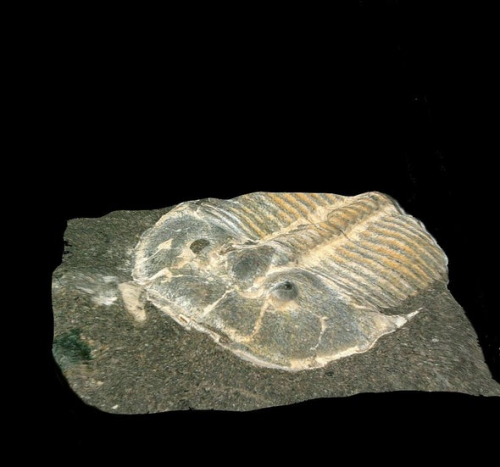
Trilobite Tuesday #19: A 429-Million-Year-Old Trilobite Had Eyes like Those of Modern Bees
Scientific American has a story about trilobite eyes. In a 429 million year old fossil trilobite fossil, scientists from the University of Edinburgh in Scotland got a glimpse at how the world looked to these ancient animals. A remarkably preserved specimen of Aulacopleura koninckii showed that these animals had eyes that were about as good…
-
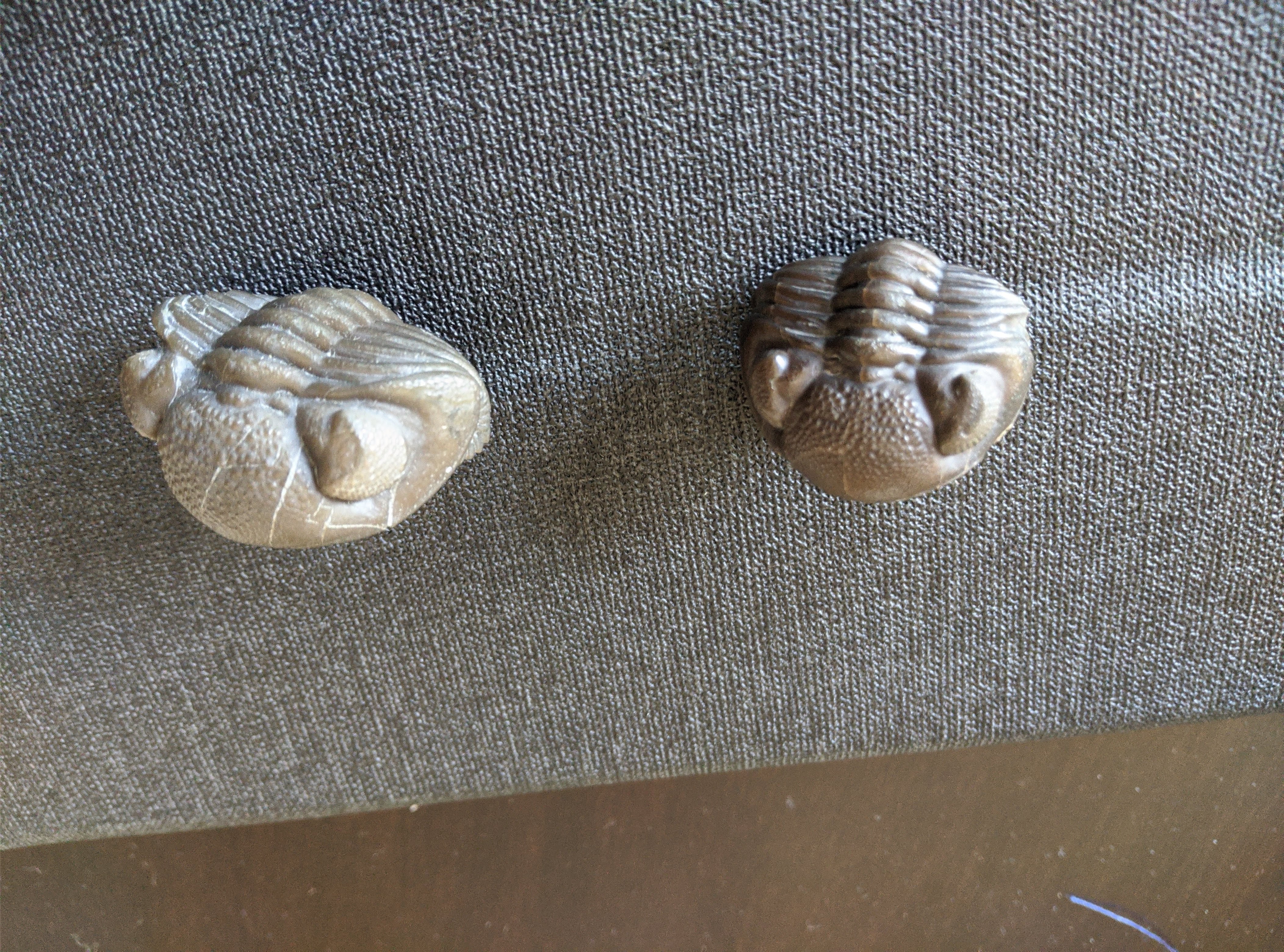
Fossil Friday #19: Phacops from Paulding, OH
This is the “Fossil Friday” post #19. Expect this to be a somewhat regular feature of the website. We will post any fossil pictures you send in to esconi.info@gmail.com. Please include a short description or story. Check the #FossilFriday Twitter hash tag for contributions from around the world! There is a fossil park in Paulding,…
-

Trilobite Tuesday #18: Early trilobites had stomachs
Phys.org has a story about some interesting details of trilobite digestion. A paper, published in 2017 in the journal PLOS ONE, revealed that trilobites had a stomach structure about 20 million years earlier than what had been known. The exceptionally preserved specimens of Palaeolenus lantenoisi used in the study lived about 514 million years ago during the Cambrian. They are…
-
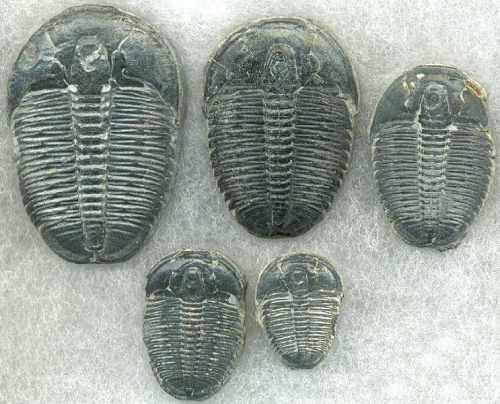
Trilobite Tuesday #17: The Cambrian Creatures That Grew Up Over the Course of 28 Bodies
Atlas Obscura has a story about Elrathia kingii. E. kingii is a very common trilobite found in the Cambrian rocks of Utah. This article is a great summary on how they lived and most importantly… how they grew. WITH ANY LUCK, HUMANS CHANGE a lot over the course of our time on Earth. As we grow…
-
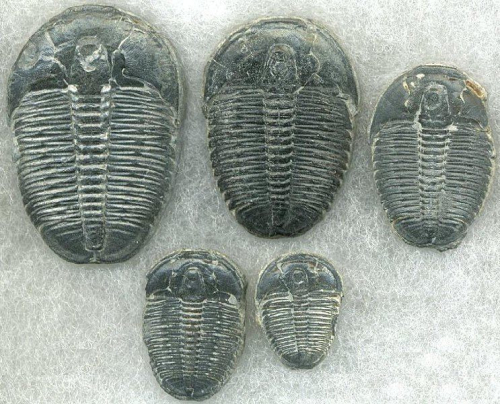
Trilobite Tuesday #17: The Cambrian Creatures That Grew Up Over the Course of 28 Bodies
Atlas Obscura has a story about Elrathia kingii. E. kingii is a very common trilobite found in the Cambrian rocks of Utah. This article is a great summary on how they lived and most importantly… how they grew. WITH ANY LUCK, HUMANS CHANGE a lot over the course of our time on Earth. As we grow…
-
Trilobite Tuesday #16: Growing up trilobite
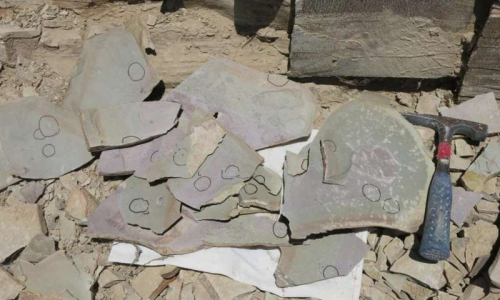
Phys.org has an article about probably the most common trilobites, Elrathia kingii. The article is about new research that used this trilobite to understand the ontogeny of this iconic species. The research can be found in a paper in the journal Papers in Palaeontology. If you’ve ever held a trilobite fossil, seen one in a…
-

Fossil Friday #15: Permian Trilobites From Kansas
This is the “Fossil Friday” post #15. Expect this to be a somewhat regular feature of the website. We will post any fossil pictures you send in to esconi.info@gmail.com. Please include a short description or story. Check the #FossilFriday Twitter hash tag for contributions from around the world! On Tuesday, we had a post about…
-
Trilobite Tuesday #15: The Last of the Trilobites
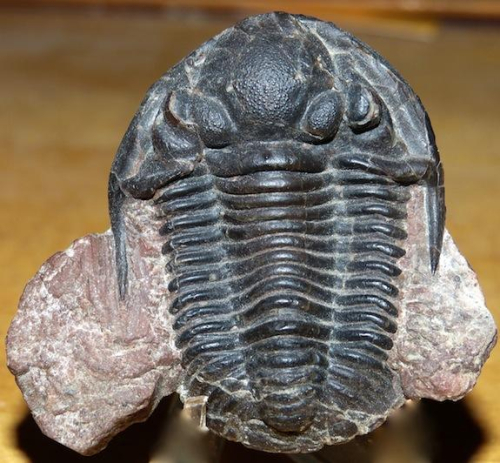
Both the American Museum of Natural History and Trilobites.info have pages on “The Last Trilobites”. By the end of the Permian, trilobites had existed for nearly 300 million years. That stretch of time spread from the lower Cambrian to the mass extinction events at the end of the Permian. Their highest diversity was during the…
-

Trilobite Tuesday #14: AMNH The First Trilobites
Trilobites were a very successful group of arthropods that existed on Earth from the early to middle Cambrian to the Permian mass extinction events. That’s a span of about 275 million years. By the end, there were just a few species left and the Permian extinction swept them away along with more than 90% of…
-

Trilobite Tuesday #13: Trilobite Conga Line
Clues to animal behavior are very rare in the fossil record. However, a Moroccan fossil of 22 small trilobites might provide some of the earliest evidence. These trilobites lived about 480 million years ago. And, their lineup might be a display of complex social behavior long before it was expected. The details appear in a…
-

Trilobite Tuesday #12: Trilobite Fakes
This is Trilobite Tuesday post #12. —————————————- This is a completely faked trilobite assemblage, with all individual trilobites made of resin on an underlying plastic film and all mounted on real limestone matrix; the castings are of: Leonaspis, Walliserops, Crotalocephalus, Paralejurus, and something unidentified on top (left image), and Odontochile, Psychopyge, Phacops and Scutellum (right image). Photography:…
-

Trilobite Tuesday #11: Richard Fortey on Palaeocast
If you have most than a passing interest in trilobites, you’ve certainly heard of Richard Fortey. He’s one of the foremost researchers of trilobites in the world. He fell in love with trilobites at age 14. He’s appeared in a bunch of BBC nature programs in recent years and written numerous books on paleontology, including…
-

Trilobite Tuesday #10: Trilobite Spines
The American Museum of Natural History has a great trilobite website with information and pictures that do a thorough job describing trilobites. Today, we are going to highlight the Trilobite Spines page. From the very beginning of their history up to the end, armor was a big component of trilobite anatomy. First, they had a calcium…
-

Fossil Friday #8: Trilobites from St. Paul Quarry
This is the “Fossil Friday” post #8. Expect this to be a somewhat regular feature of the website. We will post any fossil pictures you send in to esconi.info@gmail.com. Please include a short description or story. Check the #FossilFriday Twitter hash tag for contributions from around the world! —————————————————– Trilobites from the St. Paul Stone…
-
Trilobite Tuesday #9: PBS Eons “The Trouble With Trilobites”
The PBS Eons channel on Youtube has new videos about once a week. If you love paleontology or have just a passing interest in paleontology, you will love the videos. https://www.youtube.com/watch?v=Aji2VnQFUCs Enjoy this past episode of PBS Eons. It’s all about the trilobites! Trilobites are famous not just because they were so beautifully functional, or…
-

Trilobite Tuesday #8: Trilobite State Fossils
Please note: most of the information used here came from the State Fossil page on Fossilera. It has information on all the state fossils, including state dinosaurs and state “stones”. They have nice pictures and a brief description with links for each one. All but seven states have state fossils. There are three types of trilobite that…
-

Trilobite Tuesday #7: When Trilobites Ruled the World
It’s a few years old… March 3rd, 2014, but trilobites are even older! The New York Times has an great article called “When Trilobites Ruled the World” by Natalie Angier, who does excellent science writing on many, many subjects from geology to paleontology to genetics to neuroscience. You name it and she’s written about it.…
-
Throwback Thursday #6: Lone Star Quarry, Oglesby, IL, in 2008
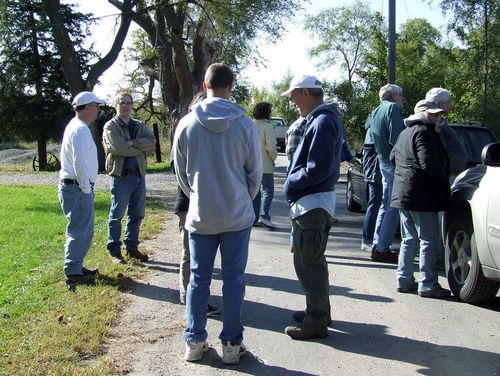
This is Throwback Thursday #6. In these, we look back into the past at ESCONI specifically and Earth Science in general. If you have any contributions, (science, pictures, stories, etc …), please send them to esconi.info@gmail.com. Thanks! At one time, ESCONI had a yearly field trip to the old Lone Star Quarry near Oglesby, IL. …
-
Trilobite Tuesday #6: The Largest Trilobites #trilobite #fossils #TrilobiteTuesday
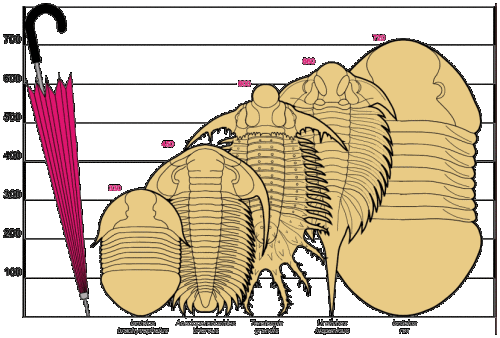
If you’re interested in the largest trilobites, have a look over at this page on “A Guide to the Orders of Trilobites” or this page at the American Museum of Natural History. The following quote is from the AMNH page. The size variance shown among trilobite species is nothing less than astonishing. Generally when one considers these…
-
Trilobite Tuesday #5: Are These Trilobite Eggs?
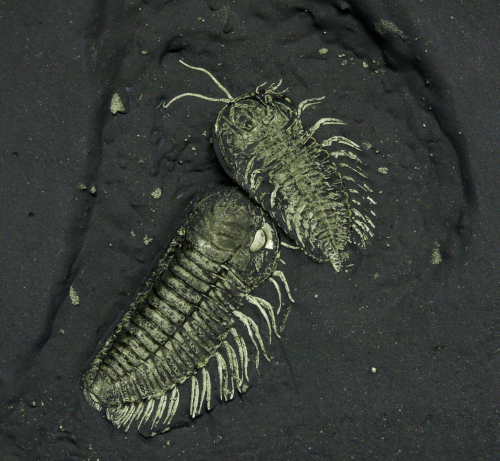
Scientific American’s “The Artful Amoeba” had a piece about trilobite eggs a few years ago. It seems that Markus Martin, an amateur paleontologist, discovered gold, or more specifically trilobite gold. Atlas Obscura has the more personal details of this fossil find. It what was once known as Beecher’s Bed, Martin found and then prepared some…
-
Trilobite Tuesday #4: TheFossilForum: Open Access Trilobite Papers 1993–2020
TheFossilForum has a very long running thread entitled “Open Access Trilobite Papers 1993–2020”. That particular link has posts from user piranha from 2013 to the present. Here are a few of the most recent. This is an awesome resource! Check it out if you need access to a trilobite paper! February 26th, 2020 Geyer, G.,…
-
Trilobite Tuesday #3: Everything and Anything You’ve Ever Wanted to Know About Trilobites!
The website “A Guide to the Orders of Trilobites” has an amazing amount of information about trilobites. It’s been online since at least 2000. The website is run by Sam Gon III, a conservation biologist at TNC Hawai’i. He also does the Anomalocaris Homepage. You can order a copy of the website in book form. …
-
Trilobite Tuesday #2: AMNH Trilobite Top Tens
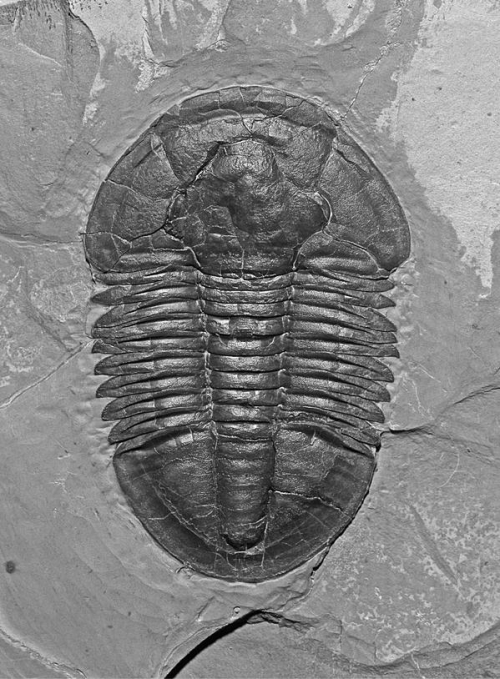
The American Museum of Natural History has an interesting page titled “Trilobite Top Tens”. They have everything from Charles Walcott (NY Wolcott-Rust quarry and Burgess Shale), to Elrathia kingii (one of the most common trilobites), to Sir Roderick Murchison (rock star geologist from the 1800s). The categories are: The AMNH has a great website on trilobites. There is so much information……
-

Trilobite Tuesday #1: The Trilobite: An Early Inhabitant of Illinois
The Illinois State Geologic Survey (ISGS) has a page on the trilobites of Illinois. It has good information about time periods and has a few pictures of the species that can be found here in Illinois. There’s even a paragraph on it’s body structure. Trilobites are so named because the segments on their upper (dorsal)…

