Tag: Smithsonian
-
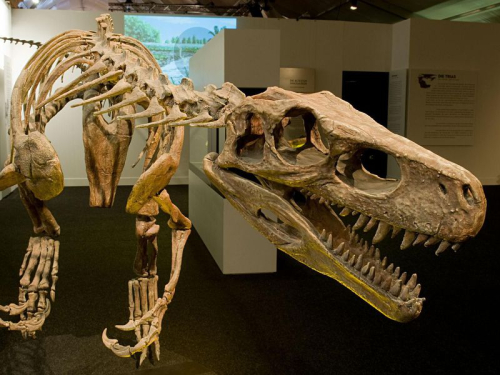
The Rise of Meat-Eating Dinosaurs Is More Complicated Than We Thought
Smithsonian Magazine has an interesting piece about carnivorous dinosaurs. The evolution of large meat eating dinosaurs is a long and complicated story. Dinosaurs evolved around 235 million years ago. At that time, they were lanky and small. One of the largest early meat eaters was Herrerasaursus. It was about 16 feet long and lived in…
-

Four New Species of Prehistoric Flying Reptiles Unearthed in Morocco
Smithsonian Magazine has an article about the recent discovery of not 1. not 2, but 4 new species of pterosaur. These animals were found in the famous Kem Kem fossil beds in southeastern Morocco. They lived about 100 million years ago during the middle Cretaceous Period. All the details are in a paper published in…
-

World’s Oldest Scorpions May Have Moved From Sea to Land 437 Million Years Ago
Smithsonian Magazine has an article about some very old scorpions. Scientific Reports has a paper describing some scorpions that lived about 437 million years ago, during the Silurian Period. These animals, called Parioscorpio venator, lived in what is now modern day Wisconsin. Their fossils were discovered back in the 1980s. When they were alive, Wisconsin…
-

Three Ferocious Dinosaurs Featured on New U.K. Coins
Smithsonian Magazine has a story about some new coins in the U.K. There are three new coins that have Megalosaurus, Iguanodon, and Hylaeosaurus, which were the first dinosaurs discovered in modern-day Britain. Over the years, the United Kingdom’s 50 pence coin has paid tribute to an array of intriguing figures who have made an important…
-

Jaw of 330-Million-Year-Old Shark Discovered in Kentucky Cave
The Smithsonian Magazine has a article about the accidental discovery of a fossil shark in Mammoth Cave. The shark, Savivodus striatus, lived during the late Mississippian Period, about 330 million years ago. This shark was probably about 20 feet long, but are known to be more than 30 feet long. n November 2019, paleontologist John-Paul…
-
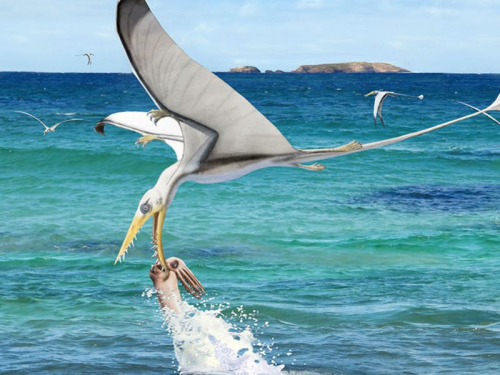
Smithsonian: Pterosaur Tooth Found in Rare Ancient Squid Fossil
Smithsonian.com has a story about a unique fossil find. About 150 million years ago, there was a hungry pterosaur looking for a meal. It saw an appetizing cephalopod and went for it. Unfortunately, we don’t know if it ate that day, but we do know that this particular bit of calamari got away. The fossil…
-
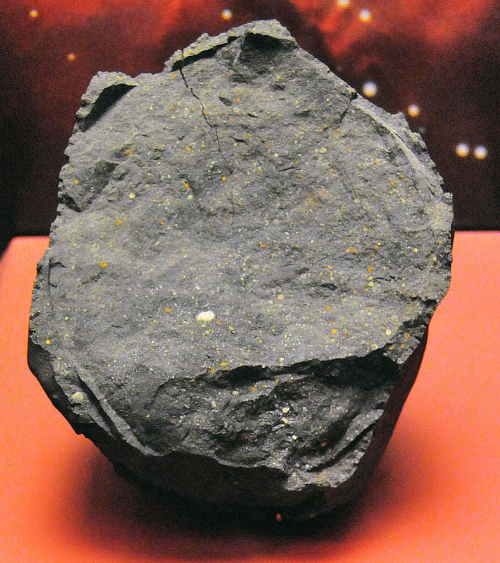
Meteorite Grains Are the Oldest Known Solid Material on Earth
Smithsonian Magazine has an article about some very old dust. Even if you haven’t cleaned lately, it’s highly doubtful the dust around your home is as old as the dust described in a recent paper published in the journal PNAS. The lead author is a curator of meteorites at the Field Museum in Chicago, which…
-

Teenage T. Rex Fossils Reveal Haphazard Growth Spurts
Smithsonian Magazine has an article about teenage T. rex fossils. The article discusses a recent paper that appeared in Science Advances. That paper readdresses the two sleek, and slender tyrannosaurs, nicknamed Jane and Petey, at the Burpee Museum of Natural History in Rockford, Illinois and concludes that the two specimens are juvenile T. rexes, not…
-
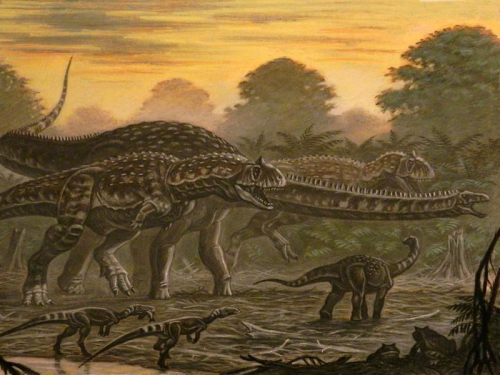
Flesh-Ripping Dinosaurs Replaced Their Teeth Multiple Times a Year
The Smithsonian has a story about tooth replacement in theropod dinosaurs. A new study published in the journal PLOS ONE has found that Majungasaurus probably replaced its teeth every 56 days. This is faster than the previous highest tooth replacement rate which was about 100 days in Jurassic carnivores Allosaurus and Ceratosaurus. This new rate…
-
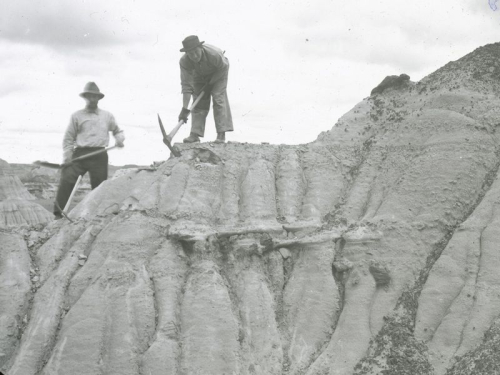
Smithsonian: How to Discover Dinosaurs
Over on Smithsonian.com, Hans-Dieter Sues has an article about finding dinosaurs. The article answers many of the what, where, and how kind. People always ask, “How do you know where to dig?” Well, first we have to find a dinosaur skeleton before we can dig it up. To collect dinosaurs requires careful planning. Unless they…
-
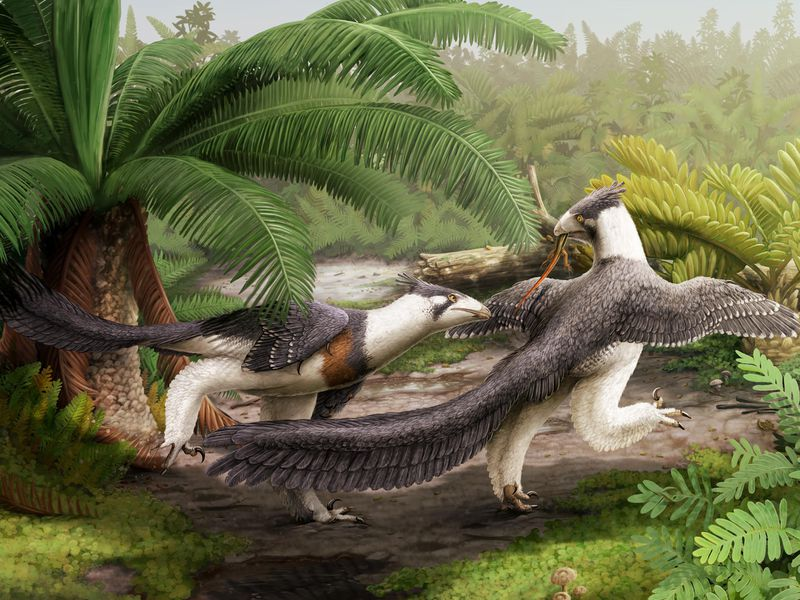
Smithsonian: Discovery of Raptor-Like Dinosaur Adds a New Wrinkle to the Origin of Birds
Smithsonian has a story about the discovery of a small dinosaur that sheds light on the origin of birds. While excavating a Supersaurus nicknamed “Jimbo”, Wyoming Dinosaur Center paleontologist spotted some small bones amongst the enormous bones. Named Hesperornithoides miessleri, the animal lived about 150 million years ago during the late Jurassic. The specimen is referred…
-
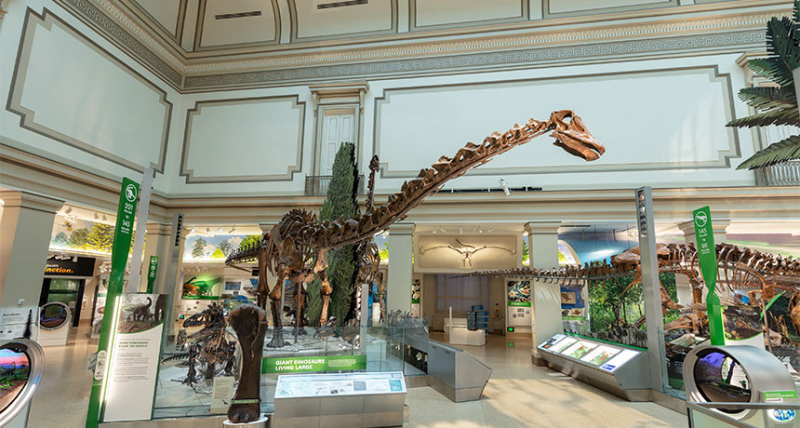
ScienceNews: The Smithsonian’s ‘Deep Time’ exhibit gives dinosaurs new life, Reopens today, June 8th, 2019!
ScienceNews has an article about the reopening of the dinosaur hall at the Smithsonian National Museum of Natural History in Washington, D.C. Today, June 8th, 2019 is the long awaited day. It’s called the “David H. Koch Hall of Fossils – Deep Time“. The renovations have taken 5 years to complete. The exhibit starts with…
-
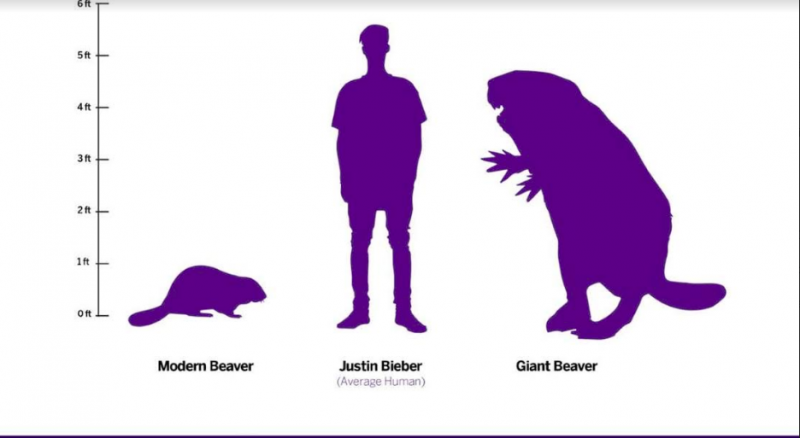
Why Did These Human-Sized Beavers Go Extinct During the Last Ice Age?
The Smithsonian.com has a post about the extinction of 7 foot tall beavers. Up until just over 10,000 years ago, large beavers weighting upwards of 220 pounds roamed a large part of North America, from Alaska and Canada to Florida. A new study, by a group of Canadian researchers, was published in the journal Scientific…
-

Newly Discovered Bat-Like Dinosaur Reveals the Intricacies of Prehistoric Flight
The Smithsonian has a story about a new “bat-like” dinosaur from China. This animal lived about 160 million years ago in the middle Jurassic. It’s called Ambopteryx longibrachium and it’s seems to be related to Yi qi, which was described back in 2015. The description of Ambopteryx appeared recently in the jounal Nature. About 160…
-
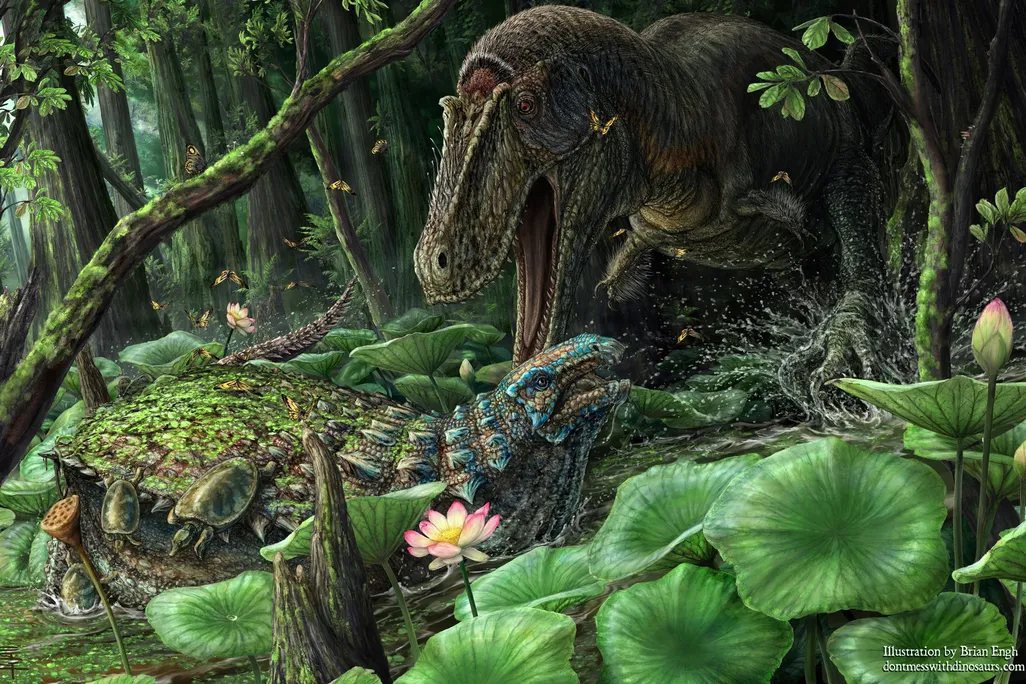
Newly Discovered Tyrant Dinosaur Stalked Ancient New Mexico
The Smithsonian has a post about a new tyrannosaur. Its name is Dynamoterror and it lived about 80 million years ago in what is now New Mexico. The paper, published in PeerJ, describes the 30-foot-long meat eater, which probably snacked on hadrosaurs, armored dinosaurs, and ceratopsians that lived in the hot, humid, and lush forests…
-

Smithsonian: Rare Desert Pterosaur Fossil Discovered in Utah
The Smithsonian Magazine has an article about a new pterosaur discovered in the desert in Utah. Its name is Caelestiventus hanseni (meaning Heavenly Wind) and it dates back to the Triassic, about 200 to 210 million years ago. Pterosaurs first took to the air during the Triassic. Hopefully, this specimen can shed some light…
-

Smithsonian: Ancient Trees “Ripped Their Skeletons Apart” To Grow
The Smithsonian.com has an article about how the ancient “trees” grew. Researchers from Cardiff University, Nanjing Institute of Geology and Paleontology, and State University of New York have published a paper in PNAS which studied 374 million year old fossils of a group of “trees” known as cladoxylopsids. The team’s findings, published in Proceedings of…
-

PBS NOVA: Making North America
If you’ve got some time this holiday season. Check out Nova’s three part series “Making North America”. It’s hosted by Kirk Johnson, who’s the head of the Smithsonian’s National Museum of Natural History. Making North America: Origins Making North America: Life Making North America: Human All are available are online as full episodes, ready to…
-
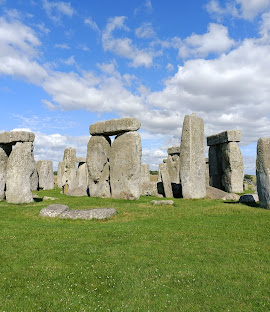
CBS Sunday Morning has a story about Stonehenge
On CBS Sunday Morning today (January 25th, 2015), there is a story about the archaeological work which is working to discover the secrets of Stonehenge. The story discusses newer techniques using underground imaging to reveal never before seen details of what Stonehendge was back when it was built. These techniques have shown the positions of…
-

Dom Pedro Aquamarine On Display at Smithsonian Museum
“The Dom Pedro Aquamarine exists today because of one thing—passion—passion from a great gem dealer, passion from a creative gem artist, and passion from a serious gem collector. This type of passion combined with knowledge, vision, talent, and the desire to preserve and share the wonders of nature is why the Dom Pedro is on…
-

Does More Boron Make a Diamond More Blue?
Via the New York Times: “The Hope Diamond’s 45.52 sparkling, steely blue carats make it the most famous diamond in the world — shrouded in mystery and intrigue since it was pulled out of the ground in 17th-century India… … Scientists already knew that natural blue diamonds had a smattering of boron. It gives them…
