Tag: Smithsonian
-

Paleontologist Dr. Hans-Dieter Sues RIP (1956-2026)
We are sad to hear of the sudden passing of Dr. Hans-Dieter Sues, Curator of Vertebrate Paleontology at the Smithsonian National Museum of Natural History. Here is the Smithsonian’s announcement on Facebook. It is with profound sadness that we share the news that our friend and colleague Dr. Hans-Dieter Sues, Curator of Vertebrate Paleontology, unexpectedly…
-
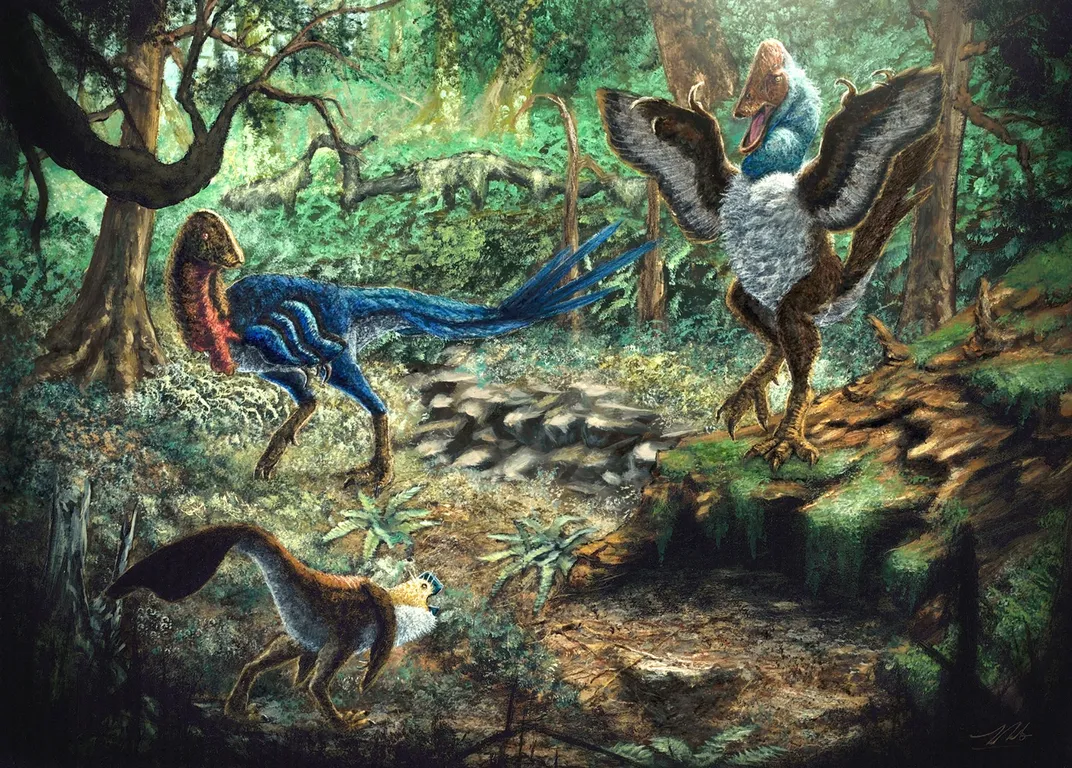
The Top Ten Dinosaur Discoveries of 2024
Smithsonian Magazine has an article that details the Top 10 dinosaur discoveries of 2024.
-

Paleontologists Discover Dinosaur Fossils in Hong Kong for the First Time
Smithsonian Magazine brings news of the first discovery of dinosaur fossils in Hong Kong. The fossils were identified as a “large, aged dinosaur”. They were found on the tiny uninhabitied Port Island. The animal lived during the Cretaceous Period. China—along with Argentina, Canada and the United States—is one of the main geographical regions for identifying…
-
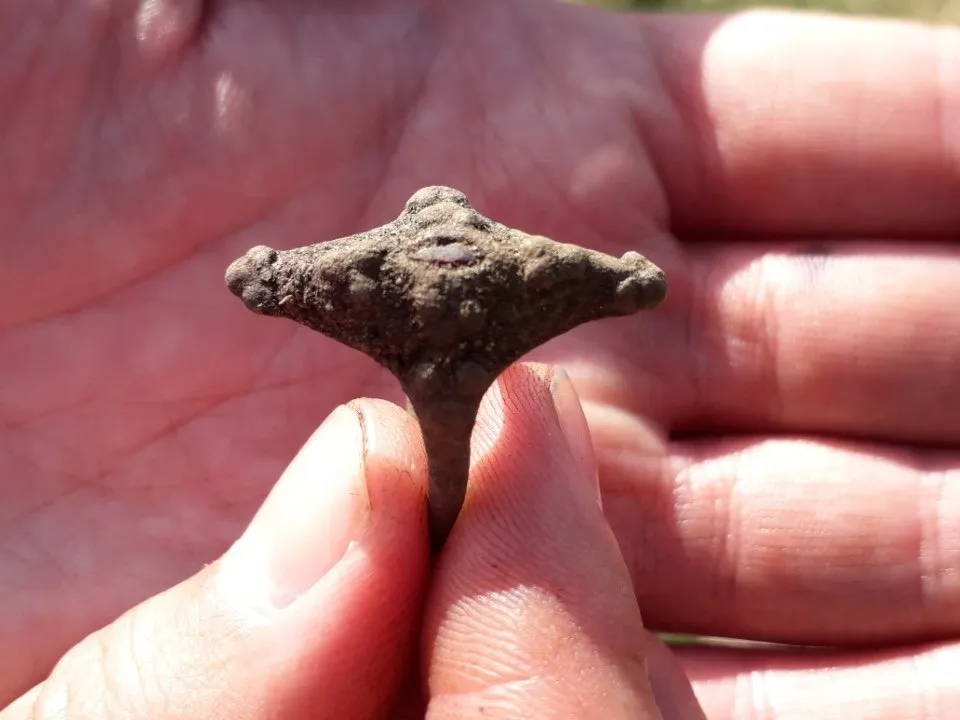
Volunteer Discovers 1,000-Year-Old Ring on the Last Day of an Excavation in Scotland
Smithsonian Magazine’s “Smart News” has a piece on the discovery of a 1,000-year-old ring in Scotland. The ring was found by a volunteer on an archaeology dig led by a researcher at the University of Aberdeen. The ring is believed to have belonged to the Picts, a group of people that lived parts of present-day…
-
Miners Unearth a Mummified Woolly Rhino in Siberia, With an Intact Horn and Soft Tissue
Smithsonian Magazine has an article about the discovery of a mummified woolly rhinoceros in Siberia. The animal was found by gold miners earlier this summer in a quarry in the rural Oymyakonsky District of Russia. It’s very well preserved with soft tissue and a complete horn. Some scientists have speculated that ancient DNA might even…
-

Newly Discovered Fossil from the Smithsonian’s Collection Named After Kermit the Frog
Smithsonian Magazine has an article about a new species named for the Muppet character Kermit the Frog. Kermitops gratus lived during the early Permian in what is now Texas, about 280 million years ago. The paper’s authors Calvin So, Arjan Mann, and Jason Pardo describe the new species as a pro-amphibian. The skull fossil was…
-
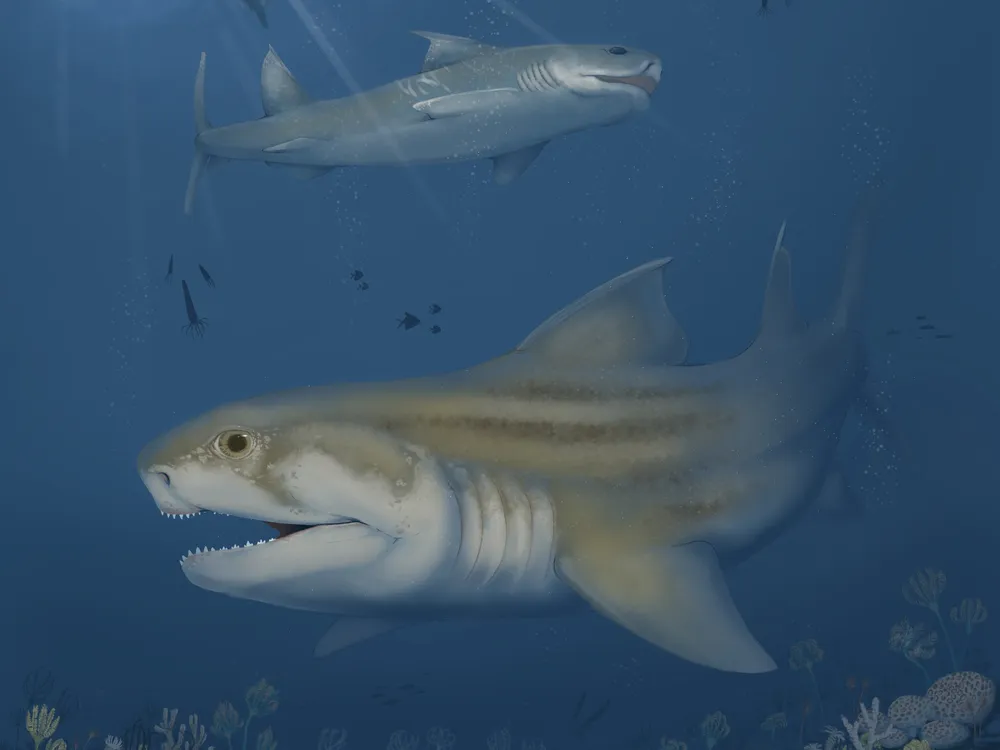
Paleontologists Discover Two New Shark Species From Fossils in Mammoth Cave National Park
Smithsonian Magazine has a story about a new fossil discovery. Two new shark species from the Carboniferous have been described from Mammoth Cave National Park in Kentucky. Troglocladodus trimblei and Glikmanius careforum lived during the Carboniferous Period some 325 million yerars ago. Both measured about 10 to 12 feet long. The paper “Sharks in the dark:…
-
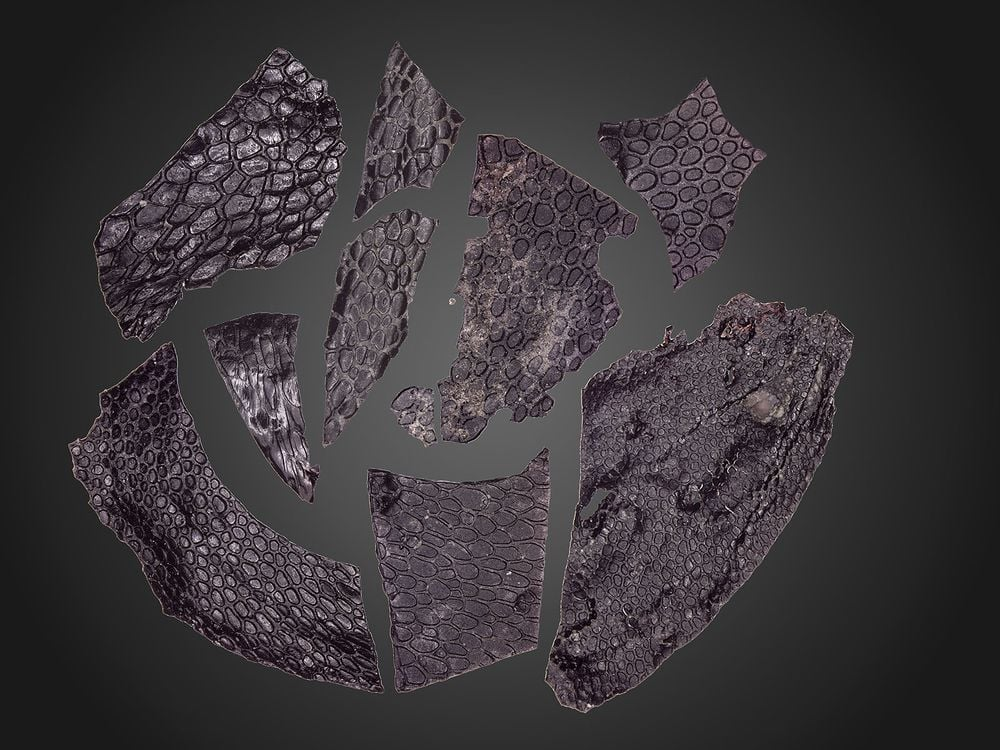
This 288-Million-Year-Old Fossilized Scrap of Skin Is the World’s Oldest
Smithsonian Magazine has an article about the discovery of the old fossilized skin. The specimen belonged to a lizard-like reptile that lived about 288 million years ago during the Permian Period. It was found in a cave near Richards Spur, Oklahoma. This specimen represents the oldest known preserved skin. The previous record was about 130…
-

1.1 Billion Objects and Counting: Inside the Effort to Tally Natural History Specimens Around the Globe
Smithsonian Magazine has an interesting article about the effort to count the world’s museum collections. With more than 148 million specimens and objects ranging from pocket-sized shrews and glimmering crystals to petrified tree trunks and giant squid, the National Museum of Natural History holds a sprawling account of how Earth has changed over the past 4.5 billion…
-
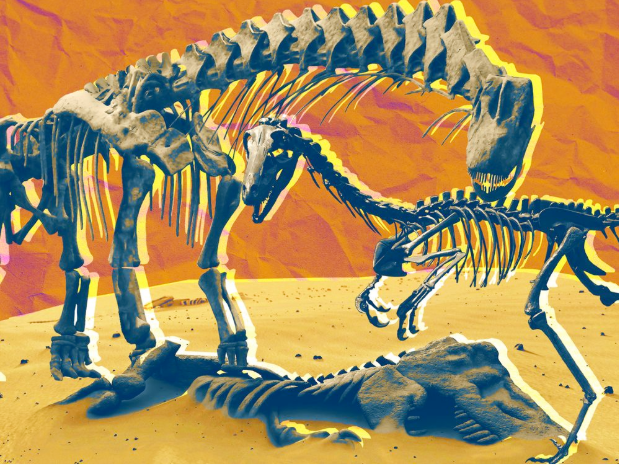
The Top Ten Dinosaur Discoveries of 2023
Ten big dinosaur discoveries stood out in 2023. Smithsonian Magazine has a list of 10 of the most intriguing dinosaur discoveries in 2023. Check out the link for the details.
-

Fossil Hunter Pulls Massive Mammoth Jawbone Out of Florida River
The jawbone likely belonged to a Columbian mammoth. Fossil Junkies via Facebook Smithsonian Magazine has a story about the discovery of a Mammoth jawbone in Florida. The bone was found in the Peace River near Arcadia, Florida. The Peace River is known for producing fossils from the Pleistocene. The bone is probably 10,000 years old and likely…
-
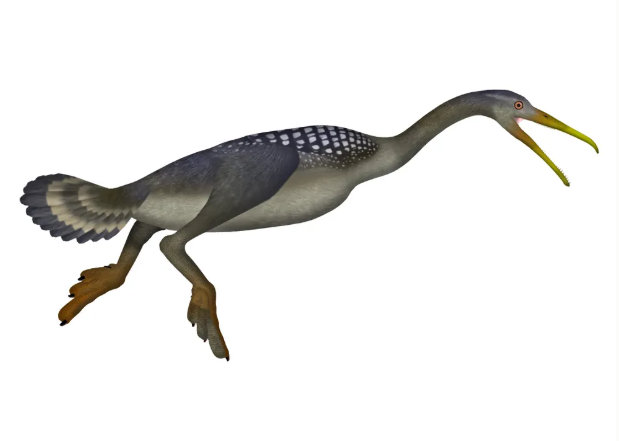
During the Age of Dinosaurs, Some Birds Sported Toothy Grins
Smithsonian Magazine has an interesting article about birds with teeth. Before the K-Pg event at the end of the Cretaceous Period, most birds had teeth, but those species are rarely discussed. One of the first toothed bird discovered, was Hesperornis in the 1870’s. Early birds such as Archaeopteryx don’t look all that different from the small, carnivorous dinosaurs they…
-
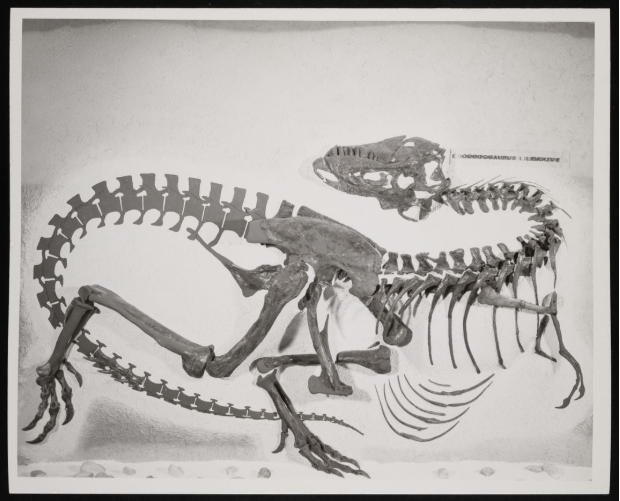
How Smithsonian Fossil Preparators Are Re-Excavating a Tyrannosaur from Its Past on Display
Smithsonian Magazine’s National Fossil Day post looks at a tyrannosaur specimen that has been on display for many years. The animal, Gorgosaurus libratus, had been at the museum since 1918. It was found in the rugged badlands around the Red Deer River in Alberta, Canada. It lived about 75 million years ago during the Cretaceous…
-
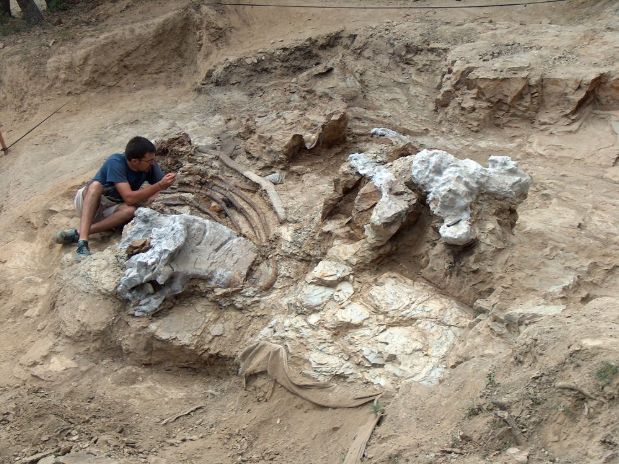
New ‘Giant’ Species of Long-Necked Dinosaur Discovered in Spain
Smithsonian Magazine has a story about the discovery of a new sauropod dinosaur. The dinosaur, Garumbatitan morellensis, lived about 122 million years ago, which is the Cretaceous Period. The specimen was found near Morella in eastern Spain, which is part of the species name. The new animal was described in the journal Zoological Journal of…
-
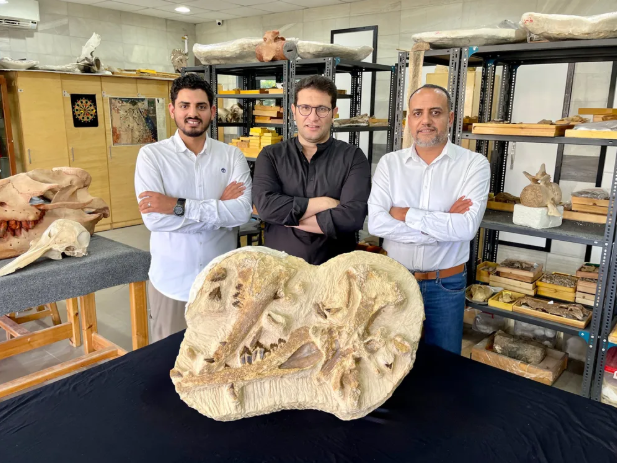
Fossil of Tiny, Extinct Whale Discovered in Egypt, Named for King Tut
Smithsonian Magazine has a story about the discovery of a new whale species. The new whale, Tutcetus rayanensis, is named for the Egyptian pharaoh Tutankhamun. It lived about 41 million years ago. The team of Egyptian research discovered the fossil about 25 miles from the Wadi Al-Hitan World Heritage Site in Egypt, an area rich…
-
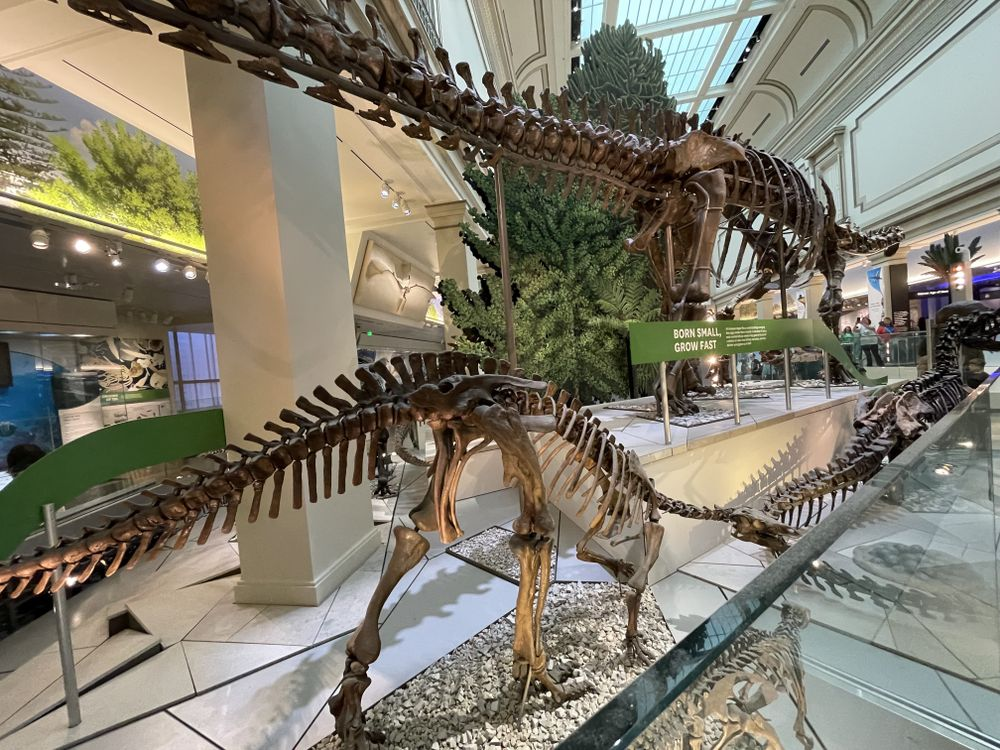
Dino-Sore: Smithsonian Paleontologist Diagnoses Ancient Ailments in the Museum’s Dinosaurs
Smithsonian Magazine has an interesting post about dinosaur injuries. Not injuries to humans, although getting dinosaur bones out of the ground can be physically challenging, but injuries to dinosaurs evident in their bones long after they have died. SUE, the T. rex at the Field Museum in Chicago, has numerous bone pathologies including broken ribs,…
-
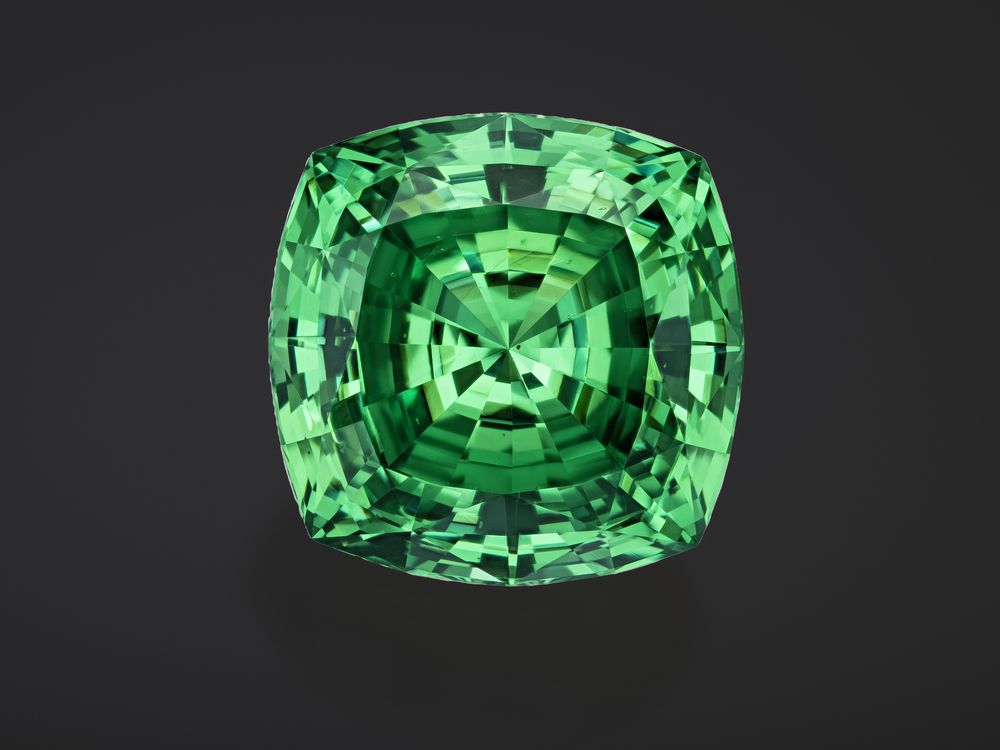
The Story Behind the Smithsonian’s Newest Gem: the Exquisite Lion of Merelani
Smithsonian Magazine has an article about the Museum’s new gemstone. The Lion of Merelani is the world’s largest square-cushion tsavorite gem. It has 177 stunning facets. This gorgeous stone will take up residence in the Janet Annenberg Hooker Hall of Geology, Gems, and Minerals next to the Hope Diamond, the Whitney Flame Topaz, and the…
-
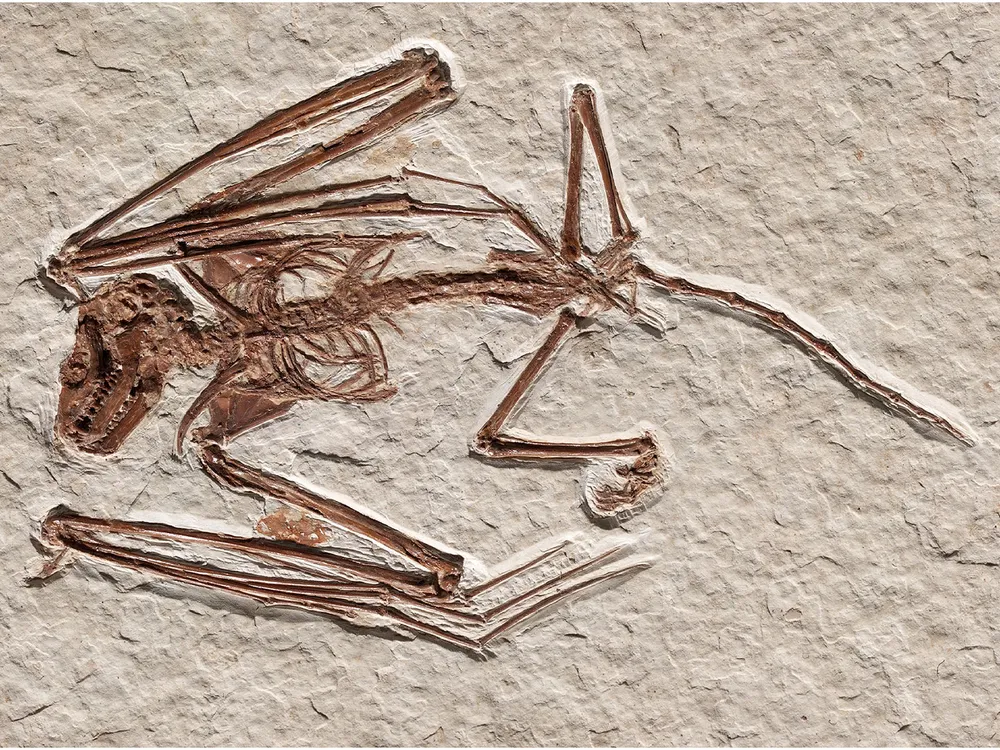
Smithsonian: Paleontologists Discover 52-Million-Year-Old Bat
Smithsonian Magazine has a story about a fossil bat from Wyoming. Bats are underrepresented in the fossil record due their small size and even smaller bones. Unfortunately, they also live in areas that don’t usually form fossils. The Green River Formation in Wyoming, which dates to the Eocene about 52 million years ago, has yield…
-
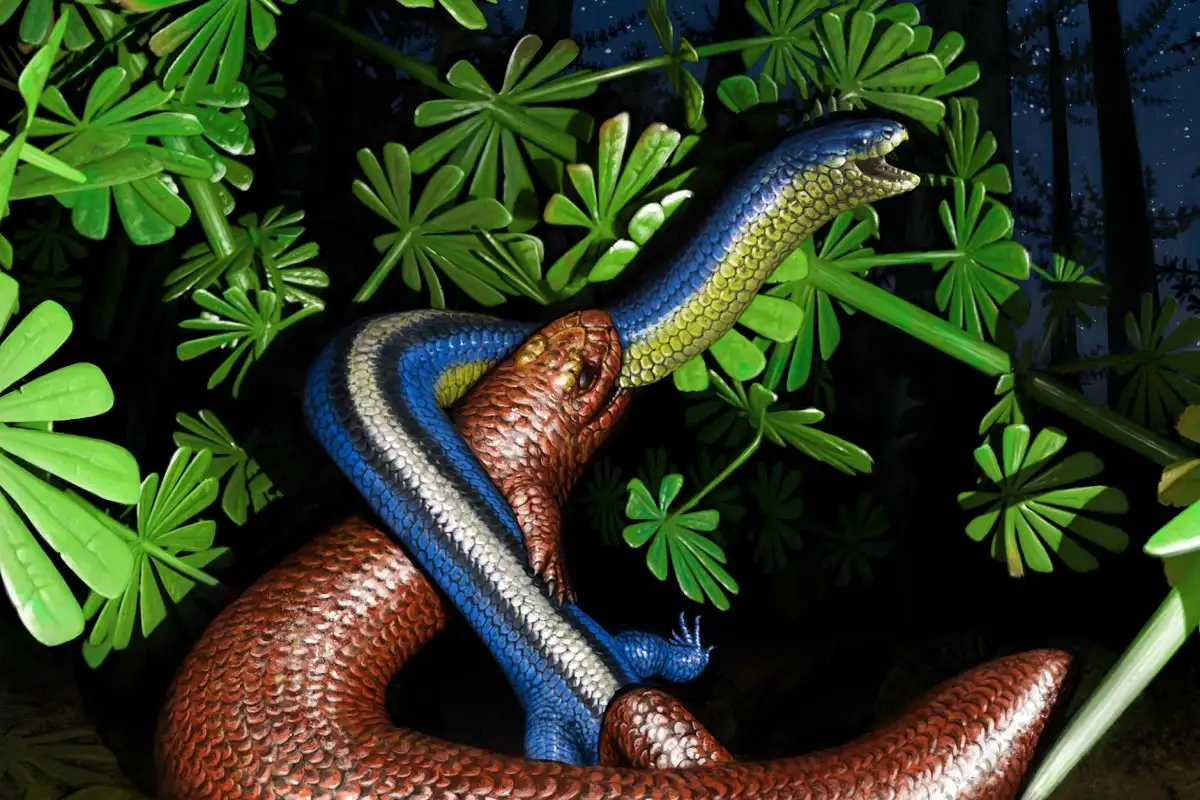
Nature: Snake-like limb loss in a Carboniferous amniote
Nature Ecology & Evolution has a new paper on Mazon Creek tetrapods. This paper describes snake-like limb loss in an amniote, Nagini mazonense, found in the Mazon Creek fossil deposit. The authors are Arjan Mann of the Smithsonian Institution, Jason Pardo of the Field Museum, and Hillary Maddin of Carleton University in Ottawa, Ontario, Canada. Arjan…
-

Mammoth and Horse DNA Left in Freezer Rewrite Ice Age Extinctions
Smithsonian Magazine has a story about research that shows that woolly mammoths and other Ice Age animals survived up to about 5,000 years ago instead of the accepted 13,000 years. Frozen permafrost samples collected about 10 years ago were analyzed and they revealed DNA of wooly mammoths, wild horses, and steppe bison. The research was…
-
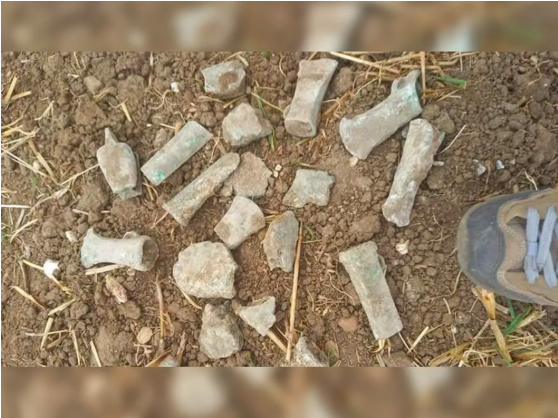
British Teenager Discovers Rare Bronze Age Ax Hoard
The Cool Finds column blog at Smithsonian Magazine has a story about the discovery of Bronze Age axes. Milly Hardwick, a 13-year-old from Suffolk, stumbled onto a cache of 65 artifacts dated to around 1300 B.C.E, while on a metal detecting outing. Milly Hardwick was searching for buried treasure in a field in Hertfordshire, England,…
-

Found in a Candy Tin: One of the First Coins Struck in Colonial North America
The Cool Finds column at Smithsonian Magazine has a story about a remarkable find. A one shilling coin minted in 1652 by the Massachusetts Bay Colony was found in a candy tin. One of 40 known to exist, it was sold at auction for $351,912. A silver coin minted in colonial Boston in 1652 has sold for…
-
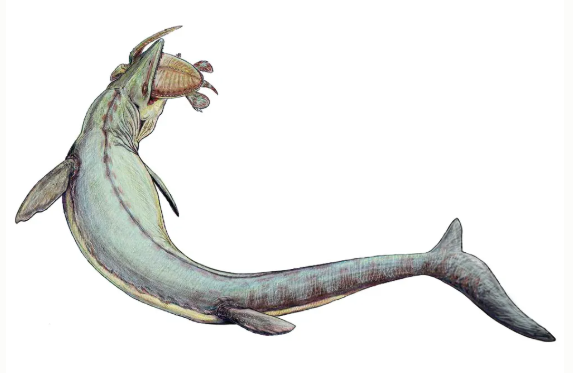
Giant Sea Lizards Ruled the Waves While T. Rex Roamed on Land
Smithsonian Magazine has a post about mosasaurs. A new paper in the journal PaleoBios finds that mosasaurs ruled the oceans up until the mass extinction event at the end of the Cretaceous some 66 million years ago. It had been theorized they went extinct millions of years before the impact. Fossil vertebra from the Hell…
-
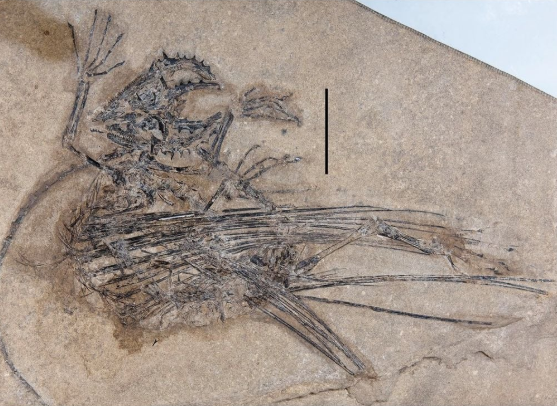
The Oldest Airborne Vertebrate Animal Was a Reptile With ‘Weird’ Wings
Smithsonian Magazine has a story about the first flying vertebrate. The fossil of Weigeltisaurus jaekeli was found in 1992 in Germany. It lived during the Permian Period over 250 million years ago. A new full analysis of the specimen was recently published in the journal PeerJ. Where the researchers theorize that the bony rods supported…
-
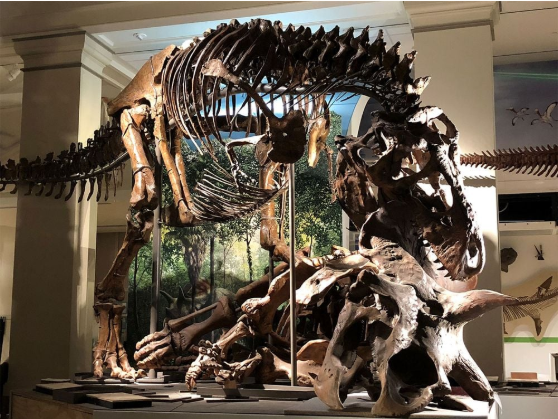
What We’ve Discovered About the ‘Tyrant Lizard King’ Since the Nation’s T. rex Was Unearthed
Smithsonian Magazine has a post about Tyrannosaurus rex. To date, about 50 T. rexes have been found, quite a few of those have been fragmentary. The Nation’s T. rex was discovered in 1988 in Montana by local rancher Kathy Wankel. It is often referred to as the “Wankel Rex”. Since then, we have learned so…
-
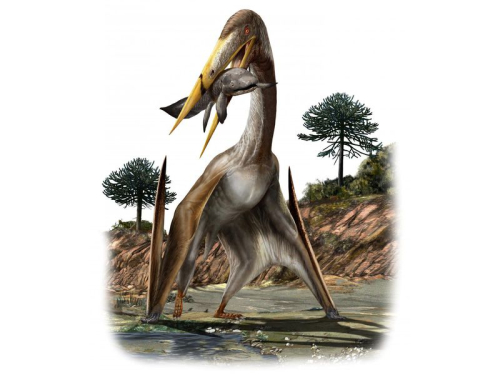
Unique Bone Structure Helped Long-Necked Pterosaurs Fly
Smithsonian Magazine has an interesting article about the largest pterosaurs. These animals were very large with the wingspans of small plaines (8 meters) and necks as long as a giraffe (1.5 meters). A recent paper (April 14th, 2021) in Science Magazine details how these animals supported their large head and necks with a novel spoke…
-
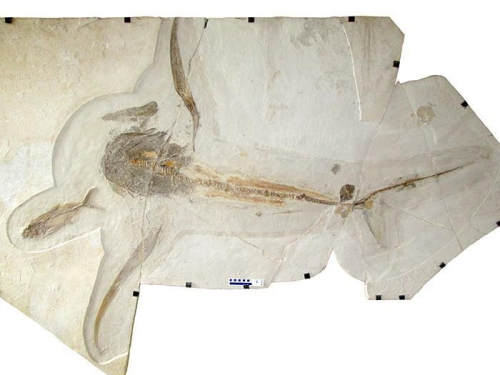
Smithsonian: Discovery of a 95-Million-Year-Old ‘Eagle Shark’ Fossil Makes Waves
Smithsonian Magazine has a story about an interesting new shark fossil. The eagle shark, Aquilolomna milarcae, lived about 95 million years ago during the Cretaceous Period in what is now northeastern Mexico. It was found in 2012 by a quarry worker in the Vallecillo limestone quarry. The animal was about 5.4 feet long and 6…
-

Smithsonian: Amateur Fossil Hunter Discovers New ‘Sea Dragon’ Species on British Beach
Smithsonian Magazine has a story about the discovery of a new Ichthyosaur in England. The animal, called Thalassodraco etchesi “Sea Dragon”, was discovered on the beach near Dorset, England. It lived about 150 million years ago during the late Jurassic Period. The species name etchesi is for the discoverer Steve Etches. A paper published in…
-
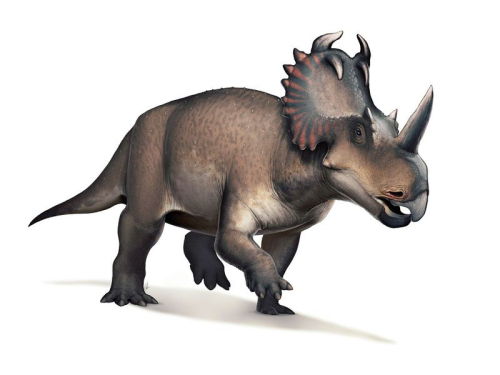
Smithsonian: The Top Ten Dinosaur Discoveries of 2020
Smithsonian Magazine has a list of the top 10 dinosaur discoveries of 2020. What with the pandemic and all, 2020 has been a horrible year for most of us. However, science matches on and while the vaccine is the biggest scientific advance of 2020, there were a handful of important dinosaur discoveries this year.
-
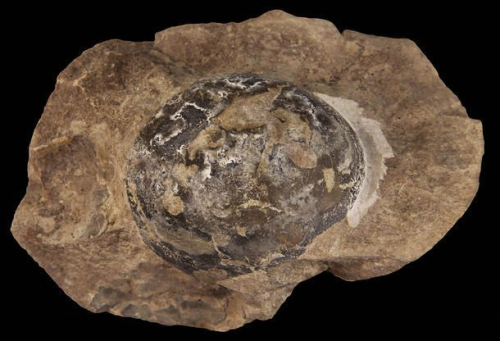
First Soft-Shelled Dinosaur Egg Fossils Found
Smithsonian Magazine has a story about dinosaur eggs. Nature had two articles that found evidence that dinosaur eggs were soft-shelled. The first study found evidence of soft-shelled eggs by analyzing fossilized Protoceratops and Mussaurus egg shells. The evidence suggests eggs similar to those of turtles. The second paper identified an enigmatic fossil, commonly referred to…

