Tag: paleobotany
-
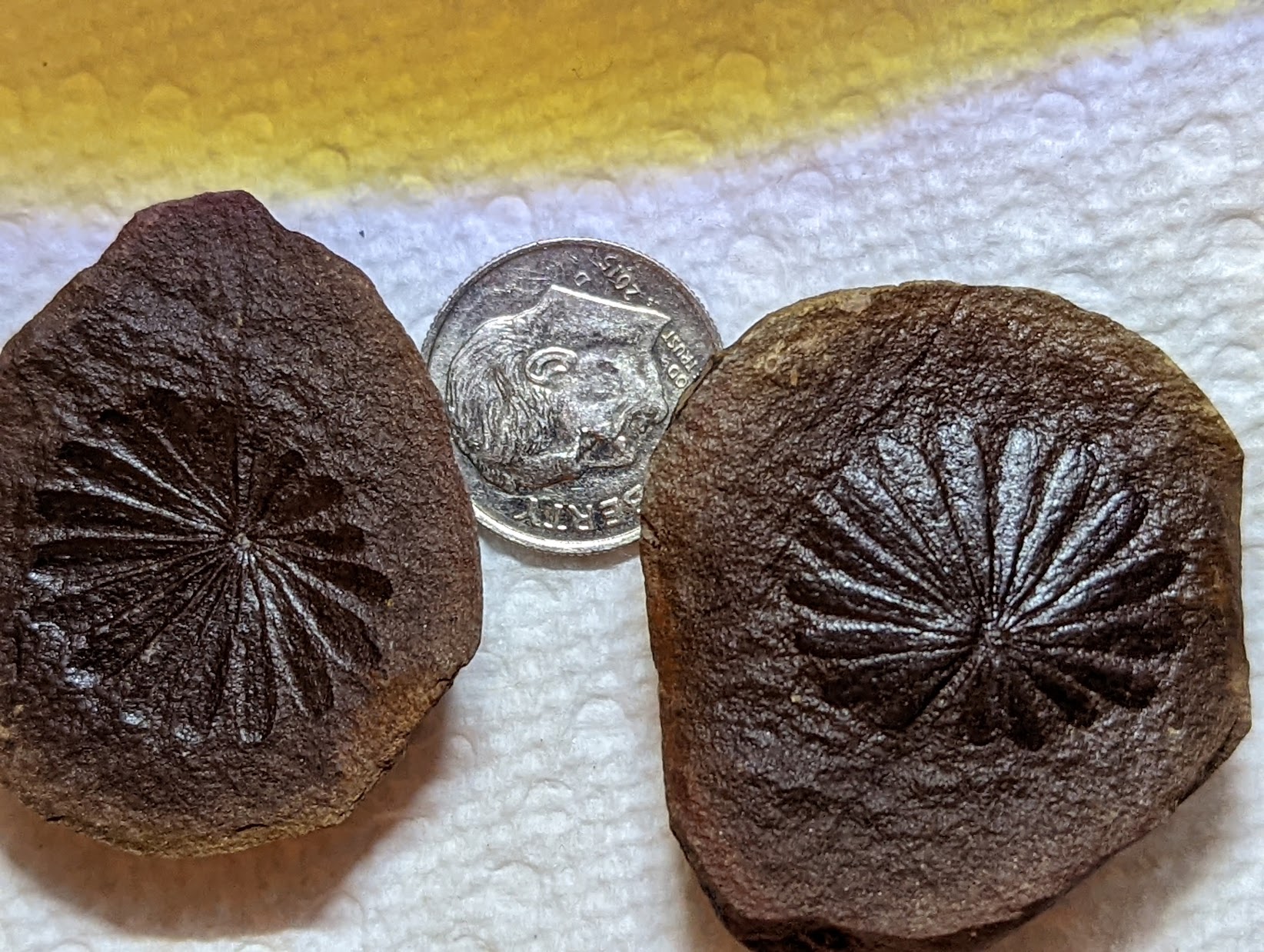
Fossil Friday #107: Annularia from Vigo County, IN
This is the “Fossil Friday” post #107. Expect this to be a somewhat regular feature of the website. We will post any fossil pictures you send in to esconi.info@gmail.com. Please include a short description or story. Check the #FossilFriday Twitter hash tag for contributions from around the world! This week’s Fossil Friday is again Annularia. …
-

Fossil Friday #105: Annularia annulariafolius
This is the “Fossil Friday” post #105. Expect this to be a somewhat regular feature of the website. We will post any fossil pictures you send in to esconi.info@gmail.com. Please include a short description or story. Check the #FossilFriday Twitter hash tag for contributions from around the world! A gorgeous Annularia annulariafolius is our Fossil…
-
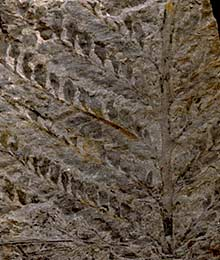
Video for ESCONI April 2022 General Meeting – “Devonian plants from the famous Red Hill location”
The April 2022 General Meeting was held on Friday, April 8th, 2022. The presentation was “Seeing the Forest for the Fossil Trees – Plants at Red Hill” by Dr. Walt Cressler of West Chester University in Pennsylvania. Red Hill is known for the First Modern Tree and a bunch of very early vertebrates. For information…
-
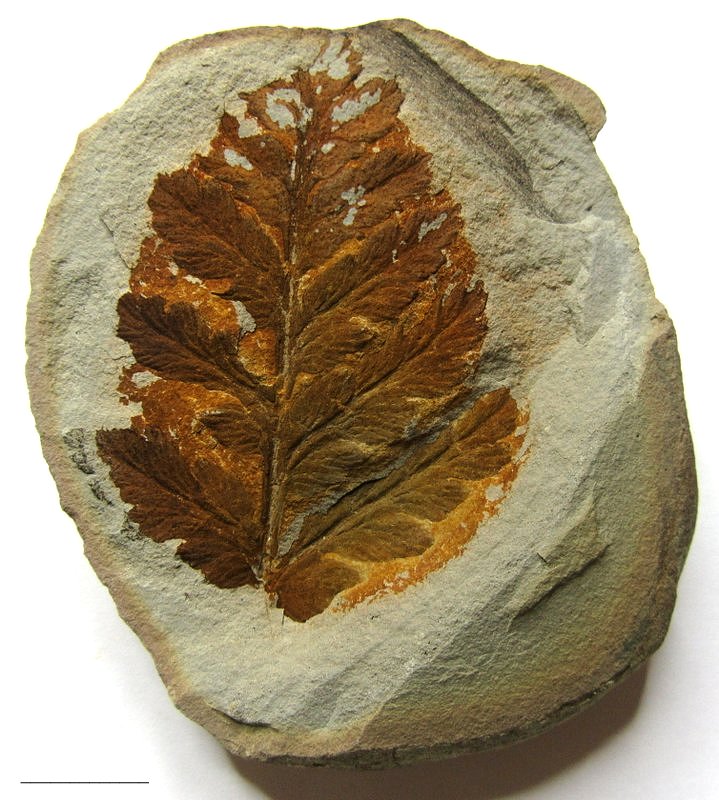
Fossil Friday #103: Mariopteris sphenopteroides
This is the “Fossil Friday” post #103. Expect this to be a somewhat regular feature of the website. We will post any fossil pictures you send in to esconi.info@gmail.com. Please include a short description or story. Check the #FossilFriday Twitter hash tag for contributions from around the world! Well, we’ve made it to another Fossil…
-
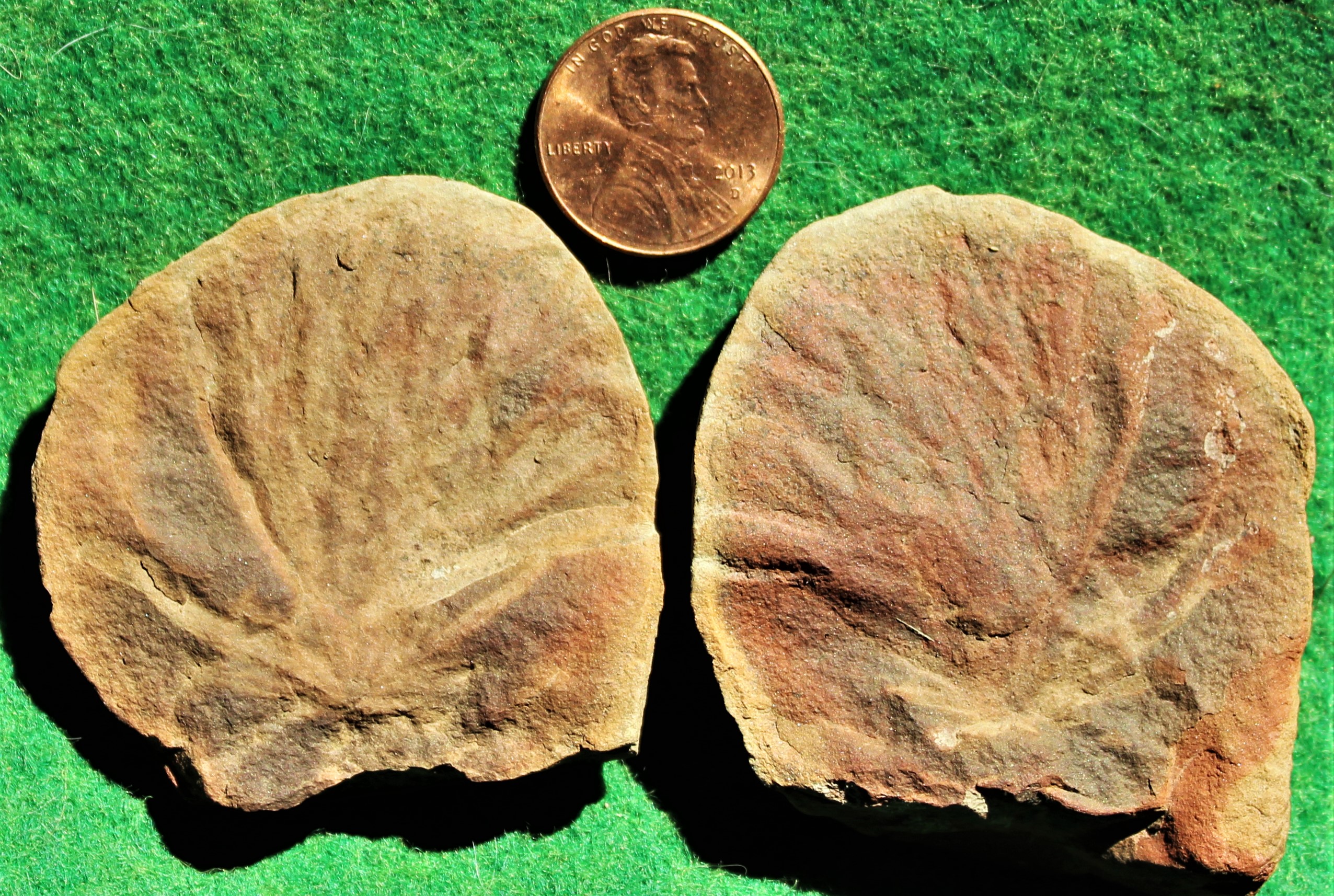
Fossil Friday #101: Mazon Creek Aquatic Plants
This is the “Fossil Friday” post #101. Expect this to be a somewhat regular feature of the website. We will post any fossil pictures you send in to esconi.info@gmail.com. Please include a short description or story. Check the #FossilFriday Twitter hash tag for contributions from around the world! The last section of “A Comprehensive Guide…
-
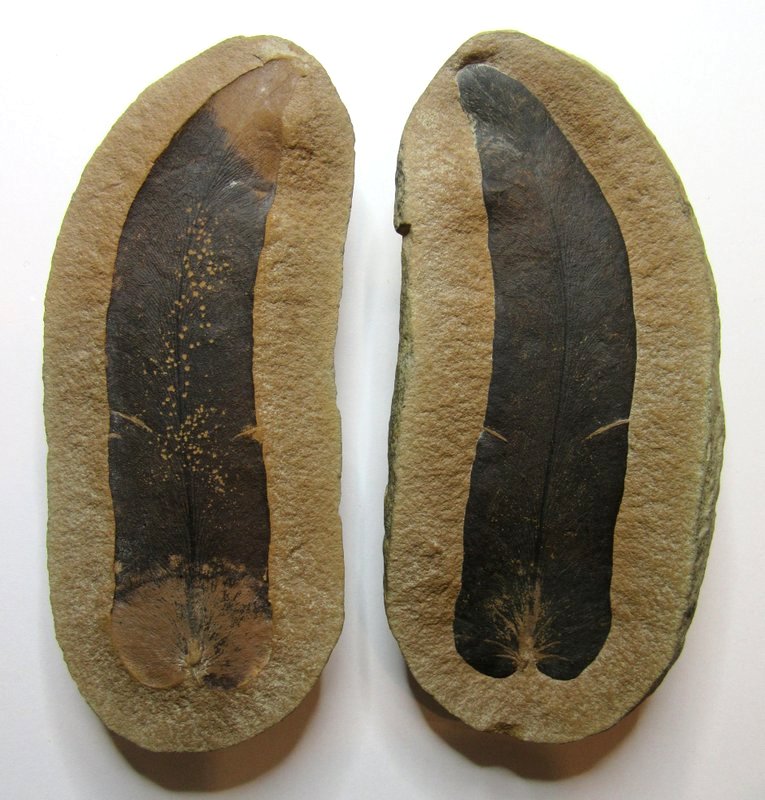
Fossil Friday #98: Missouri Macroneuropteris scheuchzeri
This is the “Fossil Friday” post #98. Expect this to be a somewhat regular feature of the website. We will post any fossil pictures you send in to esconi.info@gmail.com. Please include a short description or story. Check the #FossilFriday Twitter hash tag for contributions from around the world! Macroneuropteris scheuchzeri, a seed fern, is up…
-
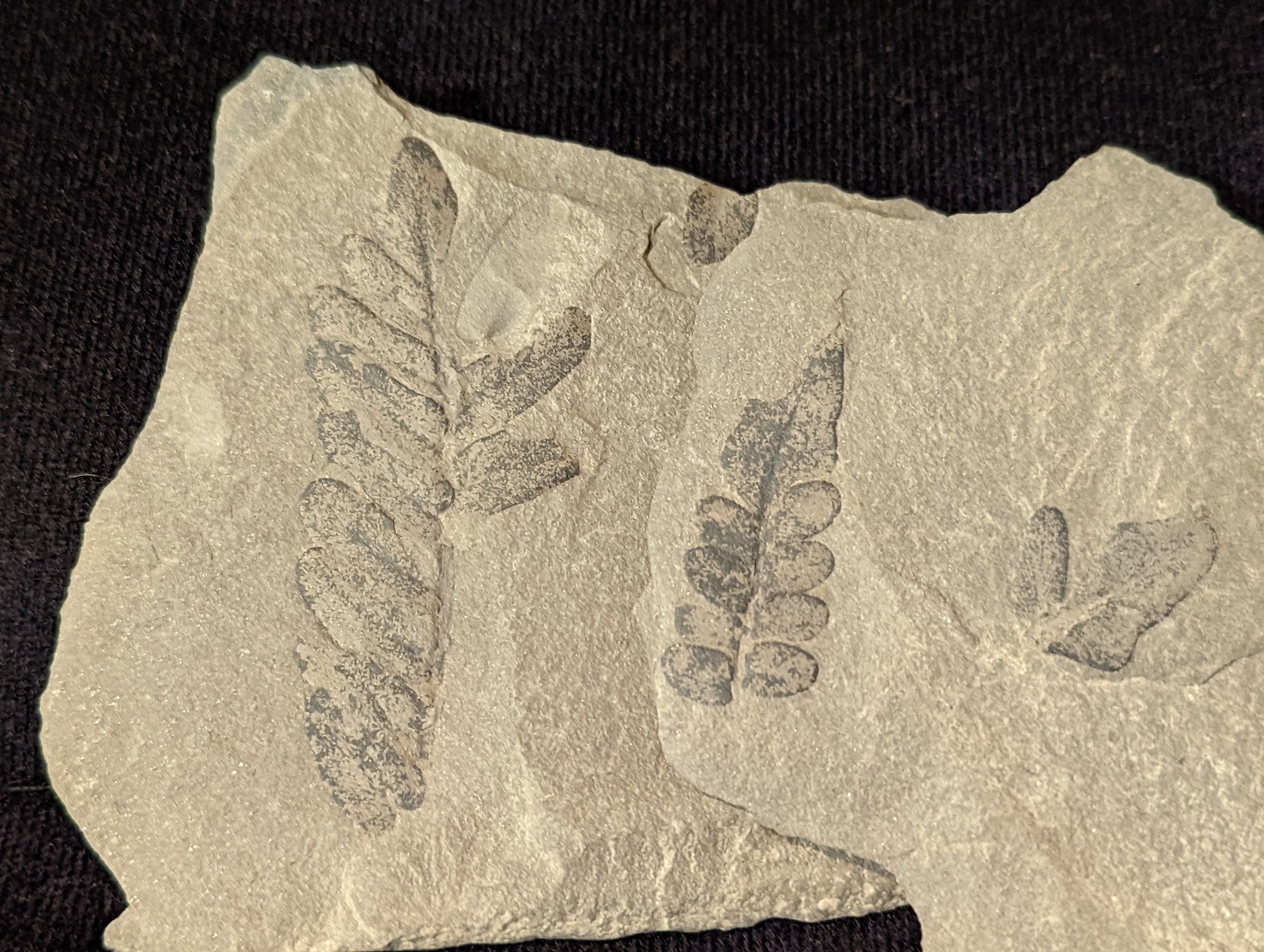
Fossil Friday #97: Kentucky Neuropteris
This is the “Fossil Friday” post #97. Expect this to be a somewhat regular feature of the website. We will post any fossil pictures you send in to esconi.info@gmail.com. Please include a short description or story. Check the #FossilFriday Twitter hash tag for contributions from around the world! Carboniferous seed fern fossils are on the…
-
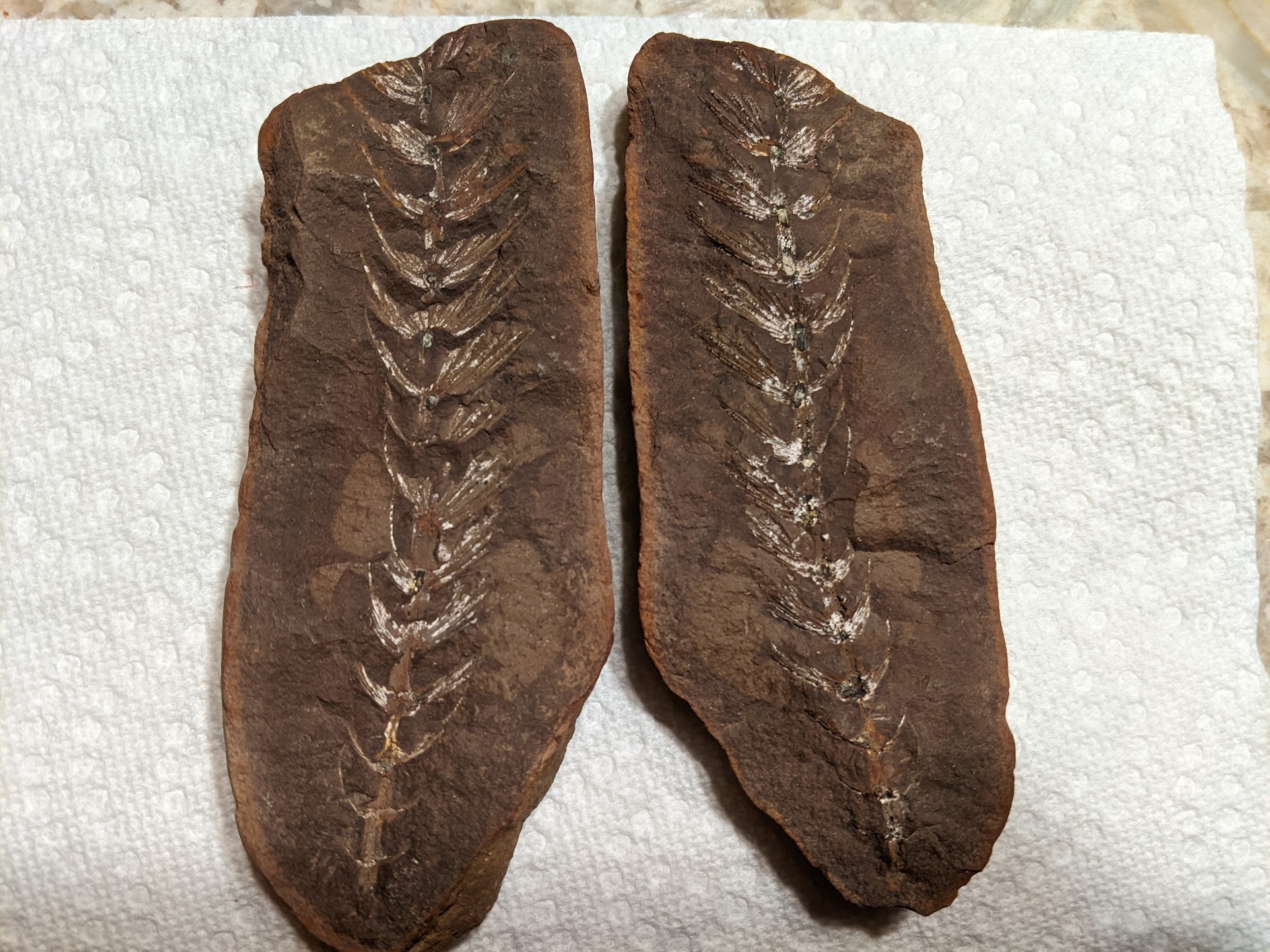
Fossil Friday #90: Asterophyllites equisetiformis
This is the “Fossil Friday” post #90. Expect this to be a somewhat regular feature of the website. We will post any fossil pictures you send in to esconi.info@gmail.com. Please include a short description or story. Check the #FossilFriday Twitter hash tag for contributions from around the world! This week’s fossil is a specimen of…
-
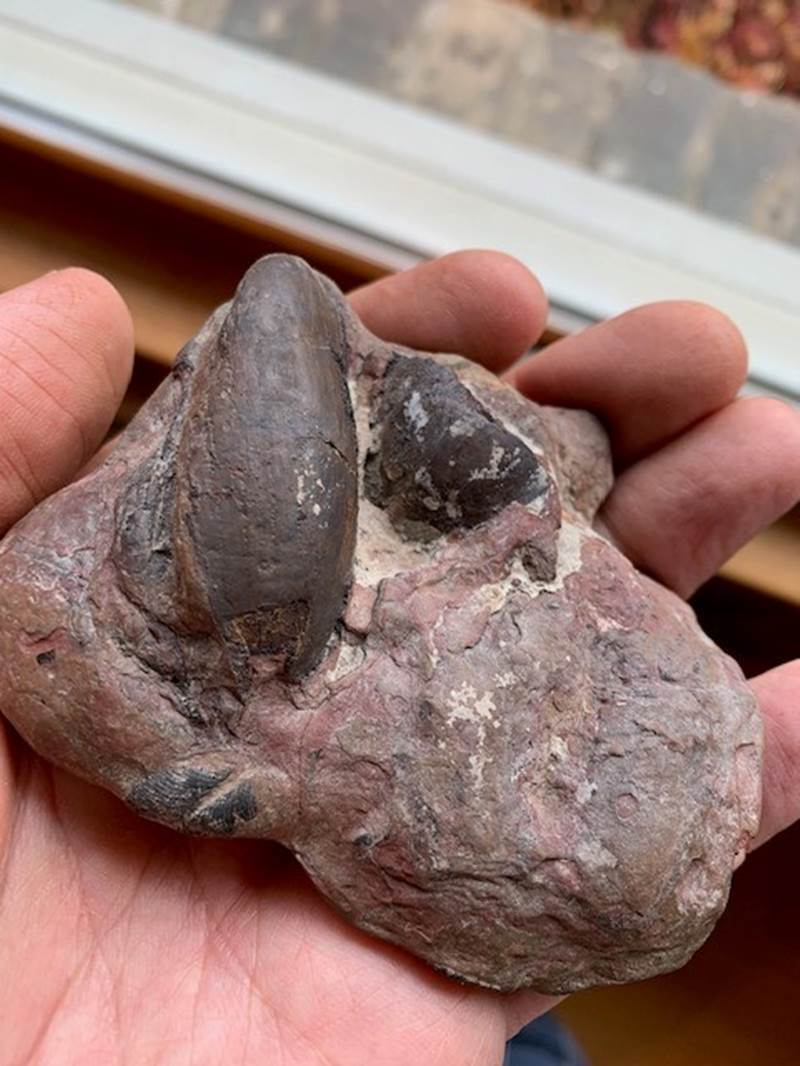
Fossil Friday #88: Trigonocarpus seeds
This is the “Fossil Friday” post #88. Expect this to be a somewhat regular feature of the website. We will post any fossil pictures you send in to esconi.info@gmail.com. Please include a short description or story. Check the #FossilFriday Twitter hash tag for contributions from around the world! Back in Mazon Monday #67, we took…
-
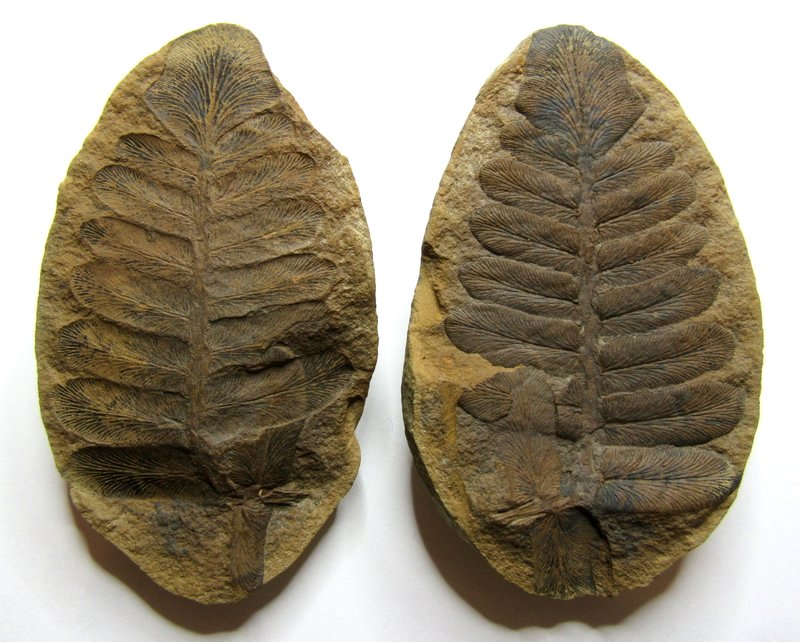
Fossil Friday #87: Neuropteris vermicularis from Knob Noster
This is the “Fossil Friday” post #87. Expect this to be a somewhat regular feature of the website. We will post any fossil pictures you send in to esconi.info@gmail.com. Please include a short description or story. Check the #FossilFriday Twitter hash tag for contributions from around the world! We’ve got a Pennsylvanian seed fern for…
-
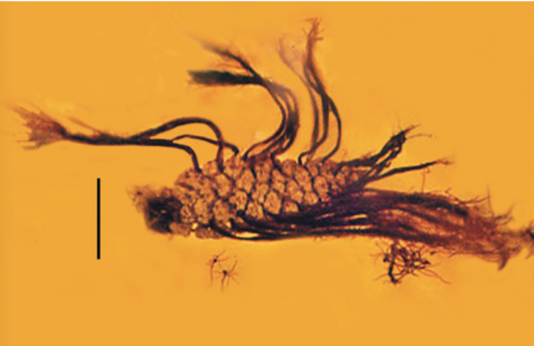
Nature: Ancient Pine Cone Trapped in Amber Shows a Super-Rare Form of Plant ‘Parenting’
Nature ScienceAlert has a story about a pine cone preserved in amber. The fossil, which dates to about 40 million years ago during the Eocene, shows a rare form of parental care in plants. The seeds in the pine cone can be seen to be germinating and sprouting greenery before the cone has fallen to…
-
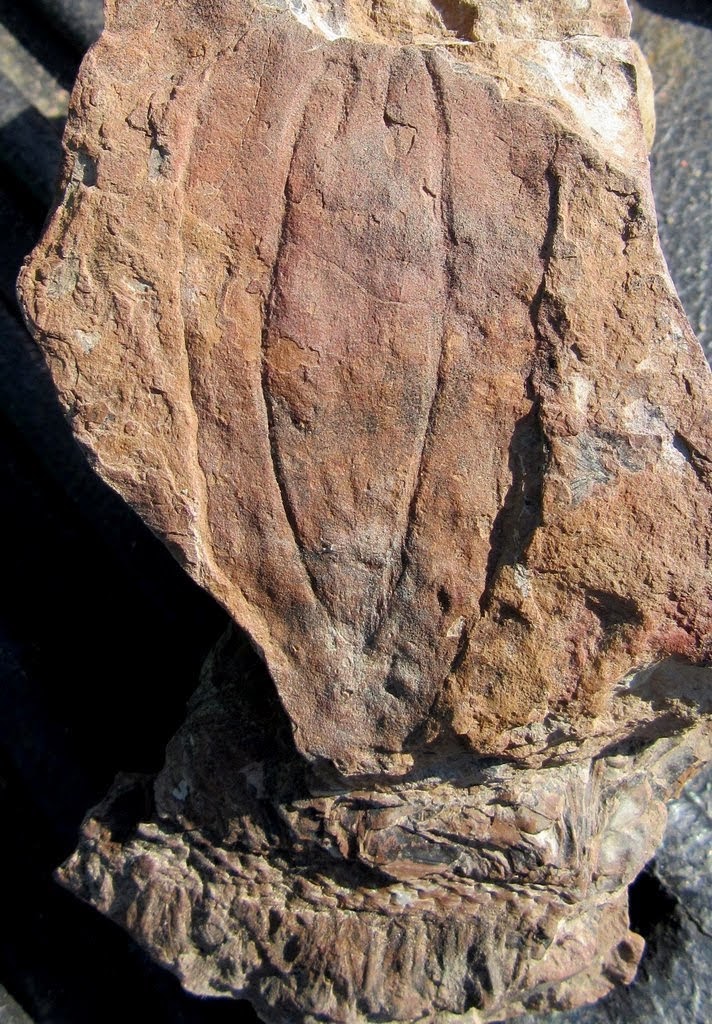
Fossil Friday #78: A Double Mazon Creek Fossil
This is the “Fossil Friday” post #78. Expect this to be a somewhat regular feature of the website. We will post any fossil pictures you send in to esconi.info@gmail.com. Please include a short description or story. Check the #FossilFriday Twitter hash tag for contributions from around the world! Surprise, surprise… we have another Mazon Creek…
-
Oldest Fossilized Land Plant Spores Have Scientists Rethinking How Plants Evolved
Science Alert has a story about the oldest land plants. In rock samples from the Canning Basin in Western Australia, scientists have found clues to early land plant evolution. These samples come from deposits that date to the lower Ordovician about 480 million years ago when land plants were small and moss-like. The research can…
-
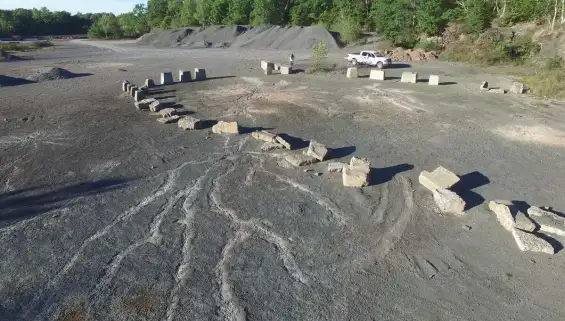
The world’s oldest fossilized forest is in Greene County. It needs saving
The Times Union in Albany, New York has a story about the world’s oldest fossilized forest. The forest was discovered in a quarry in Cairo, NY, near where other ancient trees were discovered in Gilboa, NY. These lycopsid “tree” fossils date to the Devonian Period, about 400 million years ago. They were described in a…
-

Fossil Friday #64: Cyclopteris orbicularis
This is the “Fossil Friday” post #64. Expect this to be a somewhat regular feature of the website. We will post any fossil pictures you send in to esconi.info@gmail.com. Please include a short description or story. Check the #FossilFriday Twitter hash tag for contributions from around the world! Today we have a nice Cyclopteris orbicularis…
-
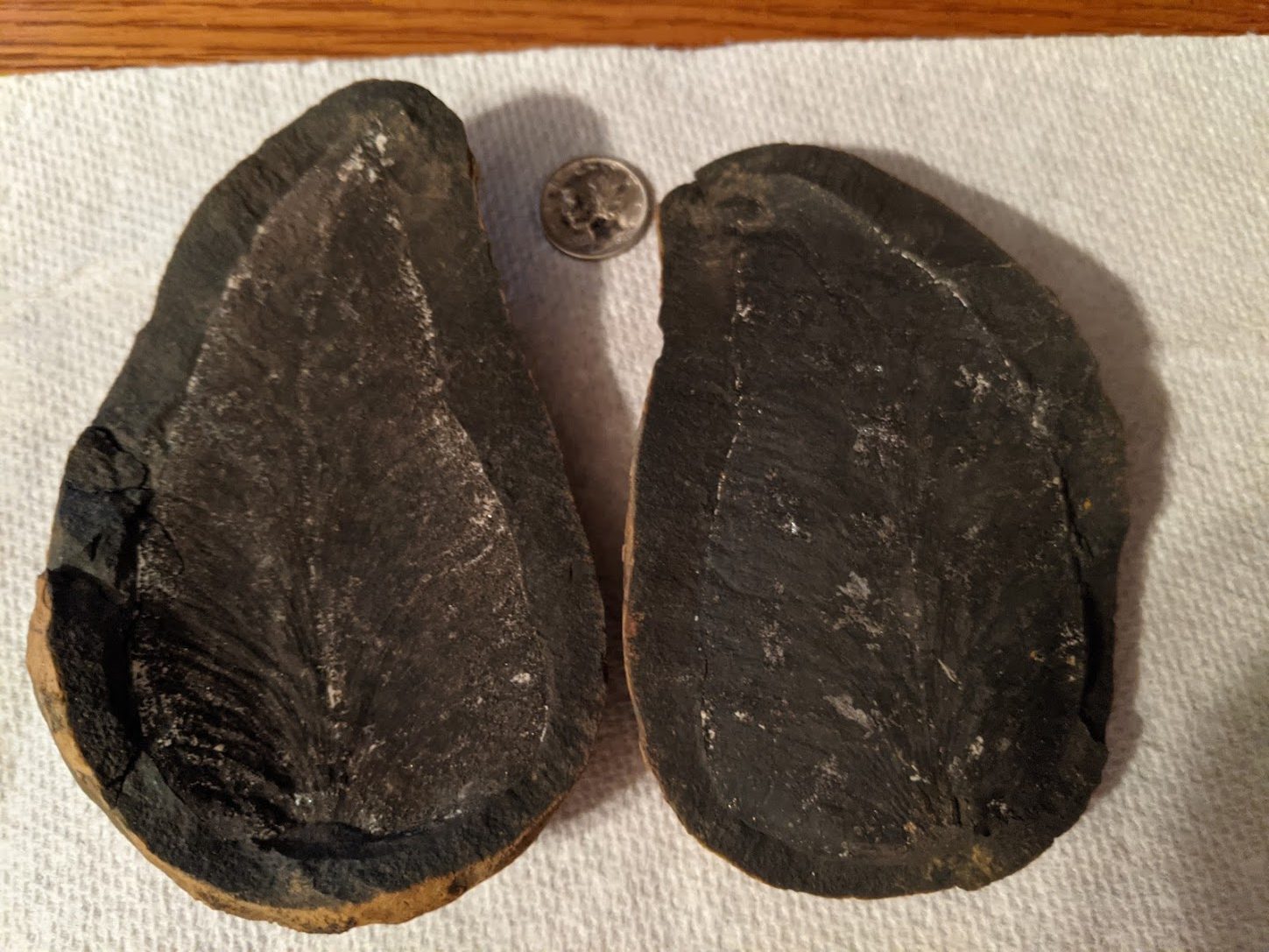
Fossil Friday #59: Neuropteris inflata
This is the “Fossil Friday” post #59. Expect this to be a somewhat regular feature of the website. We will post any fossil pictures you send in to esconi.info@gmail.com. Please include a short description or story. Check the #FossilFriday Twitter hash tag for contributions from around the world! Another Chowder Flatts fossil is our feature…
-

PBS Eons: When Trees Took Over the World
PBS Eons has a new episode. This one is about the first “trees”… hint, they didn’t look like trees back then. 420 million years ago, the forest floor of what’s now New York was covered with a plant that didn’t look like a tree at all, except its roots were made of wood. Instead…
-
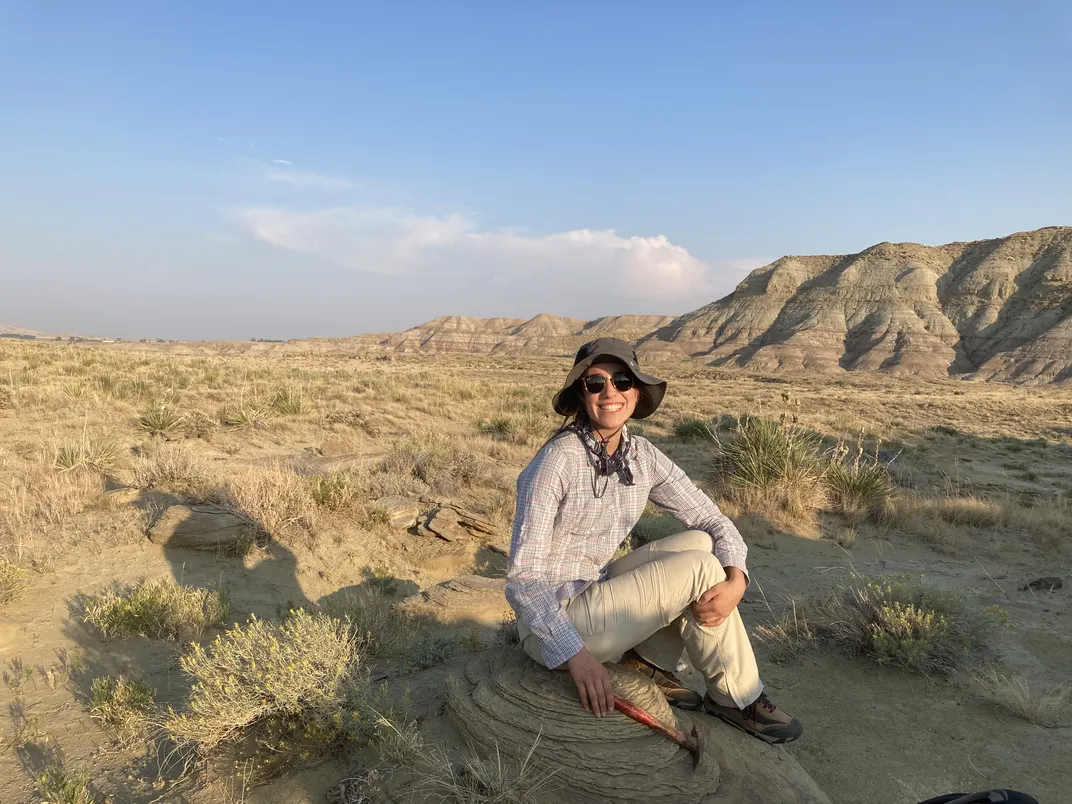
Smithsonian: Tiny Fossils, Big Insight; How We Can Use Fossil Pollen to Understand Earth’s Climate History
Smithsonian Magazine has a piece about fossil pollen. Microscopic fossil of pollen millions of years old gives insight into the climate many years ago. The natural world has always fascinated me, starting with the days of my youth exploring the bushland surrounding my childhood home, collecting flowers and rocks and being curious about their growth…
-
PBS Eons: How Chilis Got Spicy (and Why We Love the Burn)
PBS Eons has a new episode, which is about chili peppers. It looks at how and why they got hot? And, why do we love it… Today, chilis are the most widely cultivated spice crop in the world – grown everywhere from their native home in the Americas to Europe, Africa, and Asia. But…
-
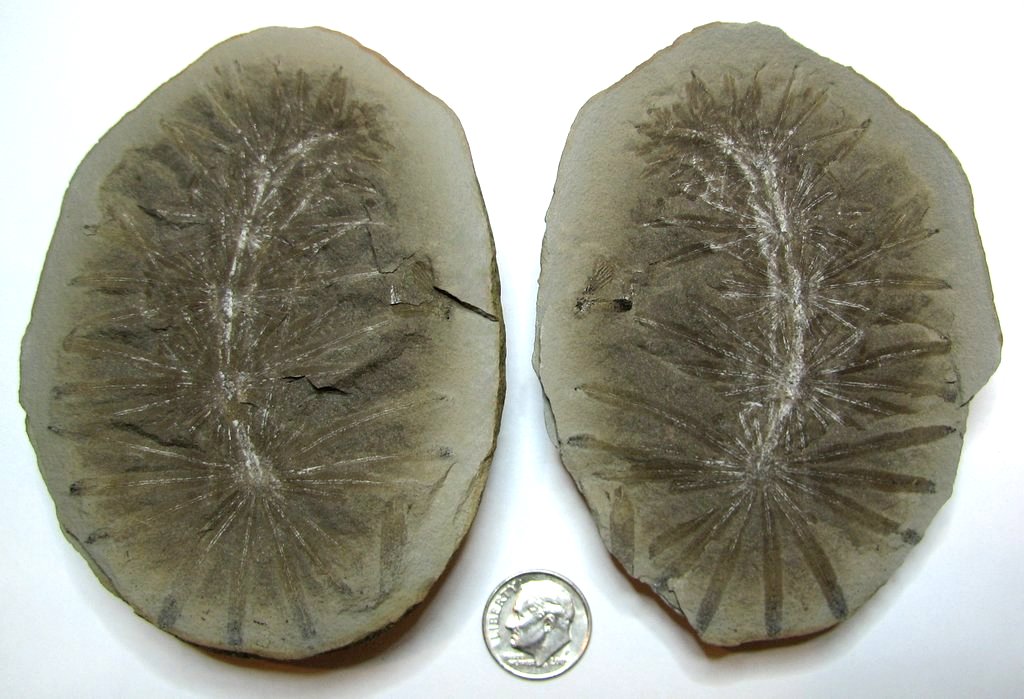
Fossil Friday #39: Annularia inflata
This is the “Fossil Friday” post #39. Expect this to be a somewhat regular feature of the website. We will post any fossil pictures you send in to esconi.info@gmail.com. Please include a short description or story. Check the #FossilFriday Twitter hash tag for contributions from around the world! For this week, we have an absolutely…
-
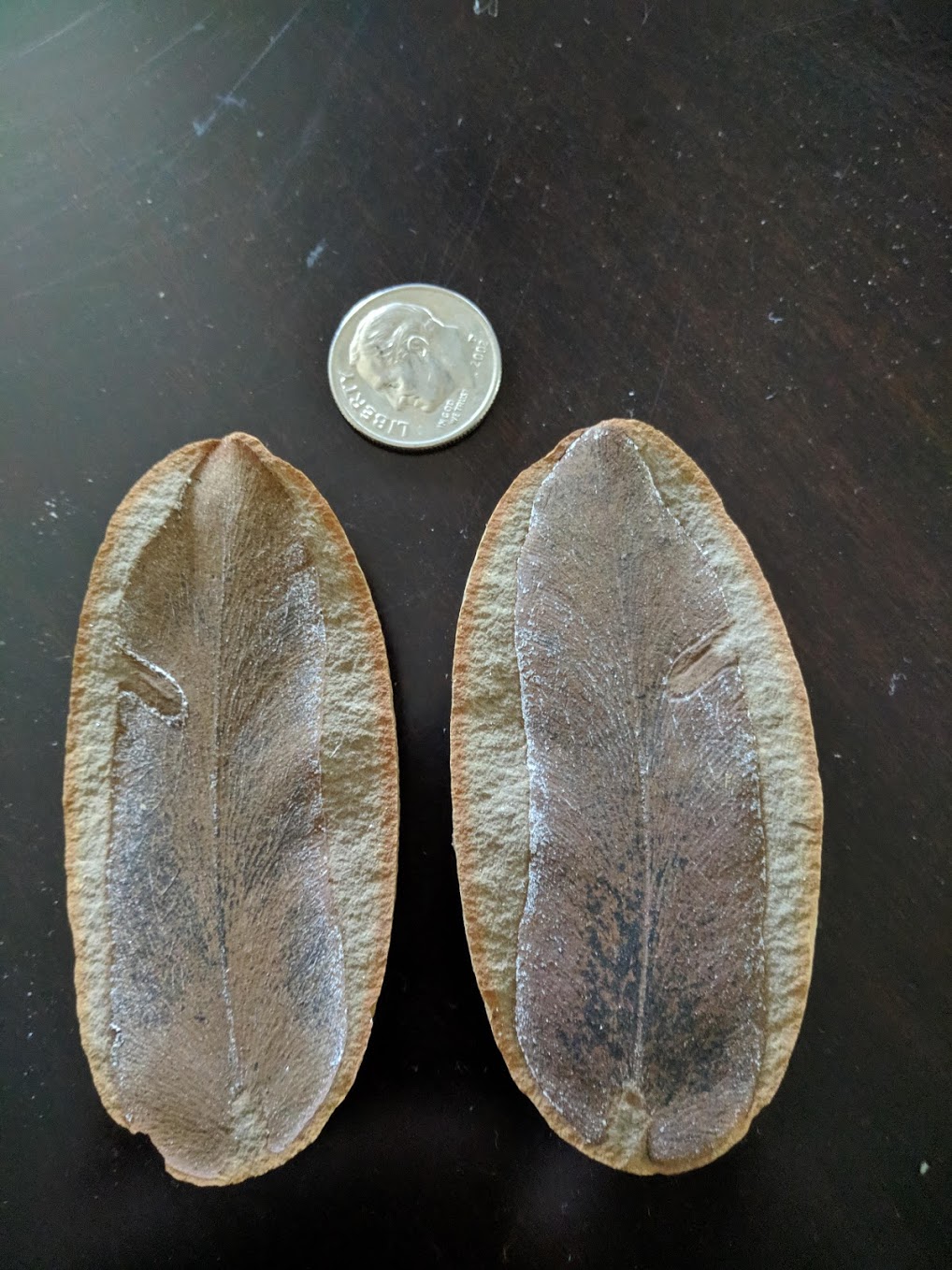
Mazon Monday #39: Macroneuropteris scheuchzeri
This is Mazon Monday post #39. What’s your favorite Mazon Creek fossil? Tell us at email:esconi.info@gmail.com. Macroneuropteris scheuchzeri is the subject of our Mazon Monday post this week. M. scheuchzeri is a seed fern (Pteridospermatophyta), which is a group of plants that went extinct during the late Cretaceous Period. They first show up in the…
-

Fossil Friday #36: Diplazites unita
This is the “Fossil Friday” post #36. Expect this to be a somewhat regular feature of the website. We will post any fossil pictures you send in to esconi.info@gmail.com. Please include a short description or story. Check the #FossilFriday Twitter hash tag for contributions from around the world! Today, we have more Mazon Creek plants. …
-
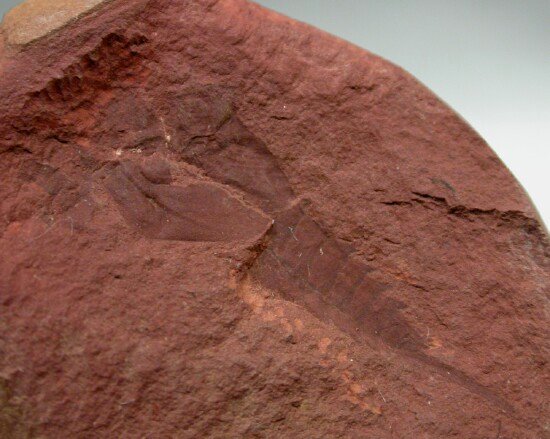
Mazon Monday #38: Carboniferous Plants in Siderite Nodules
This is Mazon Monday post #38. What’s your favorite Mazon Creek fossil? Tell us at email:esconi.info@gmail.com. Recently, I ran across this interesting paper from the journal Acta Palaeobotanica back in 2012. It’s called “Carboniferous plants preserved within sideritic nodules – a remarkable state of preservation providing a wealth of information” by Grzegorz Pacyna and Danuta…
-

Fossil Friday #35: Alethopteris sullivantii
This is the “Fossil Friday” post #35. Expect this to be a somewhat regular feature of the website. We will post any fossil pictures you send in to esconi.info@gmail.com. Please include a short description or story. Check the #FossilFriday Twitter hash tag for contributions from around the world! We’ve been on a Alethopteris theme lately…
-

Fossil Friday #34: Alethopteris serlii from the Field Museum Members Nights
This is the “Fossil Friday” post #34. Expect this to be a somewhat regular feature of the website. We will post any fossil pictures you send in to esconi.info@gmail.com. Please include a short description or story. Check the #FossilFriday Twitter hash tag for contributions from around the world! Today, we have a few Alethopteris serlii…
-
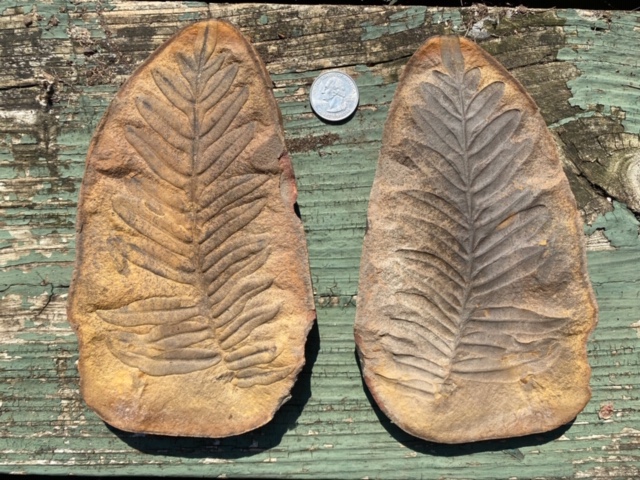
Fossil Friday #27: Alethopteris serlii from the Mazon River
This is the “Fossil Friday” post #27. Expect this to be a somewhat regular feature of the website. We will post any fossil pictures you send in to esconi.info@gmail.com. Please include a short description or story. Check the #FossilFriday Twitter hash tag for contributions from around the world! Maybe it’s the size or the 3…
-
PBS Eons: How Plants Became Carnivores
There’s a new episode of PBS Eons on Youtube. This one is about how carnivorous plants evolved. Go check out Overview on PBS Terra: https://www.youtube.com/watch?v=NHMZw… Deep Look’s episode on Sundews! https://youtu.be/D4kBrsyWhS4 How and why does botanical carnivory keep evolving? It turns out that when any of the basic things that most plants need aren’t…
-
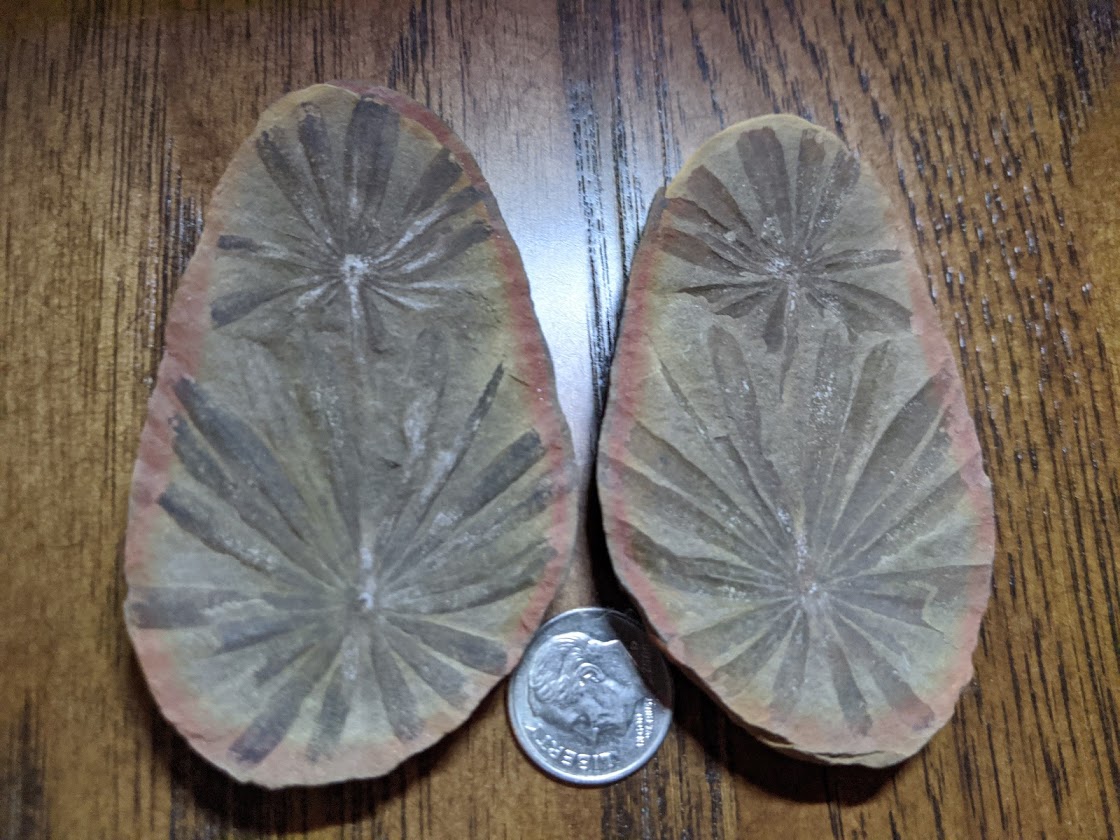
Fossil Friday #22: Plants from Braceville
This is the “Fossil Friday” post #22. Expect this to be a somewhat regular feature of the website. We will post any fossil pictures you send in to esconi.info@gmail.com. Please include a short description or story. Check the #FossilFriday Twitter hash tag for contributions from around the world! There is a field trip to Braceville…
-
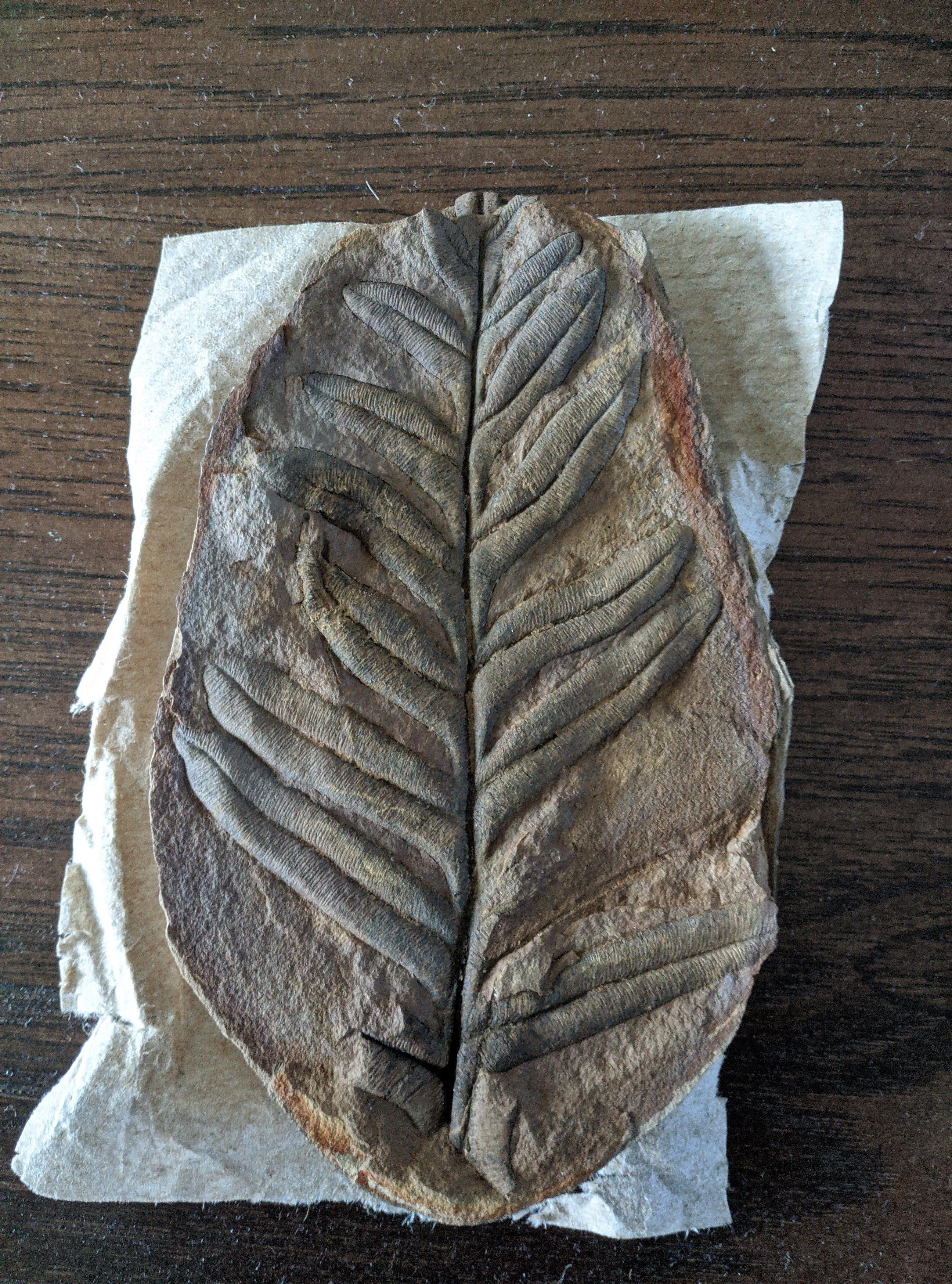
Fossil Friday #17: Mazon Creek Alethopteris serlii
This is the “Fossil Friday” post #17. Expect this to be a somewhat regular feature of the website. We will post any fossil pictures you send in to esconi.info@gmail.com. Please include a short description or story. Check the #FossilFriday Twitter hash tag for contributions from around the world! What’s your favorite Mazon Creek plant fossil? …
-
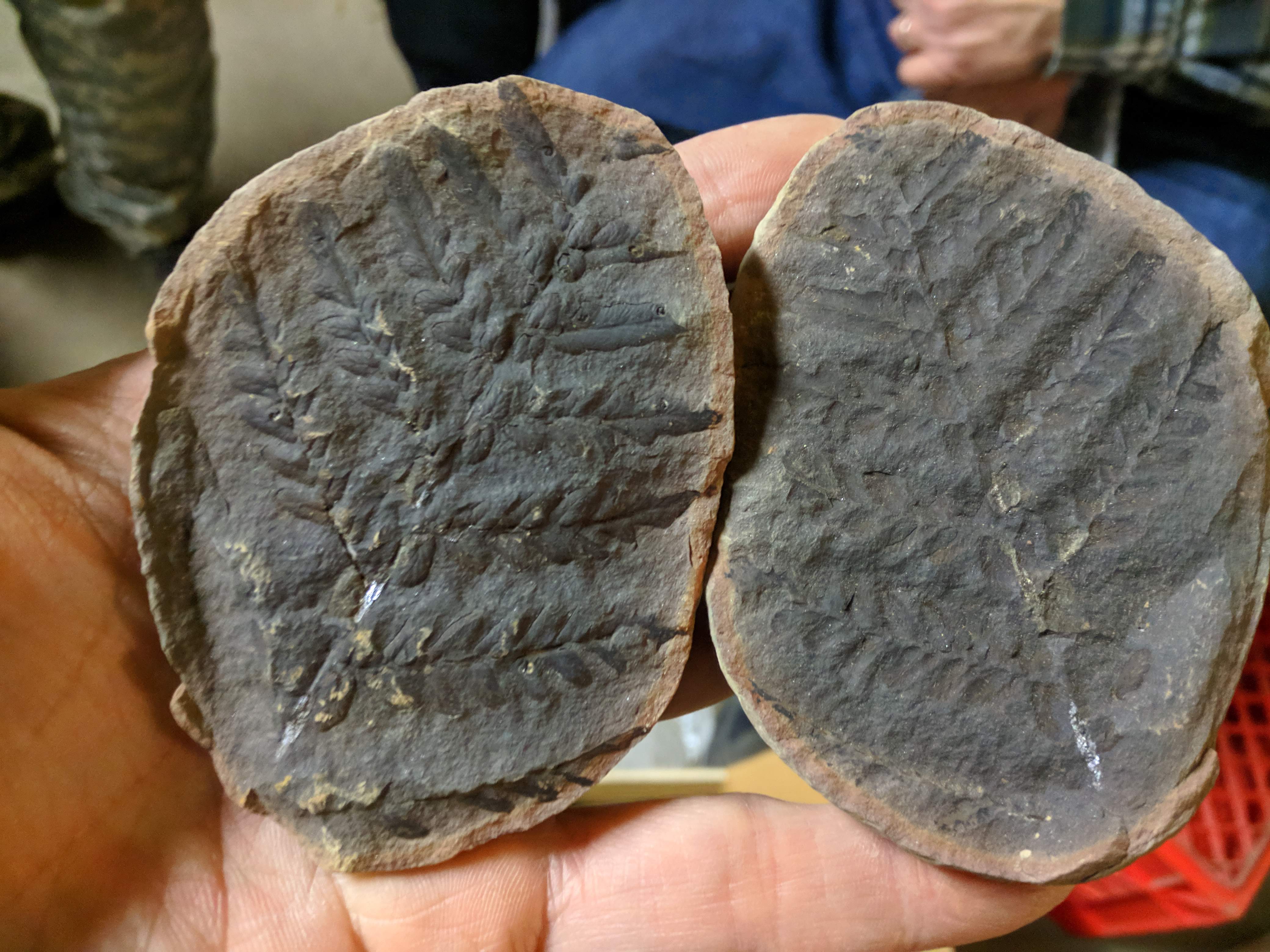
Fossil Friday #11: Mazon Creek Ferns
This is the “Fossil Friday” post #10. Expect this to be a somewhat regular feature of the website. We will post any fossil pictures you send in to esconi.info@gmail.com. Please include a short description or story. Check the #FossilFriday Twitter hash tag for contributions from around the world! —————————————————– Here are some nice Mazon Creek ferns. …
