Tag: mass extinction
-
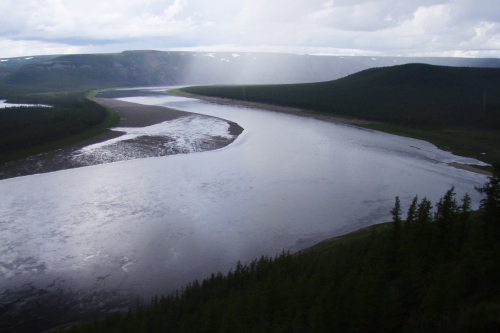
The Epic Siberian Journey to Solve a Mass Extinction Mystery
Wired has an article about research into the Permian-Triassic mass extinction event, which happened about 250 million years ago. Sometimes called “The Great Dying”, this event, which was really a series of events, took out about 70% of land species and more than 95% of marine species. The current theory about its cause is a runaway…
-

PBS Eons: How Plants Caused the First Mass Extinction
PBS Eons has a new episode. Climate change has been a large part of all the mass extinctions. The arrival of land plants has a huge impact on the climate and was quite likely a driving event. In the middle of the Cambrian, life on land was about to get a little more crowded.…
-

NatGeo: Earth has had more major mass extinctions than we realized
National Geographic has a story about Earth’s mass extinctions. The current biodiversity crisis is usually referred to as the “sixth mass extinction”. There is even a book by that name. Of the five previous extinctions, the worst was the one at the end of the Permian. In a paper in the journal Historical Biology, Michael…
-
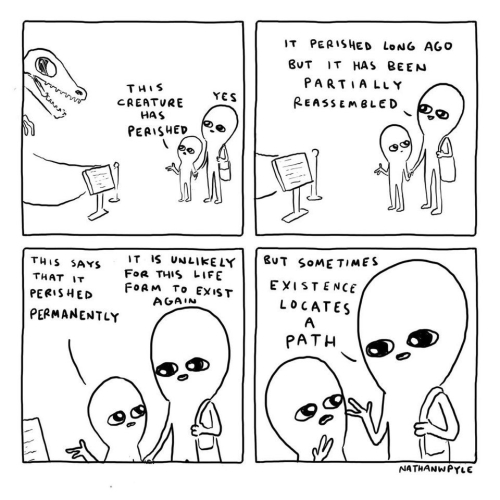
Roy Plotnick: Existence Locates a Path
Roy Plotnick has a new post over on Medium. The post is about extinction… mass extinction. We have a roll in the current and a past extinction. Time for action! Mass extinctions and their causes are topics of intense interest. Nearly forty years after the 1980 paper on the end-Cretaceous impact, significant new research on…
-
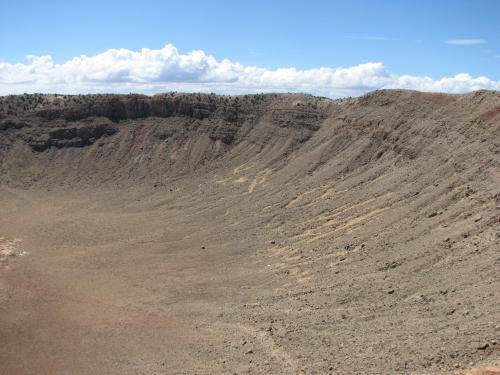
Roy Plotnick: The First Day of the Rest of Life
Roy Plotnick has a great post about of the last day of the Mesozoic Era (or the first day of the Cenozoic Era). It would have been a very bad day, indeed! On a day some sixty-six million years ago, life was Earth was suddenly and irreversibly altered. An enormous asteroid or comet struck the…
-

The Dinosaur-Killing Asteroid Acidified the Ocean in a Flash
New York Times has a story about the K-Pg mass extinction event. A recently published paper in The Proceedings of the National Academy of Sciences finds that the meteor at the end of the Cretaceous had an immediate and catastrophic effect on the ocean. What happened to the dinosaurs when an asteroid about six miles wide struck…
-

Roy Plotnick: Where Late the Sweet Birds Sang
Roy Plotnick has an insightful post over on Medium. It’s about the 6th mass extinction. News flash, just in case you’ve been hiding in a hole somewhere, it’s happening now. He is commenting on a recent paper in the journal science. This past summer, my wife and I took a lovely walk around Echo Lake…
-
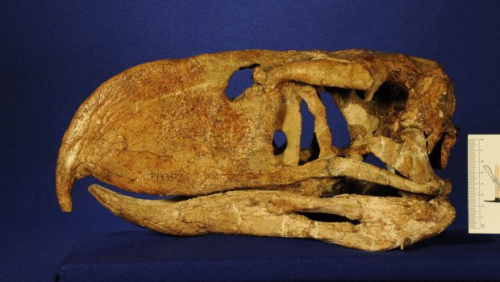
Palaeocast Episode 103: Terror birds
A new episode of Palaeocast is out. This one is about Terror birds. These are large flightless birds that evolved after the K-Pg extinction event. They originated in South America and migrated up to North America when the Isthmus of Panama formed almost 3 million years ago. Personally, I’ve always found these animals fascinating! Terror…
-
PBS Eons: When the Synapsids Struck Back
PBS Eons has a great video about the ancestors and evolution of the mammals and the Permian Mass Extincton. Synapsids were the world’s first-ever terrestrial megafauna but the vast majority of these giants were doomed to extinction. However some lived on, keeping a low profile among the dinosaurs. And now our world is the…
-

Mammals and their relatives thrived, diversified during so-called ‘Age of Dinosaurs’
Phys.org has an article about Mammals during the “Age of Dinosaurs”. In a paper in Trends & Evolution, a review paper summarizes the latest fossil evidence of the state of Mammals and their relatives during the Jurassic and Cretaceous periods. It seems that Mammals were flourishing and experienced a couple ecological radiations during this time.…
-
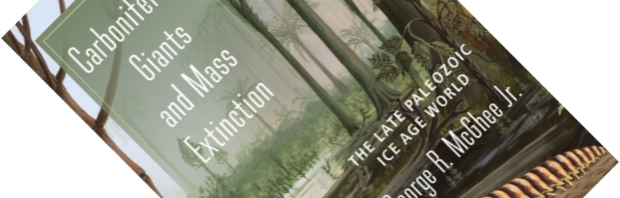
Book Review – Carboniferous Giants and Mass Extinction: The Late Paleozoic Ice Age World
The Inquisitive Biologist has an interesting (and complete!) book review of “Carboniferous Giants and Mass Extinction: The Late Paleozoic Ice Age World” by George R McGhee, Jr. It caused me to run out (ok, click) and buy the ebook. So far, it’s very good. The ebook is available at all the usual book sites, Amazon,…
-

PBS NOVA: The Day the Dinosaurs Died
PBS Nova has full video of the “The Day the Dinosaurs Died” episode on their website. It originally aired back in December 2017 and is a good one! 66 million years ago, a seven-mile-wide asteroid collided with Earth, triggering a chain of events that coincide with the end of the dinosaurs. But experts have long…
-
NYT: The Planet Has Seen Sudden Warming Before. It Wiped Out Almost Everything
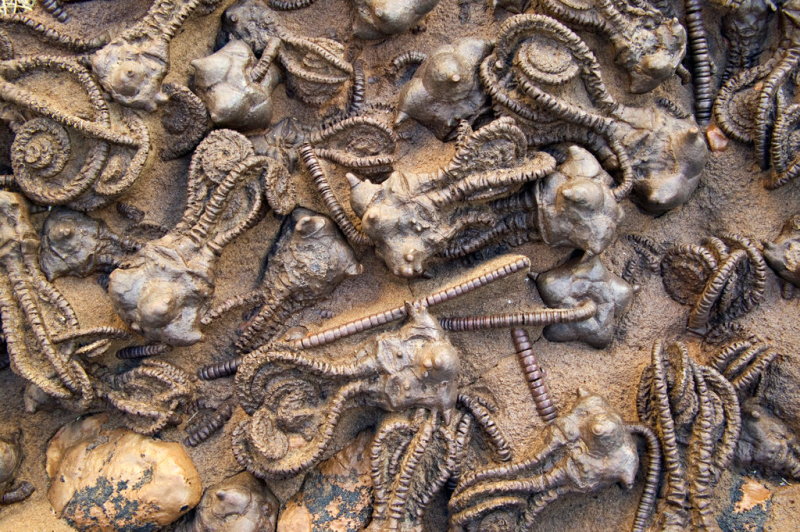
The New Your Times has a good article about the Permian Mass Extinction on Carl Zimmer’s Matter blog. The story is in response to a new study published in Science. No real surprises as climate change was the driving force. And we may be repeating the process, the scientists warn. If so, then climate change…
-
End-Permian extinction, which wiped out most of Earth’s species, was instantaneous in geological time
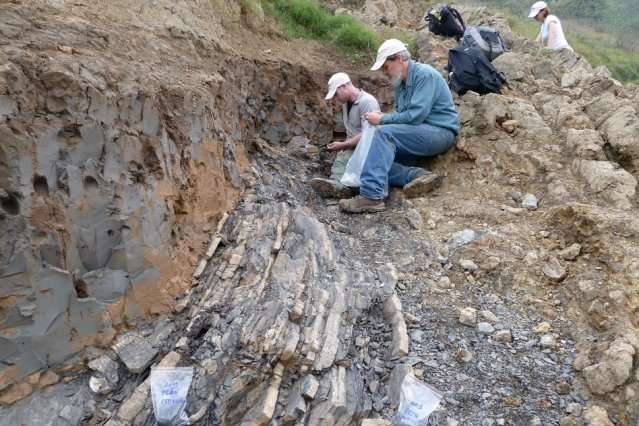
Phys.org has a story about new research into the Permian Mass Extinction. The research was detailed in a paper in the GSA Bulletin. The study was a collaboration between scientists at MIT, the Chinese Academy of Sciences, the National Museum of Natural History, and the University of Calgary. For over two decades, scientists have tried…
-
The Nastiest Feud in Science
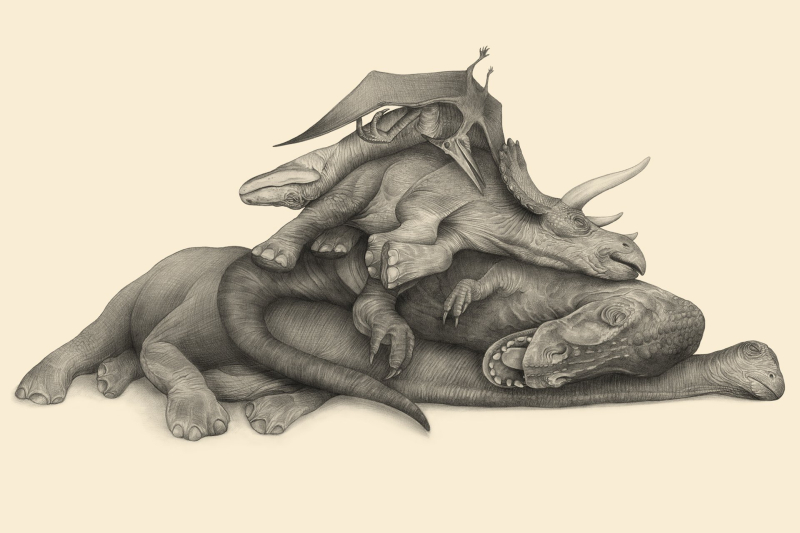
The Atlantic has an article about Gerta Keller and her differences with the consensus view on the causes of the K-Pg mass extinction. It’s a good read, but there are some errors. Gerta’s position is that the meteor strike was just a bit player in the whole event. There are many good books on either…
-

Five New Fossil Forests Found in Antarctica
National Geographic has a story about multiple new fossil forests which were recently found in Antarctica. Back in the Permian, Antarctica was covered in prehistoric greenery. The team of scientists, which included Erik Gulbranson from the University of Wisconsin-Milwaukee, that discovered these forests were there to look for clues to what caused the Permian Mass…
-
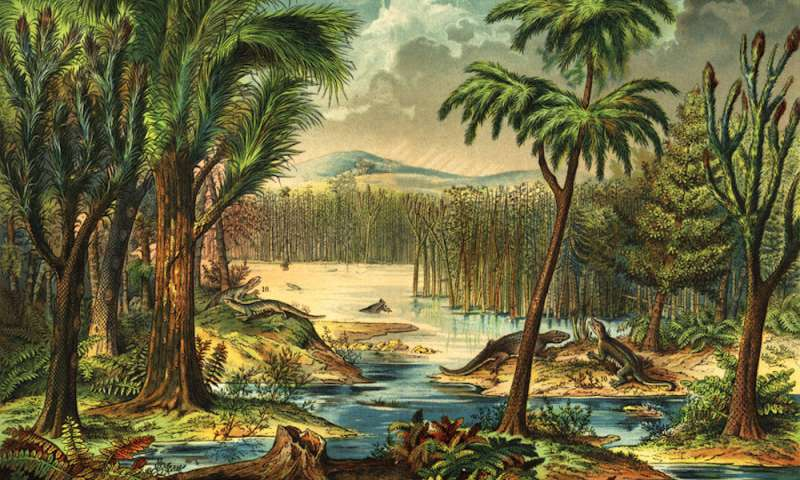
Rainforest collapse 307 million years ago impacted the evolution of early land vertebrates
Phys.org has a story about a mass extinction in plants that occurred during the Pennsylvannian Period. Researchers from the University of Birmingham published a paper in the Proceedings of the Royal Society B. The mass extinction seems to have been caused by the onset of a drier climate 307 million years ago. This led to…
-

NOVA: Day the Dinosaurs Died
PBS NOVA has a program on the “Day the Dinosaurs Died”. The full episode is available for viewing on the PBS website! Program DescriptionA seven-mile-wide asteroid collided with Earth 66 million years ago, triggering a chain of events that coincide with the end of the dinosaurs. But experts have long debated exactly what happened when…
-
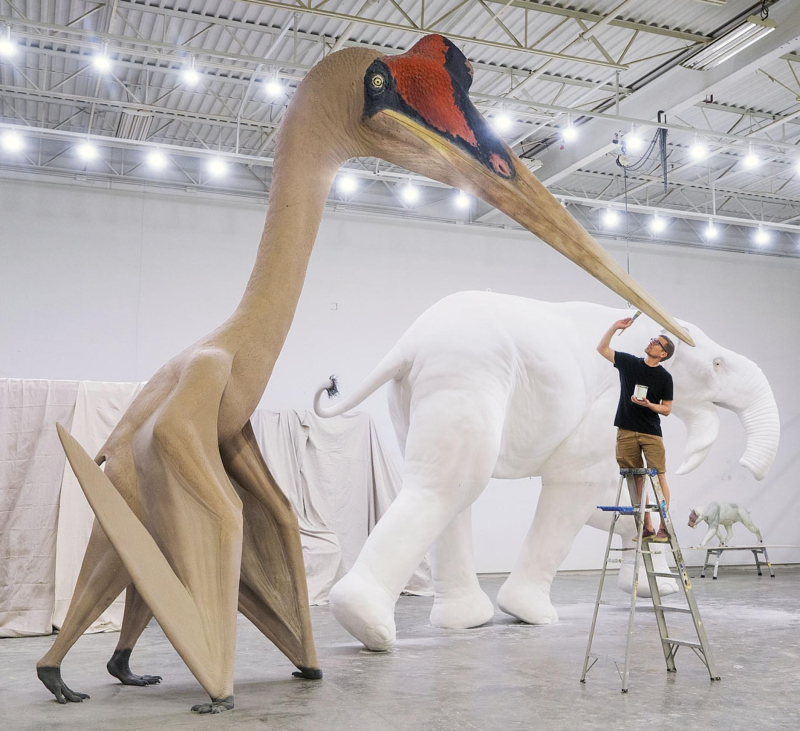
NatGeo: Why Pterosaurs Were the Weirdest Wonders on Wings
National Geographic Magazine has a interesting story in their November 2017 issue. Large and small pterosaurs are some of the strangest animals to ever live. They went extinct 65 million years ago during the end Cretaceous mass extinction event. This article has many details and great pictures which describe what and who pterosaurs were during…
-
Are Mass Extinctions Always Sudden Events?
Via National Science Foundation: …The deadliest mass extinction of all took a long time to kill 90 percent of Earth’s marine life–and it killed in stages–according to a newly published report. It shows that mass extinctions need not be sudden events. Thomas Algeo, a geologist at the University of Cincinnati, and 13 colleagues have produced…
-
The Great Dying
Via National Geographic: Massive volcanic eruptions wiped out the world’s forests about 250 million years ago, leaving the planet teeming with wood-eating fungi, according to a new study…
