Tag: mass extinction
-
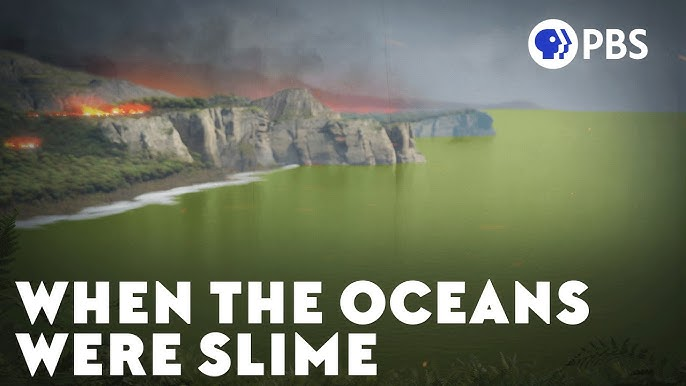
PBS Eons: When Earth Was a Toxic Wasteland
PBS Eons has a new episode. This one is about the Permian Mass Extinction, the Earth’s worst mass extinction. Watch Eons: Life and Death on Pangea on the free PBS App: https://to.pbs.org/EonsApp or on the web here: https://pbs.org/eons ← use this link if you are outside of the U.S. For 3 million years, microbes ruled…
-
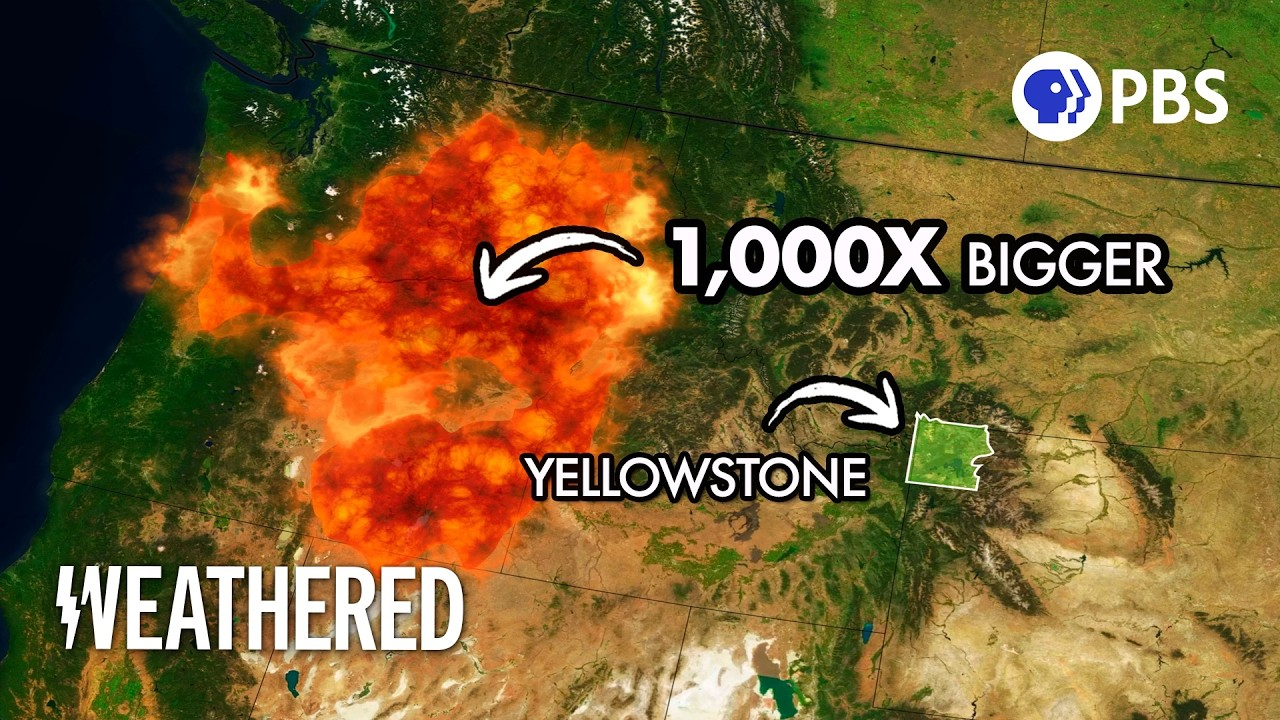
There’s Something MUCH Bigger Than Yellowstone. And It Will Happen Again
PBS Terra has an interesting video about super volcanoes and they larger cousin… Large Igneous Provinces (LIPs). Yellowstone was massive. Roughly a thousand times larger than the eruption of Mt. St. Helens, the biggest eruption in the history of the continental United States. And if Yellowstone erupted again, the consequences for the U.S. and the…
-
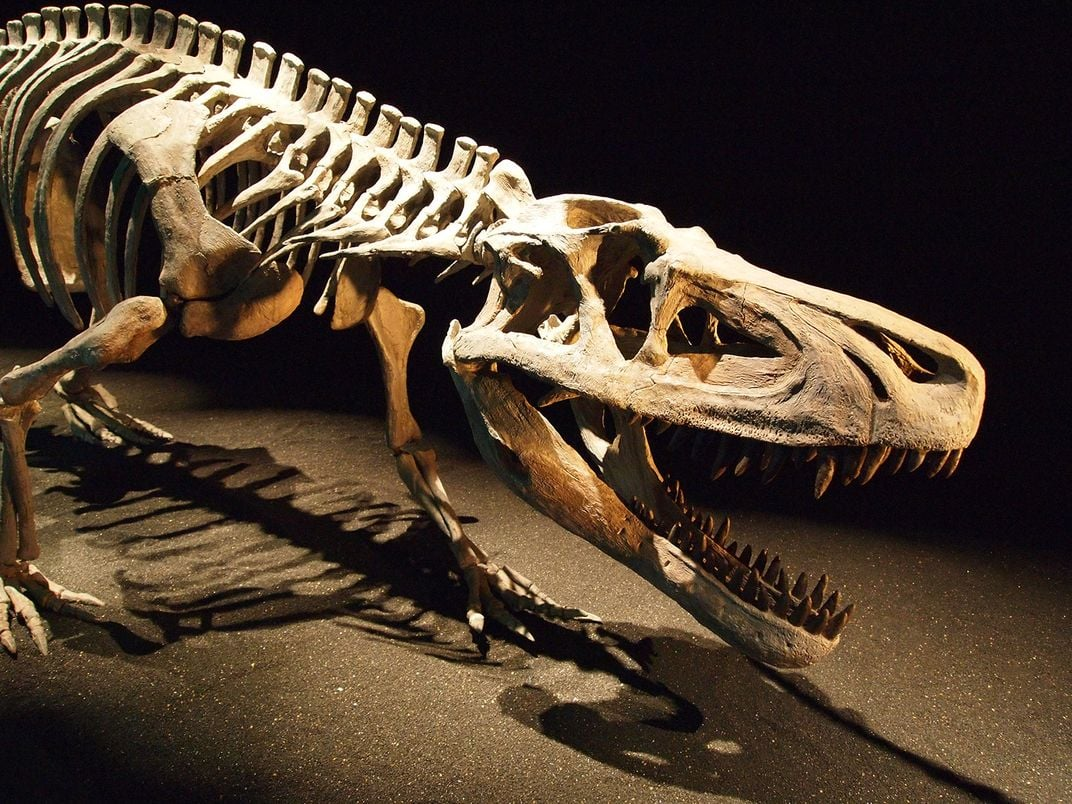
How a Mass Extinction Driven by Ancient Volcanoes Led to the Age of the Dinosaurs
Smithsonian Magazine features a story on the Triassic-Jurassic mass extinction, a pivotal event that reshaped life on Earth. The late Triassic was vastly different from the Jurassic and Cretaceous periods that followed. During this time, early dinosaurs played only minor roles, while the landscape was dominated by giant amphibians, a diverse array of crocodilian relatives—ranging…
-

PBS Eons: Could You Survive the K-Pg Extinction?
PBS Eons has another of their longer form videos which address major events in the history of the Earth. This one is about the K-Pg mass extinction event about 66 million years ago at the end of the Cretaceous Period. Would/could you survive? Remember, this event took out the non-avian dinosaurs, the ammonites, and many,…
-
PBS Eons: Could You Survive the End-Triassic?
PBS Eons has a new episode of their “Surviving Deep Time” podcast. This one is about the Triassic/Jurassic mass extinction. This is the extinction event that lines up with the break up of Pangaea. In the aftermath of the Great Dying, rapid evolutionary radiation resulted in the rise of a bunch of weird creatures in…
-
PBS Eons: Could You Survive The Great Dying?
PBS Eons has another interesting episode. This one is about the Permian Mass Extinction, which is often referred to as the "Great Dying" as more than 90% of all species went extinct during this event. The cause is thought to be massive flood basalt volcanic eruptions in what is now Siberia about 250 million years…
-
PBS Eons: Could You Survive The Ordovician Period?
PBS Eons has another episode. This one is about the Ordovician period… could you survive the Earth's first mass extinction? The End-Ordovician Extinction was the first of the so-called ‘Big Five’ mass extinctions in the history of life on Earth – more than 80% of species in the oceans died out. But could you survive…
-
PBS Eons: Could You Survive The Devonian Period? (with Hank Green!)
PBS Eons has a new episode. This one dsicusses whether humas could survive in the Devonian Period. By the end of the Devonian Period, the land had exploded with plant life and ancient invertebrates. There was also Tiktaalik – one of the first known vertebrates able and willing to move from the water to land.…
-
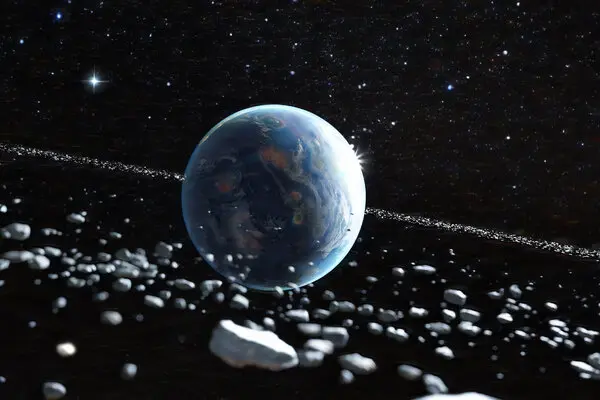
Earth Had a Ring 466 Million Years Ago, Study Says
The New York Times has a nice review of a study published in the journal Science Direct that postulates the Earth had a ring during the Ordovician Period, some 466 million years ago. There are numerous (21!) impact craters that date to the period. At the time, Earth was an island world, with life being…
-

NPR: Paleontologist Ken Lacovara and the fifth extinction that killed the dinosaurs
NPR’s Ted Radio Hour has a video segment with paleontologist Ken Lacovara speaking on the extinction event at the end of the Cretaceous Period. That event took out the non-avian dinosaurs and led to the rise of the mammals. Paleontologist Ken Lacovara is founder of a new museum and fossil park in New Jersey where visitors can…
-

PBS Eons: The Second Time Sponges Took Over The World
PBS Eons has a new episode. This one is about the Late Ordovician mass extinction and the animals that survived it. Was Sponge Bob king? Researchers have discovered a piece of a weird, but critical, time in the deep past…a time when the first-ever mass extinction may have turned Planet Earth into Sponge World.
-

Long-Standing Question Answered – How Mass Extinction Paved the Way for Oysters and Clams
SciTechDaily has a piece about the rise of the mollusks over the brachiopods after the Permian Mass Extinction. Scientists have long wondered why bivalve species like clams and oysters replaced the brachiopods about 250 million years ago. During the Paleozoic, brachiopods dominated the sea floor, but they are now just a small part of the…
-
PBS Eons: How a Mass Extinction Changed Our Brains
PBS Eons has a new episode. This one is about the evolution of the mammal brain. During one of the most pivotal moments in our evolutionary story our brains actually shrank relative to our bodies.
-
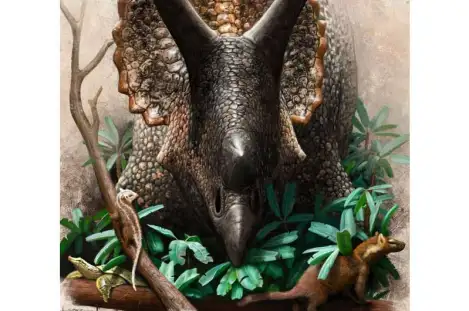
Dinosaurs were on the up before asteroid downfall, study finds
Phys.org has a story about the state of the non-avian dinosaurs just before the K-Pg mass extinction about 66 million years ago. For a while, it was thought they were in decline before the asteroid strike. A new study published in the journal Science Advances found that the non-avian dinosaurs were actually thriving, entrenched in…
-
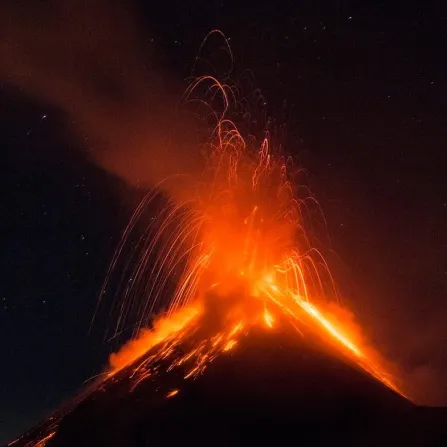
Dino death due to volcano-asteroid double whammy
EarthSky has a story about the K-Pg mass extinction. The Big Five Mass Extinctions all involved multiple events or conditions to bring about the destruction they wrought. Volcanoes were usually a part of it. A recent paper in the journal Proceedings of the National Academy of Sciences proposes that it was both the flood basalt…
-
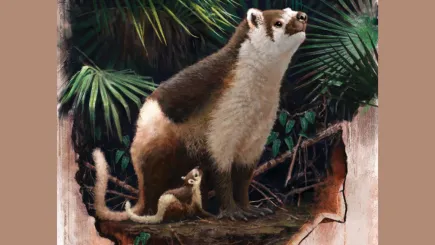
Living fast may have helped mammals like ‘ManBearPig’ dominate
Science News has a story about early mammals. A mammal nicknamed the ManBearPig” that emerged after the K-Pg mass extinction may help explain how mammals came do dominate the world when the dinosaurs disappeared. The animal was described in a recent paper in the journal Nature. During the age of the dinosaurs, mammals “only got…
-

Sharks are older than the dinosaurs. What’s the secret to their success?
Live Science has a shark story just in time for Shark Week. Yes, you read that correctly… sharks are much older than dinosaurs. Sharks evolved way back during the Ordovician Period, some 450 million years ago, while dinosaurs are relative youngsters at about 235 million years old. Sharks have made it though all the major…
-

How did birds survive the dinosaur-killing asteroid?
Live Science has a story about the survival of the birds across the K-Pg boundary. A paper in the journal Science Advances looks at brain size of a fossil birds and theorizes that was a factor that helped them survive. When the dinosaur-killing asteroid collided with Earth about 66 million years ago, it triggered a…
-
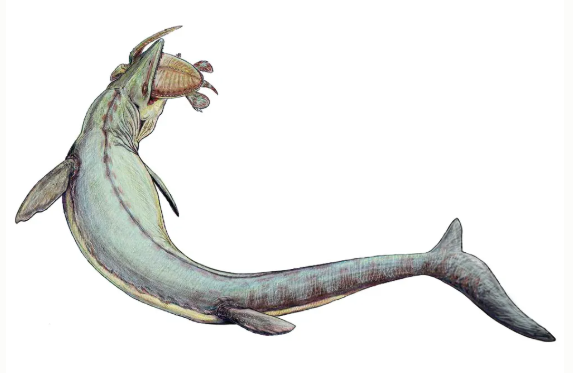
Giant Sea Lizards Ruled the Waves While T. Rex Roamed on Land
Smithsonian Magazine has a post about mosasaurs. A new paper in the journal PaleoBios finds that mosasaurs ruled the oceans up until the mass extinction event at the end of the Cretaceous some 66 million years ago. It had been theorized they went extinct millions of years before the impact. Fossil vertebra from the Hell…
-
PBS Eons: How a Mass Extinction Event Created the Amazon
There’s a new episode of PBS Eons over on Youtube. This one is about the mass extinction event at the end of the Cretaceous and how it helped to create the Amazon rain forest. The Amazon rainforest of South America is a paradise for flowering plants. But long ago, the landscape that we now…
-
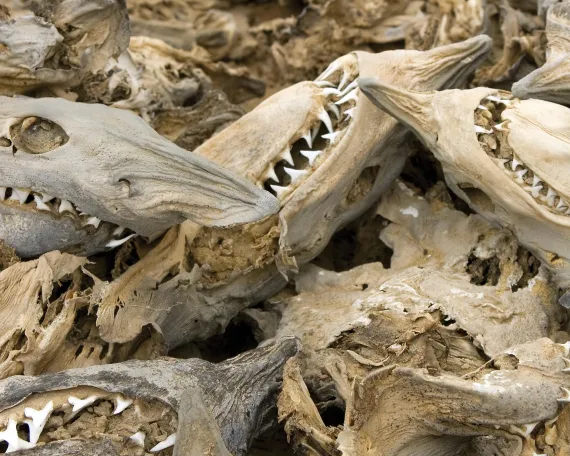
Puzzling Extinction Event Decimated Sharks 19 Million Years Ago
SciTechDaily has an article about a shark extinction, which took place about 19 million years ago during the early Miocene. A new study published in the journal Science looked at shark diversity over the last 40 million years and found an extinction event that reduced shark diversity by about 90%. In a related Perspective…
-

Earth’s Worst Mass Extinction Took Ten Times Longer on Land Than in the Water
SciTechDaily has a story about the Permian Mass Extinction. The worst mass extinction in Earth’s history, the Permian Mass Extinction happened about 252 million years ago. Researchers at the Field Museum in Chicago looked at the rate of extinction on land to see if it matched what is seen in the oceans. They found the…
-

Phys.org: New study investigates how life on land recovered after ‘The Great Dying’
Phys.org has a story about the Permian Mass Extinction. A new study by an international team of scientists from multiple universities in China, Britain, and the United States looked at why communities took so long to recover after the “Great Dying”, which took place 252 million years ago at the end of the Permian Period. …
-
PBS Eons: The Triassic Reptile With “Two Faces”
PBS Eons has a new episode. This one is about a strange reptile called Adapodentatus “unusual teeth” from the Triassic Lagerstätte of Luoping in China. It’s one of the rare animals that changed its diet from meat to plants. Figuring out what this creature’s face actually looked like would take paleontologists years. But understanding…
-
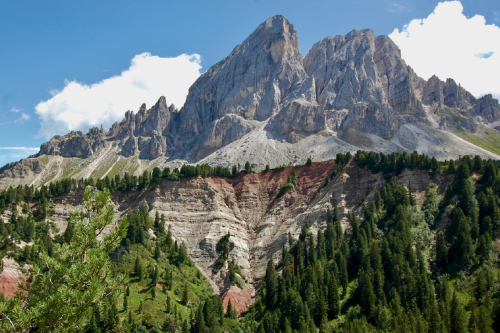
NYT: Burning Fossil Fuels Helped Drive Earth’s Most Massive Extinction
The New York Times Trilobites column has a story about the Permian Mass Extinction event. A paper published in the journal Geology adds more evidence to the theory that this mass extinction was driven by volcanic eruptions through ancient oil and coal deposits in Siberia. The study looked at chemical traces in the rocks in…
-

Trilobite Tuesday #29: Why did trilobites go extinct?
LiveScience has a piece about the extinction of the trilobites. Trilobites existed on Earth for about 270 million years from the early Cambrian until the Permian Mass Extinction. Many organisms went extinct during that time… perhaps upward of 90% of species. But, it’s still an open question that has not been completely answered. During their…
-
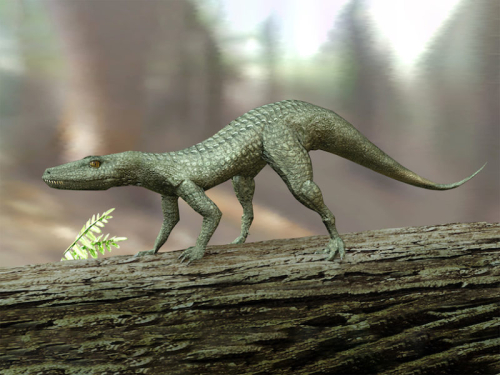
Eos: A Little-Known Mass Extinction and the “Dawn of the Modern World”
Eos has a story about a little known mass extinction that led to the rise of the dinosaurs. New research published in the journal Science Advances shows that climate change driven by volcanic eruptions in western Canada brought about the dinosaurs and eventually the modern world. The event is called Carnian Pluvial Episode. It occurred…
-
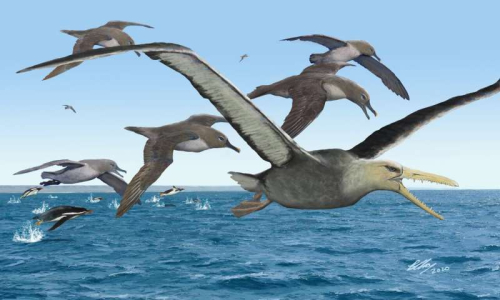
Phys.org: Antarctica yields oldest fossils of giant birds with 6.4-meter wingspans
Phys.org has an interesting story about some truly giant birds. The bird fossils, discovered in the 1980s, show that an extinct group of birds, the pelagornithids, had some large members not long after the mass extinction that killed off the dinosaurs, 65 million years ago. One specimen, which lived about 50 million years ago, had…
-
SciNews: New Research Provides Comprehensive Reconstruction of End-Permian Mass Extinction
SciNews has a story about new research that provides insights into the causes of the “Great Dying”. The End Permian Mass Extinction was the worst extinctionsin Earth’s history. It occurred about 252 million years ago. During it, about 96% of all marine species and over 70% of terrestrial species went extinct. Those percentages are for…
-
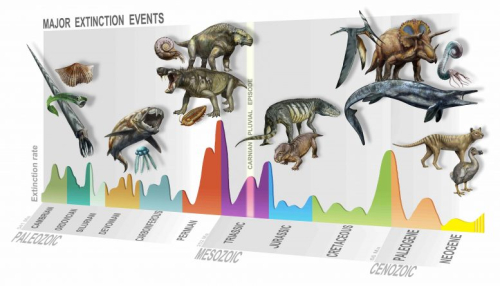
SciTechDaily: Discovery of a New Mass Extinction – Carnian Pluvial Episode – 233 Million Years Ago
SciTechDaily has a story about the identification of a new mass extinction. This one called the “Carnian Pluvial Episode”. It occurred about 233 million years ago during the Triassic Period. The cause is believed to be flood basaltic volcanic eruptions in western Canada. Some of the outcomes was the rise of the dinosaurs and the…

