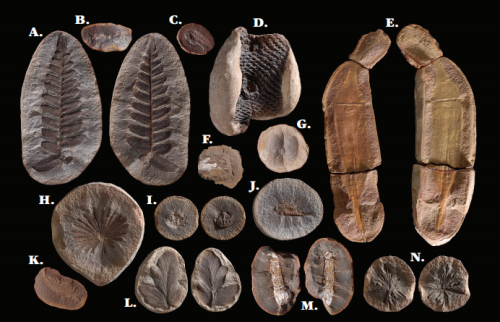
Tag: fossils
-
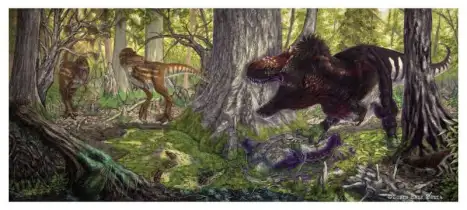
Phys.org: When tyrannosaurs dominated, medium-sized predators disappeared
Phys.org has a story about tyrannosaurs… seems they didn’t share much. A new study published in the Canadian Journal of Earth Sciences found that tyrannosaur juveniles out competed medium sized carnivores wherever their adults rose to dominance. The research conducted by Thomas Holtz, a principal lecturer in the University of Maryland’s Department of Geology, verified…
-
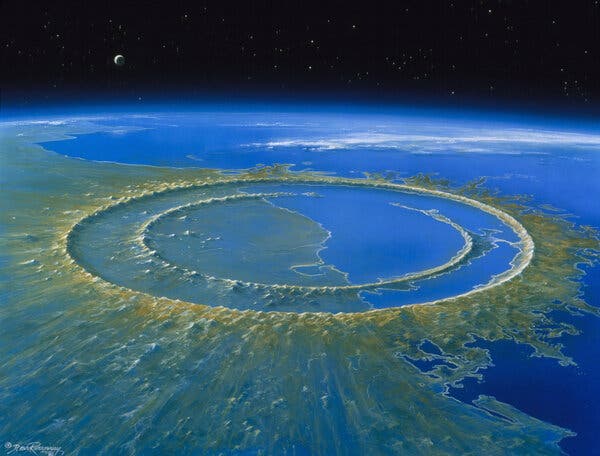
A Mysterious Crater’s Age May Add Clues to the Dinosaur Extinction
The New York Times Trilobites column has a story about a mysterious crater in Ukraine. Scientists have long questioned when the 15 mile wide Boltysh crater was formed, either before or after the Chicxulub crater in the Yucatan Peninsula, which caused the extinction of the non-avian dinosaurs at the end of the Cretaceous Period. A…
-
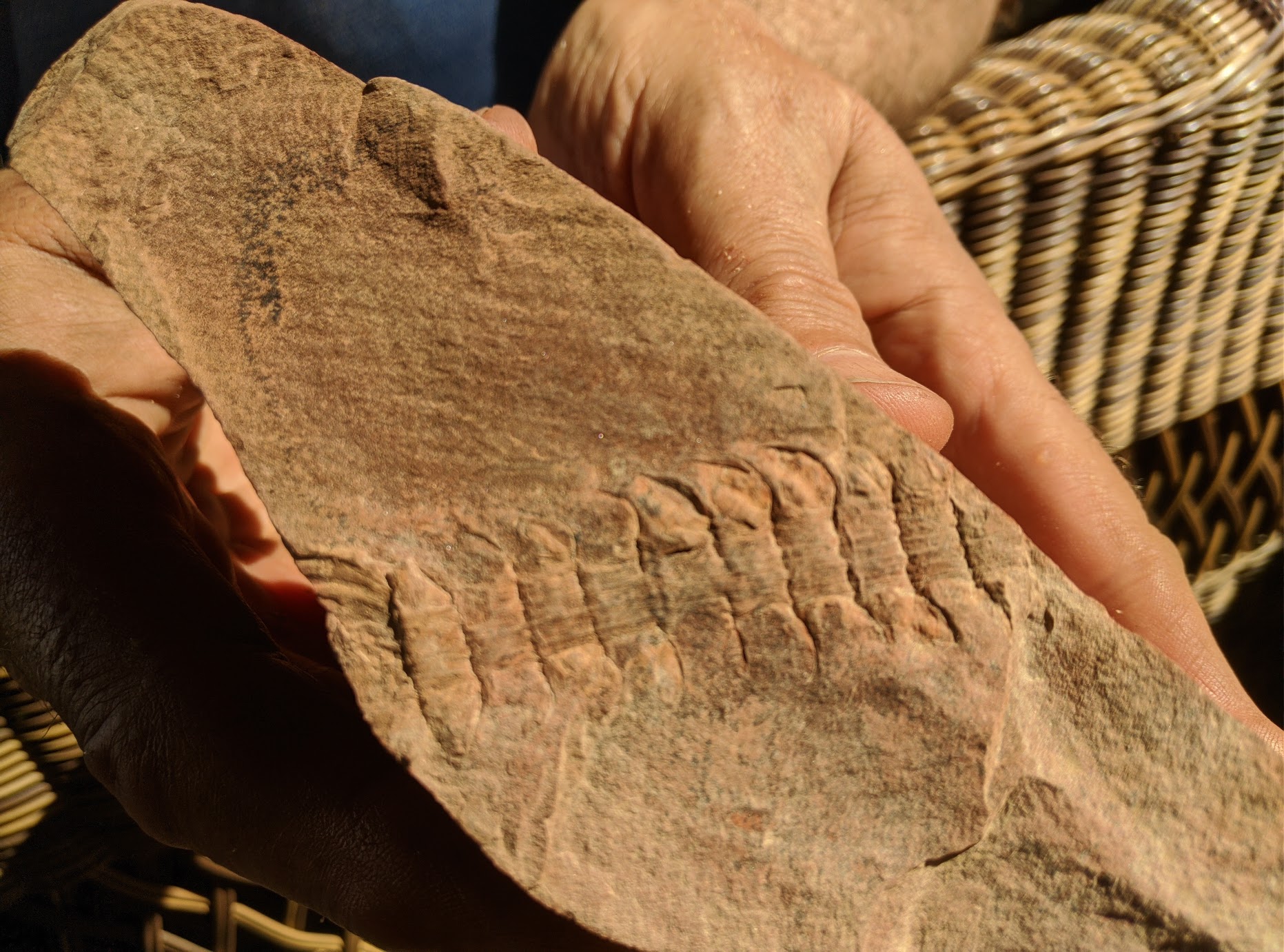
Fossil Friday #61: Calamostachys sp. from the Danville Spoil Pile
This is the “Fossil Friday” post #61. Expect this to be a somewhat regular feature of the website. We will post any fossil pictures you send in to esconi.info@gmail.com. Please include a short description or story. Check the #FossilFriday Twitter hash tag for contributions from around the world! The field trip to the Danville area…
-
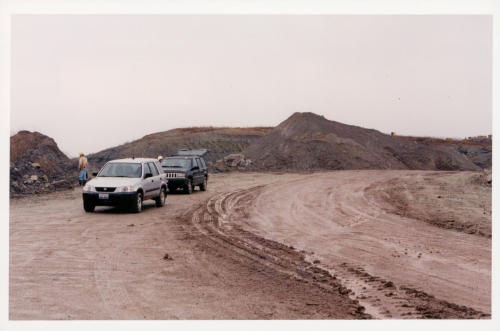
Throwback Thursday #63: Field Trip to Lone Star Quarry on April 7th, 2002
This is Throwback Thursday #63. In these, we look back into the past at ESCONI specifically and Earth Science in general. If you have any contributions, (science, pictures, stories, etc …), please send them to esconi.info@gmail.com. Thanks! In April 2002, ESCONI had a field trip to Lone Star Quarry near Oglesby, IL. It looks like…
-

Mazon Monday #64: Essoidea epiceron
This is Mazon Monday post #64. What’s your favorite Mazon Creek fossil? Tell us at email:esconi.info@gmail.com. For Mazon Monday this week, we have a small filter feeding shrimp, which is one of the smallest known from the Mazon Creek fossil biota, Essoidea epiceron, was described in 1974 by Dr. Frederick Schram, who has described many…
-

Cretaceous Dinosaurs Lived in Warm and Variable Greenhouse Climate, Study
SciNews has a piece about the climate during the end of the Cretaceous Period. Researchers looked at various data, including oyster and rudist shells, to reconstruct a picture of the paleo climate during the Campanian (late Cretaceous Period) about 78 million years ago in what is now modern day Sweden. They found that the climate…
-
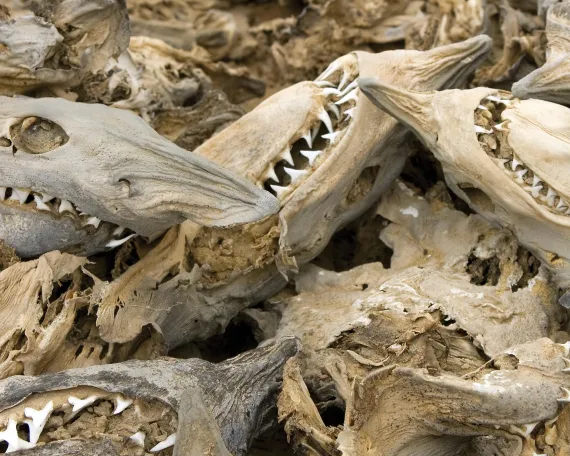
Puzzling Extinction Event Decimated Sharks 19 Million Years Ago
SciTechDaily has an article about a shark extinction, which took place about 19 million years ago during the early Miocene. A new study published in the journal Science looked at shark diversity over the last 40 million years and found an extinction event that reduced shark diversity by about 90%. In a related Perspective…
-

Fossil Friday #60: Calymene celebra
This is the “Fossil Friday” post #60. Expect this to be a somewhat regular feature of the website. We will post any fossil pictures you send in to esconi.info@gmail.com. Please include a short description or story. Check the #FossilFriday Twitter hash tag for contributions from around the world! This week, we have a trilobite for…
-
ESCONI July 2021 Junior Field Trip – Dave’s Down to Earth Rock Shop July 12th, 2021 10 AM
Hello juniors families, I am planning a field trip, for juniors families only, on July 12th. To start the morning out we will meet at a Home Depot in Evanston, IL at 10:00. There we will have a scavenger hunt to determine what items, for sale in the store, are made of rocks and…
-

NYT: New Dinosaur Species Is Australia’s Largest, Researchers Say
The New York Times has a story about a new dinosaur… from Australia. Australotitan cooperensis is a titanosaur, which is a type of sauropod. It weighted about 70 tons and lived about 90 million years ago during the Cretaceous Period. It’s the largest dinosaur known from Australia. The dinosaur was described in a paper in…
-
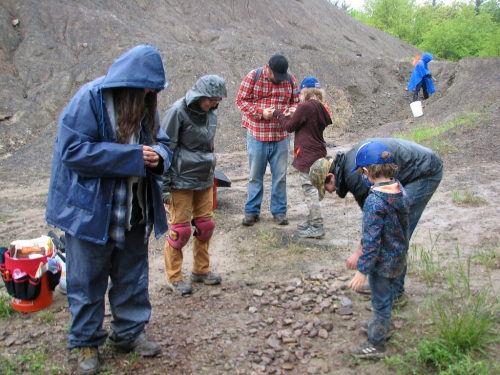
Mazon Monday #63: Braceville Field Trip Report
This is Mazon Monday post #63. What’s your favorite Mazon Creek fossil? Tell us at email:esconi.info@gmail.com. This spring’s field trip to the Braceville spoil pile started as a cool, cloudy day with a chance of rain. 45 members chanced the weather to collect Mazon Creek fossil concretions. Around 10:30, a steady, but light, drizzle fell…
-
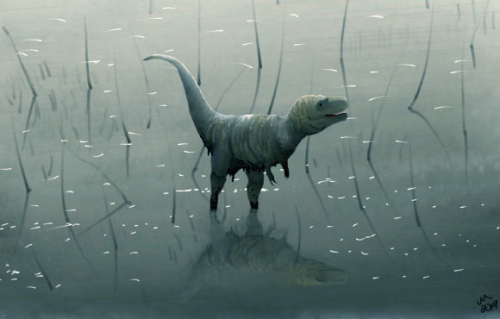
Juvenile Tyrannosaurs Had Powerful Bite, New Study Shows
SciNews has a story about Tyrannosaurus rex. A recent study looked the bite force of juvenile T. rex and found they had a bite force somewhere between modern hyenas and crocodiles at about 5,641 newtons. Humans deliver a force less than 1/10 at around 300 newtons. Details of the story can be found in a…
-

PBS Eons: Where Are All The Squid Fossils?
PBS Eons has a new episode. This one is about squids and discusses taphonomy and what happened to their missing fossils. Check out Otherwords, a new show about language & linguistics! https://youtu.be/d2UccTPnl4w It might surprise you but cephalopods have a pretty good fossil record, with one major exception. If squids were swimming around in…
-
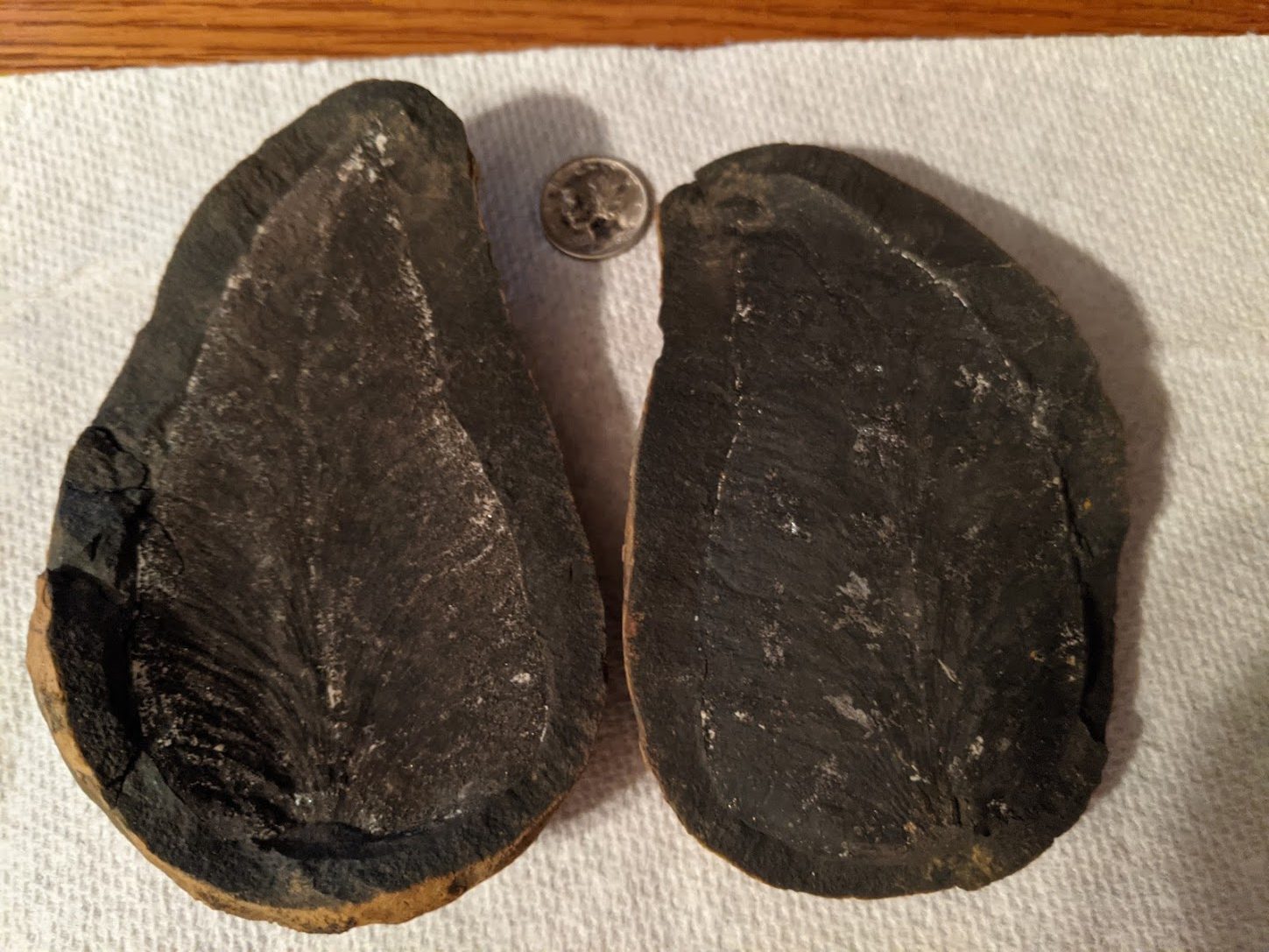
Fossil Friday #59: Neuropteris inflata
This is the “Fossil Friday” post #59. Expect this to be a somewhat regular feature of the website. We will post any fossil pictures you send in to esconi.info@gmail.com. Please include a short description or story. Check the #FossilFriday Twitter hash tag for contributions from around the world! Another Chowder Flatts fossil is our feature…
-
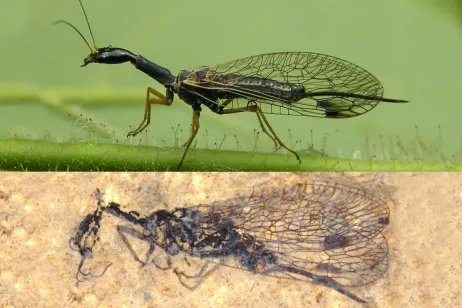
Fossil discovery deepens snakefly mystery
Phys.org has an interesting story about some unique insects. Snakeflies are slender, predatory insects that are native to the northern hemisphere and absent from tropical regions. It had been thought the animals needed cold winters to trigger development into adults. However, some new fossil discoveries from British Columbia and Washington state contradict that theory. These…
-

Mazon Monday #62: Common Descent Podcast Episode 110 – Mazon Creek Fossil Beds
This is Mazon Monday post #62. What’s your favorite Mazon Creek fossil? Tell us at email:esconi.info@gmail.com. “Common Descent” is a podcast about paleontology, biology, and evolution. The hosts are David Moscato and Will Harris, who are paleontologists and science communicators. As it says on their website, they “love talking about fossils, evolution, and life history” …
-

Fossil Friday #58: Clam Clam from Chowder Flatts
This is the “Fossil Friday” post #58. Expect this to be a somewhat regular feature of the website. We will post any fossil pictures you send in to esconi.info@gmail.com. Please include a short description or story. Check the #FossilFriday Twitter hash tag for contributions from around the world! Clowder Flatts was a Mazon Creek fossil…
-
ESCONI Field Trip to Belvidere Quarry – June 26th, 2021
Belvidere, IL Quarry Field Trip There will be a field trip to a quarry near Belvidere, Illinois on Saturday, June 26, 2021, from 9AM to 12 noon. The rock is Ordovician, Galena Group. This is a “hard-rock” quarry (dolomite). If you like Hormotoma or Receptaculites, this is the place for you! The quarry has been…
-
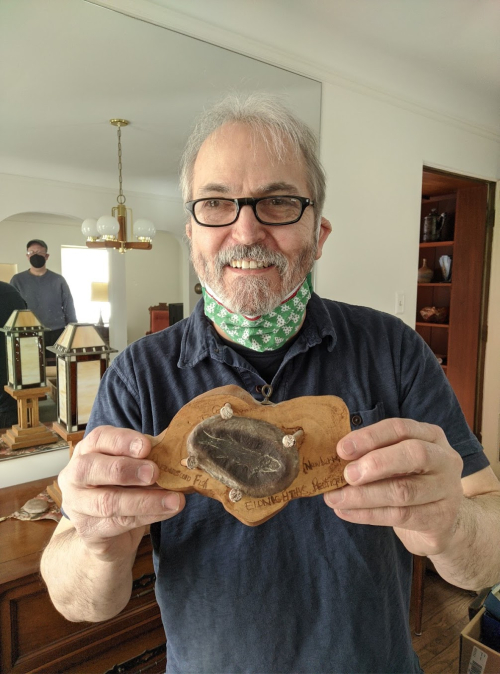
Mazon Monday #61: Video for May Paleontology Meeting – “A Historical Perspective on Collecting Mazon Creek and Pit 11” by Peter Kruty
This is Mazon Monday post #61. What’s your favorite Mazon Creek fossil? Tell us at email:esconi.info@gmail.com. We are very excited to post the video of Peter Kruty’s presentation for the May 2021 Paleontology Meeting. The title of his talk was “A historical Perspective on Collecting Mazon Creek and Pit 11”. It was a very interesting…
-
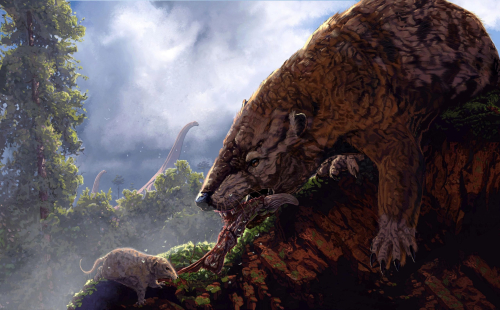
Extraordinary Evolution Research Reveals Mammals in the Time of Dinosaurs Held Each Other Back
SciTechDaily has an article about mammals during the age of dinosaurs. A new study published in Current Biology looked at how mammals evolved before and after the extinction that took out the non-avian dinosaurs at the end of the Cretaceous. The study found that it wasn’t the dinosaurs that out competed the mammals, it was…
-
PBS Eons: How Weasels Got Skinny
PBS Eons has a new episode. This one is about weasels and how they got their skinny body plan. Weasels have an extreme body plan that may push the boundaries of what’s metabolically possible. So when and how did this happen? Why’d the weasels get so skinny?
-
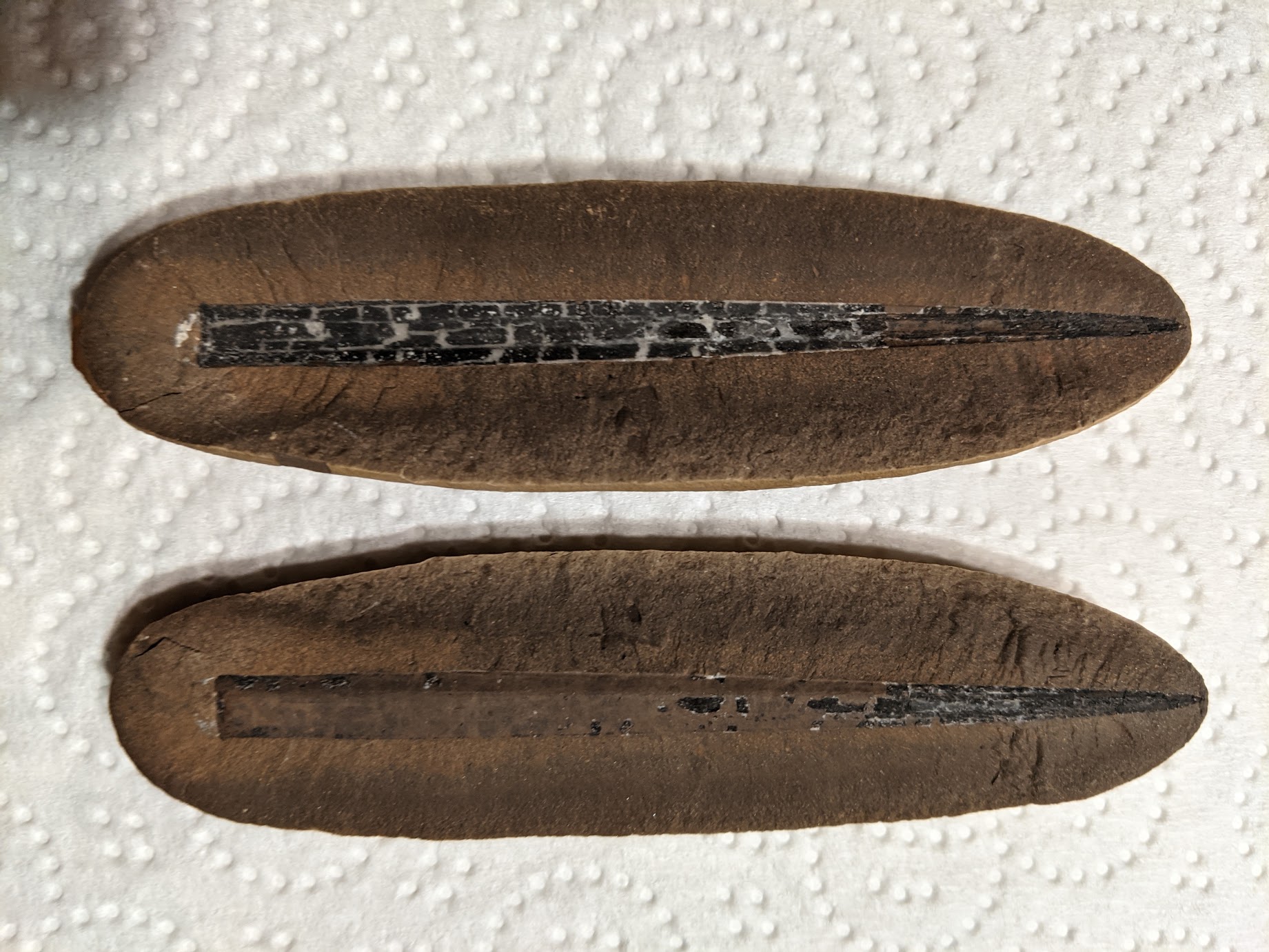
Fossil Friday #57: Cyperites bicarinatus
This is the “Fossil Friday” post #57. Expect this to be a somewhat regular feature of the website. We will post any fossil pictures you send in to esconi.info@gmail.com. Please include a short description or story. Check the #FossilFriday Twitter hash tag for contributions from around the world! For this week, we have a few…
-

Earth’s Worst Mass Extinction Took Ten Times Longer on Land Than in the Water
SciTechDaily has a story about the Permian Mass Extinction. The worst mass extinction in Earth’s history, the Permian Mass Extinction happened about 252 million years ago. Researchers at the Field Museum in Chicago looked at the rate of extinction on land to see if it matched what is seen in the oceans. They found the…
-

A Milwaukee Suburb Is Full of Ultrarare Fossils
Hakai Magazine has a story about a special fossil deposit in Waukesha, Wisconsin. The deposit dates to the Ordovician Period about 440 million years ago. It was discovered in 1984 by amateur paleontologists Jerry Gunderson and Ron Meyer. They found fossilized soft tissue why splitting open rocks from a thin layer called the Brandon Bridge…
-

Mazon Monday #60: Annularia inflata
This is Mazon Monday post #60. What’s your favorite Mazon Creek fossil? Tell us at email:esconi.info@gmail.com. —————————————————– This week, we are looking at a species of Annularia. Annularia is actually the foliage of a plant called Calamites. Calamites is classified as a Sphenopsid, which is a primitive vascular plant characterized by jointed ribbed stems and small…
-

Trip Full! ESCONI Field Trip to Danville Shale Pile Fossils – Saturday, June 5th, 2021
Sorry, for now this trip is full! Danville Field Trip Rules An ESCONI field trip to the Danville Shale Pile for Pennsylvanian plant fossils is scheduled for June 5, 2021 from 10 AM to 3 PM. This is on private property and there is an attendance limit of 20 people. The gate will be secured…
-
PBS Eons: When Trees Took Over the World
PBS Eons has a new episode. This one is about the first “trees”… hint, they didn’t look like trees back then. 420 million years ago, the forest floor of what’s now New York was covered with a plant that didn’t look like a tree at all, except its roots were made of wood. Instead…
-
Fossil Friday #56: Braceville Mazon Creek Fossils
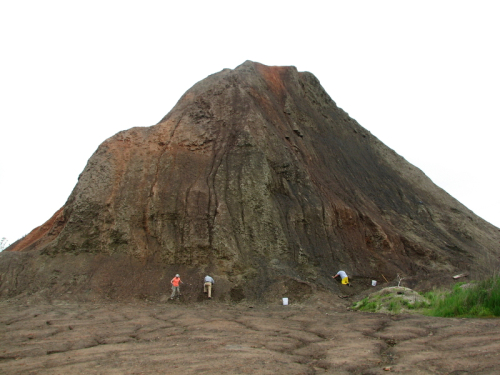
This is the “Fossil Friday” post #56. Expect this to be a somewhat regular feature of the website. We will post any fossil pictures you send in to esconi.info@gmail.com. Please include a short description or story. Check the #FossilFriday Twitter hash tag for contributions from around the world! This weekend, May 15th and 16th, 2021,…
-
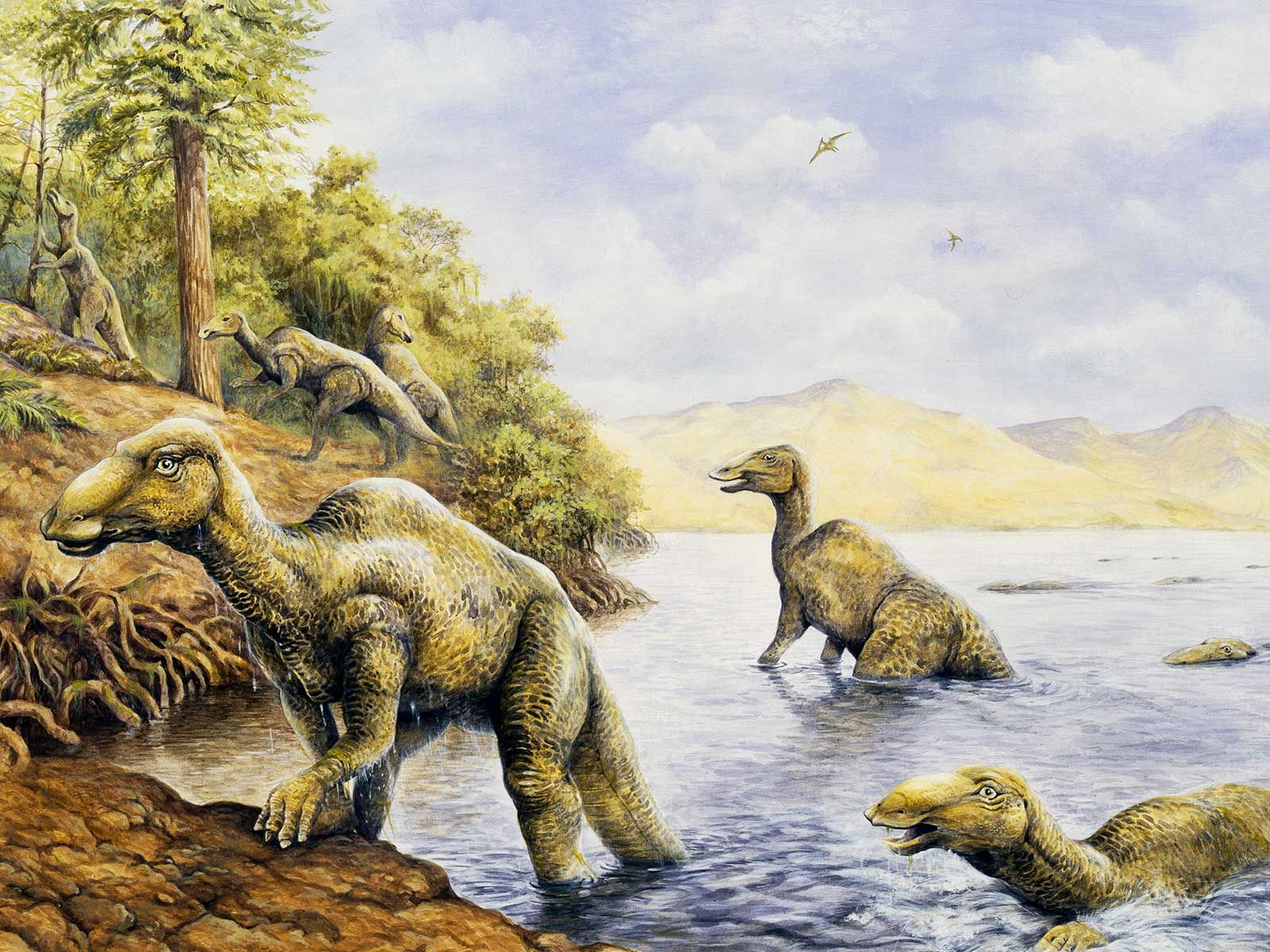
Smithsonian: An Ode to the World’s Most Average Dinosaurs
Smithsonian Magazine has a story about the appreciation for the average dinosaur – a duckbilled dinosaur like Edmontosaurus. To truly understand the dinosaurs, one needs to look past the flashy and embrace the average as that is where the true clues to what life was like back in the Mesozoic. Out of all these impressive…