Tag: dinosaurs
-
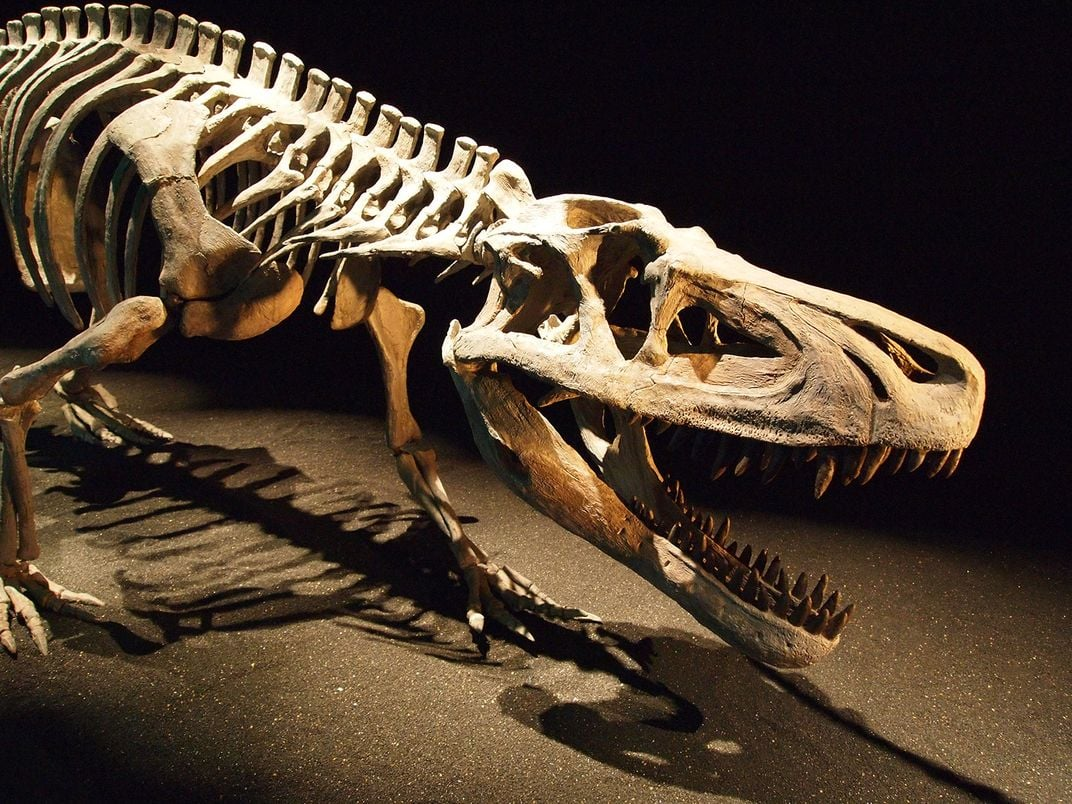
How a Mass Extinction Driven by Ancient Volcanoes Led to the Age of the Dinosaurs
Smithsonian Magazine features a story on the Triassic-Jurassic mass extinction, a pivotal event that reshaped life on Earth. The late Triassic was vastly different from the Jurassic and Cretaceous periods that followed. During this time, early dinosaurs played only minor roles, while the landscape was dominated by giant amphibians, a diverse array of crocodilian relatives—ranging…
-

PBS Eons: Could You Survive the K-Pg Extinction?
PBS Eons has another of their longer form videos which address major events in the history of the Earth. This one is about the K-Pg mass extinction event about 66 million years ago at the end of the Cretaceous Period. Would/could you survive? Remember, this event took out the non-avian dinosaurs, the ammonites, and many,…
-
PBS Eons: Life and Death on Tiny-Dino Island
PBS Eons has another episode of their long form video series "Surviving Deep Time" This time they go to Hațeg island during the late Cretaceous. The domain of Hatzegopteryx thambema, the huge azhdarchid pterosaur. Could you survive? There was an island in the Late Cretaceous Period in the fragmented European archipelago that turned out to be…
-
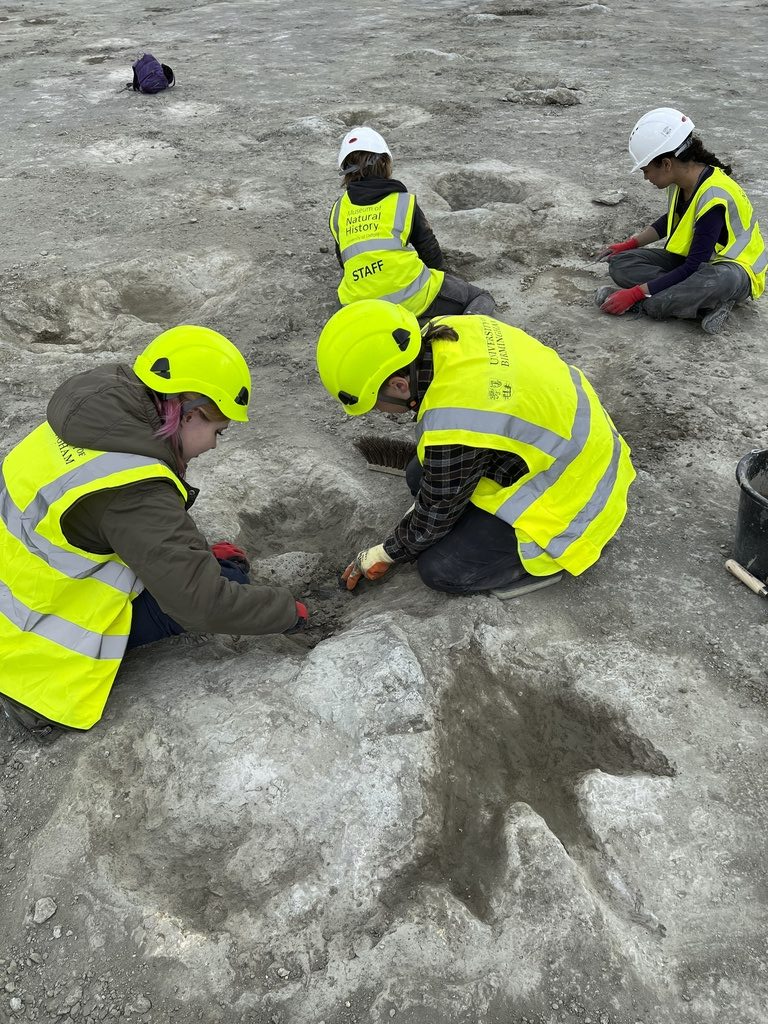
‘Dinosaur highway’ dating back 166 million years discovered in England
PBS News has a story about the discovery of a special dinosaur trackway in England. While digging up clay in a imestone quarry in southern England, a worker found nearly 200 dinosaur tracks that date to the Jurassic Period about 166 million years ago. There are four sets of sauropod tracks, thought to be Cetiosaurus…
-
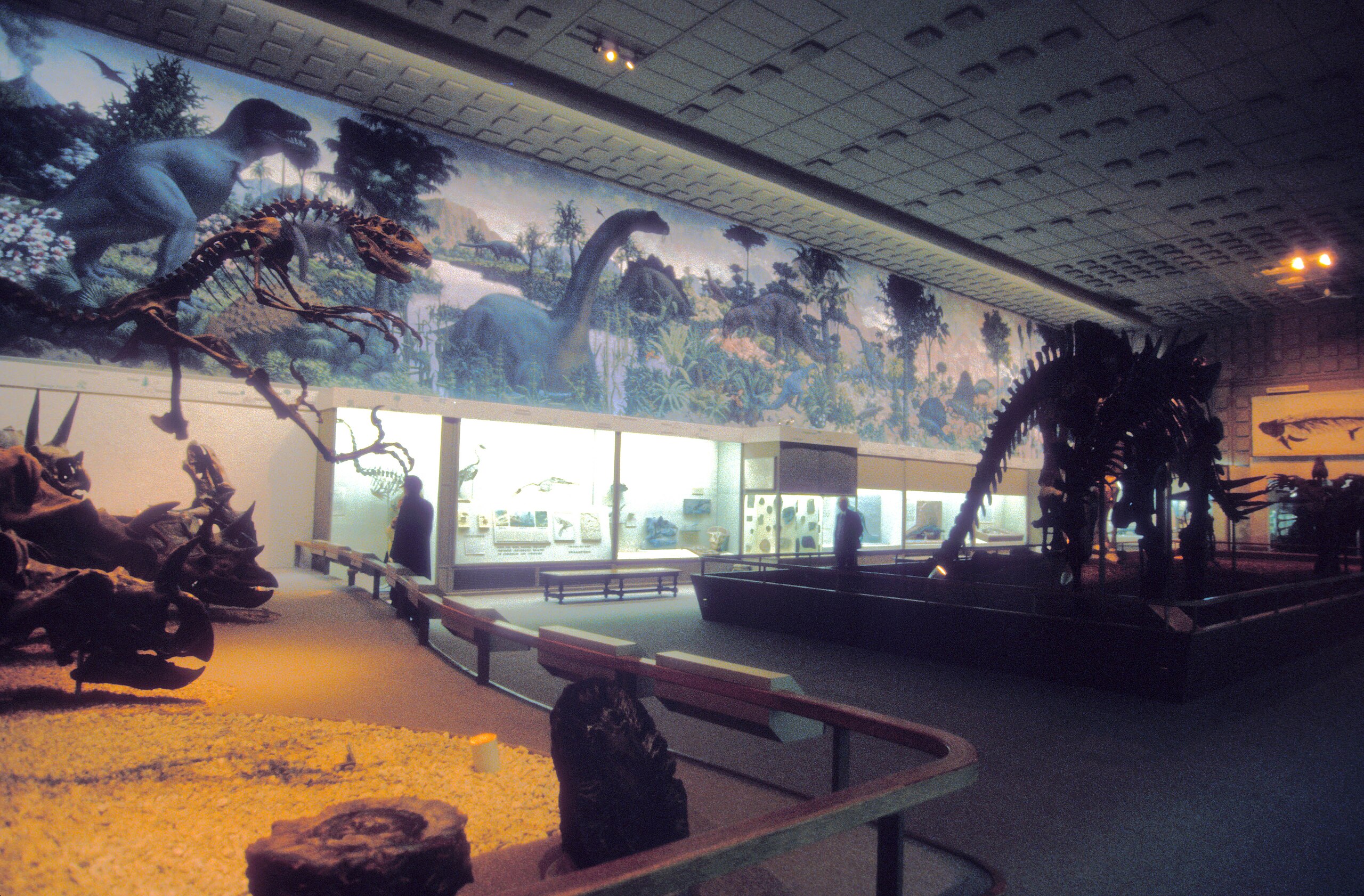
Throwback Thursday #246: Looking Back at ESCONI for January 2025
This is Throwback Thursday #246. In these, we look back into the past at ESCONI specifically and Earth Science in general. If you have any contributions, (science, pictures, stories, etc …), please send them to esconi.info@gmail.com. Thanks! ——————————————————————————————- 25 Years Ago – January 2000 50 Years Ago – January 1975 70 Years Ago – January…
-
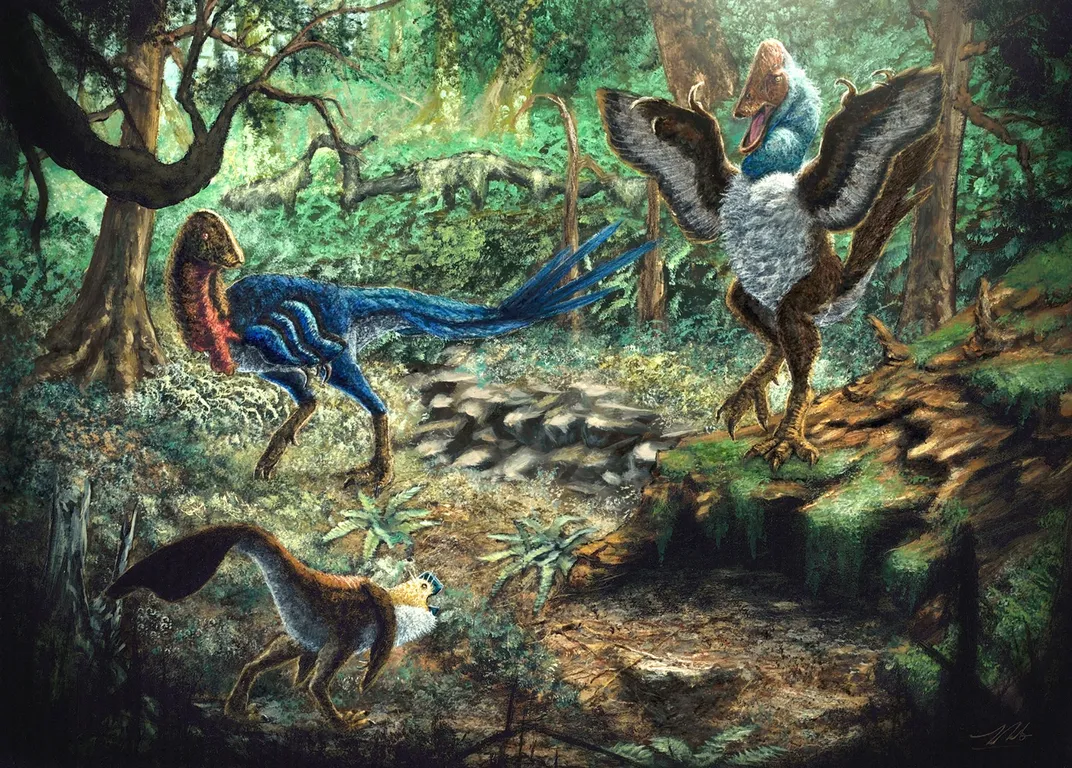
The Top Ten Dinosaur Discoveries of 2024
Smithsonian Magazine has an article that details the Top 10 dinosaur discoveries of 2024.
-
PBS Eons: Could You Survive the End-Triassic?
PBS Eons has a new episode of their “Surviving Deep Time” podcast. This one is about the Triassic/Jurassic mass extinction. This is the extinction event that lines up with the break up of Pangaea. In the aftermath of the Great Dying, rapid evolutionary radiation resulted in the rise of a bunch of weird creatures in…
-

Deck the Dinos at the Field Museum!
Deck the dinos! 🎁🦕 Stop in through the holiday season to catch a few of your prehistoric pals in their most festive attire. Snap a pic lounging with the Quetzalcoatlus or Máximo. Then stop by and sing a carol with SUE in the Flesh, before this carnivore hits the road on January 16!
-
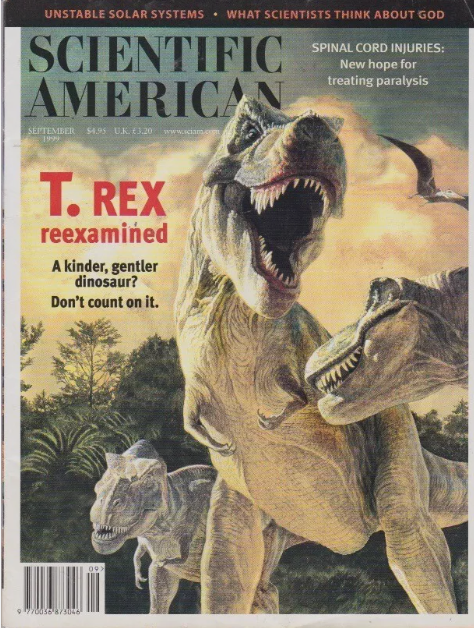
Throwback Thursday #242: Looking Back at ESCONI for December 2024
This is Throwback Thursday #242. In these, we look back into the past at ESCONI specifically and Earth Science in general. If you have any contributions, (science, pictures, stories, etc …), please send them to esconi.info@gmail.com. Thanks! 25 Years Ago – December 1999 50 Years Ago – December 1974 70 Years Ago – December 1954
-

Thanksgiving special: Dinosaur Drumsticks and the Story of the Turkey Trot
Yale News has a post about research into what makes "peacocks to strut, penguins to waddle, and turkeys to trot." See the study published in the journal Nature. Wings may be the obvious choice when studying the connection between dinosaurs and birds, but a pair of Yale paleontologists prefers drumsticks. That part of the leg,…
-

Paleontologists Discover Dinosaur Fossils in Hong Kong for the First Time
Smithsonian Magazine brings news of the first discovery of dinosaur fossils in Hong Kong. The fossils were identified as a “large, aged dinosaur”. They were found on the tiny uninhabitied Port Island. The animal lived during the Cretaceous Period. China—along with Argentina, Canada and the United States—is one of the main geographical regions for identifying…
-

Dinosaurs unearthed in China may have ended with a collapse, not a catastrophe
NPS has news of an interesting new theory of how a group of dinosaurs were preserved in China. Recent research offers a new perspective on the preservation of dinosaur fossils in China’s Yixian Formation, often dubbed the “Chinese Pompeii.” Previously, the exceptional preservation of these Cretaceous-period fossils was attributed to periodic volcanic eruptions over a…
-
PBS Eons: The Dinosaurs That Evolution Forgot
PBS has a new episode. This one is about the dinosaurs of the east coast of North America. North America was divided into two land masses by the Western Interior Seaway at the end of the Cretaceous about 100 to 66 million years ago. The east coast landmass is called Appalachia. Where are all the…
-
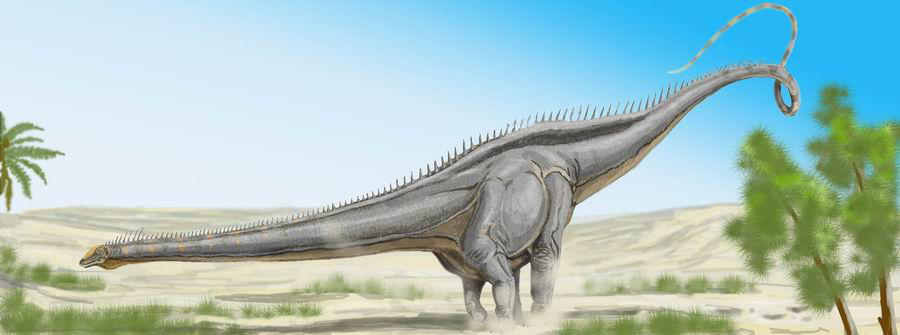
Throwback Thursday #234: Looking Back at ESCONI for October 2024
This is Throwback Thursday #234. In these, we look back into the past at ESCONI specifically and Earth Science in general. If you have any contributions, (science, pictures, stories, etc …), please send them to esconi.info@gmail.com. Thanks! ——————————————————————————————- 25 Years Ago – October 1999 50 Years Ago – October 1974 70 Years Ago – October…
-

NPR: Paleontologist Ken Lacovara and the fifth extinction that killed the dinosaurs
NPR’s Ted Radio Hour has a video segment with paleontologist Ken Lacovara speaking on the extinction event at the end of the Cretaceous Period. That event took out the non-avian dinosaurs and led to the rise of the mammals. Paleontologist Ken Lacovara is founder of a new museum and fossil park in New Jersey where visitors can…
-
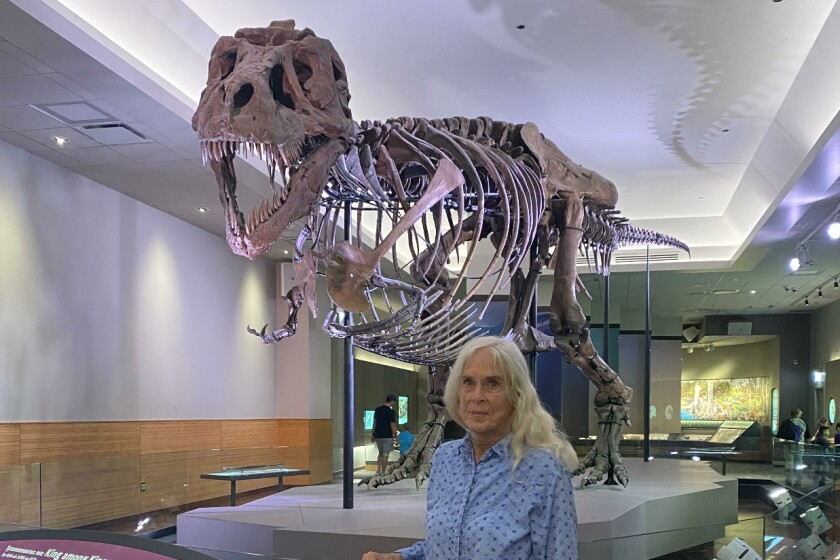
Throwback Thursday #232: Sue visits SUE
This is Throwback Thursday #232. In these, we look back into the past at ESCONI specifically and Earth Science in general. If you have any contributions, (science, pictures, stories, etc …), please send them to esconi.info@gmail.com. Thanks! So, Sue Hendrickson had a secret visit with her beloved namesake SUE the T. rex in July. The…
-
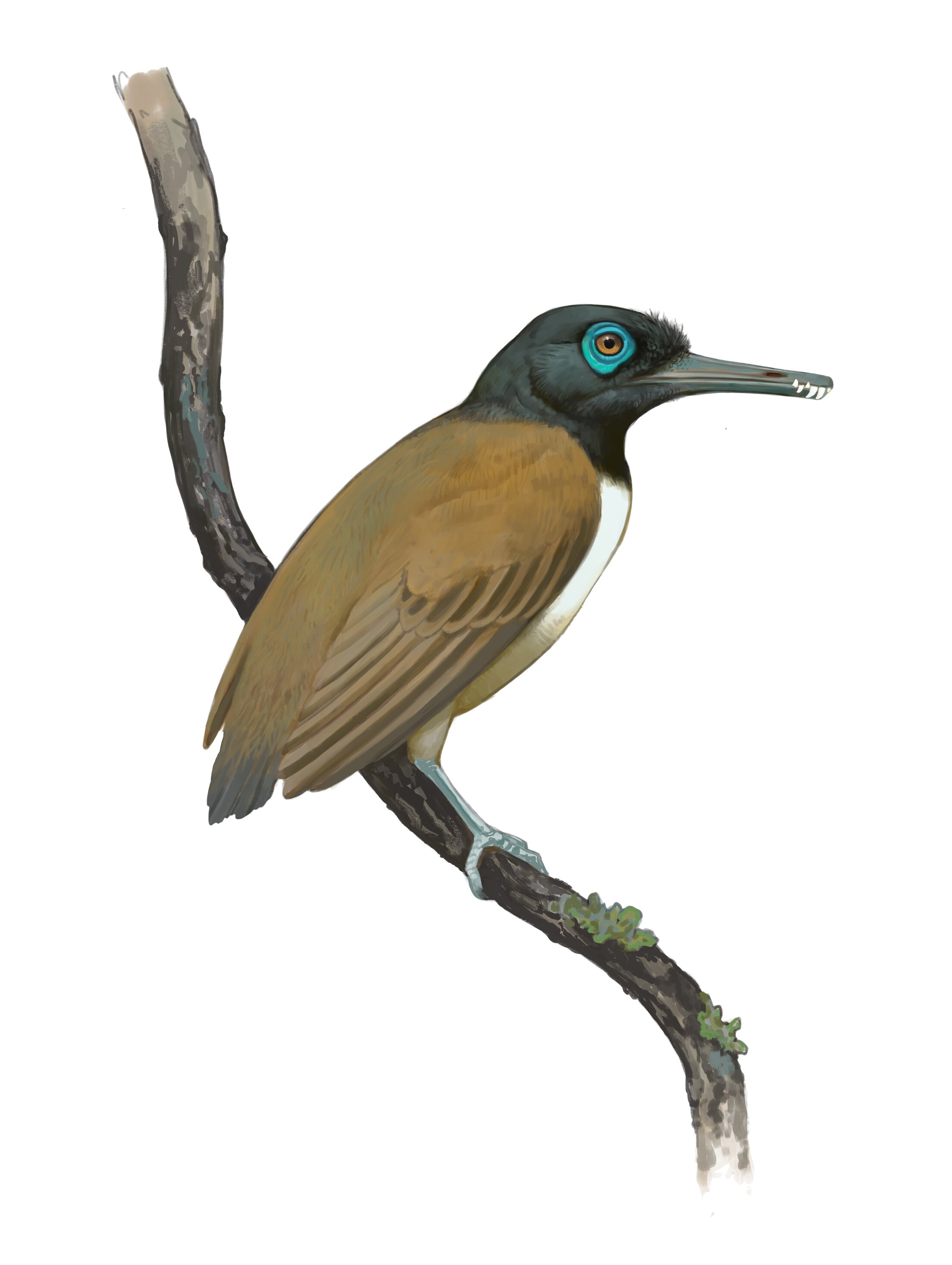
Paleontologists discover fossil birds with teeth had seeds in their stomachs, indicating that they ate fruit
Phys.org has a piece about birds with teeth. As rare as hen’s teeth is only a phrase for modern times… back in the Mezozoic – sometimes referred to as the “Age of Reptiles”, many birds had teeth. Longipteryx chaoyangensis is the subject of a new paper in the journal Current Biology. L. chaoyangensis lived during…
-
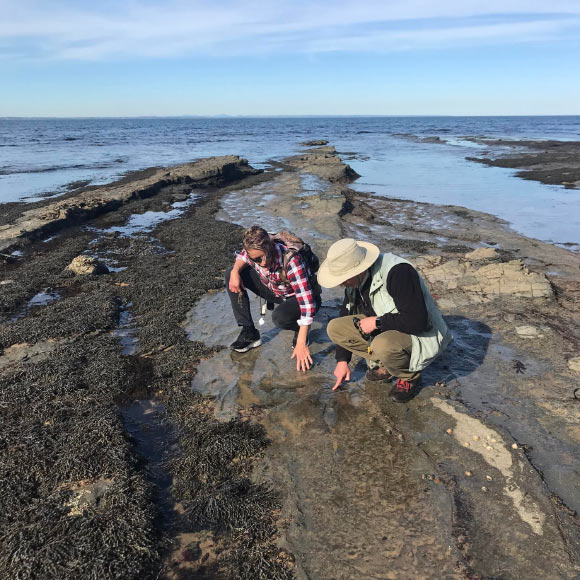
120-Million-Year-Old Footprints of Polar Dinosaurs Discovered in Australia
SciNews has a story about the discovery of dinosaur footprints in Australia. The footprints date back 120 million years, which corresponds with the early Cretaceous Period. At that time, Australia was still connected to Antarctica. The footprints were found in the Wonthaggi Formation south of Melbourne, Australia. They were made by a medium to large theropod…
-
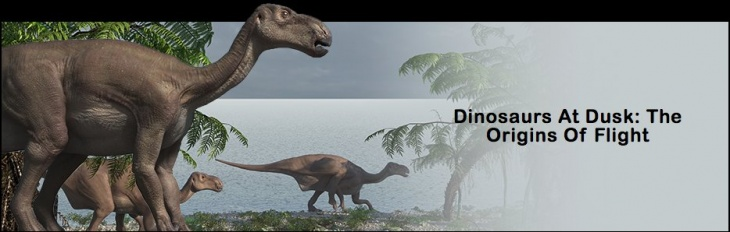
Dinosaurs at Dusk: The Origins of Flight
Triton College has a few more showings of their “Dinosaurs at Dusk: The Origins of Flight” movie. Dinosaurs at Dusk is a whirlwind adventure back in time to explore the Earth when it was teeming with Pterosaurs and other feathered dinosaurs, the ancestors of modern-day birds. Join Lucy and her father as they fly through the…
-
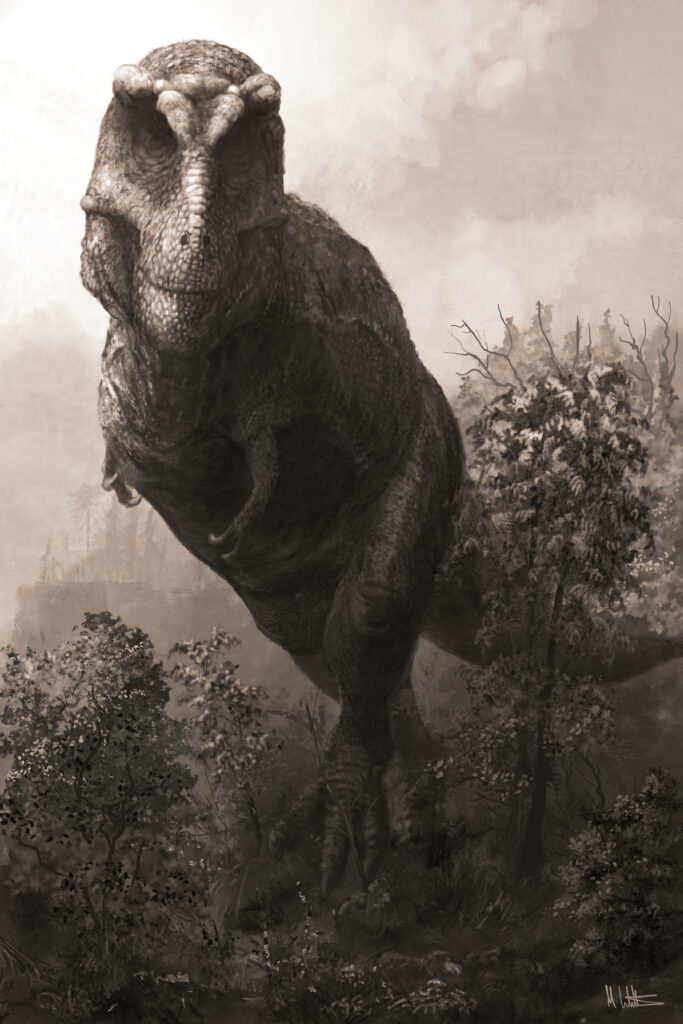
Scientists assess how large dinosaurs could really get
A giant T. rex emerges from the shadows of a forest. Mark Witton © Mark Witton. Science Daily has a post from the Canadian Museum of Nature that looks at the maximum size of dinosaurs. New research published in the journal Ecology and Evolution found that Tyrannosaurs rex might have been 70% heavier than currently accepted.…
-

Open House at Paul Sereno’s Fossil Lab at the University of Chicago – Thursday, August 8, 2024
Paul Sereno’s Fossil Lab at the University of Chicago has moved into a new facility, and they’re having an open house to welcome visitors in to see the new space and observe some of the new specimens they’ve been working on. Thursday, August 8, from 3:30-5:00pm.5437 S. Wabash (just West of the main University of Chicago…
-
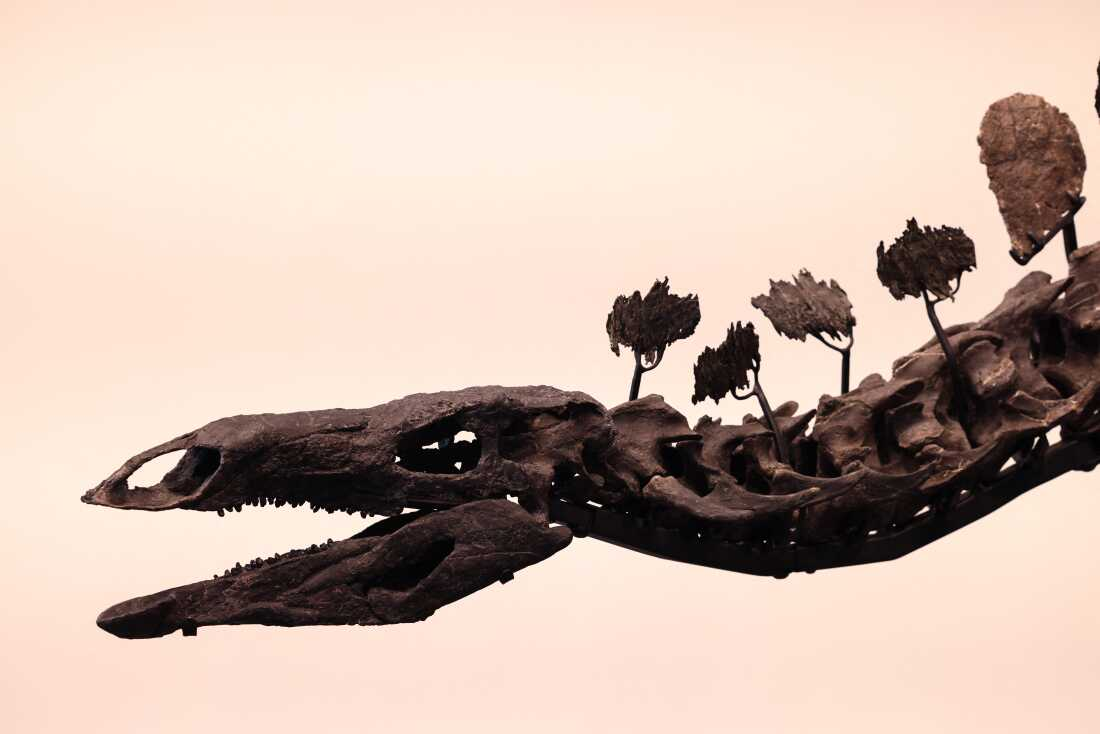
NPR: A stegosaurus fossil could fetch $6 million at Sotheby’s. Should they be auctioned?
NPR has a story about a Stegasaurus going up for auction at Sotheby’s on Wednesday, July 17th, 2024. The animal has been named “Apex”. At 11 feet tall and 27 feet long, it’s considered one of the most complete specimens of Stegosaurus ever found. The specimen was discovered in Colorado and is expected to fetch…
-
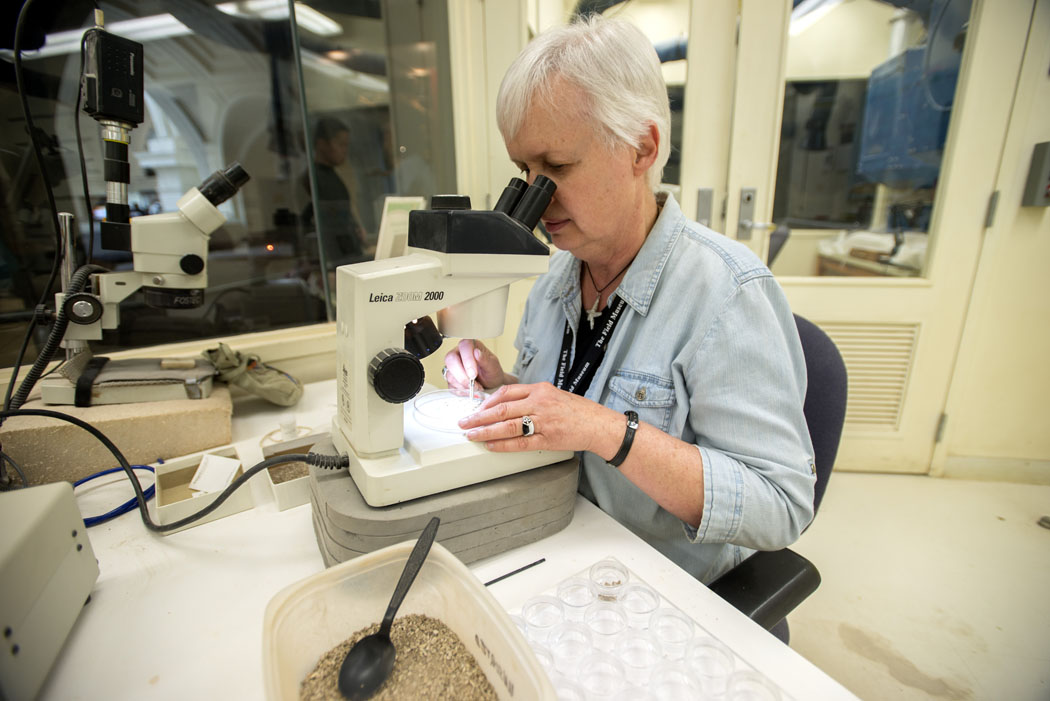
Throwback Thursday #218: Karen’s Komments
This is Throwback Thursday #218. In these, we look back into the past at ESCONI specifically and Earth Science in general. If you have any contributions, (science, pictures, stories, etc …), please send them to esconi.info@gmail.com. Thanks! This was originally posted as Flashback Friday #16. It was part of the run up to ESCONI’s 70’s Anniversary…
-

Field Museum – Dinopalooza Returns! Saturday, June 8 | 10am-2pm
The Field Museum is holding Dinopalooza today from 10 AM to 2 PM. Dinopalooza is today! Join us in celebrating the newest member of our flock, the Chicago Archaeopteryx, before it takes off for the rest of the summer. Find out how our new fossil friend shows scientists where past and present collide and understand…
-
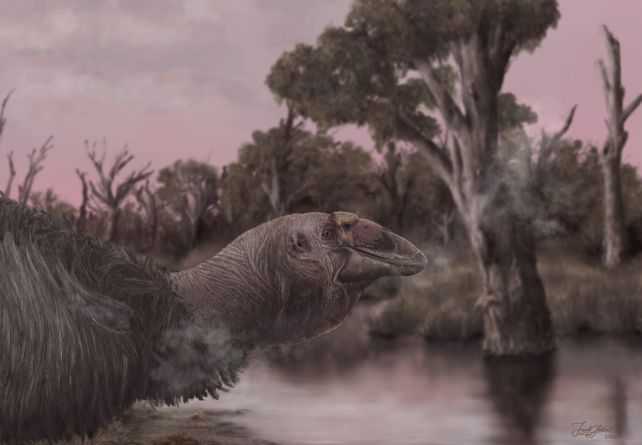
Giant ‘Giga-Goose’ Once Thundered Across Prehistoric Australia
Nature’s Science Alert has a story about a large flightless bird from Australia. Genyornis newtoni was first described in 1913. It lived around 45,000 years ago in what is now Australia. G. newtoni stood about 2.25 meters tall (7.4 feet) and weighed around 230 kilograms (510 pounds). New research published in the journal Historical Biology…
-

New fossil brings us a step closer to unravelling the mystery of feather evolution
The Conversation has an interesting article about research into the evolution of feathers. Feathers were originally used for display and thermoregulation. It was only later when they were co-opted for flight. A new paper “Cellular structure of dinosaur scales reveals retention of reptile-type skin during the evolutionary transition of feathers”, published in the journal Nature,…
-

We’ve Probably Been Wrong About T. Rex Again, New Study Says
Nature’s Science Alert has a post about Tyrannosaurs rex. Ok, just how smart was T. rex? Back in 2023, when a controversial paper postulated that T. rex was about as intelligent as modern monkeys, most researchers were skeptical. Now, a new study “How smart was T. rex? Testing the claims of exceptional cognition in dinosaurs…
-
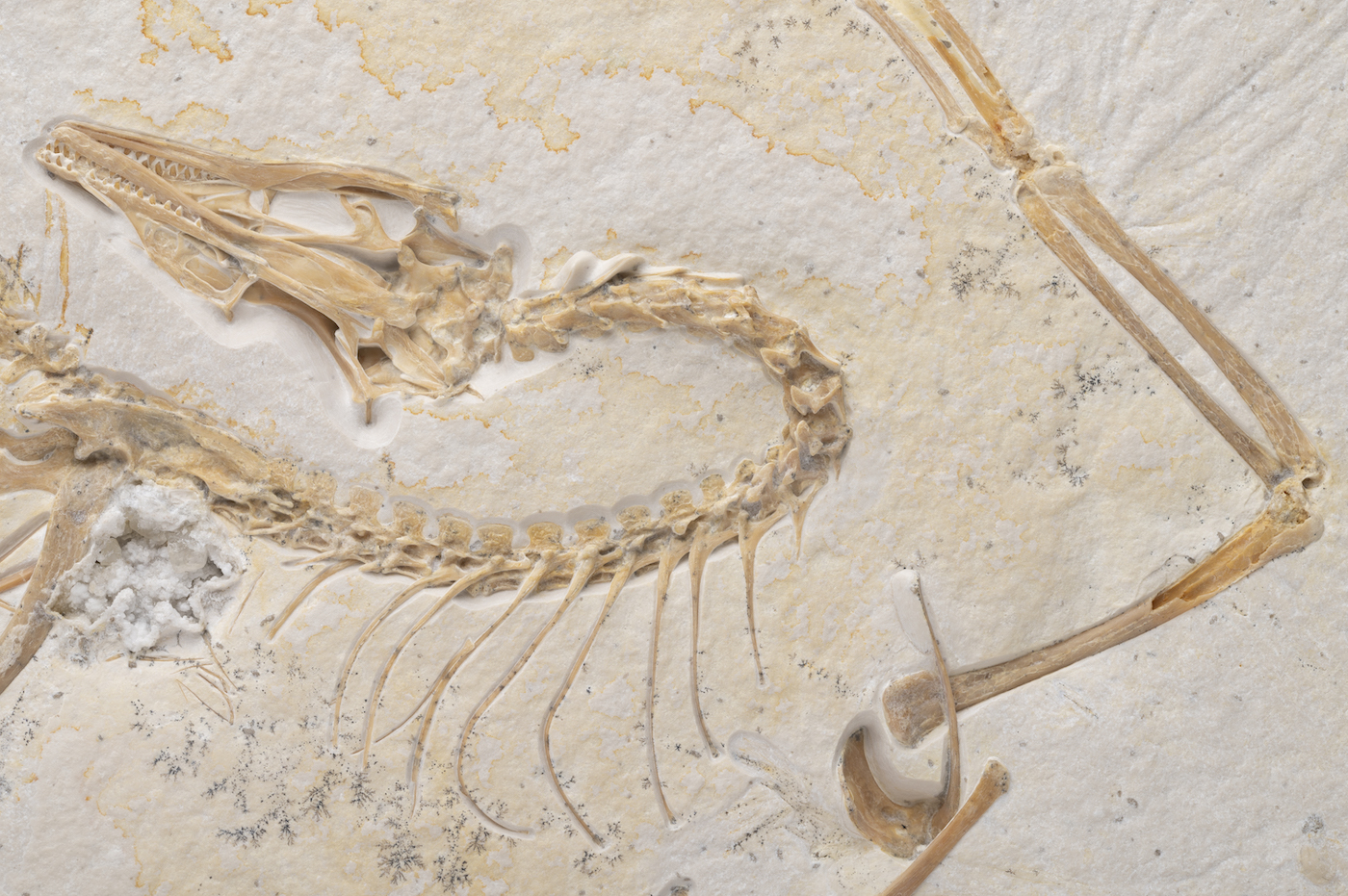
More on the Chicago Archaeopteryx
More about the new Chicago Archaeopteryx, This is the unveiling which happened on May 7th, 2024. It includes a great video of Paleornithologist Jingmai O’Connor describing the animal and its acquisition. More links…
-
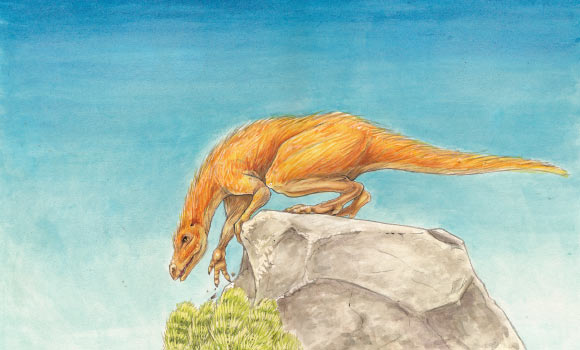
New Species of Jurassic Theropod Dinosaur Identified in England
SciNews brings word of a new dinosaur discovered in England. Dornraptor normani lived about 200 million years ago in the early Jurassic Period, near what is now Dorset, England. The animal belongs to a group called the averostrans, which includes most theropod dinosaurs. The discovery was published in the paper “A new name for old…
-
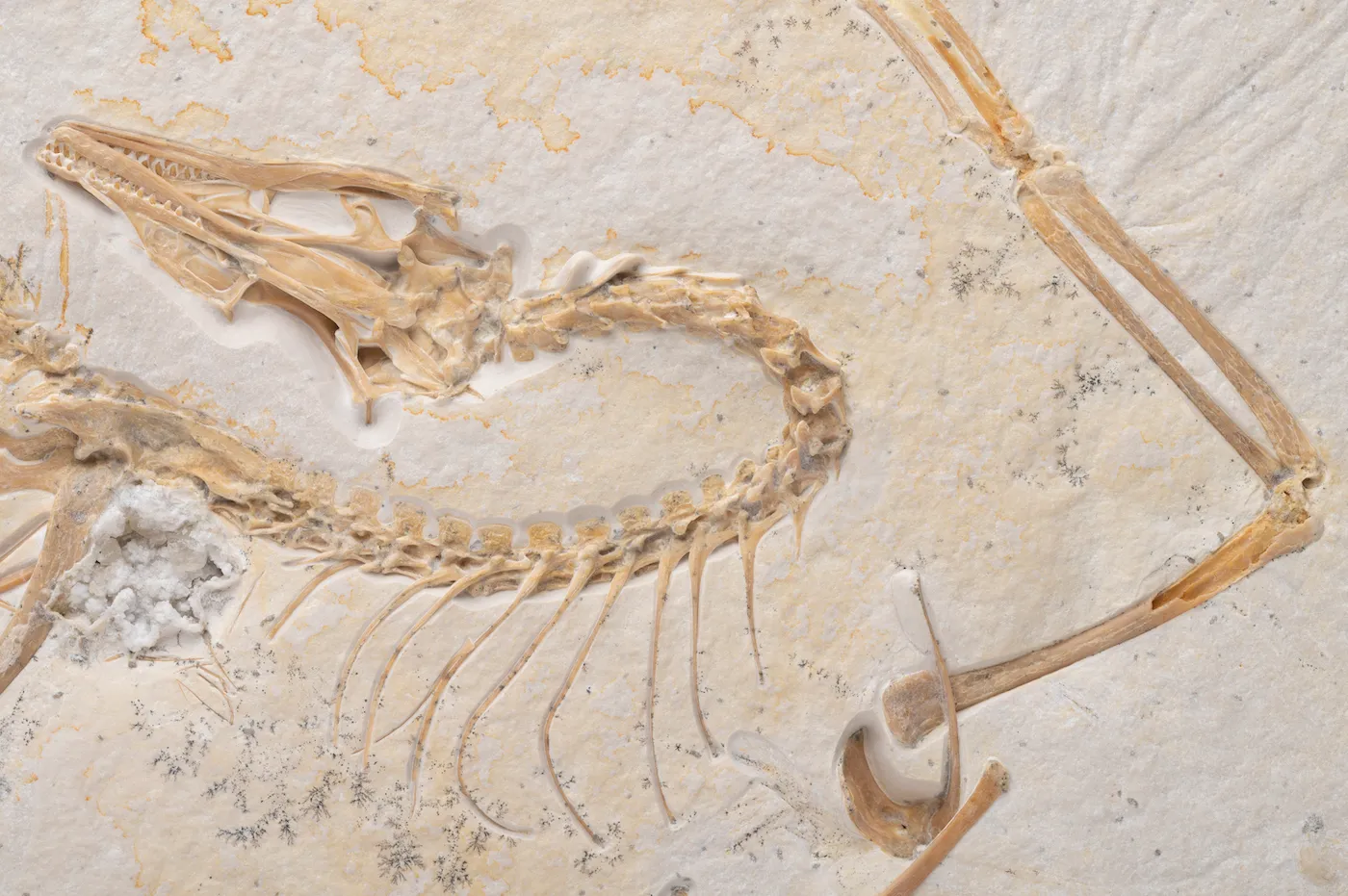
Field Museum: The Chicago Archaeopteryx!
The Field Museum is debuting its latest blockbuster specimen, the Chicago Archaeopteryx! With its first appearance in the Jurassic period 151 million years ago, Archaeopteryx is immensely significant due to it being the first “missing link” or transitional fossil that supported the Theory of Evolution. This small fossil also forged the link connecting dinosaurs and…
