Tag: Devonian
-

ESCONI September 2026 General Meeting, Friday, September 11th, 2026 at 8:00 PM via Zoom – “Searching for Colorado’s Tiktaalik on the West Coast of Laurentia”
The September 2026 General Meeting will be held on Friday, September 11th, 2026 at 8:00 PM via Zoom. Our presentation is by Franklin Duffy, PhD Student and Research Affiliate from The Field Museum and Denver Museum of Nature & Science. He will be presenting “Searching for Colorado’s Tiktaalik on the West Coast of Laurentia.” This…
-
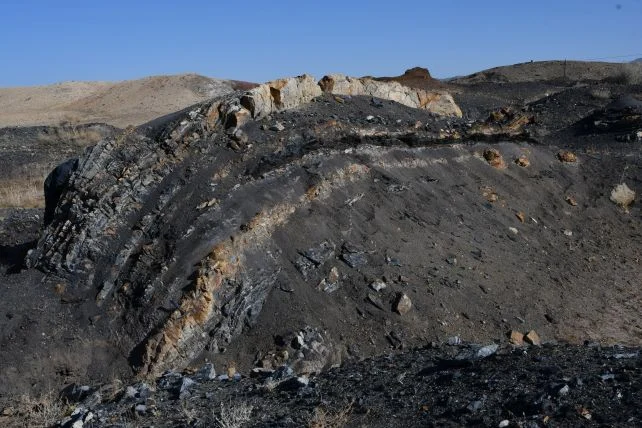
Behold, The World’s Oldest Amber – a Record of a World 385 Million Years Ago
Science Alert has a story about the discovery of the oldest known amber. The amber dates to the Middle Devonian Period, some 385 mullion years ago and about 65 million years older than the previous record holder. Amber is fossilized tree resin, so land plants needed to evolve before amber was possible. This particular amber…
-

Trilobite Tuesday #50: Penn Dixie: Dig With the Experts 2026 – June 13th and 14th, 2026
The Penn Dixie Fossil Park and Nature Center are holding their annual “Dig With the Experts” event on June 13th and 14th, 2026. Details can be found be found on their website. We’ve featured a few trilobites from Penn Dixie for Fossil Friday. I went there a few years ago and had a great time.…
-

Video for ESCONI April 2026 General Meeting – “Life in the Devonian Period, The Age of Fishes”
The April 2026 General Meeting was held on April 10th, 2026 at 8:00 via Zoom. At the meeting, Jessica Hull presented “Life in the Devonian Period, The Age of Fishes.”
-
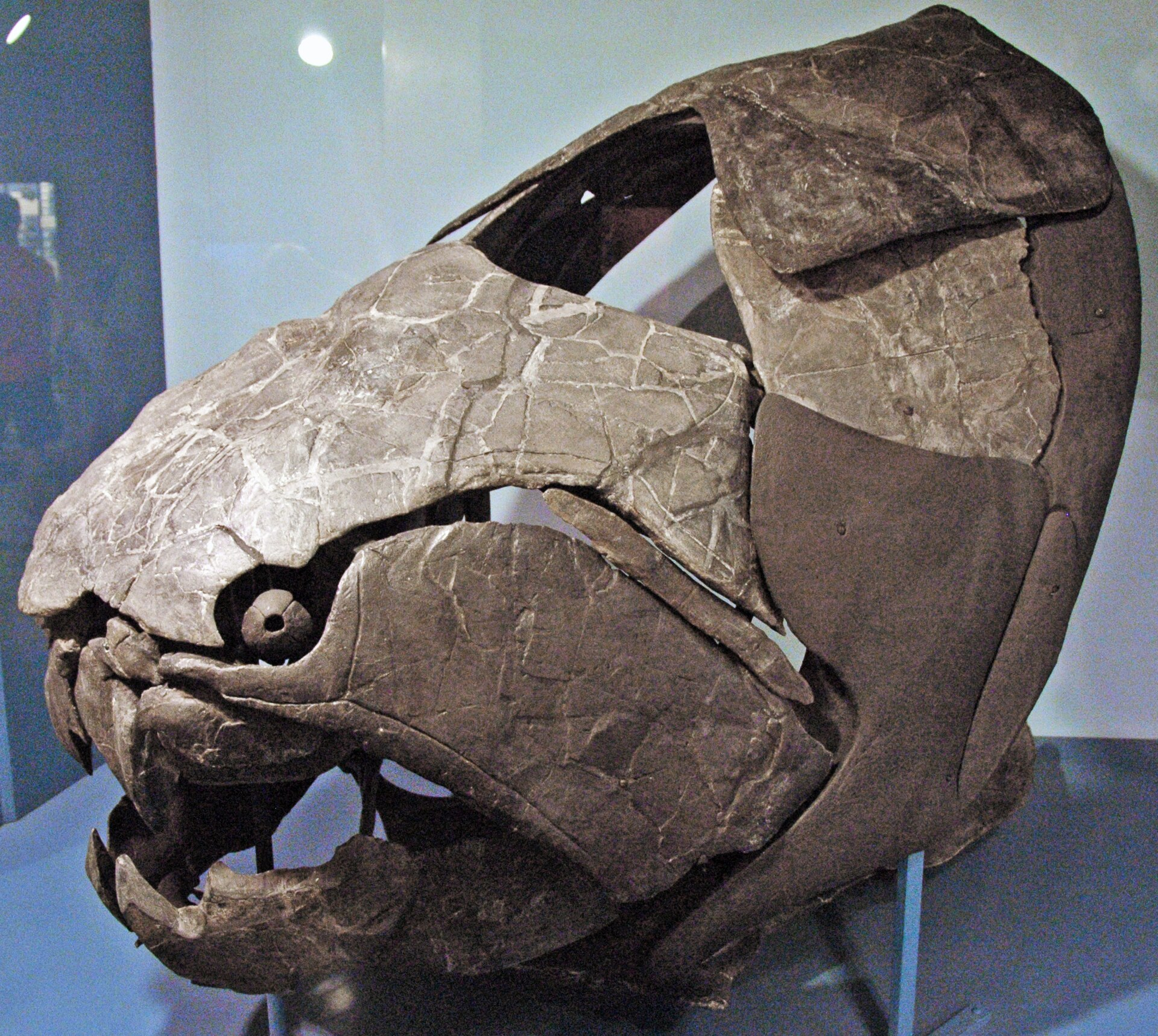
ESCONI April 2026 General Meeting via Zoom – “Life in the Devonian Period, The Age of Fishes”
The April 2026 General Meeting will be held on April 10th, 2026 at 8:00 via Zoom. At the meeting, Jessica Hull will present “Life in the Devonian Period, The Age of Fishes.” The Devonian Period was a crucial moment in the history of life. In this presentation, Jessica Hull will bring fossils to life by…
-

This Fossil Is Rewriting the Story of How Plants Spread across the Planet
Scientific American Magazine has an interesting story about the spread of terrestrial plants during the Early Devonian Period. A paper in the journal Science Advances looked at the origin of lichens. Did they appear before or after the rise of vascular plants? Lichens, which are a composite organism resulting from a symbiotic relationship between a…
-

PBS Eons: That Time Sharks Got Weird
PBS Eons has a new episode. This one is about the “Age of Sharks” or should it be the “Age of Weird Sharks”. Long before the rise of the great whites and hammerheads we know today, sharks and their cartilaginous relatives ruled Earth’s oceans and rivers in astonishing variety. It was the golden age of…
-

Video for ESCONI Paleontology Meeting November 2024 – “Devonian Fossils from Independence”
The ESCONI Paleontology Study Group Meeting for November 2024 featured an interesting presentation by Jim Preslicka. His presentation was titled “Devonian Fossils From Independence”. Jim has a deep interest in cephalopods. The eastern Iowan deposit was discovered by the Blackhawk Gem and Mineral Society in 2007. A joint project between the BHGMS and the University…
-

PBS Eons: Could You Survive The Devonian Period? (with Hank Green!)
PBS Eons has a new episode. This one dsicusses whether humas could survive in the Devonian Period. By the end of the Devonian Period, the land had exploded with plant life and ancient invertebrates. There was also Tiktaalik – one of the first known vertebrates able and willing to move from the water to land.…
-
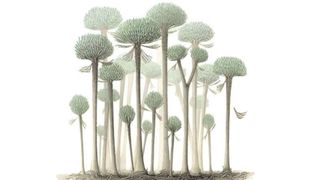
390 million-year-old fossilized forest is the oldest ever discovered
LiveScience has a story about the discovery of a very old fossil forest. Found in southwestern England, this ancient forest dates to around 390 million years ago, during the Devonian Period. That makes it the oldest known fossil forest, about 4 million years older than the Gilboa fossil forest in New York. A description of the…
-

380-Million-Year-Old Fossils of Air-Breathing Tetrapod Fish Found in Australia
SciNews has a story about the discovery of a Devonian tetrapodomorph fish in Australia. Harajicadectes zhumini lived about 380 million years ago near what is now central Australia. The animal was described in the paper “A new stem-tetrapod fish from the Middle–Late Devonian of central Australia” in the journal Vertebrate Paleontology. “Tetrapodomorpha comprises the limbed tetrapods…
-
ESCONI January 2024 Paleontology Study Group Meeting – Saturday, January 20th, 2024 at 7:30 PM via Zoom – “Publishing a New Fossil Find: Our Journey in Cyclocystoids (Echinodermata)”
The January 2024 Paleontology Study Group Meeting will be held on January 20th, 2024 at 7:30 PM via Zoom. The presenters are ESCONI member Asa Kaplan and Terry Frank of Missouri Fossil Hunter. They will be speaking about their experiences publishing a new fossil find. The new find was a cyclocystoid (Echinodermata). Cyclocystoid are odd…
-

They were looking for fossils at Penn Dixie. What they found has shocked the paleontology world
The Buffalo News has a story about a rare find at the Penn Dixie Fossil Park & Nature Reserve in Blasdell, NY, which is near Buffalo in western New York. Carpoids were found while splitting the Devonian shale in the park. Carpoids are rarely found in fossil deposits. They are distant relatives of starfish, sea…
-
Fossil Gorge, uncovered 30 years ago, preserves a 375 million-year-old ocean floor in eastern Iowa
Little Village Magazine has a story about Fossil Gorge in Corralville, Iowa. Fossil Gorge is a fossil locality about four hours from Chicago in central Iowa. The deposit dates to the Devonian Period about 375 million years ago… that’s more than 300 million years before the non-avian dinosaurs go extinct at the end of the…
-
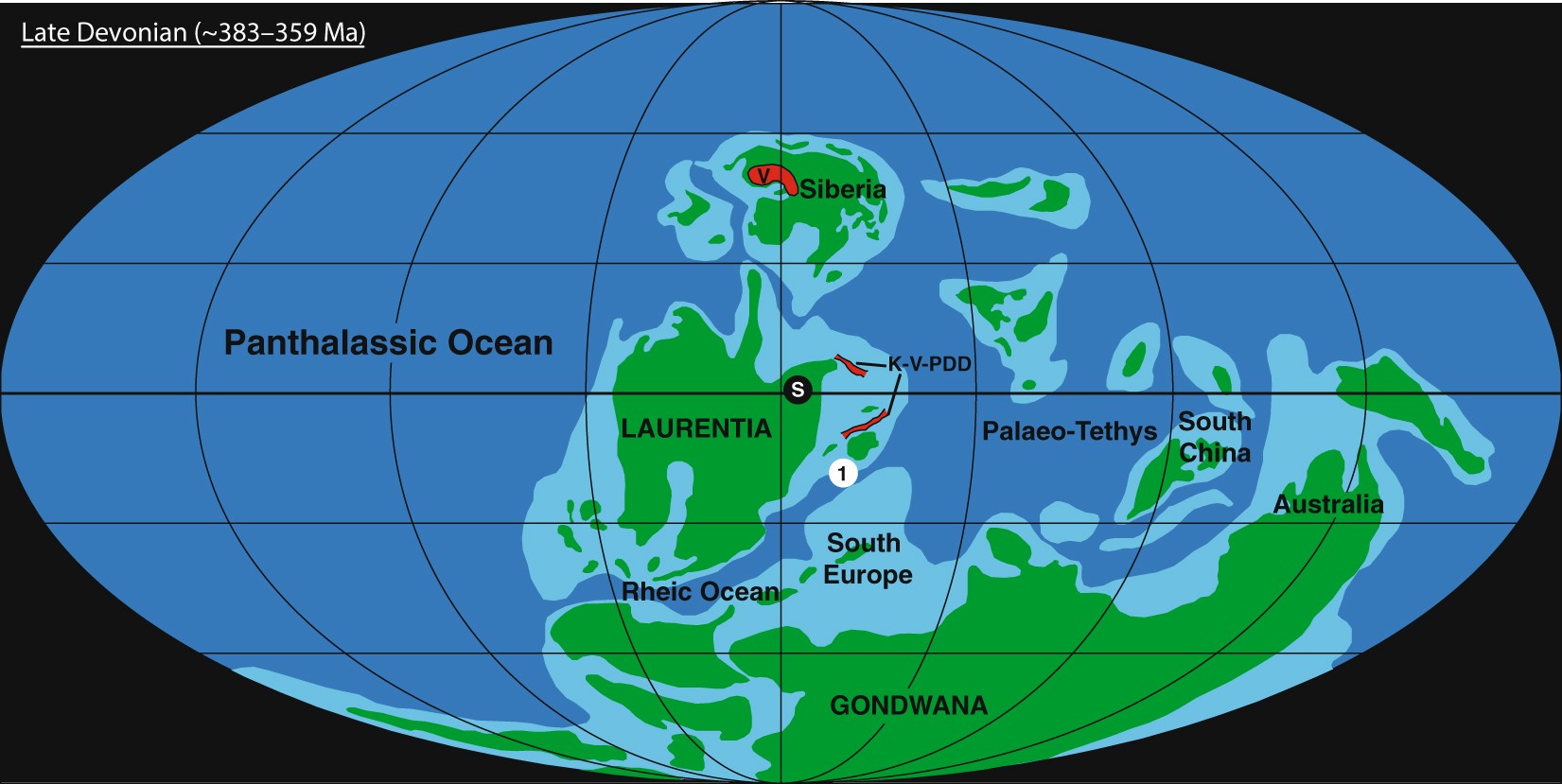
Video for ESCONI Paleontology Meeting January 2023 “The Devonian Period”
The ESCONI Paleontology Sttudy Group Meeting was held on Saturday, January 21st, 2023. The topic was “The Devonian Period”. The presentation was given by ESCONI member and Field Trip Chairman John Catalani. Palaeogeographic map of the Late Devonian world, based on ref.77. The location of Steinbruch Schmidt(1), the Siljan impact crater (S), the Viluy Traps…
-
2023 ESCONI Gem, Mineral, and Fossil Show – Preview #8!
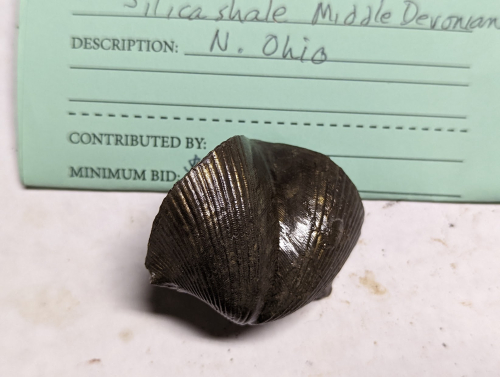
This is the preview post #8 for the 2023 ESCONI Gem, Mineral, and Fossil Show Live Auction. The ESCONI Gem, Mineral, and Fossil Show for 2023 will be held on March 18th and 19th at the DuPage Fairgrounds in Wheaton, IL, which is the same location as last year. All details can be found here.…
-
ESCONI Paleontology Meeting Saturday, January 21st, 2023 at 7:30 PM Zoom – “The Devonian Period”
Palaeogeographic map of the Late Devonian world, based on ref.77. The location of Steinbruch Schmidt(1), the Siljan impact crater (S), the Viluy Traps (V), and the Kola, Vyatka, and Pripyat–Dniepr–Donets rift systems (K-V-PDD) are indicated. The ESCONI Paleontology Sttudy Group Meeting will be held on Saturday, January 21st, 2023 at 7:30 PM via Zoom. The…
-
Fossil Friday #132: Megistocrinus
This is “Fossil Friday” post #132. Expect this to be a somewhat regular feature of the website. We will post any fossil pictures you send in to esconi.info@gmail.com. Please include a short description or story. Check the #FossilFriday Twitter hash tag for contributions from around the world! We have a change pace for this week’s…
-
PBS Eons: Our Ancient Relative That Said ‘No Thanks’ to Life on Land
PBS Eons has a new episode on Youtube. This one is about a particular tetrapod that seems to have returned to the ocean after venturing onto land. Around the time that some of our fishapod relatives were crawling out of the water, others were turning around and diving right back in.
-

These Fins Were Made for Walking … and Then Swimming
An artist’s reconstruction of Qikiqtania wakei, in light green, and its larger cousin, Tiktaalik roseae.Credit…Alex Boersma The New York Times has a story about a newly described fish from the Devonian. Qikiqtania wakei lived about 375 million years ago during the Devonian Period in what is now Nunavut, an Arctic territory of Canada. It was…
-
Video for ESCONI April 2022 General Meeting – “Devonian plants from the famous Red Hill location”
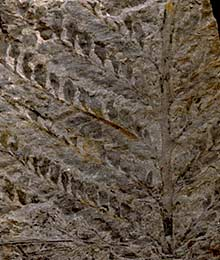
The April 2022 General Meeting was held on Friday, April 8th, 2022. The presentation was “Seeing the Forest for the Fossil Trees – Plants at Red Hill” by Dr. Walt Cressler of West Chester University in Pennsylvania. Red Hill is known for the First Modern Tree and a bunch of very early vertebrates. For information…
-
ESCONI April 2022 General Meeting – April 8th, 2022 at 8:00 PM In-person/Zoom – “Devonian plants from the famous Red Hill location”
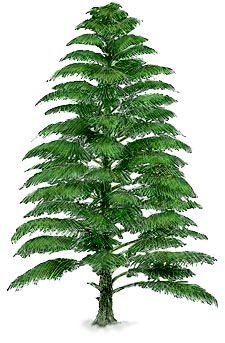
The April 2022 General Meeting will be held at 8:00 PM on Friday, April 8th, 2022. We will be meeting both via Zoom and in person at the College of DuPage in Room 1038B of the Tech Ed (TEC) Building (Map). The presentation will be given by Dr. Walt Cressler of West Chester University in…
-
The world’s oldest fossilized forest is in Greene County. It needs saving
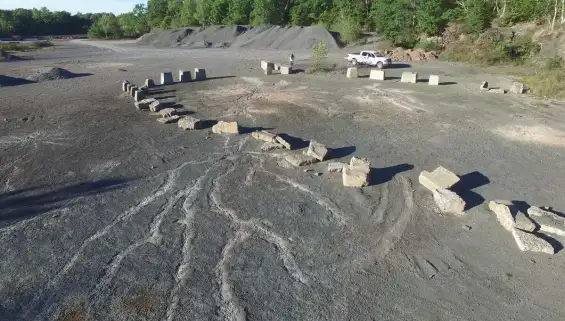
The Times Union in Albany, New York has a story about the world’s oldest fossilized forest. The forest was discovered in a quarry in Cairo, NY, near where other ancient trees were discovered in Gilboa, NY. These lycopsid “tree” fossils date to the Devonian Period, about 400 million years ago. They were described in a…
-
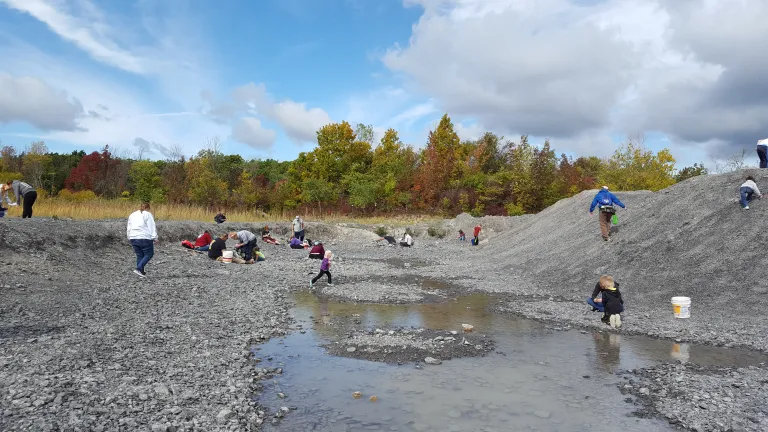
Digging up fun and fossils at Penn Dixie Fossil Park
The Buffalo News has a story about the Penn Dixie Fossil Park. Want to visit the beach this summer? Why not a Devonian beach in New York? If you love fossils, step back in time and collect fossils from an old cement quarry that is absolutely chock full of fossils. Brachiopods, horn corals, and trilobites…
-
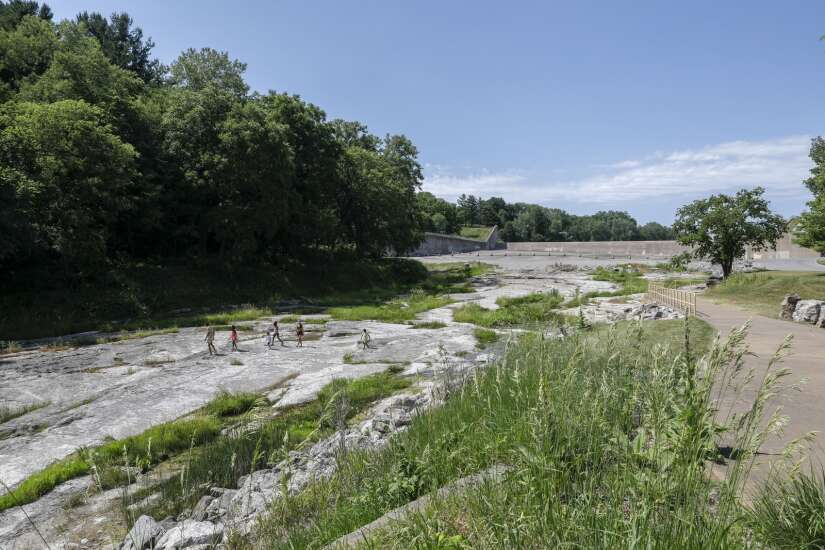
A Day Away: Coralville Lake’s Devonian Fossil Gorge a trip back in time
The Gazette of Cedar Rapids, IA has a story about the Devonian Fossil Gorge in Coralville, IA. It’s just off I-80 in the heart of Iowa… great for a rest stop on your summer vacation. We posted a story from TheTravel about the same place a few weeks ago. It would be a nice place…
-

Longest known continuous record of the Paleozoic discovered in Yukon wilderness
Phys.org has a story about ocean conditions in the early to mid Paleozoic Era. Using a newly discovered contiguous geologic record of the Paleozoic Era discovered in Canada’s Yukon, research, detailed in a recent paper in Science Advances, shows that the low oxygen ocean conditions of the Paleozoic lasted into the Devonian period, which is…
-
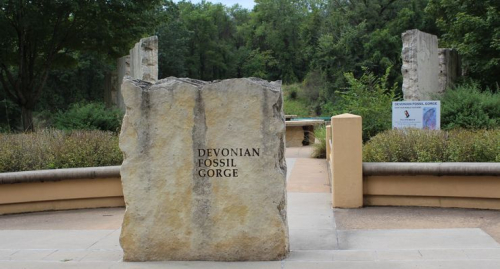
This Fossil Field In Iowa Reveals A Prehistoric Landscape That’s 375 Million Years Old
TheTravel.com has a story about the Devonian Fossil Gorge in Coralville, IA. If you are traveling through Iowa this summer, stop at the Devonian Fossil Gorge just outside Iowa City, IA. There’s a place to rest and stretch your legs, have lunch, and explore the Devonian fossils uncovered by a flood back in 1993. Just…
-
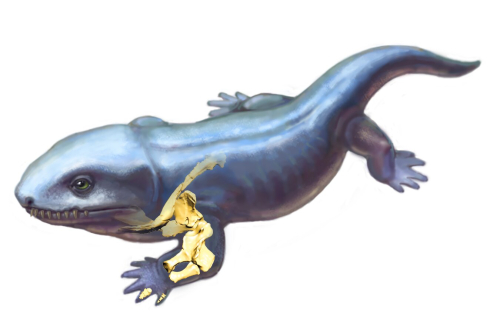
How did forelimb function change as vertebrates acquired limbs and moved onto land?
Phys.org has a piece about some new research that explored how early tetrapods used they newly acquired legs. It’s generally accepted that tetrapods migrated from water to land about 390 million years ago, during the Devonian Period. And, while the stages in the transition are understood, this research was about function…. How did the animals…
-
Trilobite Tuesday #25: Fossils of New Trilobite Species Found in Tasmania
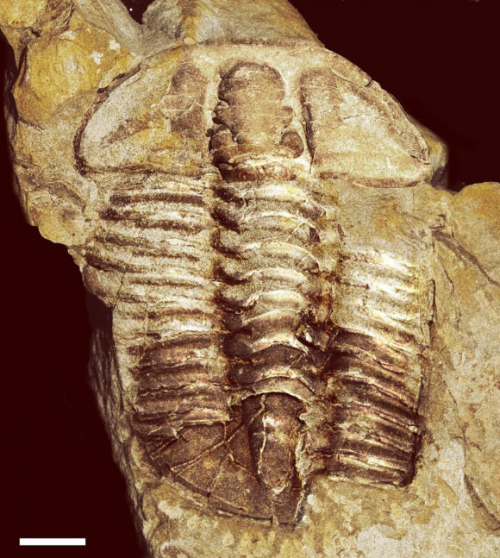
SciNews has a piece about a new species of trilobites from Tasmania. A new species of the genus Gravicalymene has been named. It’s called Gravicalymene bakeri after the actor Thomas Stewart Baker, the fourth actor to play the title character in the television series “Doctor Who”. This animal lived about 450 million years ago during…
-
Fossil Friday #21: Crinoid from Arkona, Ontario, Canada
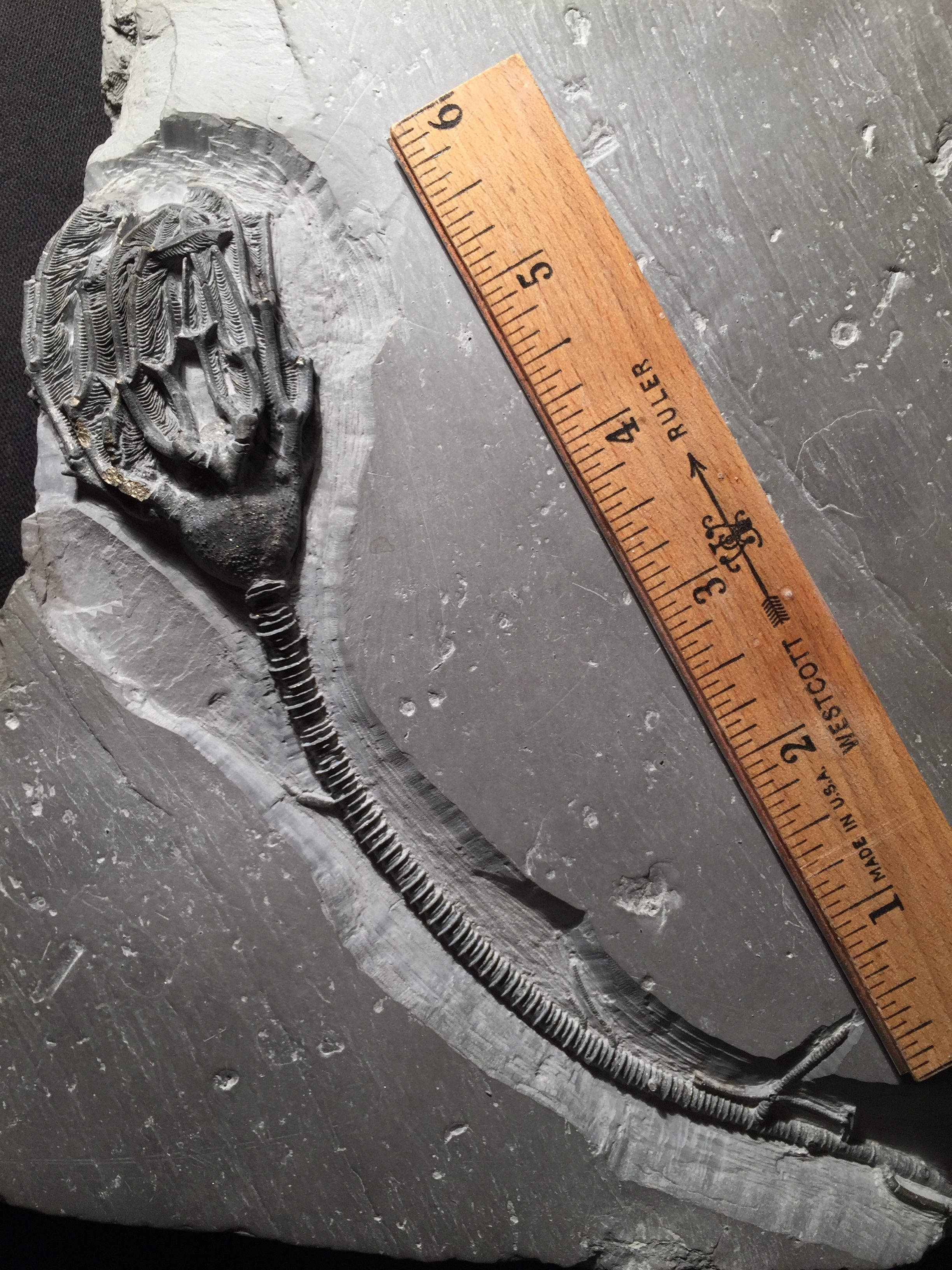
This is the “Fossil Friday” post #21. Expect this to be a somewhat regular feature of the website. We will post any fossil pictures you send in to esconi.info@gmail.com. Please include a short description or story. Check the #FossilFriday Twitter hash tag for contributions from around the world! This week’s fossil is an excellent crinoid…

