Tag: Carboniferous
-
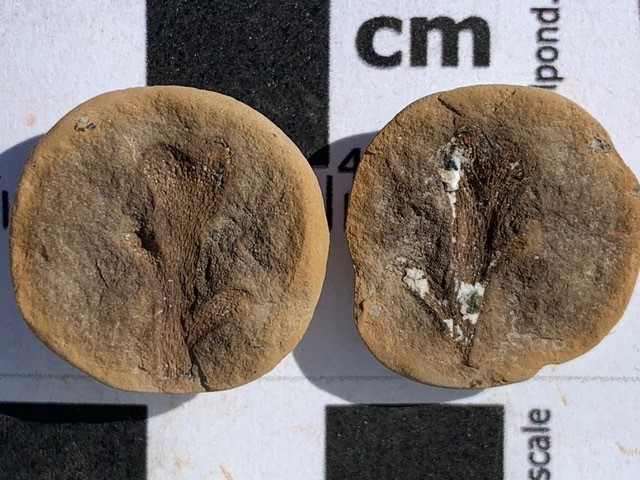
Mazon Monday #262: Kankakeea grundyi
This is Mazon Monday post #262. What’s your favorite Mazon Creek fossil? Tell us at email:esconi.info@gmail.com. Kankakeea grundyi was a bud used for vegetative reproduction, that, once shed, would grow a new fern. It has been associated with Crenulopteris acadica, as they have been found in association. It is rare and a usually found in…
-

Fossil Friday #258: Asterophyllites equisetiformis from Braceville!
We have another Calamites related specimen for this week’s Fossil Friday. Asterophyllites equisetiformis was part of the foliage for Calamites. Remember Calamites is an extinct species of modern day horsetails, which belong to the genus Equisetum. During the Carboniferous, they were quite diverse, with some forms growing very tall, reaching 30 meters (98 feet!). They…
-
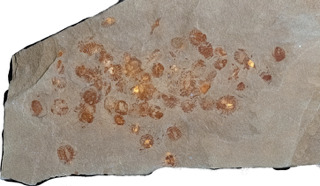
Mazon Monday #261: Bear Gulch Cyclids
This is Mazon Monday post #261. What’s your favorite Mazon Creek fossil? Tell us at email:esconi.info@gmail.com. Who doesn’t like a nice cyclid fossil? Well, the Lauers (and friends) are here with a full plate of them… The fossil plate comes from the legendary Bear Gulch locality in Montana, US. The Bear Gulch Beds of the…
-

Fossil Friday #257: Calamostachys tuberculata Cone from the Mazon River
This is the “Fossil Friday” post #257. This is a regular feature of the website. We will post any fossil pictures you send in to esconi.info@gmail.com. Please include a short description or story. Check the hash tag #FossilFriday on Twitter/X and Bluesky for contributions from around the world! —————————————————– We have a gorgeous Calamostachys tuberculata…
-
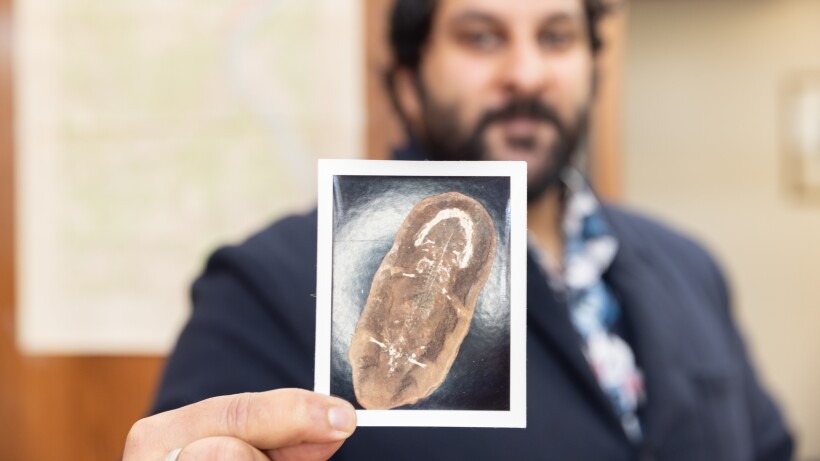
Mazon Monday #260: Mazon Creek and the Field Museum in the News!
This is Mazon Monday post #260. What’s your favorite Mazon Creek fossil? Tell us at email:esconi.info@gmail.com. Sorry for the delay today. Typepad was having technical difficulties. WBEZ had a recent story about Mazon Creek fossils. Some of our favorite scientists at the Field Museum were mentioned in the article. Inside the fossil hunt: Digging for…
-

Fossil Friday #256: Mazon Creek Millipede
This is the “Fossil Friday” post #256. This is a regular feature of the website. We will post any fossil pictures you send in to esconi.info@gmail.com. Please include a short description or story. Check the hash tag #FossilFriday on Twitter/X and Bluesky for contributions from around the world! —————————————————– For this week, we have Euphoberia,…
-
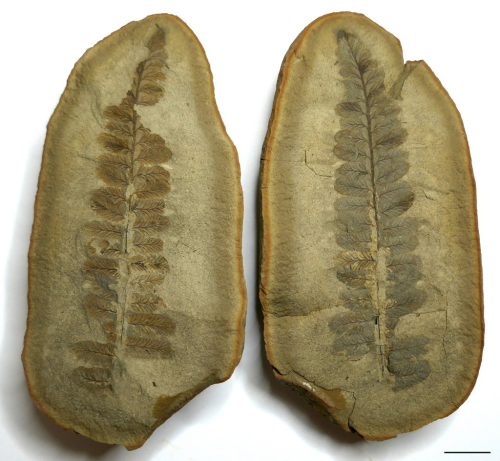
Mazon Monday #259: Pecopteris bucklandii
This is Mazon Monday post #259. What’s your favorite Mazon Creek fossil? Tell us at email:esconi.info@gmail.com. Pecopteris bucklandii is one of the rarer ferns from Mazon Creek. Like all the true ferns from Mazon Creek, P. bucklandii is an extinct species of the class Filcopsida. It’s fronds have been associated with the Caboniferous tree fern…
-
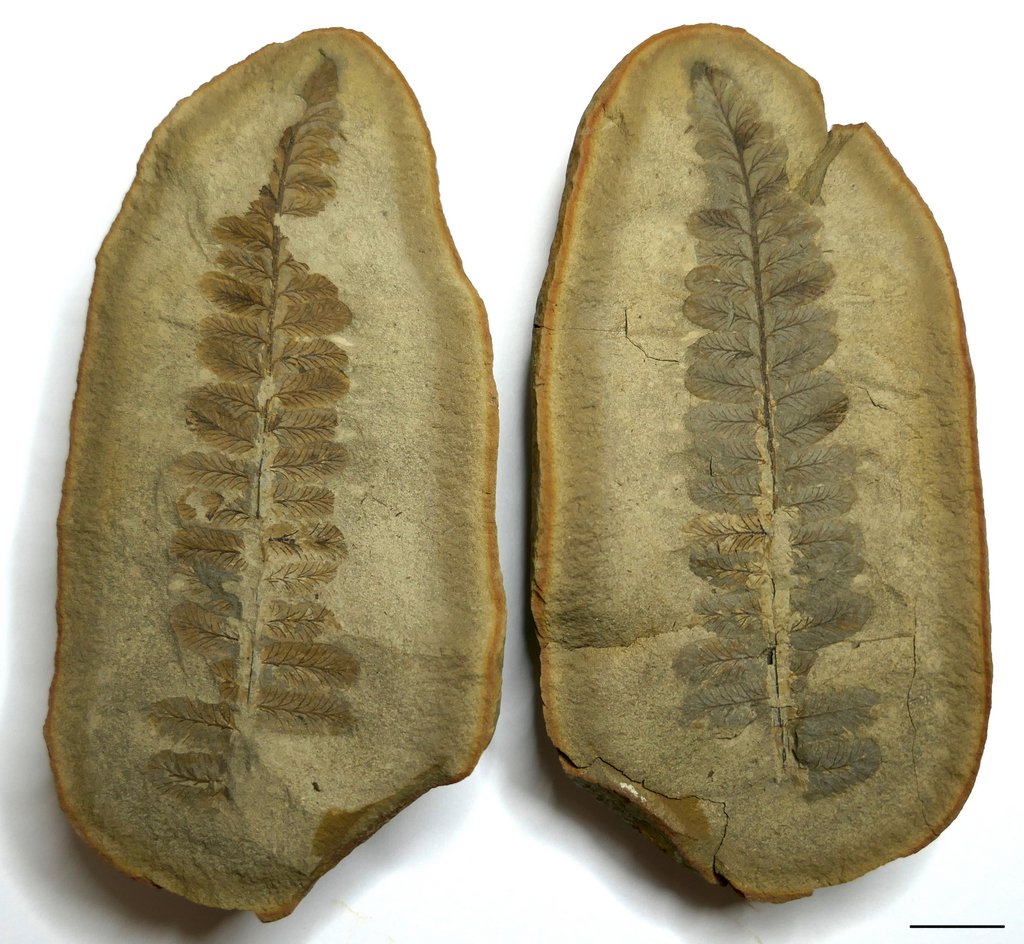
Fossil Friday #255: Pecopteris bucklandii
This is the “Fossil Friday” post #255. This is a regular feature of the website. We will post any fossil pictures you send in to esconi.info@gmail.com. Please include a short description or story. Check the hash tag #FossilFriday on Twitter/X and Bluesky for contributions from around the world! —————————————————– We have a very rare Mazon…
-
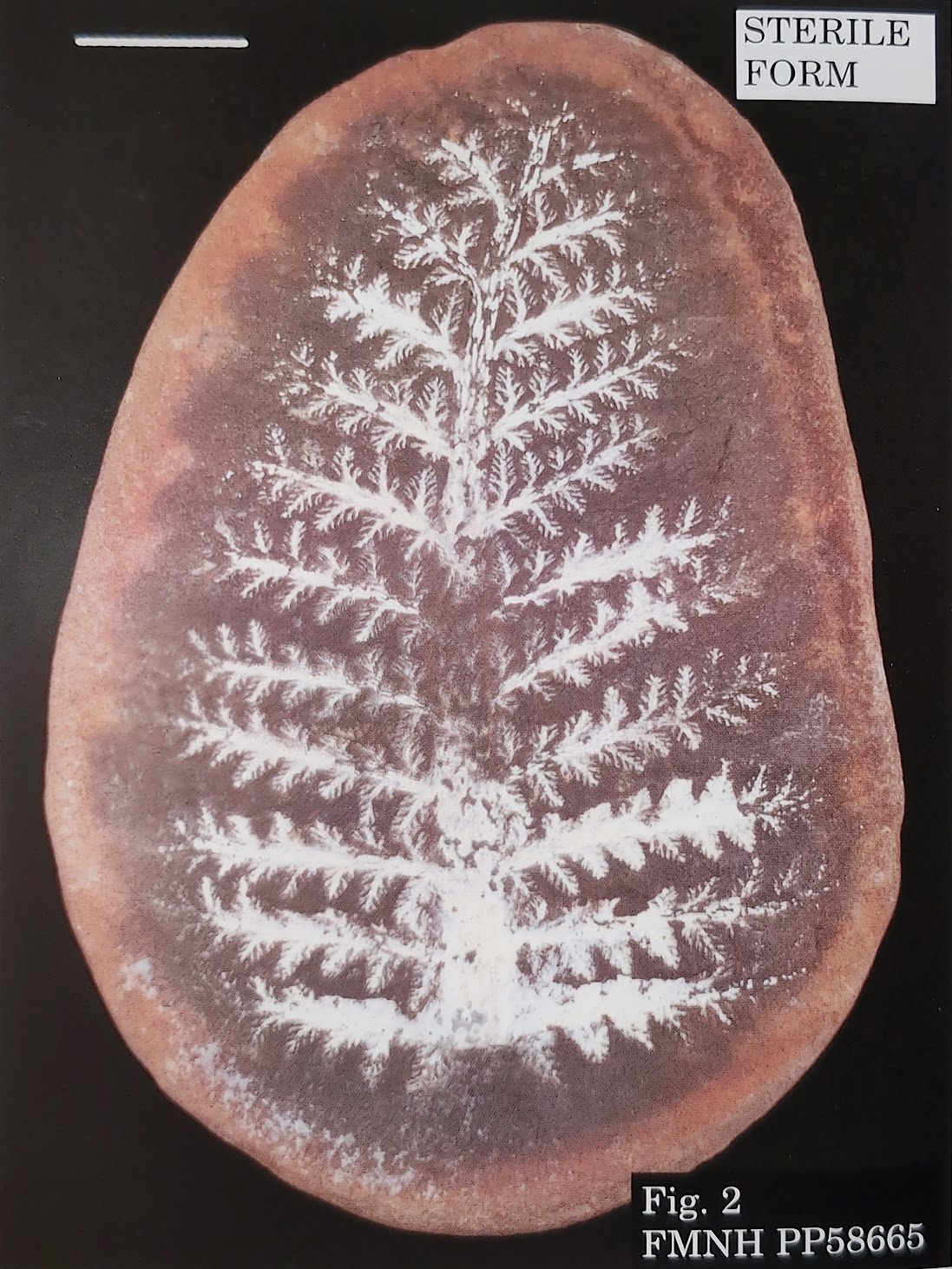
Mazon Monday #258: Myriotheca scaberrima
Myriotheca scaberrima is a very rare fern, which was originally only known from fertile foliage. It was named by Leo Lesquereux as Sphenopteris scaberrima in 1870. In 1901, it was reclassified as Myriotheca scaberrima by Elias Howard Sellards (1875 – 1961). Sellards was a paleontologist, geologist, and anthropologist. The Texas State Historical Association has a…
-

Fossil Friday #254 – Sphenophyllum emarginatum
This is the “Fossil Friday” post #254. Expect this to be a somewhat regular feature of the website. We will post any fossil pictures you send in to esconi.info@gmail.com. Please include a short description or story. Check the hash tag #FossilFriday on Twitter/X and Bluesky for contributions from around the world! —————————————————– Sphenophyllum emarginatum is…
-
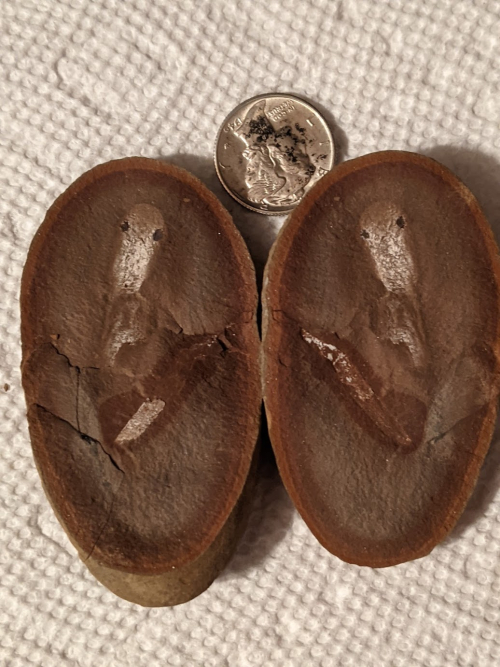
Mazon Monday #257: Mazon Creek Fossil Species Named for ESCONI
ESCONI has played a significant role in the study of the Mazon Creek fossil biota. Its members have authored at least nine books on the subject, beginning with George Langford, Sr. in the late 1950s and early 1960s, followed by the ESCONI Keys and Creature Corner books of the 1980s and 1990s, and most recently,…
-

Fossil Friday #253 – Macroneuropteris scheuchzeri
This is the “Fossil Friday” post #253. Expect this to be a somewhat regular feature of the website. We will post any fossil pictures you send in to esconi.info@gmail.com. Please include a short description or story. Check the #FossilFriday Twitter hash tag for contributions from around the world! —————————————————– This week, we have a beautiful…
-
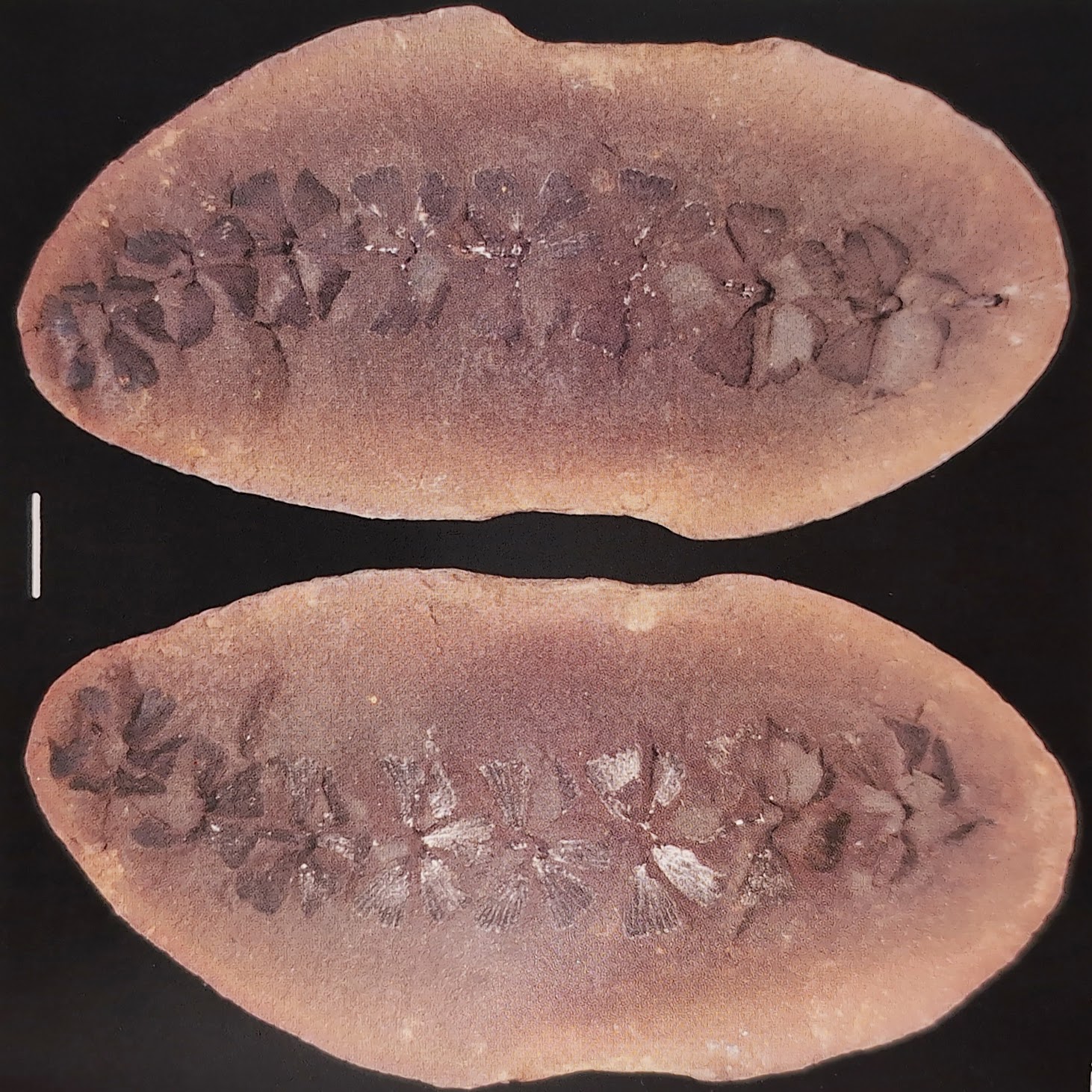
Mazon Monday #256: Sphenophyllum emarginatum
This is Mazon Monday post #256. What’s your favorite Mazon Creek fossil? Tell us at email:esconi.info@gmail.com. Sphenophyllum emarginatum is a species in the order Sphenophyllales, which is an extinct order of plants that existed from the late Pennsylvanian to the Early Permian. They are a sister taxa to the present day Equisetales (horsetails). The parent…
-

Fossil Friday #252: Oligocarpia gutbierii
This is the “Fossil Friday” post #252. Expect this to be a somewhat regular feature of the website. We will post any fossil pictures you send in to esconi.info@gmail.com. Please include a short description or story. Check the hash tag #FossilFriday on Twitter/X and Bluesky for contributions from around the world! Oligocarpia gutbierii is a herbaceous…
-
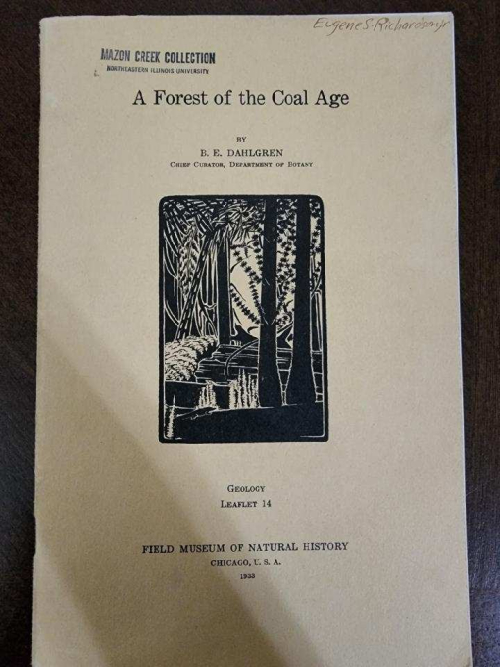
Mazon Monday #255: A Forest of the Coal Age
This is Mazon Monday post #255. What’s your favorite Mazon Creek fossil? Tell us at email:esconi.info@gmail.com. Over the years, the Field Museum published many pamphlets, leaflets, journals, bulletins, etc. There’s a page on the museum website dedicated to sharing that wealth of knowledge. The popular/leaflet series was a series of booklets on popular topics for…
-

Fossil Friday #251: A “Museum Quality” Alethopteris serlii
This is the “Fossil Friday” post #251. Expect this to be a somewhat regular feature of the website. We will post any fossil pictures you send in to esconi.info@gmail.com. Please include a short description or story. Check the hash tag #FossilFriday on Twitter/X and Bluesky for contributions from around the world! It’s Fossil Friday, and…
-

Mazon Monday #254: Pit 11 Concretions
In less than a month, fossil collecting season will begin at the IDNR Mazonia-Braidwood State Fish and Wildlife Area. Many of you are likely eager to get out there before the vegetation returns and obscures the concretions scattered on the ground. Spring is the prime season for fossil hunting at Pit 11, the original name…
-

Fossil Friday #250: Alethopteris sullivantii
This is the “Fossil Friday” post #250. Expect this to be a somewhat regular feature of the website. We will post any fossil pictures you send in to esconi.info@gmail.com. Please include a short description or story. Check the hash tag #FossilFriday on Twitter/X and Bluesky for contributions from around the world! Today, we’re featuring a…
-
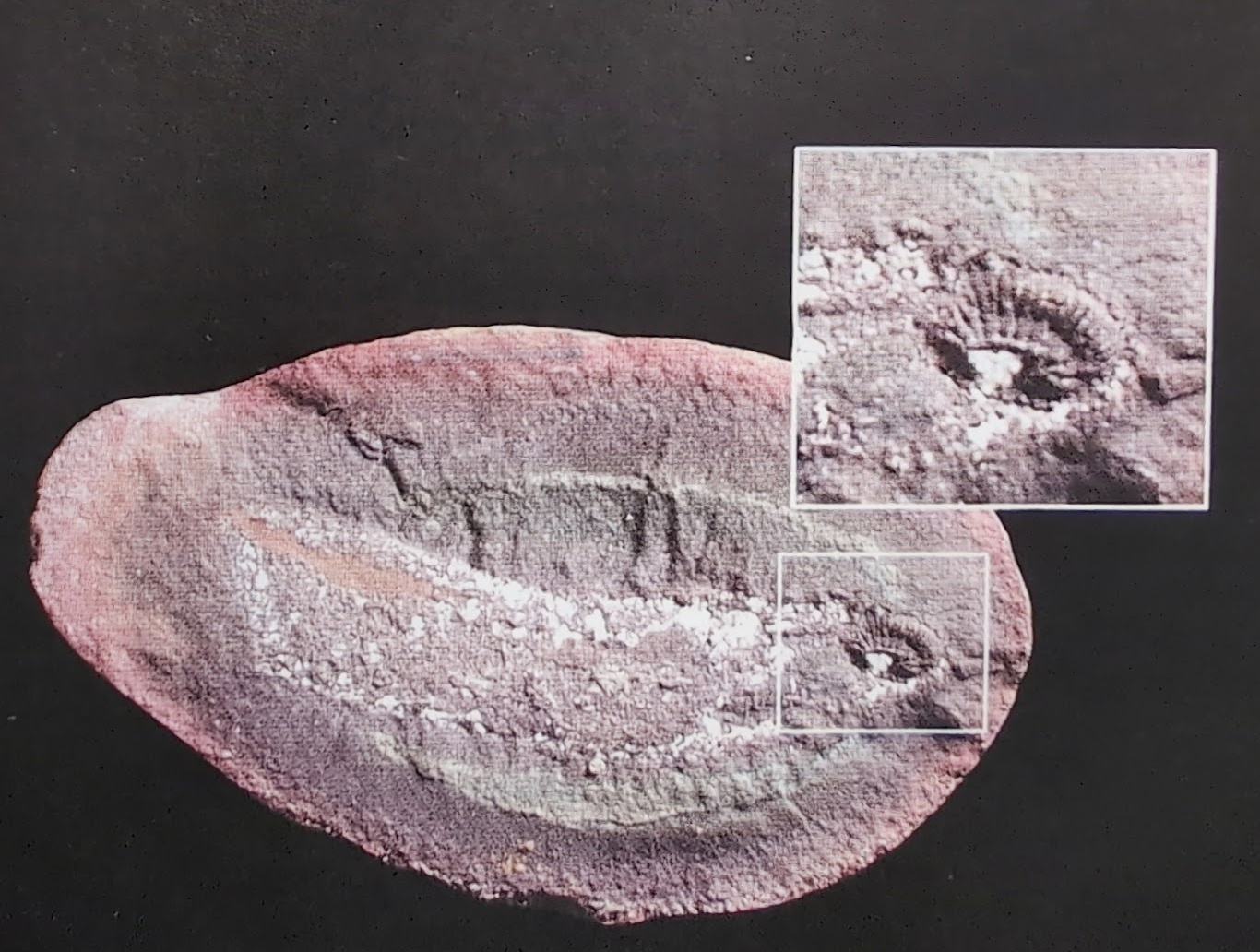
Mazon Monday #253: Pipiscius zangerli
Pipiscius zangerli is an extinct species of lamprey that lived 307-309 million years ago, during the Middle Pennsylvanian Epoch of the Carboniferous Period. It has a distinctive crown-like mouth comprising a ring of radially arranged teeth. It is known from the Mazon Creek fossil beds located in present-day Illinois. It was described by David Bardack…
-
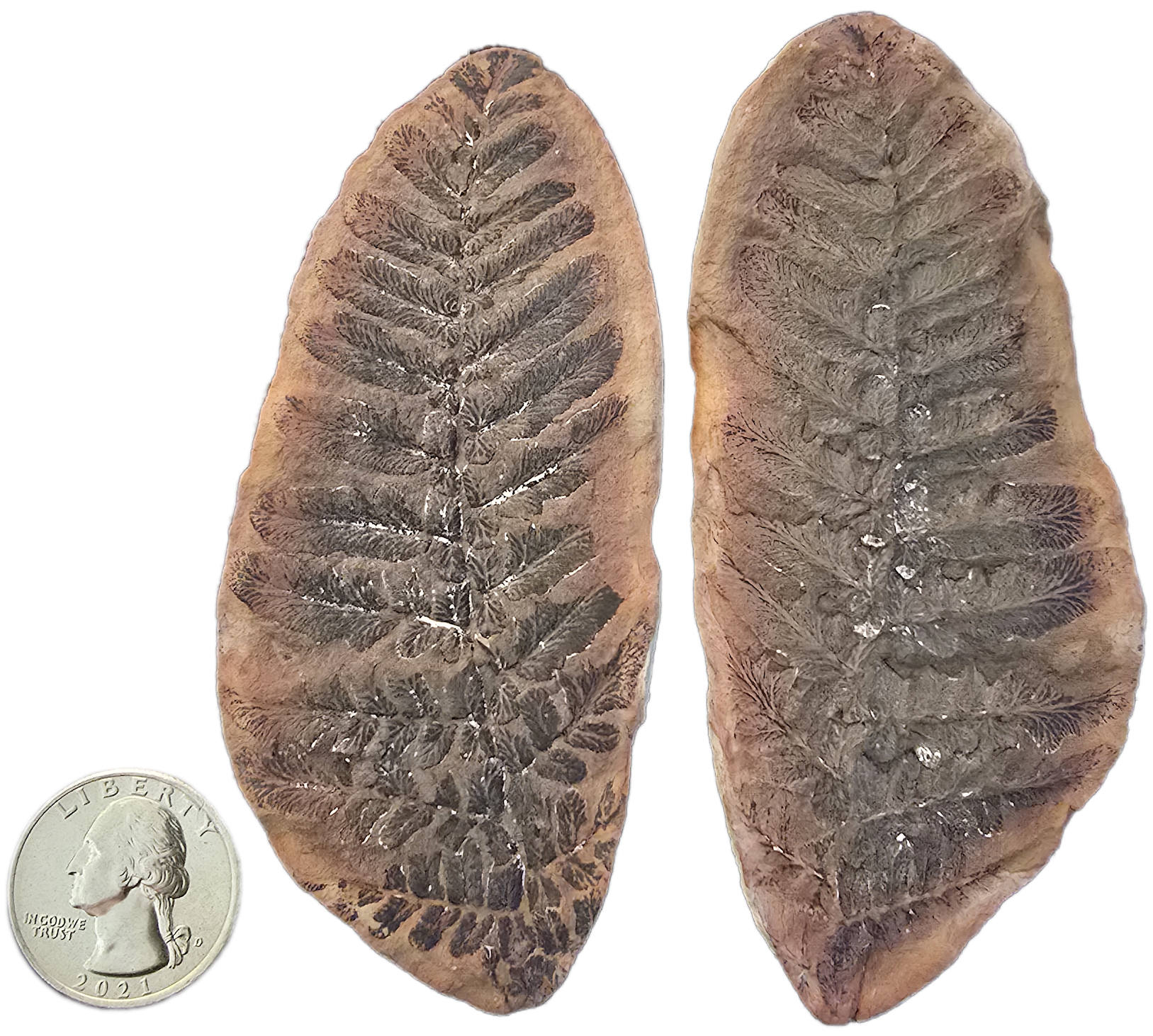
Fossil Friday #249: Reticulopteris muensterii
This is the “Fossil Friday” post #249. Expect this to be a somewhat regular feature of the website. We will post any fossil pictures you send in to esconi.info@gmail.com. Please include a short description or story. Check the hash tag #FossilFriday on Twitter/X and Bluesky for contributions from around the world! For this week, we…
-
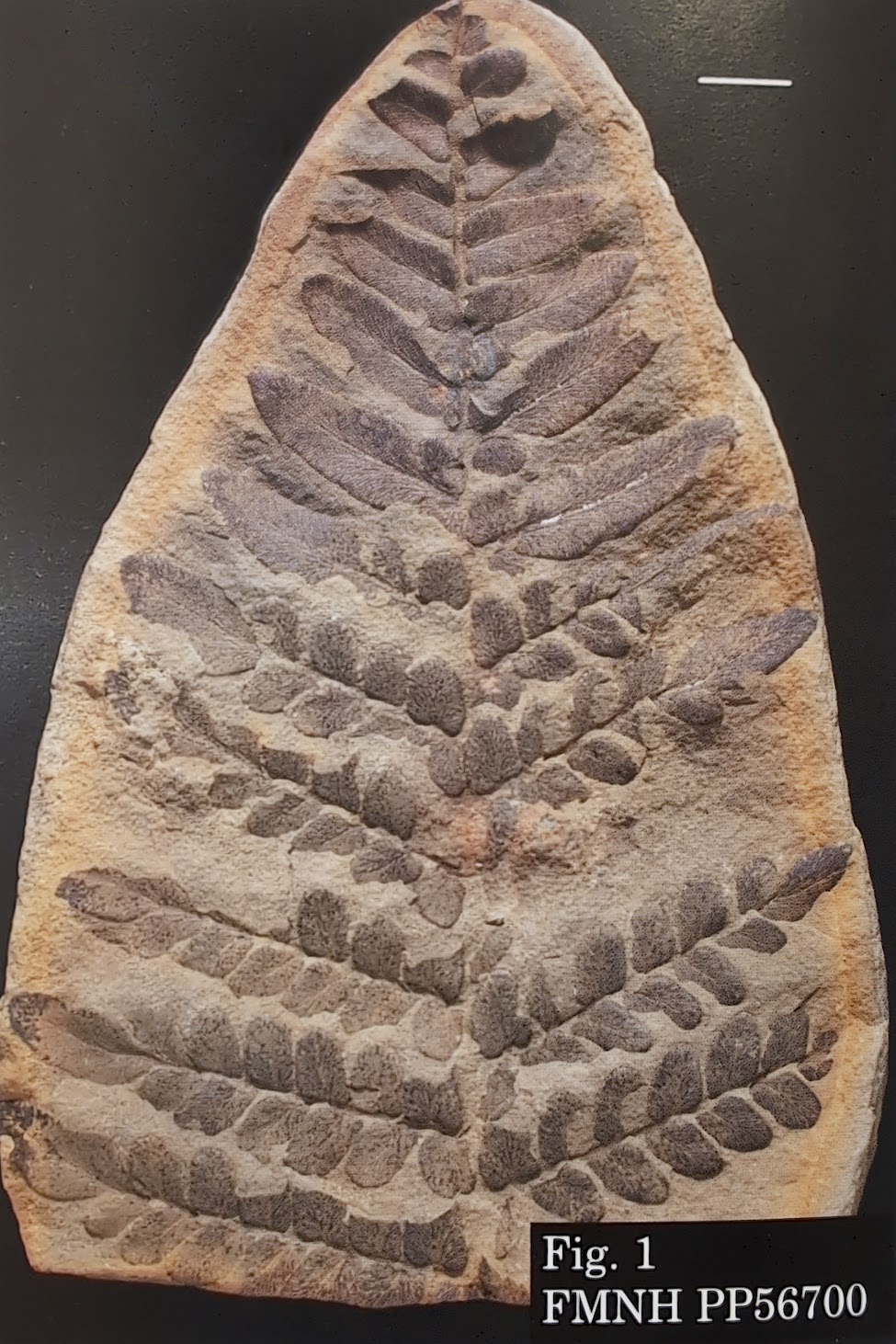
Mazon Monday #252: Reticulopteris muensterii var. dawsonii
This is Mazon Monday post #252. What’s your favorite Mazon Creek fossil? Tell us at email:esconi.info@gmail.com. Reticulopteris munsterii var. dawsonii was a seed fern found in the Mazon Creek fossil deposit. It is fairly uncommon. Except for the venation, the pinnules resemble Macroneuropteris scheuchzeri. In M. scheuchzeri the veins run in parallel, while Reticulopteris munsterii…
-
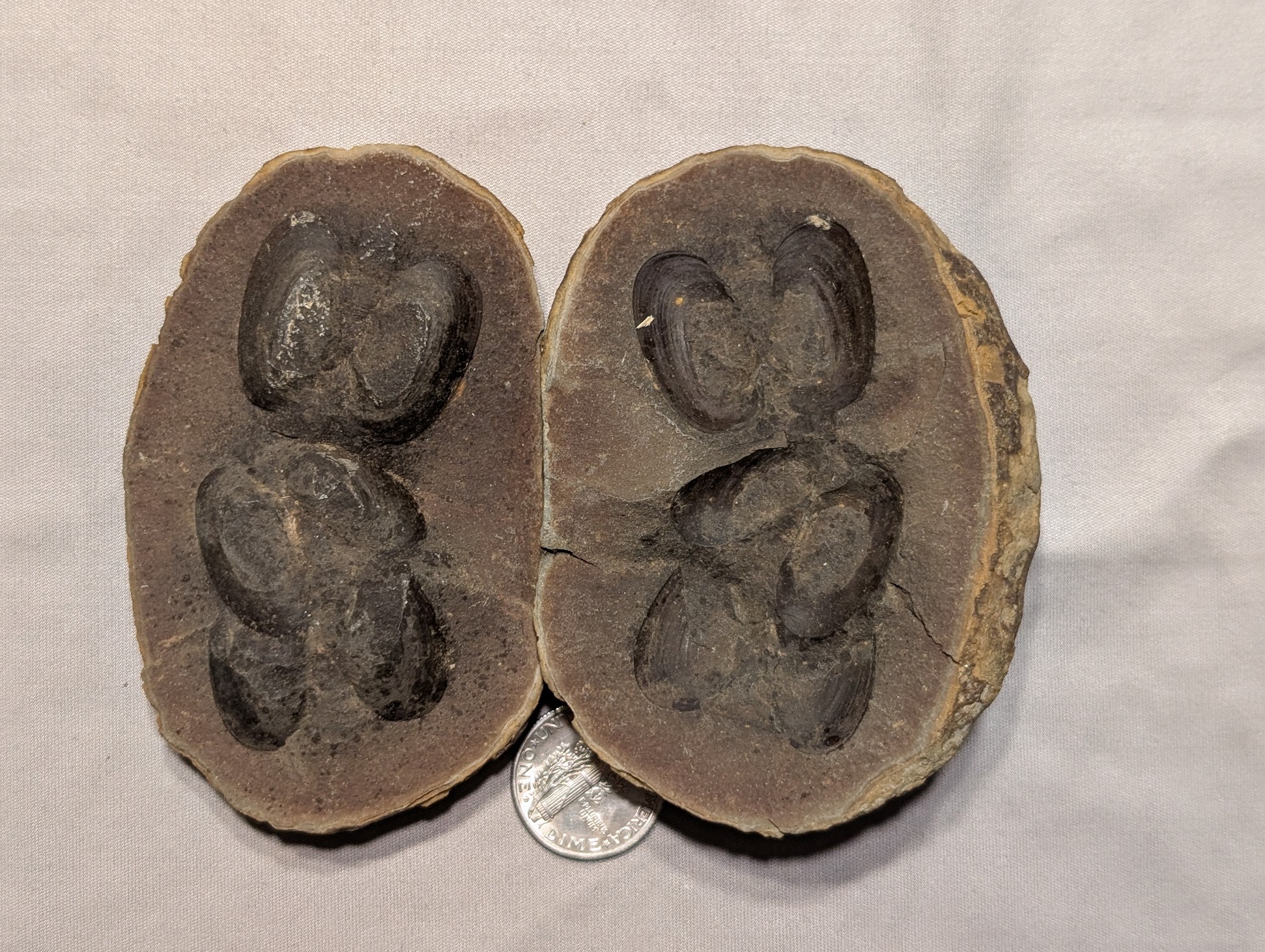
Fossil Friday #248: A Triple Mazonomya mazonensis
This is the “Fossil Friday” post #248. Expect this to be a somewhat regular feature of the website. We will post any fossil pictures you send in to esconi.info@gmail.com. Please include a short description or story. Check the hash tag #FossilFriday on Twitter/X and Bluesky for contributions from around the world! Today, we have a…
-
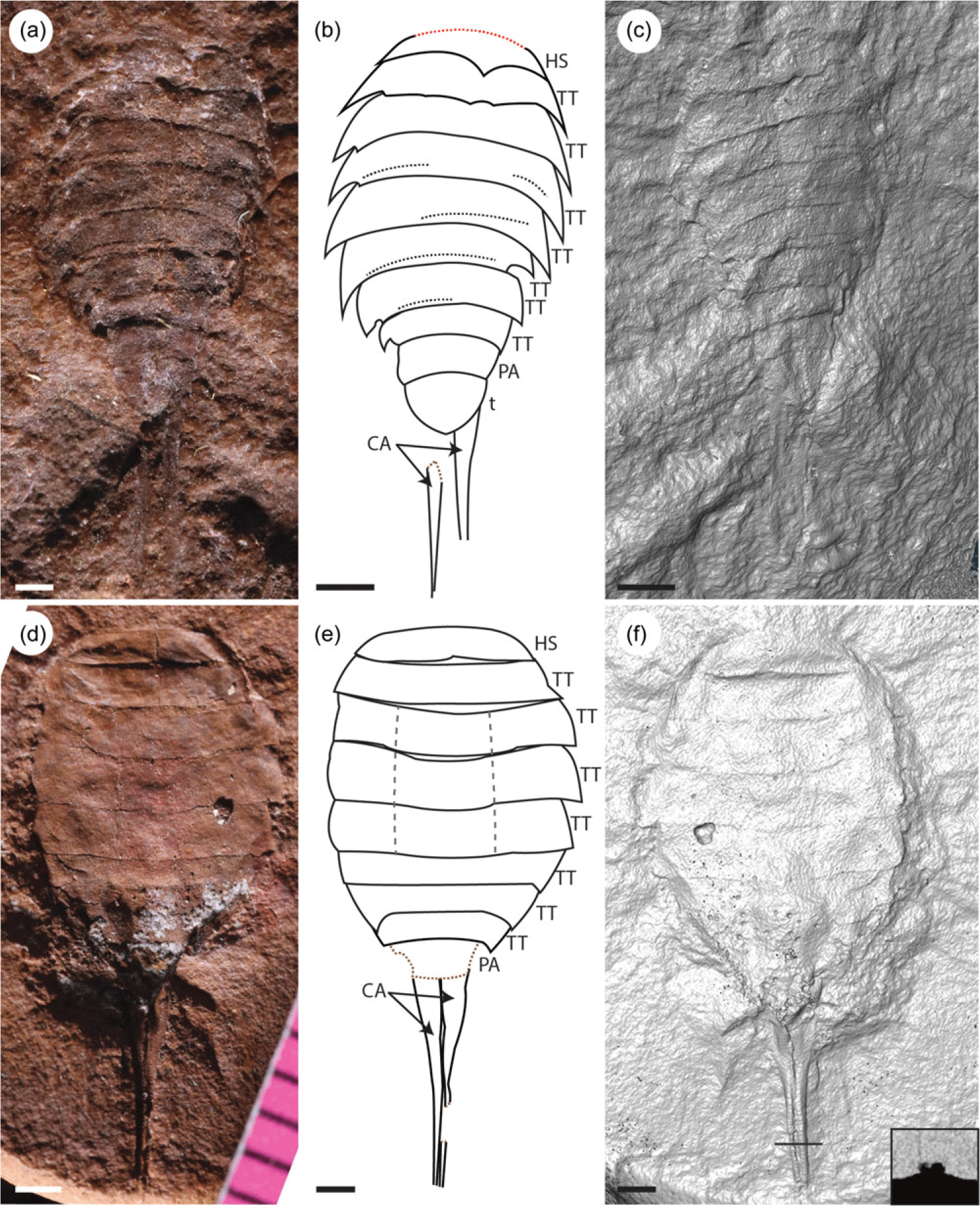
Mazon Monday #251: Tardisia broedeae
This is Mazon Monday post #251. What’s your favorite Mazon Creek fossil? Tell us at email:esconi.info@gmail.com. The Mazon Creek fossil fauna has a new member!. Hot off the internet presses, we present to you… Tardisia broedeae gen. et sp. nov (new species and new genus). The animal was described in the paper “A possible vicissicaudatan…
-

Fossil Friday #247: Acanthotelson stimpsoni
This is the “Fossil Friday” post #247. Expect this to be a somewhat regular feature of the website. We will post any fossil pictures you send in to esconi.info@gmail.com. Please include a short description or story. Check the hash tag #FossilFriday on Twitter/X and Bluesky for contributions from around the world! Acanthotelson stimpsoni was a…
-

Mazon Monday #250: Neuropteris jacksonii
This is Mazon Monday post #250. What’s your favorite Mazon Creek fossil? Tell us at email:esconi.info@gmail.com. Neuropteris jacksonii was named by William Culp Darrah (1909-1989) in 1969, who was an educator, paleontologist, geologist, botanist, and historian. His “A Critical Review of the Upper Carboniferous Floras of the Eastern United States” and many, many professional paper…
-

Fossil Friday #246: Macroneuropteris macrophylla
This is the “Fossil Friday” post #246. Expect this to be a somewhat regular feature of the website. We will post any fossil pictures you send in to esconi.info@gmail.com. Please include a short description or story. Check the hash tag #FossilFriday on Twitter/X and Bluesky for contributions from around the world! —————————————————– Here is a…
-

Mazon Monday #249: Pecopteris oreopteridia
This is Mazon Monday post #249. What’s your favorite Mazon Creek fossil? Tell us at email:esconi.info@gmail.com. Pecopteris oreopteridia is a fern from the Carboniferous Period, which has been found in the Mazon Creek fossil deposits. It is fairly uncommon and resembles Crenulopteris acadica in appearance (see Mazon Monday #115). Besides the crenulated edge on mature…
-

Fossil Friday #245: Tullymonstrum gregarium
This week’s fossil is a Tully Monster, which are always popular fossils. Tullymonster gregarium come in all shapes and sizes. It got both its common and scientific names from Eugene Richardson, Jr., who was the Curator of Fossil Invertebrates at the Field Museum for many years. Legend has it that Francis Tully brought in some…
-
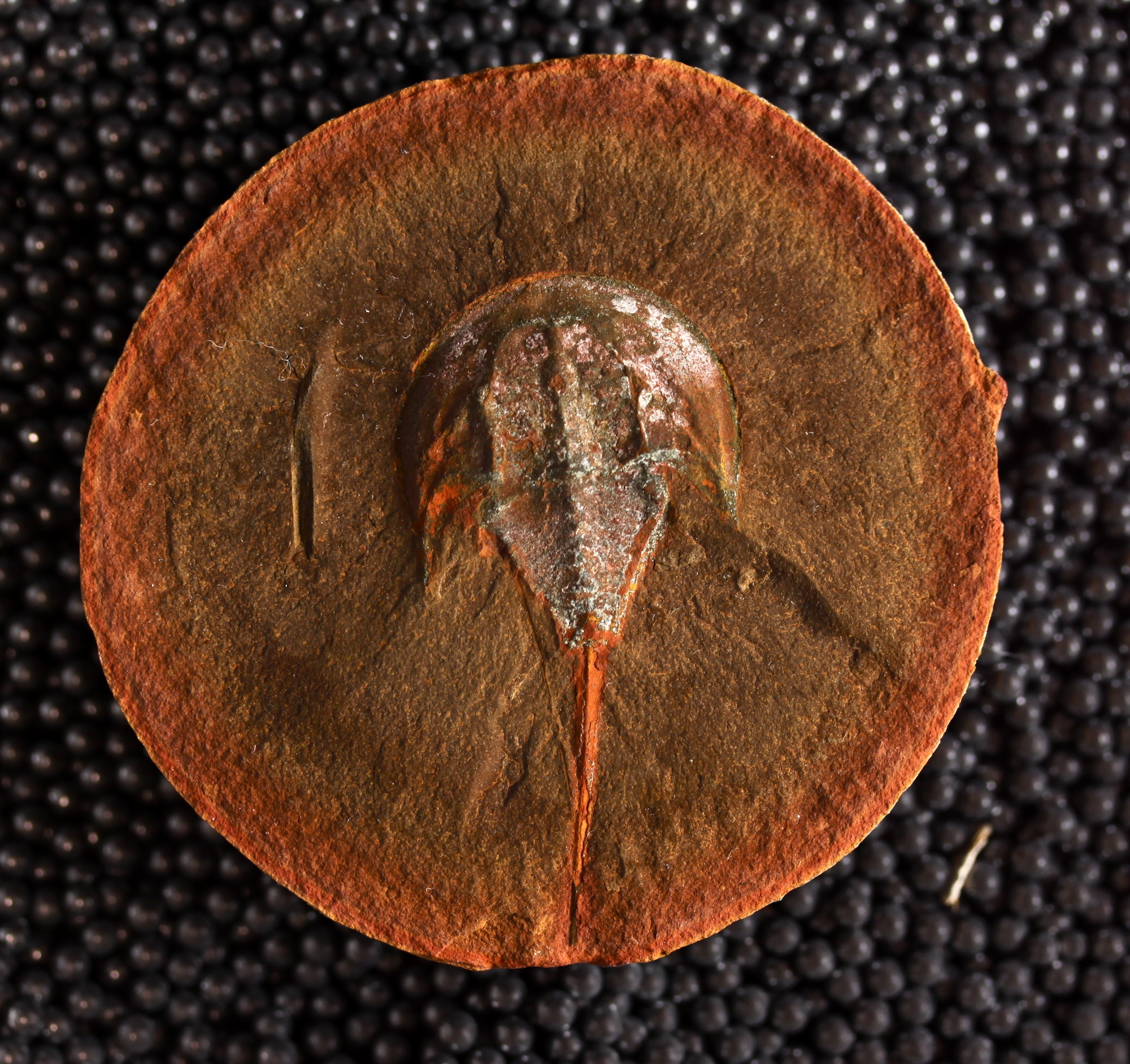
Mazon Monday #248: Paleolimulus mazonensis
There are currently 3 recognized species of horseshoe crab known from the Mazon Creek deposit – Euproops danae, Paleolimulus sp., and Liomesaspis laevis. Euproops danae is the most commonly found species. Until 2022, Paleolimulus was largely undescribed. In 2022, Russel D. C. Bicknell, Serge V. Naugolmukh, and Scott C. McKenzie published the paper “On Paleolimulus…
-
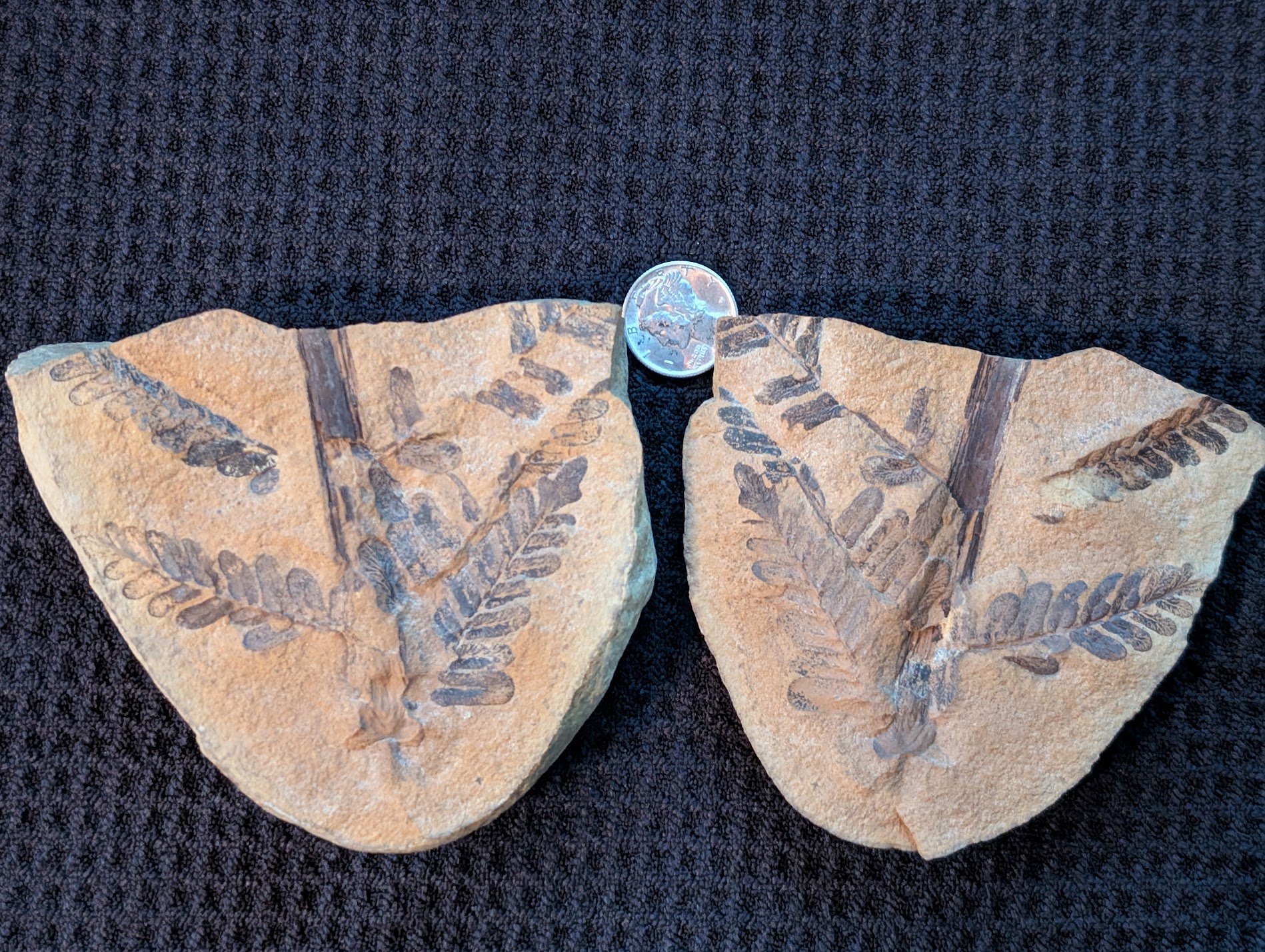
Fossil Friday #244: A beautiful Laveiniopteris from Knob Noster
The Knob Noster, Missouri fossil deposit is contemporaneous with Mazon Creek, which dates to 307 – 309 million years ago. Back in the Pennsylvanian, a large bay separated the two deposits. The red dot below represents Wilmington, IL 300 million years ago. Looking at the outline of Missouri, Knob Noster is in the middle west…
