
-

Throwback Thursday #88: Looking Back at ESCONI for December 2021
Read more: Throwback Thursday #88: Looking Back at ESCONI for December 2021This is Throwback Thursday #88. In these, we look back into the past at ESCONI specifically and Earth Science in general. If you have any contributions, (science, pictures, stories, etc …), please send them to esconi.info@gmail.com. Thanks! 25 Years Ago – December 1996 50 Years Ago – December 1971 70 Years Ago – December 1951
-

Facial reconstruction shows powerful Bronze Age woman’s serene expression and huge earrings
Read more: Facial reconstruction shows powerful Bronze Age woman’s serene expression and huge earringsLive Science has a story about some facial reconstruction performed on a Bronze Age woman’s skull. Researchers in Spain, discovered the remains of the woman in 2014. She was buried with lavish jewelry – including a diadem, beaded necklaces, silver-crafted rings, bracelets, spiral hairpieces and earplugs with spirals, as well as a silver-rimmed drinking pot and silver-handled awl, a tool used to piece textiles. The find was described in the journal Antiquity earlier this year. A “powerful, maybe even frightening” woman buried with a silver diadem in Bronze Age Spain now has a virtually reconstructed face that shows her wearing…
-
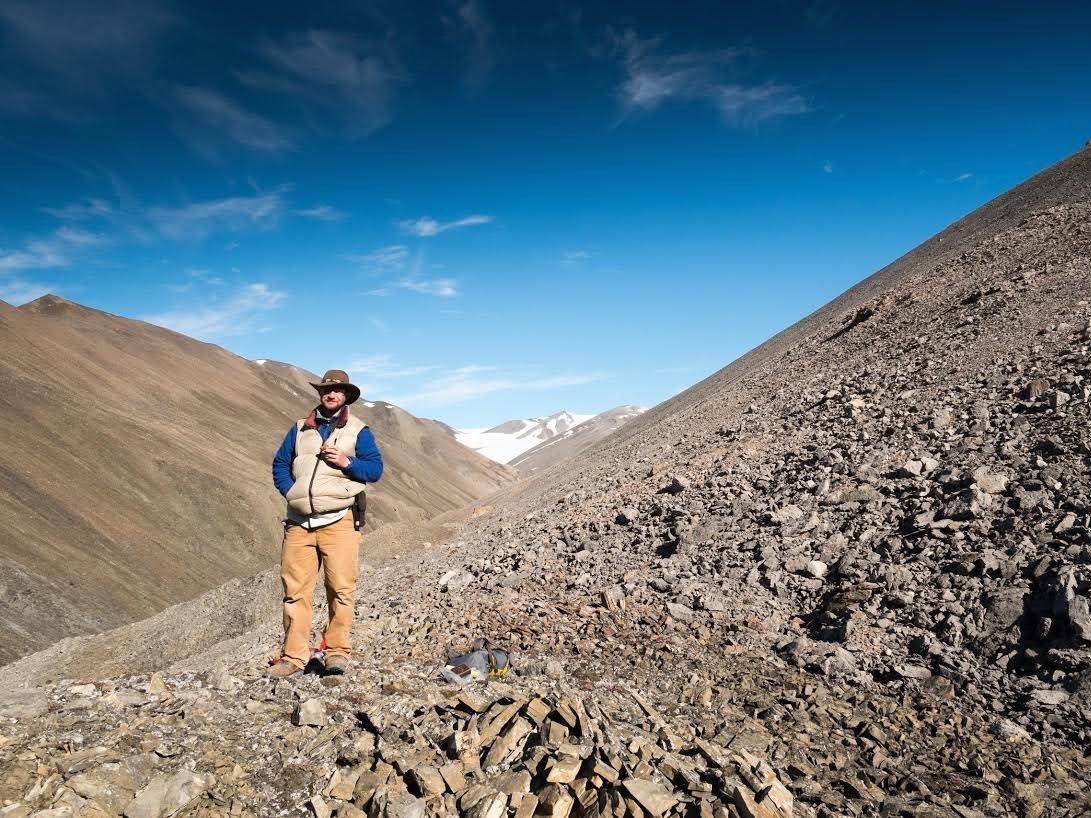
Video for ESCONI September 2021 General Meeting – “Exploring evolutionary patterns and processes in trilobites”
Read more: Video for ESCONI September 2021 General Meeting – “Exploring evolutionary patterns and processes in trilobites”The speaker at our September 10th general meeting was Dr. Mark Webster from the Department of Geophysical Sciences at the University of Chicago. The topic was Cambrian trilobites. Here’s a link to his page at the university: https://geosci.uchicago.edu/people/mark-webster/
-
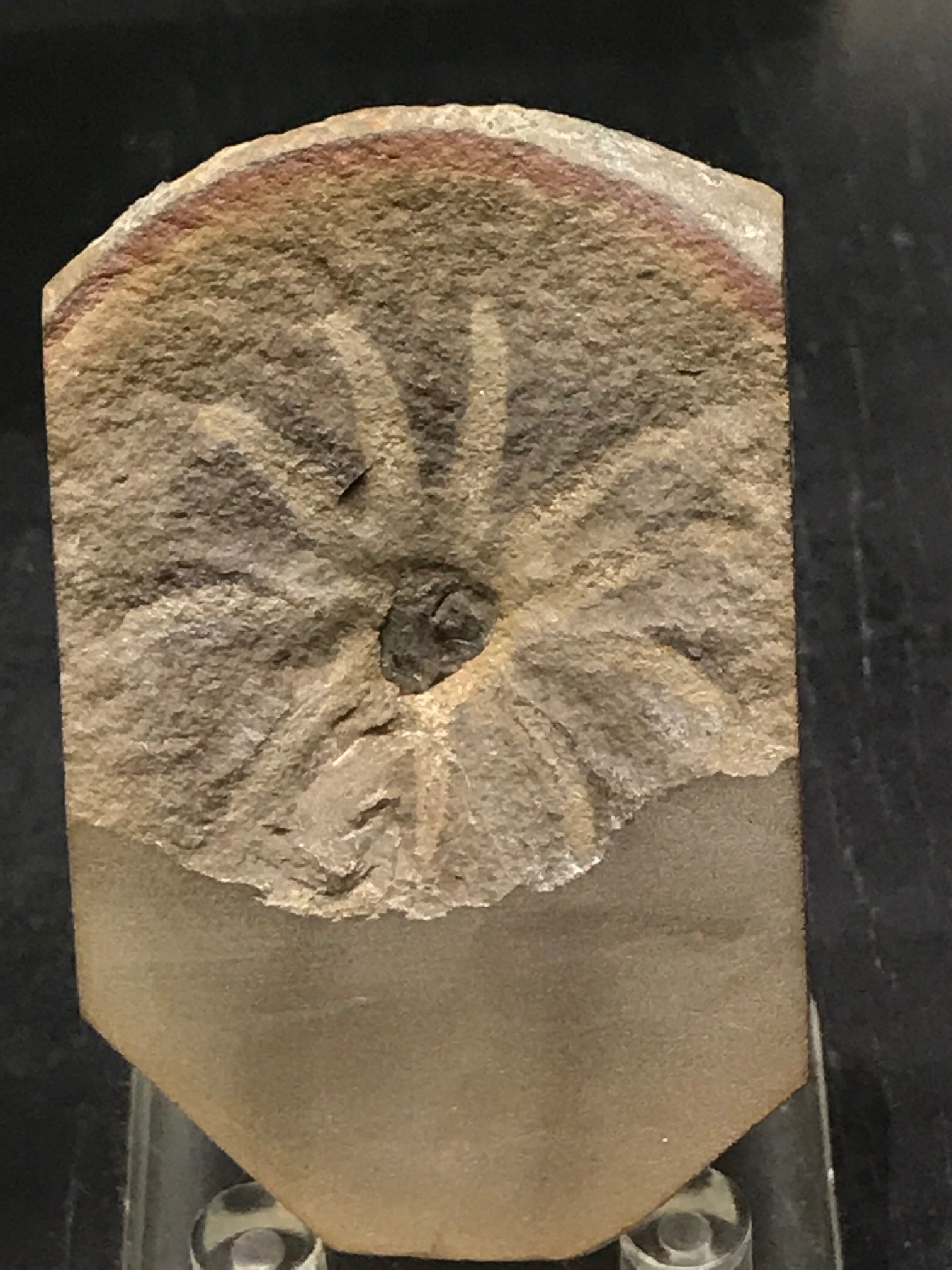
Mazon Monday #89: Jeletzkya douglassae
Read more: Mazon Monday #89: Jeletzkya douglassaeThis is Mazon Monday post #89. What’s your favorite Mazon Creek fossil? Tell us at email:esconi.info@gmail.com. Of all the millions (yes, millions!) of Mazon concretions that have opened over the years, only two specimens of Jeletzkya douglassae are known. That might make it the rarest of species in the Mazon Creek biota. It’s considered to be a squid. Talk about soft bodied animals… its only hard parts are the radula and the pen. For as rare as it is, it has a Wikipedia page! It was described in 1968 by Ralph Gordon Johnson and Eugene S. Richardson, Jr. The description…
-

Found in a Candy Tin: One of the First Coins Struck in Colonial North America
Read more: Found in a Candy Tin: One of the First Coins Struck in Colonial North AmericaThe Cool Finds column at Smithsonian Magazine has a story about a remarkable find. A one shilling coin minted in 1652 by the Massachusetts Bay Colony was found in a candy tin. One of 40 known to exist, it was sold at auction for $351,912. A silver coin minted in colonial Boston in 1652 has sold for $351,912. The one shilling coin is one of just 40 of its kind known to survive today, the Associated Press (AP) reports. “I am not surprised at the amount of interest this exceptional coin attracted,” says James Morton, a coin specialist with London-based auction house Morton and Eden, in a statement. “The…
-
New Book: “Collector’s Guide to Fort Payne Crinoids and Blastoids”
Read more: New Book: “Collector’s Guide to Fort Payne Crinoids and Blastoids”ESCONI member William Morgan, a retired professor from the University of Texas Health Science Center at San Antonio, has a new book called “Collector’s Guide to Fort Payne Crinoids and Blastoids”. The Fort Payne Formation of Kentucky dates to the early Mississippian Period. The focus of this book is on the Fort Payne Formation and the fossil crinoids and blastoids, which are found there. Although, it is not widely known outside of academic programs in geology and/or paleontology, the Fort Payne is one the largest Mississippian-age formations in the middle and southeastern United States. Unlike the crinoids found in the…
-
New Book: “Collector’s Guide to Fort Payne Crinoids and Blastoids”
Read more: New Book: “Collector’s Guide to Fort Payne Crinoids and Blastoids”ESCONI member William Morgan, a retired professor from the University of Texas Health Science Center at San Antonio, has a new book called “Collector’s Guide to Fort Payne Crinoids and Blastoids”. The Fort Payne Formation of Kentucky dates to the early Mississippian Period. The focus of this book is on the Fort Payne Formation and the fossil crinoids and blastoids, which are found there. Although, it is not widely known outside of academic programs in geology and/or paleontology, the Fort Payne is one the largest Mississippian-age formations in the middle and southeastern United States. Unlike the crinoids found in the…
-
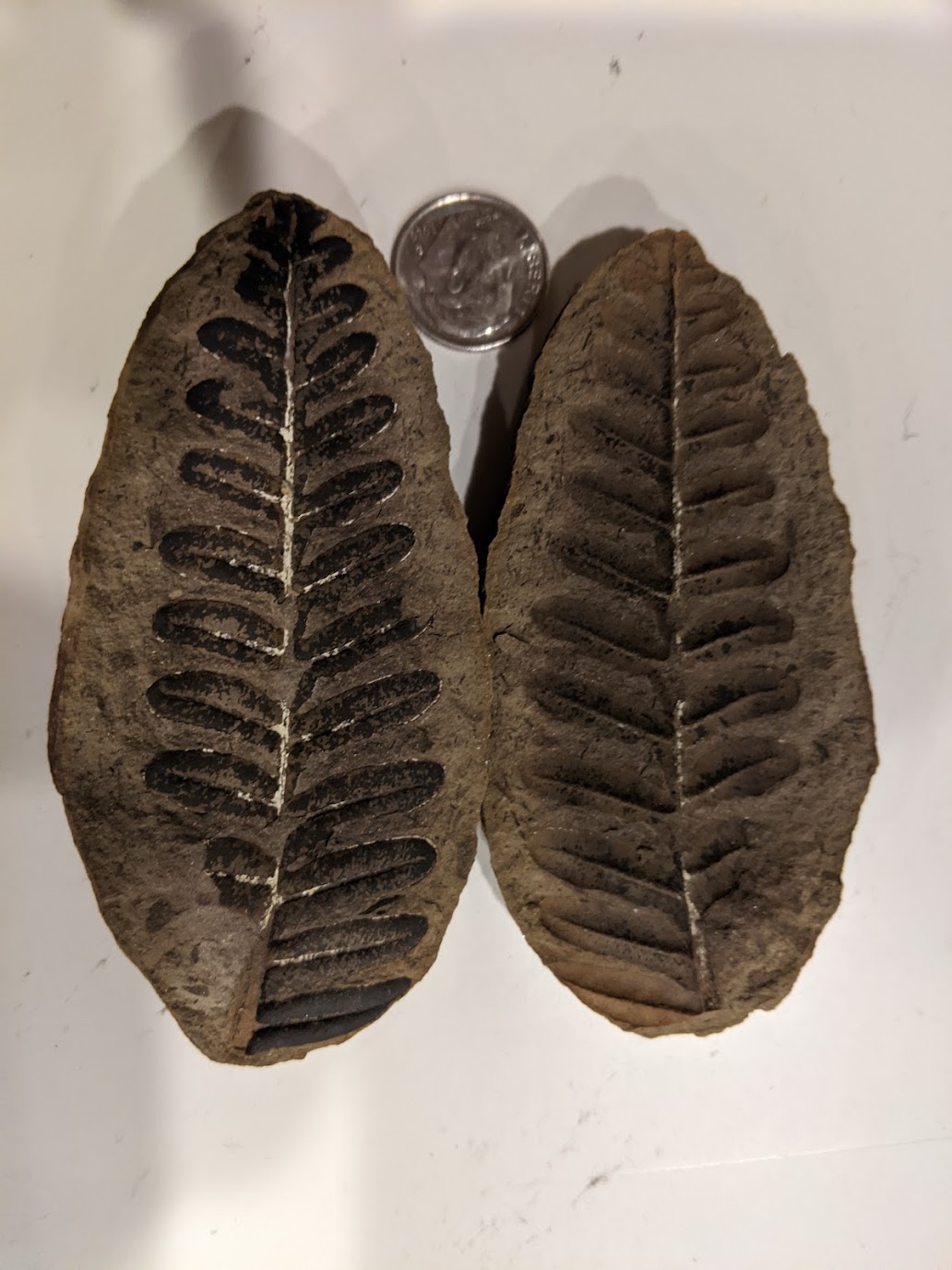
Fossil Friday #85: Callipteridium neuropteroides From Danville Spoil Pile
Read more: Fossil Friday #85: Callipteridium neuropteroides From Danville Spoil PileThis is the “Fossil Friday” post #85. Expect this to be a somewhat regular feature of the website. We will post any fossil pictures you send in to esconi.info@gmail.com. Please include a short description or story. Check the #FossilFriday Twitter hash tag for contributions from around the world! You might recall that this year ESCONI had a couple field trips to a Danville, IL area spoil pile to collect fossils. There was a spring and a fall trip and we expect to return next spring. They were productive trips with many new and exciting finds for everyone. Most of the…
-
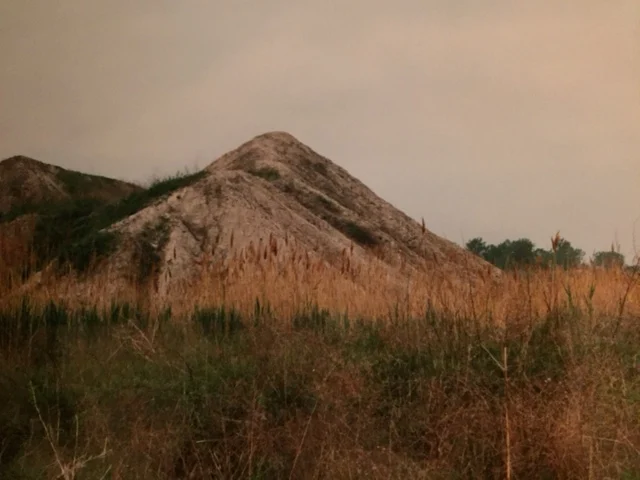
Throwback Thursday #87: Field & Street
Read more: Throwback Thursday #87: Field & StreetThis is Throwback Thursday #87. In these, we look back into the past at ESCONI specifically and Earth Science in general. If you have any contributions, (science, pictures, stories, etc …), please send them to esconi.info@gmail.com. Thanks! Field & Street was a column in the Chicago Reader from at least 1984 until April 2004. For most of its existence, it was written by Jerry Sullivan and ran bi-weekly. The Reader has an archive of many of the columns on their website. In case you haven’t heard of the Chicago Reader, it’s a free Chicago weekly newspaper that has been published…
-
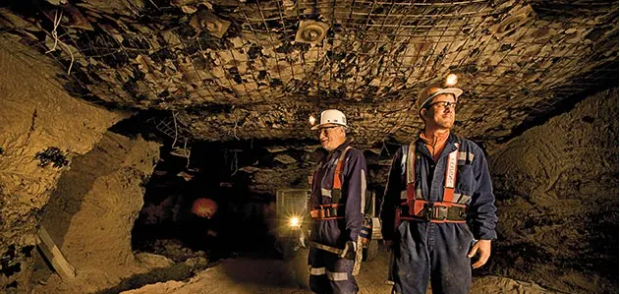
Reminder: ESCONI December 2021 General Meeting – December 3rd, 2021 at 8:00 PM via Zoom – “The Life and Death of the Herrin Peat Swamp – Whys, Whens, and Hows”
Read more: Reminder: ESCONI December 2021 General Meeting – December 3rd, 2021 at 8:00 PM via Zoom – “The Life and Death of the Herrin Peat Swamp – Whys, Whens, and Hows”The speaker at our December 3, 2021 meeting will be Scott Elrick, Head of the Coal, Bedrock and Industrial Minerals Section of ISGS. The topic of his talk via Zoom will be paleoecology of the Herrin Coal roof shales including depositional environment and climate. This talk should should add context to the fossil flora found at the Danville shale pile. A story about Scott and the discovery of a large underground coal forest in the Smithsonian Magazine from 2009. Finding a fossil in a coal mine is no big deal. Coal deposits, after all, are petrified peat swamps, and peat…
-
Video for ESCONI June 2021 General Meeting – “The Glasford Structure: A Marine Target Impact Crater with a Possible Connection to the Great Ordovician Meteorite Shower”
Read more: Video for ESCONI June 2021 General Meeting – “The Glasford Structure: A Marine Target Impact Crater with a Possible Connection to the Great Ordovician Meteorite Shower”The speaker at our June 2021 meeting was Charles Monson from ISGS. Charles recently published on the Glasford Illinois impact structure and its relation to the Ordovician meteor event. WCBU, a joint service of Bradley University and Illinois State University, interviewed Charles back in November 2019. Their program is online and available for listening. His paper was published in the journal Meteoritics and Planetary Science. Glasford Meteor May Have Played a Role in Ancient Ice Age New research on a central Illinois crater suggests possible links to an Ice Age about 455 million years ago. Charles Monson is an assistant project coordinator…
-

ESCONI Events December 2021
Read more: ESCONI Events December 2021Field trips require membership, but visitors are welcome at all meetings! Friday, Dec 3rd ESCONI General Meeting 8:00 PM Zoom – Topic: “The Life and Death of the Herrin Peat Swamp – Whys, Whens, and Hows” by Scott Elrick, Head of the Coal, Bedrock and Industrial Minerals Section of ISGS. Zoom link ESCONI Junior Meeting – No Meeting in December ESCONI Paleontology Meeting – No Meeting in December Happy Holidays! See you in 2022!
-
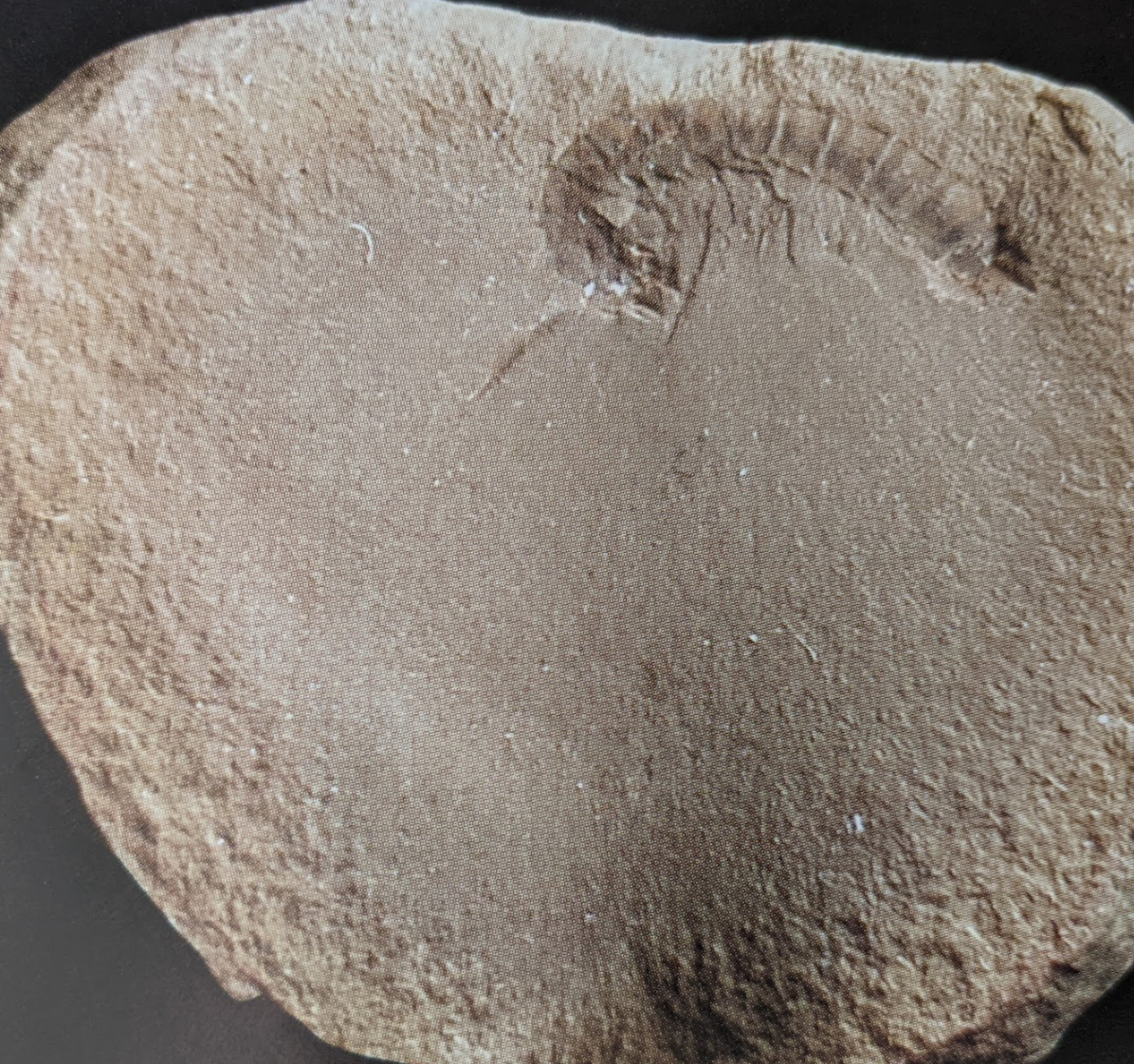
Mazon Monday #88: Hesserella shermani
Read more: Mazon Monday #88: Hesserella shermaniThis is Mazon Monday post #88. What’s your favorite Mazon Creek fossil? Tell us at email:esconi.info@gmail.com. Hesserella shermani is the earliest known isopod in the fossil record. Isopods are crustaceans, which includes shrimp, crabs, and lobsters. Modern day rolly-pollys are isopods, They have many common names like pill bugs, woodlice, and doodle bugs. They are the only crustaceans that spend their whole life on land. H. shermani was described in 1970 by Frederick Schram, while he was at the Field Museum. Frederick Schram is an absolute giant in fossil crustaceans having written over 200 papers on the subject. He described…
-

Weird Tracks in Texas Indicate Giant Sauropods Walking on Their Front Feet Only
Read more: Weird Tracks in Texas Indicate Giant Sauropods Walking on Their Front Feet OnlyNature Science Alert has a story about sauropods. Some strange footprints, found near Bandera, Texas back in the 1930’s, could show swimming behavior in sauropods. That theory dates to a letter written by Roland T. Bird in 1940 about front foot only prints made by sauropods. A paper in 2019 reexamined the question, but at a different locality – Coffee Hollow, part of the Glen Rose Formation. That locality was discovered in 2007 and dates to the Cretaceous Period. “They were all typical forefeet impressions as if the animal had just been barely kicking bottom.” With time, Bird’s interpretation of…
-

Jurassic World “Dominion” Trailer
Read more: Jurassic World “Dominion” TrailerScreen Rant has a new movie trailer for Jurassic World 3, schedule for release in June 2022. Say what you will about the science, but the special effects are stunning! This trailer shows scenes from the Cretaceous through the present day in Jurassic World. This one has both the required fight scene between large predatory dinosaurs and an interaction between a T-rex and people. Check it out! On the heels of Trevorrow confirming that the film was officially complete, Universal Pictures has debuted a Jurassic World: Dominion trailer, which was previously released as a special IMAX preview to F9: The Fast Saga‘s theatrical release.…
-
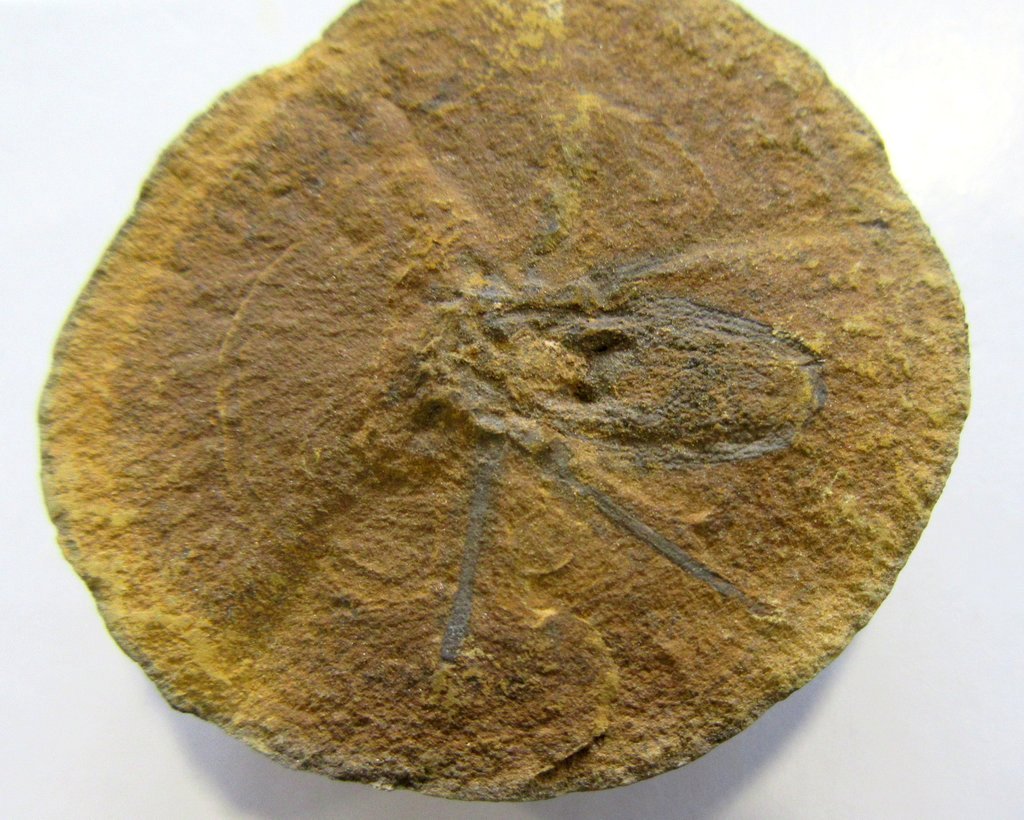
Fossil Friday #84: Spider from Knob Noster
Read more: Fossil Friday #84: Spider from Knob NosterThis is the “Fossil Friday” post #84. Expect this to be a somewhat regular feature of the website. We will post any fossil pictures you send in to esconi.info@gmail.com. Please include a short description or story. Check the #FossilFriday Twitter hash tag for contributions from around the world! For the third time this year, we have a spider fossil for Fossil Friday. Spider fossils are very rare in the fossil record. Mazon Creek and the other deposits of similar age like ones in Southern Illinois, Indiana, Kansas, and Missouri have some of the earliest known specimens from the Carboniferous. For…
-
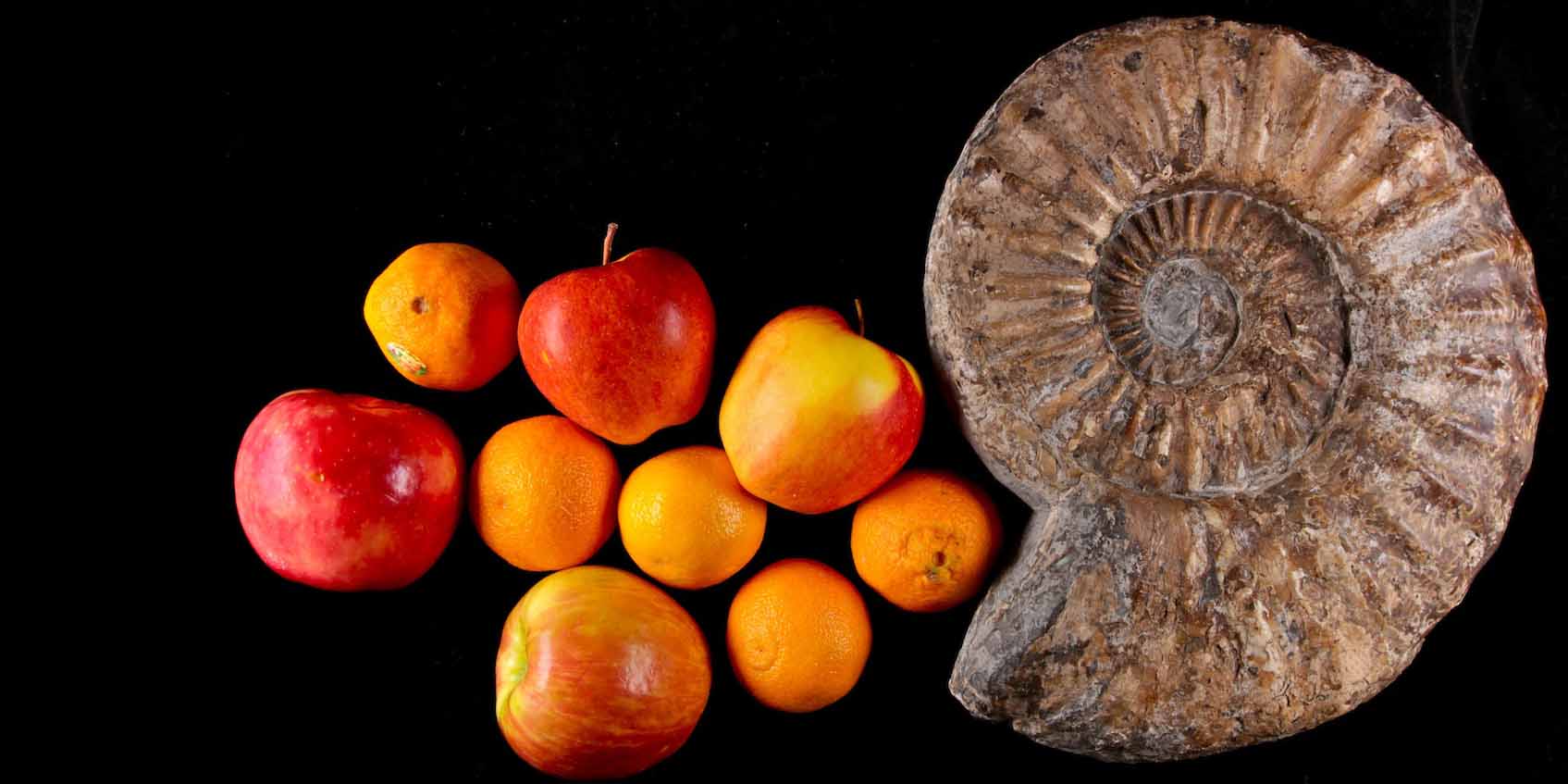
Throwback Thursday #86: Happy Thanksgiving!
Read more: Throwback Thursday #86: Happy Thanksgiving!This is Throwback Thursday #86. In these, we look back into the past at ESCONI specifically and Earth Science in general. If you have any contributions, (science, pictures, stories, etc …), please send them to esconi.info@gmail.com. Thanks! For this Thanksgiving Edition of Throwback Thursday, we are only going back to 2016. That year, the Field Museum had a Thanksgiving post on their blog from Paul Mayer, who is a collection manager of fossil invertebrates. Paul has worked at the Field Museum since 2008. He’s also no stranger to ESCONI having done numerous presentations over the years, including Tully Monster research…
-

ESCONI December 2021 General Meeting – December 3rd, 2021 at 8:00 PM via Zoom – “Paleoecology of the Herrin Coal Roof Shales Including Depositional Environment and Climate”
Read more: ESCONI December 2021 General Meeting – December 3rd, 2021 at 8:00 PM via Zoom – “Paleoecology of the Herrin Coal Roof Shales Including Depositional Environment and Climate”The speaker at our December 3, 2021 meeting will be Scott Elrick, Head of the Coal, Bedrock and Industrial Minerals Section of ISGS. The topic of his talk via Zoom will be paleoecology of the Herrin Coal roof shales including depositional environment and climate. This talk should should add context to the fossil flora found at the Danville shale pile. A story about Scott and the discovery of a large underground coal forest in the Smithsonian Magazine from 2009. Finding a fossil in a coal mine is no big deal. Coal deposits, after all, are petrified peat swamps, and peat…
-
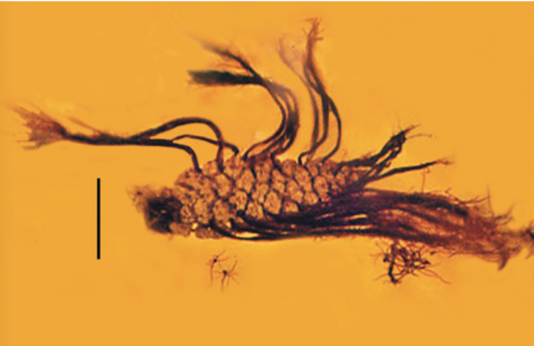
Nature: Ancient Pine Cone Trapped in Amber Shows a Super-Rare Form of Plant ‘Parenting’
Read more: Nature: Ancient Pine Cone Trapped in Amber Shows a Super-Rare Form of Plant ‘Parenting’Nature ScienceAlert has a story about a pine cone preserved in amber. The fossil, which dates to about 40 million years ago during the Eocene, shows a rare form of parental care in plants. The seeds in the pine cone can be seen to be germinating and sprouting greenery before the cone has fallen to the ground. This rare “behavior” is called “precocious germination”, or “seed viviparity”. See all the details in a paper in the journal Historical Biology. Usually, pine cones fall to the ground and then open up when the climate becomes warm and dry, releasing their seeds…
-

Mazon Monday #87: Video for November 2021 Paleontology Meeting – “The Linton Ohio Coal Mine; a unique look into Carboniferous Tetrapods”
Read more: Mazon Monday #87: Video for November 2021 Paleontology Meeting – “The Linton Ohio Coal Mine; a unique look into Carboniferous Tetrapods”This is Mazon Monday post #87. What’s your favorite Mazon Creek fossil? Tell us at esconi.info@gmail.com. The ESCONI November 2021 Paleontology was held on Saturday, November, 20th, 2021 at 7:30 PM. The presentation was by ESCONI member Mike Payne. It’s called “The Linton Ohio Coal Mine; a unique look into Carboniferous Tetrapods”. The Diamond Coal Mine in Linton, OH dates to the mid 1800’s and interesting fossils were collected from the shales since the very beginning. The deposit dates to around 300 million years. Over the years, thousands of specimens of Pennsylvanian vertebrates have been collected from the site. This…

ESCONI Gem, Mineral, and Fossil Show
Most Recent Post
- PBS Eons: The Mystery of the Missing Deep-Sea Fish
 PBS Eons has a new episode. This one is about the evolution of fish.
- About ESCONI
- Around the Web
- Calendar of Events
- Code of Ethics and Conduct
- ESCONI Books for Sale
- ESCONI Gem, Mineral, and Fossil Show
- ESCONI in the News
- ESCONI Videos
- Field Trips
- Flashback Friday
- Fossil Friday
- Mazon Creek
- Mazon Monday
- Member Spotlight
- Membership Information
- Reference Material
- Throwback Thursday
- Trilobite Tuesday
Field trips require membership, but visitors are welcome at all meetings!
| Friday, May 2nd | Field Trip to Danville, IL. Details here. |
| Friday, May 8th | General Meeting – 8:00 PM via Zoom. Thomas Loebel will present “Seeing Beneath the Ground: Geophysics and Archaeological Explorations in Illinois”. |
| Saturday, May 9th | Junior Study Group Meeting – 2:00 PM, in person at the College of DuPage Technical Education Center (TEC) Building – Room 1038A (Map). “The Rock Cycle and Sedimentation” Specifics of this meeting are available from Scott Galloway, 630-670-2591, gallowayscottf@gmail.com. |
| Saturday, May 16th | Paleontology Study Group – 7:30 PM via Zoom. John Catalani will present “An Ordovician Konzentrat Lagerstätte: The Dixon Mifflin Residuum Fauna”. |
| Saturday, May 23rd | CGMA Show, Kane County Fairgrounds |
| Sunday, May 24th | CGMA Show, Kane County Fairgrounds |
| Saturday, May 30th | Field Trip to Braceville, IL. Details here. |
| Sunday, May 31st | Field Trip to Braceville, IL. Details here. |
| No meeting this month | Mineralogy Study Group |