
-

PBS Eons: How Horses Went from Food to Friends
Read more: PBS Eons: How Horses Went from Food to FriendsPBS Eons has a new episode. This one is about the domestication of horses. Do our modern horses descend from just one domesticated population, or did it happen many times, in many places? Answering these questions has been tricky, as we’ve needed to bring together evidence from art, archaeology, and ancient DNA…Because, as it turns out, the history of humans and horses has been a pretty wild ride.
-

Fossil Friday #96: Mazon Creek Insect Nymph
Read more: Fossil Friday #96: Mazon Creek Insect NymphThis is the “Fossil Friday” post #96. Expect this to be a somewhat regular feature of the website. We will post any fossil pictures you send in to esconi.info@gmail.com. Please include a short description or story. Check the #FossilFriday Twitter hash tag for contributions from around the world! We have another Mazon Creek insect this week. This one is a Megascoptera nymph. Recall Megascoptera is an extinct order of insects. Last week in Fossil Friday #95, we had an adult Diaphanopterodea sp., which belongs to that same order. This gorgeous specimen comes from ESCONI member Ralph Jewell. You might remember…
-
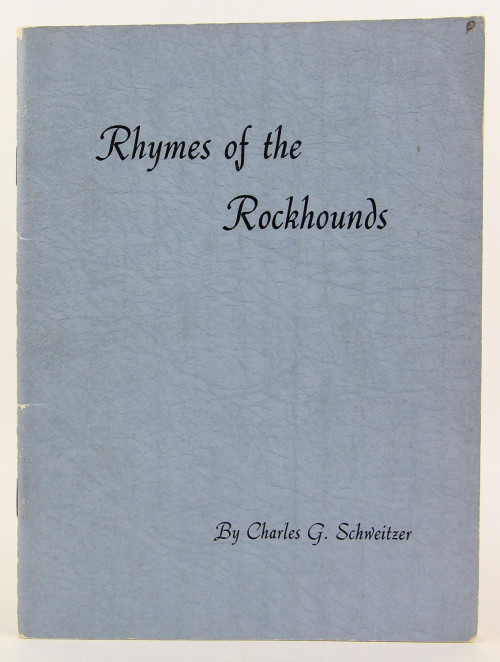
Throwback Thursday #98: The Rock I Threw Away!
Read more: Throwback Thursday #98: The Rock I Threw Away!This is Throwback Thursday #98. In these, we look back into the past at ESCONI specifically and Earth Science in general. If you have any contributions, (science, pictures, stories, etc …), please send them to esconi.info@gmail.com. Thanks! We’ve featured the poems of Charles Schweitzer a few times in the past. In Throwback Thursday #59, we looked at “The Rock Pile”, while TBT #73 was “The Rockhounds Wish”. All of these appear in his book of poems titled “Rhymes of the Rockhounds”, which was published in the mid 1950’s. “The Rock I Threw Away” appeared in the December 1962 edition of…
-
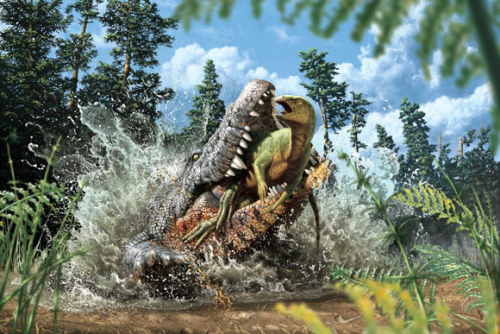
Cretaceous Crocodiles Ate Ornithopod Dinosaurs, Fossil Evidence Shows
Read more: Cretaceous Crocodiles Ate Ornithopod Dinosaurs, Fossil Evidence ShowsSciNews has a story about a new Cretaceous crocodile. The animal, Confractosuchus saurokonos, lived about 95 million years ago in what is now Queensland, Austrailia. As part of the skeletal remains, well preserved gut contents were found. With some analysis, those contents were found to be parts of a juvenile ornithopod dinosaur. This discovery was published in the journal Gondwana Research. The animal’s fossilized remains — a near-complete skull with dentition and postcranial skeleton missing the tail and hind limbs — were discovered on Elderslie Station, near the north western margins of the Winton Formation, in 2010. “Confractosuchus sauroktonos represents only…
-

NYT: One of Evolution’s Oddest Creatures Finds a Fossilized Family Member
Read more: NYT: One of Evolution’s Oddest Creatures Finds a Fossilized Family MemberThe Trilobites column at the New York Times has a story about Opabinia, an enigmatic animal from the Burgess Shale. Stephen Pates, a paleotologist, discovered a strange animal in the collections at the Natural History Museum at the University of Kansas in 2017. The animal was classified as a radiodont, like Anomalocaris, but he was fairly certain it wasn’t. In a paper recently published in the journal Proceedings of the Royal Society B, this new animal is described as a close relative of Opabinia, which until now was the only opabiniid known. The new animal is named Utaurora comosa and…
-
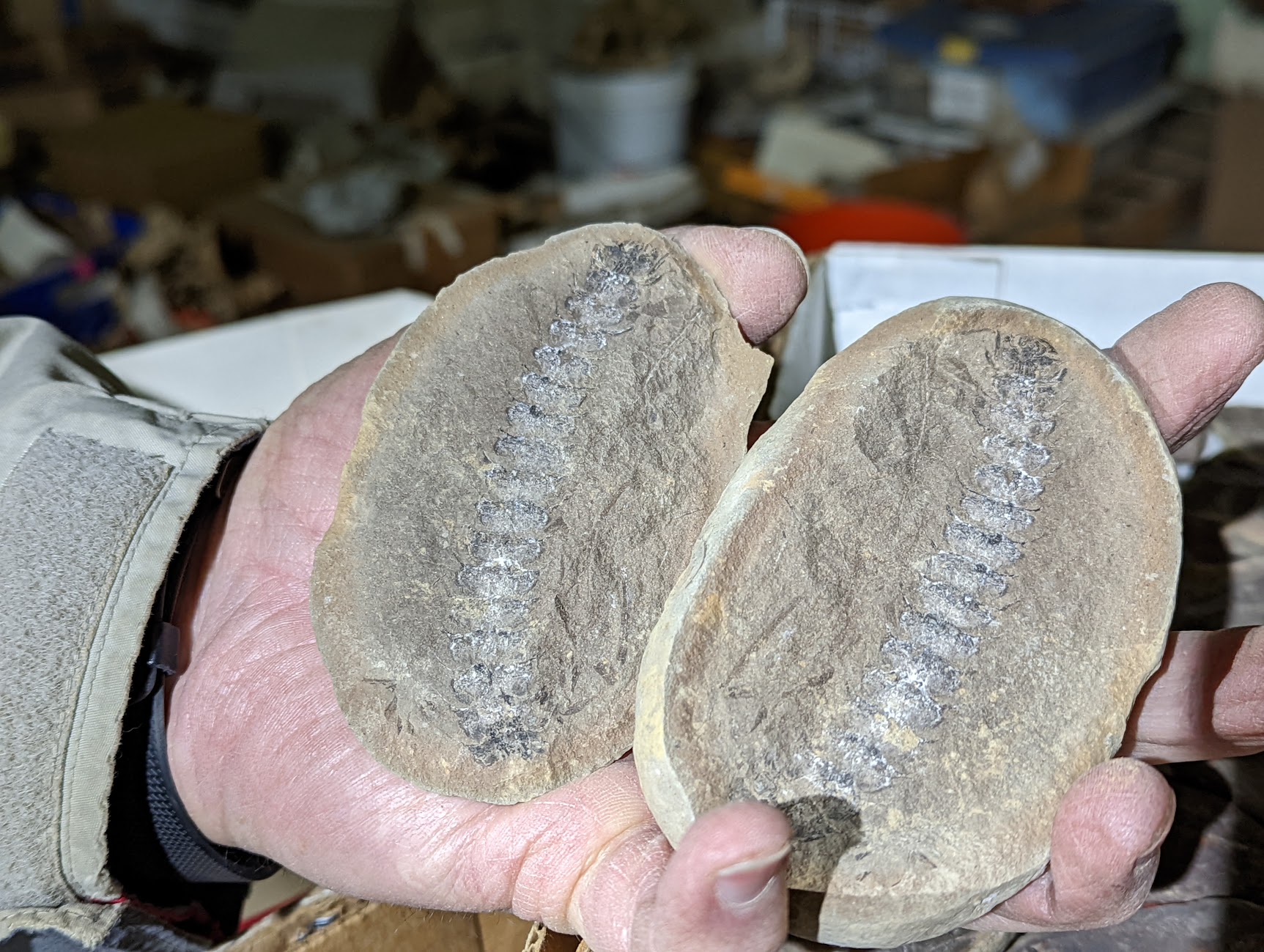
Mazon Monday #99: Calamostachys, sp.
Read more: Mazon Monday #99: Calamostachys, sp.This is Mazon Monday post #99. What’s your favorite Mazon Creek fossil? Tell us at email:esconi.info@gmail.com. —————————————————– Calamostachys is the cone portion of Calamites. Recall the Langford diagram which details the parts of Calamites. The round seed like part of these cones are actually sporagia, which Calamites used to reproduce. Calamites are horsetails. Their closest living relative is Equisetum, which is an extant species of horsetail. Calamostachys was first described by Frederick Ernest Weiss (1865-1953) an Anglo-German botanist. While primarily a botanist, he also worked extensively with coal-balls fossil plants and published quite a few paleobotanical papers during his career…
-
PBS Eons: How Vertebrates Got Teeth… And Lost Them Again
Read more: PBS Eons: How Vertebrates Got Teeth… And Lost Them AgainPBS Eons has a new episode. This one is about the origin of teeth… did they start as teeth on skin or teeth in mouth? As revolutionary as teeth were, they would go on to disappear in some groups of vertebrates. But why?
-

Happy Darwin Day 2022!
Read more: Happy Darwin Day 2022!Happy Darwin Day 2022! Today is Charles Darwin’s 213th birthday. Head on over to the International Darwin Day website. Here is what it’s about… International Darwin Day on February 12th will inspire people throughout the globe to reflect and act on the principles of intellectual bravery, perpetual curiosity, scientific thinking, and hunger for truth as embodied in Charles Darwin. It will be a day of celebration, activism, and international cooperation for the advancement of science, education, and human well-being. Local and state governments will close in commemoration of the Day, and organizations and businesses will celebrate by engaging in community…
-
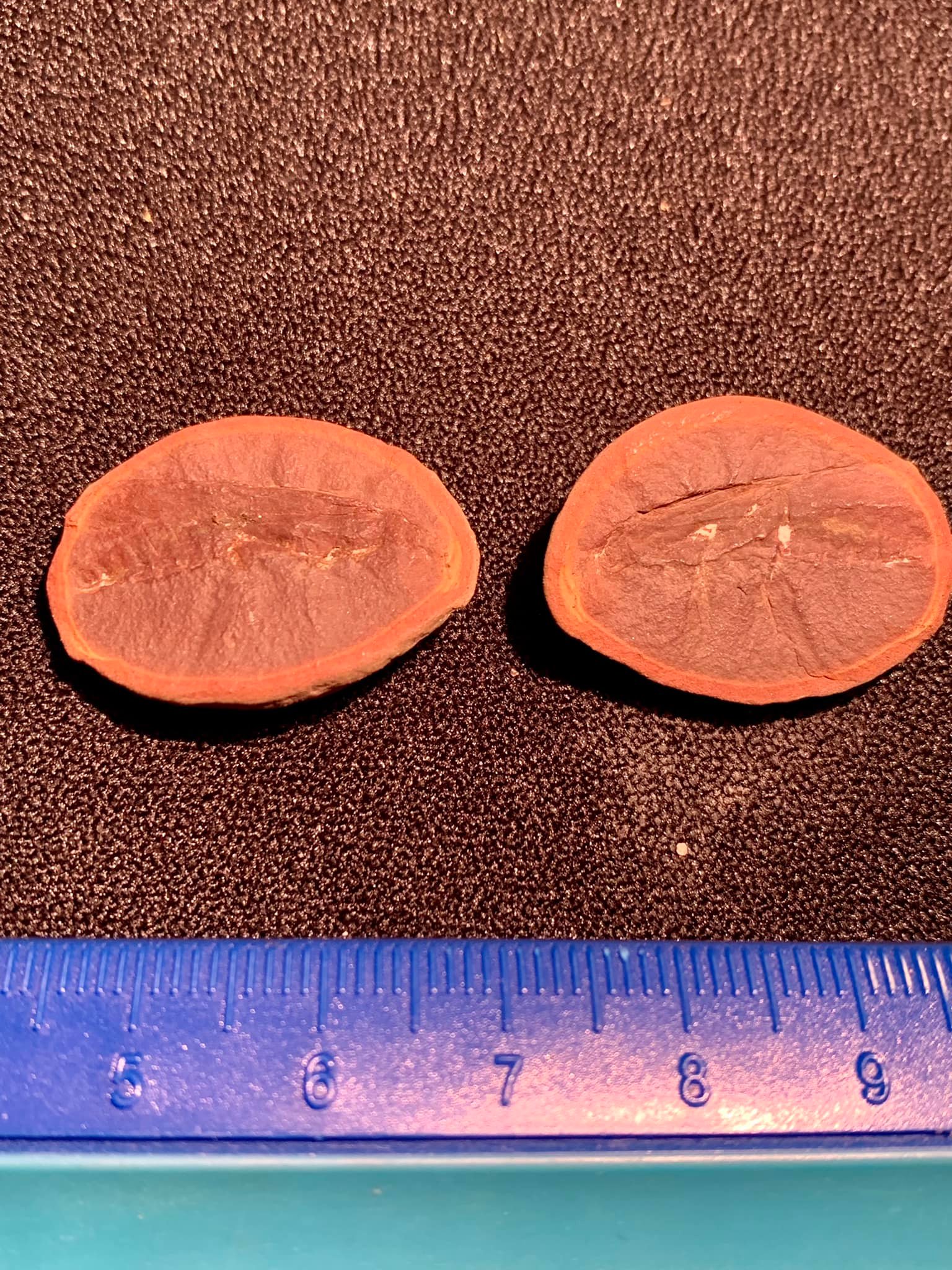
Fossil Friday #95: Mazon Creek Winged Insect – Diaphanopterodea
Read more: Fossil Friday #95: Mazon Creek Winged Insect – DiaphanopterodeaThis is the “Fossil Friday” post #95. Expect this to be a somewhat regular feature of the website. We will post any fossil pictures you send in to esconi.info@gmail.com. Please include a short description or story. Check the #FossilFriday Twitter hash tag for contributions from around the world! This absolutely stunning Mazon Creek insect comes from ESCONI member Rob Coleman. It was found in Pit 11. The species is Diaphanopterodea sp, which belongs to the extinct order of insects Megasecoptera. Thanks for the contribution, Rob! Now, we can all sit back and dream of finding one of these…
-
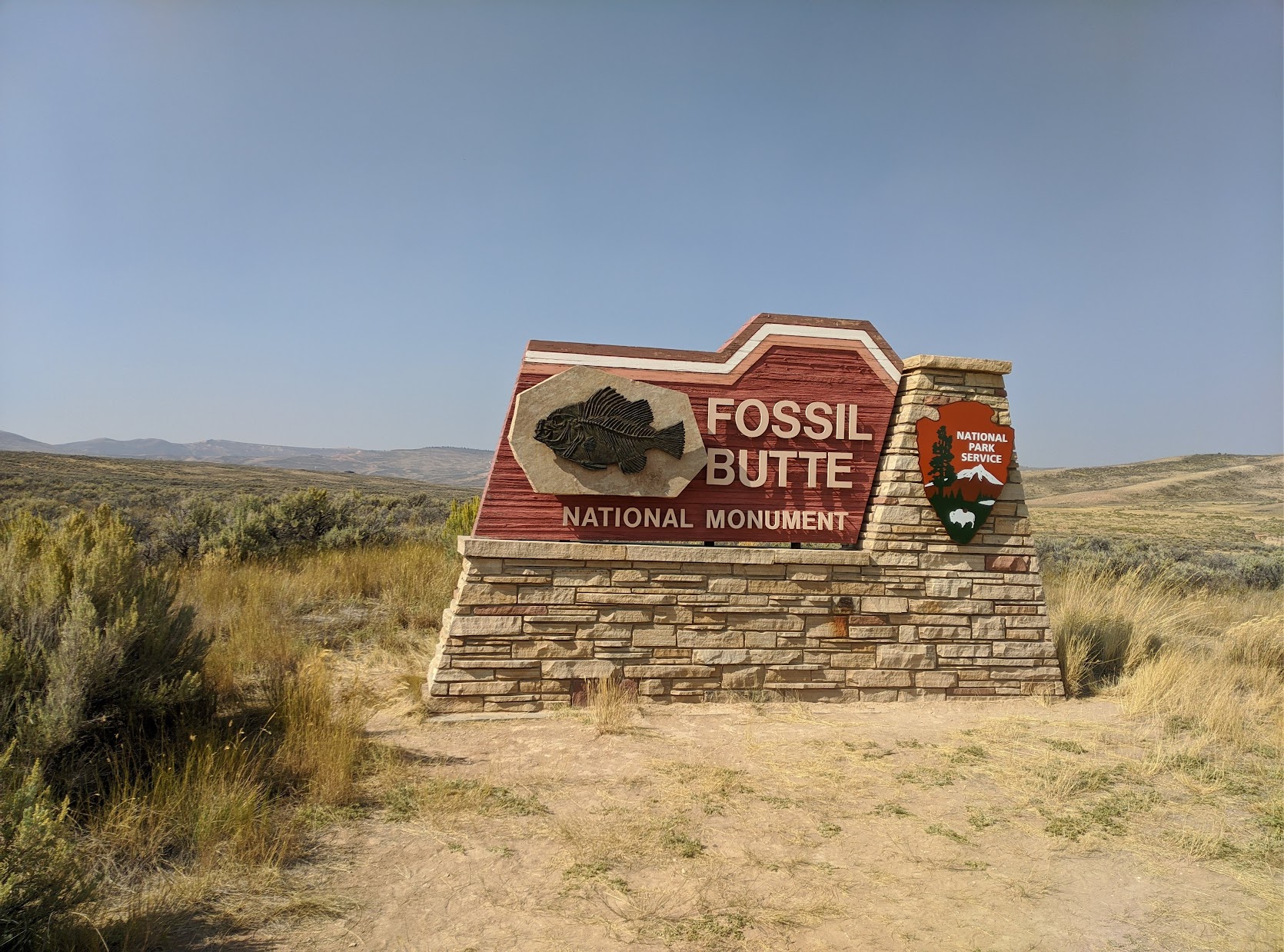
Throwback Thursday #97: Fishing the Eocene Age
Read more: Throwback Thursday #97: Fishing the Eocene AgeThis is Throwback Thursday #97. In these, we look back into the past at ESCONI specifically and Earth Science in general. If you have any contributions, (science, pictures, stories, etc …), please send them to esconi.info@gmail.com. Thanks! An article from FRIENDS magazine entitled “Fishing the Eocene Age” appeared back in the January 1972 edition of the ESCONI newsletter, “Earth Science News”. Unfortunately, except for a British underground magazine in the 1960’s and 1970’s, there doesn’t seem to be much about FRIENDS magazine available online. Additionally, the article was published without an attribution, so there is no way to find out…
-
ESCONI February 2022 Juniors Study Group Meeting (In-Person at COD) Saturday, Feb. 12, 2022 at 7:00 PM
Read more: ESCONI February 2022 Juniors Study Group Meeting (In-Person at COD) Saturday, Feb. 12, 2022 at 7:00 PMs Earth Science Club of Northern Illinois Juniors Group Meeting In-Person at College of DuPage Does Your Child Love Fossils? At the next in-person Juniors meeting, ESCONI’s Scott Galloway and the Juniors will be picking at soft slabs of rock and dislodging Sylvania Ohio fossils, and they will be doing this hands-on activity in the comfort of a state of the art classroom at the College of DuPage! The tools will be provided. Our target age is kids 6 to 17 years old. Bring your child to our meeting: Date: Saturday, February 12th, 2022 Time: Meeting goes from 7:00…
-
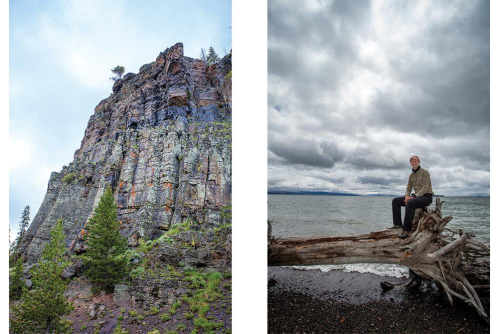
ESCONI February 2022 General Meeting – February 11th, 2022 at 8:00 PM via Zoom – “Before Yellowstone: Native American Archaeology in the First National Park”
Read more: ESCONI February 2022 General Meeting – February 11th, 2022 at 8:00 PM via Zoom – “Before Yellowstone: Native American Archaeology in the First National Park”The ESCONI February 2022 General Meeting will be on February 11th, 2022 at 8:00 PM via Zoom. The talk will be presented by Dr. Douglas MacDonald from the University of Montana, The title of his presentation is “Before Yellowstone: Native American Archaeology in the First National Park”. An article in the January 2021 edition of Smithsonian Magazine is about his research and his book by the same name as his presentation “Before Yellowstone: Native American Archaeology in the First National Park”. Left: For more than 11,000 years, Obsidian Cliff served as an invaluable source of volcanic glass, which Native Americans…
-
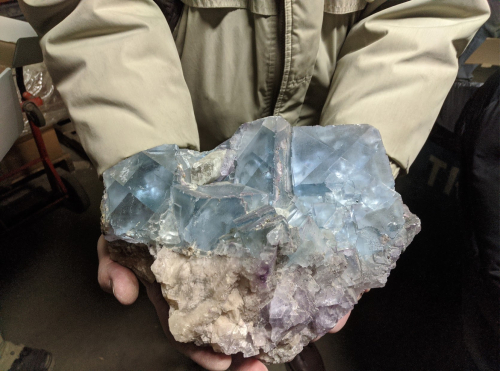
2022 ESCONI Gem, Mineral, and Fossil Show – March 19th – 20th, 2022 – Preview #2, Fluorite Crystal
Read more: 2022 ESCONI Gem, Mineral, and Fossil Show – March 19th – 20th, 2022 – Preview #2, Fluorite CrystalThis is the preview post #2 for the 2022 ESCONI Gem, Mineral, and Fossil Show Live Auction. The show is on March 19th and 20th, 2022 at the DuPage County Fairgrounds in Wheaton, IL. All details can be found here. This absolutely gorgeous multi-colored grouping of fluorite will be available in our Live Auction. It weighs 15.4 lbs., so make sure you are ready to handle it! Of course, it fluoresces as do all true pieces of fluorite.
-
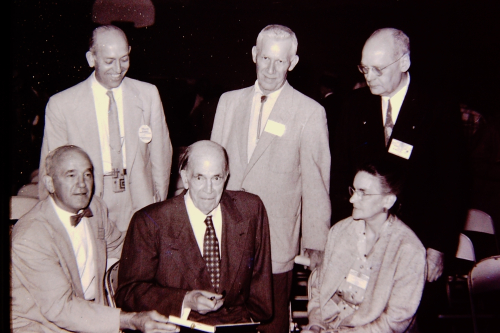
Mazon Monday #98: Natural History of Coal Age Fossils
Read more: Mazon Monday #98: Natural History of Coal Age FossilsThis is Mazon Monday post #98. What’s your favorite Mazon Creek fossil? Tell us at email:esconi.info@gmail.com. George Langford’s second book, “The Wilmington Coal Fauna and Additions to the Wilmington Coal Flora from a Pennsylvanian Deposit in Will County, Illinois”, was published by Esconi Associates in 1963. As part of the publication of the book, Stella Barrick, a member and first secretary of Esconi Associates, wrote an article about the book. This article appeared in the December 1963 edition of Earth Science Magazine, which was published by a few ESCONI members from the 1950’s until the early 1970’s. Mrs. Barrick served…
-
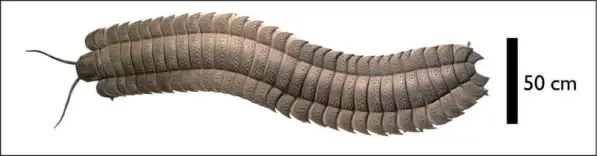
How we discovered a rare giant millipede fossil on a beach, and why it matters
Read more: How we discovered a rare giant millipede fossil on a beach, and why it mattersThis story on phys.org tell the story about the discovery of a giant millipede, Arthropleura in Engand in January 2018.. The original story describing the 326 million year old millipede fossil appeared back in December 2021. The animal was about 2.7 meters long (nearly 9 feet!). It lived during the Carboniferous Period in what is now northern England. The fossil expands on the maximum size of arthropods but also extends the time range as this is the oldest Arthropleura currently known. At 326 million years old, it also pre-dates the rise in atmospheric oxygen, suggesting an alternate theory for its…
-
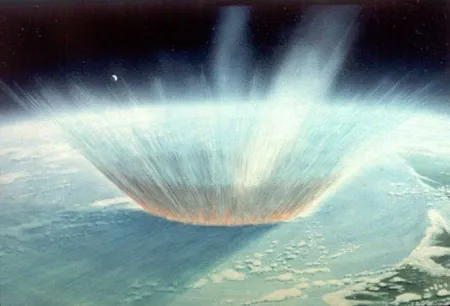
CBC Quirks and Quarks: Darkness doomed the dinosaurs
Read more: CBC Quirks and Quarks: Darkness doomed the dinosaursThe CBC Radio show/Podcast Quirks and Quarks has a segment entitled “Darkness doomed the dinosaurs — the extinction asteroid turned out the lights on Earth”. They speak with Peter Roopnarine from the California Academy of Sciences about the after effects of the meteor strike that took out the non-avian dinosaurs at the end of the Cretaceous. When the dino-killing asteroid struck 66 million years ago, our planet was plunged into an extended period of darkness. New research, presented at the recent meeting of the American Geophysical Union, and led in part by Peter Roopnarine from the California Academy of Sciences, looks at how that darkness…
-

Fossil Friday #94: Diaphorodendron rimosum
Read more: Fossil Friday #94: Diaphorodendron rimosumThis is the “Fossil Friday” post #94. Expect this to be a somewhat regular feature of the website. We will post any fossil pictures you send in to esconi.info@gmail.com. Please include a short description or story. Check the #FossilFriday Twitter hash tag for contributions from around the world! We haven’t posted enough fossil wood on Fossil Friday, but today we have a nice example of Diaphorodendron rimosum, a very rare species of lycopsid from the Mazon Creek fossil biota. This very fine specimen was sent our way by ESCONI member Connor Puritz. You might remember his Amynilyspes wortheni (pill millipede)…
-
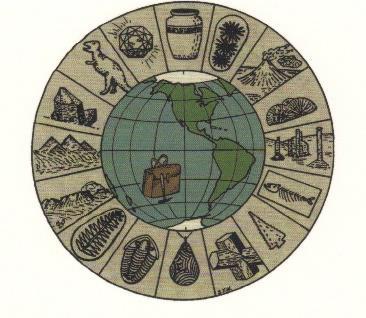
Throwback Thursday #96: Looking Back at ESCONI for February 2022
Read more: Throwback Thursday #96: Looking Back at ESCONI for February 2022This is Throwback Thursday #96. In these, we look back into the past at ESCONI specifically and Earth Science in general. If you have any contributions, (science, pictures, stories, etc …), please send them to esconi.info@gmail.com. Thanks! 25 Years Ago – February 1997 50 Years Ago – February 1972 70 Years Ago – February 1952
-
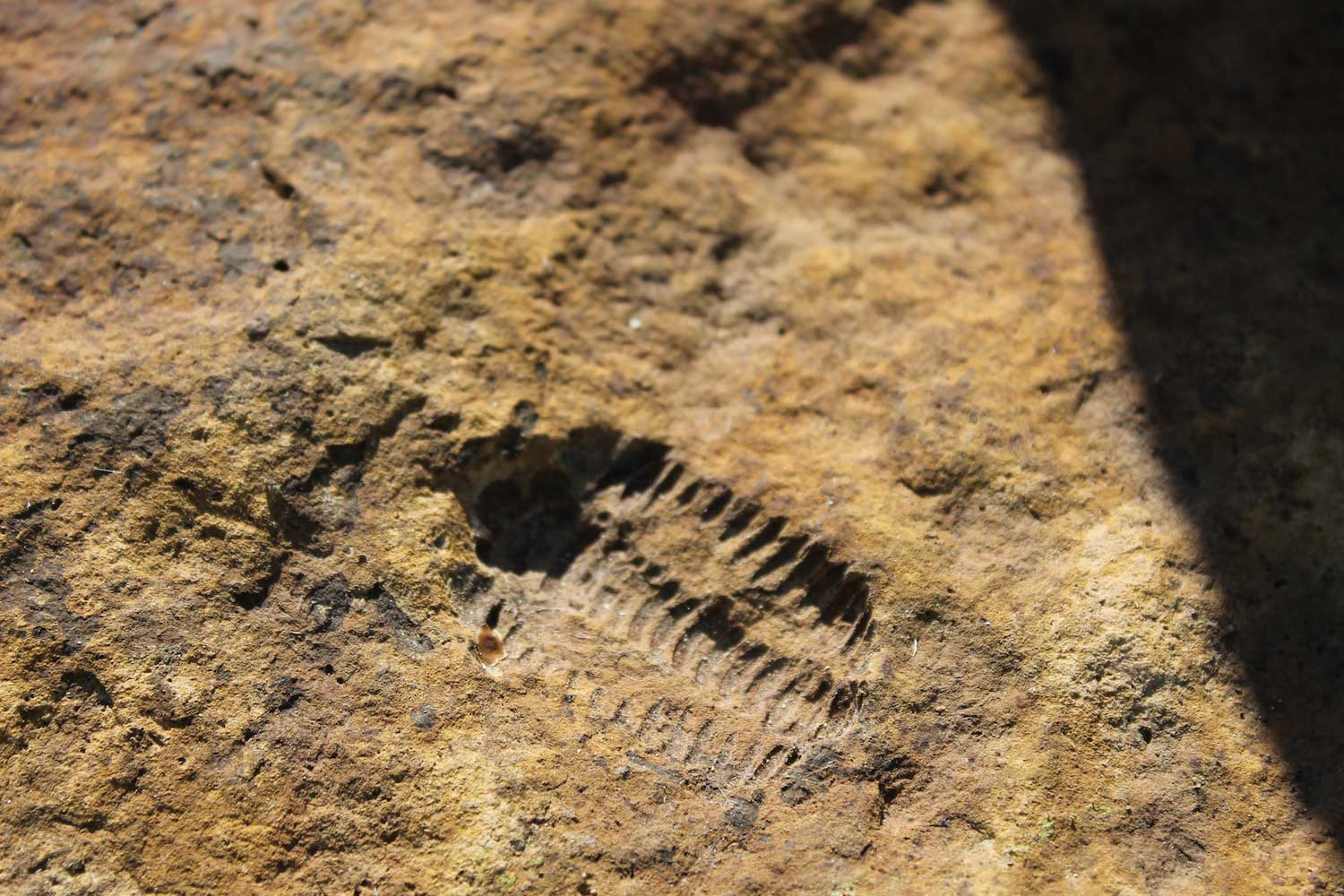
Will County Forest Preserve: “Fossils: Frozen in Time” – Saturday, February 5th, 2022
Read more: Will County Forest Preserve: “Fossils: Frozen in Time” – Saturday, February 5th, 2022The Will County Forest Preserve District has an lecture event on Saturday, February 5th, 2022 at 1:30 PM at the Four Rivers Environmental Education Center. FOSSILS: FROZEN IN TIME EVENT INFORMATIONDate: Saturday, 02/05/2022Time: 1:30 PM to 3:00 PMFee: Free!Age: Ages 5 or older.Contact Phone: 815.722.9470Location: Four Rivers Environmental Education Center (View on Google Maps) Photo courtesy of Barb Ferry EVENT DETAILSPlease note: To participate in Forest Preserve programs, the public must follow current masking protocol. For up-to-date mask requirements, click here. Fossils are evidence of ancient life, and you can make your own fossil replica before hiking the preserve, learning…
-

ESCONI Events February 2022
Read more: ESCONI Events February 2022Welcome back! Field trips require membership, but visitors are welcome at all meetings! Fri, Feb 11th ESCONI General Meeting 8:00 PM Zoom – Topic: “Before Yellowstone: Native American Archaeology in the First National Park” by Dr. Douglas MacDonald from the University of Montana. Zoom link Sat, Feb 12th ESCONI Junior Meeting – 7:00 PM at College of DuPage – Topic: “Fossils” Specifics of this meeting are available from Scott Galloway, 630-670-2591, gallowayscottf@gmail.com. The meeting will be in person at the College of DuPage Tech Ed (TEC) Building, Room 1038A (Map). Sat, Feb 19th ESCONI Paleontology Meeting 7:30 PM – Topic:…

ESCONI Gem, Mineral, and Fossil Show
Most Recent Post
- Fossil of Pincer-Wielding Crawler Reveals Origins of Spiders, Scorpions and Others
 The Trilobites column over at the New York Times has a interesting story about the origin of chelicerates – spiders, scorpions, mites, horseshoe crabs, and others. Chelicerates are a diverse group of arthropods that consists of more than 120,000 known species. Member of this group are classified by having a pair of appendages called chelicerae. These appendages are adapted for various purposes like snatching prey, injecting venom, and even spinning silk.
- About ESCONI
- Around the Web
- Calendar of Events
- Code of Ethics and Conduct
- ESCONI Books for Sale
- ESCONI Gem, Mineral, and Fossil Show
- ESCONI in the News
- ESCONI Videos
- Field Trips
- Flashback Friday
- Fossil Friday
- Mazon Creek
- Mazon Monday
- Member Spotlight
- Membership Information
- Reference Material
- Throwback Thursday
- Trilobite Tuesday
Field trips require membership, but visitors are welcome at all meetings!
| Friday, April 10th | General Meeting – 8:00 PM via Zoom. Jessica Hull will present “Life in the Devonian Period, The Age of Fishes.” |
| Saturday, April 11th | Junior Study Group Meeting – 2:00 PM, in person at the College of DuPage Technical Education Center (TEC) Building – Room 1038A (Map). Katherine Howard will present on Sand and Sediment Collecting. Specifics of this meeting are available from Scott Galloway, 630-670-2591, gallowayscottf@gmail.com. |
| Saturday, April 18th | Paleontology Study Group – 7:30 PM via Zoom and in person at the College of DuPage, TEC, Room 1038B (Map). Keith Robitschek will present “Digging the Marl of the Lance Formation.” |
| No meeting this month | Mineralogy Study Group |
| No meeting this month | Junior Study Group |