
-
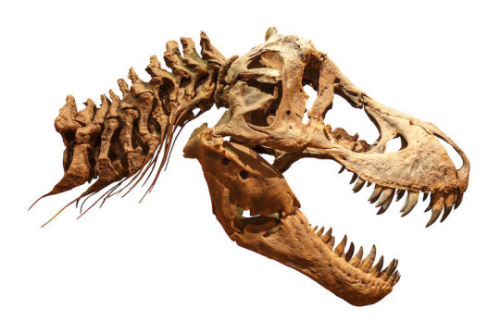
ScienceDaily: T. Rex had an air conditioner in its head, study suggests
Read more: ScienceDaily: T. Rex had an air conditioner in its head, study suggestsScience Daily has a post about Tyrannosaurs rex and how it might have handled the heat of the Cretaceous. As an animal gets bigger, it gets harder and harder to dump heat. That’s because the volume of its body grows faster than surface area as the body gets bigger. Researchers at the University of Missouri, Ohio University, and the University of Florida have an original idea about how one of the largest therapods cooled itself. The original paper appeared in the journal The Anatomical Record, 2019. A related video has more details. In the past, scientists believed two large holes in…
-
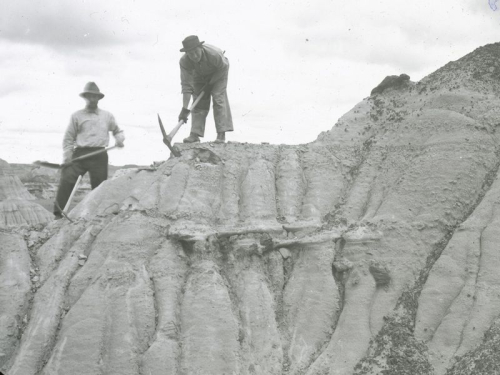
Smithsonian: How to Discover Dinosaurs
Read more: Smithsonian: How to Discover DinosaursOver on Smithsonian.com, Hans-Dieter Sues has an article about finding dinosaurs. The article answers many of the what, where, and how kind. People always ask, “How do you know where to dig?” Well, first we have to find a dinosaur skeleton before we can dig it up. To collect dinosaurs requires careful planning. Unless they are called on to salvage a skeleton already found during construction or mining, paleontologists begin their search for dinosaurs by studying geological maps and reports to identify locations where the rocks might yield dinosaur bones. After securing the necessary fieldwork permits, team leaders select volunteers,…
-

Opal Hunting at the Spencer, Idaho Mini-Mine by Andy Jansen
Read more: Opal Hunting at the Spencer, Idaho Mini-Mine by Andy JansenRock hunting opportunities were dancing through my mind when I was requested to go to Idaho Falls, ID for a business meeting the third week of July. Should I go for fossils, minerals, or both? I was scouring websites for options that would be within a couple hours drive from Idaho Falls in the likely event that my meeting would conclude early. One good choice was an opal “mini-mine” in Spencer, ID, which was only 65 miles north of Idaho Falls, and only 55 minutes, since the speed limit is 80 mph for most of the way. Spencer is a…
-

PBS Eons: The Raptor That Made Us Rethink Dinosaurs
Read more: PBS Eons: The Raptor That Made Us Rethink DinosaursPBS Eons has a new episode about Deinonychus and that endless question… Were dinosaurs warm or cold blooded? In 1964, a paleontologist named John Ostrom unearthed some fascinating fossils from the mudstone of Montana. Its discovery set the stage for what’s known today as the Dinosaur Renaissance, a total re-thinking of what we thought we knew about dinosaurs.
-
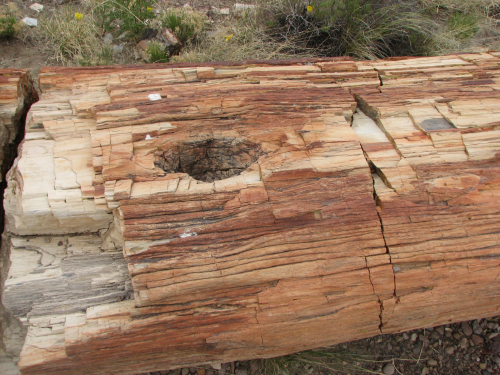
Roy Plotnick: Epigraphs of taphonomy (or prolegomenon to a future book)
Read more: Roy Plotnick: Epigraphs of taphonomy (or prolegomenon to a future book)Roy Plotnick has another interesting blog post over on Medium. In this post, he discusses some future plans for a possible book. Make sure you follow him on Medium. He doesn’t post very often, but all his articles are worth reading! When I first thought of writing a popular science book, one option I considered was an overview of taphonomy, the science of the formation (or lack of formation) of fossils. I even had a cute working title: Rotten Science. This project has now been superseded by my current book project (Explorers of Deep Time: Paleontologists and the History of Life…
-
Reminder: ESCONI September Junior Meeting on September 13th, 2019 at 7:00 PM
Read more: Reminder: ESCONI September Junior Meeting on September 13th, 2019 at 7:00 PMThe topic of September’s junior meeting will be show and tell. The juniors are welcome to bring in their rock, mineral, fossil, or stone point collections. Each junior will have a turn at presenting their collection at the junior meeting. We will bring ESCONI’s own junior’s collection and other material, which of course will have good stories to go with it. If we still have time left in the meeting we will make cast fossils of sea shells. The juniors who are members, and present their collections, will get one check on both of the achievements badges including; Collecting, and…
-
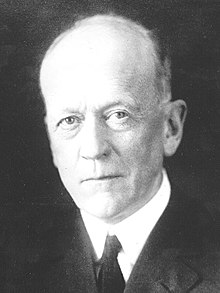
Happy 110th Birthday, Burgess Shale!
Read more: Happy 110th Birthday, Burgess Shale!Charles Doolittle Walcott discovered the Burgess Shale on August 30th, 1909. At the time, Walcott was head of the Smithsonian Institution in Washington, DC. He came to Mount Stephen, British Columbia, which is in Yoho National Park, in 1907, because of reports of “stone bugs” reported by railway workers, surveyors, and others. In 1909, while exploring the slopes with his family, he found the area that would come to be known as Fossil Ridge. Supposedly, he found a Marrella fossil while helping his wife, Helena, back up onto her horse. Wolcott returned many times between 1910 and 1924, eventually collecting…
-
ESCONI Gem, Mineral, and Fossil Show March 21st and 22nd 2020 – Save the Date!
Read more: ESCONI Gem, Mineral, and Fossil Show March 21st and 22nd 2020 – Save the Date!Make sure you save time to attend the 2020 ESCONI Gem, Mineral, and Fossil Show on March 21st and 22nd 2020. We’ll have the usual mix of great vendors, Live Auction, Silent Auction, Junior Booth, Books, and much, much, more! Don’t miss it!
-
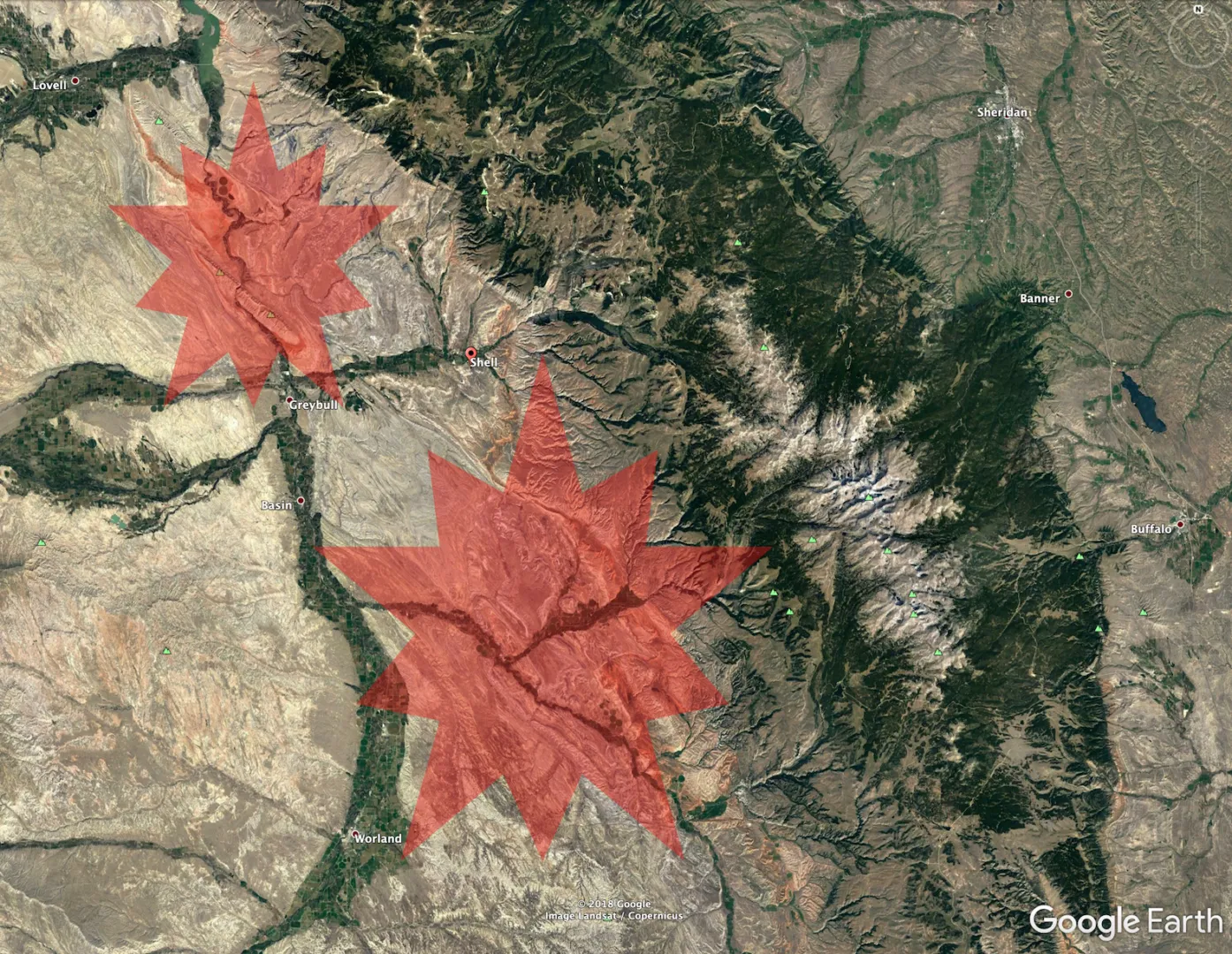
Jurassic dig uncovering hundreds of dinosaurs in Wyoming
Read more: Jurassic dig uncovering hundreds of dinosaurs in WyomingBuckrail has a post about a massive dinosaur dig in north-central Wyoming. Called “Mission Jurassic”, the effort has become a collaboration between paleontologists across the US and the UK. The site itself is huge and may hold hundreds of dinosaurs, including four mighty sauropods that have already been identified. Geologists have long known about the dinosaur-rich Morrison Formation. Stretching from New Mexico to Montana, the sedimentary rocks, stones, and conglomerates hide thousands of dinosaur fossils dating from the Kimmeridgian and early Tithonian ages some 148 million to 155 million years old ago. What has scientists especially excited lately is…
-
Reminder: ESCONI September General Meeting on September 13th, 2019 at 8:00 PM
Read more: Reminder: ESCONI September General Meeting on September 13th, 2019 at 8:00 PMThe speaker at our September 13, 2019 meeting will be Dr. Ashley Klymiuk, Collections Manager, Paleobotany, at the Field Museum. The topic of her talk will be “Fossils from the Fifth Kingdom: from moulds to mycorrhizae”. Come on out… it should be very interesting! Here is a link to a ScienceDaily article about some of her recent research. Dr. Az Klymiuk is a Métis Canadian botanist, mycologist, and paleontologist. Her research comprises comparative plant anatomy of gymnosperms and morphological systematics of fossilized microfungi. In the course of her doctoral work at the University of Kansas, she became interested in plant-microbe…
-
PBS Eons: The Missing Link That Wasn’t
Read more: PBS Eons: The Missing Link That Wasn’tA new episode of PBS Eons is out. It is about the Piltdown Man and how our understanding of Evolution has changed since. The myth of the Missing Link–the idea that there must be a specimen that partly resembles an ape but also partly resembles a modern human–is persistent. But the reality is that there is no missing link in our lineage, because that’s not how evolution works.
-

ESCONI Events September 2019
Read more: ESCONI Events September 2019Field trips require membership, but visitors are welcome at all meetings! Fri, Sep 13th ESCONI Junior Meeting, 7:00 PM College of Dupage – Tech Ed (TEC) Building, Room 1038B (Map) – Topic: “Maps” Fri, Sep 13th ESCONI General Meeting, 8:00 PM College of Dupage – Tech Ed (TEC) Building, Room 1038B (Map) – Topic: “Fossils from the Fifth Kingdom: from Moulds to Mycorrhizae” by Dr. Az Klymiuk, Collections Manager, Paleobotany the Field Museum Sat, Sep 14th ESCONI Field Trip, Mazon Creek Spoil Pile in Braceville, IL, 8:00 AM to 2:00 PM – Details here Sun, Sep 15th ESCONI Field Trip, Mazon Creek Spoil…
-

ESCONI Field Report: Starved Rock Clay Pit, Saturday August 17th, 2019
Read more: ESCONI Field Report: Starved Rock Clay Pit, Saturday August 17th, 2019Trip Report: Starved Rock Clay Pit, August 17, 2019 By Dave Carlson Email: fossil54@att.net “You gotta go in the mud sometimes to figure who you are” – Andy Irons. “Madness….madness.” – Major Clipton, “Bridge on the River Kwai”. Who goes into a clay pit during a rain storm? Rock and fossil collectors, of course! Technically, we waited until the rain stopped to go in and collect. No vehicles got stuck because the road is good, but the same can’t be said for the people. More than one shoe is entombed in the Pennsylvanian mud, to be found by future generations.…
-
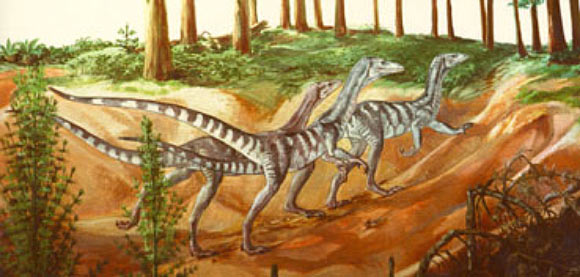
SciNews: Elevated Levels of Oxygen Gave Rise to North American Dinosaurs, Scientists Say
Read more: SciNews: Elevated Levels of Oxygen Gave Rise to North American Dinosaurs, Scientists SaySciNews has a post about the rise of the dinosaurs during the Triassic. It seems that oxygen rose over 25% in 3 million years. That change might have led to the expansion of dinosaurs around 215 million years ago. The paper was presented at the 2019 Goldschmidt Conference in Barcelona, Spain. A team of researchers from Rensselaer Polytechnic Institute and the University of Texas Austin has used a new technique to analyze tiny amounts of gas trapped inside 215-million-year-old rocks from the Colorado Plateau and the Newark Basin. Their results show that oxygen levels in these rocks leapt by nearly…
-
ESCONI Flashback Friday #16: Karen’s Komments
Read more: ESCONI Flashback Friday #16: Karen’s KommentsAs part of the run up to ESCONI’s 70th Anniversary, here is Flashback Friday post #16. If you have pictures or stories to contribute, please send them over to esconi.info@gmail.com. Thanks! Karen Nordquist’s monthly column in “The Earth Science News” started as “DINO News” in January 1998 and continued under that name until December 1999. In January 2000, the column changed name to “Karen’s Komments” as it continued as a regular feature in the newsletter until December 2017. Her column was always interesting. During this time, Karen served many different board positions with ESCONI, including president from 2001-2003 and again…
-
ESCONI Field Trip to an Ordovician, Hard-rock Quarry Near Belvidere, Illinois on Saturday, Sept 21, 2019
Read more: ESCONI Field Trip to an Ordovician, Hard-rock Quarry Near Belvidere, Illinois on Saturday, Sept 21, 2019There will be a field trip to an Ordovician, hard-rock quarry near Belvidere, Illinois on Saturday, Sept 21, 2019, from 9AM to 12 noon. We visited this quarry in April. If you like Hormotoma or Receptaculites, this is the place for you! The quarry has been active so there is new rock exposed. Rules The address of the quarry is 4525 Irene Road, Belvidere, Illinois. I will distribute the waiver forms by email to those signed up just before the trip. Questions? Send me an email…
-

NHM: The oldest stegosaur ever has been discovered in Morocco
Read more: NHM: The oldest stegosaur ever has been discovered in MoroccoThe Natural History Museum in London has a post about a newly described Stegosaur. This animal lived about 168 million years ago, during the middle Jurassic, in what is now the Middle Atlas mountains of Morocco. It’s the first stegosaur found in North Africa and is called Adratiklit boulahfa. The paper describing it appeared in the journal Science Direct. All that is left of the animal is a handful of vertebrae and an upper arm bone, but those were enough for a team a palaeontologists to confidently identify not only a new species but a new genus. The study was led…
-
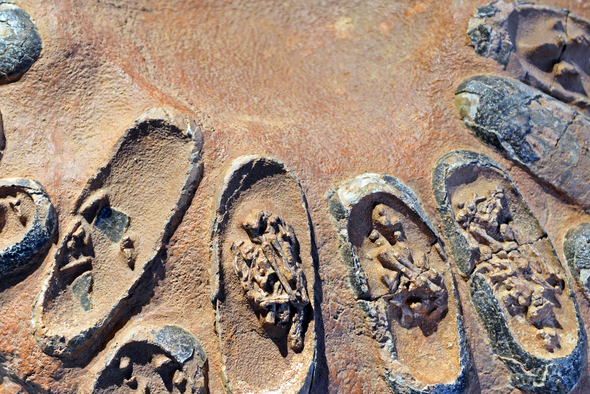
Scientific American: Ancient Mongolian Nests Show Dinosaurs Protected Their Eggs
Read more: Scientific American: Ancient Mongolian Nests Show Dinosaurs Protected Their EggsScientific American has an article about fossil dinosaur eggs. A new find, which consisted of about 15 nests and more than 50 eggs, was found in what is now the Gobi Desert. It dates to the late Cretaceous, about 80 million years ago and shows evidence of gregarious behavior. All the details appeared in a paper in the Journal Nature. An exquisitely preserved dinosaur nesting site discovered in the Gobi Desert shows that some of these prehistoric animals nested in groups and, like birds, protected their eggs. “Dinosaurs are often portrayed as solitary creatures that nested on their own, buried…
-
PBS Eons: Was This Dinosaur a Cannibal?
Read more: PBS Eons: Was This Dinosaur a Cannibal?PBS Eons has a new episode. This one is about the Ceolophysis finds at the Ghost Ranch an the implications for dinosaur behavior. Paleontologists have spent the better part of two decades debating whether Coelophysis ate its own kind. It turns out, the evidence that scientists have had to study in order to answer that question includes some of the strangest and grossest fossils that any expert would ever get to see. Thanks to Fabrizio De Rossi and Studio 252mya for the Coelophysis illustration. You can find more of their work here: https://252mya.com/gallery/fabrizio-d…
-
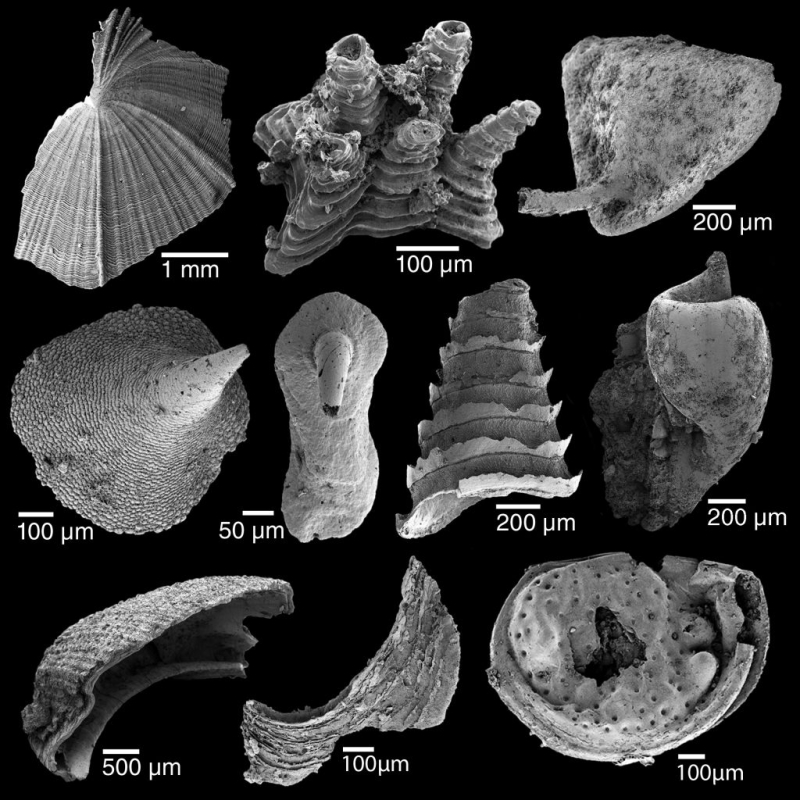
Palaecast Episode 102: Small Shelly Fossils
Read more: Palaecast Episode 102: Small Shelly FossilsThere’s a new episode of the Palaeocast podcast. This one is about the strange “Small Shelly Fossils” that are found at the base of the Cambrian. Between the weird and wonderful rangeomorphs of the Ediacaran Period and the world-famous palaeocommunities of the Burgess Shale, the ‘Early Cambrian’ is host to a ‘waste basket’ of fossils untied by their small size and shelly construction. These small shelly fossils (SSFs) aren’t just a single group of animals, but represent several different invertebrate phyla. Further compounding the difficulty of their identification, each SSF, termed a ‘sclerite’, is part of a larger composite skeleton…

ESCONI Gem, Mineral, and Fossil Show
Most Recent Post
- PBS Terra: The Cascadia Megaquake Is Inevitable. And It Will Reshape America Forever
 PBS Terra has an interesting new video. This one covers the history, science, and future of the Cascadia Subduction Zone in the Pacific Northwest.
- About ESCONI
- Around the Web
- Calendar of Events
- Code of Ethics and Conduct
- ESCONI Books for Sale
- ESCONI Gem, Mineral, and Fossil Show
- ESCONI in the News
- ESCONI Videos
- Field Trips
- Flashback Friday
- Fossil Friday
- Mazon Creek
- Mazon Monday
- Member Spotlight
- Membership Information
- Reference Material
- Throwback Thursday
- Trilobite Tuesday
Field trips require membership, but visitors are welcome at all meetings!
| Friday, April 10th | General Meeting – 8:00 PM via Zoom. Jessica Hull will present “Life in the Devonian Period, The Age of Fishes.” |
| Saturday, April 11th | Junior Study Group Meeting – 2:00 PM, in person at the College of DuPage Technical Education Center (TEC) Building – Room 1038A (Map). Katherine Howard will present on Sand and Sediment Collecting. Specifics of this meeting are available from Scott Galloway, 630-670-2591, gallowayscottf@gmail.com. |
| Saturday, April 18th | Paleontology Study Group – 7:30 PM via Zoom and in person at the College of DuPage, TEC, Room 1038B (Map). Keith Robitschek will present “Digging the Marl of the Lance Formation.” |
| Friday, April 24th | MAPS Expo XLVII – Springfield, IL. |
| Saturday, April 25th | MAPS Expo XLVII – Springfield, IL. |
| Sunday, April 26th | MAPS Expo XLVII – Springfield, IL. |
| No meeting this month | Mineralogy Study Group |