
-

ESCONI Field Trip to Braceville, IL for Mazon Creek Fossils – Saturday, September 16th and Sunday September 17th, 2023
Read more: ESCONI Field Trip to Braceville, IL for Mazon Creek Fossils – Saturday, September 16th and Sunday September 17th, 2023Update: both days are FULL! Braceville Field Trip Rules for Sept 2023 The ESCONI field trips to Braceville for Mazon Creek fossils are set for Sept 16 and 17, 2023 from 9 AM to 3 PM. You can attend one or the other, but not both days. There is an attendance limit of 50 people each day. You must register to go on this trip. See rule 6 below for instructions. This is the only way to register. If you are sick, have any symptoms of Covid-19 or have recently tested positive, DO NOT COME. Meet at 9 AM at the…
-
Introducing, Sobek the Spinosaurus
Read more: Introducing, Sobek the SpinosaurusThe new Spinosaur at the Field Museum has a name… Sobek! Over the last two weeks, more than 30,000 votes were cast to choose a name for Spinosaurus. We are excited to introduce Sobek the Spinosaurus to the Field Museum! Sobek is the name of an ancient Egyptian god with the head of a crocodile, inspired by the crocodile-like jaws of the river-dwelling Spinosaurus, who was first discovered in Egypt. Sobek and SUE the T.rex will soon embark on a tour of Chicago together. Stay up to date on this dynamic duos’ adventure by following the Field’s social media channels at @fieldmuseum, or pay a visit to…
-
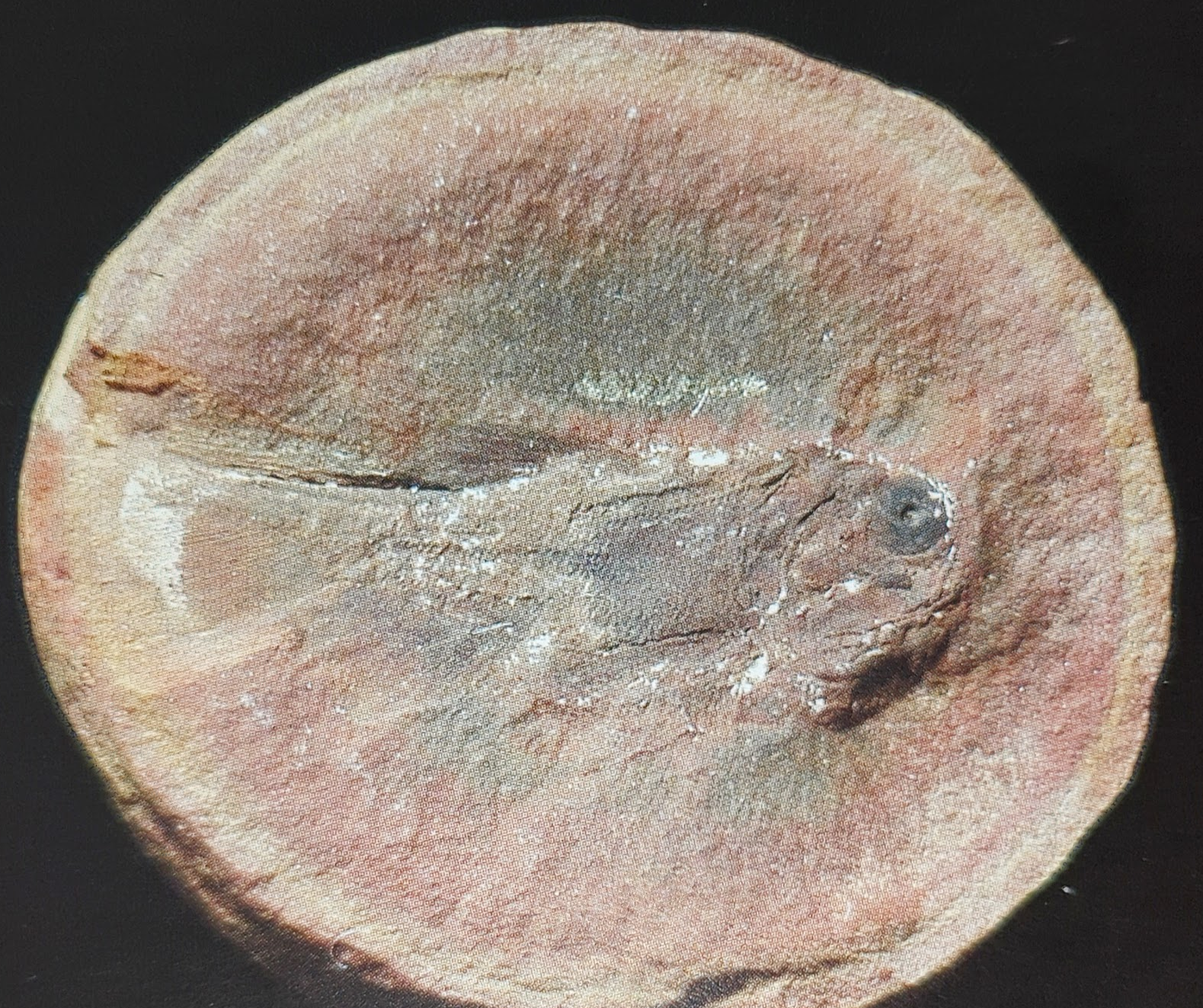
Mazon Monday #177: Elonichthys hypsilepus
Read more: Mazon Monday #177: Elonichthys hypsilepusThis is Mazon Monday post #177. What’s your favorite Mazon Creek fossil? Tell us at email:esconi.info@gmail.com. Elonichthys hypsilepus was described in 1900 by Oliver Perry Hay (1846 – 1930) in the paper “Descriptions of some vertebrates of the Carboniferous age, Proceedings American Philosophical Society, Philadelphia”. Hay was an American herpetologist, ichthyologist, and paleontologist. He worked at the Field Columbian Museum, which became the Field Museum of Natural History. He served as Assistant Curator of Zoology and wrote “On Some Collections of Fishes” in 1896 and “Bibliography and Catalogue of the Fossil Vertebrata of North America” in 1902. E. hypsilepus appears…
-

Nebraska’s Ashfall Fossil Beds is a ‘one-of-a-kind place’
Read more: Nebraska’s Ashfall Fossil Beds is a ‘one-of-a-kind place’The Omaha World-Herald has an interesting article about the Ashfall Fossil Beds in Nebraska. Ashfall Fossil Beds is a state park. It features the fossil remains of many animals, who were killed by the ash from a volcanic eruption in Idaho about 12 million years ago. The eruption is thought to be 1000 times larger than the 1980 eruption of Mount St. Helens. It’s an active research site. More than 200 complete skeletons have been found on the site… mostly rhinos, but some horses and other animals. The Ashfall Fossil Beds is a great vacation stop. It’s located about three…
-
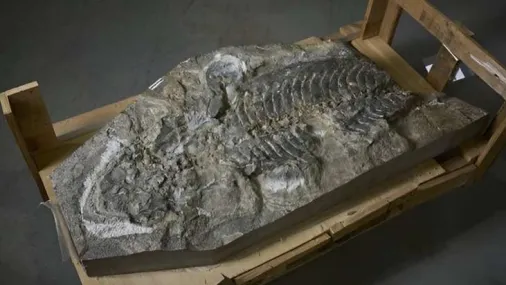
240 million-year-old fossil of salamander-like creature with ‘gnarly teeth’ unearthed in rocks for garden wall
Read more: 240 million-year-old fossil of salamander-like creature with ‘gnarly teeth’ unearthed in rocks for garden wallLiveScience has an article about the discovery of a salamander-like animal in Australia. The animal, Arenaerpeton supinatus — meaning “supine sand creeper” — lived about 240 million years ago during the Triassic Period in what is now Australia. It was estimated to be 4 foot (1.2 meters) long and looked similar to the modern Chinese giant salamander Andrias davidianus. The fossil was discovered about 30 years ago in a garden retaining wall by a retired chicken farmer. The description of A. supinatus was published in the Journal of Vertebrate Paleonology. The creature’s ribs and the outlines of its skin suggest…
-
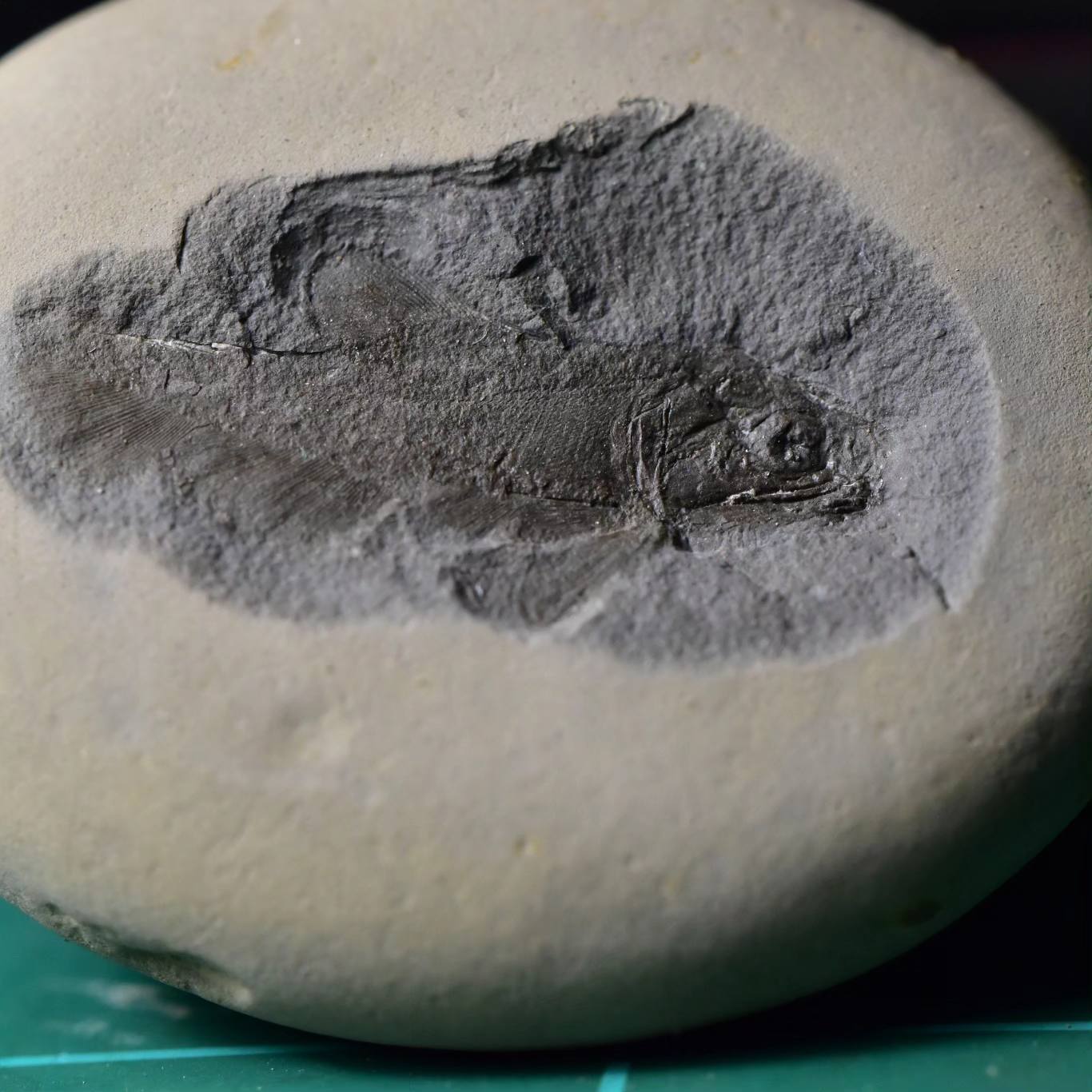
Fossil Friday #173: Elonichthys hypsilepus from Mazon Creek
Read more: Fossil Friday #173: Elonichthys hypsilepus from Mazon CreekThis is the “Fossil Friday” post #173. Expect this to be a somewhat regular feature of the website. We will post any fossil pictures you send in to esconi.info@gmail.com. Please include a short description or story. Check the #FossilFriday Twitter hash tag for contributions from around the world! —————————————————– Today, we have a gorgeous Mazon Creek fish. This is Elonichthys hypsilepus, an Actinopterygii (ray finned) fish. This is a distant relative of common modern day fish. This beautiful specimen was sent in by ESCONI member Jake Fill. He collected it from Pit 11. It opened a few months ago, with…
-

Throwback Thursday #174: Bola Tie Raffle
Read more: Throwback Thursday #174: Bola Tie RaffleThis is Throwback Thursday #174. In these, we look back into the past at ESCONI specifically and Earth Science in general. If you have any contributions, (science, pictures, stories, etc …), please send them to esconi.info@gmail.com. Thanks! September 1983 saw “The Chance of the Century”… which was a chance to win a sterling silver ESCONI Bola Tie. Photos of a similar bola tie. Note the Tully Monster and trilobite at the end of the string. Maker’s mark… HP for Harry Peterson. The winner, Linn Buss, was announced in the November 1983 edition of the newsletter. Linn led the Archaeology Study…
-

PBS Eons: Why The Giraffe Got Its Neck
Read more: PBS Eons: Why The Giraffe Got Its NeckPBS Eons has a new video on Youtube. This one is about the evolution of long necks in giraffes. How and why the giraffe's neck emerged in the first place has been a mystery that generations of biologists have argued over – one that has made us reconsider our understanding of how evolution actually works over and over again.
-
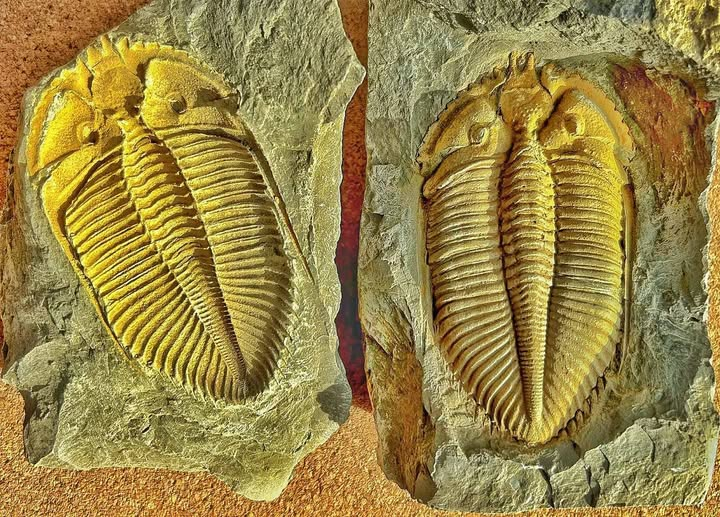
Trilobite Tuesday #44: Trilobite of the Month, August 2023
Read more: Trilobite Tuesday #44: Trilobite of the Month, August 2023Sam Ohu Gon III posted some awesome photos for Trilobite of the Month, August 2023 over on Facebook. If you don’t know of Sam’s work, have a look at trilobites.info for everything you ever wanted to know about trilobites!
-
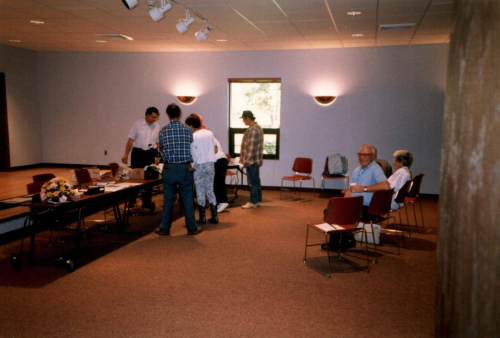
Mazon Monday #176: “Please, try for more fossil insects!”
Read more: Mazon Monday #176: “Please, try for more fossil insects!”This is Mazon Monday post #176. What’s your favorite Mazon Creek fossil? Tell us at email:esconi.info@gmail.com. Today’s post is an update to Mazon Monday #172, which was entitled “Fossil Insect Symposium 1990”. Long time ESCONI member Marty Houdek read that post and sent us some information about the event, because he was there! Actually, he’s in the last photo framed in the window, wearing the flannel shirt. I was at this symposium. I was the last person to have their fossils examined, and in picture number 7 that Tom took, I am the person standing in the middle of the…
-
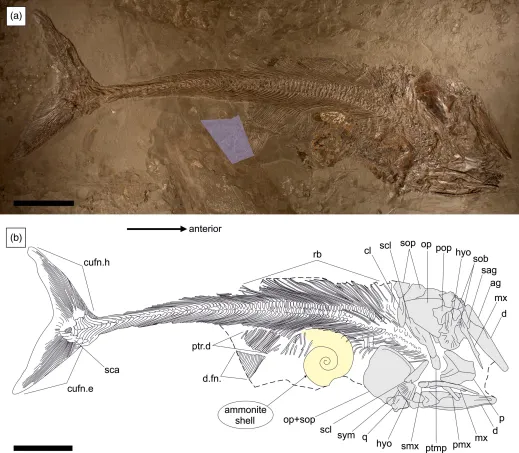
Jurassic era fish fossil found to have died from eating an overly large ammonite
Read more: Jurassic era fish fossil found to have died from eating an overly large ammonitePhys.org has an interesting post about a fish that died from indigestion. The fish, an actinopterygian named Pachycormus macropterus, lived during the Jurassic Period between 174 and 182 million years ago. Its fossil was found in Germany in the Posidonienschiefer Formation. It swallowed an ammonite, which was much to large for it to digest. Read all the details in the paper “Death by ammonite: fatal ingestion of an ammonoid shell by an Early Jurassic bony fish”, which appeared in Geological Magazine. The researchers found its belly full of a variety of prey. They found evidence of soft-bodied mollusks that looked…
-

ESCONI Field Trip to Napoleon, IN for Silurian Fossils – Saturday, August 19th, 2023
Read more: ESCONI Field Trip to Napoleon, IN for Silurian Fossils – Saturday, August 19th, 2023Cystoid from a field trip to Napoleon – from a University of Kentucky website. There will be a field trip for ESCONI members on Saturday, August 19, 2023 to the quarry in Napoleon, Indiana. The trip starts at 9 AM (Eastern) and ends at 1 PM. The rock at this location is Silurian in age, from the Osgood Member of the Salamonie Dolomite. Rules are as follows: To register for this field trip, send Keith an email with the number of members attending. His email address is: krobits@sbcglobal.net. No phone calls please. Do NOT call the quarry. He will confirm…
-
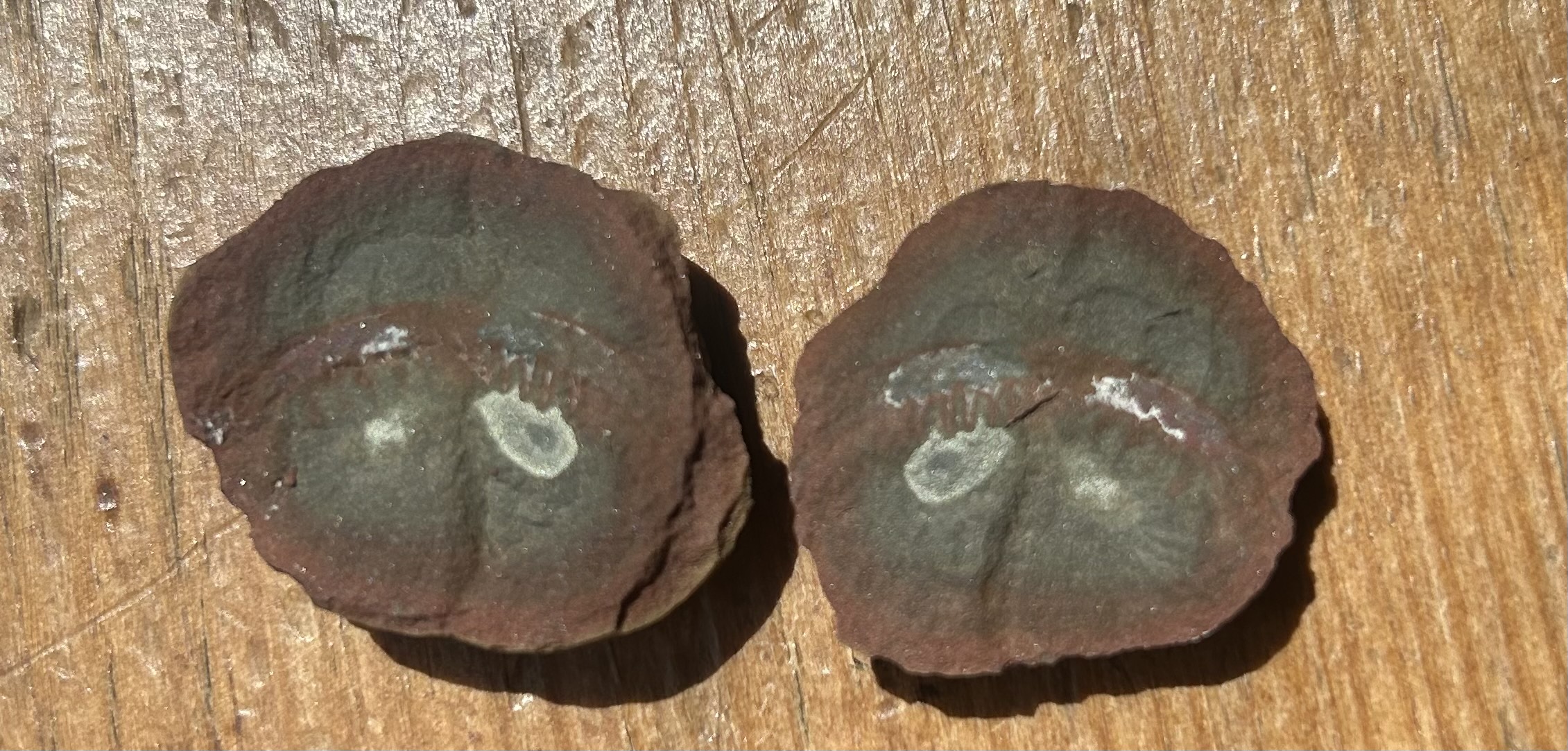
Fossil Friday #172: Mazoscolopendra richardsoni
Read more: Fossil Friday #172: Mazoscolopendra richardsoniThis is the “Fossil Friday” post #172. Expect this to be a somewhat regular feature of the website. We will post any fossil pictures you send in to esconi.info@gmail.com. Please include a short description or story. Check the #FossilFriday Twitter hash tag for contributions from around the world! Centipedes are one of the rarest of Mazon Creek animals, with about 1 in 100,000 concretions expected to have a centipede. Gordon C. Baird and John L. Anderson found just 3 in 287,000 concretions in their paper “Relative Abundance of Different Mazon Creek Organisms”, which was published in the “Richardson’s Guide to…
-
Throwback Thursday #173: Chiton Hill in Pit 11
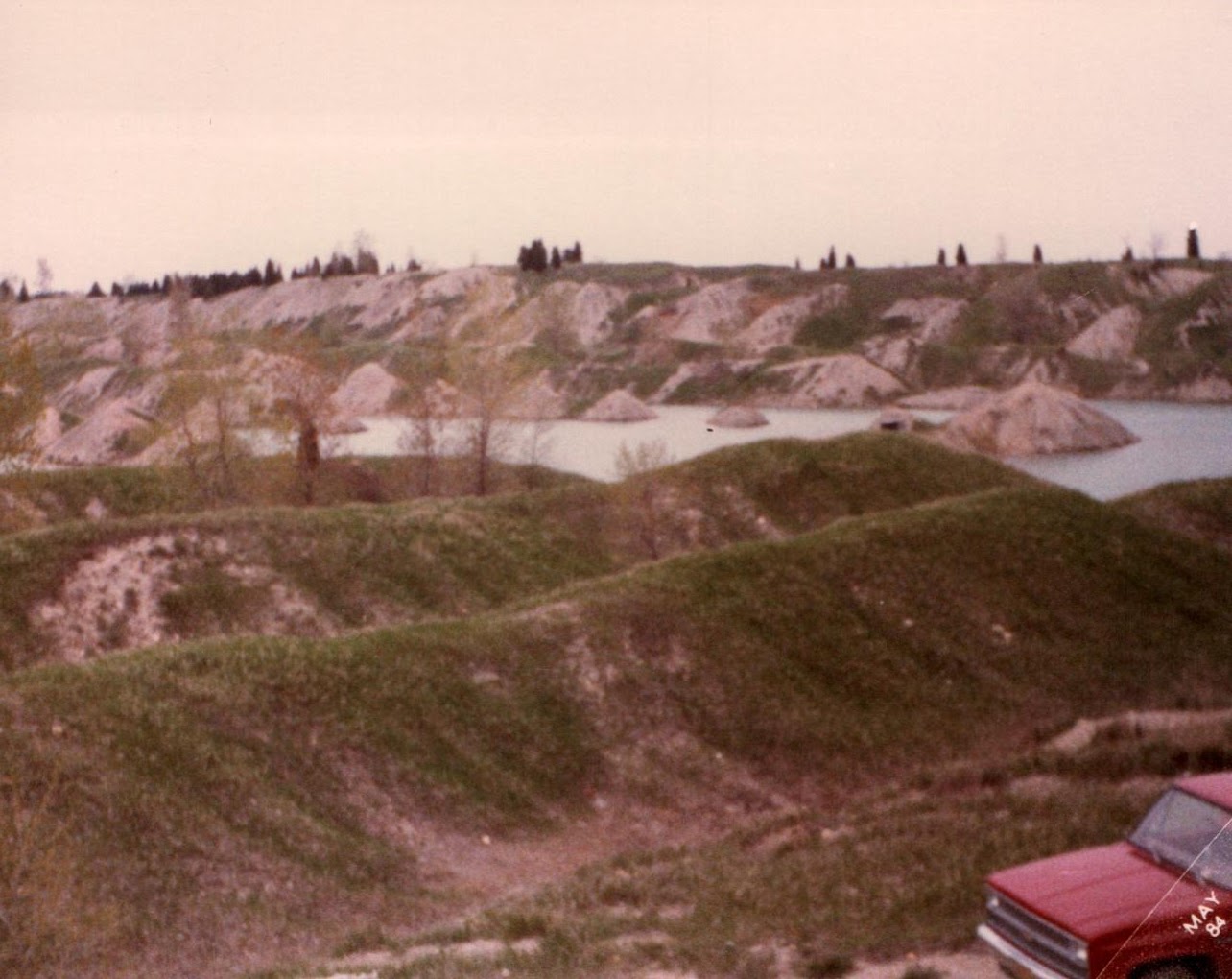
Read more: Throwback Thursday #173: Chiton Hill in Pit 11This is Throwback Thursday #173. In these, we look back into the past at ESCONI specifically and Earth Science in general. If you have any contributions, (science, pictures, stories, etc …), please send them to esconi.info@gmail.com. Thanks! Earlier this week, we posted Mazon Monday #172 Glaphurochiton. In that post, it was mentioned that chitons tended to be found in larger assemblages. In fact, a few ridges in Pit 11 were referred to as “Chiton Hills”. Chitons are very ancient animals ranging from the Late Cambrian to the present. G. concinnus specimens were found in at least two concentrations at Pit 11, which…
-
These 508-Million-Year-Old Fossils May Be Earth’s Oldest Swimming Jellyfish
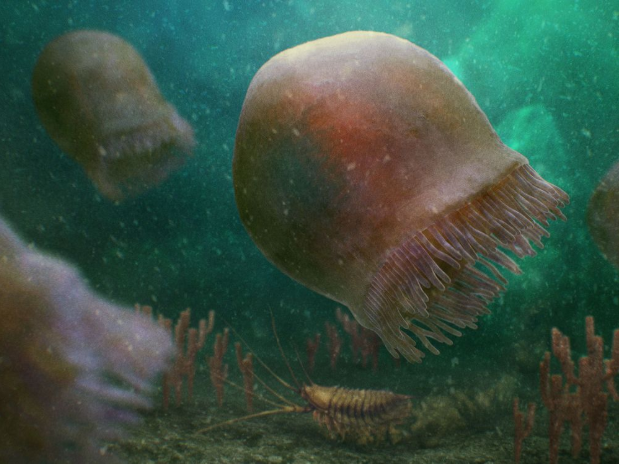
Read more: These 508-Million-Year-Old Fossils May Be Earth’s Oldest Swimming JellyfishSmithsonian Magazine has a story about ancient jellyfish… fossilized jellyfish. One of our favorite fossil localities, Mazon Creek, has abundant jellyfish fossils, but otherwise jellyfish are quite rare in the fossil record. A recent paper in the journal Proceedings of the Royal Society B described a new jellyfish, Burgessomedusa phasmiformis, which hales from British Columbia, Canada. Whether spotted pulsing under the waves or stranded on a sandy shore, jellyfish are a common sight on a trip to the beach. The soft-bodied animals are also a connection to the ancient past. Now, researchers have uncovered a 508-million-year-old fossil of a bygone jellyfish,…
-
Digging the Past: A Celebration of Fossils, Geology and Archaeology at the Falls of the Ohio State Park, August 26th 2023
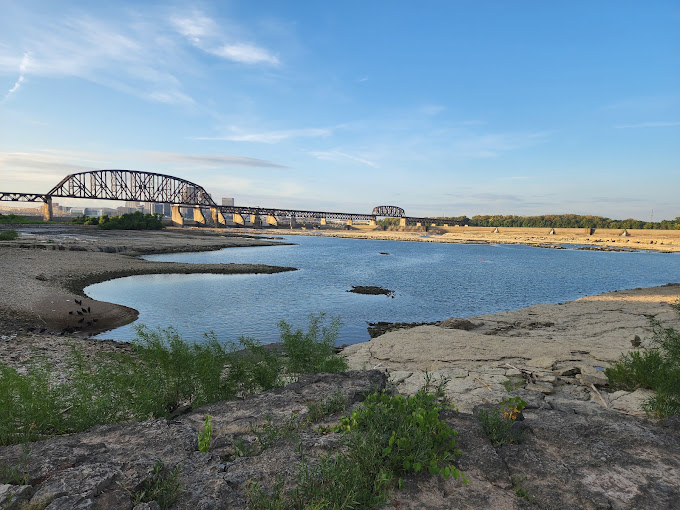
Read more: Digging the Past: A Celebration of Fossils, Geology and Archaeology at the Falls of the Ohio State Park, August 26th 2023We received the following announcement from Alan Goldstein of the Falls of the Ohio State Park in southern Indiana. He gave us an interesting presentation about the Falls of Ohioback in May 2023. Digging the Past August 26th, 10:00 a.m. to 4:00 p.m. A Celebration of Fossils, Geology and Archaeology at the Falls of the Ohio State Park, 201 W. Riverside Dr. Clarksville, IN 47129 Co-sponsored by Indiana Geological & Water Survey, the Mineral and Fossil Interest Club, Kentucky Paleontological Society; Falls of the Ohio Archaeological Society; rock with fossils provided by IMI, Garza mineral pile. Combining the best of…
-
Mazon Monday #175: Glaphurochiton concinnus
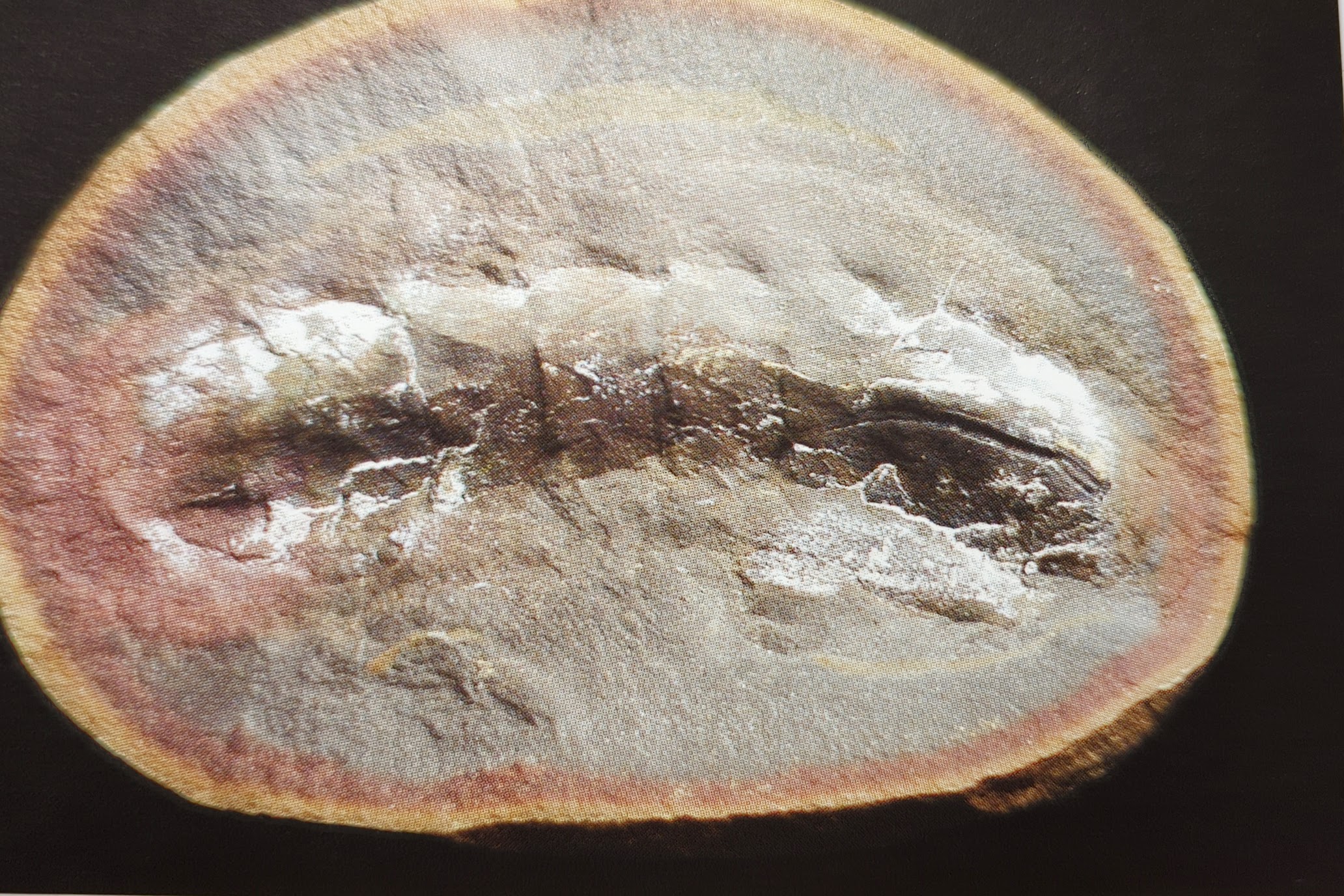
Read more: Mazon Monday #175: Glaphurochiton concinnusThis is Mazon Monday post #175. What’s your favorite Mazon Creek fossil? Tell us at email:esconi.info@gmail.com. Chitons are rare in the Mazon Creek biota. They are Mollusks, belonging to the same Phylum as oysters, clams, cephalopods, snails, and gastropods. Classified as polyplacophorans, they always have eight ornamented segments or valves. Glaphurochiton concinnus was one of the first animal described by Dr. Eugene Richardson, Jr. He described it as Helminthochiton concinnus in the paper “Pennsylvanian invertebrates of the Mazon Creek area, Illinois: marine fauna”, which appeared in the Field Museum’s journal Fieldiana in 1956. It was moved into the genus Pterochiton…
-

New analysis of tooth minerals confirms megalodon shark was warm-blooded
Read more: New analysis of tooth minerals confirms megalodon shark was warm-bloodedPhys.org has an article about Megalodon. Otodus megalodon, which means “big tooth”, was a very large shark that lived from the Oligocene 28 million years ago up to the Pliocene, just 3.6 million years ago. O. megalodon is classified as a mackerel shark, which is not closely related to the great white shark, Carcharodon carcharias. New research published in the journal Proceedings of the National Academy of Sciences looked at fossil teeth and concluded that Megalodon was warm blooded. Maintaining a higher energy level would have given it a body temperature, which may have given it an advantage in the…
-
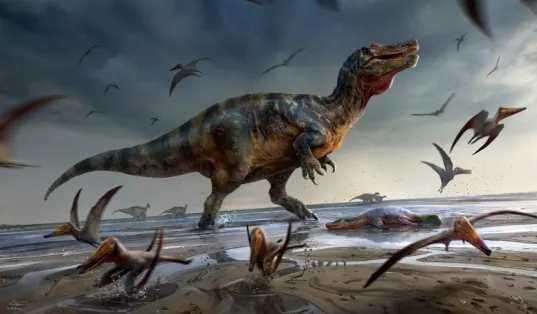
Shattering Preconceptions: Diverse Spinosaur Species Roamed Cretaceous Britain
Read more: Shattering Preconceptions: Diverse Spinosaur Species Roamed Cretaceous BritainSciTechDaily has a story about dinosaurs in Britain. A recent paper in the journal Peerj Life & Environment proposes that multiple spinosaur species lived in Britain during the early Cretaceous Period. Baryonyx is the most popularly known species. The researhers looked at spinosaur teeth and found significant differences. The Wealden is famous for its spinosaur fossils. Baryonyx – discovered in the Wealden of Surrey in 1983 – is one of the world’s most significant spinosaur specimens, since it was the first to reveal the true appearance of this crocodile-headed, fish-eating group. Less impressive spinosaur remains – isolated teeth – are common throughout…
-
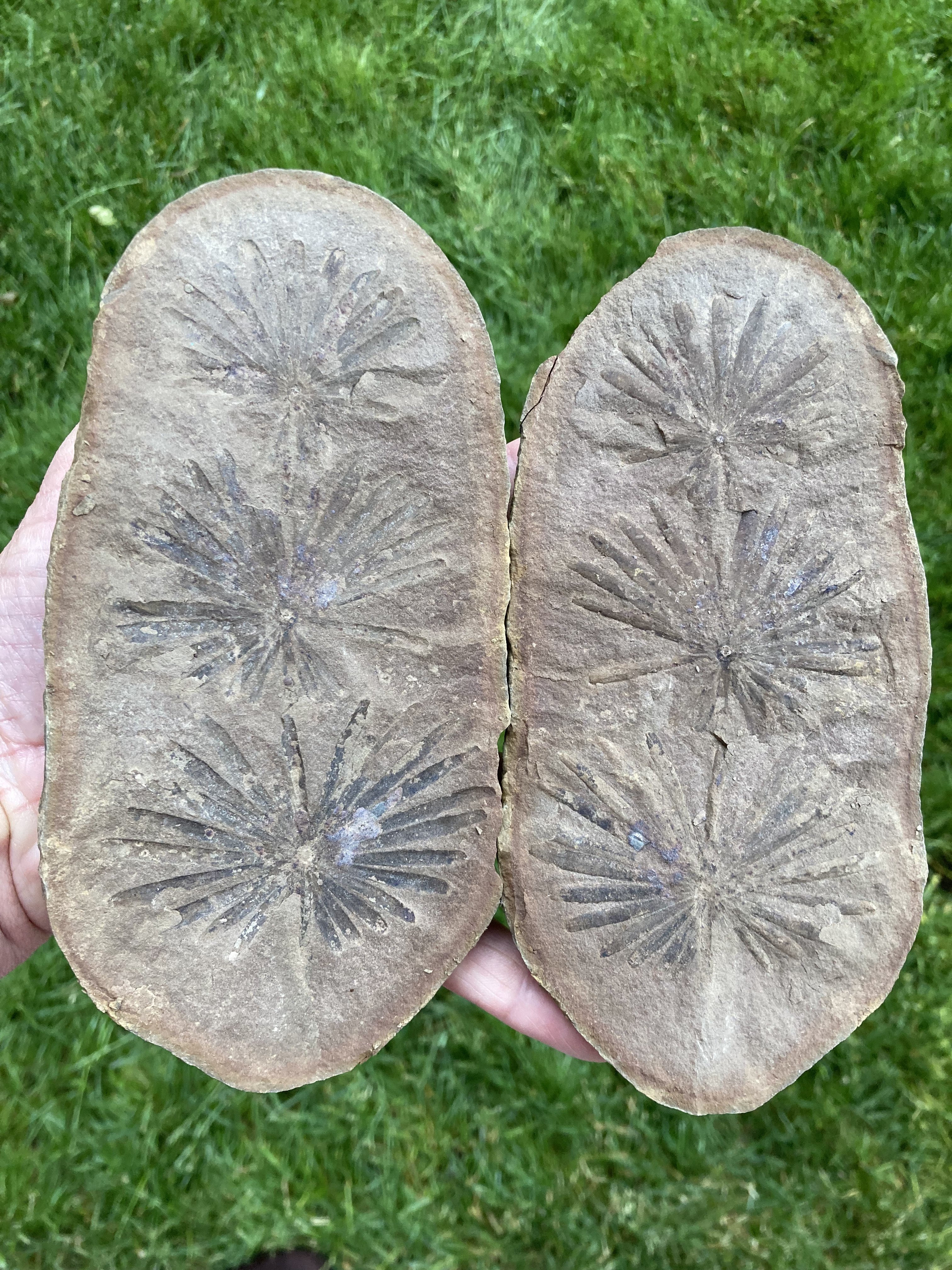
Fossil Friday #171: Mazon Creek Annularia
Read more: Fossil Friday #171: Mazon Creek AnnulariaThis is the “Fossil Friday” post #171. Expect this to be a somewhat regular feature of the website. We will post any fossil pictures you send in to esconi.info@gmail.com. Please include a short description or story. Check the #FossilFriday Twitter hash tag for contributions from around the world! Today’s fossil comes from long time ESCONI member Ralph Jewell. If you’ve been on a Braceville field trip, you’ve met Ralph. He very generously participate in the fossil dump. This is a spectacular 3 whorl Annularia inflata from Pit 11. It opened via freeze/thaw back in mid-June. You don’t find large ones…

ESCONI Gem, Mineral, and Fossil Show
Most Recent Post
- ESCONI April 2026 General Meeting via Zoom – “Life in the Devonian Period, The Age of Fishes”
 The April 2026 General Meeting will be held on April 10th, 2026 at 8:00 via Zoom. At the meeting, Jessica Hull will present “Life in the Devonian Period, The Age of Fishes.” The Devonian Period was a crucial moment in the history of life. In this presentation, Jessica Hull will bring fossils to life by describing how they would have lived based on the most up to date research. Dunkleosteus fans won’t want to miss this!
- About ESCONI
- Around the Web
- Calendar of Events
- Code of Ethics and Conduct
- ESCONI Books for Sale
- ESCONI Gem, Mineral, and Fossil Show
- ESCONI in the News
- ESCONI Videos
- Field Trips
- Flashback Friday
- Fossil Friday
- Mazon Creek
- Mazon Monday
- Member Spotlight
- Membership Information
- Reference Material
- Throwback Thursday
- Trilobite Tuesday
Field trips require membership, but visitors are welcome at all meetings!
| Friday, April 10th | General Meeting – 8:00 PM via Zoom. Jessica Hull will present “Life in the Devonian Period, The Age of Fishes.” |
| Saturday, April 11th | Junior Study Group Meeting – 2:00 PM, in person at the College of DuPage Technical Education Center (TEC) Building – Room 1038A (Map). Katherine Howard will present on Sand and Sediment Collecting. Specifics of this meeting are available from Scott Galloway, 630-670-2591, gallowayscottf@gmail.com. |
| Saturday, April 18th | Paleontology Study Group – 7:30 PM via Zoom and in person at the College of DuPage, TEC, Room 1038B (Map). Keith Robitschek will present “Digging the Marl of the Lance Formation.” |
| Friday, April 24th | MAPS Expo XLVII – Springfield, IL. |
| Saturday, April 25th | MAPS Expo XLVII – Springfield, IL. |
| Sunday, April 26th | MAPS Expo XLVII – Springfield, IL. |
| No meeting this month | Mineralogy Study Group |