
-
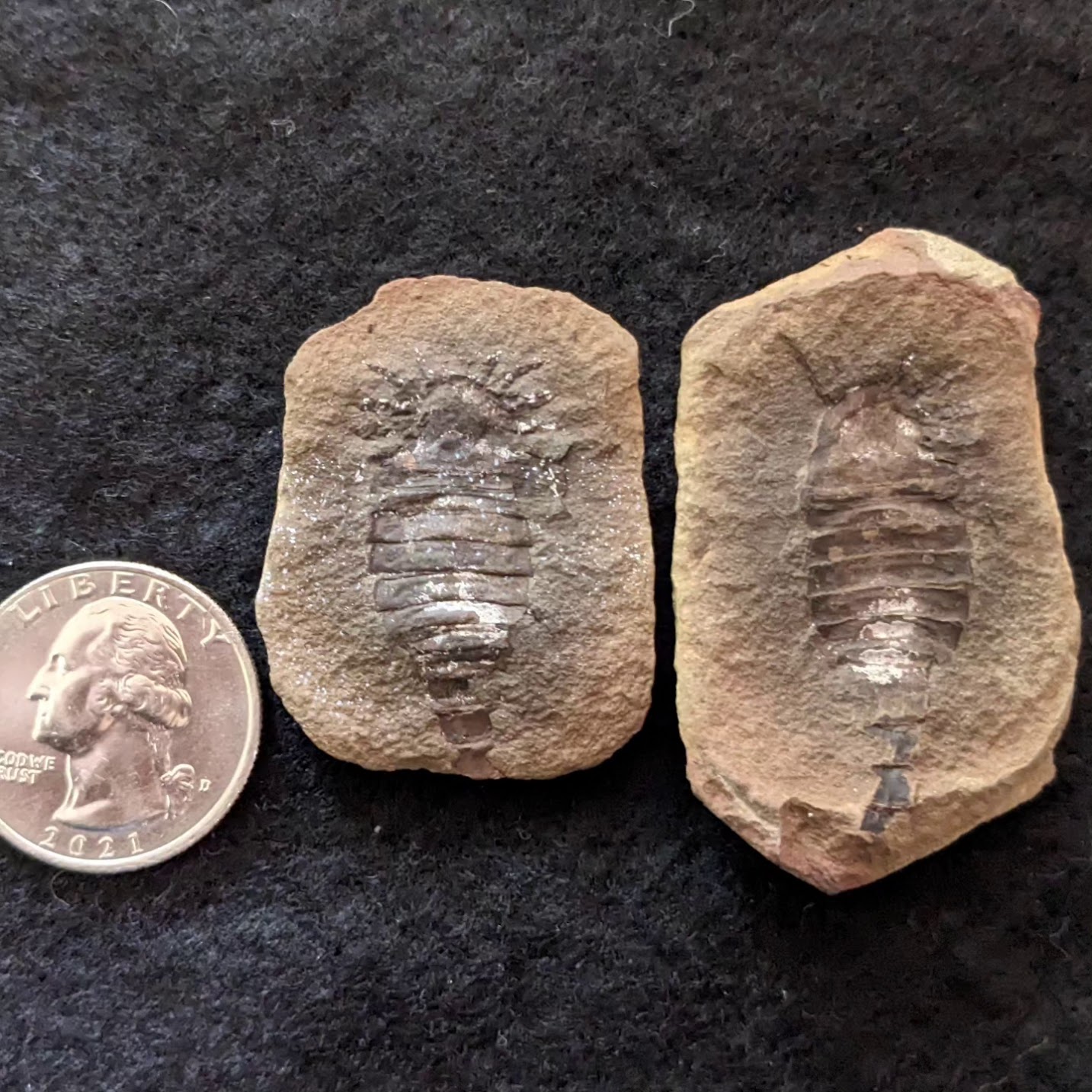
Fossil Friday #185: Adelophthalmus mazonensis
Read more: Fossil Friday #185: Adelophthalmus mazonensisThis is the “Fossil Friday” post #185. Expect this to be a somewhat regular feature of the website. We will post any fossil pictures you send in to esconi.info@gmail.com. Please include a short description or story. Check the #FossilFriday Twitter hash tag for contributions from around the world! Jeremy Zimmerman sent us some photos of an absolutely breathtaking Mazon Creek eurypterid. Adelophthalmus mazonensis (Mazon Monday #16) is the only known Mazon Creek species of eurypterid. It was described by Fielding Bradford Meek and Amos Henry Worthen in 1868 from fossils found in the Mazon River. A. mazonensis is considered a…
-

ESCONI Events November 2023
Read more: ESCONI Events November 2023Field trips require membership, but visitors are welcome at all meetings! Fri, Nov 10th ESCONI General Meeting 8:00 PM – Topic: “Finding Fossil Mammals in Canada’s High Arctic and Alaska” by Jaelyn Eberle, Director, University of Colorado Museum of Natural History and Curator of Fossil Vertebrates at the University of Colorado Zoom link Sat, Nov 11th ESCONI Junior Meeting – 6:30 PM at College of DuPage – Topic: “Mineral Identification” Specifics of this meeting are available from Scott Galloway, 630-670-2591, gallowayscottf@gmail.com. The meeting will be in person at the College of DuPage Tech Ed (TEC) Building, Room 1038A (Map). Sat,…
-
Throwback Thursday #186: Looking Back At ESCONI for November 2023
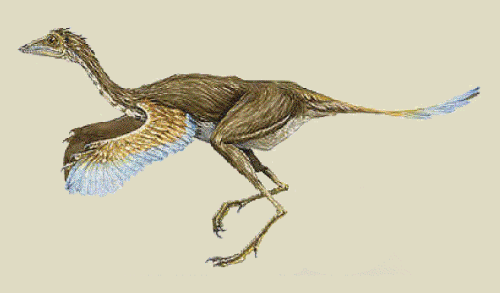
Read more: Throwback Thursday #186: Looking Back At ESCONI for November 2023This is Throwback Thursday #186. In these, we look back into the past at ESCONI specifically and Earth Science in general. If you have any contributions, (science, pictures, stories, etc …), please send them to esconi.info@gmail.com. Thanks! 25 Years Ago – November 1998 50 Years Ago – November 1973 70 Years Ago – November 1953
-
ESCONI November 2023 General Meeting – Friday, November 10th, 2023 at 8:00 PM via Zoom – “Finding Fossil Mammals in Canada’s High Arctic and Alaska”
Read more: ESCONI November 2023 General Meeting – Friday, November 10th, 2023 at 8:00 PM via Zoom – “Finding Fossil Mammals in Canada’s High Arctic and Alaska”The November 2023 General Meeting will feature Jaelyn Eberle, the Interim Director, University of Colorado Museum of Natural History and Curator of Fossil Vertebrates at the University of Colorado. She will present “Finding Fossil Mammals in Canada’s High Arctic and Alaska”. Jaelyn’s research focuses on the study of mammalian faunas during past intervals of climate change as well as the recovery and evolution of mammals following the mass extinction at the Cretaceous-Paleogene (K-Pg) boundary. Her field research on fossil mammals takes her all over the Rocky Mountain Region as well as to the North Slope of Alaska and Canada’s High…
-
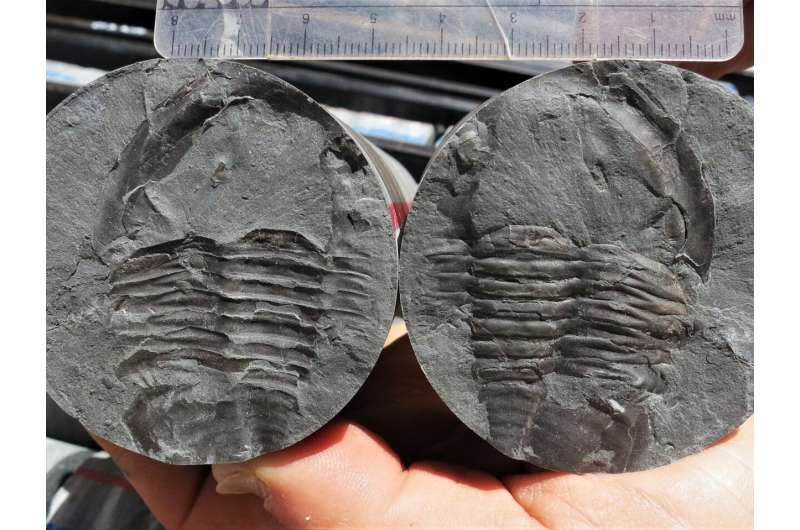
Trilobite Tuesday #47: Six new species of Western Australian trilobites discovered
Read more: Trilobite Tuesday #47: Six new species of Western Australian trilobites discoveredPhys.org has a story about the discovery of six new species of Australian trilobites. The new animals hail from deep underground in Canning Basin of Western Australia. Their discovery was via a stratigraphic drilling program by the Geological Survey of Western Australia and Geoscience Australia. It sheds light on both ancient life and the geologic history of the region. The description of these trilobites has been published in the journal Alcheringa: An Australasian Journal of Palaeontology. The discovery of trilobites at such a time and place is not too surprising. However, what was unexpected was the diversity and abundance within…
-

Mazon Monday #188: He looks for Tullys in gullies – Andy Hay
Read more: Mazon Monday #188: He looks for Tullys in gullies – Andy HayThis is Mazon Monday post #188. What’s your favorite Mazon Creek fossil? Tell us at email:esconi.info@gmail.com. Tullimonstrum gregarium was first discovered by Francis Tully in the mid-1950s in the legendary Pit 11 fossil locality. It was described by Ralph Johnson and Eugene Richardson Jr. in the article “Pennsylvanian Invertebrates of the Mazon Creek Area, Illinois: The morphology and affinities of Tullimonstrum“, which was published in the March 1969 edition of Fieldiana – Geology. It became the Illinois State Fossil in 1989. For most of that time, Tullimonstrum gregarium has held a special place in the heart of Mazon Creek fossil…
-
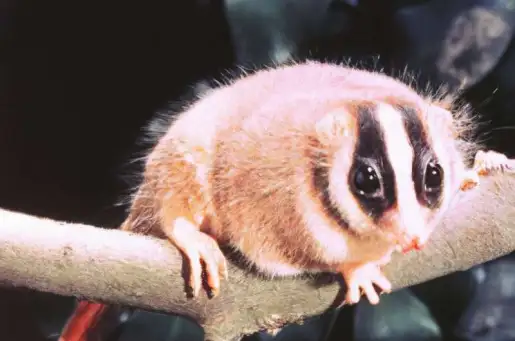
Feather-tailed possums in New Guinea were originally Aussies, according to fossil study
Read more: Feather-tailed possums in New Guinea were originally Aussies, according to fossil studyThe New Guinean feather-tailed possum, Distoechurus pennatus, never developed gliding. Credit: UNSW Sydney Phys.org as a story about possums in New Guinea. A paper in Alcheringa : An Australasain Journal of Paleontology analyzed fossils from Riversleigh and found interesting facts about the ancestors of a tiny possum. Biologists have long known that miniature feather-tailed possums in Australia and the island of New Guinea are evolutionary cousins… they just didn’t know how closely they were related until now. Professor Mike Archer from UNSW’s School of Biological Earth and Environmental Sciences says that in an analysis of extinct species found at Riversleigh…
-

PBS Eons: Are Giant Animals Inevitable?
Read more: PBS Eons: Are Giant Animals Inevitable?PBS Eons has a new episode on Youtube. This one is about large animals, are they inevitable? The journey the thunder beasts took to reach such mega proportions from such humble beginnings forces us to ask an important question, one that paleontologists have been asking for more than a century: from an evolutionary perspective, is bigger always better?
-
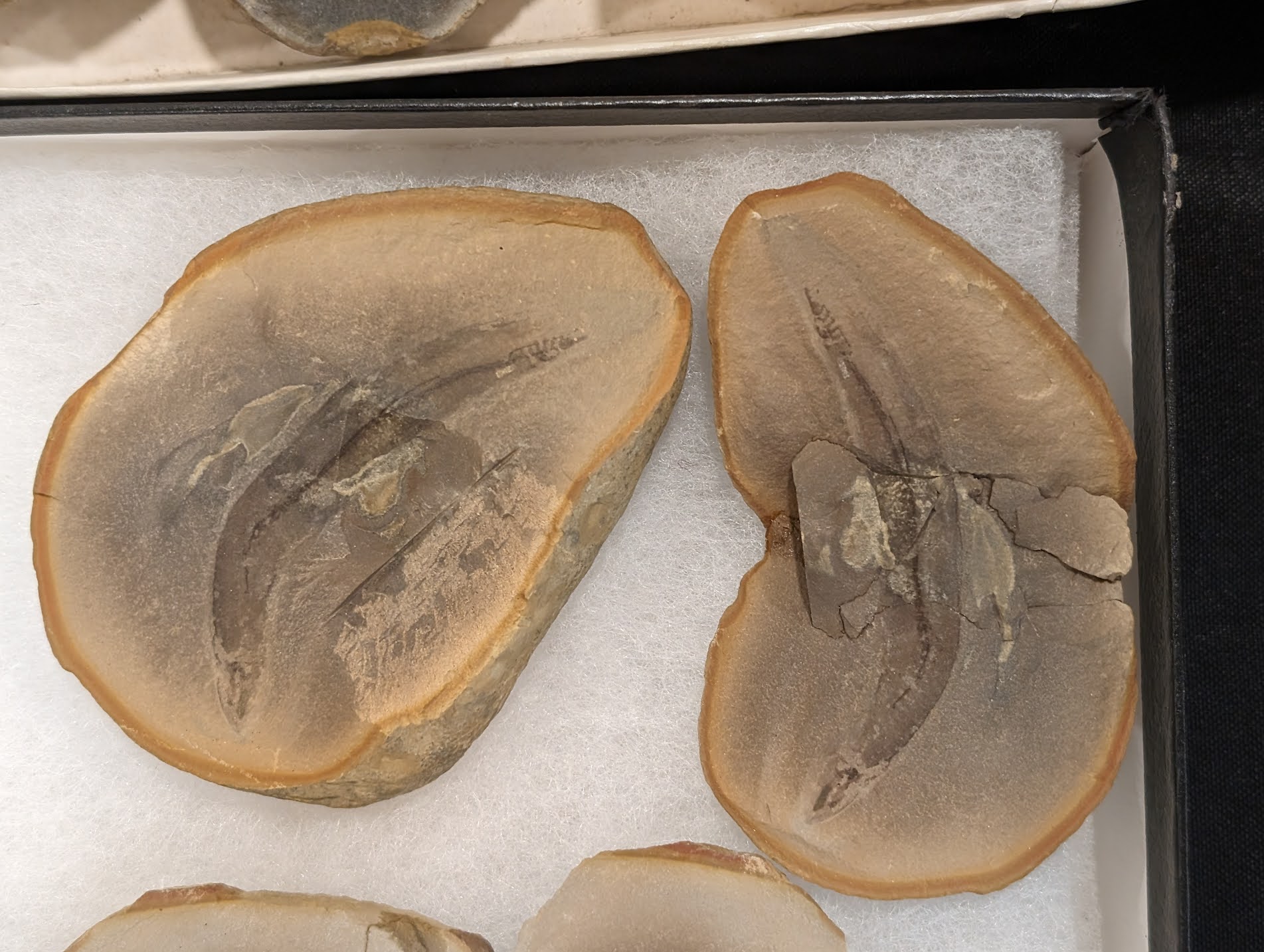
Fossil Friday #184: Gilpichthys greenei from Mazon Creek
Read more: Fossil Friday #184: Gilpichthys greenei from Mazon CreekThis is the “Fossil Friday” post #184. Expect this to be a somewhat regular feature of the website. We will post any fossil pictures you send in to esconi.info@gmail.com. Please include a short description or story. Check the #FossilFriday Twitter hash tag for contributions from around the world! Today, we have a beautiful, huge Gilpichthys greenei. G. greenei was named for Frank Greene, who was a long time Mazon Creek collector. Frank is also the namesake for Reticulomedusa greenei. He owned a small rock shop in Coal City during the heyday of Mazon Creek collecting. You can learn more about…
-
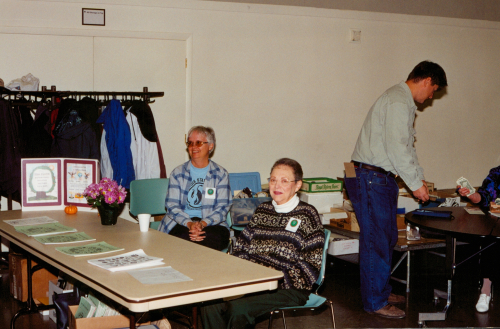
Throwback Thursday #185: ESCONI Flea Market 2000 #fleamarket
Read more: Throwback Thursday #185: ESCONI Flea Market 2000 #fleamarketThis is Throwback Thursday #185. In these, we look back into the past at ESCONI specifically and Earth Science in general. If you have any contributions, (science, pictures, stories, etc …), please send them to esconi.info@gmail.com. Thanks! ESCONI held a Flea Market on October 7th, 2000 at the College of DuPage in Building K, which was torn down a few years ago. The Flea Market was held off and on with the last one about 15 years ago. It was a way for ESCONI to raise some money for the club and slim down by selling donated material. Annoucement Here…
-
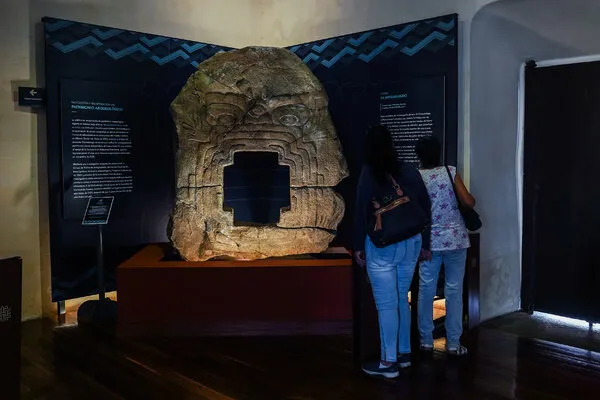
Stone by Ancient Stone, Mexico Recovers Its Lost Treasure
Read more: Stone by Ancient Stone, Mexico Recovers Its Lost TreasureThe New York Times has a story about how Mexico is working to restore and preserve its cultural heritage. American officials are helping to track down and restore stolen antiquities from Mexico and restore the items to their rightful owners. Many of the artifacts, stolen years ago, sell to collectors for upwards of a million dollars. Mesoamerican archaeologists know it as Monument 9: a 2,600-year-old carving in stone of a jaguar’s gaping face, roughly five feet wide and tall and weighing one ton. Nearly 60 years ago the relic was looted from the ruins of Chalcatzingo, an Olmec site south…
-
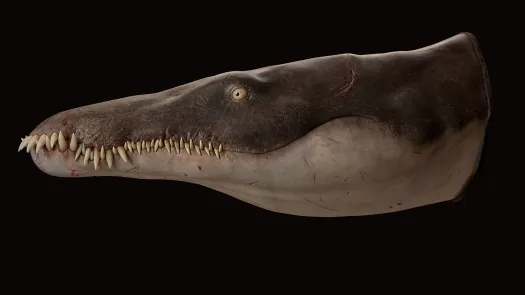
Jurassic pliosaur ‘megapredator’ was a giant ‘sea murderer’
Read more: Jurassic pliosaur ‘megapredator’ was a giant ‘sea murderer’Live Science has a story about a “megapredator” of the Jurassic. The new pliosaur species, Lorrainosaurus, lived about 170 million years ago. Pliosaurs ruled the oceans during the Jurassic. This animal was found in the former region of Lorraine (now part of Grand Est) in northeastern France. A paper in the journal Scientific Reports reexamined the fossils that were first described in 1994. A newfound member of a “dynasty” of pliosaur megapredators was at the top of the ocean food chain for 80 million years, a new study reveals. The newly described sea monster, named Lorrainosaurus, was a Jurassic (201 million to 145…
-
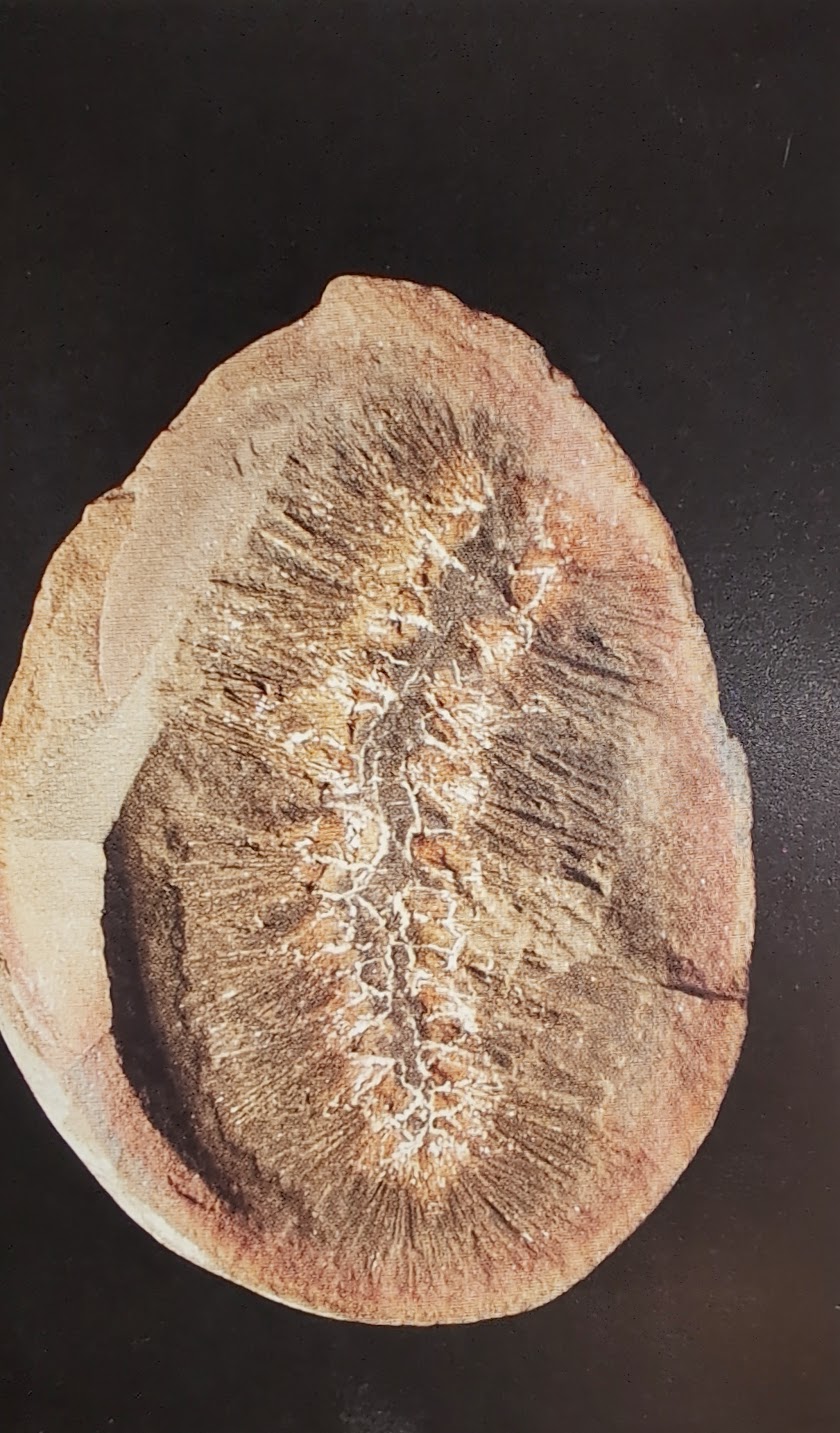
Mazon Monday #187: Palaeocampa anthrax
Read more: Mazon Monday #187: Palaeocampa anthraxThis is Mazon Monday post #187. What’s your favorite Mazon Creek fossil? Tell us at email:esconi.info@gmail.com. Palaeocampa anthrax was an polychaete worm, believed to be similar to a group of modern day annulid worms referred to as fireworms. It was described by Fielding Bradford Meek (1817-1876) and Amos Henry Worthen (1813-1888) in “Notice of some new types of organic remains from the Coal Measures of Illinois”, which was published in 1865. Meek worked for the USGS and the Smithsonian, while Worthen served as the second State Geologist of Illinois. Worthen later became the first curator of the Illinois State Museum…
-
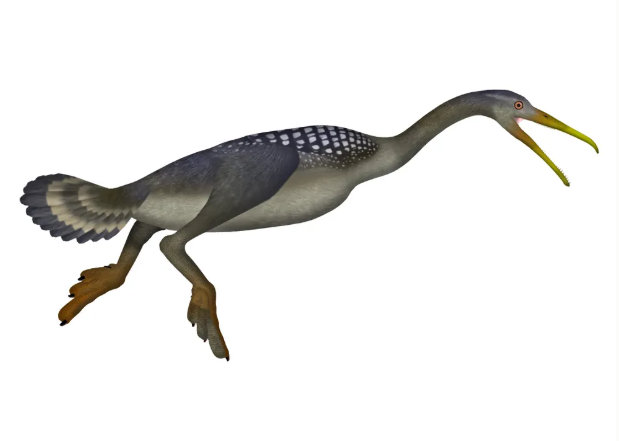
During the Age of Dinosaurs, Some Birds Sported Toothy Grins
Read more: During the Age of Dinosaurs, Some Birds Sported Toothy GrinsSmithsonian Magazine has an interesting article about birds with teeth. Before the K-Pg event at the end of the Cretaceous Period, most birds had teeth, but those species are rarely discussed. One of the first toothed bird discovered, was Hesperornis in the 1870’s. Early birds such as Archaeopteryx don’t look all that different from the small, carnivorous dinosaurs they evolved from, with long, bony tails; claws; and, of course, teeth. Other features we associate with living birds—egg-laying, feathers, complex systems of air sacs—all evolved among non-avian dinosaurs first, too. And while Mesozoic bird fossils are rarely uncovered, owing to their small size and fragile…
-
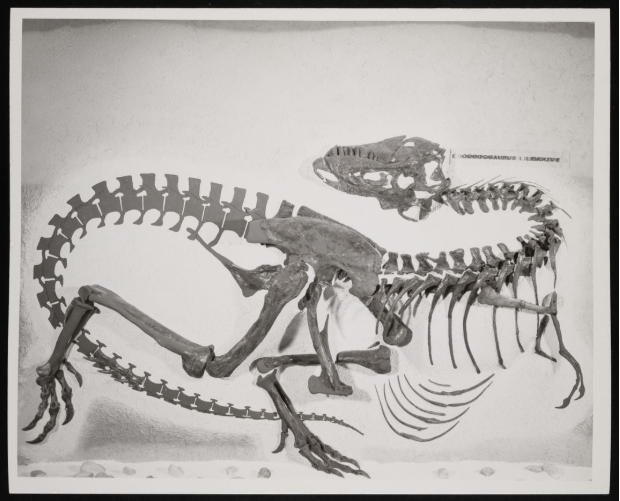
How Smithsonian Fossil Preparators Are Re-Excavating a Tyrannosaur from Its Past on Display
Read more: How Smithsonian Fossil Preparators Are Re-Excavating a Tyrannosaur from Its Past on DisplaySmithsonian Magazine’s National Fossil Day post looks at a tyrannosaur specimen that has been on display for many years. The animal, Gorgosaurus libratus, had been at the museum since 1918. It was found in the rugged badlands around the Red Deer River in Alberta, Canada. It lived about 75 million years ago during the Cretaceous Period. Barnum Brown discovered this specimen between 1913 and 1914 along with another specimen. It was later traded to the Smithsonian for a Barosaurus neck. The Red Deer River’s rich assembly of dinosaur bones has attracted paleontologists for more than a century. In the 1910s,…
-
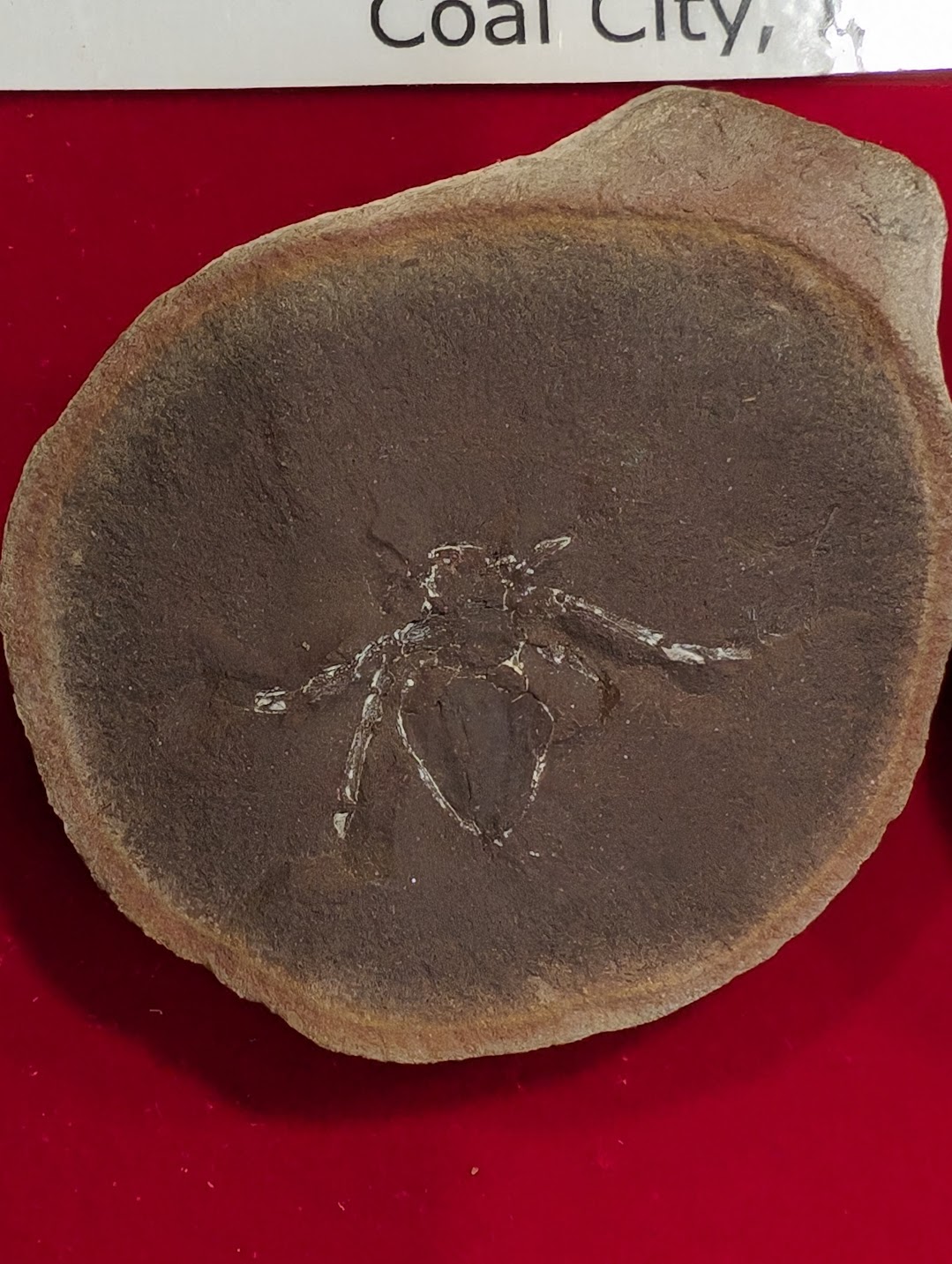
Fossil Friday #183: Mazon Creek Spider
Read more: Fossil Friday #183: Mazon Creek SpiderThis is the “Fossil Friday” post #183. Expect this to be a somewhat regular feature of the website. We will post any fossil pictures you send in to esconi.info@gmail.com. Please include a short description or story. Check the #FossilFriday Twitter hash tag for contributions from around the world! For this week, we have a breathtaking Mazon Creek spider for our Fossil Friday. This is Amarixys sulcata. Which was described by A. L. Melander in 1903. He was an American entomologist would wrote extensively, describing many arthropods during his long career. This beautiful specimen comes from long time ESCONI member Rich…
-
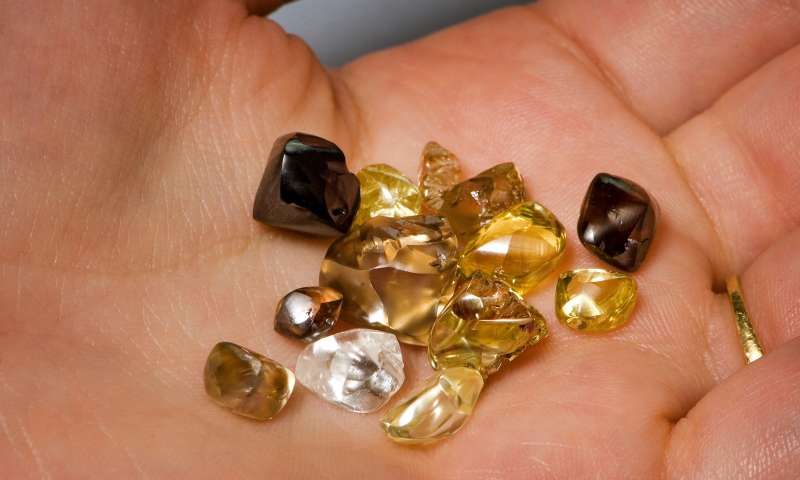
Throwback Thursday #184: Crater of Diamonds State Park 1972
Read more: Throwback Thursday #184: Crater of Diamonds State Park 1972This is Throwback Thursday #184. In these, we look back into the past at ESCONI specifically and Earth Science in general. If you have any contributions, (science, pictures, stories, etc …), please send them to esconi.info@gmail.com. Thanks! Located near Murfreesboro, Arkansas, Crater of Diamonds is a State Park of Arkansas. It’s the only place in the world where the public can search for real diamonds. The park opened in 1972 after the State of Arkansas purchased the land and opened it up for public access. The largest diamond found at the park was 40.23 carats. That diamond, named “Uncle Sam”,…
-

Rare Jurassic fossils discovered near Lake Powell
Read more: Rare Jurassic fossils discovered near Lake PowellPhys.org has a story about the discovery of some rare fossils new Lake Powell in Utah. Tritylodontid mammaliaforms are rare animals that lived during the Jurassic Period about 180 million years ago. The fossils were discovered in an area that would ordinarily be covered in water… you might say that the paleontologists were in the right place at the right time, just before the snow melt in the spring of 2023. The fossils will reside in the Glen Canyon NRA museum collection. A paper describing this rare find was published in the journal Geology of the Intermountain West. While documenting…
-

Black Hawk Gem and Mineral Club Fall 2023 Rock, Gem and Jewelry Show – October 28th, 29th, 2023 at the Mississippi Valley Fairgrounds in Davenport, IA
Read more: Black Hawk Gem and Mineral Club Fall 2023 Rock, Gem and Jewelry Show – October 28th, 29th, 2023 at the Mississippi Valley Fairgrounds in Davenport, IAThe Blackhawk Gem and Mineral Club is holding its Fall Show on October 29th & 30th, 2023. BLACK HAWK GEM AND MINERAL CLUB FALL ROCK, GEM AND JEWELRY SHOWMississippi Valley Fairgrounds2815 W Locust St.Davenport. Iowa Sat. 10 a.m. – 5 p.m.Sun. 11 a.m.-4:00 p.m. The show will feature rocks, minerals, fossils, agates, geodes, tumbled stones, carved stones, beads, silver and beaded jewelry, spheres, arrowheads and much more. Admission is $1 for adults, Kids 12 and under are free. For information call John 815-757-5738 or www.blackhawkgemandmineralclub.com
-

Mazon Monday #186: Mazon Creek Fossil Day
Read more: Mazon Monday #186: Mazon Creek Fossil DayThis is Mazon Monday post #186. What’s your favorite Mazon Creek fossil? Tell us at email:esconi.info@gmail.com. ESCONI and the Carbon Hill School Museum sponsored “Mazon Creek Fossil Day” on October 14th, 2023. The event was a celebration of Mazon Creek amateur fossil collectors and their contributions to Paleontology. There were fossil displays, two presentations, and 5+ hours of interesting conversation. Ralph Jewell has post with many photos over on The Fossil Forum. Dr. Eugene Richardson Jr wrote this in his “The Amateur Fossil-Hunters – Paleontology’s Unsung Heroes” article for the March 1975 edition of the Field Museum’s Bulletin. Today, more…

ESCONI Gem, Mineral, and Fossil Show
Most Recent Post
- Ancient bees found nesting inside fossil bones in rare cave discovery
 Science Daily has a post about a recent paper that looked at novel bee nesting behavior. Researchers working on the Caribbean island of Hispaniola discovered a rare and unusual fossil interaction in a cave, ancient bees used fossilized bones as nesting sites.
- About ESCONI
- Around the Web
- Calendar of Events
- Code of Ethics and Conduct
- ESCONI Books for Sale
- ESCONI Gem, Mineral, and Fossil Show
- ESCONI in the News
- ESCONI Videos
- Field Trips
- Flashback Friday
- Fossil Friday
- Mazon Creek
- Mazon Monday
- Member Spotlight
- Membership Information
- Reference Material
- Throwback Thursday
- Trilobite Tuesday
Field trips require membership, but visitors are welcome at all meetings!
| Friday, April 10th | General Meeting – 8:00 PM via Zoom. Jessica Hull will present “Life in the Devonian Period, The Age of Fishes.” |
| Saturday, April 11th | Junior Study Group Meeting – 2:00 PM, in person at the College of DuPage Technical Education Center (TEC) Building – Room 1038A (Map). Katherine Howard will present on Sand and Sediment Collecting. Specifics of this meeting are available from Scott Galloway, 630-670-2591, gallowayscottf@gmail.com. |
| Saturday, April 18th | Paleontology Study Group – 7:30 PM via Zoom and in person at the College of DuPage, TEC, Room 1038B (Map). Keith Robitschek will present “Digging the Marl of the Lance Formation.” |
| Friday, April 24th | MAPS Expo XLVII – Springfield, IL. |
| Saturday, April 25th | MAPS Expo XLVII – Springfield, IL. |
| Sunday, April 26th | MAPS Expo XLVII – Springfield, IL. |
| No meeting this month | Mineralogy Study Group |