
-

PBS Eons: Primates vs Snakes (An Evolutionary Arms Race)
Read more: PBS Eons: Primates vs Snakes (An Evolutionary Arms Race)There’s a new episode of PBS Eons. This one is about the “Snake Detection Hypothesis”. The Snake Detection Hypothesis proposes that the ability to quickly spot and avoid snakes is deeply embedded in primates, including us – an evolutionary consequence of the danger snakes have posed to us over millions of years.
-

Fossil Friday #92: Mazon Creek Mystery
Read more: Fossil Friday #92: Mazon Creek MysteryThis is the “Fossil Friday” post #92. Expect this to be a somewhat regular feature of the website. We will post any fossil pictures you send in to esconi.info@gmail.com. Please include a short description or story. Check the #FossilFriday Twitter hash tag for contributions from around the world! Today, we have the first of a couple “mystery” Mazon Creek fossil posts. This one comes from long time ESCONI friend and member Dan Damrow. You might recall the stunning tar pit fossil photos he sent us back in November (Fossil Friday #83) and the gorgeous Packer… err Green Bay Cystoid in…
-
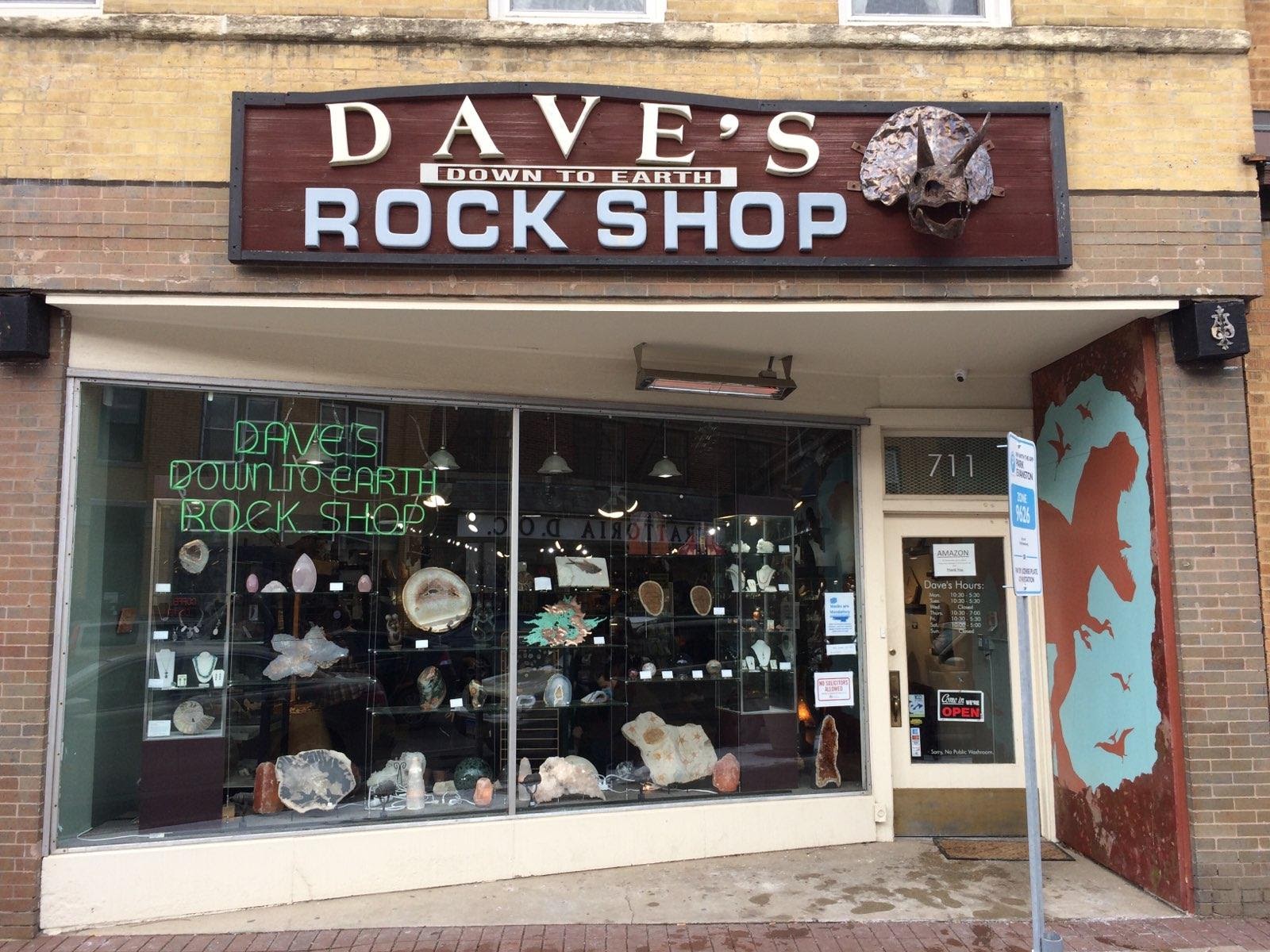
Throwback Thursday #94: Dave’s Down to Earth Rock Shop – September 1973
Read more: Throwback Thursday #94: Dave’s Down to Earth Rock Shop – September 1973This is Throwback Thursday #94. In these, we look back into the past at ESCONI specifically and Earth Science in general. If you have any contributions, (science, pictures, stories, etc …), please send them to esconi.info@gmail.com. Thanks! Dave’s Down To Earth Rock Shop was established in 1970 by the then twenty year old Dave Douglass. He stocked the store with material from his own collection, which he started when he was just 9! The shop is located in Evanston, IL and easily reached via car, Metra, and El train. Dave, his mother June, and father Lincoln all have Mazon Creek…
-
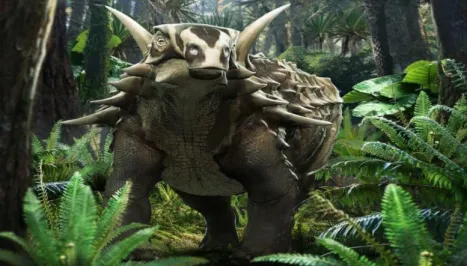
Surprising Dinosaur Discovery: Ankylosaur Was Sluggish and Deaf
Read more: Surprising Dinosaur Discovery: Ankylosaur Was Sluggish and DeafSciTechDaily has a story about Ankylosaurs. A CT scan of a braincase of an Ankylosaur, Struthiosaurus austriacus, which lived about 80 million years ago in what is now modern day Austria, has led to some surprising new details: it was sluggish and deaf. The research was published recently in the journal Scientific Reports. Ankylosaurs could grow up to eight meters in body length and represent a group of herbivorous dinosaurs, also called ‘living fortresses’: Their body was cluttered with bony plates and spikes. Some of their representatives, the ankylosaurids sometimes possessed a club tail, while nodosaurids had elongated spikes on…
-

ESCONI 2022 Gem, Mineral, and Fossil Show! March 19th and 20th, 2022
Read more: ESCONI 2022 Gem, Mineral, and Fossil Show! March 19th and 20th, 2022Earth Science Club of Northern Illinois ESCONI 2022 Gem, Mineral and Fossil Show March 19th and 20th Dealers, Demonstrators, Displays, Live and Silent Auctions,Book Sales, Kid’s Korner, Geode Splitting Free Parking! Free Admission! DuPage County Fairgrounds2015 Manchester Rd.Wheaton, IllinoisSaturday 10 AM to 5 PMSunday 10 AM to 4 PMwww.esconi.org Download Show Flyer
-
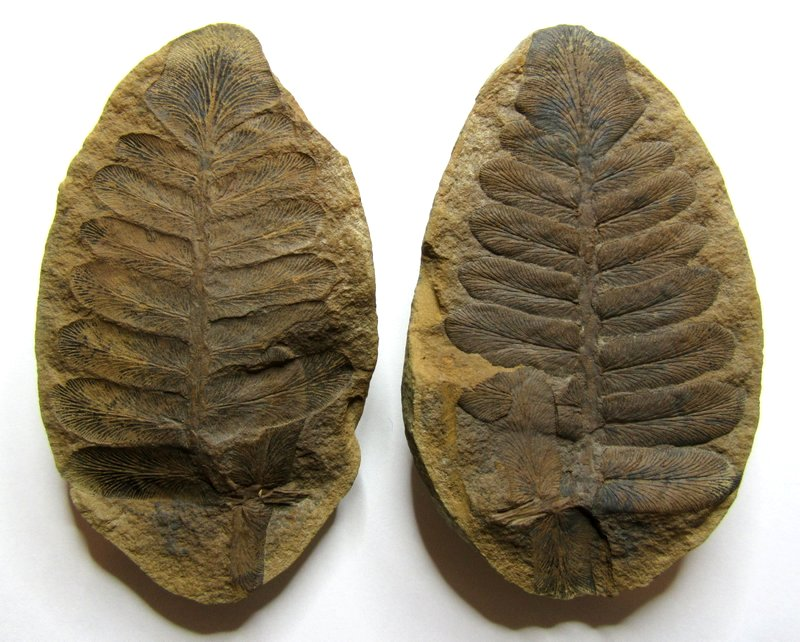
Mazon Monday #95: Neuropteris vermicularis
Read more: Mazon Monday #95: Neuropteris vermicularisThis is Mazon Monday post #95. What’s your favorite Mazon Creek fossil? Tell us at email:esconi.info@gmail.com. For this post, we are looking at another seed fern species, Neuropteris vermicularis. N. vermicularis was identified by Leo Lesquereux in 1866. He described much of the North American Carboniferous flora in the mid 1800’s as a consultant to various US state geological surveys. His book “Atlas to the Coal Flora of Pennsylvania and the Carboniferous Formation throughout the United States” written from 1879 to 1884 was the standard reference for the Carboniferous flora in the US for many years. In 1969, William Cup…
-
ESCONI Warehouse Work Day – Saturday, January 22nd, 2022, 9:00 AM – 1:00 PM
Read more: ESCONI Warehouse Work Day – Saturday, January 22nd, 2022, 9:00 AM – 1:00 PMIf you have some time, come join our work day at the warehouse on Saturday, January 22nd, 2022 from 9:00 AM -1:00 PM. The warehouse address is 900 Knell in Montgomery, IL. Please meet/enter in the back of the warehouse ONLY. You will see railroad tracks along the back of the warehouse. Drive all the way to the end in the back. For more information, contact us Dave Carlson at fossil54@att.net or esconi.info@gmail.com.
-
PBS Eons: How Our Deadliest Parasite Turned To The Dark Side
Read more: PBS Eons: How Our Deadliest Parasite Turned To The Dark SideThere’s a new episode of PBS Eons. This one is about the origin of malaria. Did you know that Plasmodium is a plant?!? Around 10,000 years ago, somewhere in Africa, a microscopic parasite made a huge leap. With a little help from a mosquito, it left its animal host – probably a gorilla – and found its way to a new host: us.
-
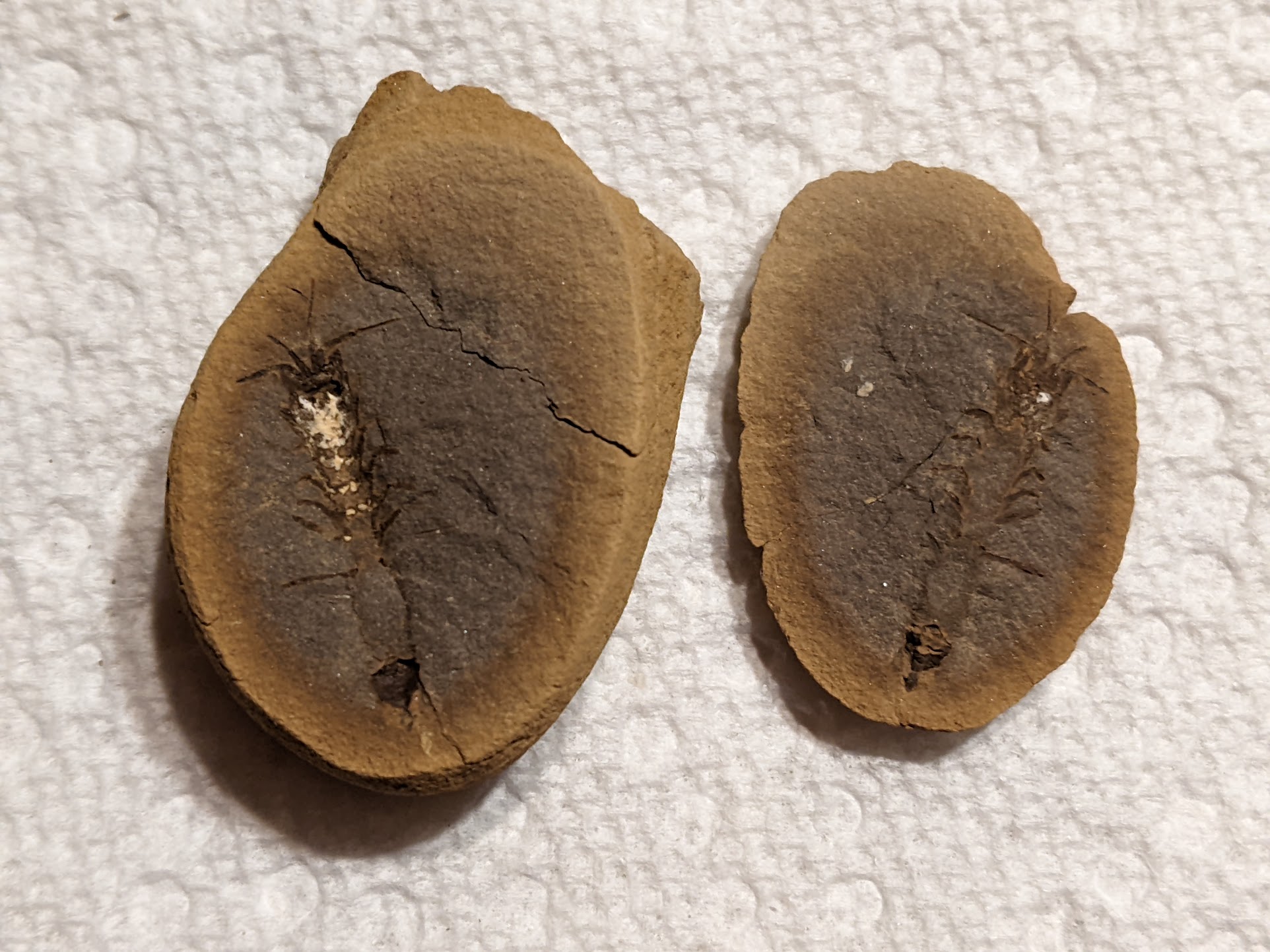
Fossil Friday #91: Paleocaris typus from the Mazon River
Read more: Fossil Friday #91: Paleocaris typus from the Mazon RiverThis is the “Fossil Friday” post #91. Expect this to be a somewhat regular feature of the website. We will post any fossil pictures you send in to esconi.info@gmail.com. Please include a short description or story. Check the #FossilFriday Twitter hash tag for contributions from around the world! Back in Mazon Monday #65, we spotlighted Paleocaris typus. And today, we have sweet little specimen from the Mazon River just outside Morris, IL. These syncarid shrimps are often mistaken for Acanthotelson stimpsonii (spotlighted back in Mazon Monday #52), which is also a syncarid shrimp. The major distinguishing characteristic between the two,…
-
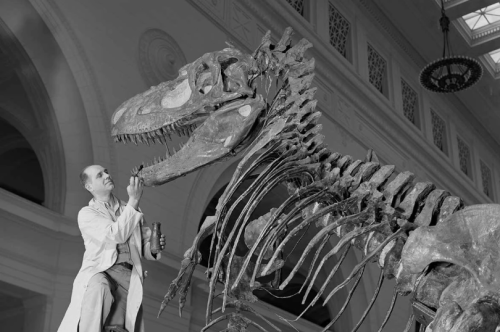
Throwback Thursday #93: Gorgeous George
Read more: Throwback Thursday #93: Gorgeous GeorgeThis is Throwback Thursday #93. In these, we look back into the past at ESCONI specifically and Earth Science in general. If you have any contributions, (science, pictures, stories, etc …), please send them to esconi.info@gmail.com. Thanks! Before there was SUE the T. rex, there was “Gorgeous George”. If you are old enough to remember when SUE first showed up at the Field Museum, you probably remember the “T. rex.” in the Field Museum’s main gallery, where it stood over a Lambeosaurus. As a kid, I really loved that display. It was the dinosaur centerpiece of the Field Museum from…
-

NYT: Fossils of a Prehistoric Rainforest Hide in Australia’s Rusted Rocks
Read more: NYT: Fossils of a Prehistoric Rainforest Hide in Australia’s Rusted RocksThe New York Times has a story about an amazing fossil rain forest. Dating to about 15 million years ago during the Miocene Epoch, this deposit hold exquisitely preserved insects, spiders, plans, even a feather. A description of the site was published recently in the journal Science Advances, Fifteen million years ago, a river carved through the jungle, leaving an oxbow lake (known as a billabong in Australia) in its wake at McGraths Flat. Nearly devoid of oxygen, this stagnant pool kept scavengers at bay, allowing plant material and animal carcasses to accumulate. As iron-rich runoff from nearby basalt mountains…
-

ESCONI January 2022 General Meeting – January 14th, 2022 at 8:00 PM via Zoom – “Through the Ages: How we Date Rocks and Geologic Processes”
Read more: ESCONI January 2022 General Meeting – January 14th, 2022 at 8:00 PM via Zoom – “Through the Ages: How we Date Rocks and Geologic Processes”The January 2022 General Meeting will be held at 8:00 PM on January 14th, 2022 via Zoom. Our speaker is Dr. Alyssa Abbey from California State University Long Beach. The title of her talk is “Through the Ages: How we Date Rocks and Geologic Processes”. Join Zoom Meeting https://us02web.zoom.us/j/84180301201?pwd=OUxhc2JJZk0rMWdNOVZBV3JaT2NaZz09 Meeting ID: 841 8030 1201Passcode: 398444One tap mobile+13126266799,,84180301201#,,,,*398444# US (Chicago)+19292056099,,84180301201#,,,,*398444# US (New York) Dial by your location+1 312 626 6799 US (Chicago)+1 929 205 6099 US (New York)+1 301 715 8592 US (Washington DC)+1 669 900 6833 US (San Jose)+1 253 215 8782 US (Tacoma)+1 346 248 7799 US (Houston)Meeting ID:…
-
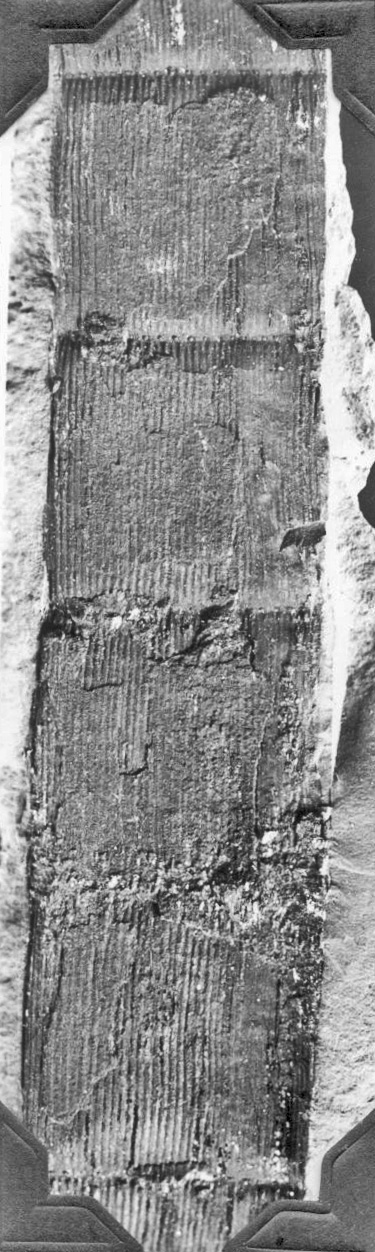
Mazon Monday #94: Calamites cistii
Read more: Mazon Monday #94: Calamites cistiiThis is Mazon Monday post #94. What’s your favorite Mazon Creek fossil? Tell us at email:esconi.info@gmail.com. For this week, we are looking at Calamites, which is a genus of extinct arborescent (tree-like) horsetails. They are sphenopsids. Modern horsetails, genus Equistem, are fairly closely related. Some of these Carboniferous plants could grow to heights of more than 100 feet (30+ meters). Additionally, they were a key component of the forest understory and make a large part of Pennsylvanian coal deposits. There are a few species of Calamites known in the Mazon Creek biota – including Calamites cistii, . Also, note that while…
-

E.O. Wilson’s lifelong passion for ants helped him teach humans about how to live sustainably with nature
Read more: E.O. Wilson’s lifelong passion for ants helped him teach humans about how to live sustainably with natureThe Conversation has a story about E. O. Wilson, who he was and his contributions to the world. Professor of Comparative Zoology at Harvard and a giant in the world of evolutionary biology, Wilson died on December 26th, 2021 at age 92. His biggest message was for conservation of the natural world. E. O. Wilson was an extraordinary scholar in every sense of the word. Back in the 1980s, Milton Stetson, the chair of the biology department at the University of Delaware, told me that a scientist who makes a single seminal contribution to his or her field has been…
-

Paleontologists Identify New Species of Long-Necked Dinosaur
Read more: Paleontologists Identify New Species of Long-Necked DinosaurSciNews has a story about a new species of dinosaur. The new sauropod species is named Rhomaleopakhus turpanensis and it was identified from fossils found about 30 years ago. The animal lived about 155 million years ago during the Late Jurassic Period. All the details can be found in a paper published in the Journal of Vertebrate Paleotology. It was a member of the family Mamenchisauridae, a group of sauropod (herbivorous long-necked) dinosaurs known from the Jurassic and Early Cretaceous of Asia and Africa. “These dinosaurs added extra vertebrae to their necks to elongate them, and in addition to this made…
-
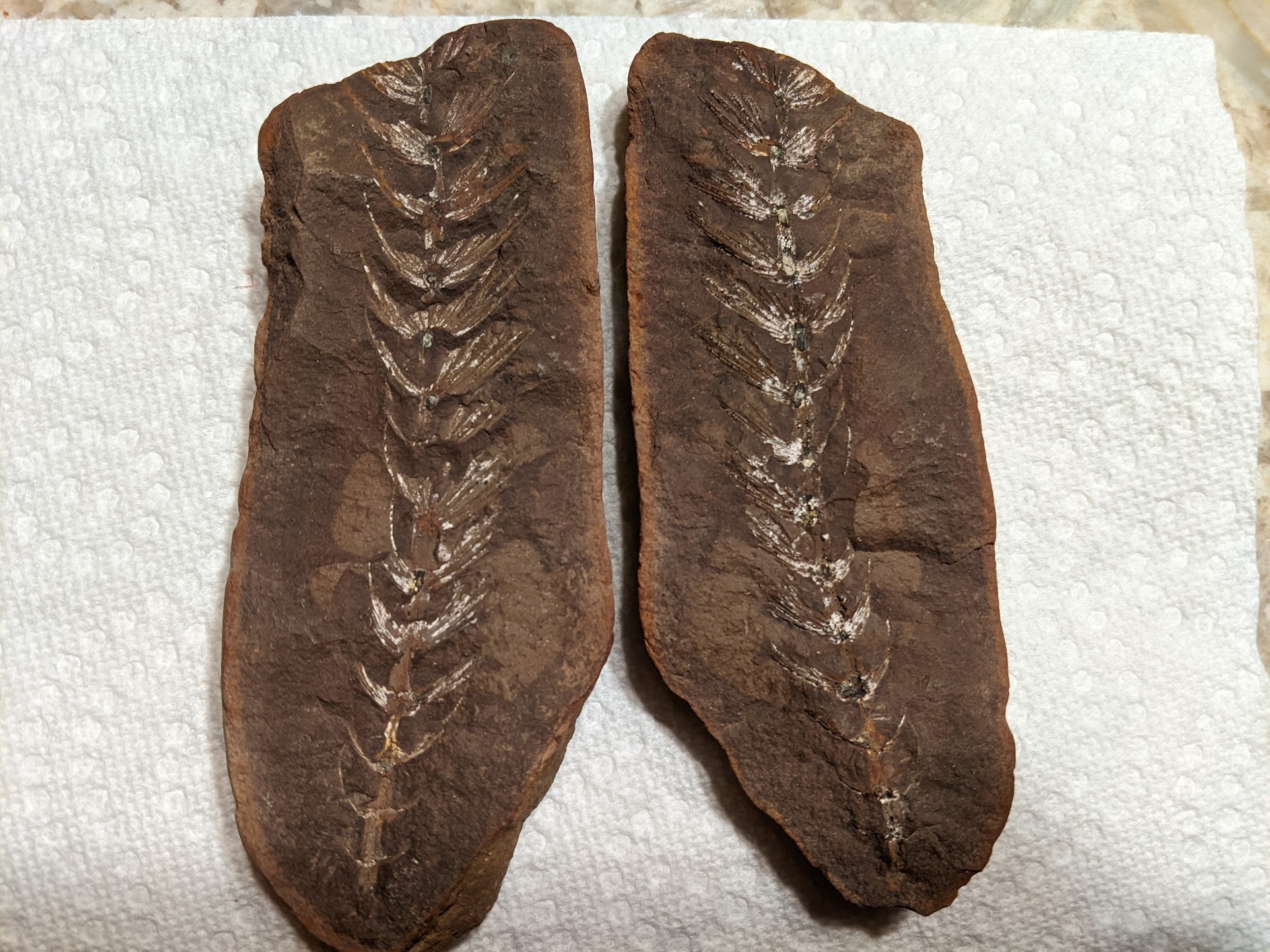
Fossil Friday #90: Asterophyllites equisetiformis
Read more: Fossil Friday #90: Asterophyllites equisetiformisThis is the “Fossil Friday” post #90. Expect this to be a somewhat regular feature of the website. We will post any fossil pictures you send in to esconi.info@gmail.com. Please include a short description or story. Check the #FossilFriday Twitter hash tag for contributions from around the world! This week’s fossil is a specimen of Asterophyllites equisetiformis. A. equisetiformis is an extinct form of horsetail, related to Annularia. This particular fossil was found by Jim Konecny in the 1960’s. Jim was president of ESCONI in 1966. He was a prolific fossil collector and has two Mazon Creek species named for him…
-
Throwback Thursday #92: Looking Back at ESCONI for January 2022
Read more: Throwback Thursday #92: Looking Back at ESCONI for January 2022This is Throwback Thursday #92. In these, we look back into the past at ESCONI specifically and Earth Science in general. If you have any contributions, (science, pictures, stories, etc …), please send them to esconi.info@gmail.com. Thanks! 25 Years Ago – January 1997 50 Years Ago – January 1972 70 Years Ago – January 1952
-

10 coolest non-dinosaur fossils unearthed in 2021
Read more: 10 coolest non-dinosaur fossils unearthed in 2021There are many posts recapping 2021 out there… LiveScience has one about 10 coolest non-dinosaur fossil discoveries of 2021. Mazon Creek made the list with the discovery of a fossilized arachnid brain.
-

Trilobite Tuesday #36: 7th International Conference on Trilobites & Their Relatives – Cincinnati July 14th to 18th, 2022
Read more: Trilobite Tuesday #36: 7th International Conference on Trilobites & Their Relatives – Cincinnati July 14th to 18th, 2022The Cincinnati Museum Center is sponsoring the 7th International Conference on Trilobites & Their Relatives from July 14th to 18th, 2022. There are field trips both before and after the conference. A Warm Welcome! Welcome to the 7th International Conference on Trilobites & Their Relatives to be held at Cincinnati Museum Center in Cincinnati, Ohio, U.S.A, July 14 to 18, 2022. We look forward to hosting participants from all corners of the globe in our iconic 1933 Art Deco Train Station, Union Terminal. To learn more about the history and architecture of this national historic landmark, pleased click here. This international…
-

Mazon Monday #93: Dr. Victoria McCoy: Mazon Creek Fossils
Read more: Mazon Monday #93: Dr. Victoria McCoy: Mazon Creek FossilsThis is Mazon Monday post #93. What’s your favorite Mazon Creek fossil? Tell us at email:esconi.info@gmail.com. ESCONI member Ralph Jewell sent me this link for a video of a presentation by Dr. Victoria McCoy of the University of Wisconsin Milwaukee Department of Geosciences. Her presentation is entitled “Mazon Creek Fossils”. Dr. Victoria McCoy, UWM Department of Geosciences, discusses the Mazon Creek Lagerstätte: A diverse late Paleozoic ecosystem entombed within siderite concretions during the Fall Colloquium, Dec. 6, 2021. Victoria has been active in Mazon Creek research. You might remember her as lead author on a study of the Tully Monster…

ESCONI Gem, Mineral, and Fossil Show
Most Recent Post
- ESCONI June 2026 General Meeting, Friday, June 12th, 2026 at 8:00 PM via Zoom – “At the Intersection of Art and Science: Outreach in Natural History Museums”
 The ESCONI June 2026 General Meeting will be held via Zoom at 8:00 PM on Friday, June 12th, 2026. Adrienne… Read more: ESCONI June 2026 General Meeting, Friday, June 12th, 2026 at 8:00 PM via Zoom – “At the Intersection of Art and Science: Outreach in Natural History Museums”
- About ESCONI
- Around the Web
- Calendar of Events
- Code of Ethics and Conduct
- ESCONI Books for Sale
- ESCONI Gem, Mineral, and Fossil Show
- ESCONI in the News
- ESCONI Videos
- Field Trips
- Flashback Friday
- Fossil Friday
- Mazon Creek
- Mazon Monday
- Member Spotlight
- Membership Information
- Reference Material
- Throwback Thursday
- Trilobite Tuesday
Field trips require membership, but visitors are welcome at all meetings!
| Friday, June 12th | General Meeting – 8:00 PM via Zoom. Adrienne Stroup of The Field Museum will present “At the Intersection of Art and Science: Outreach in Natural History Museums”. |
| Saturday, June 20th | Paleontology Study Group – 7:30 PM via Zoom. Emily Hillan will present “New insights from Tiktaalik roseae: The role of legs before the origin of limbs”. |
| No meeting this month | Junior Study Group Meeting |
| No meeting this month | Mineralogy Study Group |