
-
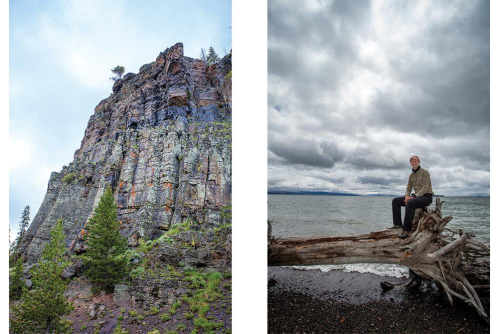
ESCONI February 2022 General Meeting – February 11th, 2022 at 8:00 PM via Zoom – “Before Yellowstone: Native American Archaeology in the First National Park”
Read more: ESCONI February 2022 General Meeting – February 11th, 2022 at 8:00 PM via Zoom – “Before Yellowstone: Native American Archaeology in the First National Park”The ESCONI February 2022 General Meeting will be on February 11th, 2022 at 8:00 PM via Zoom. The talk will be presented by Dr. Douglas MacDonald from the University of Montana, The title of his presentation is “Before Yellowstone: Native American Archaeology in the First National Park”. An article in the January 2021 edition of Smithsonian Magazine is about his research and his book by the same name as his presentation “Before Yellowstone: Native American Archaeology in the First National Park”. Left: For more than 11,000 years, Obsidian Cliff served as an invaluable source of volcanic glass, which Native Americans…
-
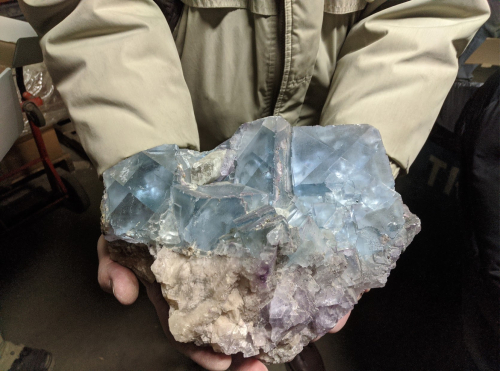
2022 ESCONI Gem, Mineral, and Fossil Show – March 19th – 20th, 2022 – Preview #2, Fluorite Crystal
Read more: 2022 ESCONI Gem, Mineral, and Fossil Show – March 19th – 20th, 2022 – Preview #2, Fluorite CrystalThis is the preview post #2 for the 2022 ESCONI Gem, Mineral, and Fossil Show Live Auction. The show is on March 19th and 20th, 2022 at the DuPage County Fairgrounds in Wheaton, IL. All details can be found here. This absolutely gorgeous multi-colored grouping of fluorite will be available in our Live Auction. It weighs 15.4 lbs., so make sure you are ready to handle it! Of course, it fluoresces as do all true pieces of fluorite.
-
Mazon Monday #98: Natural History of Coal Age Fossils
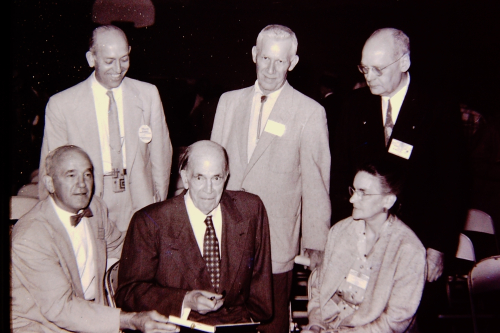
Read more: Mazon Monday #98: Natural History of Coal Age FossilsThis is Mazon Monday post #98. What’s your favorite Mazon Creek fossil? Tell us at email:esconi.info@gmail.com. George Langford’s second book, “The Wilmington Coal Fauna and Additions to the Wilmington Coal Flora from a Pennsylvanian Deposit in Will County, Illinois”, was published by Esconi Associates in 1963. As part of the publication of the book, Stella Barrick, a member and first secretary of Esconi Associates, wrote an article about the book. This article appeared in the December 1963 edition of Earth Science Magazine, which was published by a few ESCONI members from the 1950’s until the early 1970’s. Mrs. Barrick served…
-
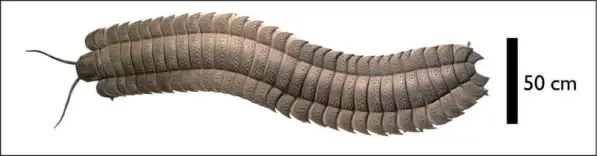
How we discovered a rare giant millipede fossil on a beach, and why it matters
Read more: How we discovered a rare giant millipede fossil on a beach, and why it mattersThis story on phys.org tell the story about the discovery of a giant millipede, Arthropleura in Engand in January 2018.. The original story describing the 326 million year old millipede fossil appeared back in December 2021. The animal was about 2.7 meters long (nearly 9 feet!). It lived during the Carboniferous Period in what is now northern England. The fossil expands on the maximum size of arthropods but also extends the time range as this is the oldest Arthropleura currently known. At 326 million years old, it also pre-dates the rise in atmospheric oxygen, suggesting an alternate theory for its…
-
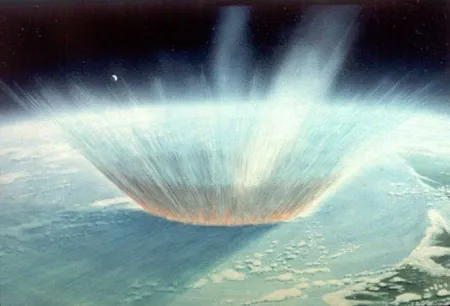
CBC Quirks and Quarks: Darkness doomed the dinosaurs
Read more: CBC Quirks and Quarks: Darkness doomed the dinosaursThe CBC Radio show/Podcast Quirks and Quarks has a segment entitled “Darkness doomed the dinosaurs — the extinction asteroid turned out the lights on Earth”. They speak with Peter Roopnarine from the California Academy of Sciences about the after effects of the meteor strike that took out the non-avian dinosaurs at the end of the Cretaceous. When the dino-killing asteroid struck 66 million years ago, our planet was plunged into an extended period of darkness. New research, presented at the recent meeting of the American Geophysical Union, and led in part by Peter Roopnarine from the California Academy of Sciences, looks at how that darkness…
-

Fossil Friday #94: Diaphorodendron rimosum
Read more: Fossil Friday #94: Diaphorodendron rimosumThis is the “Fossil Friday” post #94. Expect this to be a somewhat regular feature of the website. We will post any fossil pictures you send in to esconi.info@gmail.com. Please include a short description or story. Check the #FossilFriday Twitter hash tag for contributions from around the world! We haven’t posted enough fossil wood on Fossil Friday, but today we have a nice example of Diaphorodendron rimosum, a very rare species of lycopsid from the Mazon Creek fossil biota. This very fine specimen was sent our way by ESCONI member Connor Puritz. You might remember his Amynilyspes wortheni (pill millipede)…
-
Throwback Thursday #96: Looking Back at ESCONI for February 2022
Read more: Throwback Thursday #96: Looking Back at ESCONI for February 2022This is Throwback Thursday #96. In these, we look back into the past at ESCONI specifically and Earth Science in general. If you have any contributions, (science, pictures, stories, etc …), please send them to esconi.info@gmail.com. Thanks! 25 Years Ago – February 1997 50 Years Ago – February 1972 70 Years Ago – February 1952
-
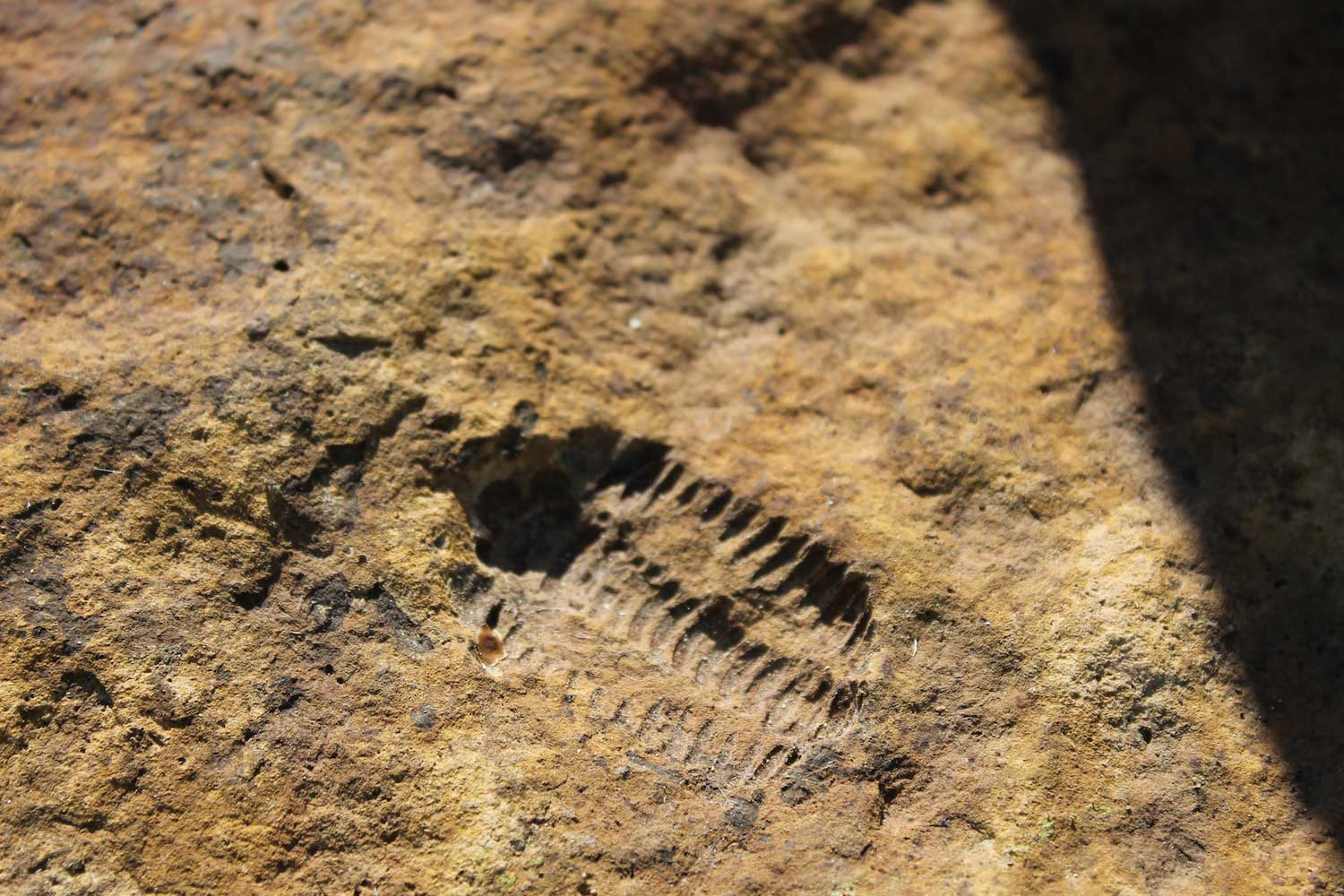
Will County Forest Preserve: “Fossils: Frozen in Time” – Saturday, February 5th, 2022
Read more: Will County Forest Preserve: “Fossils: Frozen in Time” – Saturday, February 5th, 2022The Will County Forest Preserve District has an lecture event on Saturday, February 5th, 2022 at 1:30 PM at the Four Rivers Environmental Education Center. FOSSILS: FROZEN IN TIME EVENT INFORMATIONDate: Saturday, 02/05/2022Time: 1:30 PM to 3:00 PMFee: Free!Age: Ages 5 or older.Contact Phone: 815.722.9470Location: Four Rivers Environmental Education Center (View on Google Maps) Photo courtesy of Barb Ferry EVENT DETAILSPlease note: To participate in Forest Preserve programs, the public must follow current masking protocol. For up-to-date mask requirements, click here. Fossils are evidence of ancient life, and you can make your own fossil replica before hiking the preserve, learning…
-

ESCONI Events February 2022
Read more: ESCONI Events February 2022Welcome back! Field trips require membership, but visitors are welcome at all meetings! Fri, Feb 11th ESCONI General Meeting 8:00 PM Zoom – Topic: “Before Yellowstone: Native American Archaeology in the First National Park” by Dr. Douglas MacDonald from the University of Montana. Zoom link Sat, Feb 12th ESCONI Junior Meeting – 7:00 PM at College of DuPage – Topic: “Fossils” Specifics of this meeting are available from Scott Galloway, 630-670-2591, gallowayscottf@gmail.com. The meeting will be in person at the College of DuPage Tech Ed (TEC) Building, Room 1038A (Map). Sat, Feb 19th ESCONI Paleontology Meeting 7:30 PM – Topic:…
-

Podcast: The Backpacker’s Guide To Prehistory
Read more: Podcast: The Backpacker’s Guide To PrehistoryI recently ran across an interesting “new” podcast… “The Backpacker’s Guide to Prehistory”. The host, David Mountain, takes you backpacking into the past. He just started season 2 and the most recent episode is “The Carboniferous”. One of our favorite time periods! No explicit mention of Mazon Creek, but there’s plenty of information about the environment and how the Earth looked back then. Check it out! For the first episode of The Backpacker’s Guide To Prehistory season two, host David Mountain travels back to the Carboniferous period, 359-299 million years ago. In this weird world of giant horsetails and monster arthropods, what…
-
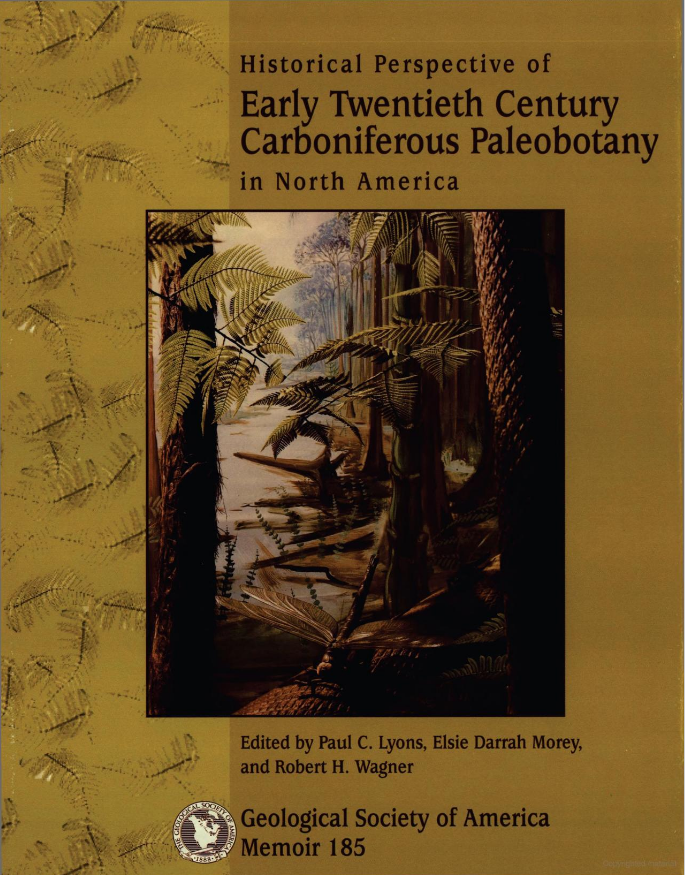
Mazon Monday #97: “Historical Perspective on Early Twentieth Century Carboniferous Paleobotany in North American”
Read more: Mazon Monday #97: “Historical Perspective on Early Twentieth Century Carboniferous Paleobotany in North American”This is Mazon Monday post #97. What’s your favorite Mazon Creek fossil? Tell us at email:esconi.info@gmail.com. The book “Historical Perspective on Early Twentieth Century Carboniferous Paleobotany in North American” was published in 1995 by the Geological Society of America (GSA). It’s dedicated as a memorial volume for William Culp Darrah (1909-1989), who was a pioneer in the study of the Carboniferous of North America. The book is freely available on Google Books as PDF. Individual chapters cover paleobotanists from North America and a few from Europe with influence in North America. They are written by various authors, quite a few…
-
PaleoFest 2022 – March 4th – 6th
Read more: PaleoFest 2022 – March 4th – 6thThe Burpee Museum in Rockford, IL is holding PaleoFest 2022 from March 4th – March 6th, 2022. There are many interesting lectures, with topics that span the Pre-Cambrian to the Pleistocene. It’s always a good time! Burpee Museum is once again hosting one of the coolest paleontology festivals in the world. Don’t miss PaleoFest 2022, as we join forces with scientists from around the world and going live on: Join the Fun Dino-lovers, rock collectors, and fossil diggers unite for an internationally attended festival. Our audience includes scientists and researchers, aspiring scientists, students, paleo-lovers, and even dino-loving kiddos! Many of the talks focus…
-

PBS Eons: How the Rise of Social Insects Shrunk These Dinosaurs
Read more: PBS Eons: How the Rise of Social Insects Shrunk These DinosaursPBS Eons has a new episode. This one is about a group of dinosaurs called alvarezsaurs that some researchers think might have eaten insects. We often think of dinosaurs as either preying on other dinos or mammals, or as plant-eaters — but in ecosystems today, those aren’t the only two options. So why would we expect dinosaurs to have only been carnivores or herbivores, with the occasional omnivore thrown in the mix?
-
Fossil Friday #93: Pyritized ammonite fossils from the Jurassic Coast in England
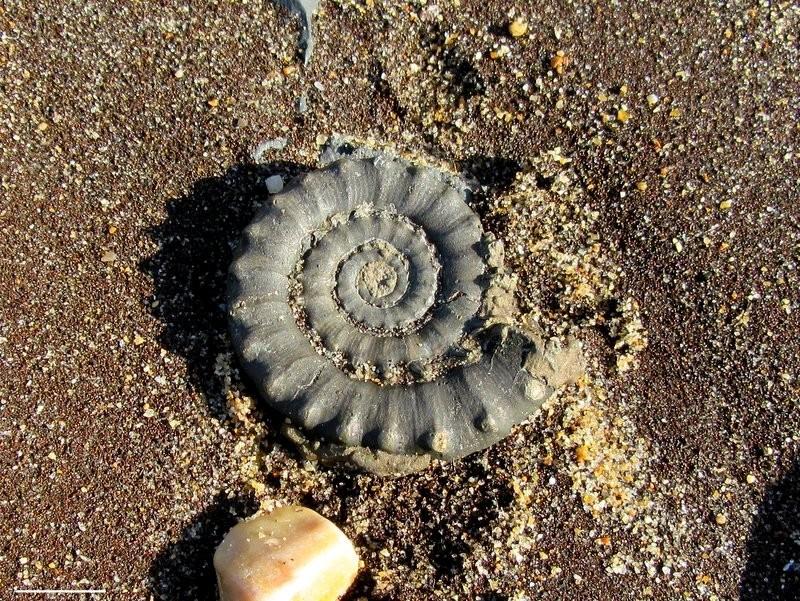
Read more: Fossil Friday #93: Pyritized ammonite fossils from the Jurassic Coast in EnglandThis is the “Fossil Friday” post #93. Expect this to be a somewhat regular feature of the website. We will post any fossil pictures you send in to esconi.info@gmail.com. Please include a short description or story. Check the #FossilFriday Twitter hash tag for contributions from around the world! For this week, we have a tale of both beauty and of woe. It comes to us from long time ESCONI member Marie Angkuw. Her photos of ammonite fossils show the beauty that can be found in fossils. Unfortunately, there is a sad end to her tale… pyrite disease. Hopefully, you’ll never…
-

Throwback Thursday #95: Who’s Who: Who Were Howard and Olive Knight?
Read more: Throwback Thursday #95: Who’s Who: Who Were Howard and Olive Knight?This is Throwback Thursday #95. In these, we look back into the past at ESCONI specifically and Earth Science in general. If you have any contributions, (science, pictures, stories, etc …), please send them to esconi.info@gmail.com. Thanks! If we look back into the early history of ESCONI, there are a few names that show up again and again. Some of these are Allaway, Konecny, Sobolik, Ade (John and Dick), Hoff, Prepp, Bish, Farr and many more. Quite a few served as president… Bill Allaway was the first Chairman of ESCONI and both John and Dick Ade served as president. In…
-
2022 ESCONI Gem, Mineral, and Fossil Show – March 19th – 20th, 2022 – Preview #1, Laveiniopteris rarinervis
Read more: 2022 ESCONI Gem, Mineral, and Fossil Show – March 19th – 20th, 2022 – Preview #1, Laveiniopteris rarinervisThis is the preview post #1 for the 2022 ESCONI Gem, Mineral, and Fossil Show Live Auction. The show is on March 19th and 20th, 2022 at the DuPage County Fairgrounds in Wheaton, IL. All details can be found here. This is a stunning plate of Laveiniopteris rarinervis, which is a seed fern found in the Mazon Creek fossil deposit. This species was featured in Mazon Monday #81. The specimen was collected in the legendary Dresden Lake locality on November 18th, 1962.
-
Video for ESCONI January 2022 General Meeting – “Through the Ages: How we Date Rocks and Geologic Processes”
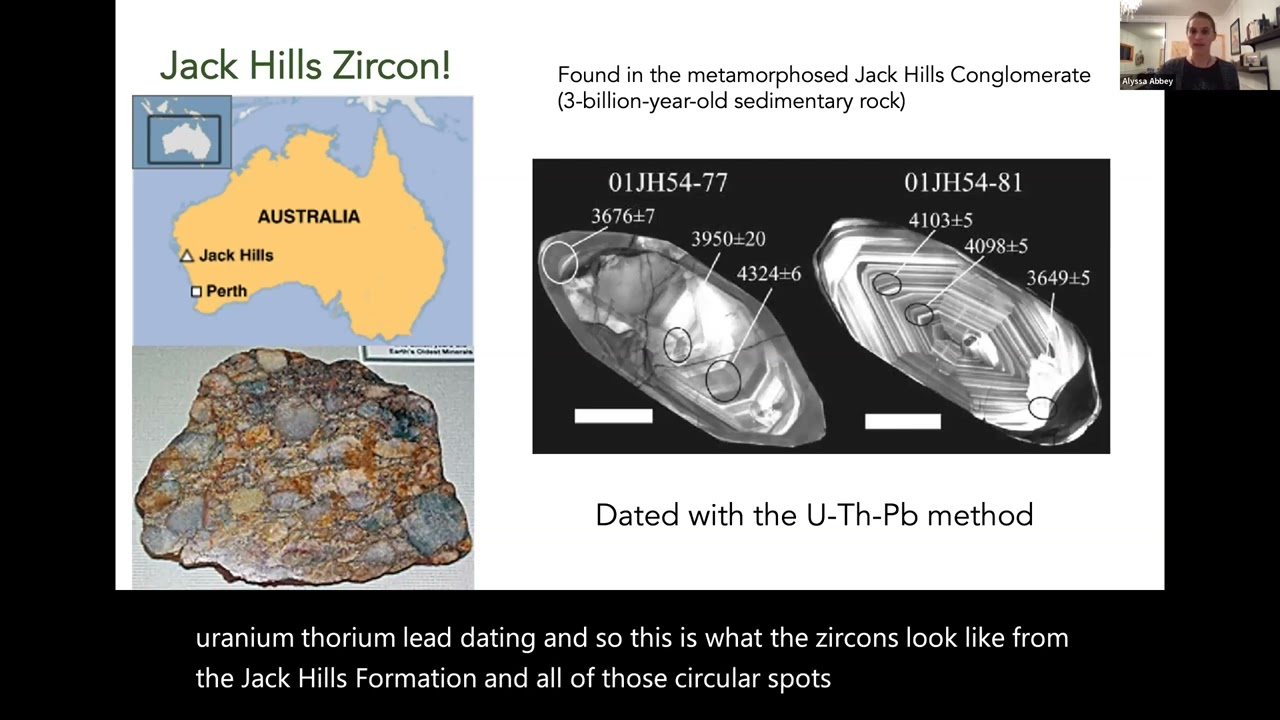
Read more: Video for ESCONI January 2022 General Meeting – “Through the Ages: How we Date Rocks and Geologic Processes”The January 2022 General Meeting was held on January 14th, 2022 via Zoom. Our speaker was Dr. Alyssa Abbey from California State University Long Beach. The title of her talk was “Through the Ages: How we Date Rocks and Geologic Processes”.
-
Mazon Monday #96: Pennsylvanian Plant Fossils of Illinois
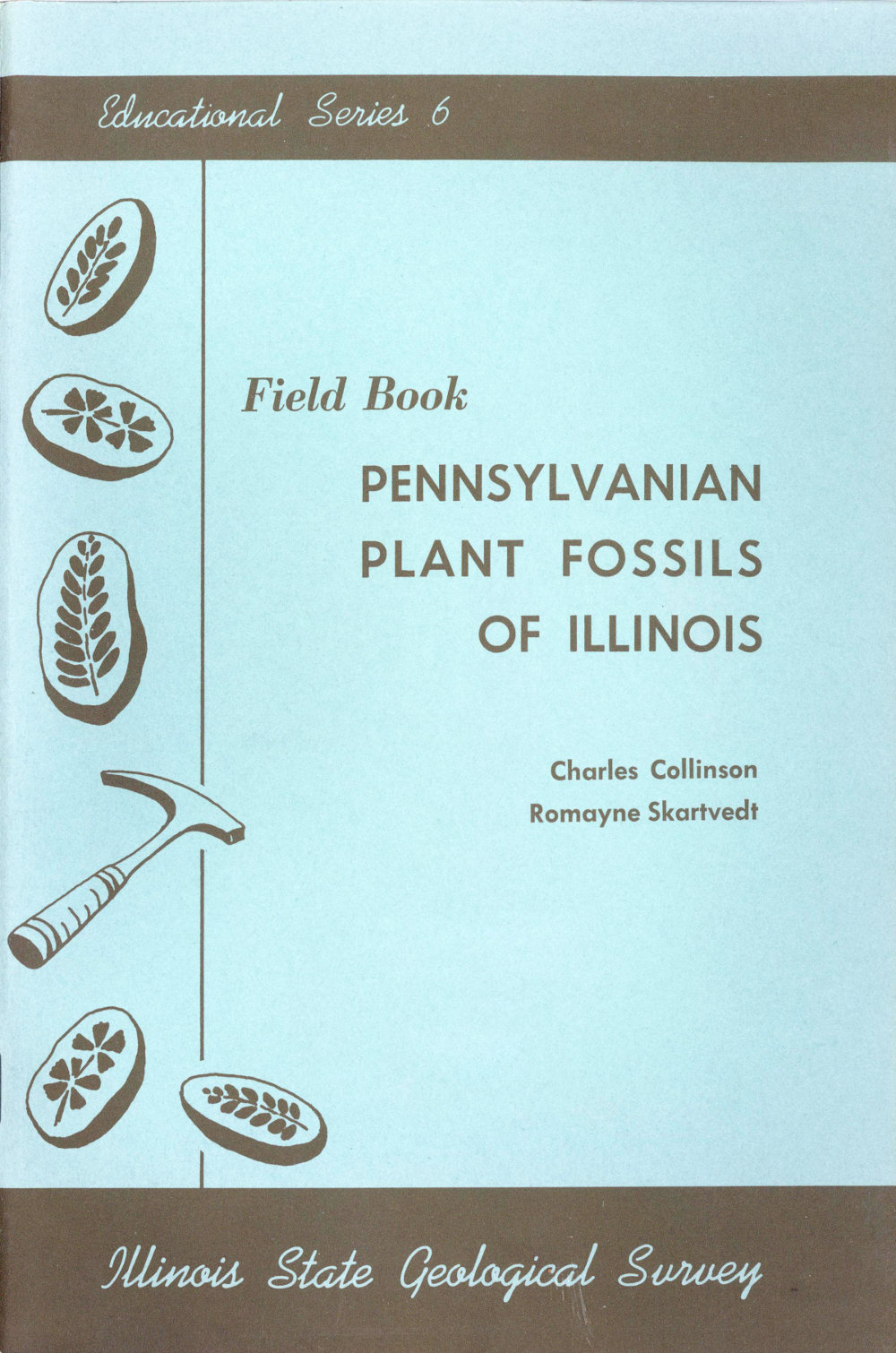
Read more: Mazon Monday #96: Pennsylvanian Plant Fossils of IllinoisThis is Mazon Monday post #96. What’s your favorite Mazon Creek fossil? Tell us at email:esconi.info@gmail.com. The book “Pennsylvanian Plant Fossils of Illinois” was #6 in the Educational Series published by the Illinois State Geological Survey in 1960. It was written by Charles Collinson (1923 – 2011) and Romayne Skartvedt. The book can be purchased used online or downloaded free from Project Gutenberg. The main author Charles Collinson also wrote “Guide for Beginning Fossil Hunters”, which was #4 in the ISGS’s Education Series. He was a paleontologist with the ISGS for the majority of his professional career. In the Foreword,…
-
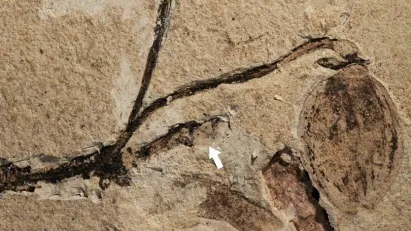
164 million-year-old plant fossil is the oldest example of a flowering bud
Read more: 164 million-year-old plant fossil is the oldest example of a flowering budLiveScience has a story about the oldest known example of a flower bud. Researchers in China have discovered a fossil flower bud from 164 million years ago. The new plant species, Florigerminis jurassica, was found in Inner Mongolia. The description was published in the journal Geological Society of London. There are two main types of plants: flowering plants, known as angiosperms, and non-flowering plants, known as gymnosperms. The flower bud and fruit in the fossil are both clear indicators that F. jurassica was an angiosperm and not a gymnosperm, which was the dominant plant type during the Jurassic period. Until now, fossil…
-
PBS Eons: Primates vs Snakes (An Evolutionary Arms Race)
Read more: PBS Eons: Primates vs Snakes (An Evolutionary Arms Race)There’s a new episode of PBS Eons. This one is about the “Snake Detection Hypothesis”. The Snake Detection Hypothesis proposes that the ability to quickly spot and avoid snakes is deeply embedded in primates, including us – an evolutionary consequence of the danger snakes have posed to us over millions of years.

ESCONI Gem, Mineral, and Fossil Show
Most Recent Post
- 49th Annual CGMA Show – May 23rd and 24th, 2026
 The 49th Annual CGMA Show will be held May 23rd and 24th, 2026 at the Expo Center of the Kane County Fairgrounds.
- About ESCONI
- Around the Web
- Calendar of Events
- Code of Ethics and Conduct
- ESCONI Books for Sale
- ESCONI Gem, Mineral, and Fossil Show
- ESCONI in the News
- ESCONI Videos
- Field Trips
- Flashback Friday
- Fossil Friday
- Mazon Creek
- Mazon Monday
- Member Spotlight
- Membership Information
- Reference Material
- Throwback Thursday
- Trilobite Tuesday
Field trips require membership, but visitors are welcome at all meetings!
| Friday, April 10th | General Meeting – 8:00 PM via Zoom. Jessica Hull will present “Life in the Devonian Period, The Age of Fishes.” |
| Saturday, April 11th | Junior Study Group Meeting – 2:00 PM, in person at the College of DuPage Technical Education Center (TEC) Building – Room 1038A (Map). Katherine Howard will present on Sand and Sediment Collecting. Specifics of this meeting are available from Scott Galloway, 630-670-2591, gallowayscottf@gmail.com. |
| Saturday, April 18th | Paleontology Study Group – 7:30 PM via Zoom and in person at the College of DuPage, TEC, Room 1038B (Map). Keith Robitschek will present “Digging the Marl of the Lance Formation.” |
| Friday, April 24th | MAPS Expo XLVII – Springfield, IL. |
| Saturday, April 25th | MAPS Expo XLVII – Springfield, IL. |
| Sunday, April 26th | MAPS Expo XLVII – Springfield, IL. |
| No meeting this month | Mineralogy Study Group |