
-
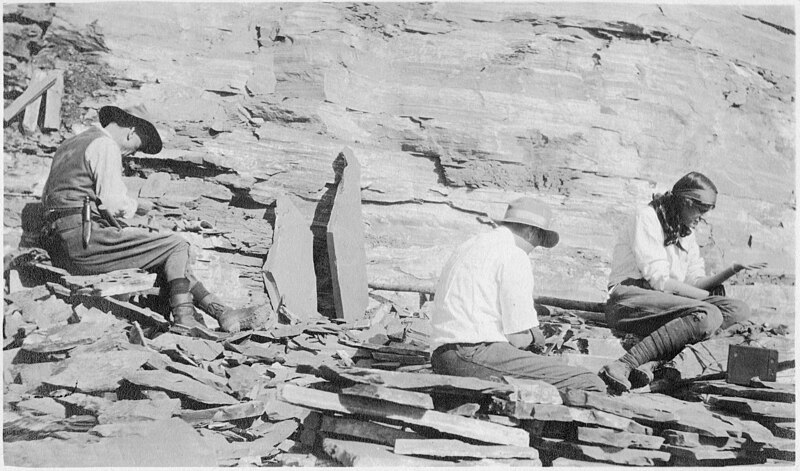
Happy Birthday, Burgess Shale – Discovered August 30th, 1909
Read more: Happy Birthday, Burgess Shale – Discovered August 30th, 1909The Burgess Shale was discovered 109 years ago today by Charles Doolittle Wolcott. The deposit dates to about 508 million years ago. Currently located high in the mountains of British Columbia, Canada, in life, it was located near the equator. It’s one of the most important fossil localities ever discovered, as it opened our eyes to the animals of the Cambrian Explosion. The fine preservation of soft body parts in the Burgess Shale made this possible. Since then, numerous other localities of similar animals have been found around the world and on other neighboring mountains.
-
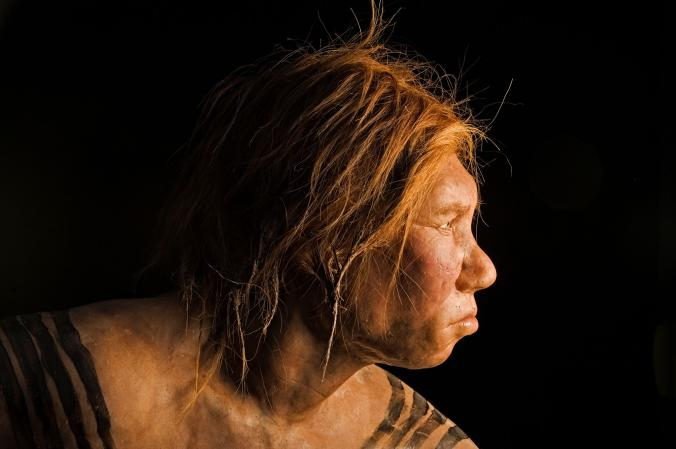
Ancient Girl’s Parents Were Two Different Human Species – Neanderthal and Denisovans
Read more: Ancient Girl’s Parents Were Two Different Human Species – Neanderthal and DenisovansNational Geographic has a story about the first direct evidence of interbreeding among Neanderthal and Denisovans. A paper in this week’s Nature has all the details. When the results first popped up, paleogeneticist Viviane Slon didn’t believe it. “What went wrong?” she recalls asking herself at the time. Her mind immediately turned to the analysis. Did she make a mistake? Could the sample be contaminated? The data was telling her that the roughly 90,000-year-old flake of bone she had tested was from a teenager that had a Neanderthal mom and Denisovan dad. Researchers had long suspected that these two groups…
-

PBS Eons: How a Supervolcano Made the Cenozoic’s Coolest Fossils
Read more: PBS Eons: How a Supervolcano Made the Cenozoic’s Coolest FossilsPBS's Eons Channel on YouTube has an episode about the supervolcano under Yellowstone. Twelve million years ago saw the creation of Ashfall Fossil Beds in Nebraska. Truly, a bad day in the Miocene!
-
JKiesling Auctioning Series: Saturday, September 8th, 2018 in Belvidere, IL
Read more: JKiesling Auctioning Series: Saturday, September 8th, 2018 in Belvidere, ILThere is a an upcoming auction at the Boone County Fairgrounds. It will be minerals, gems, fossils, and lapidary equipment. Details: JKiesling Auctioning SeriesContact: 815-558-4664Date: Saturday September 8th, 20188:00 am preview | 9:00 am Public Auction startsLocation: Boone County Fairgrounds 8791, IL-76, Belvidere, ILItems for sale include numerous minerals, gems, fossils & lapidary machinery/equipment
-

Smithsonian: Rare Desert Pterosaur Fossil Discovered in Utah
Read more: Smithsonian: Rare Desert Pterosaur Fossil Discovered in UtahThe Smithsonian Magazine has an article about a new pterosaur discovered in the desert in Utah. Its name is Caelestiventus hanseni (meaning Heavenly Wind) and it dates back to the Triassic, about 200 to 210 million years ago. Pterosaurs first took to the air during the Triassic. Hopefully, this specimen can shed some light on how that happened. This fossil comes from a rock formation on public land in north-eastern Utah known as the Saints and Sinners Quarry. During this time period, this area is believed to be an oasis in a massive dune covered desert. There is a…
-

ESCONI Events September 2018
Read more: ESCONI Events September 2018Field trips require membership, but visitors are welcome at all meetings! see details in this post Sat, Sep 8th ESCONI Field Trip, 8:00 AM – 2:00 PM Braceville Spoil Pile – See details here Sun, Sep 9th ESCONI Field Trip, 8:00 AM – 2:00 PM Braceville Spoil Pile – See details here Fri, Sep 14th ESCONI General Meeting, 8:00 PM College of Dupage – Tech Ed (TEC) Building, Room 1038B (Map) – Topic: “The Origin of Crinoids” by Dr. Tom Guensburg Research Associate at the Field Museum Sat, Sep 15th ESCONI Paleontology Study Group Meeting, 7:30 PM College of Dupage…
-
Former ESCONI Junior hits the big time
Read more: Former ESCONI Junior hits the big timeDr. Rebecca Rogers Ackermann is featured in September's issues of both Discover Magazine and Scientific American. https://www.scientificamerican.com/article/why-is-homo-sapiens-the-sole-surviving-member-of-the-human-family/ http://discovermagazine.com/2018/sep/hopeful-monsters
-
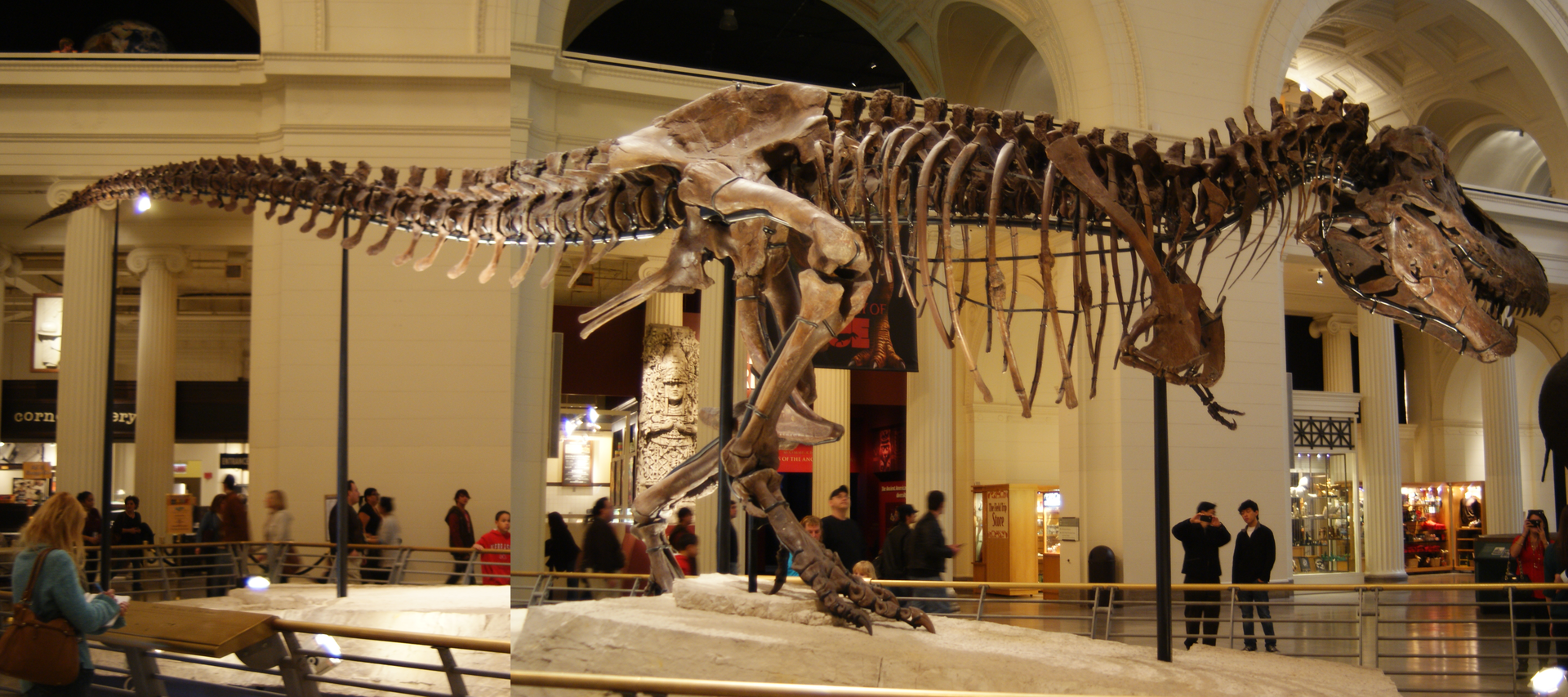
Happy Birthday, Sue!
Read more: Happy Birthday, Sue!Sue the T-rex was discovered on August 12th, 1990 by Sue Hendrickson. She resides at the Field Museum in Chicago, IL. She’s the biggest, most complete, and oldest T-rex ever discovered. In Spring 2019, she will be unveiled in her new home. Don’t miss it!
-
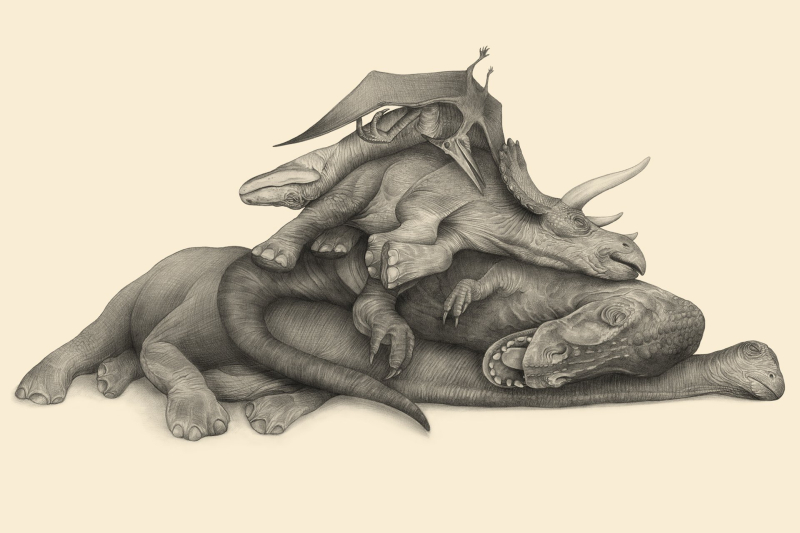
The Nastiest Feud in Science
Read more: The Nastiest Feud in ScienceThe Atlantic has an article about Gerta Keller and her differences with the consensus view on the causes of the K-Pg mass extinction. It’s a good read, but there are some errors. Gerta’s position is that the meteor strike was just a bit player in the whole event. There are many good books on either Mass Extinctions in general or the K-Pg event specifically. They can provide some good summer reading material. Here are a few below.
-
FOSSIL Project Newsletter for Summer 2018
Read more: FOSSIL Project Newsletter for Summer 2018The Fossil Project’s newsletter for the Summer of 2018 is out. Some good interesting articles.
-
September 2018 General Meeting is “The Origin of Crinoids” by Dr. Tom Guensburg of the Field Museum
Read more: September 2018 General Meeting is “The Origin of Crinoids” by Dr. Tom Guensburg of the Field MuseumThe speaker at our September meeting will be Dr. Tom Guensburg, Research Associate at the Field Museum. The title of his program is “The Origin of Crinoids”. Don’t miss it!
-
Save the Date! The 2019 ESCONI Show be held on March 23rd and 24th, 2019.
Read more: Save the Date! The 2019 ESCONI Show be held on March 23rd and 24th, 2019.Save the Date! The 2019 ESCONI Show be held on March 23rd and 24th, 2019. Can't wait!
-
Scientists May Have Wildly Underestimated the Giant Dinosaurs of the Ancient World
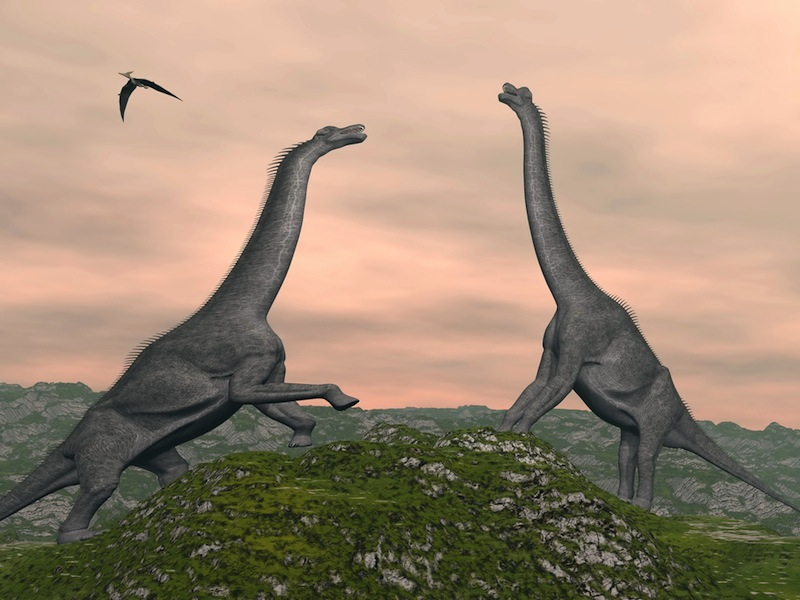
Read more: Scientists May Have Wildly Underestimated the Giant Dinosaurs of the Ancient WorldLiveScience has an interesting story about sauropod dinosaurs. It seems that their leafy meals were probably a whole lot more hearty, wholesome, and nutrient packed than previously thought. This research appeared in the journal Palaeontology. The conventional wisdom about the big plant-eating dinosaurs, like Brachiosaurus and Argentinosaurus, is that they had to eat huge amounts of leaves all day to grow to their massive sizes. Scientists came to that conclusion in part because the sorts of plants available millions of years ago were nutritionally poor and in part because the believed the high levels of carbon dioxide (CO2) in…
-
Stunning Fossil Discovery Reveals a New Dinosaur With Iridescent Feathers
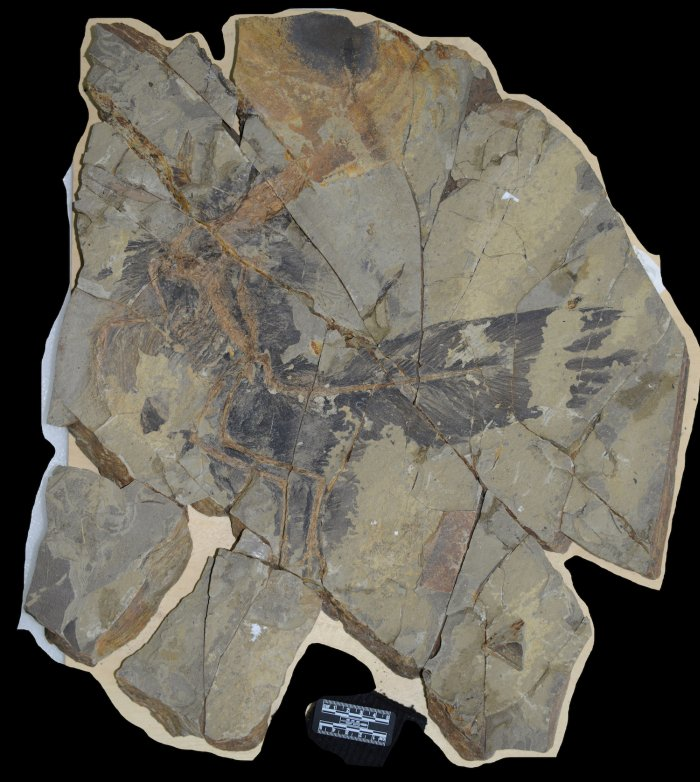
Read more: Stunning Fossil Discovery Reveals a New Dinosaur With Iridescent FeathersScienceAlert has a story about the discovery of a dinosaur with iridescent feathers. The new dinosaur named Caihong juji, which means “rainbow with a big crest” in Mandarin, lived about 161 million years ago in China, during the Jurassic period. The research appeared in the journal Nature. “Iridescent colouration is well known to be linked to sexual selection and signalling, and we report its earliest evidence in dinosaurs,” said researcher Julia Clarke of the University of Texas Jackson School of Geosciences. “The dinosaur may have a cute nickname in English, Rainbow, but it has serious scientific implications.” The research team…
-

Savage Ancient Seas at Prairiefire Museum in Overland Park Kansas
Read more: Savage Ancient Seas at Prairiefire Museum in Overland Park KansasDontMessWithDinosaurs has a post about the Savage Ancient Seas exhibit at the Prairiefire Museum in Overland Park Kansas. It’s about mosasaurs, sharks, pterosaurs, fish, and other animals found in the Niobrara Chalk in western Kansas. The author of the post is the artist that created the associated pictures. He’s a paleoartist and worked with Triebold Paleontology Inc. Cool stuff, check it out if you are near Kansas City this summer!
-

ESCONI Field Trip: Saturday, September 8th and Sunday, September 9th, 2018 to Braceville for Mazon Creek Fossils
Read more: ESCONI Field Trip: Saturday, September 8th and Sunday, September 9th, 2018 to Braceville for Mazon Creek FossilsThe ESCONI field trips to Braceville for Mazon Creek fossils are set for September 8 and 9, 2018 from 8 AM to 2 PM. You can attend either or both days. There is an attendance limit of 40 people each day. Meet at 8 AM at the entrance to the collecting site on S Berta Road, just east of the intersection with Division St (Braceville IL). A nearby landmark for driving directions is the Braceville Gardner Cemetery, 7295 East Braceville Road, Braceville. I can send a small map to anyone that needs it.
-
Discovery of ‘First Giant’ Dinosaur Is a Huge Evolutionary Finding
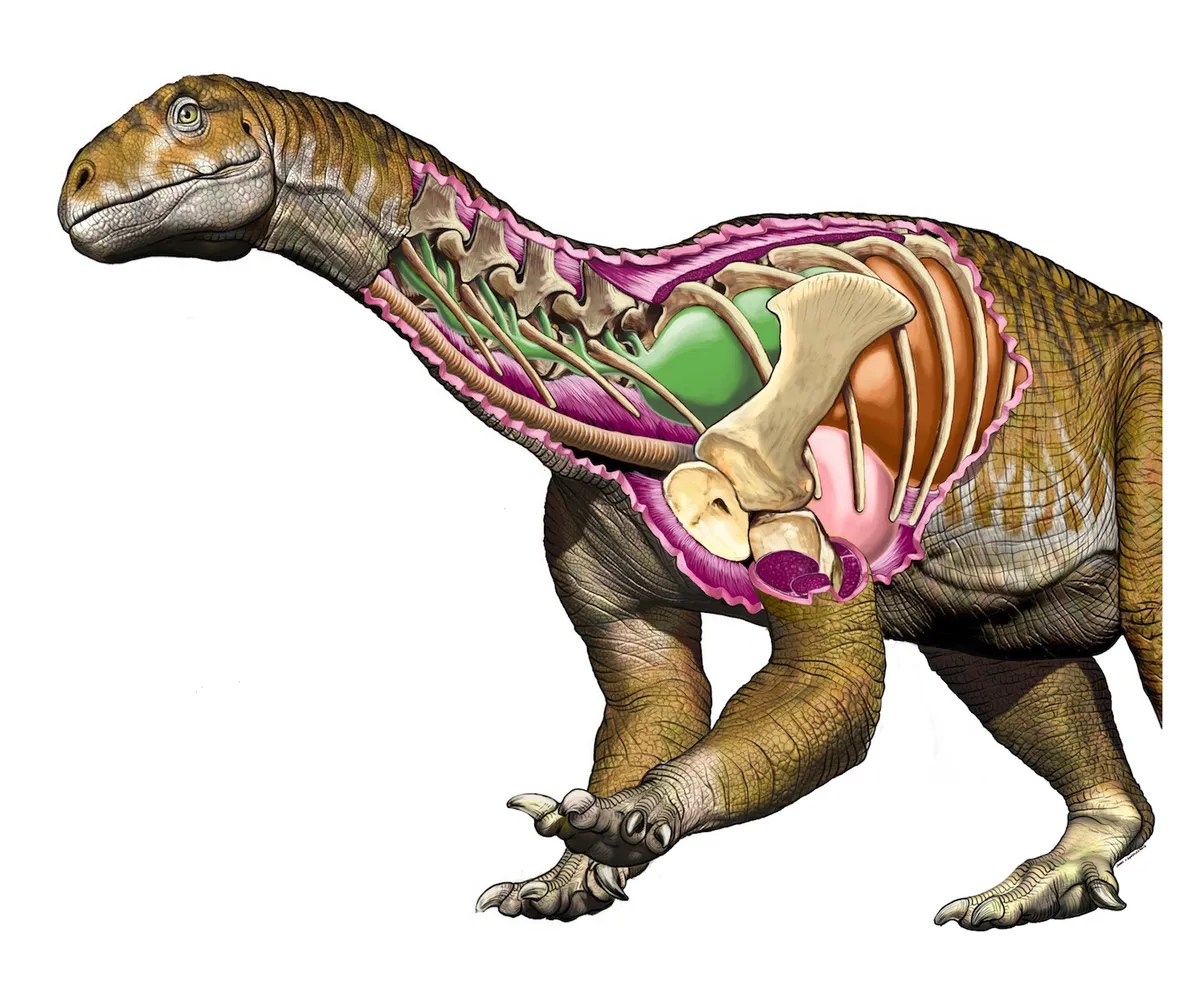
Read more: Discovery of ‘First Giant’ Dinosaur Is a Huge Evolutionary FindingLivescience has a story about the discovery of the “First Giant” dinosaur in Argentina. This, the earliest sauropodomorph, lived about 215 million years ago in the Triassic period. Ingentia prima, which means “first giant in Latin – weighted about 11 tons and was 32 feed long. All the details were published in a paper in the journal Nature Ecology & Evolution. “This new discovery was a pleasant surprise, and I think it’s one of the most important dinosaur finds of the last few years,” Steve Brusatte, a paleontologist at the University of Edinburgh in Scotland who wasn’t involved in the…
-
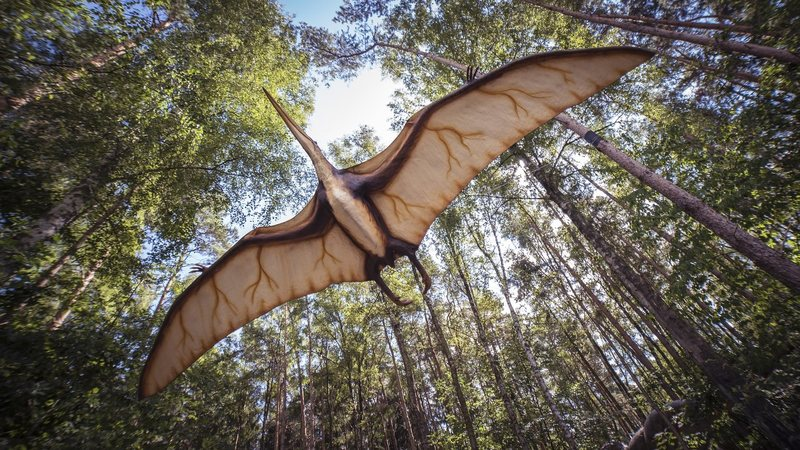
We Have Probably Been Imagining Pterosaurs All Wrong
Read more: We Have Probably Been Imagining Pterosaurs All WrongAtlas Obscura has an article about pterosaurs. Good background information and a discussion of a paper in the Proceedings of the Royal Society B. It seems someone(s), Armita R Manafzadeh and Kevin Padian, mapped the ligament constraints on hip mobility of extinct ornithodirans (pterosaurs). It seems that it is very unlikely that pterosaurs flew with they legs stretched out behind them. Check out the paper or more details. PICTURE A CLASSIC CRETACEOUS SCENE. Sure, you’re a bit too late to have caught it in person, but if you’ve seen a kid’s book lately, you know the one. Broad-leafed plants cover…
-
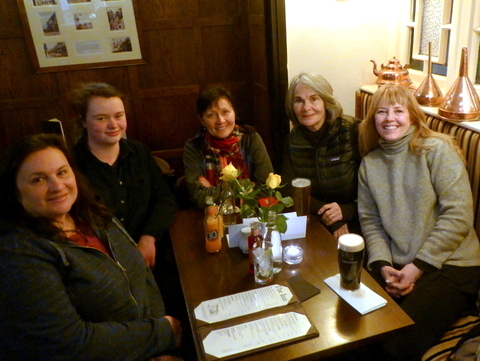
Report: ESCONI Paleontology Meeting: Saturday, June 16th, 2018 – Jurassic Treasures Revealed
Read more: Report: ESCONI Paleontology Meeting: Saturday, June 16th, 2018 – Jurassic Treasures RevealedAt June’s Paleo meeting, four ESCONI members (Marie Angkuw, Jann Bergsten, Rhonda Gates, and Deborah Lovely) delivered a lively and fascinating slide presentation of their February collecting trip to the Jurassic Coast of Lyme Regis, England. Numerous pictures of the local beaches and town accompanied their storytelling, which highlighted not only the variety in landscape they explored, but the full spectrum of weather they encountered: sun, wind, rain, and snow. After the talk, treasures brought home from the journey were on display. Fossil specimens included pyritized ammonites, ichythosaur vertebrae, crinoid plates, belemnites, and petrified wood. Victorian era artifacts were also…
-
COD STEMinar Series: Ted Daeschler – Great Steps in the History of Life: The Origin of Limbed Vertebrates
Read more: COD STEMinar Series: Ted Daeschler – Great Steps in the History of Life: The Origin of Limbed VertebratesA video of the April ESCONI General Meeting has been posted to youtube. Remember, this was part of the COD STEMinar Series. The talk was by Ted Daeschler and titled “Great Steps in the History of Life: The Origin of Limbed Vertebrates”. Very interesting! If you missed it, check it out!

ESCONI Gem, Mineral, and Fossil Show
Most Recent Post
- PBS Eons: The Chaotic Race to Name T. rex
 PBS Eons has a new episode. This one is about the controversial history of the name Tyrannosaurus rex.
- About ESCONI
- Around the Web
- Calendar of Events
- Code of Ethics and Conduct
- ESCONI Books for Sale
- ESCONI Gem, Mineral, and Fossil Show
- ESCONI in the News
- ESCONI Videos
- Field Trips
- Flashback Friday
- Fossil Friday
- Mazon Creek
- Mazon Monday
- Member Spotlight
- Membership Information
- Reference Material
- Throwback Thursday
- Trilobite Tuesday
Field trips require membership, but visitors are welcome at all meetings!
| Friday, April 10th | General Meeting – 8:00 PM via Zoom. Jessica Hull will present “Life in the Devonian Period, The Age of Fishes.” |
| Saturday, April 11th | Junior Study Group Meeting – 2:00 PM, in person at the College of DuPage Technical Education Center (TEC) Building – Room 1038A (Map). Katherine Howard will present on Sand and Sediment Collecting. Specifics of this meeting are available from Scott Galloway, 630-670-2591, gallowayscottf@gmail.com. |
| Saturday, April 18th | Paleontology Study Group – 7:30 PM via Zoom and in person at the College of DuPage, TEC, Room 1038B (Map). Keith Robitschek will present “Digging the Marl of the Lance Formation.” |
| No meeting this month | Mineralogy Study Group |
| No meeting this month | Junior Study Group |