
-

ESCONI October 2025 Paleontology Study Group Meeting – October 18th, 2025 at 7:30 PM via Zoom – “Creating 3D Digital Models for Paleontology”
Read more: ESCONI October 2025 Paleontology Study Group Meeting – October 18th, 2025 at 7:30 PM via Zoom – “Creating 3D Digital Models for Paleontology”The October 2025 Paleontology Study Group Meeting will be held on October 18th, 2025 at 7:30 via Zoom. The topic is “Creating 3D Digital Models for Paleontology”. It will be presented by Shellie Luallin. Shellie Luallin will be presenting “Creating 3D Digital Models for Paleontology”. 3D models increasingly appear in the digital realm – in TV shows, movies, commercials, and in science. Methods to create models grow more sophisticated – and expensive. Still, there is an affordable and achievable way to create models that can help in many ways such as identifying specimens and teaching about them. This presentation will…
-
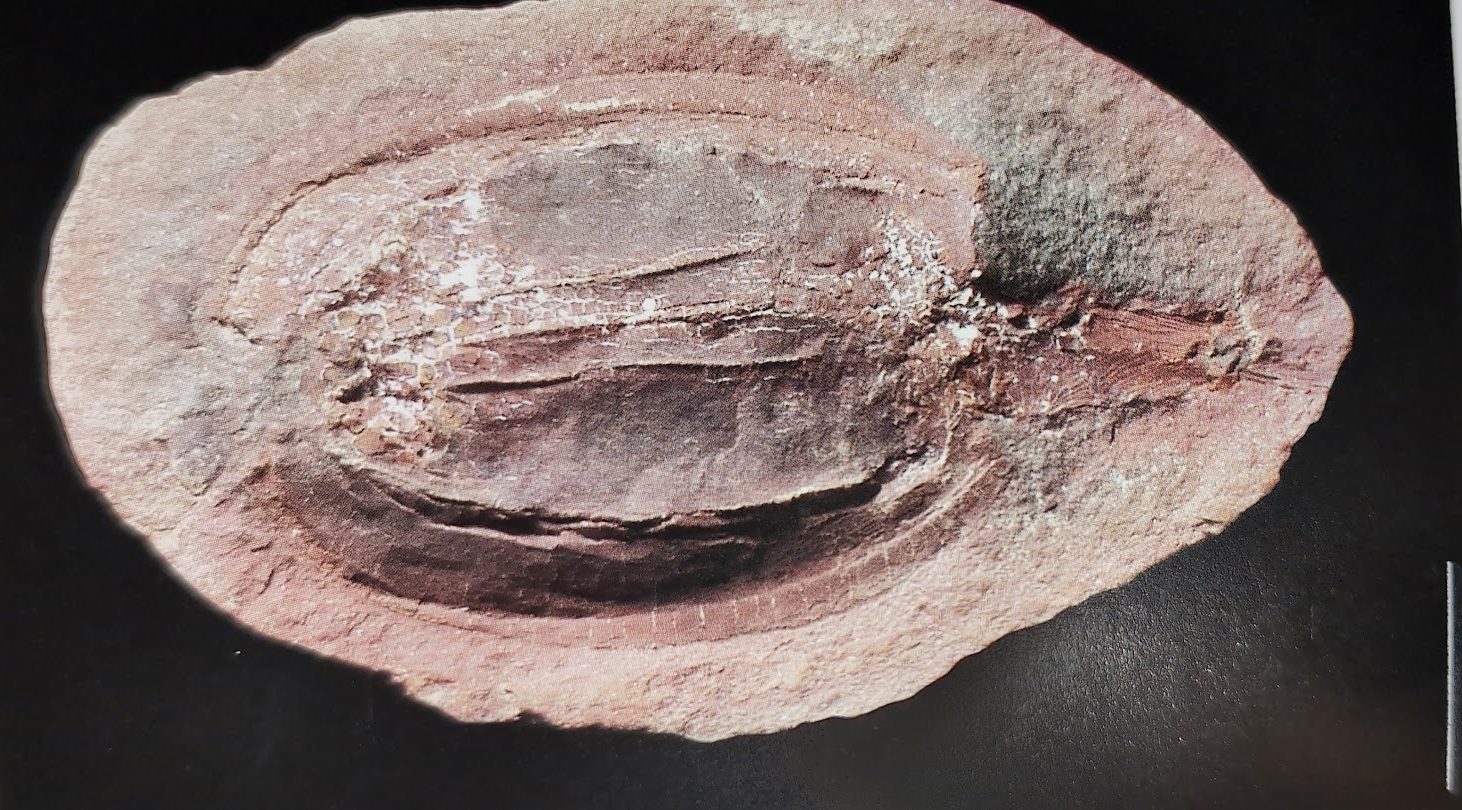
Mazon Monday #291: Dithyrocaris sp.
Read more: Mazon Monday #291: Dithyrocaris sp.This is Mazon Monday post #291. What’s your favorite Mazon Creek fossil? Tell us at email:esconi.info@gmail.com. Dithyrocaris sp. is a genus of crustacean from the Carboniferous. The Mazon Creek fossil biota includes one undescribed species, although there are other described species from other fossil localities – Bear Gulch, Montana (Dithyrocaris rolfei). Danville, IL (Dithyrocaris carbonarius), Cane Hill, Arkansas (Dithyrocaris quinni), the Allegheny Group, Ohio, and localities in Europe. Dithyrocaris belongs to Subclass Phyllocarida. Phyllocarids are known from the Cambrian until present time. Leptostraca is the only extant order. Phyllocarida was established by Alpheus Spring Packard (1839 – 1905) in 1879. Packard…
-
BeHistoric: The Great Chicago Portage
Read more: BeHistoric: The Great Chicago PortageBrian and Joyce of the Youtube channel BeHistoric have a fascinating episode about the “Great Chicago Portage”. They layout the history from the Ice Age to the Native American peoples through to modern times. In this video documentary (#89), we explore the great Chicago Portage, used for hundreds or even thousands of years by indigenous people and then later by European explorers and traders, as a passage between the Great Lakes watershed and the Mississippi River watershed. Indeed, this subtle feature, an artifact of the Ice Age, may be the very reason for Chicago’s existence. The portage evolved to become…
-

Field Museum: Your First Look at the Pokemon Fossil Museum in Chicago!
Read more: Field Museum: Your First Look at the Pokemon Fossil Museum in Chicago!The actual museum opens on May 22nd, 2026, but the Field Museum has an early look in a new exhibit! In this special exhibition, you’ll immerse yourself in the worlds of Pokémon and natural history with models of fan-favorite Pokémon, real fossil excavation and preparation tools, as well as exhibition soundscapes. Three Field Museum scientists—Arjan Mann, Akiko Shinya, and Jingmai O’Connor—will be featured in the North American debut of Pokémon Fossil Museum, highlighting their work, explaining the tools of their trade, and sharing their professional experiences both in the field and at the Museum. Head to our blog to read more about our…
-

Fossil Friday #286: Rhabdoderma exiguum
Read more: Fossil Friday #286: Rhabdoderma exiguumThis is the “Fossil Friday” post #286. Expect this to be a regular feature of the website. We will post fossil pictures you send in to esconi.info@gmail.com. Please include a short description or story. Check the #FossilFriday Bluesky/Twitter hash tag for contributions from around the world! For this week’s Fossil Friday, we have a Rhabdoderma exiguum. R. exiguum is a species of Mazon Creek coelacanth. Coelacanths are lobe-finned fish, thought extinct since the Cretaceous. The first living coelacanth was discovered in 1938 off the coast of South Africa. There are now two known living species. Rhabdoderma exiguum was described by Charles R. Eastman (1868 –…
-

Throwback Thursday #286: A Rock Is a Rock…
Read more: Throwback Thursday #286: A Rock Is a Rock…This is Throwback Thursday #286. In these, we look back into the past at ESCONI specifically and Earth Science in general. If you have any contributions, (science, pictures, stories, etc …), please send them to esconi.info@gmail.com. Thanks! email:esconi.info@gmail.com. The following piece appeared in the September 1966 edition of the ESCONI newsletter. The attribution is from “Rock Chips” of Spokane, but a little research (on the Spokane Rock Rollers Facebook group) led to the Deming Gem and Mineral Society in Deming, New Mexico. They’ve been around since 1965. Their newsletter is still called “Rock Chips”. Here’s a description of the club from…
-
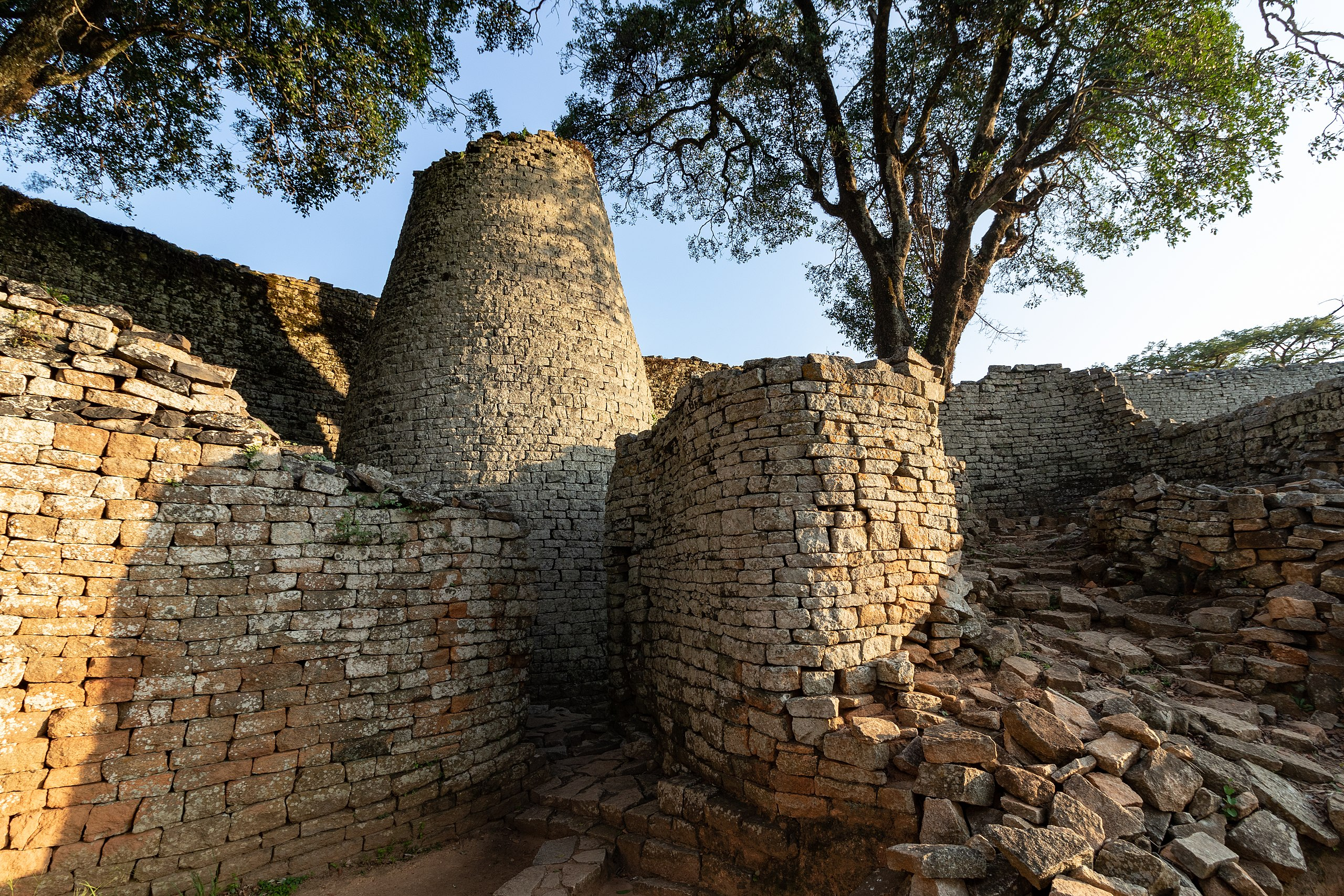
ESCONI October 2025 General Meeting – October 10th, 2025 at 8:00 PM via Zoom – “Great Zimbabwe among its peers: Exploring the height of ancient civilizations in southern Africa”
Read more: ESCONI October 2025 General Meeting – October 10th, 2025 at 8:00 PM via Zoom – “Great Zimbabwe among its peers: Exploring the height of ancient civilizations in southern Africa”The October 2025 General Meeting will be held on Friday, October 10th, 2025 at 8:00 via Zoom. Foreman Bandama with the Field Museum will be presenting on African archaeology and anthropology. His presentation is titled “Great Zimbabwe among its peers: Exploring the height of ancient civilizations in southern Africa” There are over twenty-five great African civilizations, besides Egypt. How many of these do you know? The widely employed Childean proxy for civilizations falls short every time one ventures beyond the Eurasian borders, and Africa is no exception. Using the medieval site of Great Zimbabwe (1000-1900CE) in Zimbabwe, as a vignette,…
-

Reminder: 2025 Mazon Creek Fossil Day, October 11th, 2025 at the Coal City Library
Read more: Reminder: 2025 Mazon Creek Fossil Day, October 11th, 2025 at the Coal City LibraryThe 2025 Mazon Creek Fossil Day will be held on October 11th, 2025 at the Coal City Library from 10 AM to 3 PM. See you there! Previous events
-
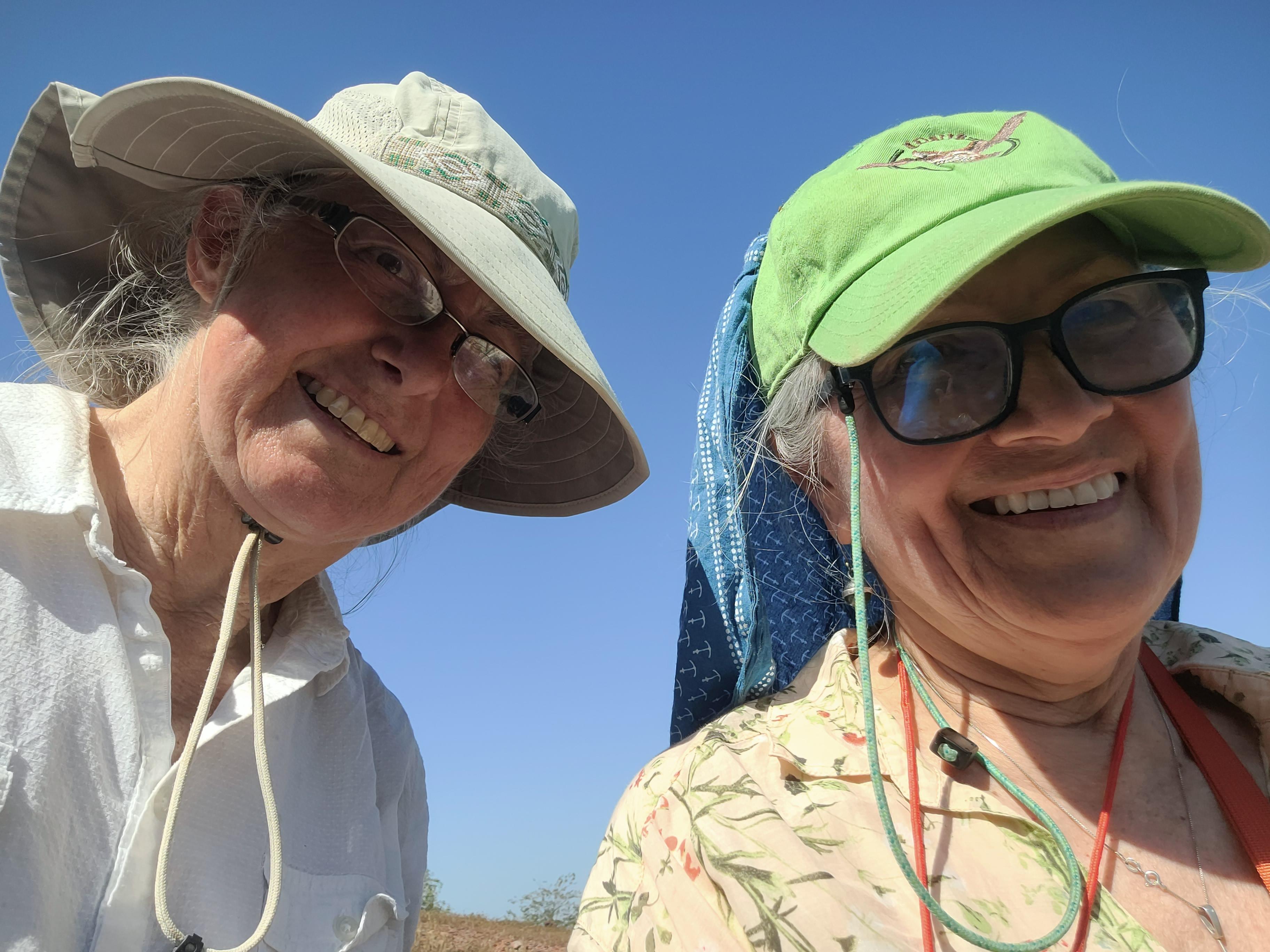
Mazon Monday #290: Danville Spoil Pile Trip Report for September 2025
Read more: Mazon Monday #290: Danville Spoil Pile Trip Report for September 2025This is Mazon Monday post #290. What’s your favorite Mazon Creek fossil? Tell us at email:esconi.info@gmail.com. There was lots of fun on the field trip to the Danville Spoil Pile on Saturday, September 27th, 2025. The day was hot and dry with a clear sky and temperatures in the 80s… summer like weather in late September is always nice! Here are some photos from the pile: We had a “Show and Tell” at the end as many nice fossils were found:
-
‘Shockingly Beautiful’ Fossil Reveals Oldest Dome-Headed Dinosaur
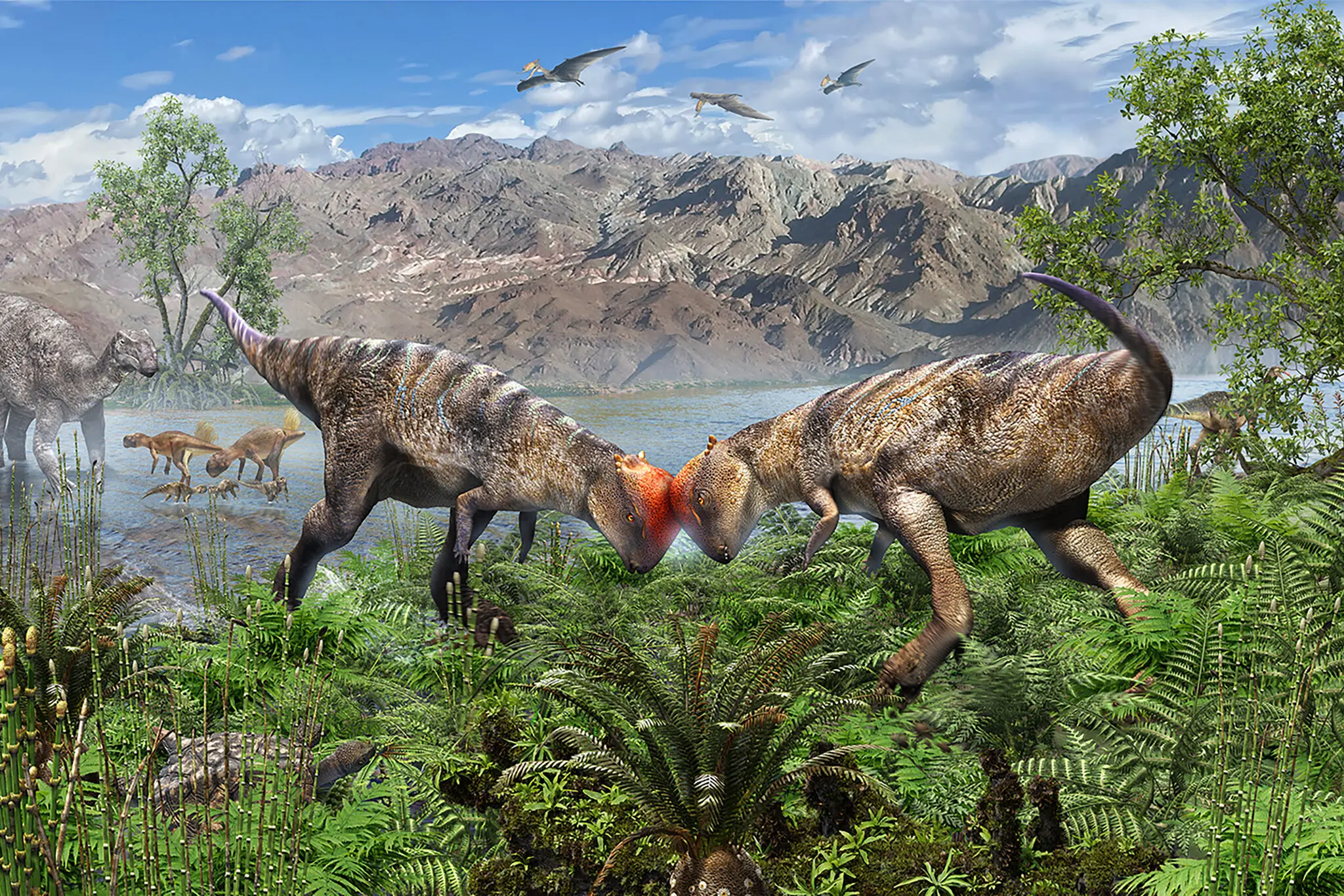
Read more: ‘Shockingly Beautiful’ Fossil Reveals Oldest Dome-Headed DinosaurThe New York Times has a fascinating look at beautiful pachycephalosaur specimen from Mongolia. The animal was recently described in a paper in the journal Nature. Zavacephale rinpoche was found in the Gobi Desert by Tsogtbaatar Chinzorig, a paleontologist at North Carolina State University. The name means “root” and “jewel” in Tibetan, which is a reference to the fossil’s age, 115 to 108 million years old, about 14 million years earlier than scientists had thought these dinosaurs first evolved their helmet-like heads. The specimen includes intact hands and arms… and a stomach full of gastroliths (stones). Pachycephalosaurs, often called pachys,…
-
‘Rare’ ancestor reveals how huge flightless birds made it to faraway lands
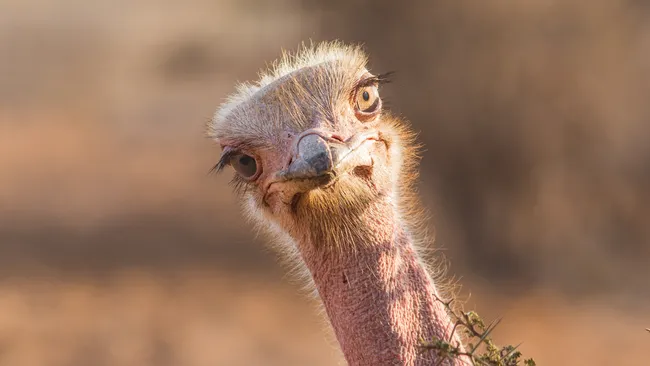
Read more: ‘Rare’ ancestor reveals how huge flightless birds made it to faraway landsLiveScience has a story that looks a paper about flightless birds and how they may have dispersed across multiple continents. The paper “Quantitative analysis of stem-palaeognath flight capabilities sheds light on ratite dispersal and flight loss” was published in the journal Biology Letters. Ostriches, emus, rheas and other large, flightless birds (paleognaths) are closely related, but how they ended up in widely separated places was not understood. One hypothesis was they spread out on the super continent of Pangaea. Unfortunately, Pangaea broke up some 195 million years ago, which disagreed with genetic studies that found the last common ancestor of…
-
Fossil Friday #285: Palaeoxyris lewisi
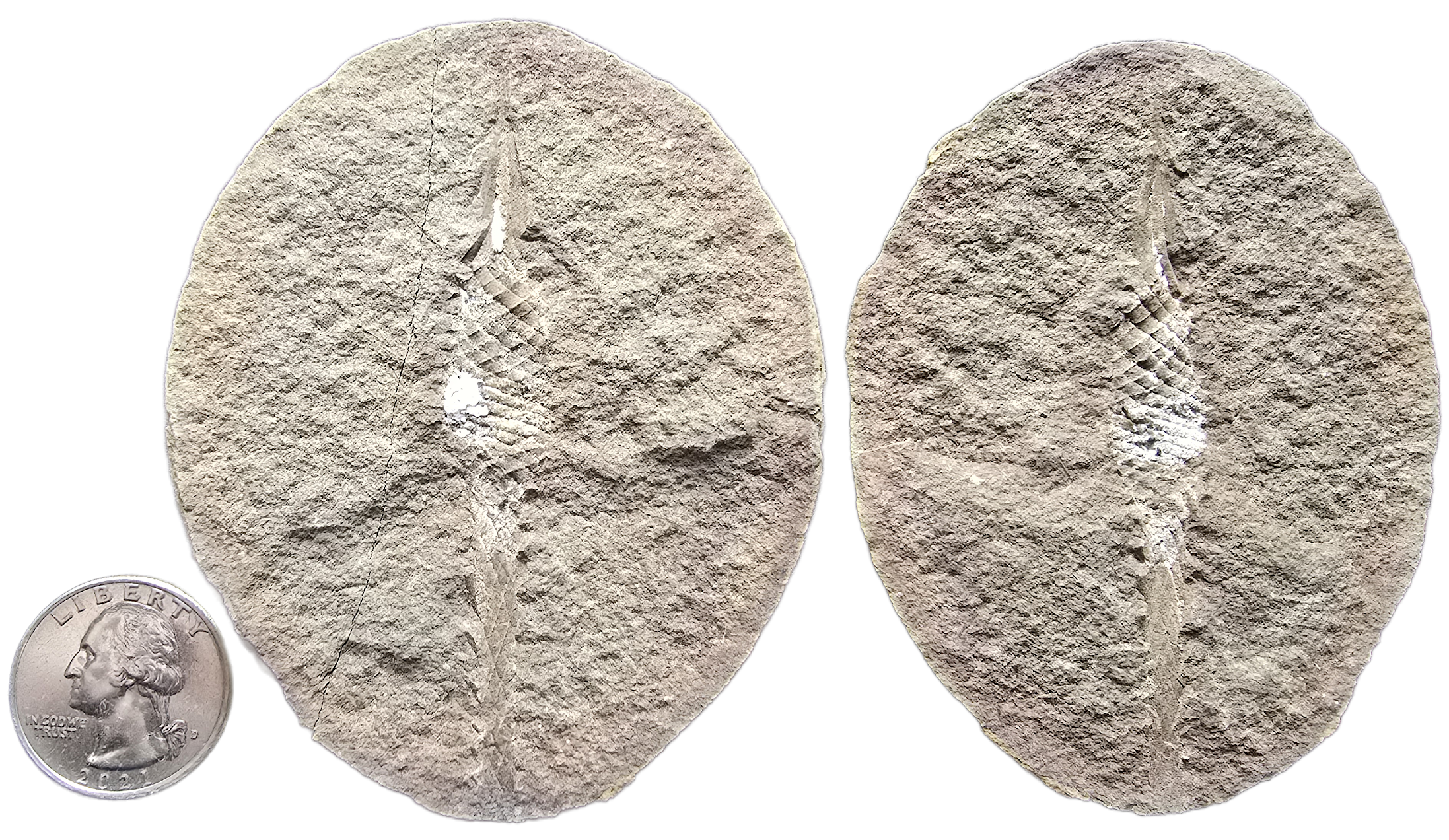
Read more: Fossil Friday #285: Palaeoxyris lewisiThis is the “Fossil Friday” post #285. Expect this to be a somewhat regular feature of the website. We will post any fossil pictures you send in to esconi.info@gmail.com. Please include a short description or story. Check the #FossilFriday Bluesky/Twitter hash tag for contributions from around the world! We have a beautiful Palaeoxyris lewisi shark egg case from Mazon Creek for this week’s Fossil Friday. These egg cases are believed to have been produced by hybodont sharks. P. lewisi was named by Jiri Zidek in 1976 in “A New Shark Egg Capsule from the Pennsylvanian of Oklahoma, and Remarks on the Chondrichthyan Egg Capsules”. Originally, Palaeoxyris…
-

Throwback Thursday #285: Looking Back at ESCONI For October 2025
Read more: Throwback Thursday #285: Looking Back at ESCONI For October 2025A look back at October 1955, 1975, and 2000
-
Digging Wyoming: People Flock To Glenrock To Dig for Dinosaurs In The Dark
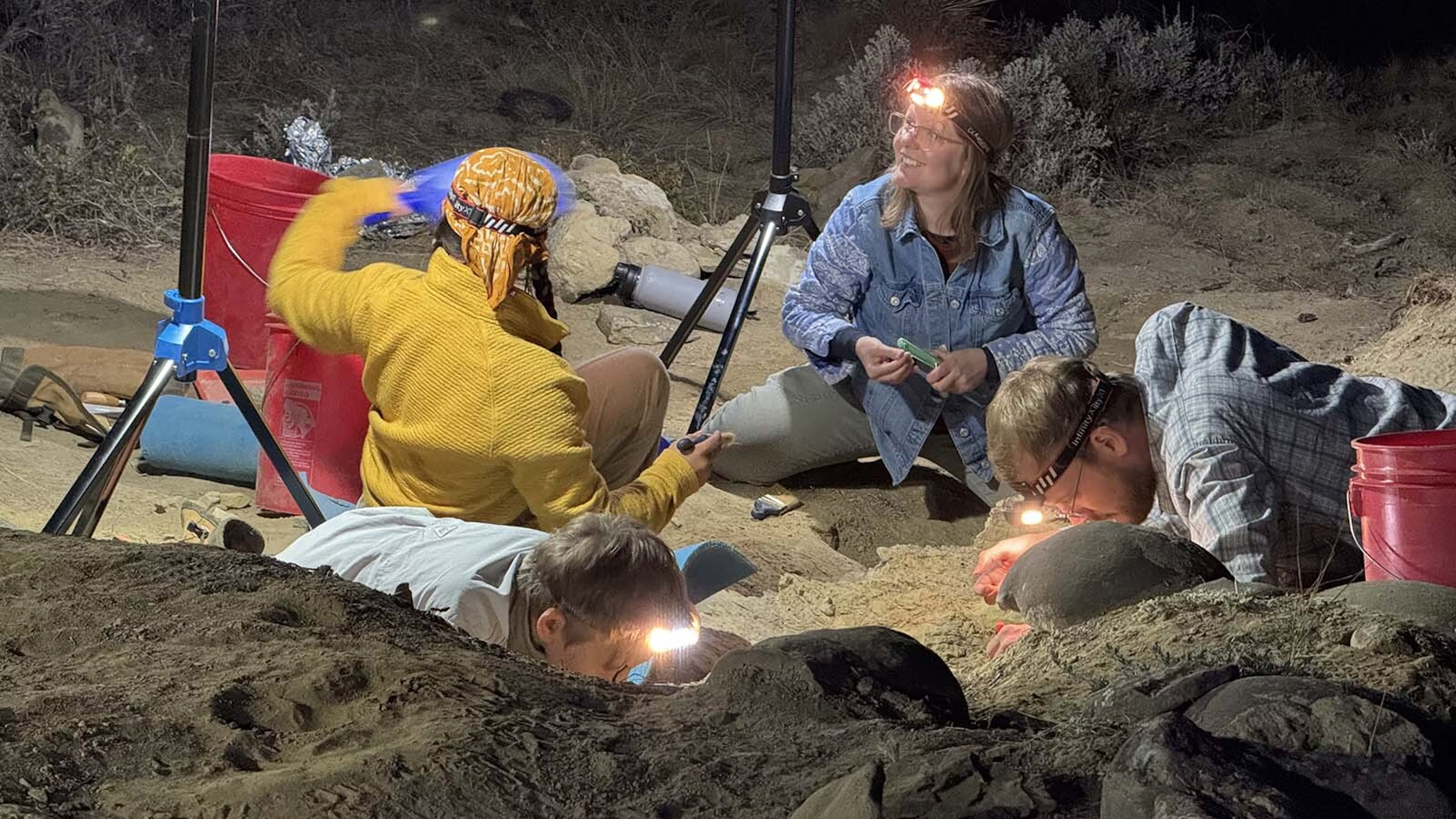
Read more: Digging Wyoming: People Flock To Glenrock To Dig for Dinosaurs In The DarkWant to dig for dinosaurs? Well… there a place near Glenrock, Wyoming that might be perfect for a vacation next year! Cowboy State Daily has a nice article about it. A plethora of paleontological discoveries continues to shed light on the world of Converse County 67 million years ago. Most of that light is coming from everyday people, working day and night, fulfilling their lifelong dreams to dig for dinosaurs. The Triceratops Gulch Project has been collecting every scrap of fossil from the hills north of Glenrock for decades. Every gar scale, crocodile scute and stomach acid-etched dinosaur tooth is a…
-
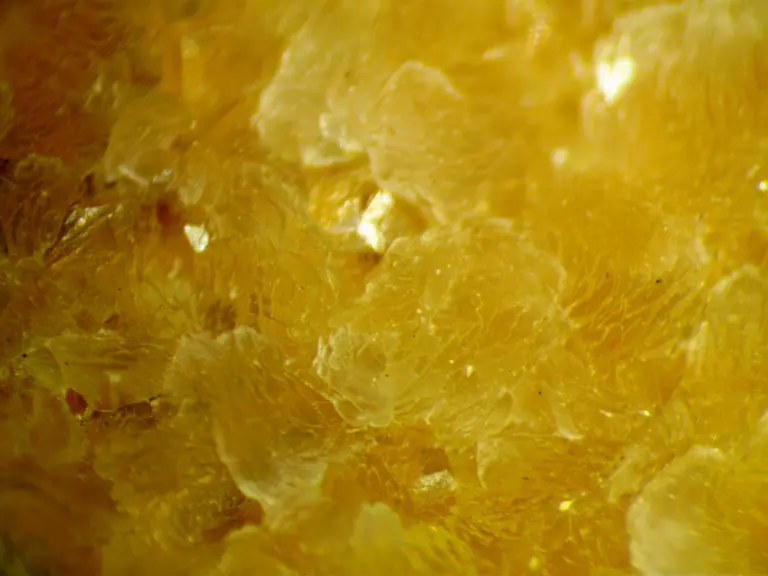
ESCONI October 2025 Mineral Study Group – October 4th, 2025 at 7:30 PM at the College of DuPage – “Calcite”
Read more: ESCONI October 2025 Mineral Study Group – October 4th, 2025 at 7:30 PM at the College of DuPage – “Calcite”The ESCONI Mineral Study Group will meet on Saturday October 4th, 2025 at 7:30 PM in TEC 1038B at College of DuPage in Glen Ellyn. See Directions and Map below. The program will be on “Calcite”, presented by Mike Litt and Dave Carlson. Calcite has the largest variety of forms of any mineral, and may be the most-collected mineral in the world. Join us as we talk about all things calcite, look at pictures of beautiful examples and examine many impressive specimens in person. If you have your own examples of calcite, please bring them in. See you there! If…
-

ESCONI Events for October 2025
Read more: ESCONI Events for October 2025Field trips require membership, but visitors are welcome at all meetings! Sat, Oct 4th Mineralogy Study Group Meeting – 7:30 at the College of DuPage Technical Education Center (TEC) Building – Room 1038B (Map) – “Calcite” Fri, Oct 10th General Meeting – 8:00 PM – via Zoom. Foreman Bandama of the Field Museum will be presenting “Great Zimbabwe among its peers: Exploring the height of ancient civilizations in southern Africa.” Sat, Oct 11th Mazon Creek Fossil Day at the Coal City Library. Sat, Oct 11th Scott Galloway will present a program “Rocking on the Computer”. Specifics of this meeting are available from Scott…
-
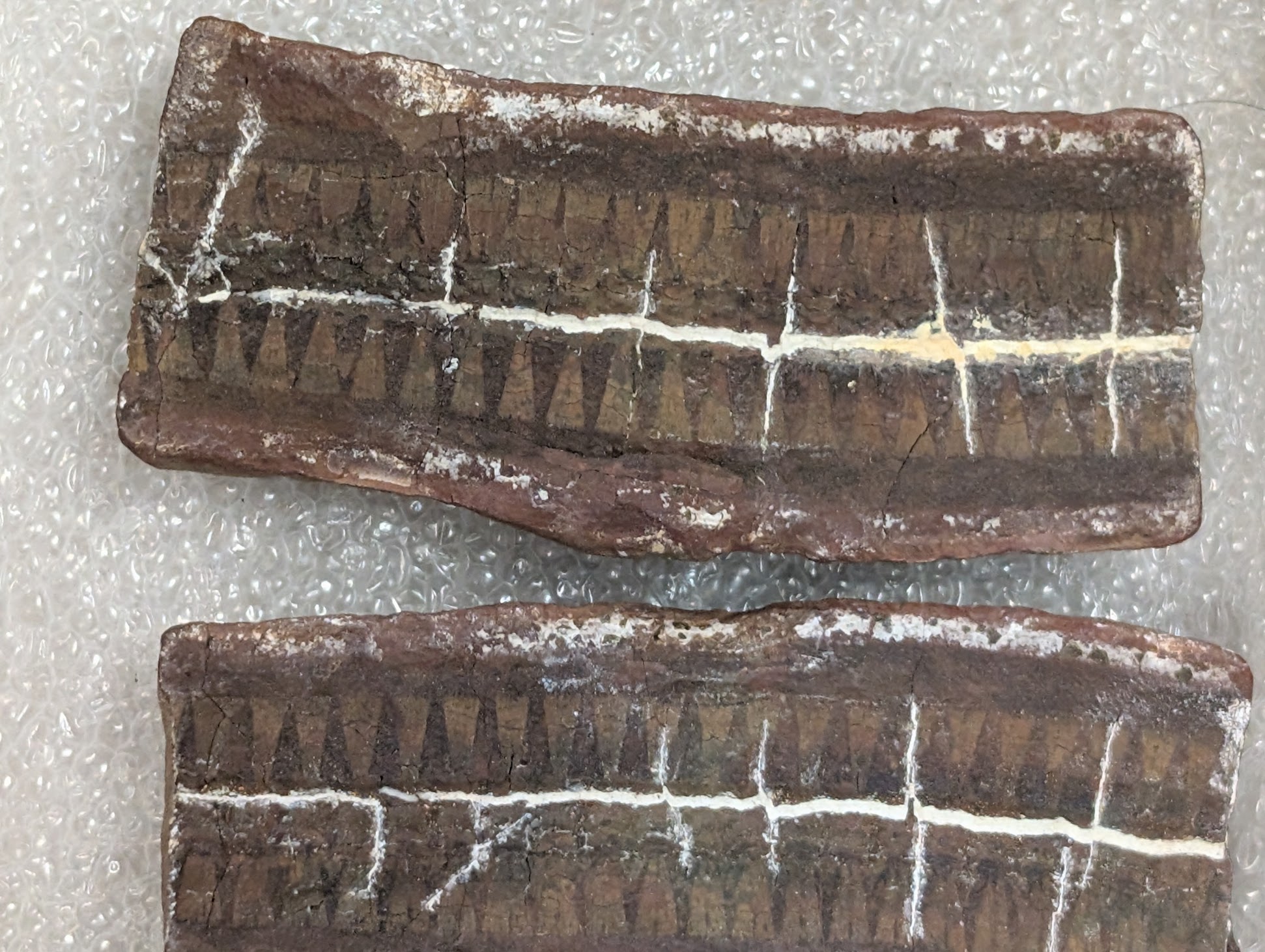
Mazon Monday #289: Ctenerpeton remex at Mazon Creek
Read more: Mazon Monday #289: Ctenerpeton remex at Mazon CreekThis is Mazon Monday post #289. What’s your favorite Mazon Creek fossil? Tell us at email:esconi.info@gmail.com. More exciting Mazon Creek research is out. Featured here is a short paper in the journal Vertebrate Anatomy Morphology Palaeontology (VAMP), which details the first occurrence of the urocordylid Ctenerpeton remex in the Mazon Creek fossil deposit! Arjan Mann, a curator of early fossil vertebrates at the Field Museum of Natural History, instigated the research when he found detailed notes and a partial description by John Bolt, his predecessor. Blue M. Byrnes, one of his summer 2025 interns, collaborated with Arjan to finish the research…
-
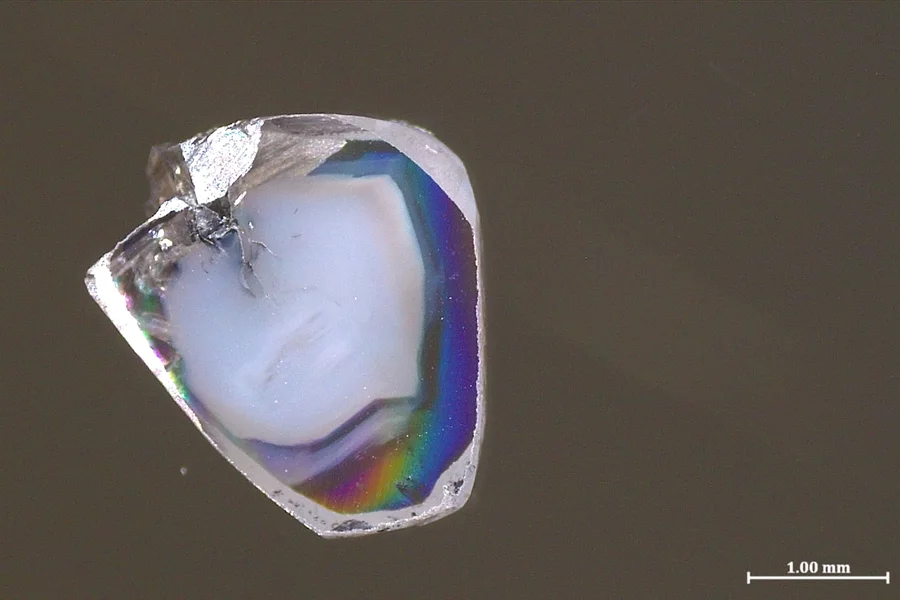
Deep-Earth Diamonds Reveal ‘Almost Impossible’ Chemistry
Read more: Deep-Earth Diamonds Reveal ‘Almost Impossible’ ChemistryScientific American has a story about the formation of diamonds. Inclusions are imperfections in gem stones. They are tiny bits of the surrounding rock when the gem or crystal forms. Inclusions in two diamond samples from South Africa are shedding light on how diamonds form deep in Earth’s mantle. The two new diamond samples each contain inclusions of carbonate minerals that are rich in oxygen atoms (a state known as oxidized) and oxygen-poor nickel alloys (a state known as reduced, in the parlance of chemistry). Much like how an acid and a base immediately react to form water and a…
-

PBS Eons: That Time Sharks Got Weird
Read more: PBS Eons: That Time Sharks Got WeirdPBS Eons has a new episode. This one is about the “Age of Sharks” or should it be the “Age of Weird Sharks”. Long before the rise of the great whites and hammerheads we know today, sharks and their cartilaginous relatives ruled Earth’s oceans and rivers in astonishing variety. It was the golden age of sharks. But why did sharks get so incredibly diverse and odd during this period, only to lose most of that diversity forever? Also, special thanks to Joschua Knüppe for providing those gorgeous faunal overviews of the Bear Gulch and Cleveland Shale formations! https://www.deviantart.com/hyrotrioskjan
-

Fossil Friday #284: Alethopteris lonchitica
Read more: Fossil Friday #284: Alethopteris lonchiticaThis is the “Fossil Friday” post #285. Expect this to be a somewhat regular feature of the website. We will post any fossil pictures you send in to esconi.info@gmail.com. Please include a short description or story. Check the #FossilFriday Bluesky/Twitter hash tag for contributions from around the world! We have a very special seed fern specimen for this weeks “Fossil Friday”. It’s and old Alethopteris serlii labeled as Alethopteris lonchitica. This specimen is special on three different levels… its name, its finder, and its preserved beautifully. First, the name Alethopteris lonchitica was used by George Langford in his 1958 book…

ESCONI Gem, Mineral, and Fossil Show
Most Recent Post
- ESCONI April 2026 General Meeting via Zoom – “Life in the Devonian Period, The Age of Fishes”
 The April 2026 General Meeting will be held on April 10th, 2026 at 8:00 via Zoom. At the meeting, Jessica Hull will present “Life in the Devonian Period, The Age of Fishes.” The Devonian Period was a crucial moment in the history of life. In this presentation, Jessica Hull will bring fossils to life by describing how they would have lived based on the most up to date research. Dunkleosteus fans won’t want to miss this!
- About ESCONI
- Around the Web
- Calendar of Events
- Code of Ethics and Conduct
- ESCONI Books for Sale
- ESCONI Gem, Mineral, and Fossil Show
- ESCONI in the News
- ESCONI Videos
- Field Trips
- Flashback Friday
- Fossil Friday
- Mazon Creek
- Mazon Monday
- Member Spotlight
- Membership Information
- Reference Material
- Throwback Thursday
- Trilobite Tuesday
Field trips require membership, but visitors are welcome at all meetings!
| Friday, April 10th | General Meeting – 8:00 PM via Zoom. Jessica Hull will present “Life in the Devonian Period, The Age of Fishes.” |
| Saturday, April 11th | Junior Study Group Meeting – 2:00 PM, in person at the College of DuPage Technical Education Center (TEC) Building – Room 1038A (Map). Katherine Howard will present on Sand and Sediment Collecting. Specifics of this meeting are available from Scott Galloway, 630-670-2591, gallowayscottf@gmail.com. |
| Saturday, April 18th | Paleontology Study Group – 7:30 PM via Zoom and in person at the College of DuPage, TEC, Room 1038B (Map). Keith Robitschek will present “Digging the Marl of the Lance Formation.” |
| Friday, April 24th | MAPS Expo XLVII – Springfield, IL. |
| Saturday, April 25th | MAPS Expo XLVII – Springfield, IL. |
| Sunday, April 26th | MAPS Expo XLVII – Springfield, IL. |
| No meeting this month | Mineralogy Study Group |