Category: Mazon Monday
-

Mazon Monday #317: Pohlsepia Revisited — Not an Octopus After All
A new paper “Synchrotron data reveal nautiloid characters inPohlsepia mazonensis, refuting a Palaeozoic origin for octobrachians” in the journal Proceedings of the Royal Society B Biological Sciences refutes the classification of Pohlsepia mazonensis as an octopus and reclassifies it as a soft-bodied nautiloid with the new name Paleocadmus pohli.
-
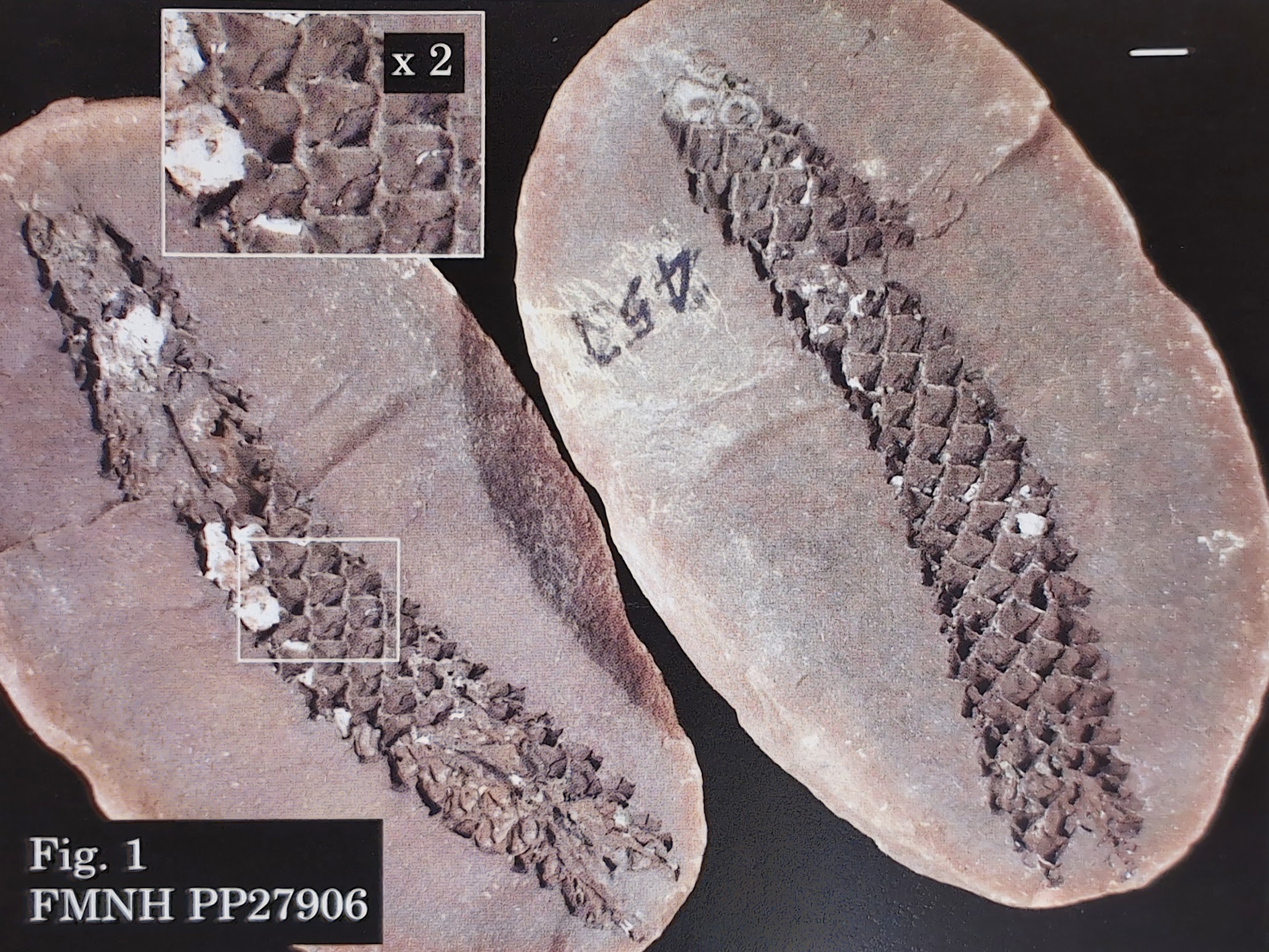
Mazon Monday #316: Sublepidophloios protuberans
Today, we have Sublepidophloios protuberans, which is a species of lycopsid branch. It’s very common, actually the most common form of lycopsid bark in the Mazon Creek fossil flora.
-
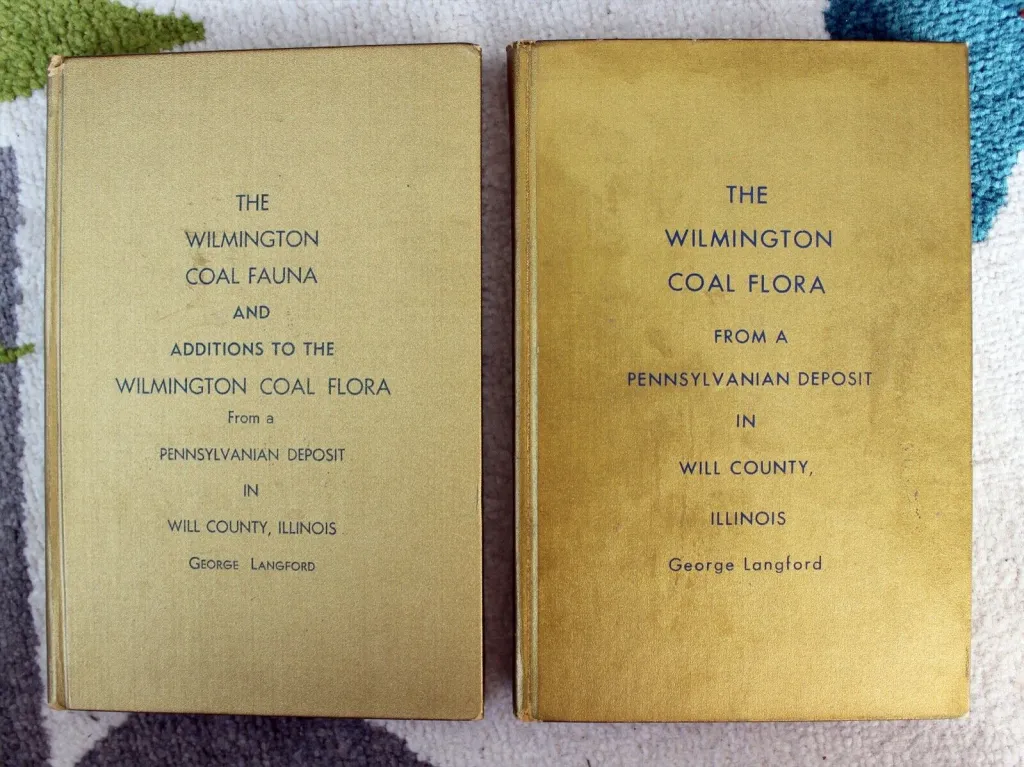
Mazon Monday #315: Another Langford Book Inscription
From time to time, we run across interesting old book inscriptions. Back in Mazon Monday #18, we highlighted a few… Well, here’s another interesting inscription.
-
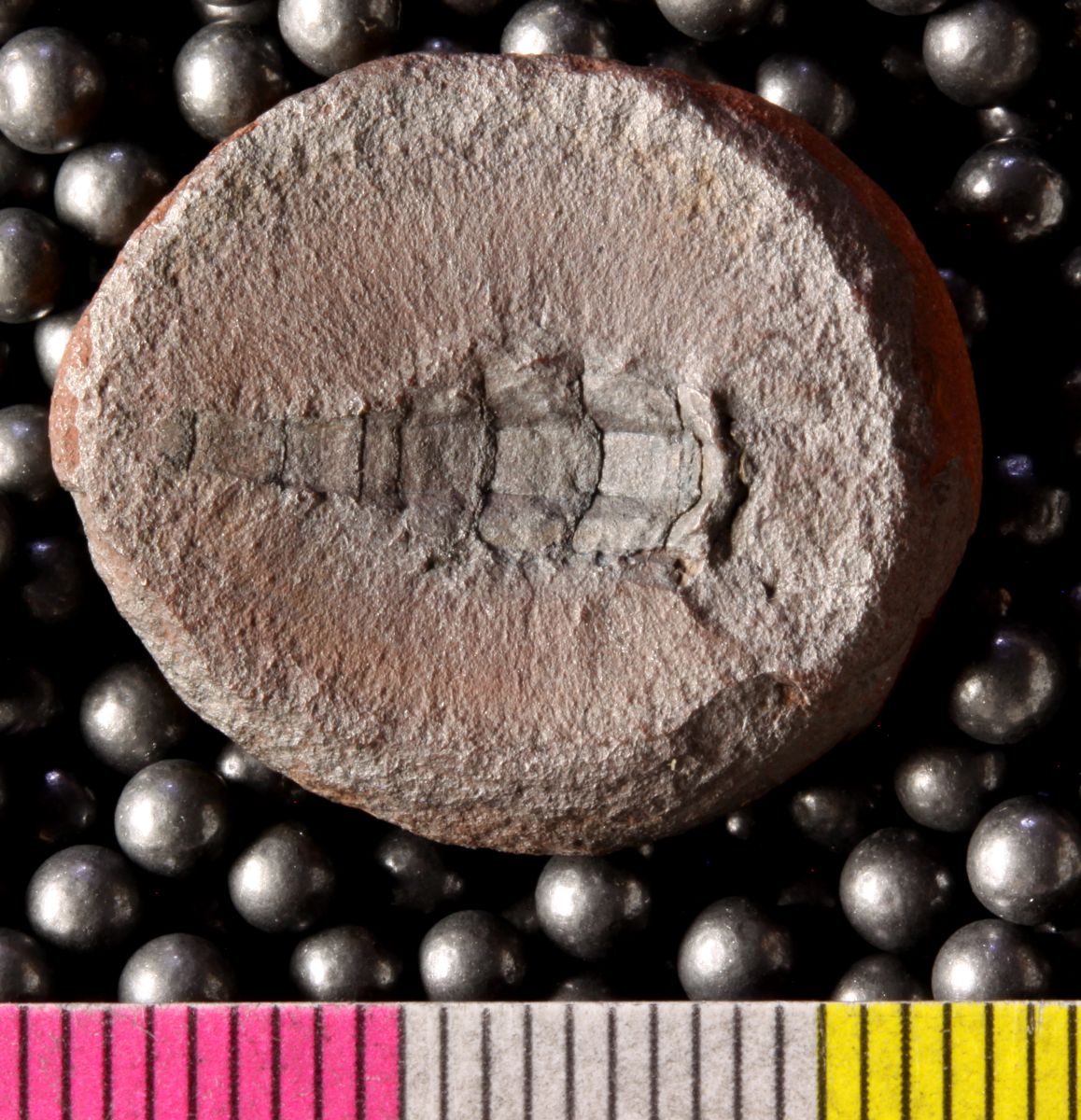
Mazon Monday #314: Smithixerxes juliarum
Smithixerxes juliarum is among the rarest animals found in the Mazon Creek fossil deposit. It belongs to an extinct group of arthropods known as the euthycarcinoids, which ranged from the Cambrian to the Triassic periods. Some researchers believe euthycarcinoids may have been amphibious, capable of venturing between water and land.
-

Mazon Monday #313: Mazon Creek Studies – the first 120 years
For this week, we have an article from the September 1978 edition of the Field Museum’s Bulletin. The full edition, which includes Jaunary thru December, is available on the Biodiversity Heritage Library (BHL) website.
-

Mazon Monday #312: Sigillaria tessellata
Sigillaria tessellata is an extinct species of spore bearing, arborescent (tree-like) lycophyte from the Mazon Creek fossil deposit. Arborescent lycophytes (or scale trees) belong to the group Lepidodendrales. Sigillaria is known from as early as the Middle Devonian. It went extinct during the Early Permian Period.
-
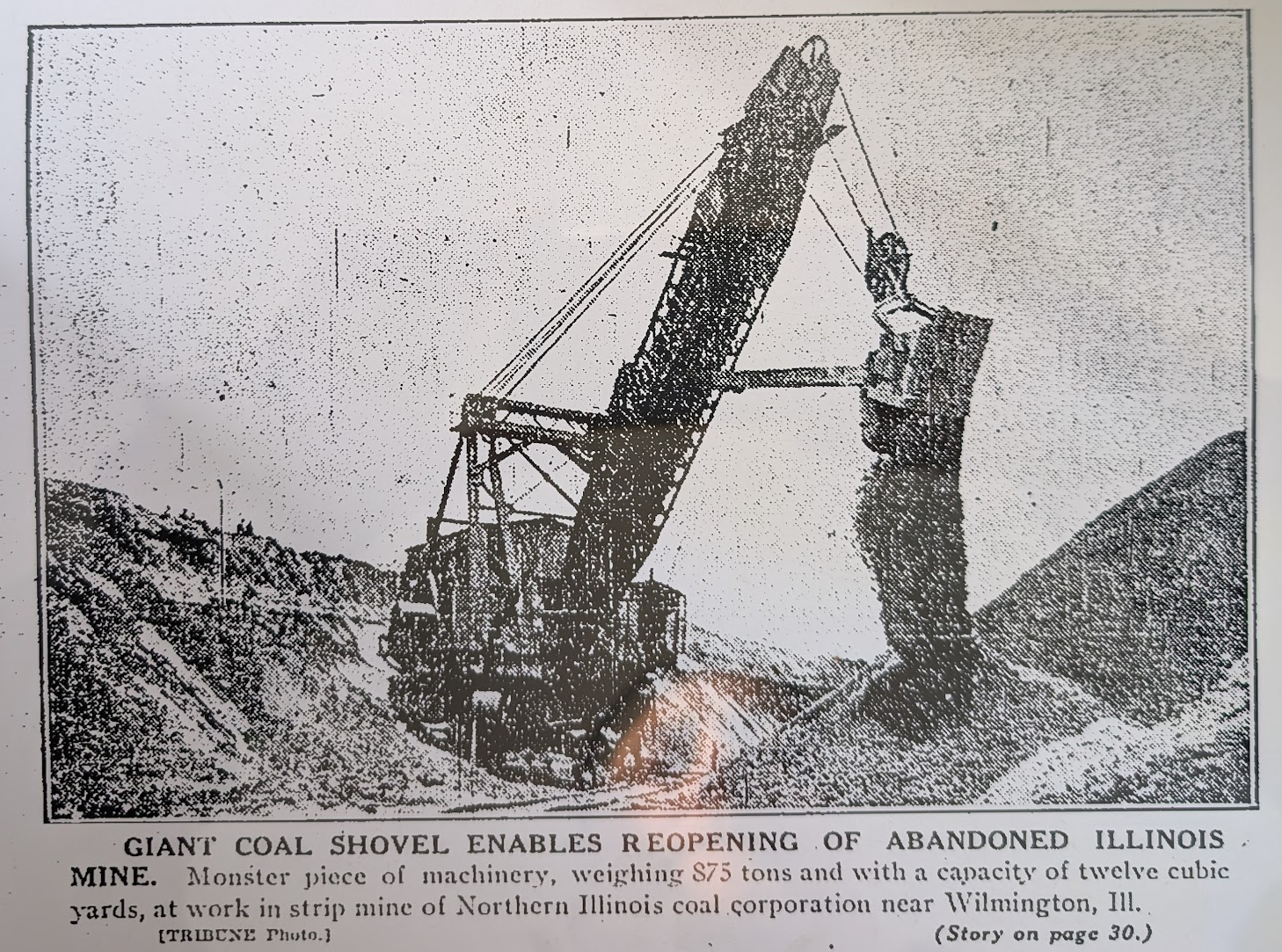
Mazon Monday #311: Strip mining begins in Braidwood on May 23, 1928
Yesterday marked opening day for fossil collecting at the IDNR Mazonia–Braidwood State Fish and Wildlife Area. I hope you were able to make it out… or are planning a trip soon. This is prime season for collecting at Pit 11, the name many collectors still use for Mazonia–Braidwood.
-

Mazon Monday #310: Cyclus obesus
This is Mazon Monday post #310. What’s your favorite Mazon Creek fossil? Tell us at email:esconi.info@gmail.com. Cyclus obesus is one of four species of Cycloidea found in Mazon Creek. It was described in the paper “Mazon Creek Cycloidea” by Frederick Schram. The paper was published in the Journal of Paleontology in 1997. In that paper,…
-
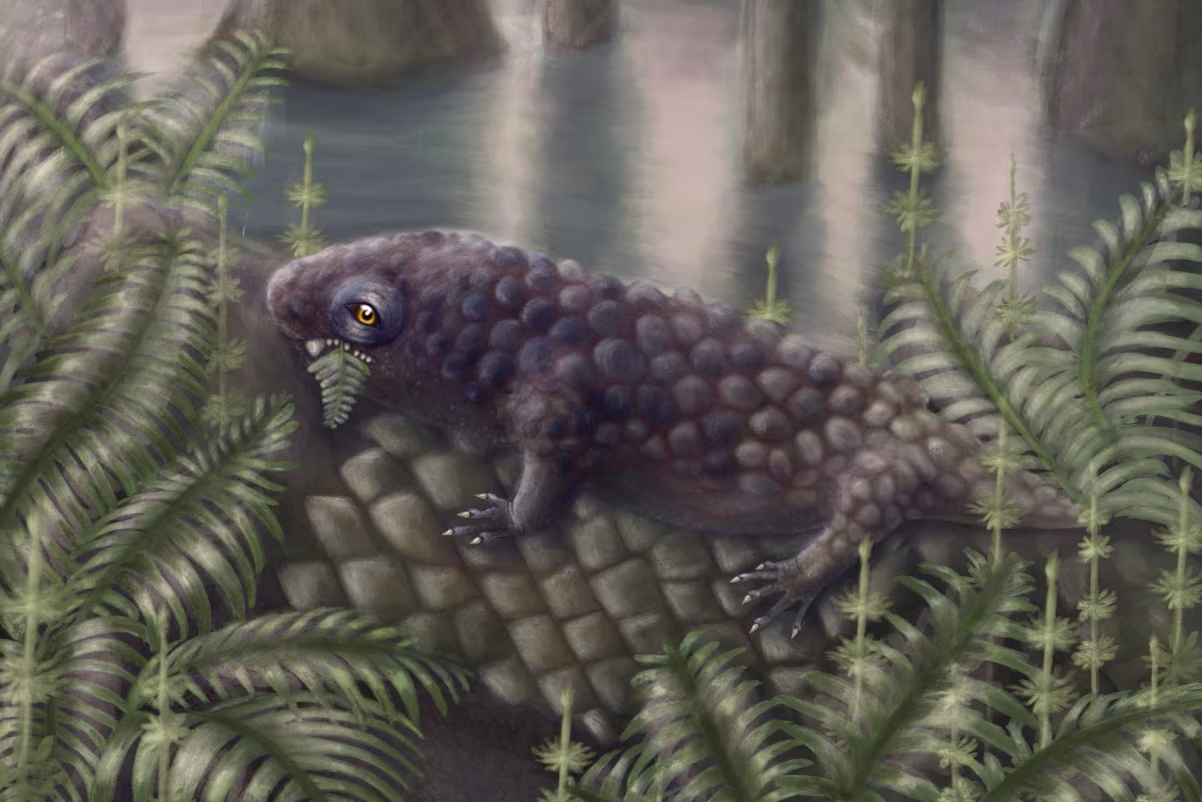
Mazon Monday #309: Herbivory is Older Than We Thought!
This is Mazon Monday post #309. What’s your favorite Mazon Creek fossil? Tell us at email:esconi.info@gmail.com. The Mann Lab at the Field Museum has been very busy. Their new paper “Carboniferous recumbirostran elucidates the origins of terrestrial herbivory” published in the journal Nature Ecology & Evolution has significant implications for the Mazon Creek ecosystem. This…
-

Mazon Monday #308: Acitheca polymorpha
This is Mazon Monday post #308. What’s your favorite Mazon Creek fossil? Tell us at email:esconi.info@gmail.com. Acitheca polymorpha is an extinct species of the class Filcopsida. It is one of the rarer species of fern found in the Mazon Creek fossil localities. The classification of Acitheca polymorpha (Pecopteris polymorpha) has been problematic. Leo Lesquereux figured Pecopteris…
-

Fossil Friday #303: Mounted Pecopteris notata
This is the “Fossil Friday” post #303. Expect this to be a regular feature of the website. We will post fossil pictures you send in to esconi.info@gmail.com. Please include a short description or story. Check the #FossilFriday Bluesky/Twitter hash tag for contributions from around the world! Today, we have one of the rarer forms, Pecopteris notata.…
-

Mazon Monday #307: Arjan Mann on Fossil Nerds
This is Mazon Monday post #307. What’s your favorite Mazon Creek fossil? Tell us at email:esconi.info@gmail.com. Episode #94 of the Fossil Nerds podcast is “The Marvelous Mini-Monsters of Mazon Creek with Arjan Mann”. Arjan is the Assistant Curator of Early Tetrapods at the Field Museum. He discusses his lab’s work, various ancient fish and tetrapods,…
-

Mazon Monday #306: Drevotella proteana
This is Mazon Monday post #306. What’s your favorite Mazon Creek fossil? Tell us at email:esconi.info@gmail.com. Drevotella proteana is believed to be a hydrozoan. It lived during the Pennsylvanian Period. Fossils of this soft-bodied animal are known only from the Mazon Creek fossil deposit, where exceptional preservation allows such delicate organisms to be recorded. Hydrozoans…
-

Mazon Monday #305: Herdina mirificus
This is Mazon Monday post #305. What’s your favorite Mazon Creek fossil? Tell us at email:esconi.info@gmail.com. Herdina mirificus is an extinct species of short-winged insect, currently classified in the order Protorthoptera. Protorthoptera is an extinct lineage of insects that lived during the middle to late Pennsylvanian Period some 318 to 299 million years ago. The…
-

Mazon Monday #304: Field Museum… Illinois by the sea
This is Mazon Monday post #304. What’s your favorite Mazon Creek fossil? Tell us at email:esconi.info@gmail.com. In May 1970, the Field Museum opened an exhibit about Mazon Creek. It was called “Illinois by the sea: a coal age environment” and ran from May 25th until September 25th. It was a successful exhibit that featured Field…
-
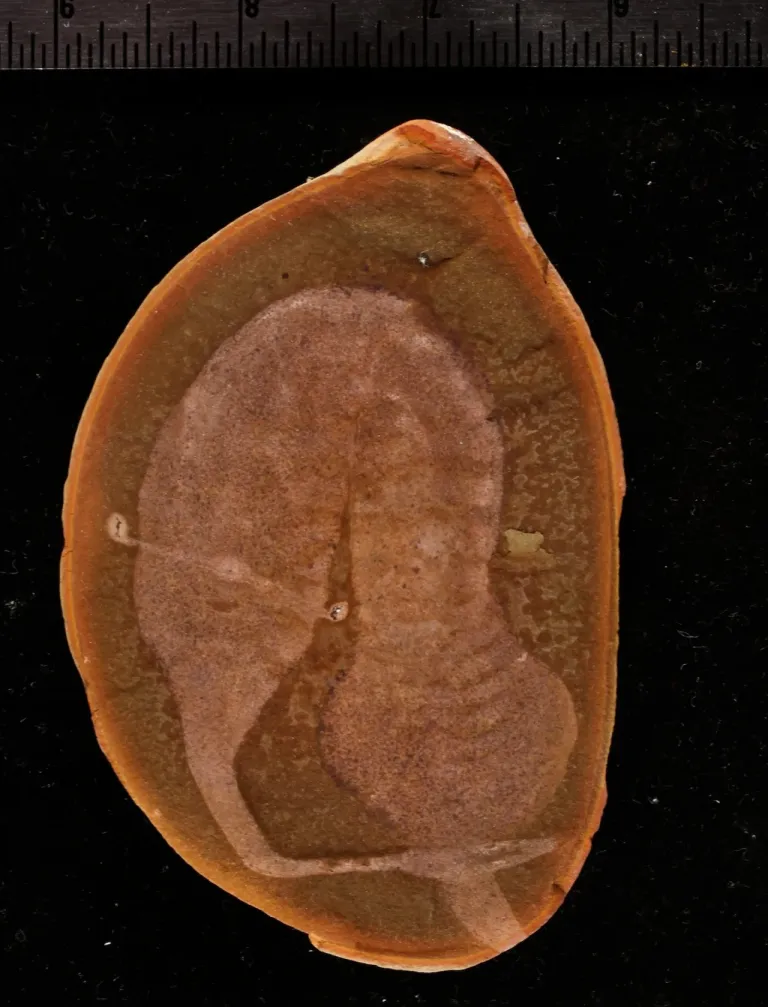
Mazon Monday #303: Happy 60th Birthday, Tully Monster!
Happy 60th Birthday to the Tully Monster! Well, actually tomorrow is the day. And, I guess technically it’s really been 307 – 309 million years, but who’s really counting. Eugene Richardson, Jr., who first called it “Mr. Tully’s monster”, described the animal in the paper “Pennsylvanian invertebrates of the Mazon Creek Area, Illinois: the morphology…
-

Mazon Monday #302: The Wreck of the 5560
The Marion Power Shovel Company was an American company that designed, manufactured, and built steam shovels, power shovels, blast hole drills, excavators, and dragline excavators. The company was headquartered in Marion, Ohio and operated from 1884 to 1997, when it was acquired by its competitor Bucyrus International, Inc. Marion-built shovels and other products were among…
-

Mazon Monday #301: Cordaianthus ovatus
This is Mazon Monday post #301. What’s your favorite Mazon Creek fossil? Tell us at email:esconi.info@gmail.com. Cordaianthus ovatus is thought to be the fertile structure for Cordaites borassifolius (see Mazon Monday #299), an extinct genus of early gymnosperms. Cordaites probably grew to more than 100 feet tall in swampy conditions, forming forests similar to modern day mangroves. Cordaianthus…
-
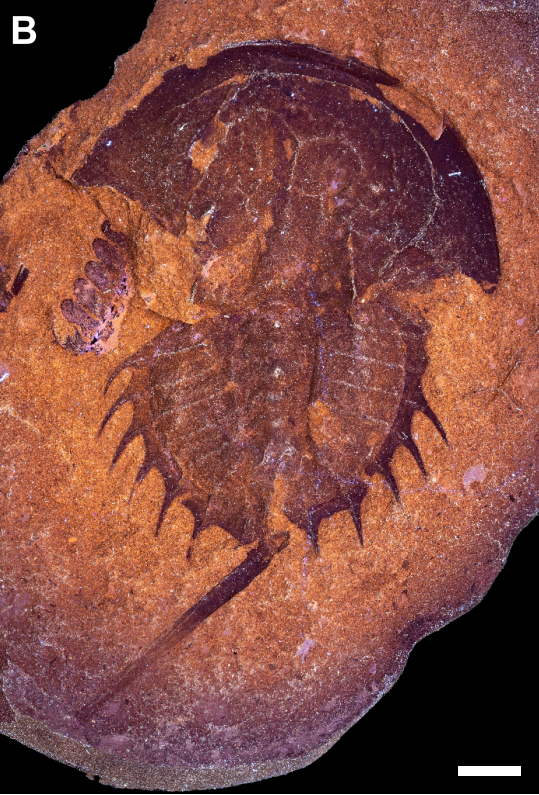
Mazon Monday #300: Mazon Creek horseshoe crab fossil shows evidence of ancient algal or parasitic infestation
This is Mazon Monday post #300. What’s your favorite Mazon Creek fossil? Tell us at email:esconi.info@gmail.com. The Lauer Foundation just won’t let the Mazon Creek horseshoe crabs alone… first it was Euproops danae remains in bromalites (see Mazon Monday #283), now they’ve found evidence of ancient algal or parasitic infestation in another Euproops danae fossil from the…
-
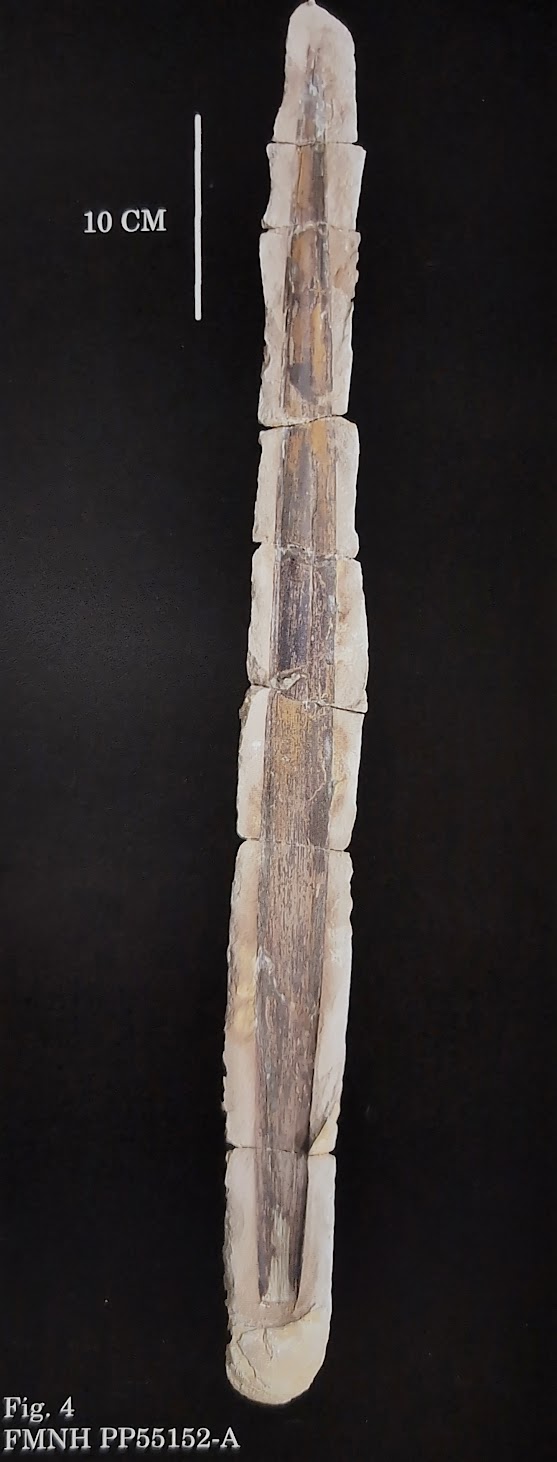
Mazon Monday #299: Cordaites borassifolius
This is Mazon Monday post #299. What’s your favorite Mazon Creek fossil? Tell us at email:esconi.info@gmail.com. Cordaites borassifolius is an extinct genus of early gymnosperms. Cordaites probably grew maybe 100 feet tall in the drier areas of the Carboniferous swamps. They had stilt-like roots, forming forests similar to modern day mangroves. Cordaites is relatively rare in the Mazon…
-

Mazon Monday #298: The Freeze/Thaw Method
With winter arriving this weekend, it’s the perfect time to set out a few containers of Mazon Creek concretions and let nature do the work. Many collectors take advantage of the season’s freeze/thaw cycles to speed up the opening process, by placing buckets or smaller containers of nodules gathered throughout the year outside to weather…
-
Mazon Monday #297: Pit 11 Coal Mining Artifact
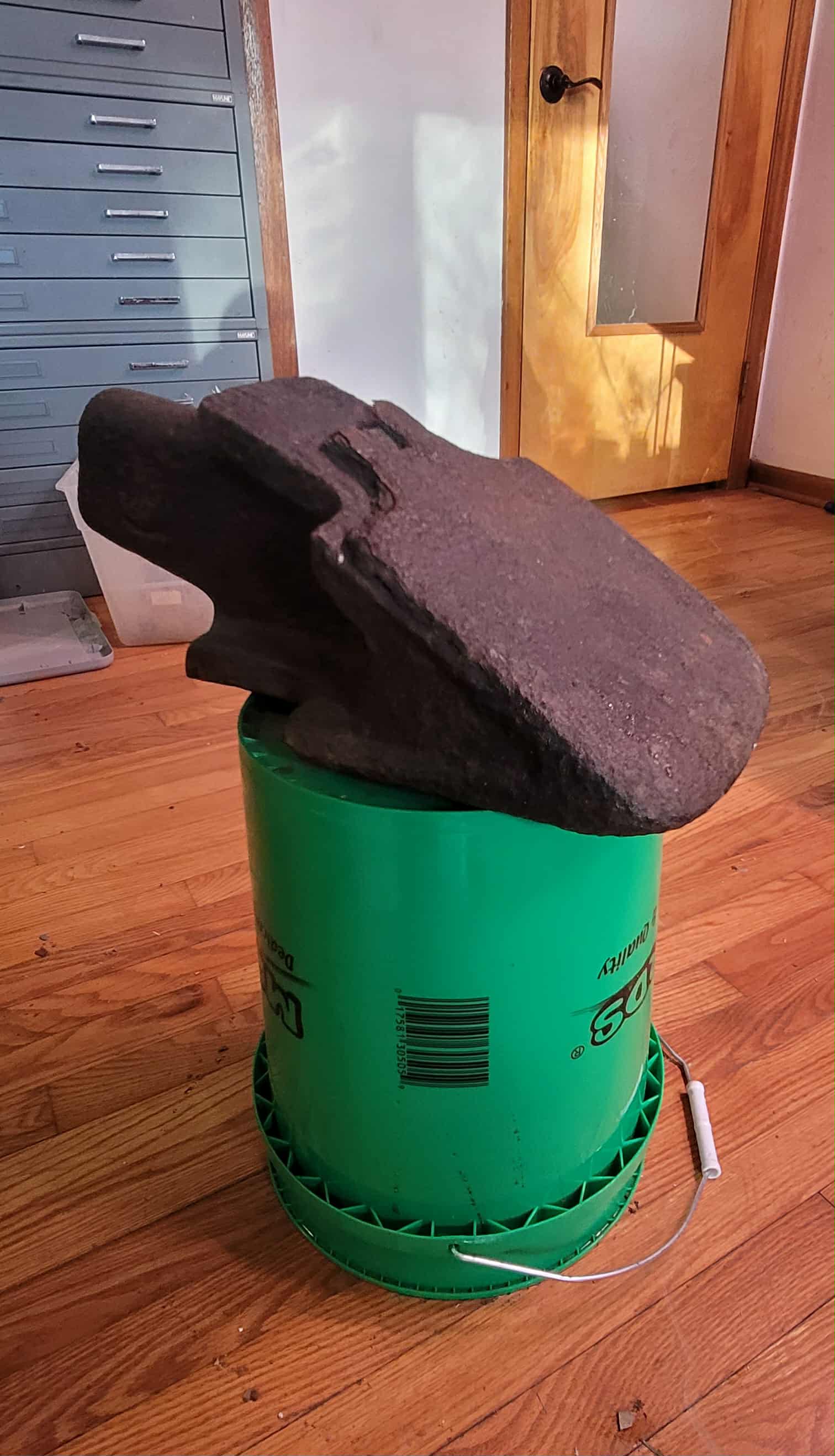
This is Mazon Monday post #297. What’s your favorite Mazon Creek fossil? Tell us at email:esconi.info@gmail.com. We often focus on the beautiful fossils found in the Mazon Creek deposit, but sometimes overlook the rich history that surrounds them. Coal mining played a central role in shaping the Wilmington, Braidwood, and Coal City area, from the deep…
-

Mazon Monday #296: Jim Turnbull in Pit 11
Jim Turnbull, namesake for Anthracomedusa turnbulli (see Mazon Monday #278), worked for Abbott Labs for many years. Abbott has/had an internal newsletter called “AbbotTopics”. In the October 8th, 1965 edition, Jim is the subject of an article titled “Prehistoric Insect Discovery May Bear Abbott Man’s Name”.
-
Mazon Monday #295: Ida Thompson collecting in Pit 11 in 1968
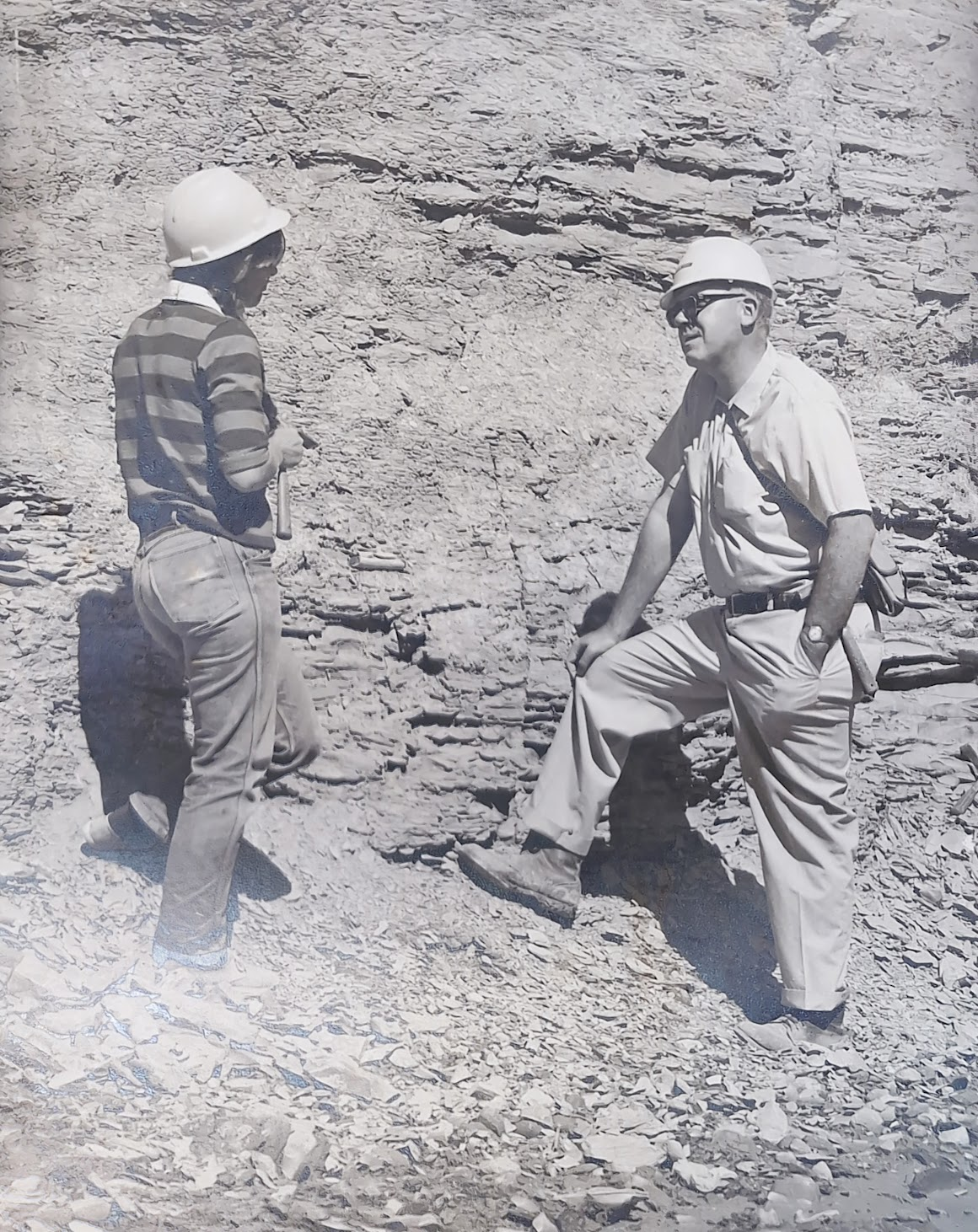
Michele Micetich, curator of the Carbon Hill School Museum, provided the photos in this post. The photos are part of the Tom Testa collection at the museum. On the back of the photos, there are notes written by Ida Thompson to Melbourne McKee, a chemist for the Peabody Coal Company in the Coal City area.…
-

Mazon Monday #294: Montceau-les-Mines
This is Mazon Monday post #294. What’s your favorite Mazon Creek fossil? Tell us at email:esconi.info@gmail.com. Montceau-les-Mines is a commune located in the Saône-et-Loire department of the Bourgogne–Franche-Comté region in eastern France. It lies southwest of the city of Dijon and today has a population of just under 20,000 people. The town was officially established on…
-

Mazon Monday #293: Mazon Creek Project Slides
The Mazon Creek Project was a program sponsored by Northeastern Illinois University. Founded in the 1960s, by the late Eugene Richardson Curator of Fossil Invertebrates at the Field Museum in Chicago Illinois. It was originally an attempt to encourage more communication between paleontologists and amateur collectors. After Peabody Coal Company sold Pit 11 to Commonwealth…
-
Mazon Monday #292: Mazon Creek Fossil Day 2025
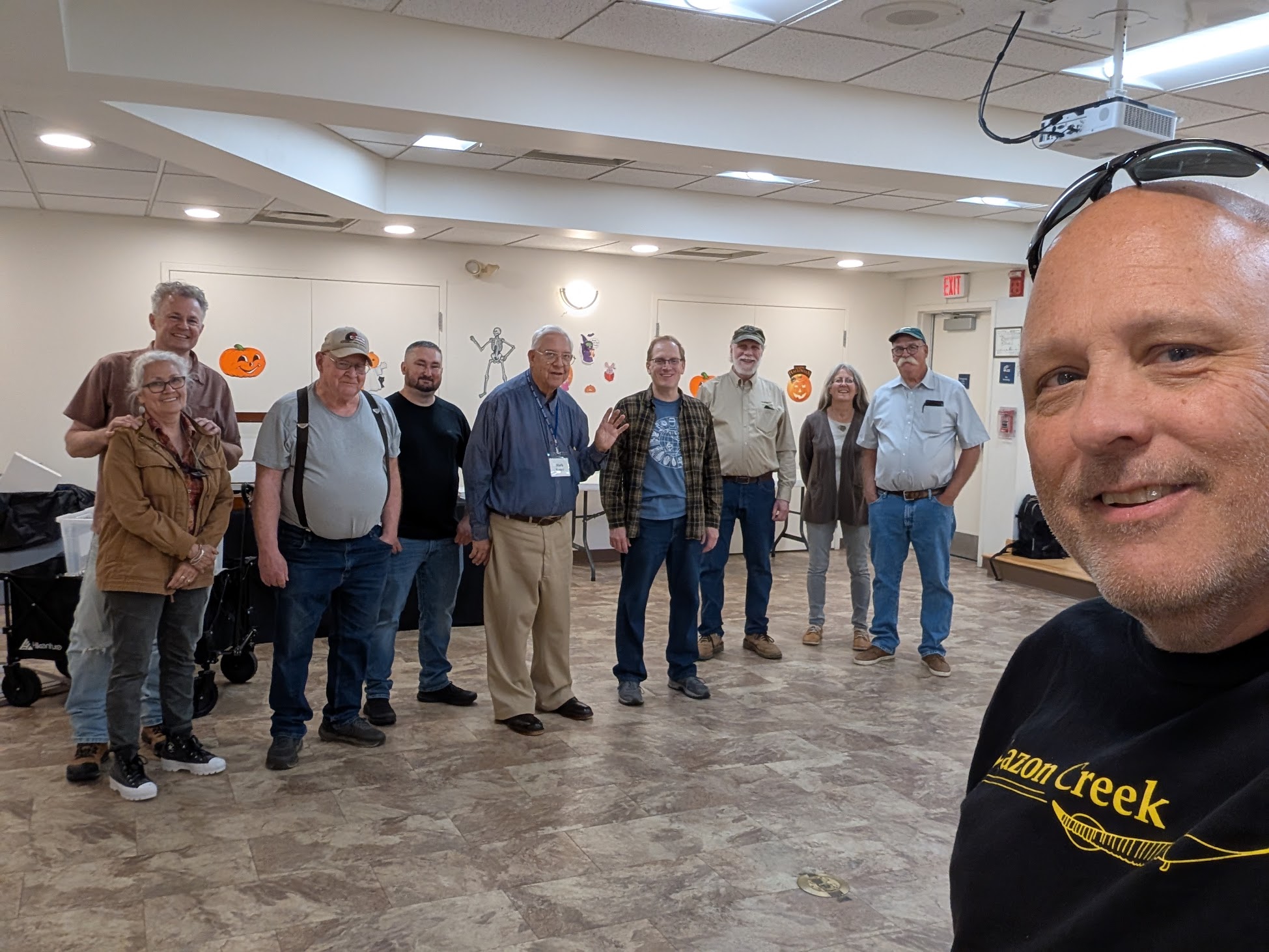
We had a nice turnout at the Mazon Creek Fossil Day event in the Coal City library a few weeks ago. There were multiple displays by members and people brought in some of their finds for identification. Last week’s Fossil Friday was an absolutely beautiful shark egg case (Palaeoxyris multiplicatum, see Fossil Friday #287).
-
Mazon Monday #291: Dithyrocaris sp.
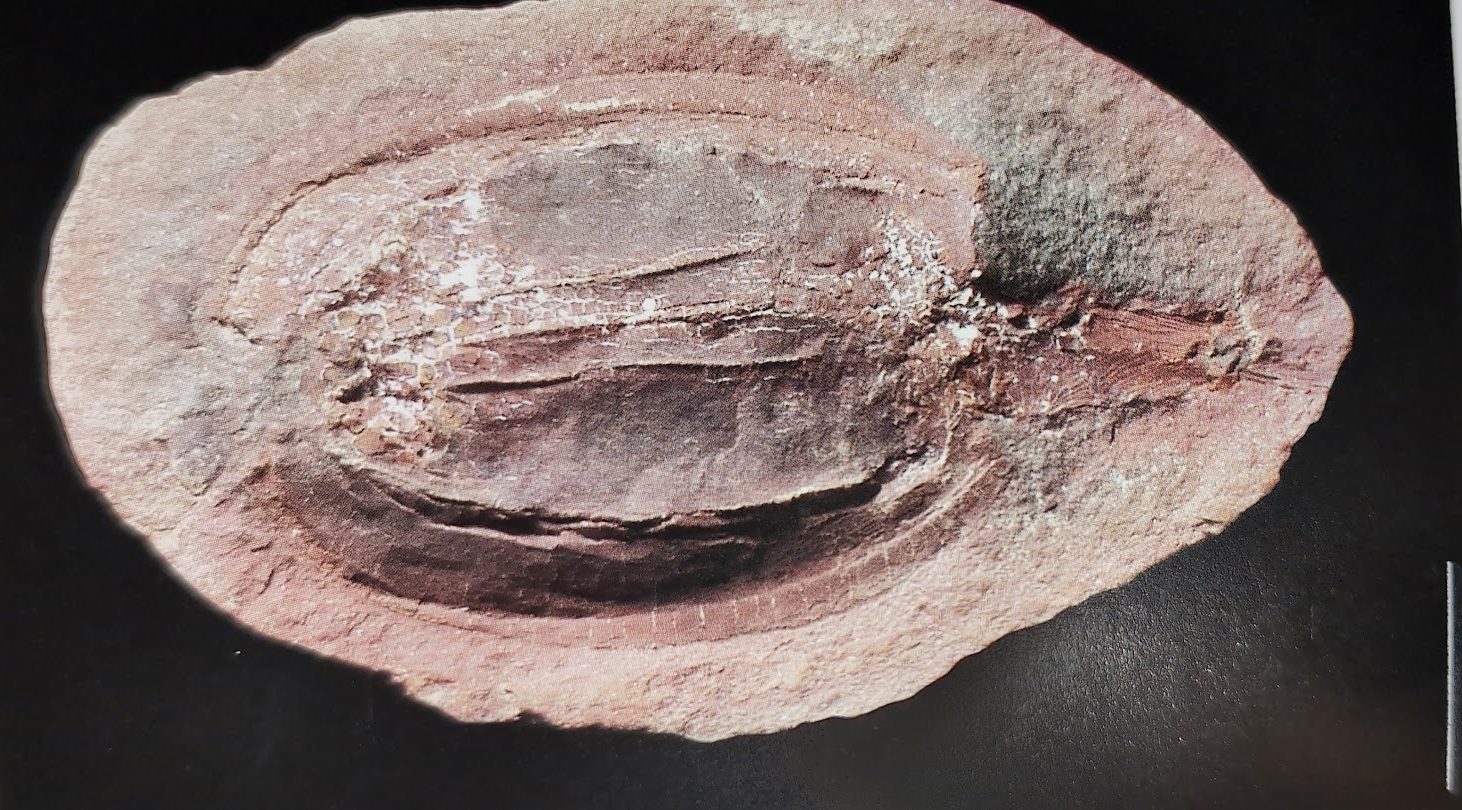
Dithyrocaris sp. is a genus of crustacean from the Carboniferous. The Mazon Creek fossil biota includes one undescribed species, although there are other described species from other fossil localities – Bear Gulch, Montana (Dithyrocaris rolfei). Danville, IL (Dithyrocaris carbonarius), Cane Hill, Arkansas (Dithyrocaris quinni), the Allegheny Group, Ohio, and localities in Europe.
-
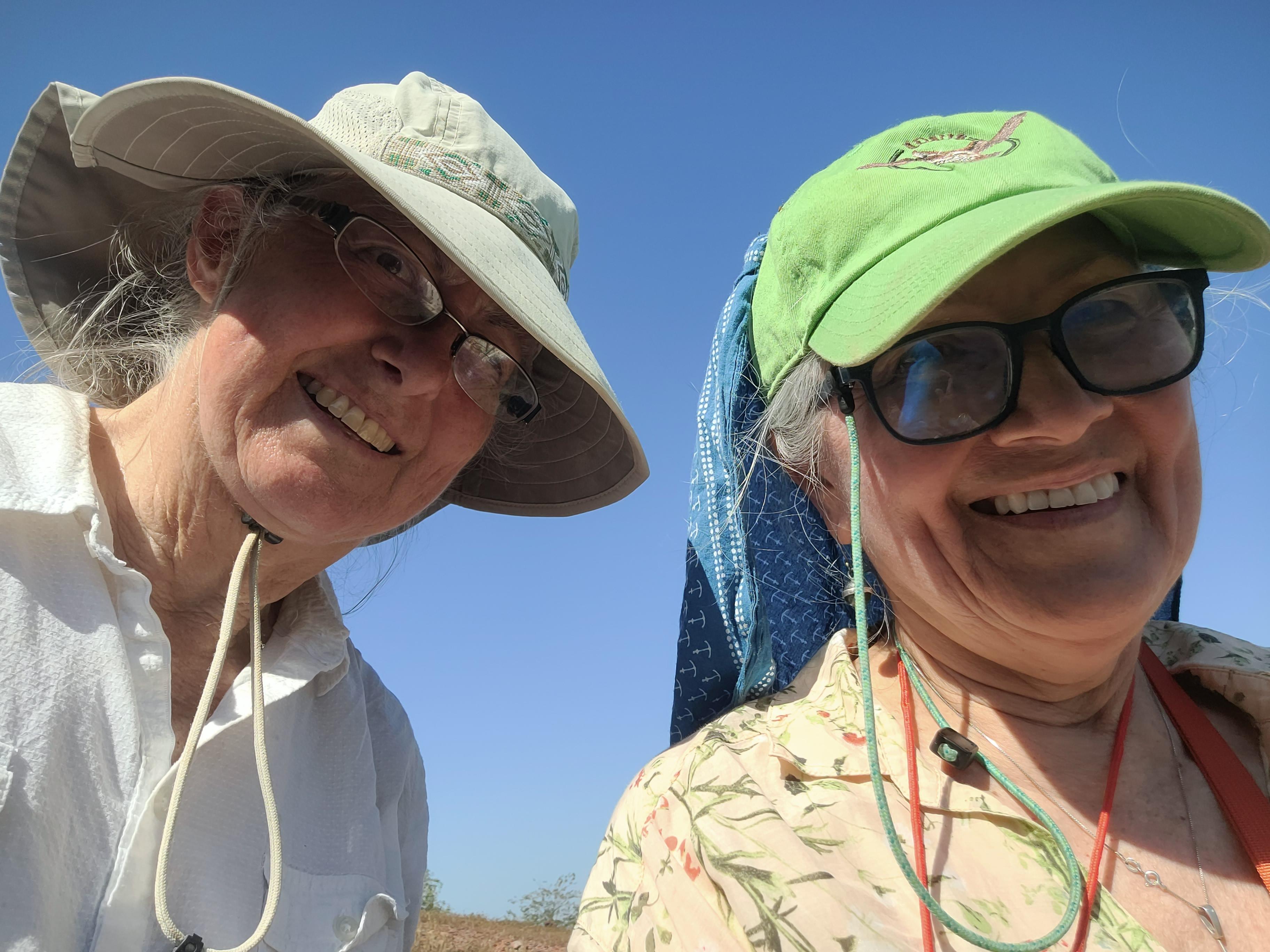
Mazon Monday #290: Danville Spoil Pile Trip Report for September 2025
This is Mazon Monday post #290. What’s your favorite Mazon Creek fossil? Tell us at email:esconi.info@gmail.com. There was lots of fun on the field trip to the Danville Spoil Pile on Saturday, September 27th, 2025. The day was hot and dry with a clear sky and temperatures in the 80s… summer like weather in late September…
-
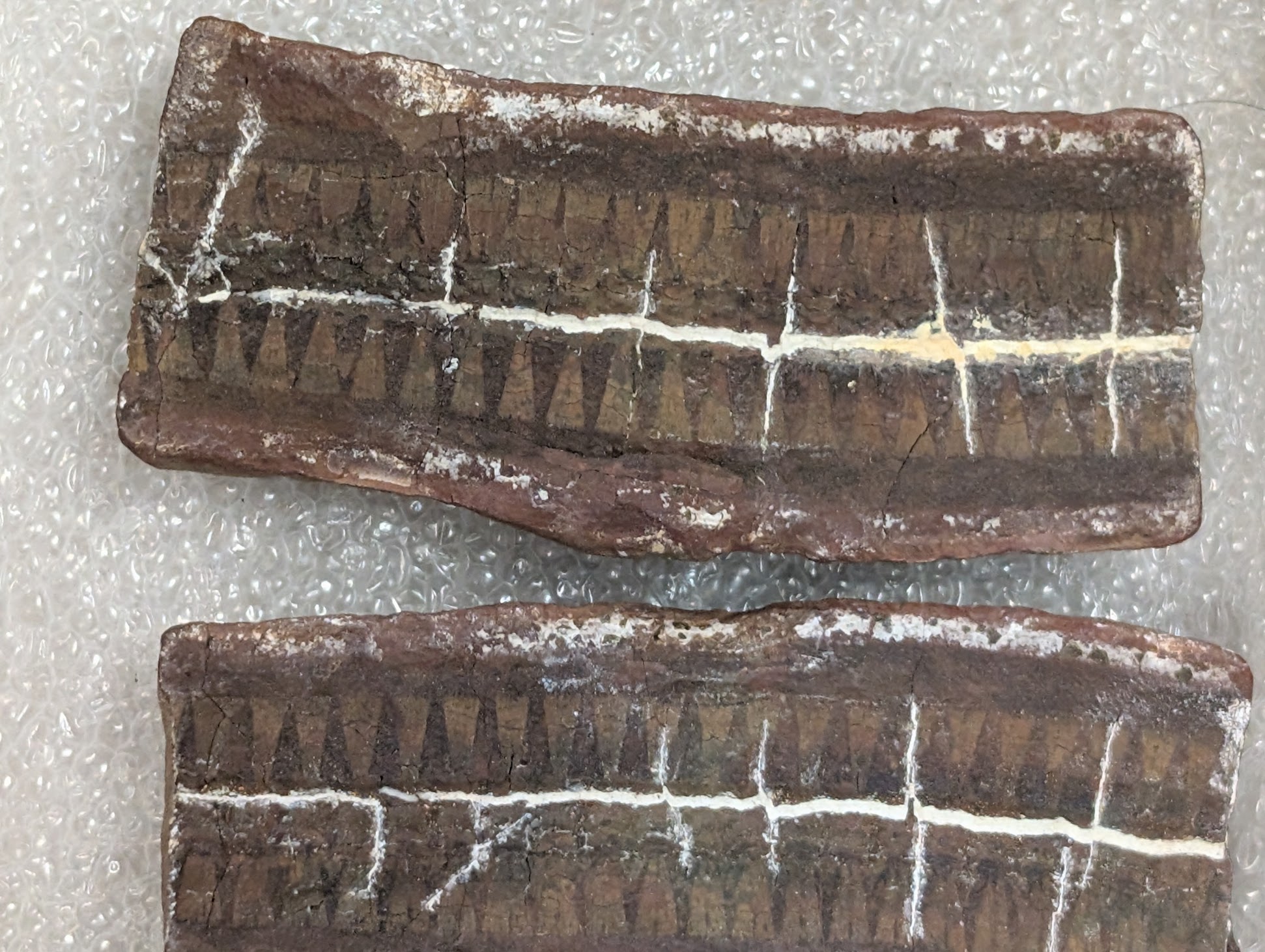
Mazon Monday #289: Ctenerpeton remex at Mazon Creek
This is Mazon Monday post #289. What’s your favorite Mazon Creek fossil? Tell us at email:esconi.info@gmail.com. More exciting Mazon Creek research is out. Featured here is a short paper in the journal Vertebrate Anatomy Morphology Palaeontology (VAMP), which details the first occurrence of the urocordylid Ctenerpeton remex in the Mazon Creek fossil deposit! Arjan Mann, a…
