Category: Mazon Creek
-
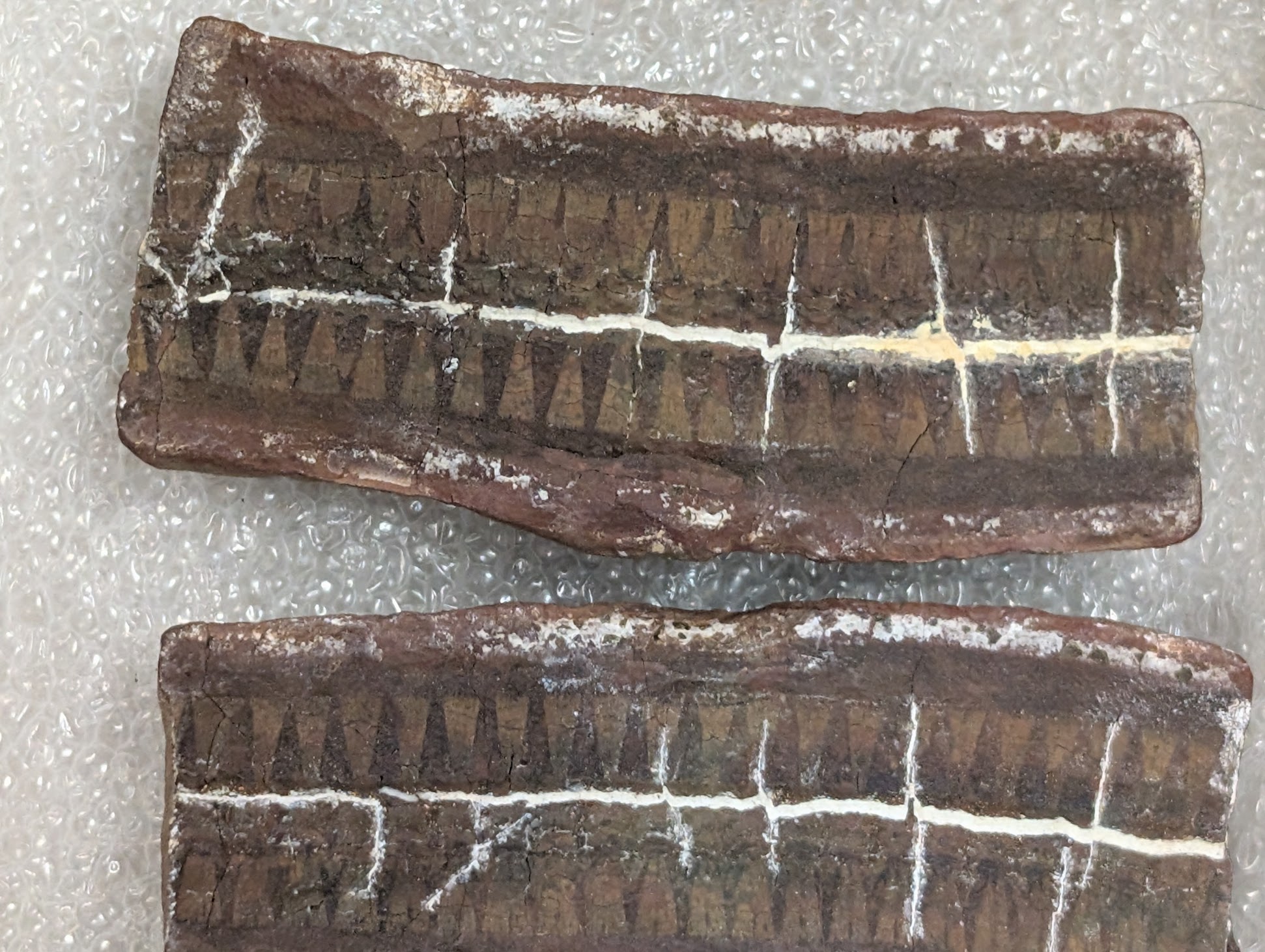
Mazon Monday #289: Ctenerpeton remex at Mazon Creek
This is Mazon Monday post #289. What’s your favorite Mazon Creek fossil? Tell us at email:esconi.info@gmail.com. More exciting Mazon Creek research is out. Featured here is a short paper in the journal Vertebrate Anatomy Morphology Palaeontology (VAMP), which details the first occurrence of the urocordylid Ctenerpeton remex in the Mazon Creek fossil deposit! Arjan Mann, a…
-

Fossil Friday #284: Alethopteris lonchitica
This is the “Fossil Friday” post #285. Expect this to be a somewhat regular feature of the website. We will post any fossil pictures you send in to esconi.info@gmail.com. Please include a short description or story. Check the #FossilFriday Bluesky/Twitter hash tag for contributions from around the world! We have a very special seed fern…
-

ESCONI September 2025 Paleontology Meeting – “Show and Tell”
There were some very interesting things on display at the September 2025 Paleontology Meeting. The theme of the night was “Show and Tell”. We had over 20 attendees with everything from Mazon Creek to crinoids to nautiloids to a large model of a Velociraptor. John Catalani, Paleontology Study Group chairman, gave us a preview of…
-

Mazon Monday #288: Callipteridium neuropteroides
This is Mazon Monday post #288. What’s your favorite Mazon Creek fossil? Tell us at email:esconi.info@gmail.com. Callipteridium neuropteroides is one of the rarer seed ferns (Pteridospermatophyta) found in the Mazon Creek fossil deposit. Although, it is much more common in the Herrin Coal flora, if the Danville locality is truly representative of that deposit. Callipteridium jongmansi…
-

Fossil Friday #283: Fossundecima konecniorum
This is the “Fossil Friday” post #283. Expect this to be a somewhat regular feature of the website. We will post any fossil pictures you send in to esconi.info@gmail.com. Please include a short description or story. Check the #FossilFriday Bluesky/Twitter hash tag for contributions from around the world! A nice predatory polychaete worm from Mazon Creek…
-

Throwback Thursday #283: The Strip Mines
This poem first appeared in the September 1964 edition of the ESCONI newsletter. Written by Gene Falada, it was inspired by a field trip to the spoil piles near South Wilmington, Illinois, on August 8, 1964. His words capture an experience that still feels familiar today. ESCONI field trips continue to bring people together—you meet…
-

Mazon Monday #287: Braceville Fall 2025 Report
This is Mazon Monday post #287. What’s your favorite Mazon Creek fossil? Tell us at email:esconi.info@gmail.com. The Braceville Fall 2025 Field Trip was held on the weekend of September 6th and 7th, 2025. We had perfect weather… sunny with temperatures in the mid-70s. There was nearly 100% attendance. It was two days of fun in…
-
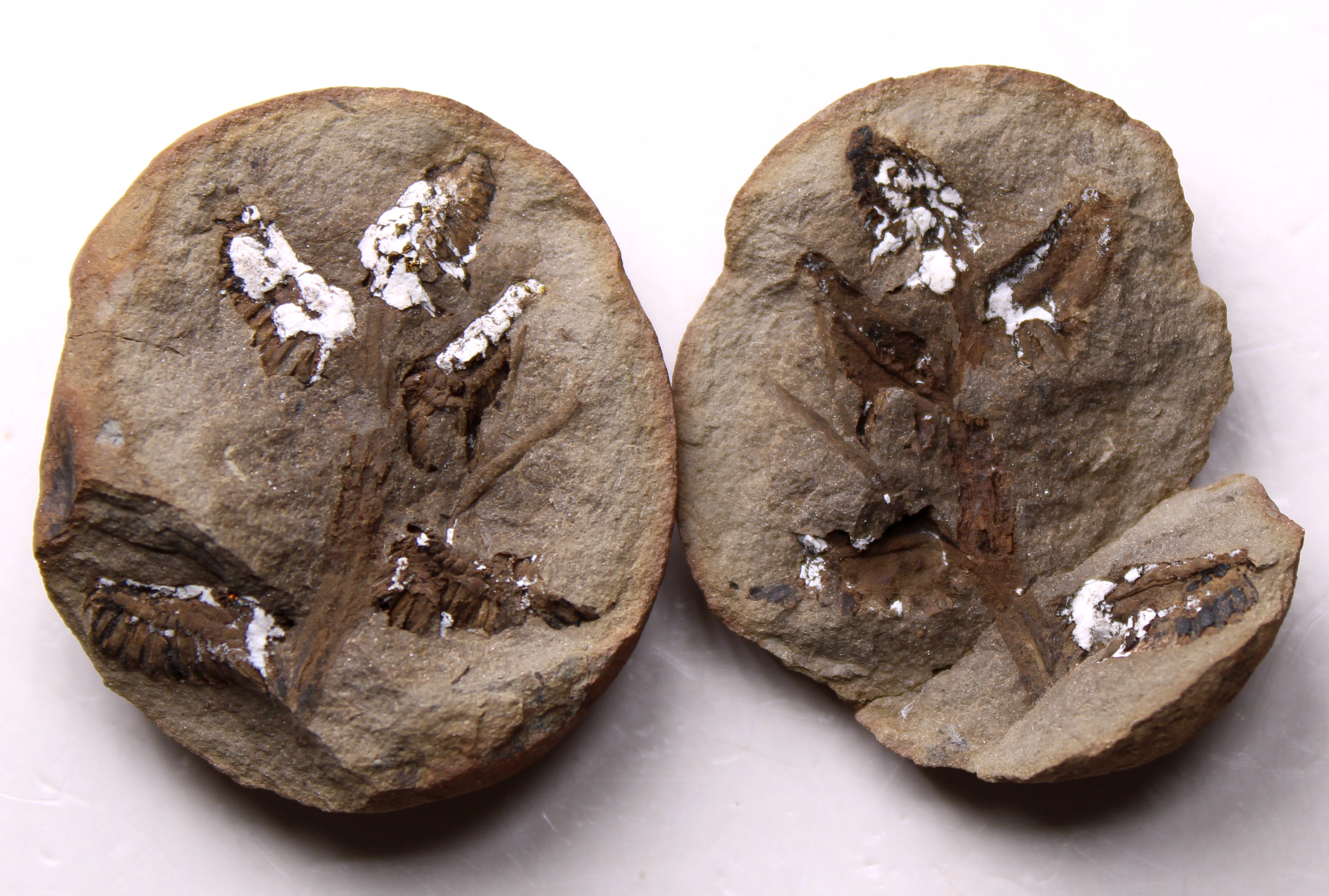
Fossil Friday #282: Crossotheca sagittata
This is the “Fossil Friday” post #282. Expect this to be a somewhat regular feature of the website. We will post any fossil pictures you send in to esconi.info@gmail.com. Please include a short description or story. Check the #FossilFriday Bluesky/Twitter hash tag for contributions from around the world! Today, we have a very nice Crossotheca sagittata.…
-

Mazon Monday #286: There’s a Mother Lode of Fossils in Chicago’s Backyard, and It Could Hold Clues to the Evolution of Life on Earth
Last week, Mazon Creek, the Field Museum, and ESCONI were back in the news! WTTW, Chicago’s public television station, ran an article highlighting Mazon Creek. The story is an excellent read, exploring the scientific importance and new research of the site along with the perspective of amateur fossil collectors.
-

Fossil Friday #281: Dasyleptus sp.
This is the “Fossil Friday” post #281. Expect this to be a somewhat regular feature of the website. We will post any fossil pictures you send in to esconi.info@gmail.com. Please include a short description or story. Check the #FossilFriday Bluesky/Twitter hash tag for contributions from around the world! Dasyleptus is an extinct genus of monurian insect.…
-
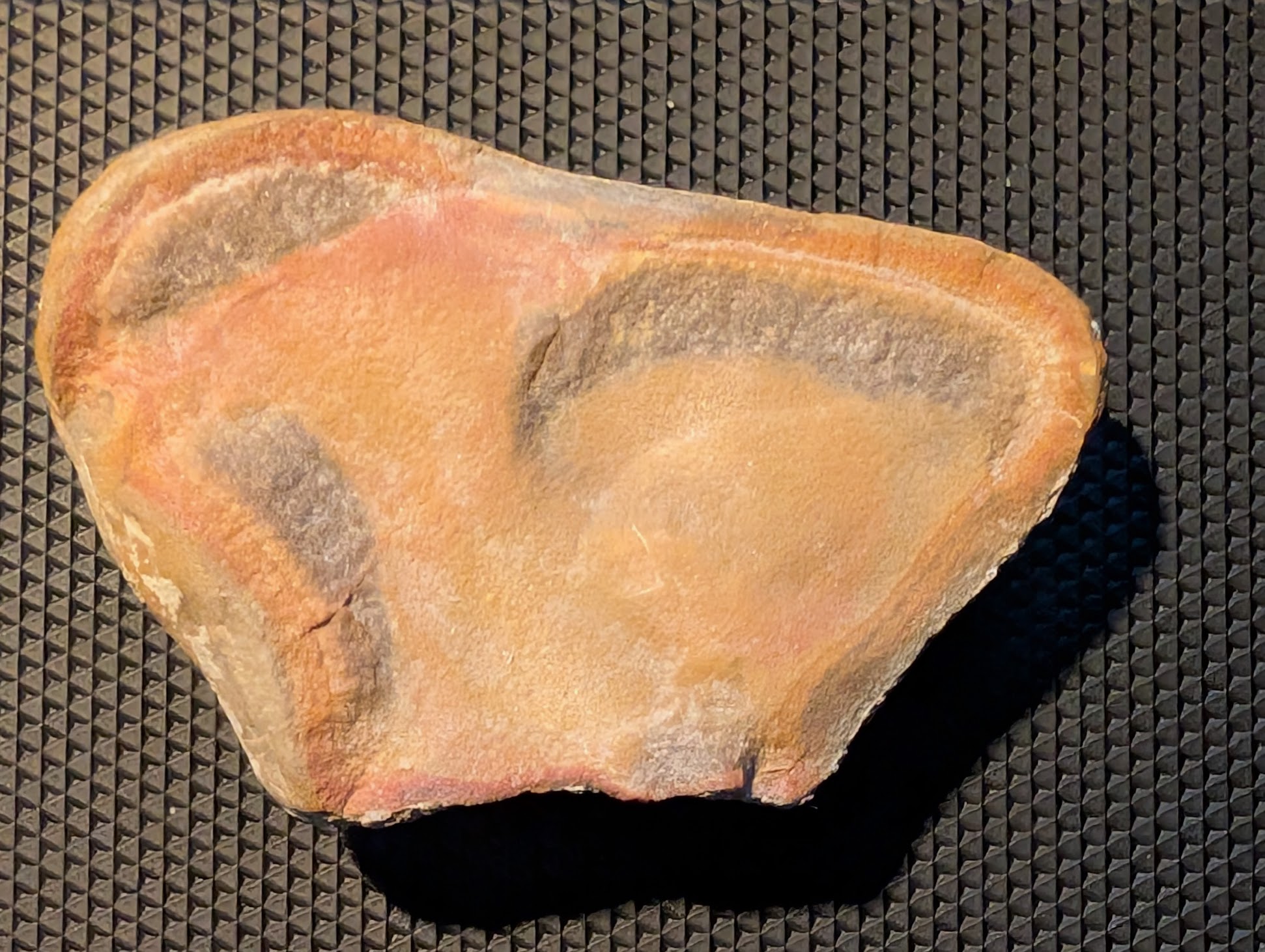
Mazon Monday #285: Etacystis communis
This is Mazon Monday post #285. What’s your favorite Mazon Creek fossil? Tell us at email:esconi.info@gmail.com. One of the more problematic animals from Mazon Creek is Etacystis communis, known as the Aitch or “H” animal by amateur collectors. It was described by Matthew Nitecki and Frederick Schram in “Etacystis communis, a fossil of uncertain affinities…
-

ESCONI Field Trip to Danville Shale Pile Fossils – Saturday, September 27th, 2025
Danville Field Trip Rules for Saturday, September 27th, 2025 An ESCONI field trip to the Danville IL Shale Pile for Pennsylvanian fossils is scheduled for Saturday September 27, 2025 starting at 10 AM. This is on private property and there is an attendance limit of 25 people. The gate will be secured once we are…
-
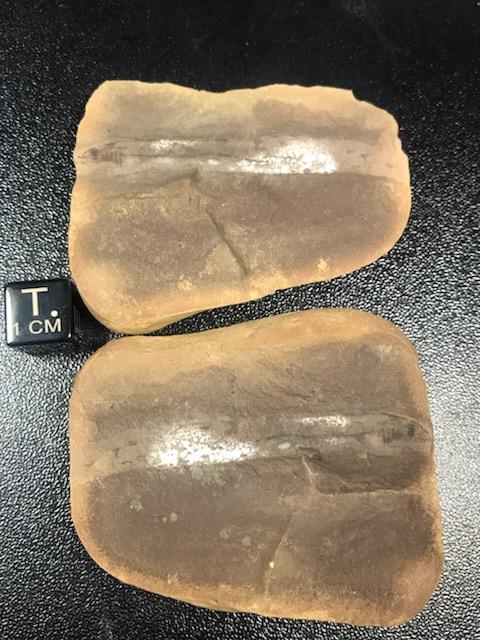
Fossil Friday #280: Mayomyzon pieckoensis
This is the “Fossil Friday” post #280. Expect this to be a somewhat regular feature of the website. We will post any fossil pictures you send in to esconi.info@gmail.com. Please include a short description or story. Check the #FossilFriday Bluesky/Twitter hash tag for contributions from around the world! Mayomyzon pieckoensis is an extinct species of lamprey found…
-

Throwback Thursday #280: Braceville Trip 05/16/2009
Here’s a great report from Andrew Young of the Braceville Field Trip on May 16th, 2009. Notice that the spoil pile is much bigger!
-
Mazon Monday #284: Mayomyzon pieckoensis
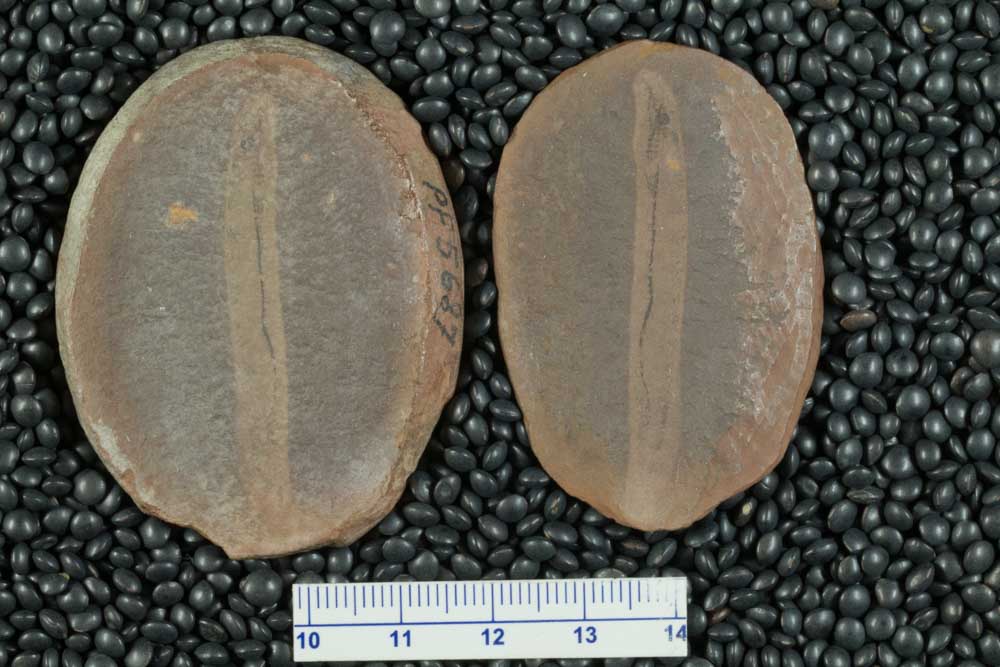
Mayomyzon pieckoensis is an extinct species of lamprey found in the Mazon Creek fossil biota. Pipiscius zangerli (see Mazon Monday #253) is also a lamprey from Mazon Creek. Lampreys are a group of jawless fish known for its funnel-like sucking mouth. There are about 38 modern species with maybe 7 extinct species currently classified. Genetic…
-
Mazon Monday #283: Mazon Creek bromalites evidence a specialized, xiphosurid-rich diet for Pennsylvanian predators
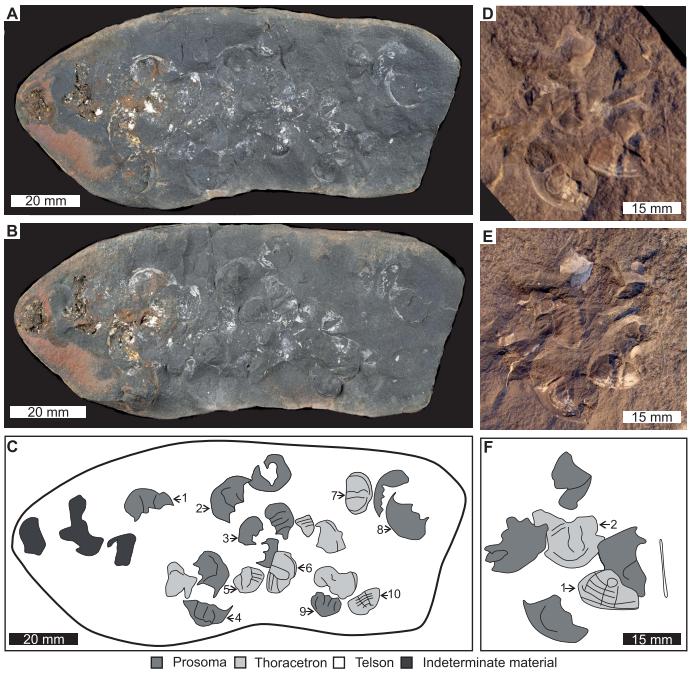
This is Mazon Monday post #283. What’s your favorite Mazon Creek fossil? Tell us at email:esconi.info@gmail.com. Another week, another new Mazon Creek paper,.. “Mazon Creek bromalites evidence a specialized, xiphosurid-rich diet for Pennsylvanian predators” was published in the journal Palaios. It was authored by Russell Bicknell, Julien Kimming, Andew Young, Bruce Lauer, Rene’ Lauer, and…
-
Fossil Friday #278: Annularia sphenophylloides
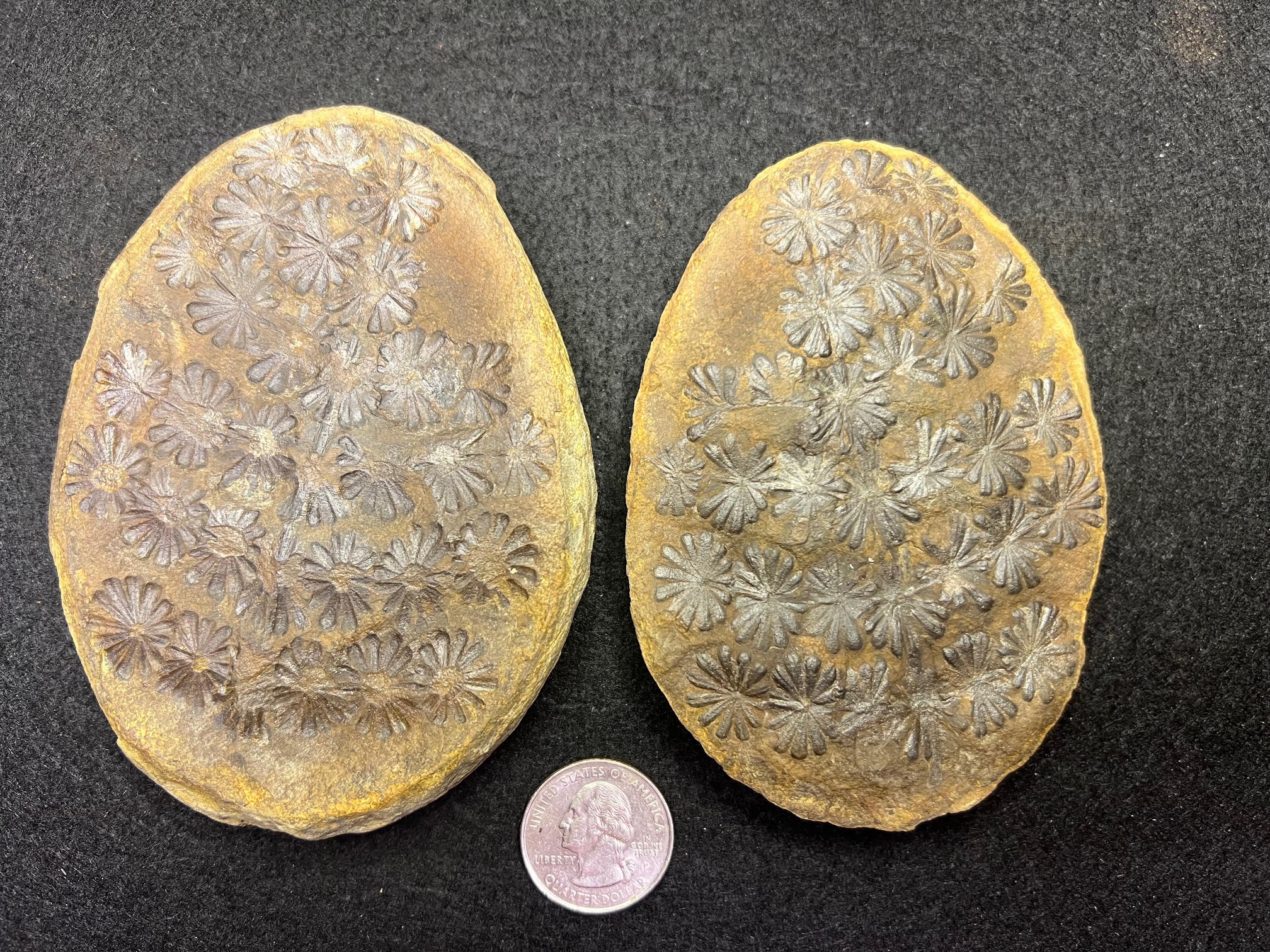
Today, we have another beautiful contribution from Jim Alann. This one is an absolutely radiant Annularia sphenophylloides. This specimen was collected by Clay Davis, who was an old timer that had a great eye for finding the some of the best fossils. Thanks for sharing, Jim!
-
Throwback Thursday #278: Silver Tullies and Trilobites
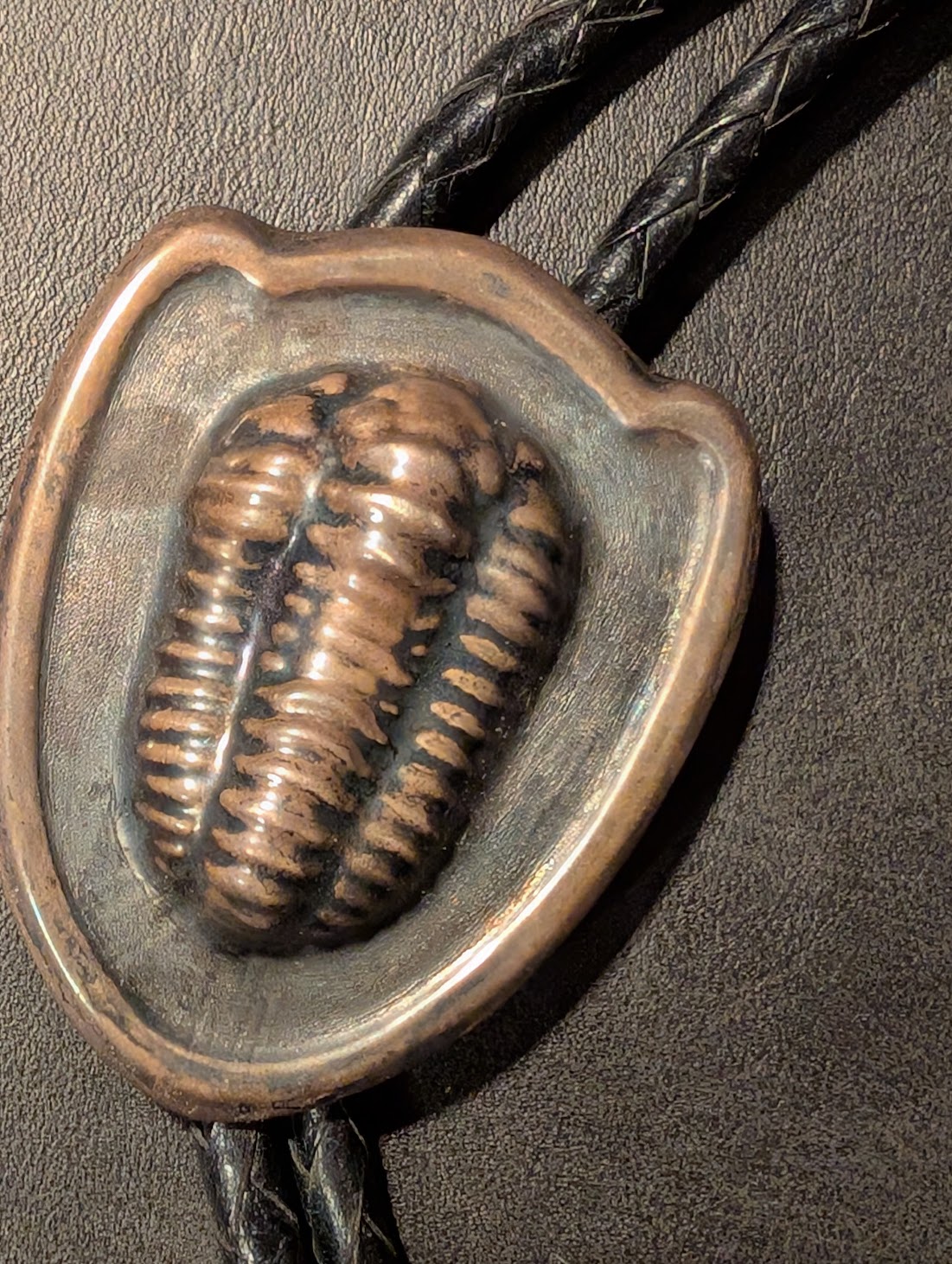
ESCONI was more active in lapidary in the past. Until the early 2010s, there was a Lapidary Study Group. Sheila Bergmann was the study group chairman for many years. The pieces shown below are silver castings and silver plated from the Dave and Sheila Bergmann collection. There’s a few calymene trilobites and various tully monsters.…
-

Mazon Monday #282: Pit 11 Shutdown in 1974
This is Mazon Monday post #282. What’s your favorite Mazon Creek fossil? Tell us at email:esconi.info@gmail.com. For the Braidwood, Wilmington, and Coal City area, 1974 marked the end of an era with the closure of the last operating coal mine—Peabody Coal Company’s Pit 11. The mine had been in operation since 1951, originally opened by…
-

Fossil Friday #277: Alethopteris sullivantii
This is the “Fossil Friday” post #277. Expect this to be a somewhat regular feature of the website. We will post any fossil pictures you send in to esconi.info@gmail.com. Please include a short description or story. Check the #FossilFriday Twitter hash tag for contributions from around the world! —————————————————– Jim Alann recently sent us a…
-

Mazon Creek, Field Museum, and ESCONI in the News!
Mazon Creek, Field Museum, and ESCONI was in the news on multiple Chicago channels! FOX 32 CBS News NBC 5 Chicago One of the “world’s best fossil sites” is located just an hour outside of the Windy City, according to Chicago Field Museum researchers. Dr. Arjan Mann, assistant curator of early tetrapods at the Field…
-

ESCONI Field Trip to Braceville, IL for Mazon Creek Fossils – Saturday, September 6th and Sunday, September 7th, 2025
Braceville Field Trip Rules for September 2025 The ESCONI field trips to Braceville for Mazon Creek fossils are set for September 6th and 7th, 2025 from 9 AM to 3 PM. You can attend one or the other, but not both days. There is an attendance limit of 50 people each day. You must register…
-

Mazon Monday #281: 283,821 concretions, how do you measure the Mazon Creek?
This is Mazon Monday post #281. What’s your favorite Mazon Creek fossil? Tell us at email:esconi.info@gmail.com. There’s quite a bit of Mazon Creek fossil research happening. Last week, we posted a paper that redescribed Palaeocampa (see Mazon Monday #280), some of our friends at the Field Museum had a paper about Sphenophyllales in June (see…
-

Fossil Friday #276: Lycopodites meekii
This is the “Fossil Friday” post #276. Expect this to be a somewhat regular feature of the website. We will post any fossil pictures you send in to esconi.info@gmail.com. Please include a short description or story. Check the #FossilFriday Twitter hash tag for contributions from around the world! —————————————————– This week’s Fossil Friday is a…
-

Don’t Go Dipping Your Toes In Carboniferous Waters | Armored “Worm” Oozed Toxic Chemicals In Rivers
EDGE Science has a nice video summary of the paper “Palaeocampa anthrax, an armored freshwater lobopodian with chemical defenses from the Carboniferous”, which was the subject of yesterday’s Mazon Monday post (see Mazon Monday #280). At this point, the Cambrian Explosion is a paleontology meme that has bled so far into the pop-culture zeitgeist that…
-
Mazon Monday #280: Palaeocampa anthrax Redux
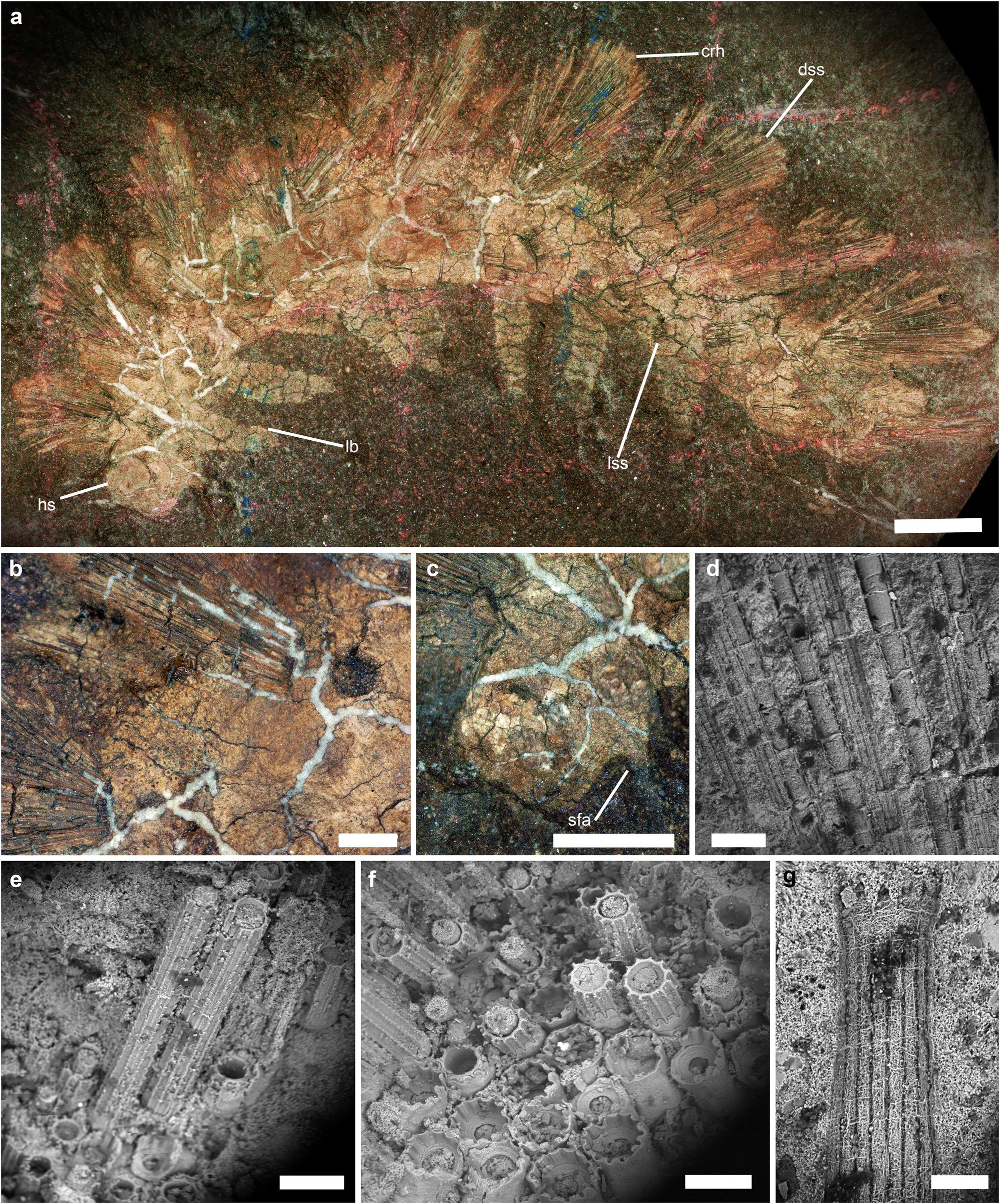
This is Mazon Monday post #280. What’s your favorite Mazon Creek fossil? Tell us at email:esconi.info@gmail.com. The classification of Palaeocampa anthrax has long been controversial. The animal was first described as a catepillar in 1865 by Fielding Bradford Meek (1817-1876) and Amos Henry Worthen (1813-1888) in “Notice of some new types of organic remains from the…
-

Fossil Friday #275: Crenulopteris acadica
This is the “Fossil Friday” post #275. Expect this to be a somewhat regular feature of the website. We will post any fossil pictures you send in to esconi.info@gmail.com. Please include a short description or story. Check the #FossilFriday Twitter hash tag for contributions from around the world! For this week, we have some very…
-

Mazon Monday #279: Prehistoric paradise hiding just outside Chicago
This is Mazon Monday post #279. What’s your favorite Mazon Creek fossil? Tell us at email:esconi.info@gmail.com. When Arjan Mann and his lab at the Field Museum held a field trip to the Braceville spoil pile back in May 2025, he invited a ESCONI. Here is the story on Reuters. Near a riverbank in central Illinois,…
-
Fossil Friday #274: Palaeoxyris prendeli from Terre Haute
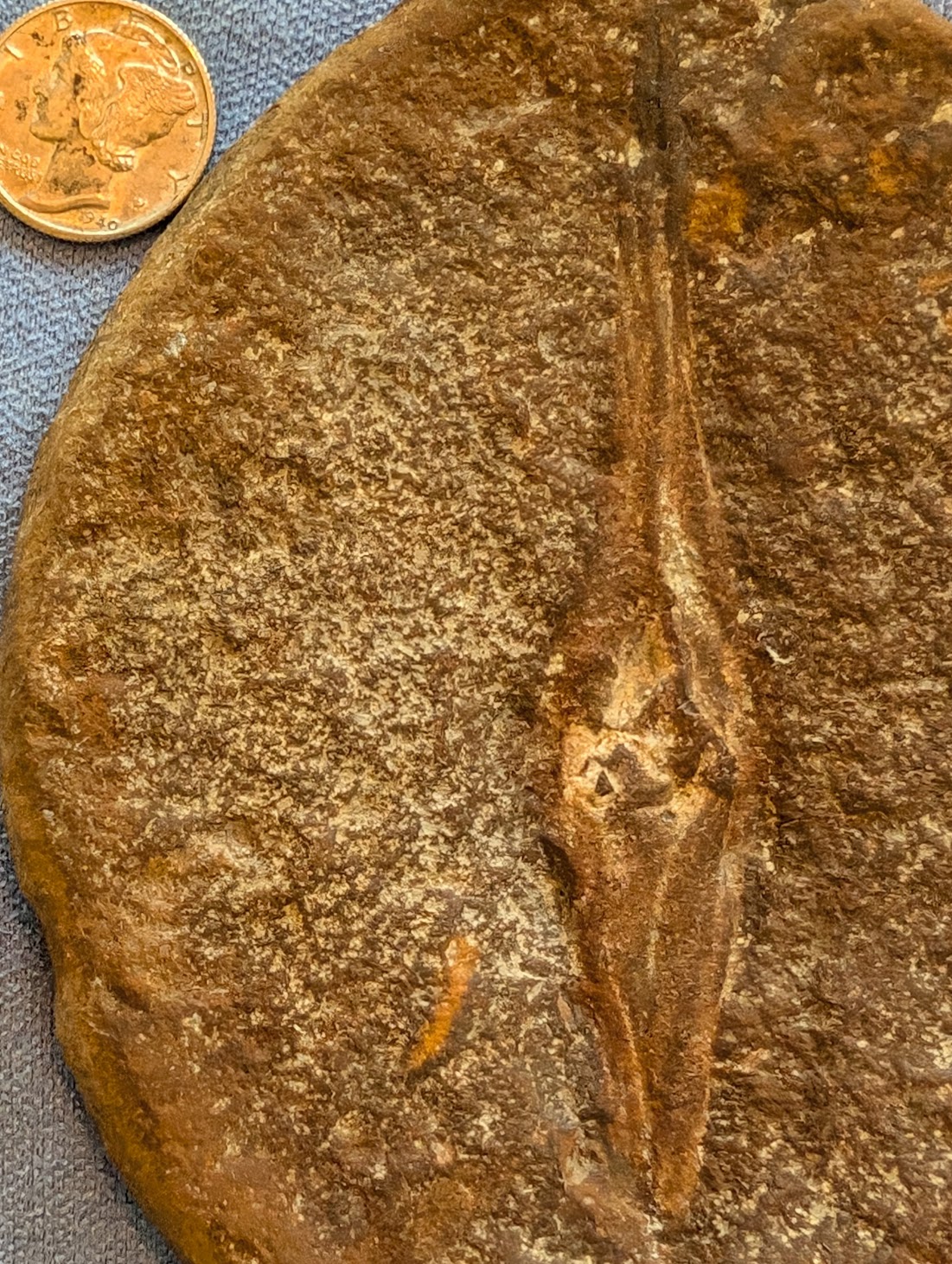
This is the “Fossil Friday” post #274. Expect this to be a somewhat regular feature of the website. We will post any fossil pictures you send in to esconi.info@gmail.com. Please include a short description or story. Check the #FossilFriday Twitter hash tag for contributions from around the world! —————————————————– Palaeoxyris prendeli is a shark egg…
-
Mazon Monday #278: Anthracomedusa turnbulli
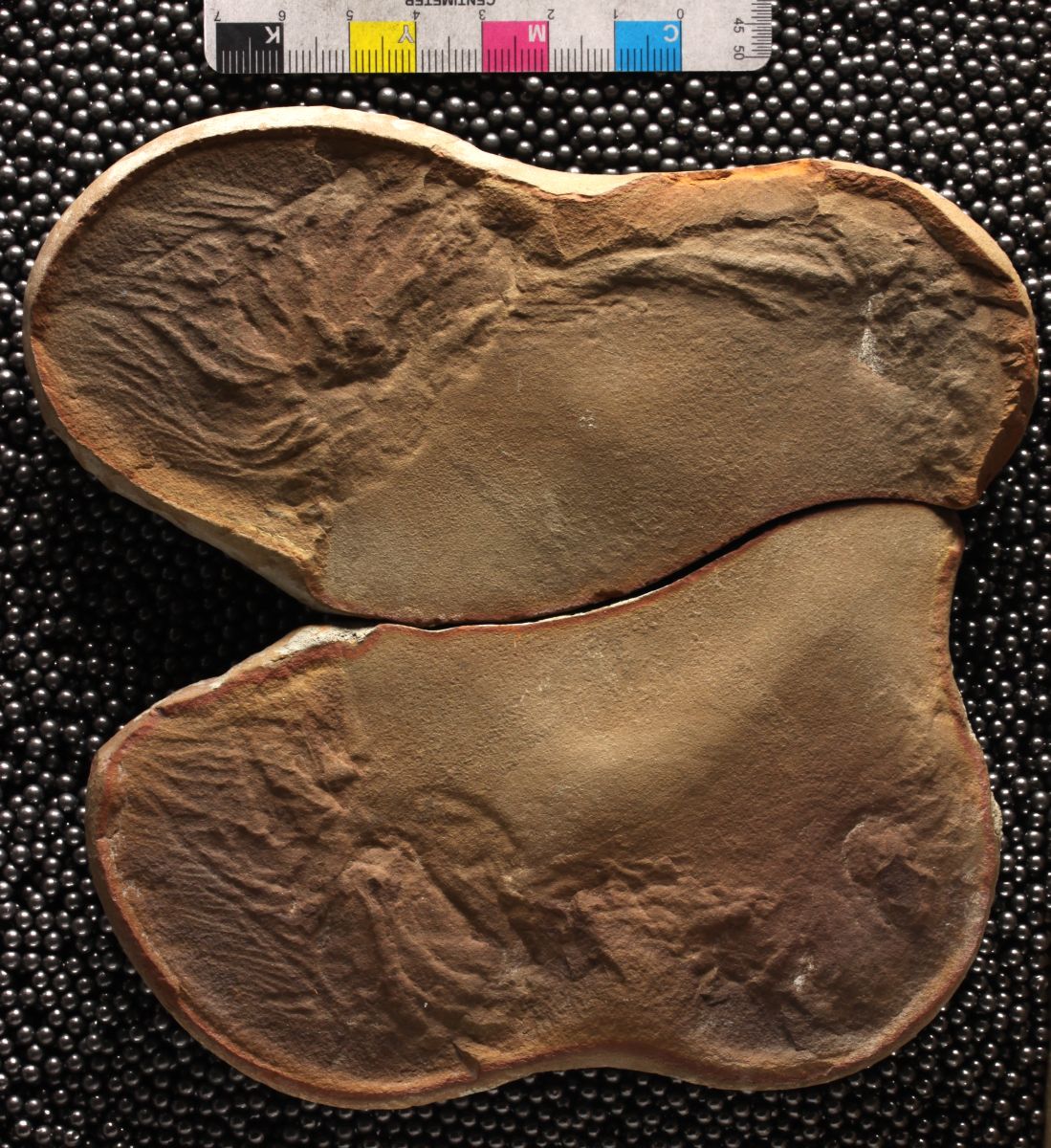
This is Mazon Monday post #278. What’s your favorite Mazon Creek fossil? Tell us at email:esconi.info@gmail.com. Lacking hard parts, jellyfish are rare in the fossil record. Mazon Creek has a few species of them. One of the most common animal fossils found in Mazon Creek is Essexella asherae, which only recently was reclassified as a…

