
-

Mazon Monday #162: Field Trip Report for Danville Spoil Pile
Read more: Mazon Monday #162: Field Trip Report for Danville Spoil PileThis is Mazon Monday post #162. What’s your favorite Mazon Creek fossil? Tell us at email:esconi.info@gmail.com. This was our fifth field trip to the Danville spoil pile. It’s been a very productive locality over the last couple years. The trips have been very popular, with every trip filling up quickly, even though the site is a 3 hour drive from the Chicago area. Not much information is available about the Herrin coal fossils, but thankfully Jack Wittry compiled a handy “Herrin Coal Fossil Guide, which we posted for Mazon Monday #86. Here is a list of prior trips. Saturday, April…
-
Dino-Sore: Smithsonian Paleontologist Diagnoses Ancient Ailments in the Museum’s Dinosaurs
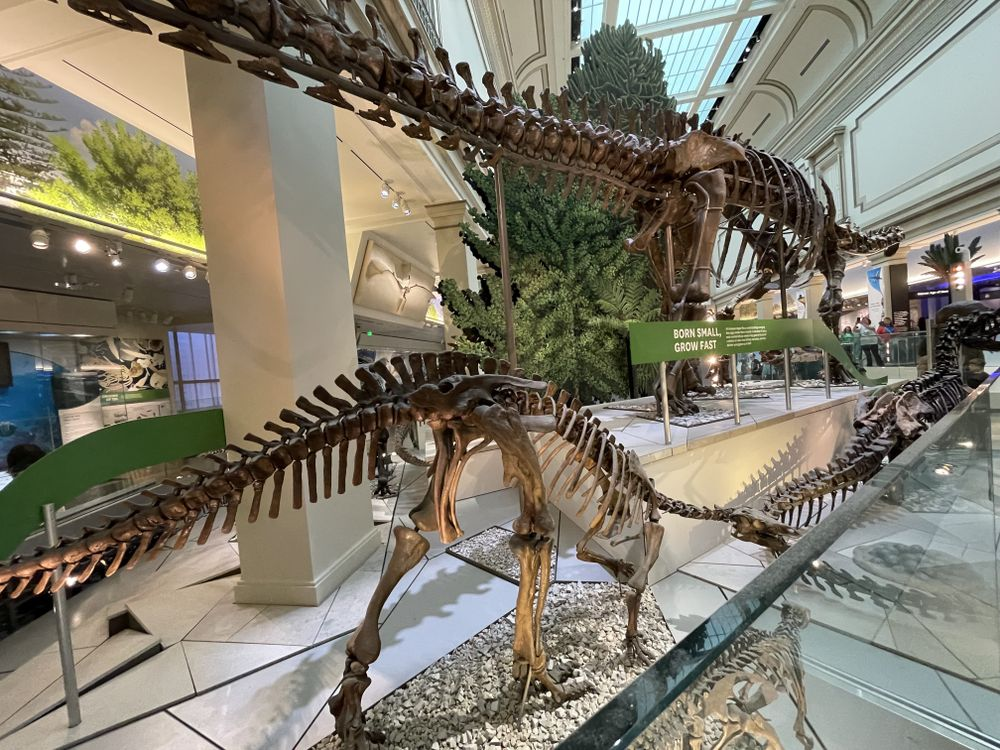
Read more: Dino-Sore: Smithsonian Paleontologist Diagnoses Ancient Ailments in the Museum’s DinosaursSmithsonian Magazine has an interesting post about dinosaur injuries. Not injuries to humans, although getting dinosaur bones out of the ground can be physically challenging, but injuries to dinosaurs evident in their bones long after they have died. SUE, the T. rex at the Field Museum in Chicago, has numerous bone pathologies including broken ribs, arthritic vertebrae, a fibula that probably suffered from infection, and much more. Sometimes time doesn’t heal all wounds. Between mangled shoulder blades, fused vertebrae and hollowed out hips, several of the National Museum of Natural History’s dinosaur specimens still display the signs of diseases and injuries that…
-

PBS Eons: It’s Becoming Very Clear That Birds Are Not Normal
Read more: PBS Eons: It’s Becoming Very Clear That Birds Are Not NormalPBS Eons has a new video over on Youtube. Birds are wierd. A new discovery raises an important question: from an evolutionary perspective, who really has the stranger wings?
-

ESCONI Events May 2023
Read more: ESCONI Events May 2023Field trips require membership, but visitors are welcome at all meetings! Sat, May 6th ESCONI Field Trip to Braceville, IL for Mazon Creek Fossils. ***Trip Full*** Details are here. Sun, May 7th ESCONI Field Trip to Braceville, IL for Mazon Creek Fossils. ***Trip Full*** Details are here. Fri, May 12th ESCONI General Meeting 8:00 PM – Topic: “About the Falls of the Ohio State Park” by Alan Goldstein, Park Interpretive Naturalist and Paleontologist. Zoom link Sat, May 13th ESCONI Junior Meeting – 6:30 PM at College of DuPage – Topic: TBA Specifics of this meeting are available from Scott Galloway, 630-670-2591,…
-
Fossil Friday #158: Helen Asher Cnidarian
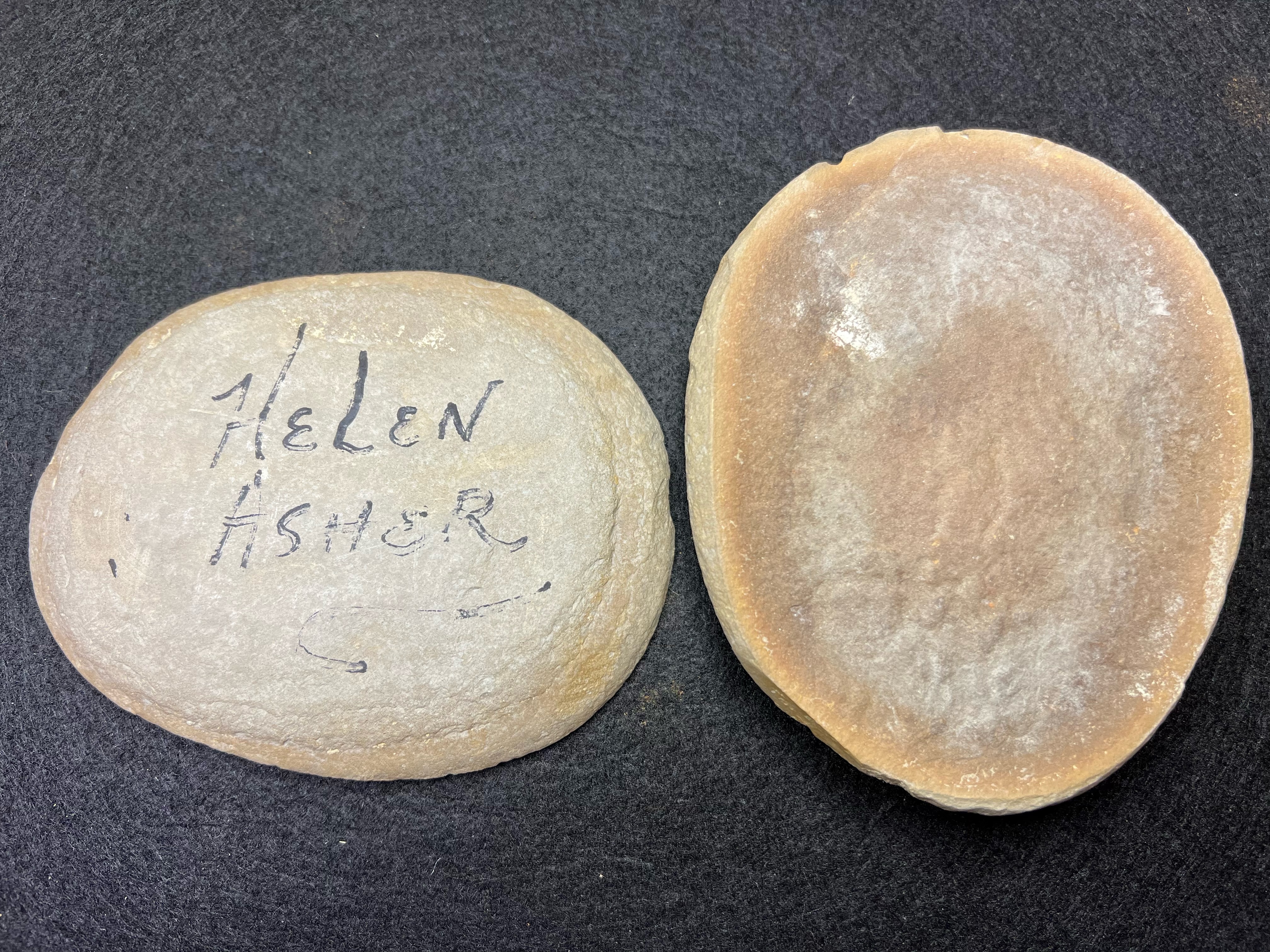
Read more: Fossil Friday #158: Helen Asher CnidarianThis is the “Fossil Friday” post #158. Expect this to be a somewhat regular feature of the website. We will post any fossil pictures you send in to esconi.info@gmail.com. Please include a short description or story. Check the #FossilFriday Twitter hash tag for contributions from around the world! Today, we have a historically significant Mazon Creek fossil. If you visit Pit 11, it’s almost a given that you will find an Essexella asherae. Whether it’s a jellyfish or an anemone, it’s a common Pit 11 fossil. Both are extremely rare in the fossil record. They have no hard parts, being…
-
Throwback Thursday #159: Field Museum Photo Archives
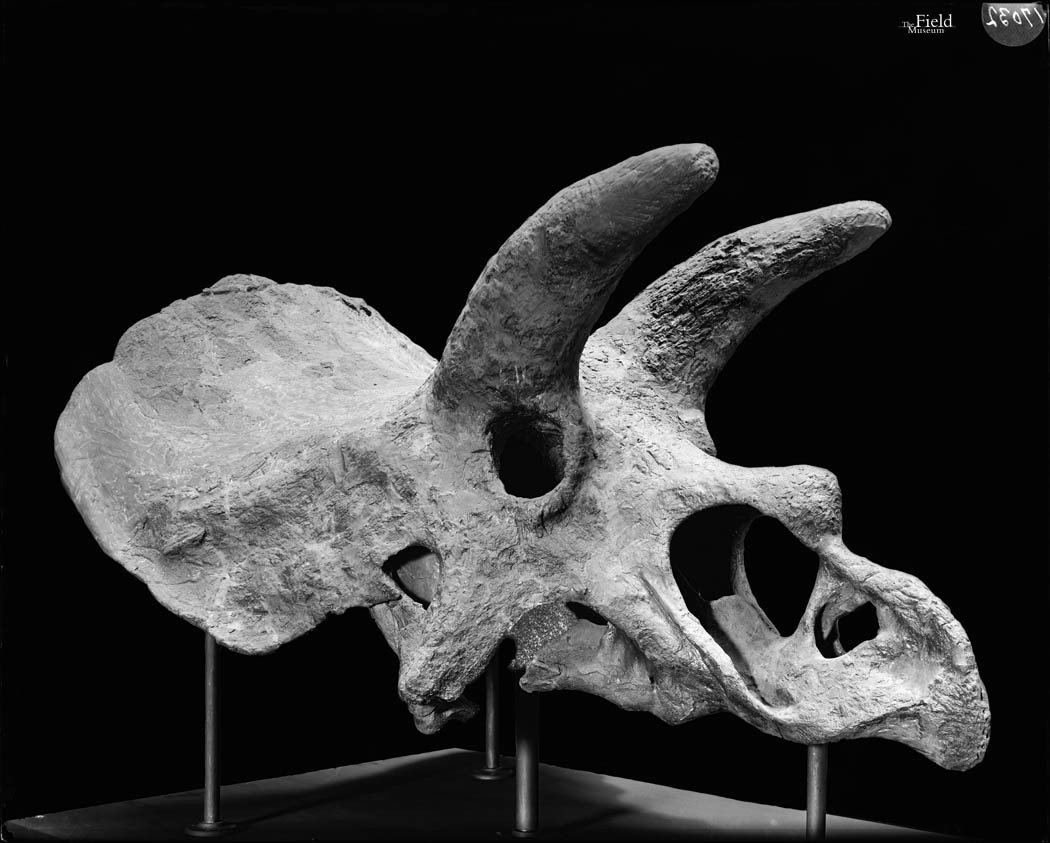
Read more: Throwback Thursday #159: Field Museum Photo ArchivesThis is Throwback Thursday #159. In these, we look back into the past at ESCONI specifically and Earth Science in general. If you have any contributions, (science, pictures, stories, etc …), please send them to esconi.info@gmail.com. Thanks! Here’s a few photos from the Field Museum Photo Archives over on Tumbler. Unfortunately, the photo blog hasn’t updated since 2015, but there are still many good photos to browse! Dinosaurs this time… Fossil Friday Triceratops. © The Field Museum, CSGEO17032, Photographer Charles Carpenter. Triceratops skull. Late Cretaceous, on exhibit. Geology specimen P12003. Field Columbian Museum.8×10 glass negative1905 International Dinosaur Month!!! Fossil Friday, Anchiceratops. Anchiceratops is…
-
The Story Behind the Smithsonian’s Newest Gem: the Exquisite Lion of Merelani
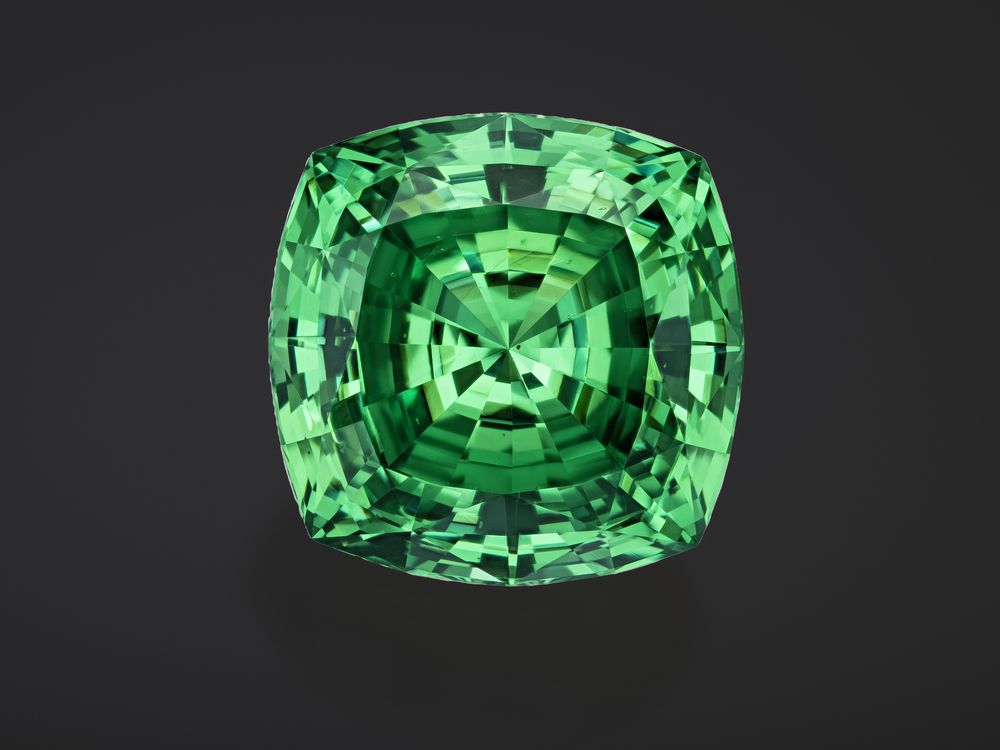
Read more: The Story Behind the Smithsonian’s Newest Gem: the Exquisite Lion of MerelaniSmithsonian Magazine has an article about the Museum’s new gemstone. The Lion of Merelani is the world’s largest square-cushion tsavorite gem. It has 177 stunning facets. This gorgeous stone will take up residence in the Janet Annenberg Hooker Hall of Geology, Gems, and Minerals next to the Hope Diamond, the Whitney Flame Topaz, and the Carmen Lucia Ruby. All are breathtaking stones! With more than 10,000 gems, the Smithsonian’s National Gem Collection is brimming with breathtaking stones like the scintillating Whitney Flame Topaz, the radiant Carmen Lúcia Ruby and the iconic Hope Diamond. But mineralogist Jeffrey Post, the National Museum of Natural History’s curator-in-charge of gems and minerals, thinks…
-
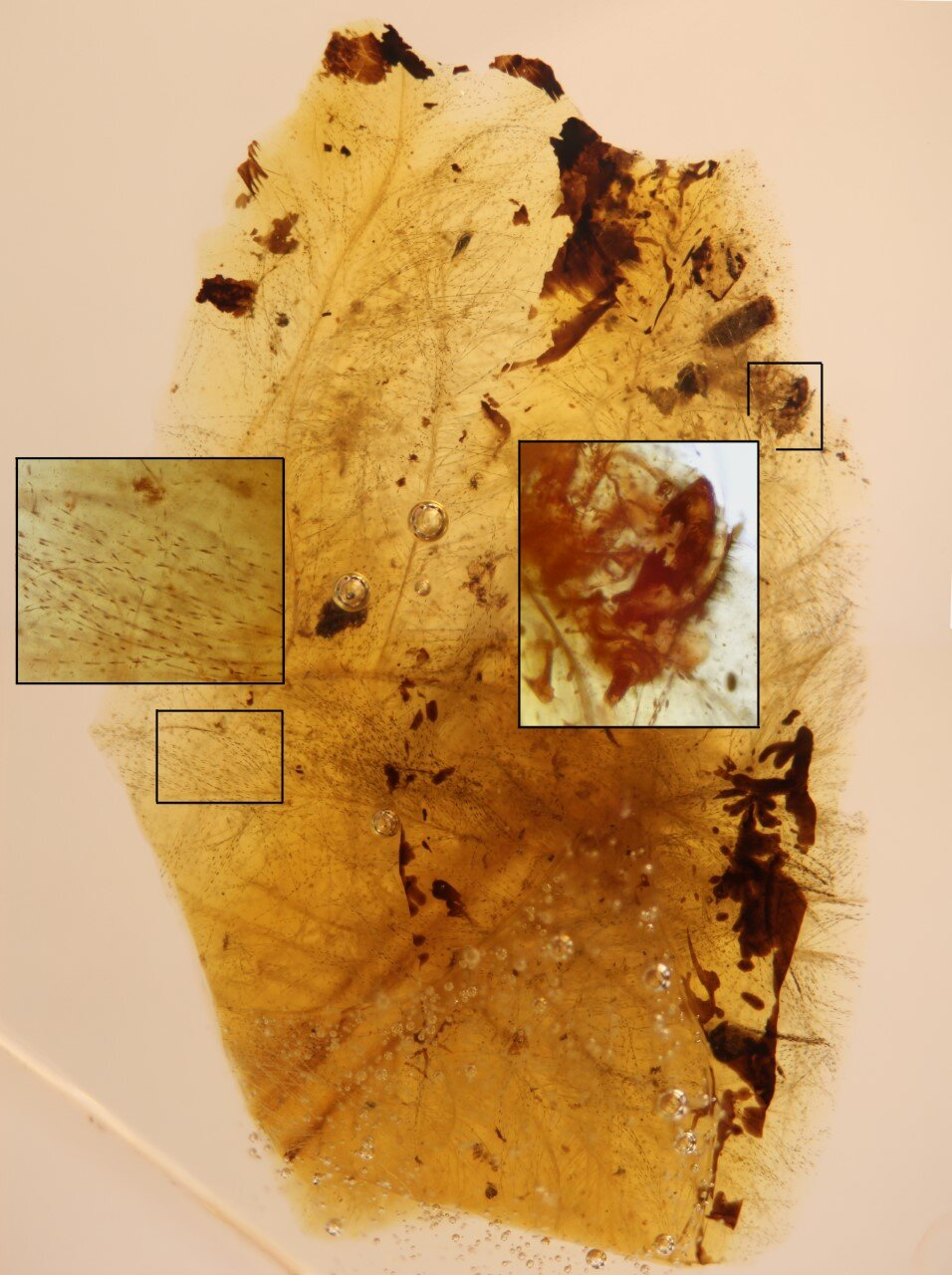
Fossils reveal the long-term relationship between feathered dinosaurs and feather-feeding beetles
Read more: Fossils reveal the long-term relationship between feathered dinosaurs and feather-feeding beetlesPhys.org has a story about an discovery in Mesozoic amber. The amber reveals a parasitic beetle feeding on some feathers. The researchers were unable to determine if the relationship was one of mutual benefit or one-sided. The amber is about 105 million years old from a Spanish locality near San Just. The paper was published in the journal PNAS. The main amber fragments studied, from the Spanish locality of San Just (Teruel), contain larval molts of small beetle larvae tightly surrounded by portions of downy feathers. The feathers belonged to an unknown theropod dinosaur, either avian (a term referring to…
-
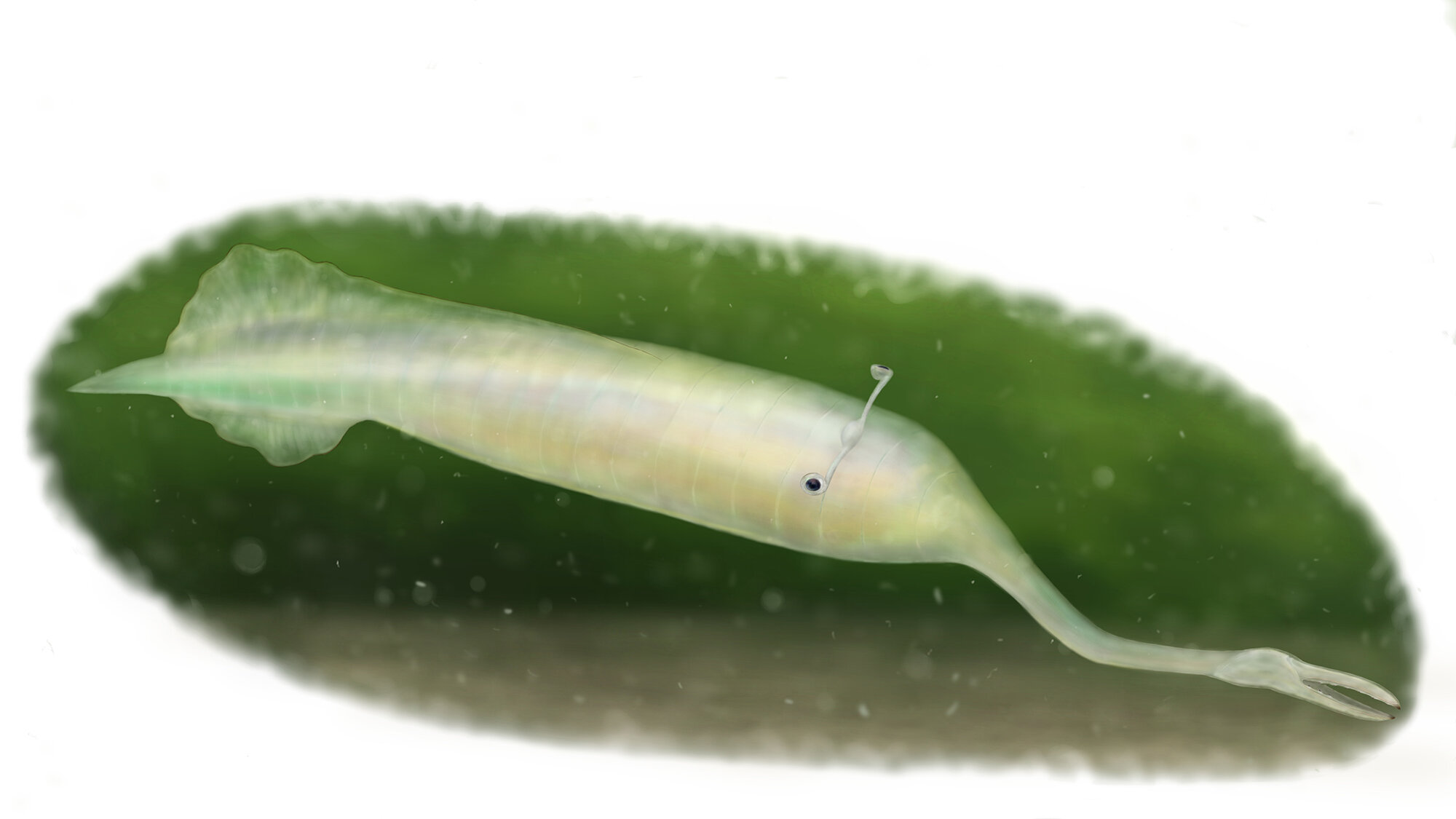
Mazon Monday #161: Is the Tully Monster a vertebrate?
Read more: Mazon Monday #161: Is the Tully Monster a vertebrate?Phys.org has a story about the new Tully Monster paper that was published in the journal Paleontology last week. The Tully Monster is the State Fossil of Illinois. And, although it is a popular animal, its evolutionary ancestry has been problematic. Since it’s discovery in 1958 by Francis Tully, numerous theories of its evolutionary affinity have been proposed including arthropods, worms, vertebrates, mollusks, even conodonts.
-
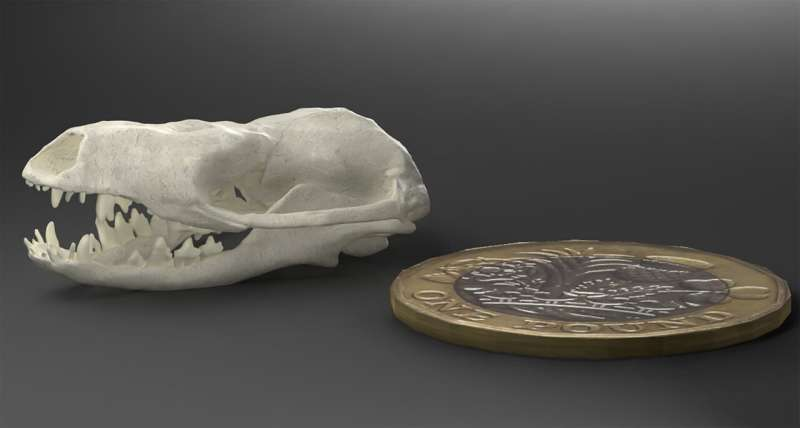
Starting small and simple was key to success for evolution of mammals, reveals new study
Read more: Starting small and simple was key to success for evolution of mammals, reveals new studyPhys.org has a story about the evolution of mammals. A new paper in the journal Communications Biology, found that being small led to more efficient feeding, The international team of paleontologists used computer analysis and stress analysis to understand the process of skull simplification in early mammals. In mamy vertebrate groups, like fish and reptiles, the skull and lower jaw is comprised of numerous bones. Mammals reduced the number of skull bones during the Mesozoic from around 150 to 100 million years ago. Lead author Dr. Stephan Lautenschlager, Senior Lecturer for Palaeobiology at the University of Birmingham, commented, “Reducing the…
-

Happy Earth Day 2023
Read more: Happy Earth Day 2023Happy Earth Day 2023! Earth day is the culmination of a week long celebration. The first Earth Day was held in 1970. Since the, over 1 billion people in 190+ countries modilize for action every year on Earthday. The Field Museum and other Chicago area museums are free today!
-
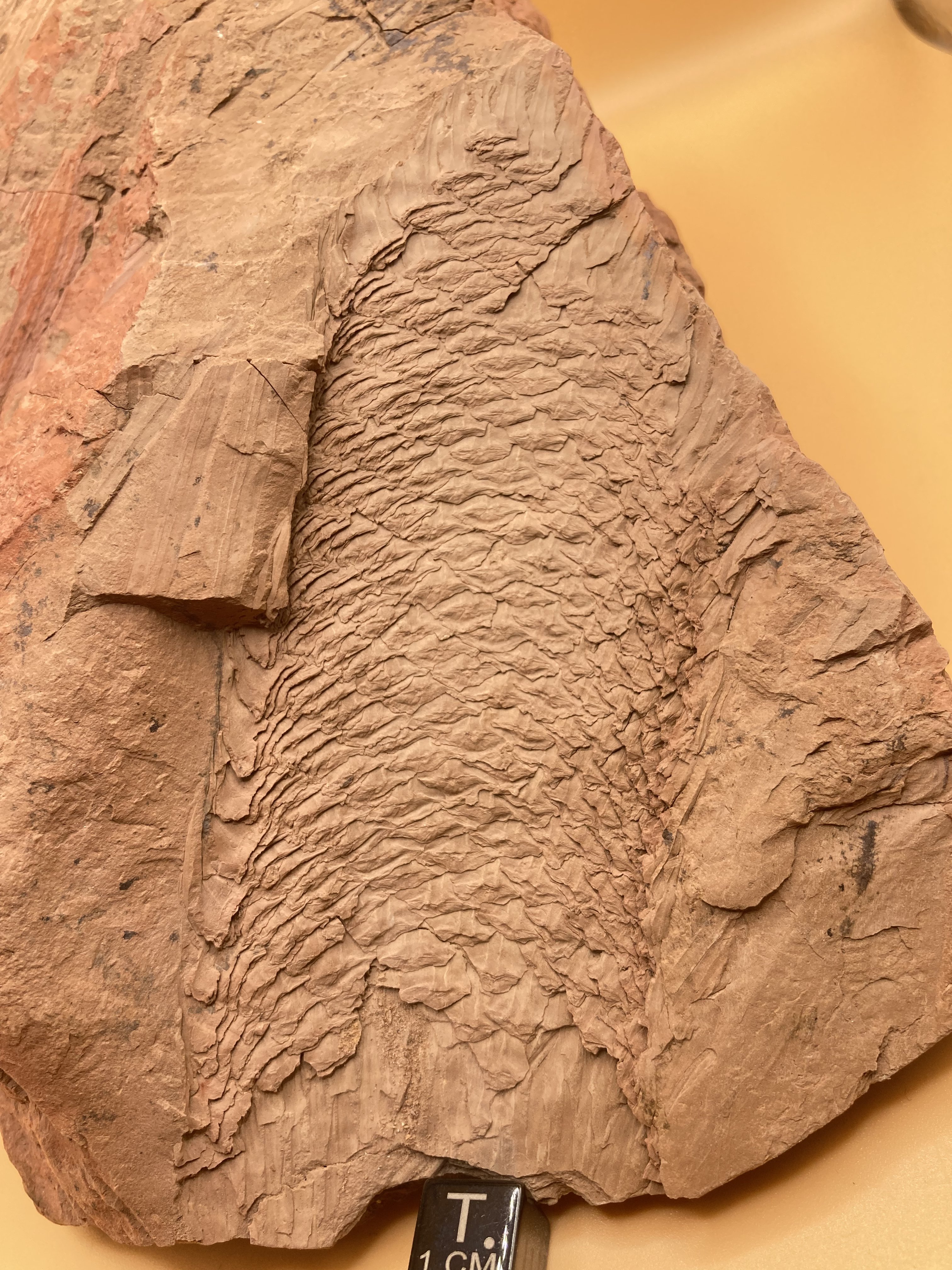
Fossil Friday #157: Danville Cone
Read more: Fossil Friday #157: Danville ConeThis is the “Fossil Friday” post #157. Expect this to be a somewhat regular feature of the website. We will post any fossil pictures you send in to esconi.info@gmail.com. Please include a short description or story. Check the #FossilFriday Twitter hash tag for contributions from around the world! Last Saturday, April 15th, 2023, ESCONI had a field trip to a coal mine spoil pile near Danville, IL. The deposit is about 1.5 million years earlier than Mazon Creek. We’ve found quite a few nice fossils at this locality over the 6 field trips we’ve had there. For Mazon Monday #86,…
-

Throwback Thursday #158: ESCONI Logo
Read more: Throwback Thursday #158: ESCONI LogoThis is Throwback Thursday #158. In these, we look back into the past at ESCONI specifically and Earth Science in general. If you have any contributions, (science, pictures, stories, etc …), please send them to esconi.info@gmail.com. Thanks! ESCONI was established in November 1949. For the first few editions of the newsletter, the cover featured various drawings and prospective logos. The cover of the January newsletter was a shield showing a fossil fern, a diamond, a dinosaur, a crystal, and an arrowhead. In the January 1950 newsletter, there was an announcement of a contest to choose a logo. A WORD ABOUT…
-

A rare, 95-million-year-old titanosaur skull found in Australia
Read more: A rare, 95-million-year-old titanosaur skull found in AustraliaPopular Science has a story about the discovery of a sauropod skull. The animal, called Diamantinasaurus matildae, lived during the Cretaceous Period nearly 100 million years ago in what is now Australia. This skull represents the fourth specimen ever found. A paper in the journal Royal Society Open Science describes the 19.6 inch long skull. Dinosaur fossils, especially well preserved bones, are rare in Australia, which makes this an exciting find! The dinosaur. nicknamed ‘Ann,’ was discovered by the Australian Age of Dinosaurs Museum in 2018 near Winston in central Queensland. Ann is the third fossil specimen of D. matildae to have been discovered…
-
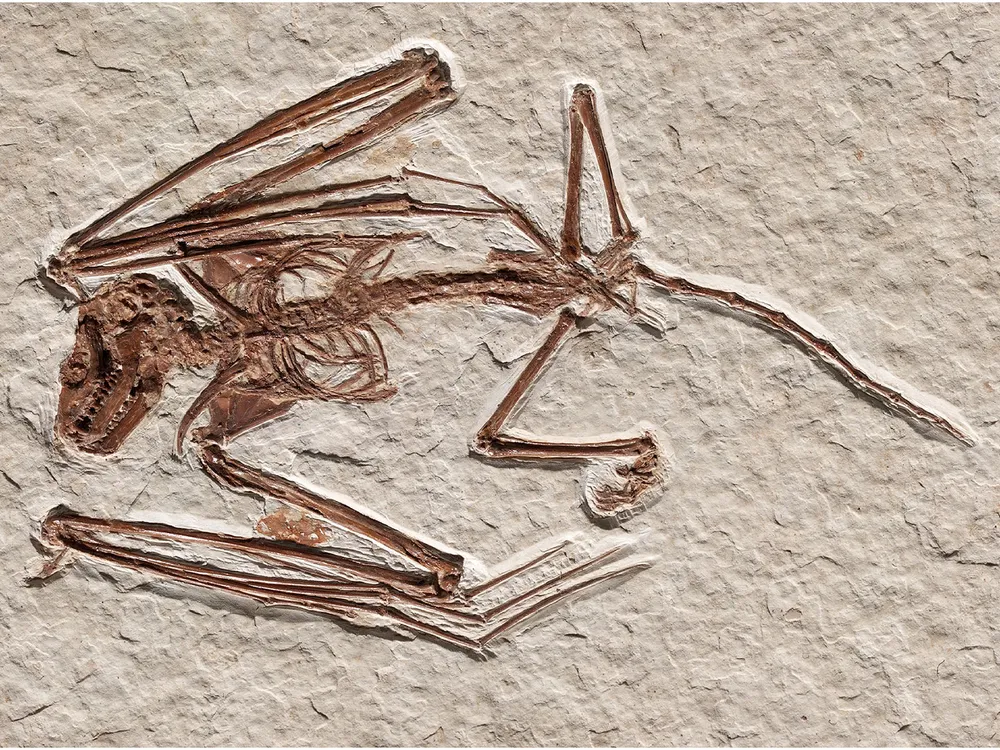
Smithsonian: Paleontologists Discover 52-Million-Year-Old Bat
Read more: Smithsonian: Paleontologists Discover 52-Million-Year-Old BatSmithsonian Magazine has a story about a fossil bat from Wyoming. Bats are underrepresented in the fossil record due their small size and even smaller bones. Unfortunately, they also live in areas that don’t usually form fossils. The Green River Formation in Wyoming, which dates to the Eocene about 52 million years ago, has yield a few examples of fossil bats. This specimen, which was spotted for sale online, represents a new species – Icaronycteris gunnelli. It was described in a paper in the journal PLOS One. The fossil record is biased against bats. The flying mammals are small, making…
-
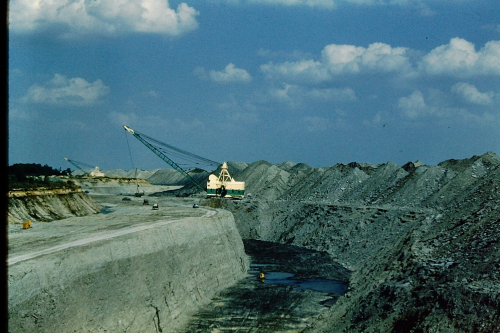
Mazon Monday #160: Braidwood’s Buried Treasures
Read more: Mazon Monday #160: Braidwood’s Buried TreasuresThis is Mazon Monday post #160. What’s your favorite Mazon Creek fossil? Tell us at email:esconi.info@gmail.com. The following article appeared in Commonwealth Edison Company’s Employee Bulletin in February 1979. It was later published in the West Suburban Lapidary Club bulletin The Opal in November 1982, and the ESCONI Newsletter in January 1983. There’s much to note here… BRAIDWOOD’S BURIED TREASURES Stamps, beer cans, coins and antiques-each satisfy mankind’s penchant for collecting in its own special way. But according to Mrs. Helen Piecko, one of the country’s most renowned fossil collectors, her hobby outshines the rest. “Stumbling across a rare fossil…
-
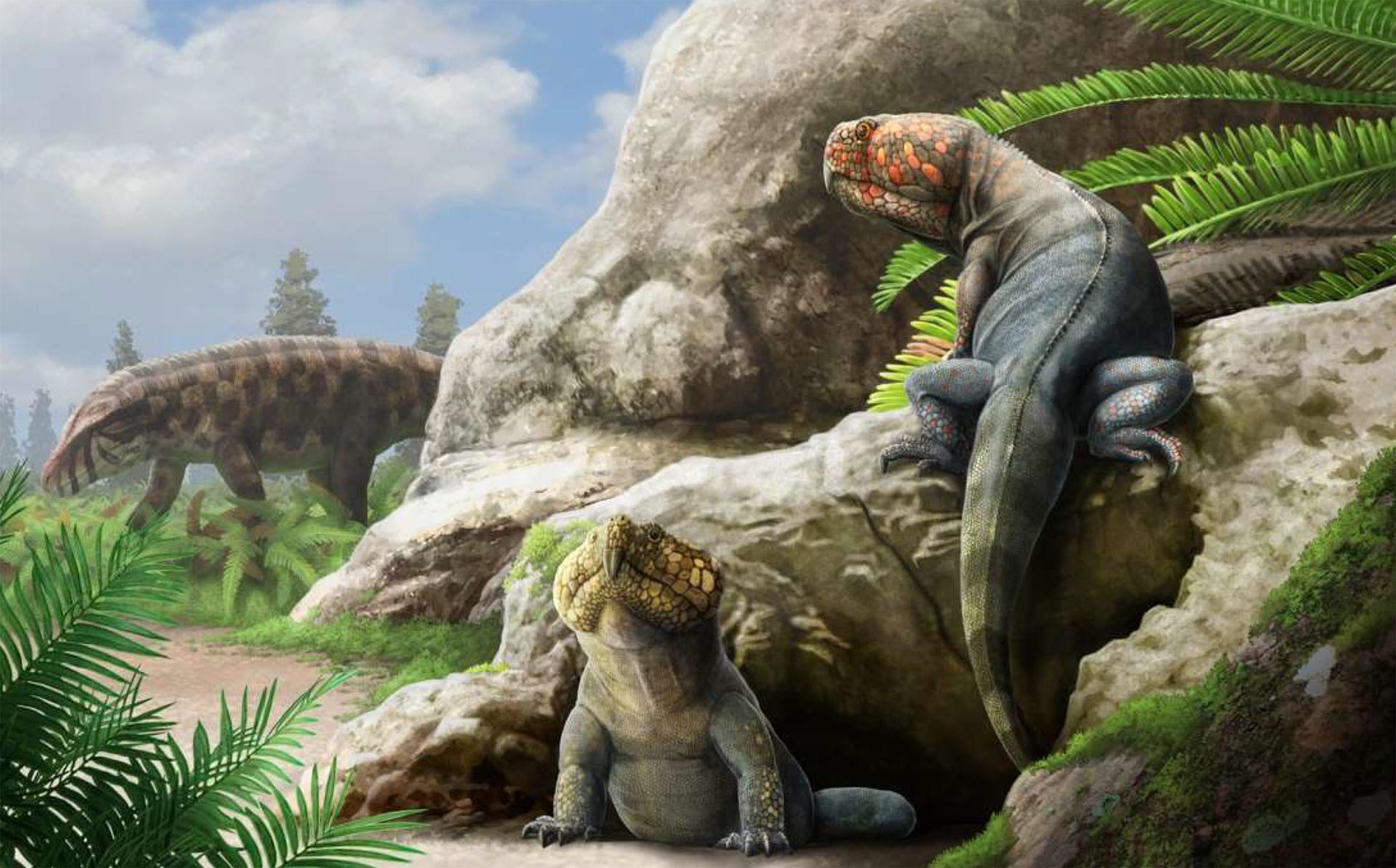
New Species of Rhynchosaur Unearthed in Wyoming
Read more: New Species of Rhynchosaur Unearthed in WyomingSciNews has a story about a the discovery of a new species of Rhynchosaur. The animal, Beesiiwo cooowuse, lived around 230 million years ago during the Triassic Period. It was found in the Popo Agie Formation in central Wyoming, in the United States. Rhynchosaurs are archosaurs, which makes it a cousin to dinosaurs. This new species was described in a paper in the journal Diversity. “The Late Triassic Carnian age is a critical interval in the diversification of many lineages that will play a prominent role throughout the Mesozoic (e.g., Mammaliaformes, Crocodylomorpha, Dinosauria),” said Adam Fitch, a paleontologist at Virginia Tech…
-
PBS Eons: How (Some) Plants Survived The K-Pg Extinction
Read more: PBS Eons: How (Some) Plants Survived The K-Pg ExtinctionPBS Eons has a new video over on Youtube. This one is about Angiosperm plants and how many of them survived the K-Pg mass extinction. Perhaps for plants in times of great stress and ecological upheaval, the more DNA the better. Thanks to Franz Anthony (https://franzanth.com) for the incredible reconstruction of plants in the aftermath of the K-Pg extinction.
-

Fossil Friday #156: The Origin of the English Poundstone
Read more: Fossil Friday #156: The Origin of the English PoundstoneThis is the “Fossil Friday” post #156. Expect this to be a somewhat regular feature of the website. We will post any fossil pictures you send in to esconi.info@gmail.com. Please include a short description or story. Check the #FossilFriday Twitter hash tag for contributions from around the world! For this weeks Fossil Friday, we have an article written by ESCONI member Marie Angkuw. You might remember her sad tale about pyritized ammonites in Fossil Friday #93. This piece is about her fossil trip to England back in February 2023. The Origin of the English Poundstone by Marie Angkuw Imagine living…
-
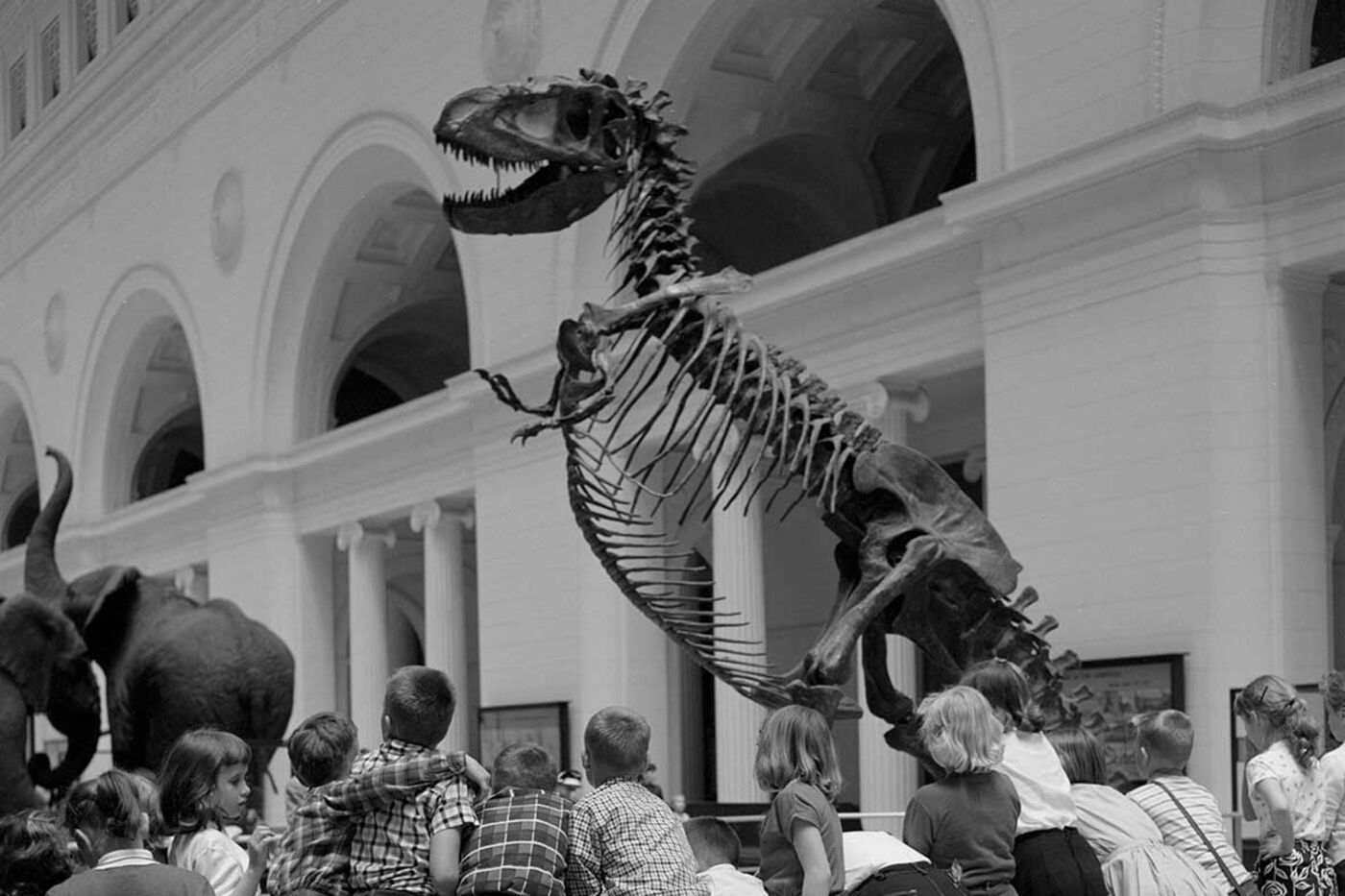
Throwback Thursday #157: Self-supporting Dinosaur
Read more: Throwback Thursday #157: Self-supporting DinosaurThis is Throwback Thursday #157. In these, we look back into the past at ESCONI specifically and Earth Science in general. If you have any contributions, (science, pictures, stories, etc …), please send them to esconi.info@gmail.com. Thanks! Here is a poem written by Eugene Richardson Jr, about “Gorgeous George”, the Field Museum’s Daspletosaurus. We posted about George back in Throwback Thursday #93. “George” was the centerpiece of Stanley Field Hall in the Field Museum from 1956 to 1992. He was incorrectly called a Gorgosaurus for most of his “life”. That was corrected in 1999 and he is now known as…

ESCONI Gem, Mineral, and Fossil Show
Most Recent Post
- The Field Museum’s Dinopalooza 2026, Saturday, June 13th, 2026
 The Field Museum’s annual paleontology extravaganza “Dinopalooza 2026” is today! Come on out and join the fun!
- About ESCONI
- Around the Web
- Calendar of Events
- Code of Ethics and Conduct
- ESCONI Books for Sale
- ESCONI Gem, Mineral, and Fossil Show
- ESCONI in the News
- ESCONI Videos
- Field Trips
- Flashback Friday
- Fossil Friday
- Mazon Creek
- Mazon Monday
- Member Spotlight
- Membership Information
- Reference Material
- Throwback Thursday
- Trilobite Tuesday
Field trips require membership, but visitors are welcome at all meetings!
| Friday, June 12th | General Meeting – 8:00 PM via Zoom. Adrienne Stroup of The Field Museum will present “At the Intersection of Art and Science: Outreach in Natural History Museums”. |
| Saturday, June 20th | Paleontology Study Group – 7:30 PM via Zoom. Lincoln Shoemaker will present “Factors controlling the distribution of Late Ordovician – Silurian crinoids.” |
| No meeting this month | Junior Study Group Meeting |
| No meeting this month | Mineralogy Study Group |