
33Days
12Hours
18Minutes
41Seconds

ESCONI Gem, Mineral, and Fossil Show
Most Recent Post
- PBS Eons: 130 Million Years Ago, the World Caught Fire
 PBS Eons has a new video. This one is about the evolution of flowering plants. It seems that for flowering… Read more: PBS Eons: 130 Million Years Ago, the World Caught Fire
- About ESCONI
- Around the Web
- Calendar of Events
- Code of Ethics and Conduct
- ESCONI Books for Sale
- ESCONI Gem, Mineral, and Fossil Show
- ESCONI in the News
- ESCONI Videos
- Field Trips
- Flashback Friday
- Fossil Friday
- Mazon Creek
- Mazon Monday
- Member Spotlight
- Membership Information
- Reference Material
- Throwback Thursday
- Trilobite Tuesday
Field trips require membership, but visitors are welcome at all meetings!
| Friday, February 13th | General Meeting – 8:00 PM via Zoom Dale Simpson will present “Diggin’ Illinois: A hands-on introduction to the fascinating archaeological record of Illinois.” |
| Saturday, February 14th | Junior Study Group – 2:00 PM, Topic “Lighted Display Tracing Rock, Mineral and Fossil Specimens” by Finn Lutz, ESCONI Member Specifics of this meeting are available from Scott Galloway, 630-670-2591, gallowayscottf@gmail.com. The meeting will be in person at the College of DuPage Technical Education Center (TEC) Building – Room 1038A (Map). |
| Saturday, February 21st | Paleontology Study Group – 7:30 PM via Zoom Arvid Aase will present “Death to Discovery: Taphonomy of the Fossil Lake Lagerstatten (Green River Group).“ |
| No meeting this month | Mineralogy Study Group |
-

ESCONI November 2025 Paleontology Study Group Meeting – November 15th, 2025 at 7:30 PM via Zoom – “Gonioceras: A Most Unusual Cephalopod”
Read more: ESCONI November 2025 Paleontology Study Group Meeting – November 15th, 2025 at 7:30 PM via Zoom – “Gonioceras: A Most Unusual Cephalopod”The November 2025 Paleontology Study Group Meeting will be held on November 15th, 2025 at 7:30 PM via Zoom. John Cataloni will be presenting “Gonioceras: A Most Unusual Cephalopod”. The diversity of nautiloid shell shapes in the Upper Ordovician of central Laurentia is remarkable. However, one shape is often missing from lists of shell shapes and that is the so-called “flat-fish” form of Gonioceras. This program begins with a discussion of the stratigraphy, paleogeography, and areal distribution of Ordovician rocks in the mid-west including the Mohawkian Sea that dominated the interior of Laurentia during the Late Ordovician. Following this introduction,…
-
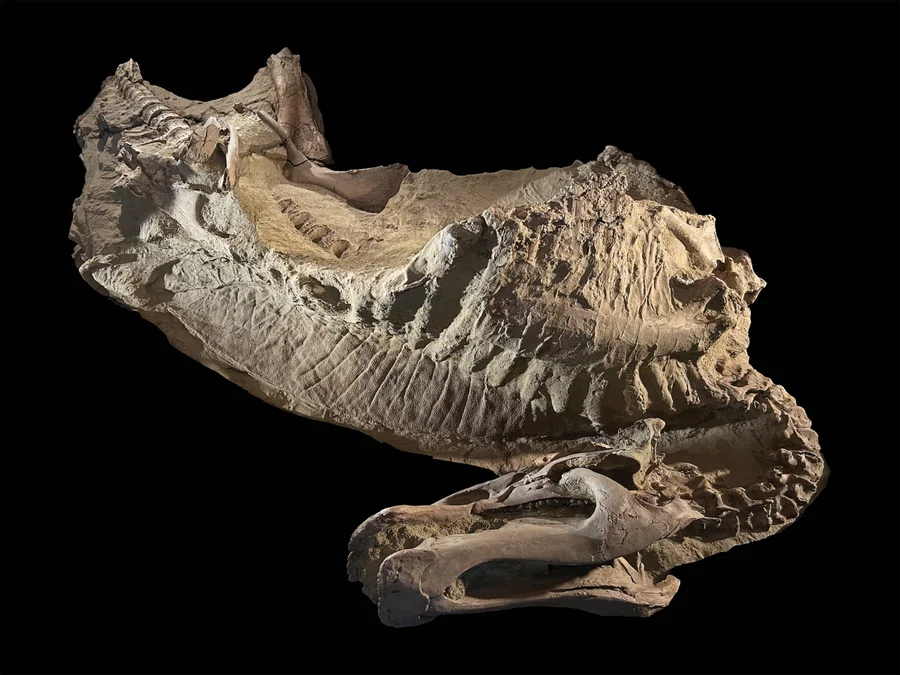
SciAm: Fossilized Skin on Dinosaur ‘Mummies’ Isn’t Skin at All
Read more: SciAm: Fossilized Skin on Dinosaur ‘Mummies’ Isn’t Skin at AllScientific American has an interesting article about dinosaur “mummies”. In 1908, Charles Sternberg found the “first dinosaur mummy”. It was an Edmontosaurus dinosaur with what looked like fossilized flesh and skin. It was found in the sandstone rocks of the Lance Formation in eastern Wyoming. New research shows that the “skin” is actually a clay mold, which was molded by bacteria as the animal decayed. “That’s going to come as a shocker to a lot of people,” says University of Chicago paleontologist Paul Sereno, lead author of the new study, published in Science. This clay molding process was known to preserve the…
-
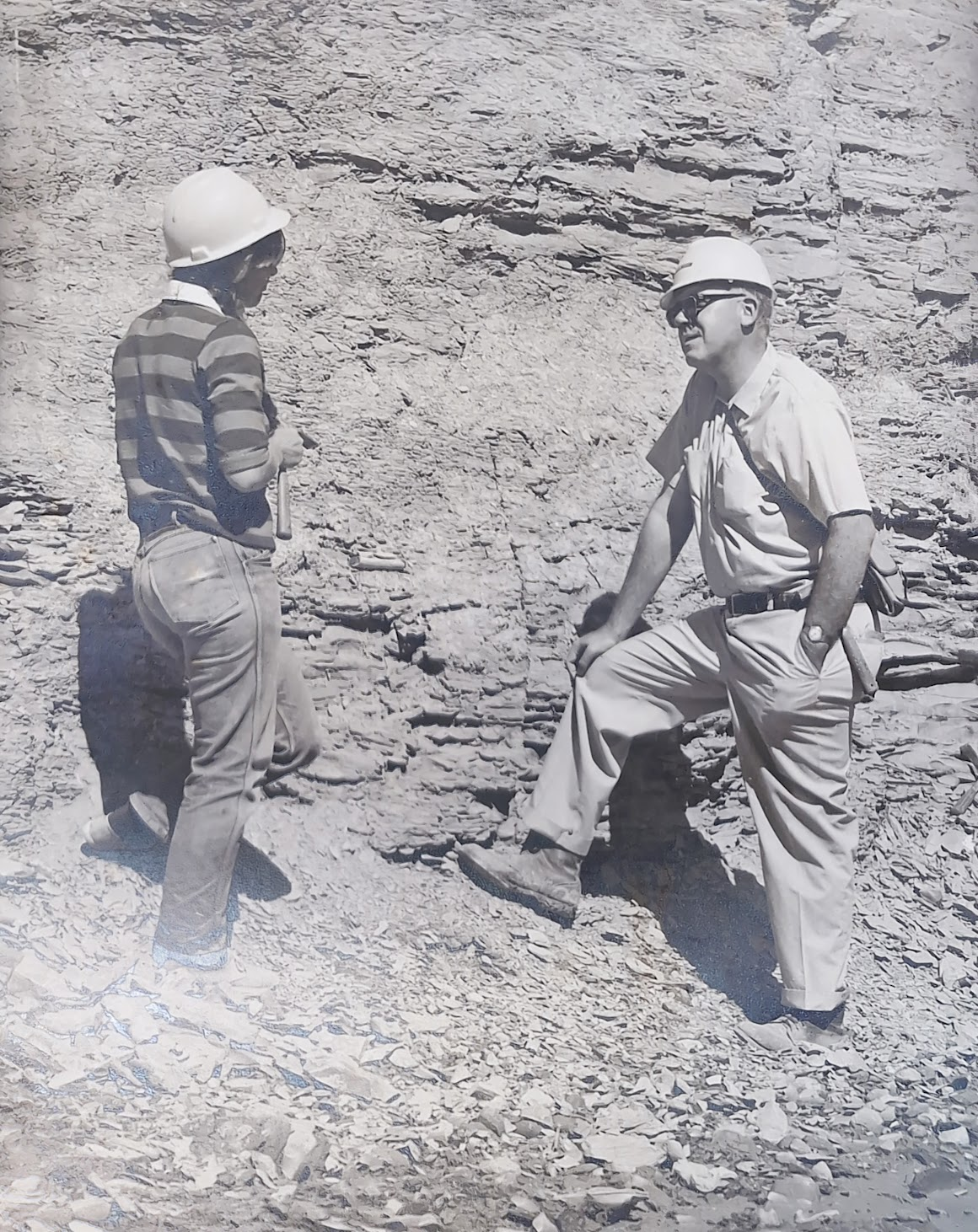
Mazon Monday #295: Ida Thompson collecting in Pit 11 in 1968
Read more: Mazon Monday #295: Ida Thompson collecting in Pit 11 in 1968This is Mazon Monday post #295. What’s your favorite Mazon Creek fossil? Tell us at email:esconi.info@gmail.com. Michele Micetich, curator of the Carbon Hill School Museum, provided the photos in this post. The photos are part of the Tom Testa collection at the museum. On the back of the photos, there are notes written by Ida Thompson to Melbourne McKee, a chemist for the Peabody Coal Company in the Coal City area. Ida was working with Ralph Johnson of the Field Museum in Pit 11 in 1968. Ida Thompson is probably best known for writing the “Audubon Society field guide to North…
-

WPR: A portal into underwater, prehistoric Wisconsin found in the heart of Waukesha County
Read more: WPR: A portal into underwater, prehistoric Wisconsin found in the heart of Waukesha CountyWisconsin Public Day has an article about fossils from Waukesha County, including a the oldest known leech in the fossil record. The fossil deposit is commonly referred to as the Waukesha Lagerstätte. A few years ago, researchers found the world’s oldest fossilized scorpion at the site. The Waukesha Biota, also known as the Waukesha Lagerstätte, is special because it holds a mass amount of paleontological information. It is preserved at the museum as a 12-centimeter thin layer of mudstone filled with rare fossils of soft-bodied organisms. Today most of the original biota is gone, but researchers are still making new…
-

Indigenous Americans dragged, carried or floated 5-ton tree more than 100 miles to North America’s largest city north of Mexico 900 years ago
Read more: Indigenous Americans dragged, carried or floated 5-ton tree more than 100 miles to North America’s largest city north of Mexico 900 years agoLive Science has a fascinating story about an ancient tree, which was part of Cahokia. Cahokia was the large city north of Mexico 900 years ago, with a population of around 20,000 people. It was built on earthen mounds in the southwestern Illinois, next to the Mississippi River, between East St. Louis and Collinsville. Scientists analyzed a large log, known as the “Mitchell Log”, was probably used as a monumental marker post. A new study published in the journal PLOS One has dated and located the source of the “Mitchell Log”. “Cahokia grew rapidly in the late 11th century, with immigrants…
-
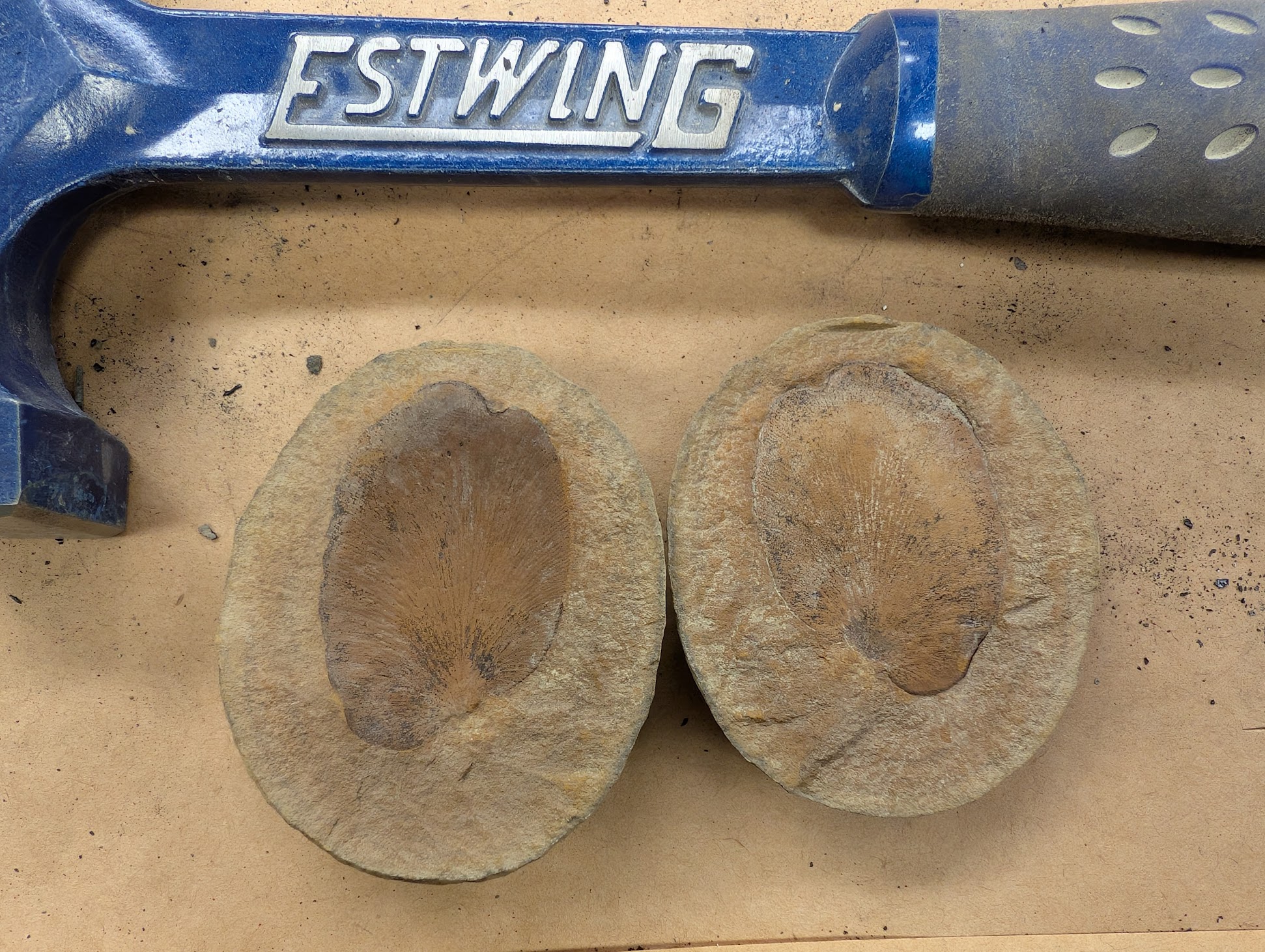
Fossil Friday #290: Cyclopteris orbicularis
Read more: Fossil Friday #290: Cyclopteris orbicularisThis is the “Fossil Friday” post #290. Expect this to be a regular feature of the website. We will post fossil pictures you send in to esconi.info@gmail.com. Please include a short description or story. Check the #FossilFriday Bluesky/Twitter hash tag for contributions from around the world! We have a beautiful Cyclopteris orbicularis from Knob Noster for today’s Fossil Friday. Cyclopteris are associated with the seed ferns Laveineopteris, Neuropteris, Reticulopteris, Odontopteris, and Macroneuropteris. For more information about Cyclopteris orbicularis, see Mazon Monday #59. This gorgeous fossil comes from Chuck Barlow, who has sent us some amazing fossils in the past (Fossil Friday #84 and Fossil…
-
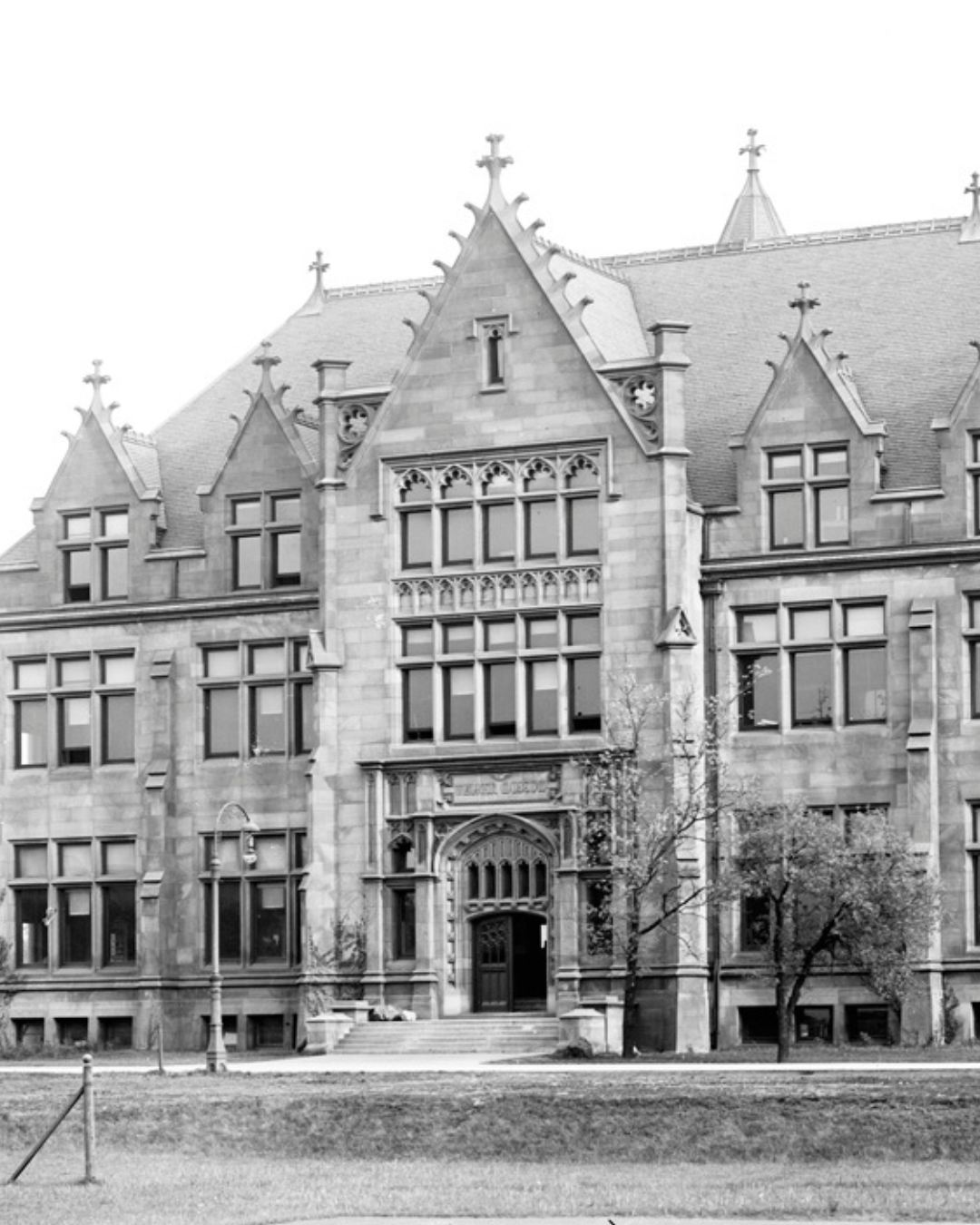
Throwback Thursday #290: Looking Back At ESCONI For November 2025
Read more: Throwback Thursday #290: Looking Back At ESCONI For November 2025This is Throwback Thursday #290. In these, we look back into the past at ESCONI specifically and Earth Science in general. If you have any contributions, (science, pictures, stories, etc …), please send them to esconi.info@gmail.com. Thanks! email:esconi.info@gmail.com. 25 Years Ago – November 2000 50 Years Ago – November 1975 70 Years Ago – November 1955
-
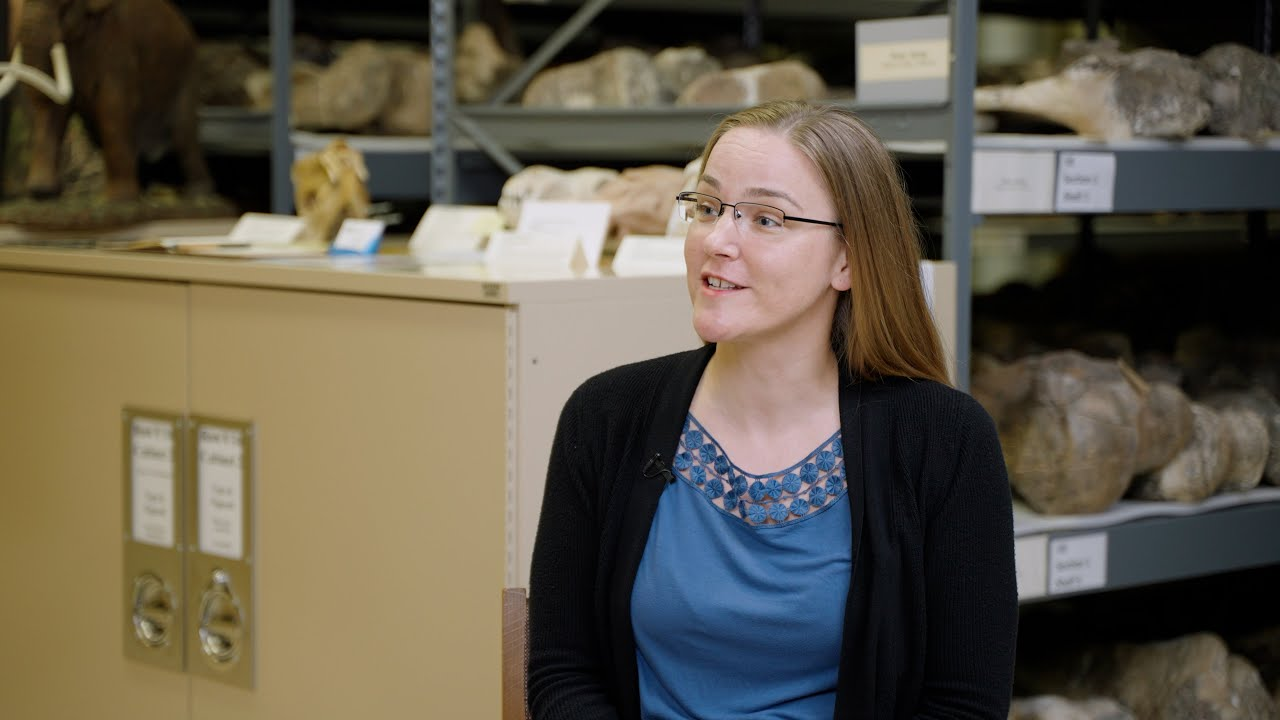
ESCONI November 2025 General Meeting – November 14th, 2025 at 8:00 PM via Zoom – “Mammals of Illinois’ Ice Ages”
Read more: ESCONI November 2025 General Meeting – November 14th, 2025 at 8:00 PM via Zoom – “Mammals of Illinois’ Ice Ages”The November 2025 General Meeting will be held on Friday, November 14th, 2025 at 8:00 via Zoom. Melissa Pardi, Curator of Geology at the Illinois State Museum, will be presenting “Mammals of Illinois’ Ice Ages”. Did you know that Illinois used to have elephants? During the last ice age, North America was home to a wide variety of large, now extinct, mammals. Come hear about fossil finds in Illinois and what they can teach us about the giants that used to live in our backyards. Esconi Host is inviting you to a scheduled Zoom meeting. Topic: ESCONI General Meeting Nov 14,…
-

Save the Date: ESCONI 2025 Holiday Luncheon
Read more: Save the Date: ESCONI 2025 Holiday LuncheonESCONI’s Holiday LuncheonSaturday, December 6, 2025 – 12:00 noonWarren’s Ale House, 51 Town Square, Wheaton. (Just north of Danada Square East)Website for Warren’s Ale House with Map & Menu:https://warrensalehouse.com/contact-us/RSVP: RSVPtoESCONI@outlook.com
-

Mazon Monday #294: Montceau-les-Mines
Read more: Mazon Monday #294: Montceau-les-MinesThis is Mazon Monday post #294. What’s your favorite Mazon Creek fossil? Tell us at email:esconi.info@gmail.com. Montceau-les-Mines is a commune located in the Saône-et-Loire department of the Bourgogne–Franche-Comté region in eastern France. It lies southwest of the city of Dijon and today has a population of just under 20,000 people. The town was officially established on June 24, 1856, from territory taken from several nearby villages — Blanzy, Saint-Vallier, Saint-Berain-sous-Sanvignes, and Sanvignes-les-Mines. Like many communities with “-les-Mines” in their name, Montceau’s history is closely tied to coal. The first coal deposits were discovered in the area during the 16th century, leading…
-
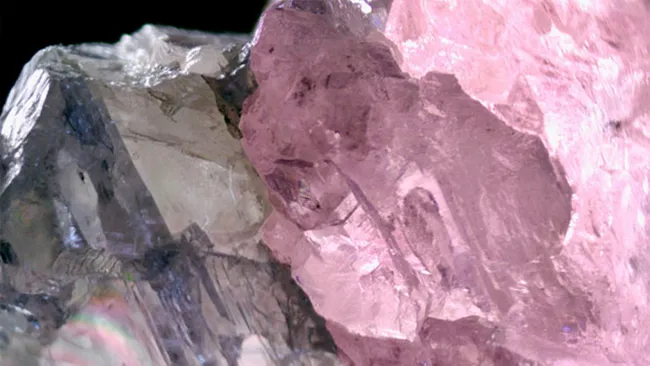
Rare half-pink rough diamond with ‘astounding’ weight of 37.4 carats discovered in Botswana
Read more: Rare half-pink rough diamond with ‘astounding’ weight of 37.4 carats discovered in BotswanaLive Science has a story about the discovery of a very large pink diamond. The diamond weighs 37.4 carats. It was discovered in Botwana and likely formed in two stages as it has two colors… pink and colorless. The pink half probably formed first, but from what scientists know about colorful diamonds, there’s a good chance that it wasn’t always this rosy, Sally Eaton-Magaña, senior manager of diamond identification at GIA, said in a statement emailed to Live Science. “The pink section likely was initially colorless and then plastically deformed, perhaps by a mountain-forming event millions of years ago, resulting in…
-

PBS Eons: When We Left The Water (By Accident)
Read more: PBS Eons: When We Left The Water (By Accident)PBS Eons has a new episode. This one is about when tetrapods moved from the water onto land… It’s beginning to look like our success on land, and that of all tetrapods, from frogs to dogs to dinosaurs, was just a lucky side-effect of fish trying to stay fish.
-

Fossil Friday #289: Asolanus camptotaenia bark from the Mazon River
Read more: Fossil Friday #289: Asolanus camptotaenia bark from the Mazon RiverThis is the “Fossil Friday” post #289. Expect this to be a regular feature of the website. We will post fossil pictures you send in to esconi.info@gmail.com. Please include a short description or story. Check the #FossilFriday Bluesky/Twitter hash tag for contributions from around the world! Recently, George Witaszek sent us photos of a rare Mazon Creek fossil. He found fossils of the inner bark of Asolanus camptotaenia. A. camptotaenia was described by Horatio Curtis Wood in 1860, “Contributions to the Carboniferous flora of the United States“, Acad. Nat. Sci. Philadelphia Proc. 1860 12: 236-240. The locatity and position for the…
-

Throwback Thursday #289: Happy 200th Birthday, Erie Canal!
Read more: Throwback Thursday #289: Happy 200th Birthday, Erie Canal!This is Throwback Thursday #289. In these, we look back into the past at ESCONI specifically and Earth Science in general. If you have any contributions, (science, pictures, stories, etc …), please send them to esconi.info@gmail.com. Thanks! email:esconi.info@gmail.com. The Chicago Sun Times ran an interesting piece about the Erie Canal about the 200th birthday of the Erie Canal on October 26th, 2025. The article was written by by Neil Steinberg, a Sun Times Columnist. Steinberg states the Erie Canal was the most significant event in the history of Chicago. What do you think? He makes a great argument, but downplaying the…
-

ESCONI November 2025 Mineral Study Group – November 1st, 2025 at 7:30 PM at the College of DuPage – “Fluorite”
Read more: ESCONI November 2025 Mineral Study Group – November 1st, 2025 at 7:30 PM at the College of DuPage – “Fluorite”The ESCONI Mineral Study Group will meet on Saturday, November 1st, 2025 at 7:30 PM in TEC 1038B at College of DuPage in Glen Ellyn. See Directions and Map below. The program will be on “Fluorite”. Southern Illinois was once a major producer of world-class fluorite specimens, primarily from Hardin County. While no commercial mining currently operates, you can still find fluorite through surface collecting or by searching areas where previous mines were located. Join us as we talk about all things fluorite, look at pictures of beautiful examples and examine many impressive specimens in person. If you have your own examples of…
-

Will County Forest Preserve: Silurian Trilobite Souvenirs
Read more: Will County Forest Preserve: Silurian Trilobite SouvenirsEvent details ***Please note this program is being offered virtually via Zoom.*** Join Donald G. Mikulic for a fascinating look at the trilobite fossils left behind by the Silurian Sea that was once right here in Will County! Mikulic was a senior paleontologist at the University of Illinois Urbana-Champaign and served as the curator of Weis Earth Science Museum. He has edited books about fossils, including “Fabulous Fossils: 300 Years of Worldwide Research on Trilobites.” Log in and learn from the expert! Event information Date: Thursday, November 13, 2025Time: 6:00 p.m. to 7:00 p.m.Fee: Free!Age: Ages 14 or older.Contact: 815-722-9301 Event requirements Registration required by…
-

Mazon Monday #293: Mazon Creek Project Slides
Read more: Mazon Monday #293: Mazon Creek Project SlidesThis is Mazon Monday post #293. What’s your favorite Mazon Creek fossil? Tell us at email:esconi.info@gmail.com. The Mazon Creek Project was a program sponsored by Northeastern Illinois University. Founded in the 1960s, by the late Eugene Richardson Curator of Fossil Invertebrates at the Field Museum in Chicago Illinois. It was originally an attempt to encourage more communication between paleontologists and amateur collectors. After Peabody Coal Company sold Pit 11 to Commonwealth Edison for the construction of the Braidwood Nuclear Power Plant, some areas were lost to collecting. The main goal of the project became keeping the Mazonia-Braidwood Conservation Area open for…
-

ESCONI Events for November 2025
Read more: ESCONI Events for November 2025Field trips require membership, but visitors are welcome at all meetings! Sat, Nov 1st Mineralogy Study Group Meeting – 7:30 PM at the College of DuPage Technical Education Center (TEC) Building – Room 1038B (Map) – “Fluorite” Bring your specimens for “Show and Tell” Sat, Nov 8th Junior Group Meeting – 6:30 PM There will be a presentation about the discovery of “Teen Rex”. Specifics of this meeting are available from Scott Galloway, 630-670-2591, gallowayscottf@gmail.com. The meeting will be in person at the College of DuPage Technical Education Center (TEC) Building – Room 1038A (Map). Fri, Nov 14th General Meeting – 8:00 PM – via Zoom. Melissa Pardi, Curator…
-

PBS Eons: Bed bugs, our first pest
Read more: PBS Eons: Bed bugs, our first pestPBS Eons has a YouTube Short about bed bugs.
-
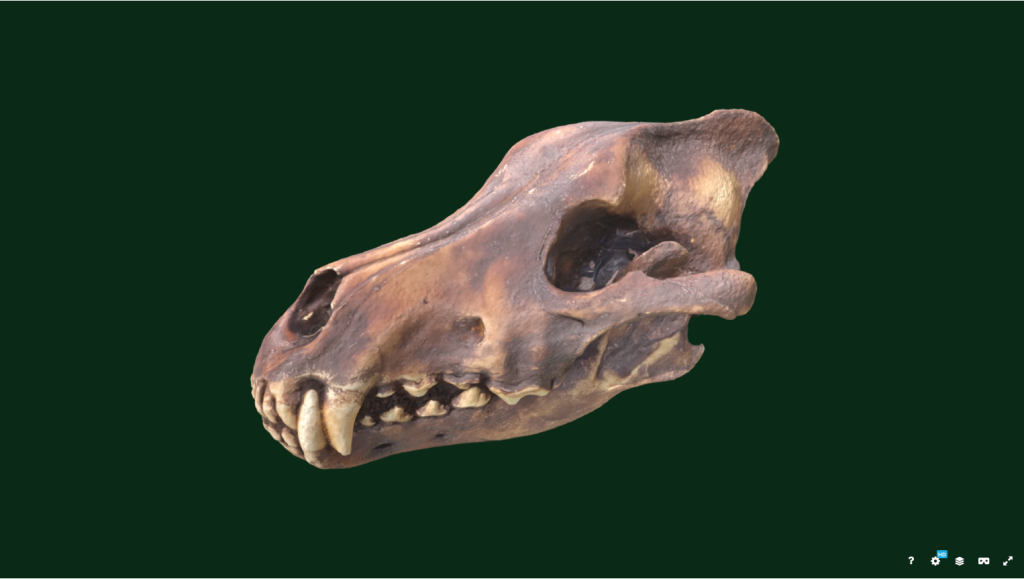
Video for ESCONI October 2025 Paleontology Study Group Meeting – “Creating 3D Digital Models for Paleontology”
Read more: Video for ESCONI October 2025 Paleontology Study Group Meeting – “Creating 3D Digital Models for Paleontology”The October 2025 Paleontology Study Group Meeting will be held on October 18th, 2025 at 7:30 via Zoom. The topic is “Creating 3D Digital Models for Paleontology”. It will be presented byShellie Luallin. Shellie Luallin will be presenting “Creating 3D Digital Models for Paleontology”. 3D models increasingly appear in the digital realm – in TV shows, movies, commercials, and in science. Methods to create models grow more sophisticated – and expensive. Still, there is an affordable and achievable way to create models that can help in many ways such as identifying specimens and teaching about them. This presentation will include…