Tag: Permian mass extinction
-
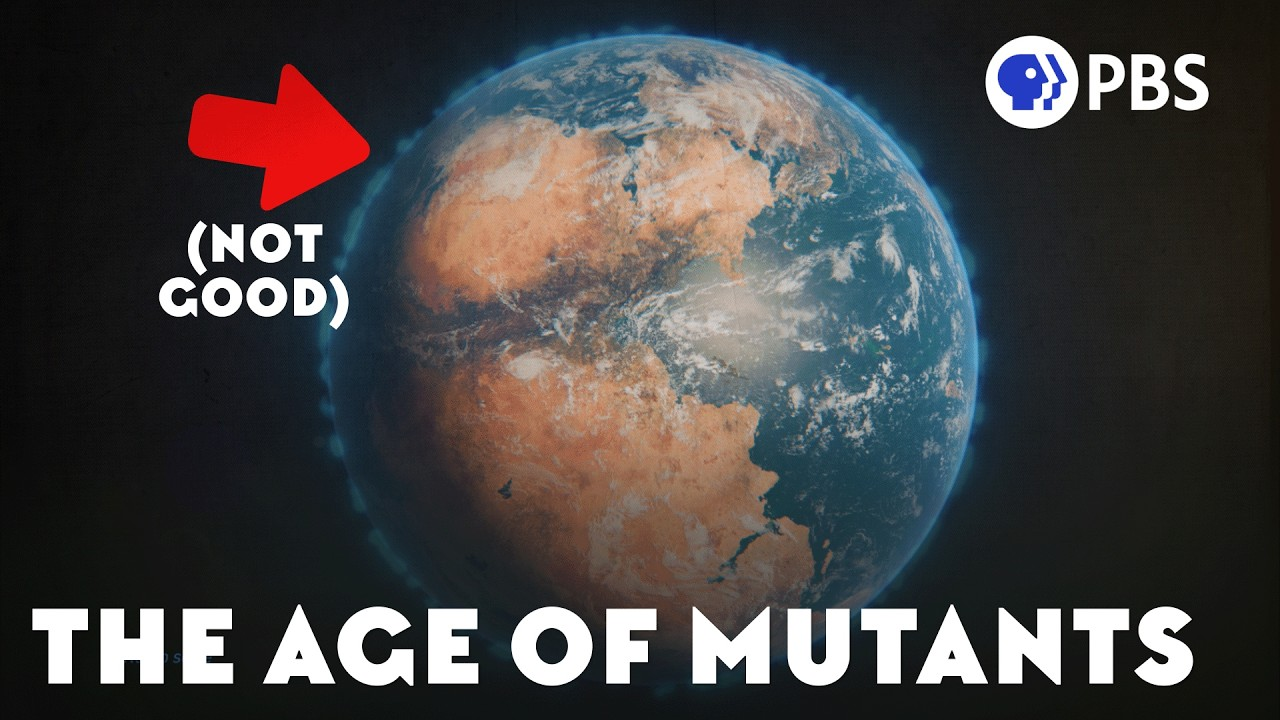
PBS Eons: Did the Ozone Collapse 252 Million Years Ago?
PBS Eons has a new video. This is another one about the Great Dying about 252 million years ago. What was it about the Great Dying that caused a global age of mutant plants? And could figuring it out help us avoid triggering the next one? Watch Eons: Life and Death on Pangea on the…
-

Refuge from the worst mass extinction in Earth’s history discovered fossilized in China
Live Science has an interesting piece about refugia during the “Great Dying”. The End Permian mass extinction was Earth’s worst with an an estimated 80% of life going extinct. A new paper “Refugium amidst ruins: Unearthing the lost flora that escaped the end-Permian mass extinction” in the journal Science Advances, describes a refuge from the…
-

PBS Eons: Could You Survive The Great Dying?
PBS Eons has another interesting episode. This one is about the Permian Mass Extinction, which is often referred to as the "Great Dying" as more than 90% of all species went extinct during this event. The cause is thought to be massive flood basalt volcanic eruptions in what is now Siberia about 250 million years…
-

Earth’s Worst Mass Extinction Took Ten Times Longer on Land Than in the Water
SciTechDaily has a story about the Permian Mass Extinction. The worst mass extinction in Earth’s history, the Permian Mass Extinction happened about 252 million years ago. Researchers at the Field Museum in Chicago looked at the rate of extinction on land to see if it matched what is seen in the oceans. They found the…
-

Phys.org: New study investigates how life on land recovered after ‘The Great Dying’
Phys.org has a story about the Permian Mass Extinction. A new study by an international team of scientists from multiple universities in China, Britain, and the United States looked at why communities took so long to recover after the “Great Dying”, which took place 252 million years ago at the end of the Permian Period. …
-
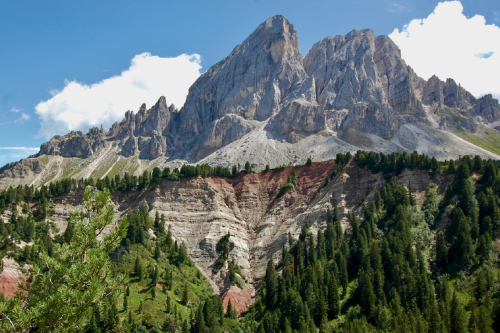
NYT: Burning Fossil Fuels Helped Drive Earth’s Most Massive Extinction
The New York Times Trilobites column has a story about the Permian Mass Extinction event. A paper published in the journal Geology adds more evidence to the theory that this mass extinction was driven by volcanic eruptions through ancient oil and coal deposits in Siberia. The study looked at chemical traces in the rocks in…
-

Trilobite Tuesday #29: Why did trilobites go extinct?
LiveScience has a piece about the extinction of the trilobites. Trilobites existed on Earth for about 270 million years from the early Cambrian until the Permian Mass Extinction. Many organisms went extinct during that time… perhaps upward of 90% of species. But, it’s still an open question that has not been completely answered. During their…
-
SciNews: New Research Provides Comprehensive Reconstruction of End-Permian Mass Extinction
SciNews has a story about new research that provides insights into the causes of the “Great Dying”. The End Permian Mass Extinction was the worst extinctionsin Earth’s history. It occurred about 252 million years ago. During it, about 96% of all marine species and over 70% of terrestrial species went extinct. Those percentages are for…
-
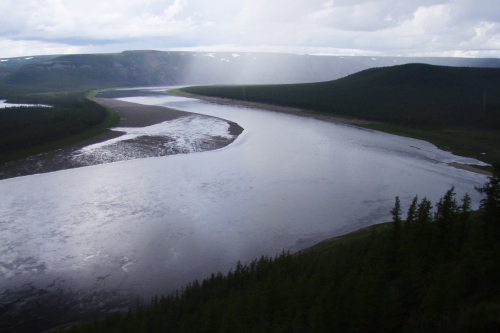
The Epic Siberian Journey to Solve a Mass Extinction Mystery
Wired has an article about research into the Permian-Triassic mass extinction event, which happened about 250 million years ago. Sometimes called “The Great Dying”, this event, which was really a series of events, took out about 70% of land species and more than 95% of marine species. The current theory about its cause is a runaway…
-
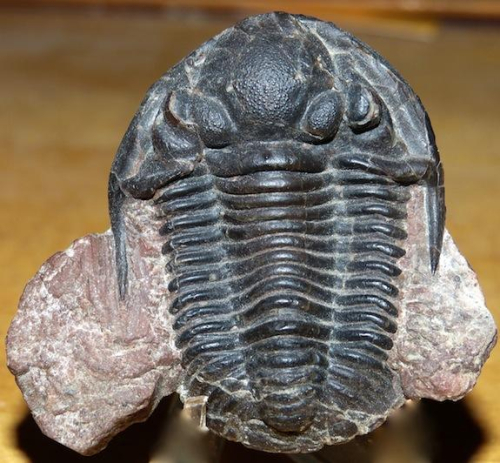
Trilobite Tuesday #15: The Last of the Trilobites
Both the American Museum of Natural History and Trilobites.info have pages on “The Last Trilobites”. By the end of the Permian, trilobites had existed for nearly 300 million years. That stretch of time spread from the lower Cambrian to the mass extinction events at the end of the Permian. Their highest diversity was during the…
-
NYT: The Planet Has Seen Sudden Warming Before. It Wiped Out Almost Everything
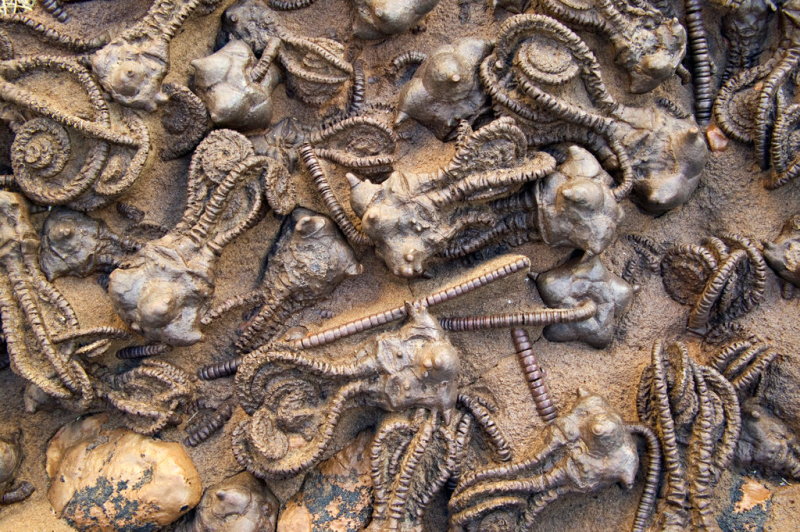
The New Your Times has a good article about the Permian Mass Extinction on Carl Zimmer’s Matter blog. The story is in response to a new study published in Science. No real surprises as climate change was the driving force. And we may be repeating the process, the scientists warn. If so, then climate change…
-
End-Permian extinction, which wiped out most of Earth’s species, was instantaneous in geological time
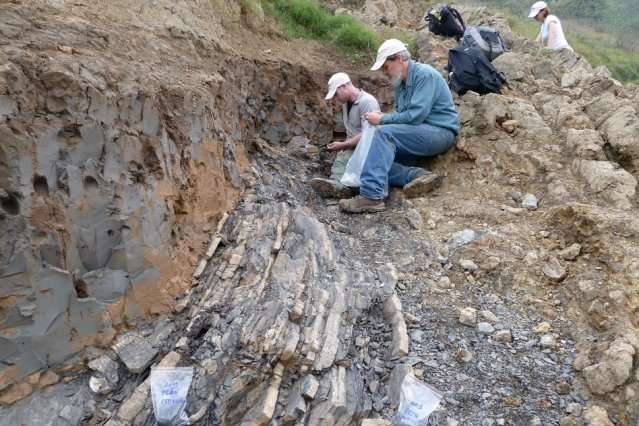
Phys.org has a story about new research into the Permian Mass Extinction. The research was detailed in a paper in the GSA Bulletin. The study was a collaboration between scientists at MIT, the Chinese Academy of Sciences, the National Museum of Natural History, and the University of Calgary. For over two decades, scientists have tried…

