Tag: North America
-
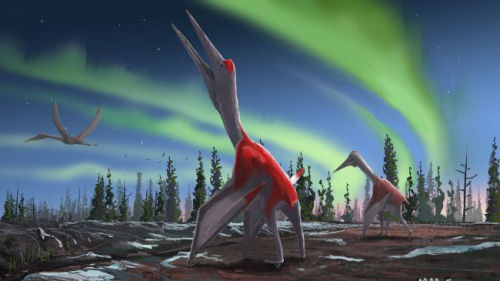
LiveScience: Meet ‘Cold Dragon of the North Winds,’ the Giant Pterosaur That Once Soared Across Canadian Skies
Live Science has a story about a new giant pterosaur. The animal, Cryodrakon boreas (cold dragon of the north winds), was discovered in Dinosaur Provincial Park in Alberta, Canada. It is thought to have lived between 77 million to 74 million years ago. The bones were originally found decades ago and were thought to be…
-

The Forgotten Paleontologist: A Commentary by Keith Robitschek
The discovery: Paleontological events are based on theory and evidence is required to prove that an event actually occurred. Today, the event that occurred sixty-six million years ago at the Yucatan peninsula has been proven through scientific research based on core samples at the impact site and iridium analyses in the K-Pg boundary that was…
-
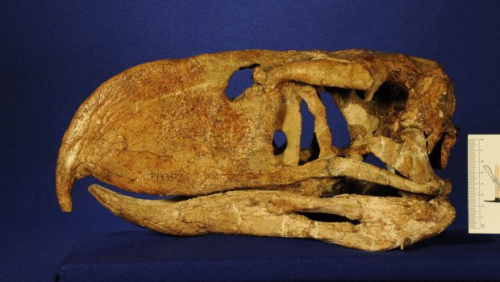
Palaeocast Episode 103: Terror birds
A new episode of Palaeocast is out. This one is about Terror birds. These are large flightless birds that evolved after the K-Pg extinction event. They originated in South America and migrated up to North America when the Isthmus of Panama formed almost 3 million years ago. Personally, I’ve always found these animals fascinating! Terror…
-

PBS Eons: The Hellacious Lives of the “Hell Pigs”
Check out the episode of PBS Eons about “Hell Pigs”. Archaeotherium and Daeodon were species that lived in North America from about 40 million to 17 million years ago. The group may be most closely related to modern whales and hippos. As always, a very interesting and informative video! Despite the name, we don’t…
-
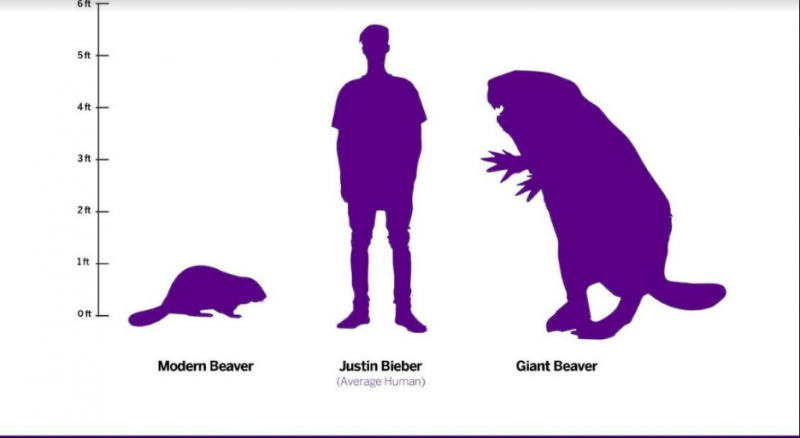
Why Did These Human-Sized Beavers Go Extinct During the Last Ice Age?
The Smithsonian.com has a post about the extinction of 7 foot tall beavers. Up until just over 10,000 years ago, large beavers weighting upwards of 220 pounds roamed a large part of North America, from Alaska and Canada to Florida. A new study, by a group of Canadian researchers, was published in the journal Scientific…
-
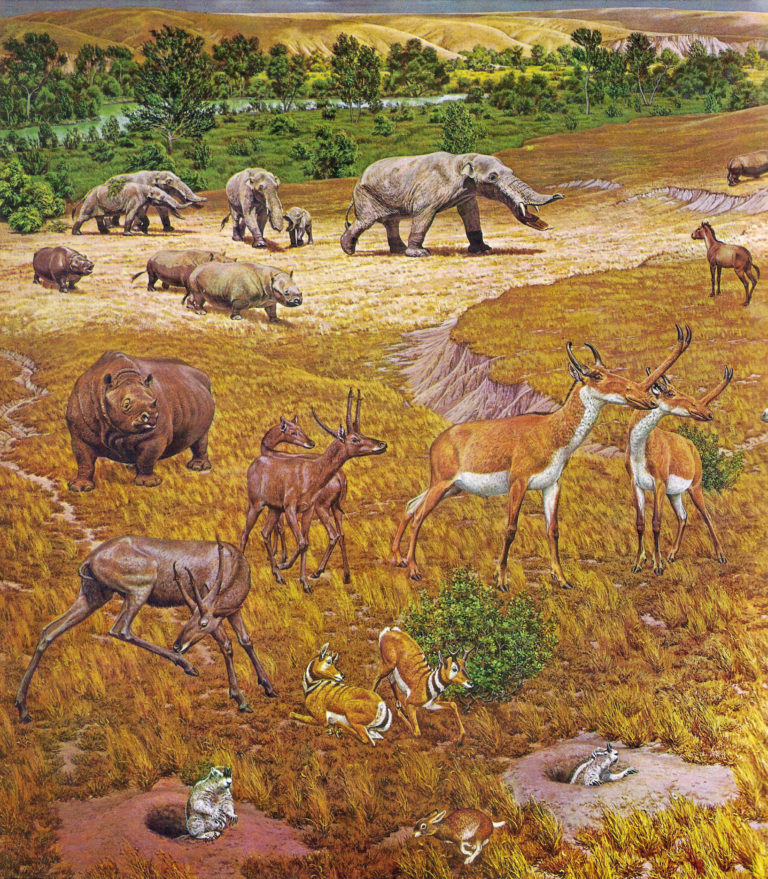
Ancient “Texas Serengeti” Had Elephant-Like Animals, Rhinos, Alligators and More
The University of Texas (UT News) has a press release about some recent work to catalog and identify a large collection of fossils collected near Beeville, TX during the Great Depression. Described as a “Texas Serengeti”, the collection includes specimens of elephant-like animals, rhinos, alligators, antelopes, camels, 12 types of horses, and several carnivores. In…
-
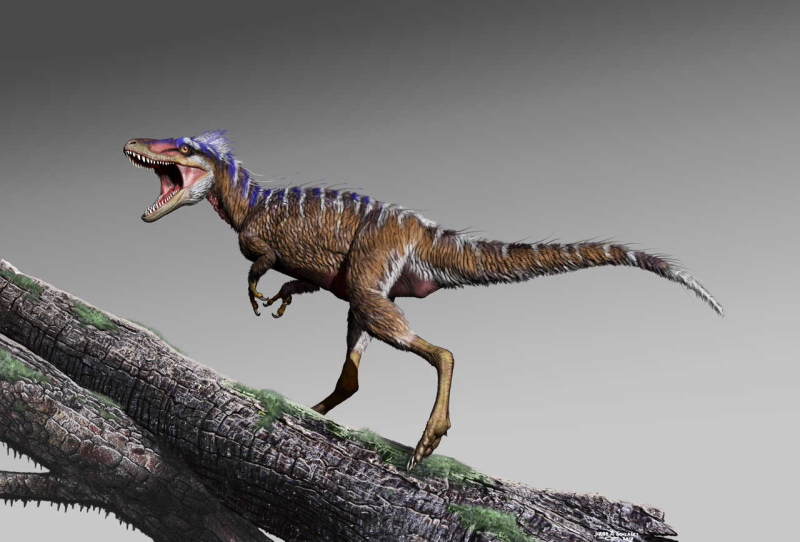
Quicks & Quarks: Tiny tyrannosaur fossil helps scientists understand how T-rex grew so large
CBC’s Quirks & Quarks has a segment about a tiny tyrannosaur that helps shed light on how T-rex grew so large. The animal, Moros intrepodus, was found by Dr. Lindsay Zanno. She’s head of paleontology at the North Carolina Museum of Natural Sciences and research professor at N.C. State University in Raleigh. You might remember…
-
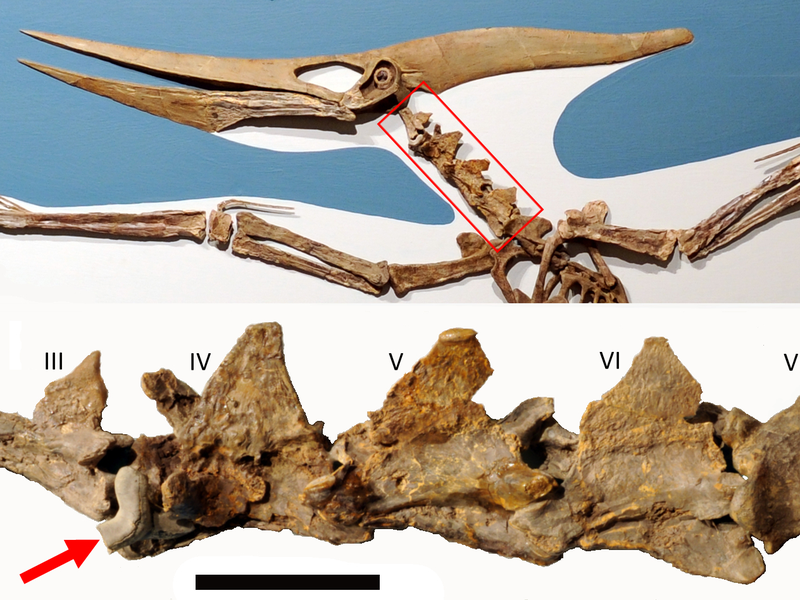
What Is a Shark Tooth Doing in the Neck of a Flying Pterosaur?
LiveScience has an article about the curious discovery of a shark tooth. Back in 1965, the fossil of a large pterosaur, a Pteranodon, was discovered in the Smoky Hill Chalk formation in Kansas. The animal lived between about 86 and 83 million years ago. It had a wingspan of about 16 feet. It seems that…
