Tag: insects
-

Fossil Friday #81: Mazon Creek Roachoid
This is the “Fossil Friday” post #81. Expect this to be a somewhat regular feature of the website. We will post any fossil pictures you send in to esconi.info@gmail.com. Please include a short description or story. Check the #FossilFriday Twitter hash tag for contributions from around the world! For this week’s Fossil Friday, we have…
-

PBS Eons: How Pollination Got Going Twice
PBS Eons has a new episode on Youtube. This one is about how pollination by insects evolved twice. The world of the Jurassic was a lot like ours – similar interactions between plants and insects were happening, but the players have changed over time. Because it looks like pollination by insects actually got going…
-

A Huge, Unknown Cambrian Bug Fossil Has Been Found in The Eerie Burgess Shale
Science Alert has a story about a new arthropod discovered in the Burgess Shale. The Burgess Shale is a fossil deposit located in British Columbia which gives visibility into the explosion of life during the Cambrian Period more that 500 million years ago. This new animal, Titanokorys gainesi, was more than a foot long, which…
-
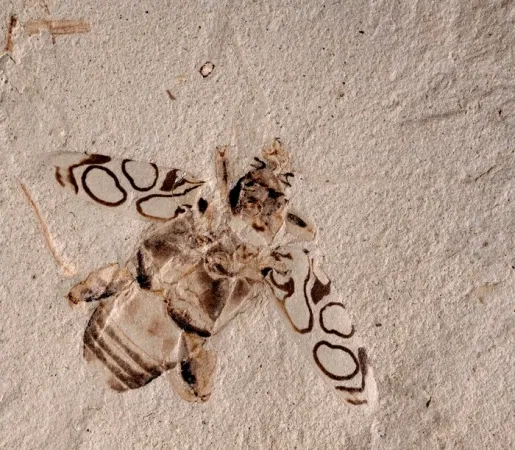
Scientists name new frog-legged beetle fossil for Sir David Attenborough
Phys.org has a story about a newly described fossil insect. The beetle, Pulchritudo attenboroughi, is named for Sir David Attenborough. The name means “Attenborough’s Beauty”. It was found in what is now Colorado in the famous Green River Formation. The full description of the insect appeared in a paper in the journal Papers in Paleontology.…
-
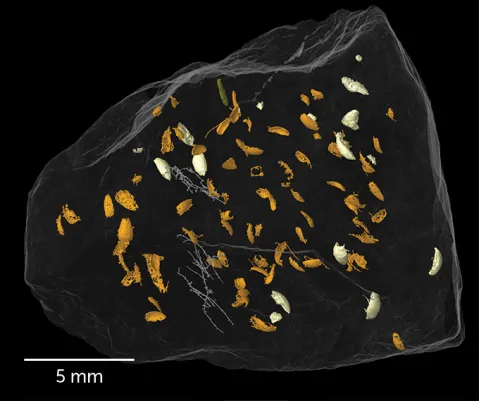
This ancient beetle is the first new species discovered in fossilized poop
Sciencemag,com has a story about a new beetle species, Triamyxa coprolithica, discovered in a coprolite. The fossil dates to about 230 million years ago. Coprolites, which are fossilized dung, can be used to study what plants were eaten by herbivores back when the dung was deposited. Previously, fossilized bone and phytoliths, which are microscopic silica…
-
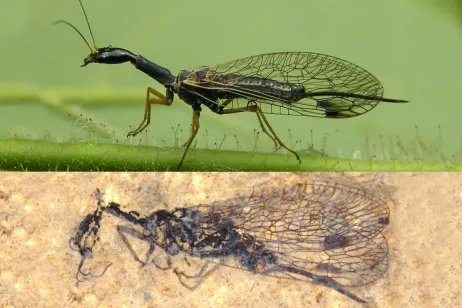
Fossil discovery deepens snakefly mystery
Phys.org has an interesting story about some unique insects. Snakeflies are slender, predatory insects that are native to the northern hemisphere and absent from tropical regions. It had been thought the animals needed cold winters to trigger development into adults. However, some new fossil discoveries from British Columbia and Washington state contradict that theory. These…
-

Fossil Friday #49: Insects from the Eocene, Green River Formation, Colorado
This is the “Fossil Friday” post #49. Expect this to be a somewhat regular feature of the website. We will post any fossil pictures you send in to esconi.info@gmail.com. Please include a short description or story. Check the #FossilFriday Twitter hash tag for contributions from around the world! Today’s interesting contribution comes from ESCONI 1st…
-
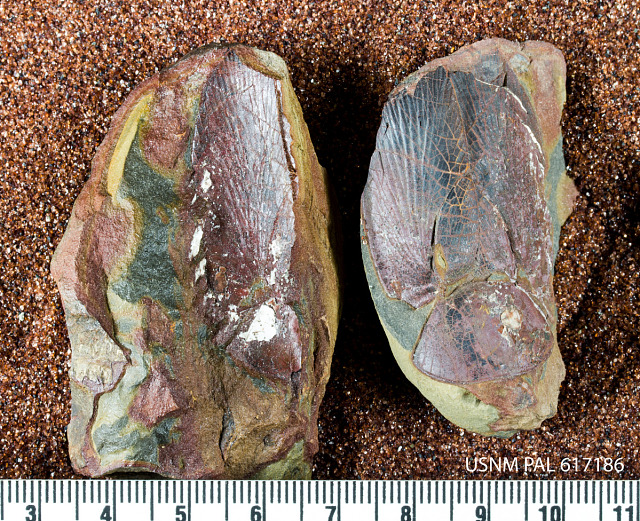
Fossil Friday #47: Roachoid!
This is the “Fossil Friday” post #47. Expect this to be a somewhat regular feature of the website. We will post any fossil pictures you send in to esconi.info@gmail.com. Please include a short description or story. Check the #FossilFriday Twitter hash tag for contributions from around the world! —————————————————– Okay, don’t get put off from…
-
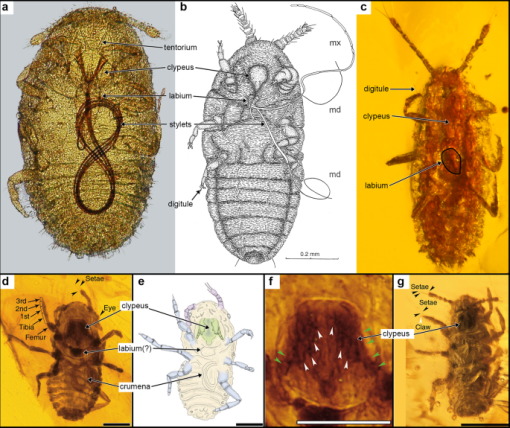
Nature: Insects with 100 million-year-old dinosaur feathers are not ectoparasites
Nature has an open access paper which looked deeper into the discovery of insects found on dinosaur feathers preserved in amber. The amber was found in the Myanmar and dates to the mid-Cretaceous Period about 100 million years ago. The original paper “New insects feeding on dinosaur feather in mid-Cretaceous amber” was published in 2019.…
-
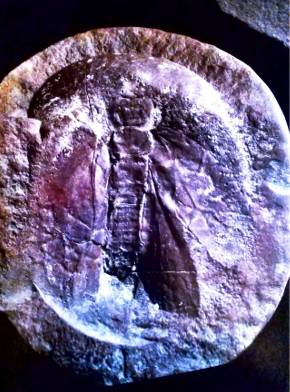
Mazon Monday #46: Insects Part 4 – Roachoids
This is Mazon Monday post #46. What’s your favorite Mazon Creek fossil? Tell us at email:esconi.info@gmail.com. This week, as part of our series on Mazon Creek insects, we are looking at roaches, or to be more correct roachoids, as true roaches don’t show up in the fossil record until the late Jurassic. Roachoids are the…
-
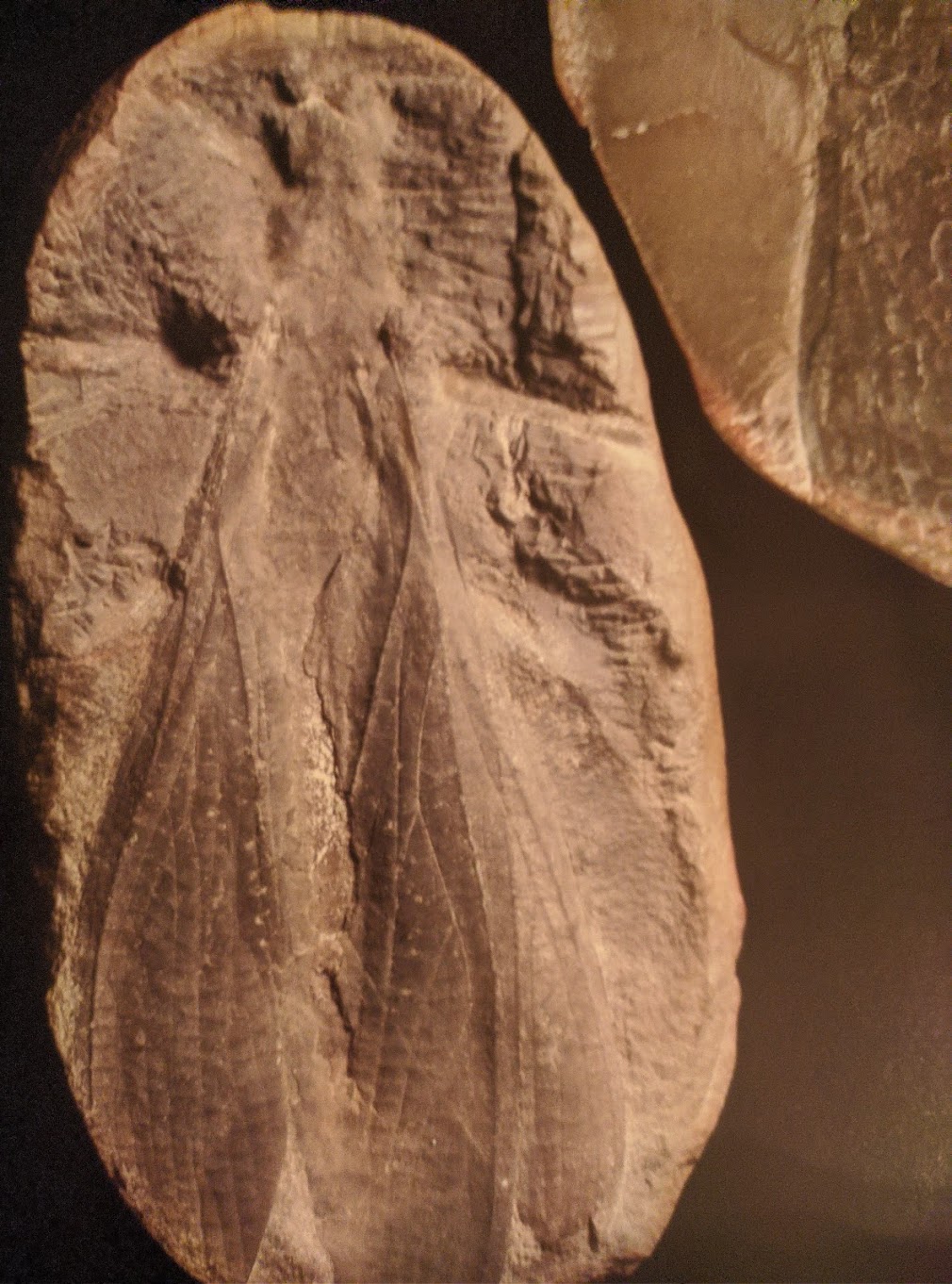
Mazon Monday #45: Insects Part 3 – Gerarids
This is Mazon Monday post #45. What’s your favorite Mazon Creek fossil? Tell us at email:esconi.info@gmail.com. The gerarids are large winged insects from the Carboniferous Period. Fossils of gerarids have been found in deposits from Mazon Creek and Commentry, France. The animals are known for a distinctive stalked head. Some have spikes on their thorax. …
-
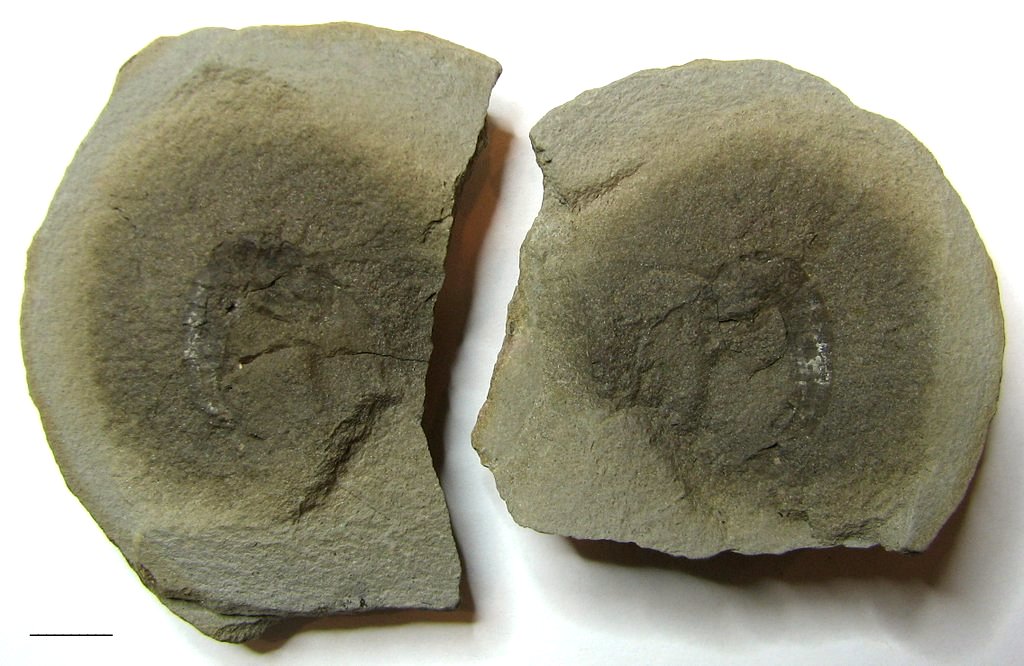
Mazon Monday #44: Insects Part 2 – Monurans
This is Mazon Monday post #44. What’s your favorite Mazon Creek fossil? Tell us at email:esconi.info@gmail.com. Monurans are an extinct order of wingless insects. They are known from the Mazon Creek biota, other Carboniferous localities, and have been found in later deposits that date to the Permian. They get their name for the single tail…
-
PBS Eons: The Reign of the Hell Ants
There’s a new episode of PBS Eons. This one is about the Hell Ants… an extinct group of ants that might give us clues about eusociality. This ancient species had the same six legs and segmented body that we’d recognize from an ant today. But it also had a huge, scythe-like jaw and a…
-
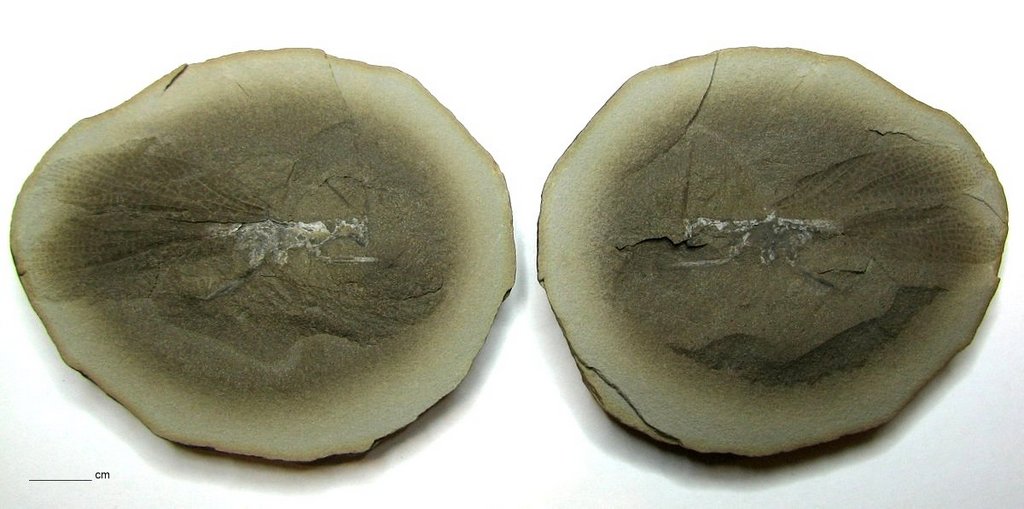
Fossil Friday #40: Heterologus langfordorum
This is the “Fossil Friday” post #40. Expect this to be a somewhat regular feature of the website. We will post any fossil pictures you send in to esconi.info@gmail.com. Please include a short description or story. Check the #FossilFriday Twitter hash tag for contributions from around the world! Remember Heterologus langfordorum, a winged insect from…
-

Mazon Monday #43: Insects Part 1
This is Mazon Monday post #43. What’s your favorite Mazon Creek fossil? Tell us at email:esconi.info@gmail.com. The insects of Mazon Creek are a hugely, complex subject. We’ll take the next few posts of Mazon Monday to cover this topic. There will be information from multiple sources along with some breathtaking pictures and drawings. Insects are…
-
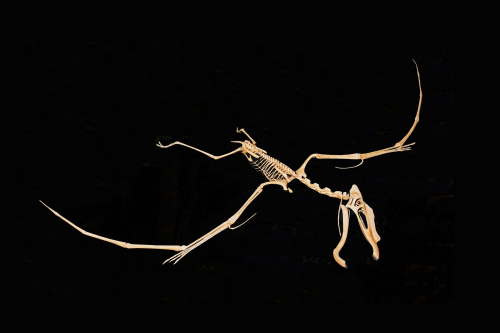
What Did Pterosaurs Eat? Look Very Closely at Their Teeth
Wired.com has a story about pterosaurs. Want to know what an animal eats… look at its teeth! That’s exactly what a paper published in Nature Communications did. The researcher imaged teeth of pterosaurs using a method called infinite focus microscopy. This allowed them to compare the teeth with modern animals, whose diets we know. THE…
-

LiveScience: ‘Tiny bug slayer’ relative of dinosaurs and pterosaurs would have fit in the palm of your hand
LiveScience has a story about a cousin to both dinosaurs and pterosaurs. Kongonaphon kely, meaning “tiny bug slayer”, lived about 237 million years ago, during the Triassic period, in what is now Madagascar. It was discovered in 1998, but just recently described in a paper that appeared in the journal Proceedings of the National Academy…
-
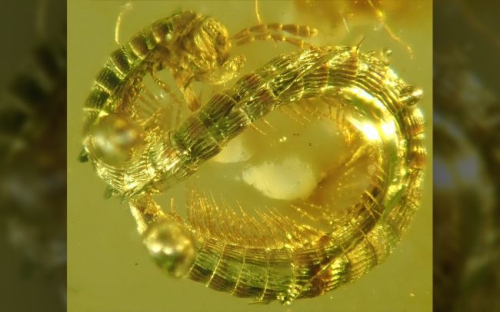
LiveScience: The 100 Best Science Photos of 2019
Live Science has an interesting post, which includes 100 awesome science photos from 2019. Check it out… a great way to relax on New Years Day! Happy New Year from us at ESCONI! About 99 million years ago, a Cretaceous millipede scampered over the forest floor in what is now Southeast Asia, avoiding being squished…
-
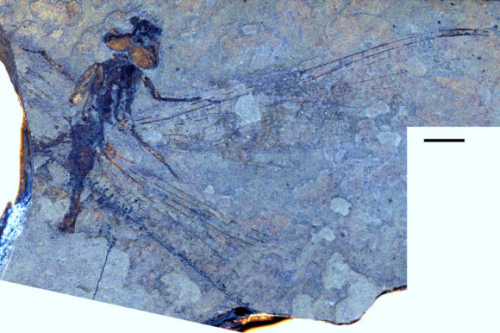
Paleontologists Find Fossils of Six New Dragonfly Species
Sci-News has a post about the discovery of 6 new species of fossil dragonflies. These animals lived about 50 million years ago during the Eocene epoch. The fossils were found in the Okanagan Highlands, whih is an elevated hilly plateau area in British Columbia, Canada and the state of Washington. All the details are in…
-
‘Remarkable’ fossil features an insect trapped in amber, stuck to a dinosaur jaw
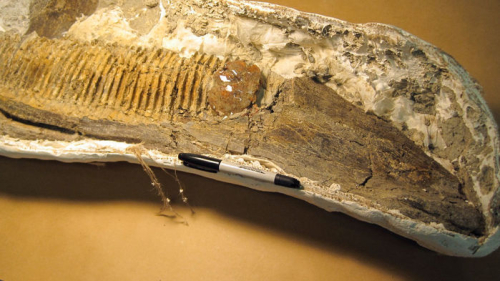
Science has a post about a special fossil insect. The ‘remarkable’ fossil consists of sap-sucking aphids trapped in amber and stuck to the jawbone of a duck-billed dinosaur. It was discovered in 2010 in Dinosaur Provincial Park in Alberta, Canada. All the detail are in a paper publish in the journal Science. The “remarkable” two-for-one…
-
Field Museum: Meet Earth’s smallest superheroes!
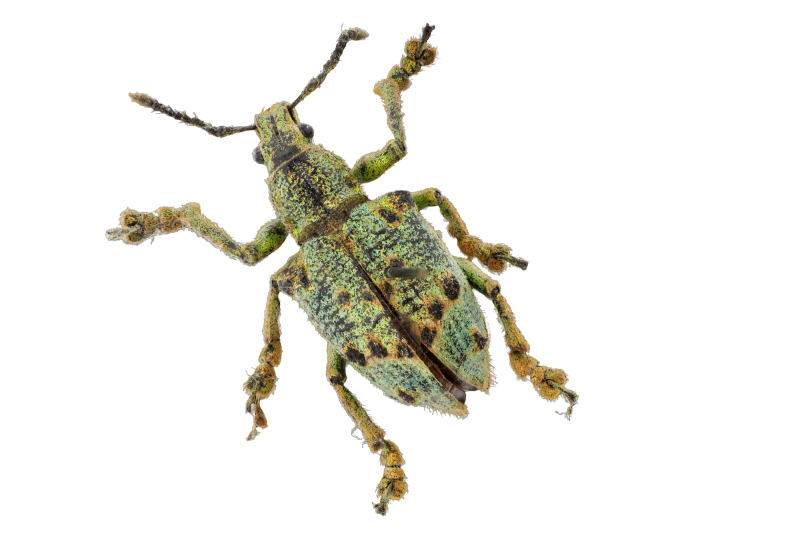
The Field Museum has a new exhibit. It’s called “Fantastic Bug Encounters”. Everything you ever wanted to know about bugs. There’s very informative displays with bunches of specimens, spiders, insects, myriapods, and many less well known types. They have a live bug zoo, where you can pet a hissing cockroach or let a millipede crawl…
-
ScienceMag: Fossils in Burmese amber offer an exquisite view of dinosaur times—and an ethical minefield
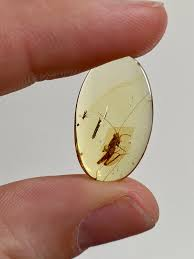
Science Magazine has an interesting piece about the troubled nature of Burmese amber. Dating to about 99 million years ago, Burmese amber has revealed almost unbelievable fossils, from bird wings, to whole lizards, a host of insects, even a feathered dinosaur tail! Over 1000 new species have been described in recent years. Additionally, the…
-
NYT: Insects Flew Before Anything Else Did. So How Did They Get Their Wings?
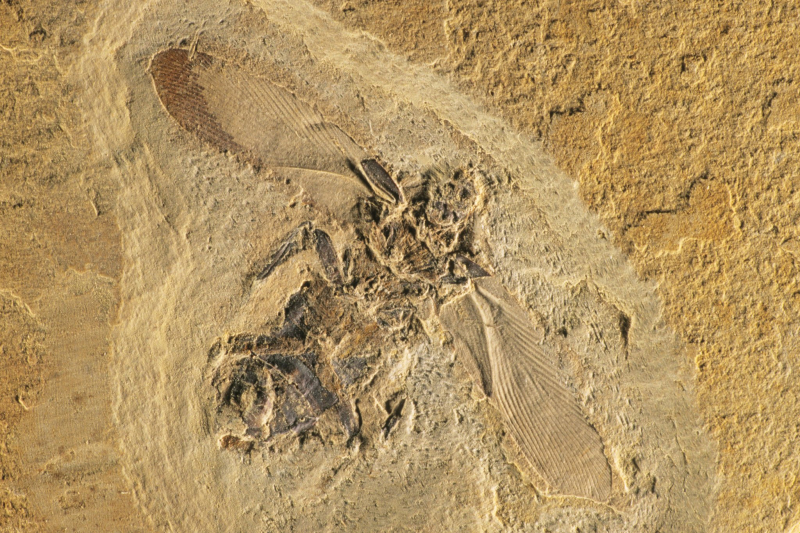
The New York Times has an interesting story about the first flyers… insects. The article discusses recent research to discover how insects evolved the ability to fly. Strange to think that all those Mazon Creek flying insects were pretty new to the world of flying! Beetle wings are often hidden. Nestled behind armored shields on…
-
Oldest-ever bugs found preserved in amber
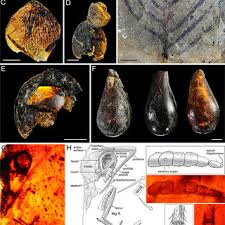
From Discover Magazine: (hat tip Floyd) Three tiny creatures from the Triassic period are the oldest ever to be discovered preserved in amber – about 100 million years older than any other amber arthropod ever collected…. … But even though arthropods are more than 400 million years old, until now the oldest record of the…
-
Amber Yields Clues to the History of Oxygen in Earth’s Atmosphere
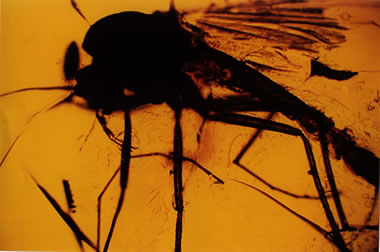
Via geology.com: Gas bubbles trapped in amber show an oxygen-rich Cretaceous atmosphere Republished from an information release posted by USGS in June, 2009. In addition: amber in India’s Cambay area has new information too.
