Tag: fossils
-
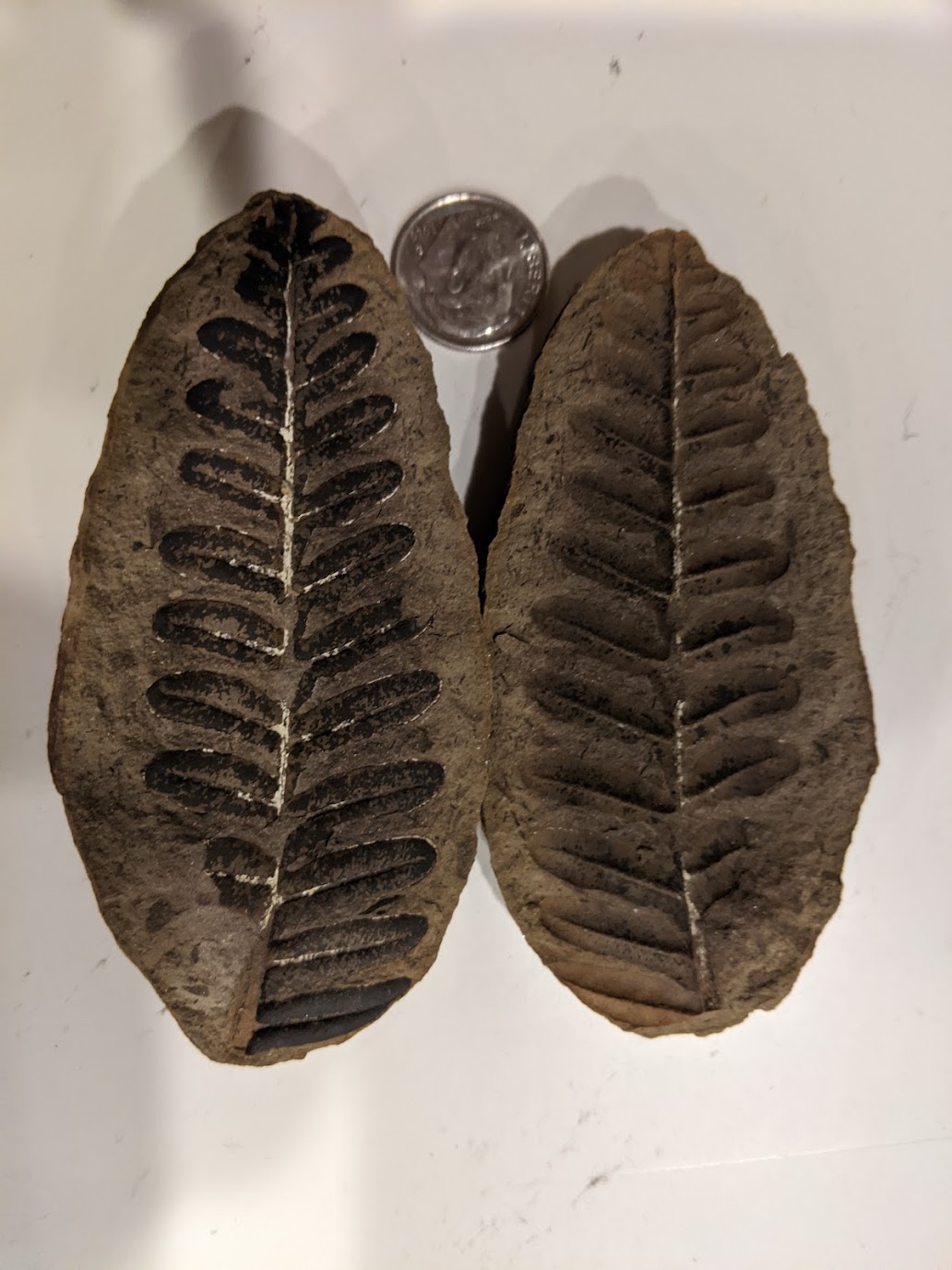
Fossil Friday #85: Callipteridium neuropteroides From Danville Spoil Pile
This is the “Fossil Friday” post #85. Expect this to be a somewhat regular feature of the website. We will post any fossil pictures you send in to esconi.info@gmail.com. Please include a short description or story. Check the #FossilFriday Twitter hash tag for contributions from around the world! You might recall that this year ESCONI…
-
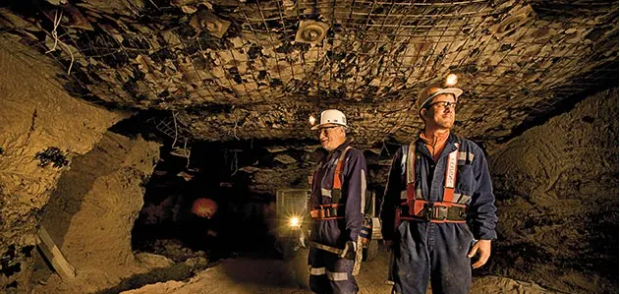
Reminder: ESCONI December 2021 General Meeting – December 3rd, 2021 at 8:00 PM via Zoom – “The Life and Death of the Herrin Peat Swamp – Whys, Whens, and Hows”
The speaker at our December 3, 2021 meeting will be Scott Elrick, Head of the Coal, Bedrock and Industrial Minerals Section of ISGS. The topic of his talk via Zoom will be paleoecology of the Herrin Coal roof shales including depositional environment and climate. This talk should should add context to the fossil flora found…
-
Video for ESCONI June 2021 General Meeting – “The Glasford Structure: A Marine Target Impact Crater with a Possible Connection to the Great Ordovician Meteorite Shower”
The speaker at our June 2021 meeting was Charles Monson from ISGS. Charles recently published on the Glasford Illinois impact structure and its relation to the Ordovician meteor event. WCBU, a joint service of Bradley University and Illinois State University, interviewed Charles back in November 2019. Their program is online and available for listening. His paper was…
-
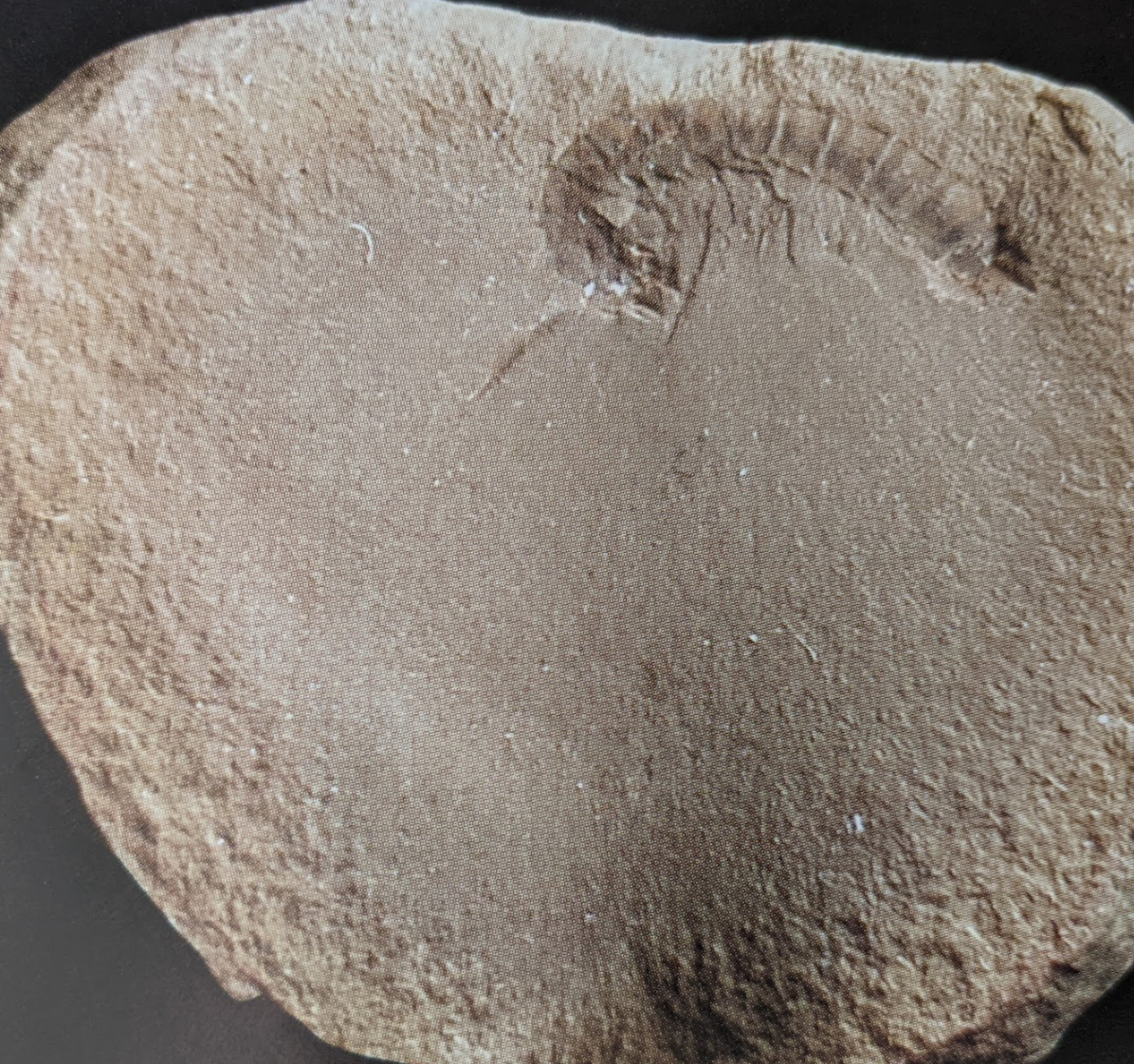
Mazon Monday #88: Hesserella shermani
This is Mazon Monday post #88. What’s your favorite Mazon Creek fossil? Tell us at email:esconi.info@gmail.com. Hesserella shermani is the earliest known isopod in the fossil record. Isopods are crustaceans, which includes shrimp, crabs, and lobsters. Modern day rolly-pollys are isopods, They have many common names like pill bugs, woodlice, and doodle bugs. They are…
-

Weird Tracks in Texas Indicate Giant Sauropods Walking on Their Front Feet Only
Nature Science Alert has a story about sauropods. Some strange footprints, found near Bandera, Texas back in the 1930’s, could show swimming behavior in sauropods. That theory dates to a letter written by Roland T. Bird in 1940 about front foot only prints made by sauropods. A paper in 2019 reexamined the question, but at…
-
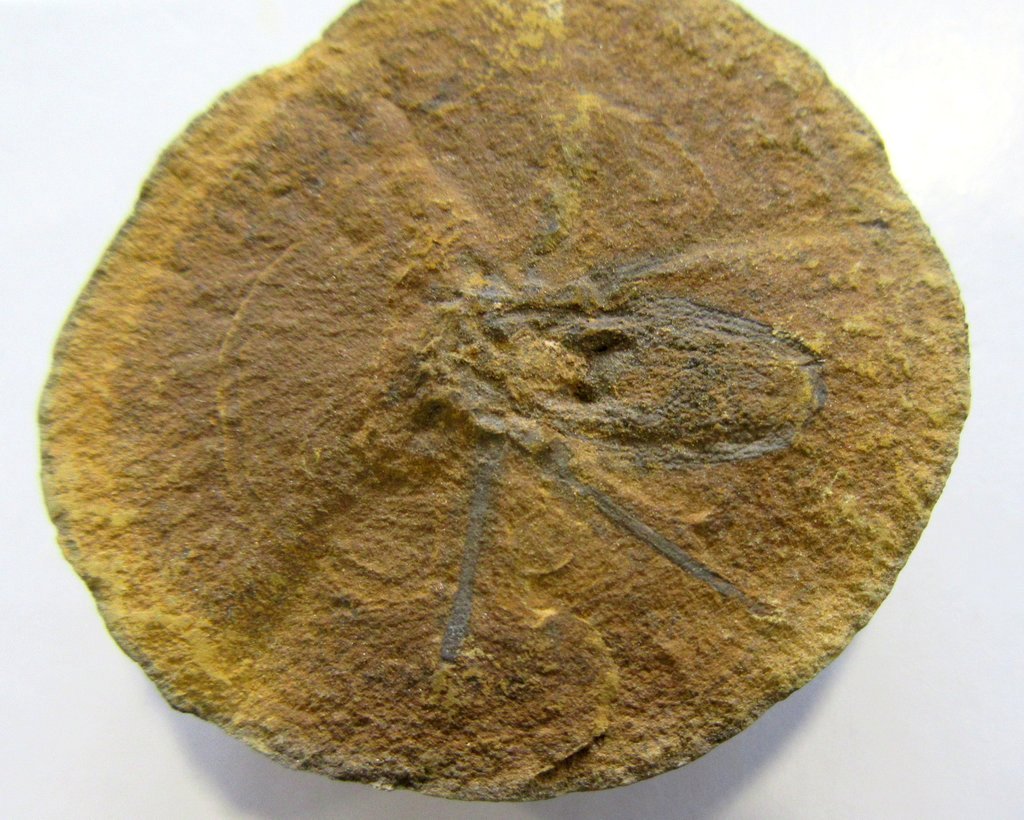
Fossil Friday #84: Spider from Knob Noster
This is the “Fossil Friday” post #84. Expect this to be a somewhat regular feature of the website. We will post any fossil pictures you send in to esconi.info@gmail.com. Please include a short description or story. Check the #FossilFriday Twitter hash tag for contributions from around the world! For the third time this year, we…
-
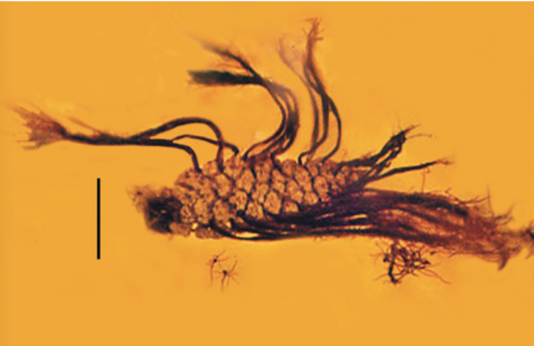
Nature: Ancient Pine Cone Trapped in Amber Shows a Super-Rare Form of Plant ‘Parenting’
Nature ScienceAlert has a story about a pine cone preserved in amber. The fossil, which dates to about 40 million years ago during the Eocene, shows a rare form of parental care in plants. The seeds in the pine cone can be seen to be germinating and sprouting greenery before the cone has fallen to…
-

Mazon Monday #87: Video for November 2021 Paleontology Meeting – “The Linton Ohio Coal Mine; a unique look into Carboniferous Tetrapods”
This is Mazon Monday post #87. What’s your favorite Mazon Creek fossil? Tell us at esconi.info@gmail.com. The ESCONI November 2021 Paleontology was held on Saturday, November, 20th, 2021 at 7:30 PM. The presentation was by ESCONI member Mike Payne. It’s called “The Linton Ohio Coal Mine; a unique look into Carboniferous Tetrapods”. The Diamond Coal…
-
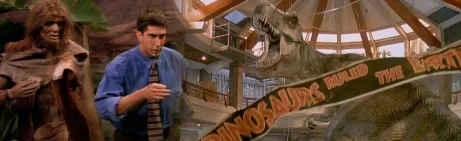
14 Lies About Dinosaurs and Paleontology Movies and TV Have Told You
Cracked.com has a story about the problems with dinosaurs in movies and on TV. Can you believe Hollywood would lie to us about dinosaurs? We mean… How could they? How can they be so conceited as to think that dinosaurs would need their help to be cool? Dinos are much cooler than any other thing that ever…
-

PBS Eons: When It Was Too Hot for Leaves
There is a new episode of PBS Eons. This one is about environmental change the evolution of early plants. Plants first made their way onto land at least 470 million years ago but for their first 80 million years, leaves as we know them today didn’t exist. What held them back?
-
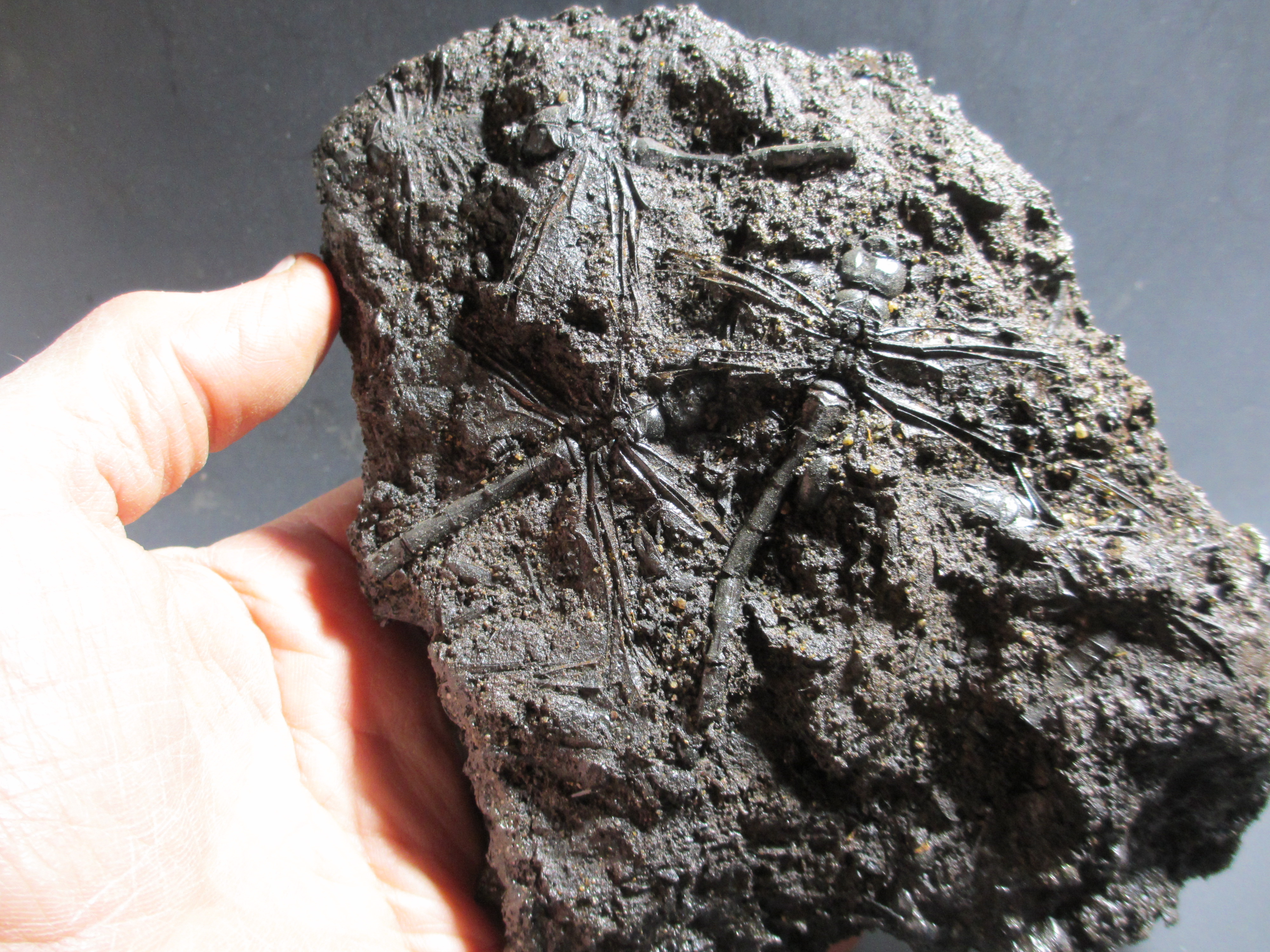
Fossil Friday #83: Tar Pit Fossils
This is the “Fossil Friday” post #83. Expect this to be a somewhat regular feature of the website. We will post any fossil pictures you send in to esconi.info@gmail.com. Please include a short description or story. Check the #FossilFriday Twitter hash tag for contributions from around the world! This week’s stunning contribution comes from long…
-
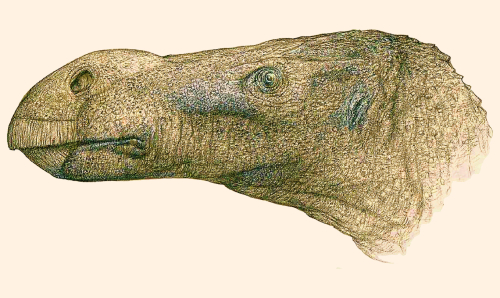
Paleontologists Unearth New Species of Iguanodontian Dinosaur
SciNews has a story about a newly-identified dinosaur. Named Brightstoneus simmondsi, the animal lived about 127 million years ago during the early Cretaceous Period in what is now the Isle of Wight. It weighted about 900 kg (1980 lbs) and measured about 8 meters (26 feet) long. The description was published in the journal Systematic…
-
Mazon Monday #86: Herrin Coal Fossil Guides
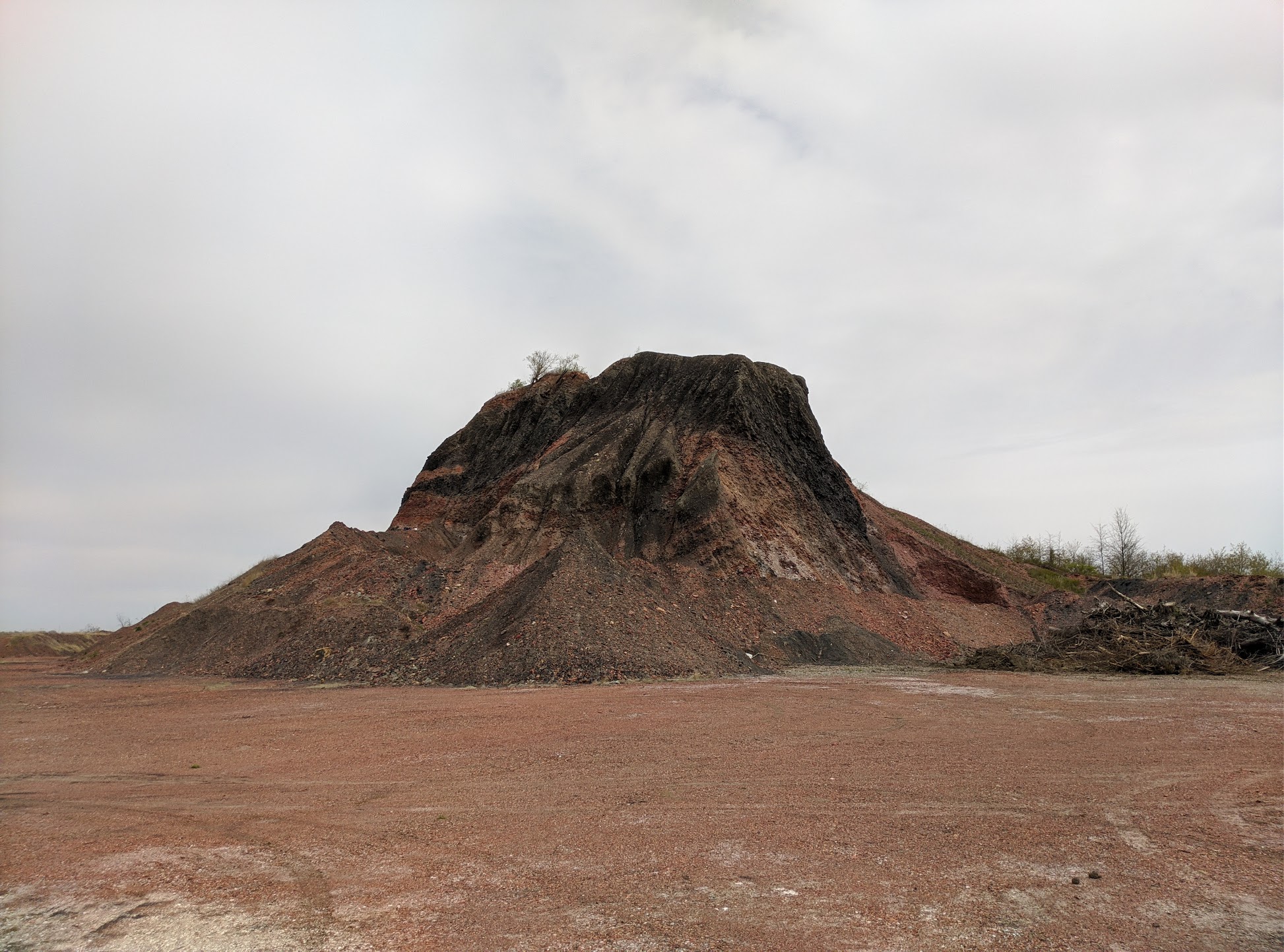
This is Mazon Monday post #86. What’s your favorite Mazon Creek fossil? Tell us at email:esconi.info@gmail.com. In 2021, ESCONI organized two field trips to a shaft mine spoil pile near Danville, IL. Both trips were very successful, with many fascinating specimens collected. You can find more information about these trips at the links below. Here…
-

How did birds survive the dinosaur-killing asteroid?
Live Science has a story about the survival of the birds across the K-Pg boundary. A paper in the journal Science Advances looks at brain size of a fossil birds and theorizes that was a factor that helped them survive. When the dinosaur-killing asteroid collided with Earth about 66 million years ago, it triggered a…
-
Palaeocast Episode 130: Bats
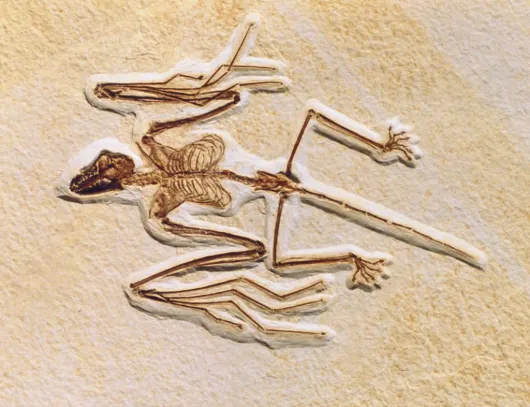
Palaeocast podcast has a new episode. This one is about bats. After rodents, bats are the second largest group of mammals, representing a staggering 20% of all mammal species. They can be found all over the world, with the exception of cold climates, where they often play incredibly important ecological roles. Their ecologies (ways in…
-
Fossil Friday #82: Eubleptus danielsi
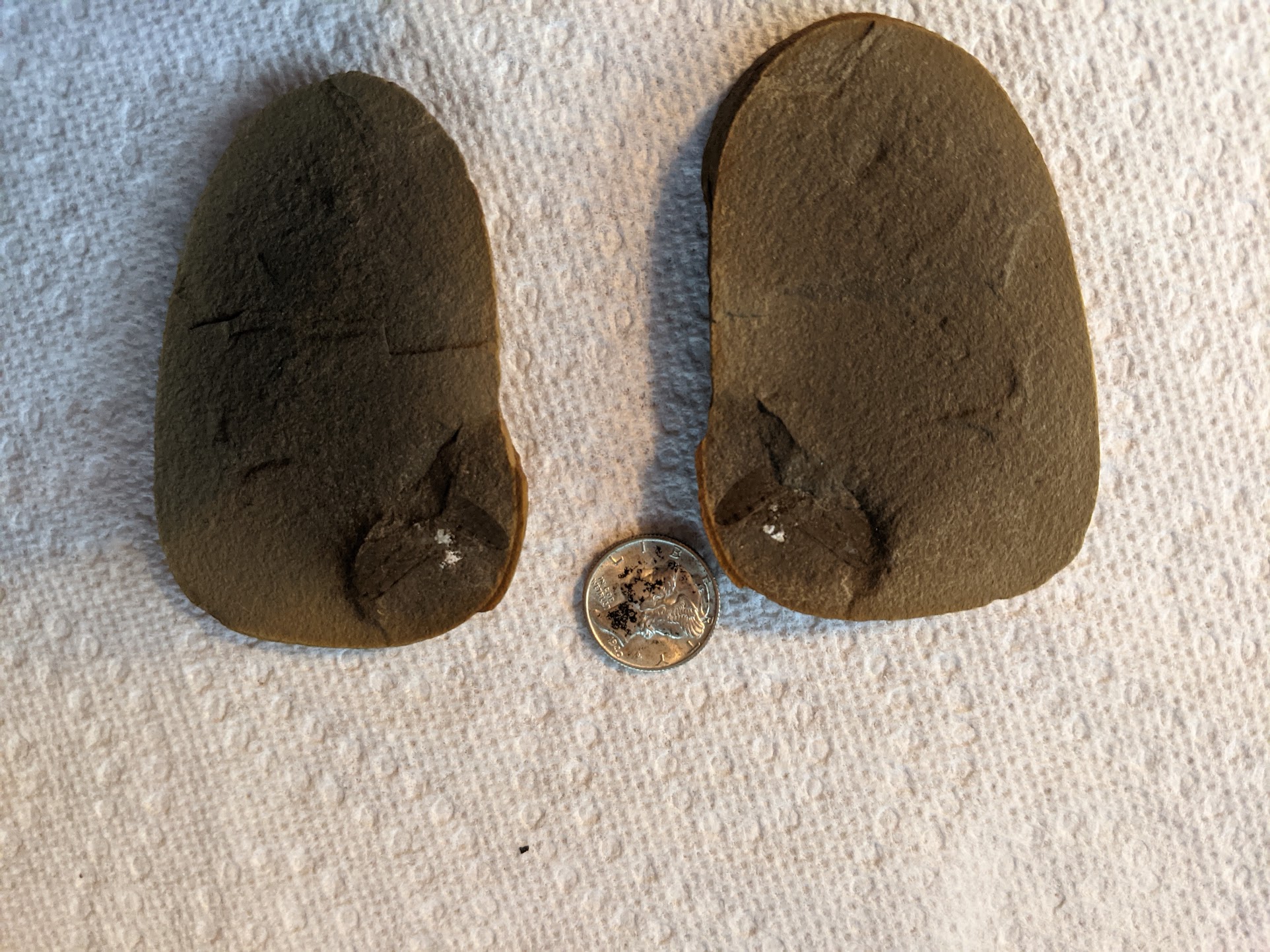
This is the “Fossil Friday” post #82. Expect this to be a somewhat regular feature of the website. We will post any fossil pictures you send in to esconi.info@gmail.com. Please include a short description or story. Check the #FossilFriday Twitter hash tag for contributions from around the world! —————————————————– A Mazon Creek insect is up…
-
“Cold Bone”: New Dinosaur Species Discovered That Lived on Greenland 214 Million Years Ago
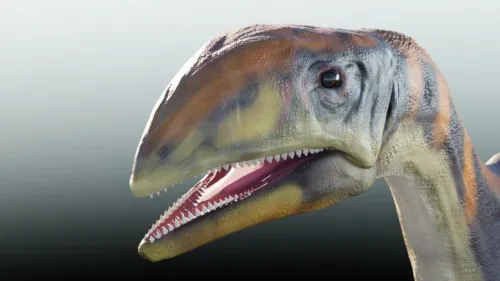
SciTechDaily has a story about a new dinosaur. Called Issi saaneq, which means “Cold Bone”, this animal lived about 214 million years ago during the late Triassic Period in what is now Greenland. Believed to be an ancestor to sauropods, it was medium sized with a long neck, however, it walked on its hind legs. …
-
Mazon Monday #85: Neuropteris ovata
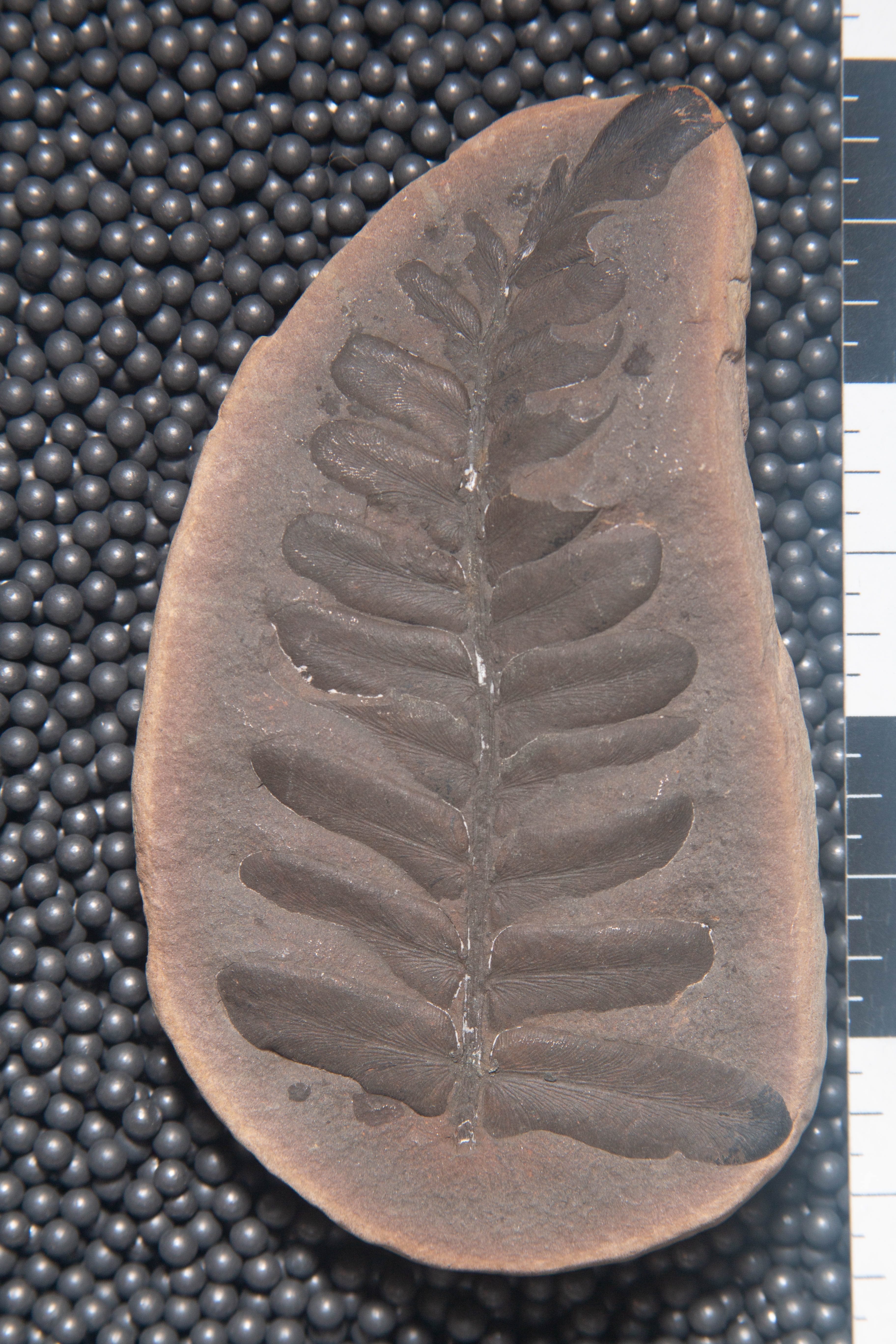
This is Mazon Monday post #85. What’s your favorite Mazon Creek fossil? Tell us at email:esconi.info@gmail.com. Our species spotlight for this week is Neuropteris ovata. N. ovata was described by Friedrich Hoffmann (1797-1836) in 1826. Hoffmann was a Professor of Geology at the University of Berlin. He is esspecially known for his work on the…
-

Tiny pterosaurs dominated cretaceous skies
Phys.org had a story about pterosaus during the Cretaceous. A new study looked at competition between birds and pterosaurs and found the babies of the largest pterosaurs out-competed the adults of smaller species. Previously, it was thought that birds had out-competed the smaller species. The paper appeared in the journal Cretaceous Research. New research has…
-

Fossil Friday #81: Mazon Creek Roachoid
This is the “Fossil Friday” post #81. Expect this to be a somewhat regular feature of the website. We will post any fossil pictures you send in to esconi.info@gmail.com. Please include a short description or story. Check the #FossilFriday Twitter hash tag for contributions from around the world! For this week’s Fossil Friday, we have…
-
Giant Sea Lizards Ruled the Waves While T. Rex Roamed on Land
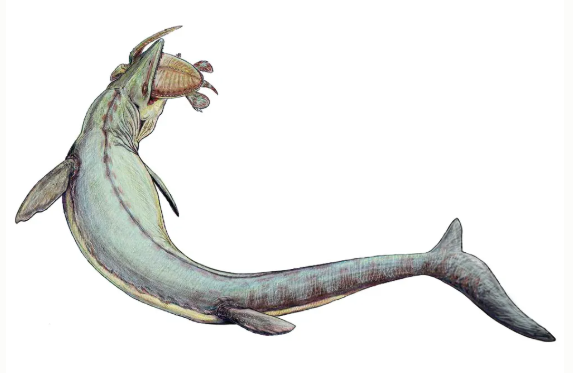
Smithsonian Magazine has a post about mosasaurs. A new paper in the journal PaleoBios finds that mosasaurs ruled the oceans up until the mass extinction event at the end of the Cretaceous some 66 million years ago. It had been theorized they went extinct millions of years before the impact. Fossil vertebra from the Hell…
-

Strange Animals That Lived Before the Dinosaurs Reveal the Evolutionary Origin of Tusks
SciTechDaily has a story about animal tusks. Throughout history, many animals have sported tusks, from modern day elephants to the dicynodonts of the Permian. A new paper in the journal Proceedings of the Royal Society B looks at the evolutionary history of tusks. A wide variety of animals have tusks, from elephants and walruses to five-pound, guinea pig-looking critters…
-
Mazon Monday #84: Chowder Flats
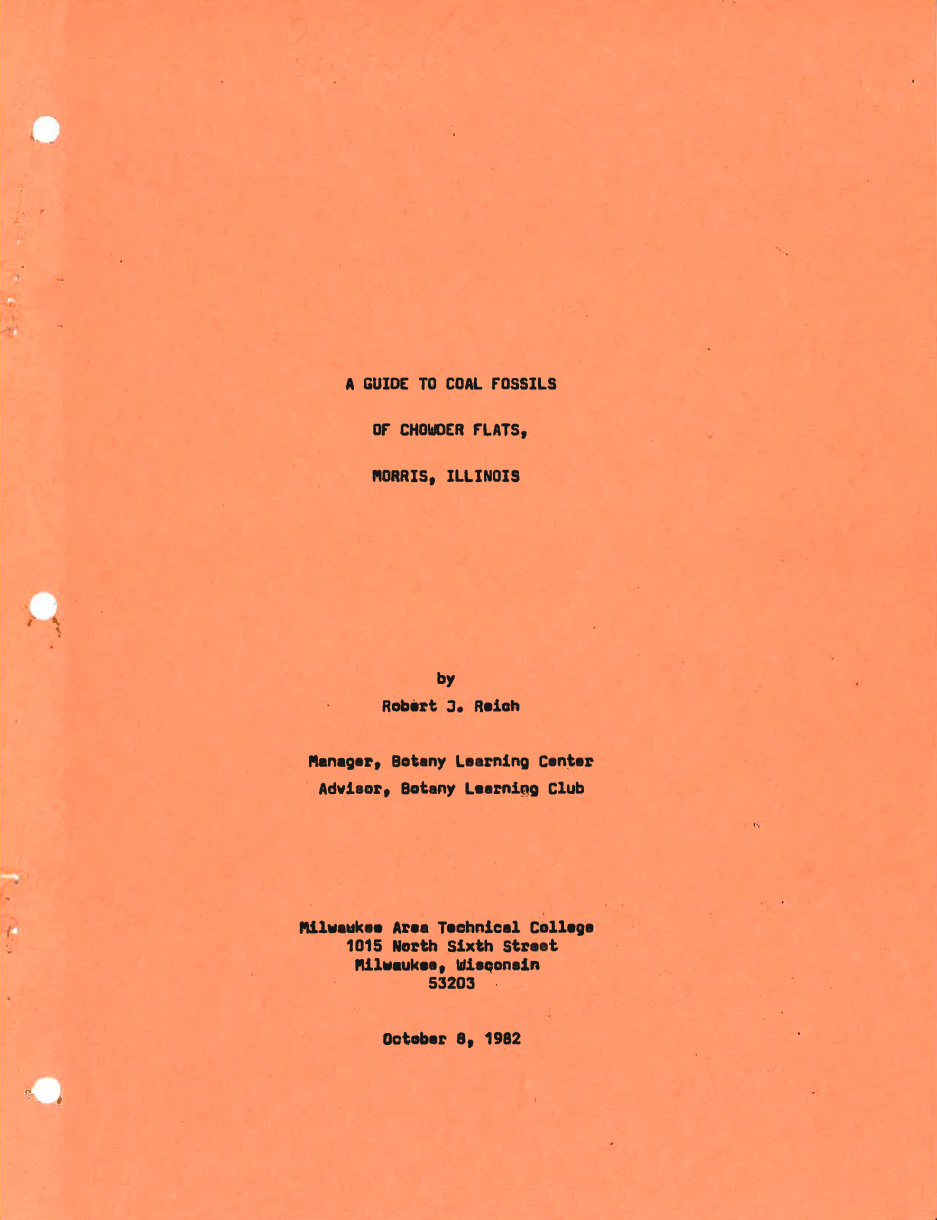
This is Mazon Monday post #84. What’s your favorite Mazon Creek fossil? Tell us at email:esconi.info@gmail.com. During the ESCONI Sale back in October, a member noticed a booklet called “A Guide to the Coal Fossils of Chowder Flats, Morris, Illinois”. It was written by Robert J. Reich in 1982, who was advisor to the Botany…
-
The Oldest Airborne Vertebrate Animal Was a Reptile With ‘Weird’ Wings
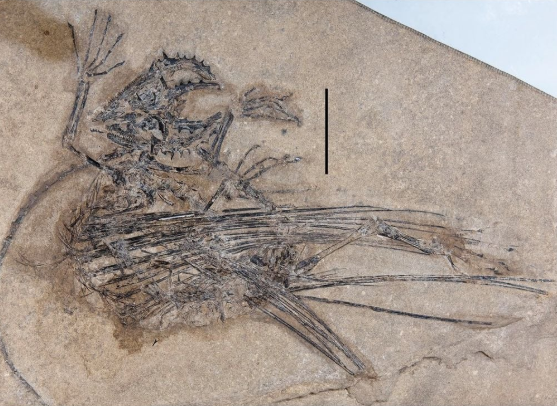
Smithsonian Magazine has a story about the first flying vertebrate. The fossil of Weigeltisaurus jaekeli was found in 1992 in Germany. It lived during the Permian Period over 250 million years ago. A new full analysis of the specimen was recently published in the journal PeerJ. Where the researchers theorize that the bony rods supported…
-
PBS Eons: How Dinosaurs Coupled Up
There’s a new episode of PBS Eons. Birds do it… bees do it, even dinosaurs do it! Remember birds are dinosaurs, so…. Dinosaur mating behavior has been the subject of a lot of speculation, but what can we actually say about it from the fossil record?
-

Fossil Friday #80: Mazon Creek Diorama
This is the “Fossil Friday” post #80. Expect this to be a somewhat regular feature of the website. We will post any fossil pictures you send in to esconi.info@gmail.com. Please include a short description or story. Check the #FossilFriday Twitter hash tag for contributions from around the world! We have something a little different this…
-
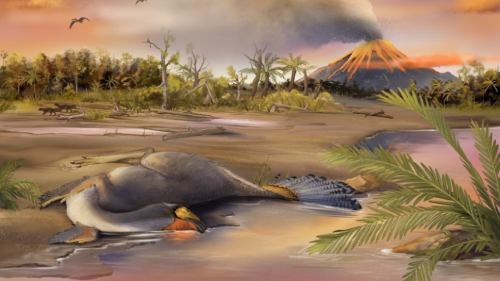
These 125 million-year-old fossils may hold dinosaur DNA
LiveScience has an article about the potential discovery of the remnants of dinosaur DNA. A study published in the journal Communications Biology looked at fossilized cartilage from a Caudipteryx, which was a feathered, peacock-like dinosaur that lived about 125 million years ago in what is now China. The study’s researchers found what appears to be…
-

Ancient dog-size sea scorpion unearthed in China
LiveScience has a story about the recent discovery of a Euryperid. Eurypterids were the apex predators of their time. This one, Terropterus xiushanensis, lived about 435 million years ago during the lower Silurian in what is now modern-day China. It was described in a paper in the journal Science Bulletin.
-
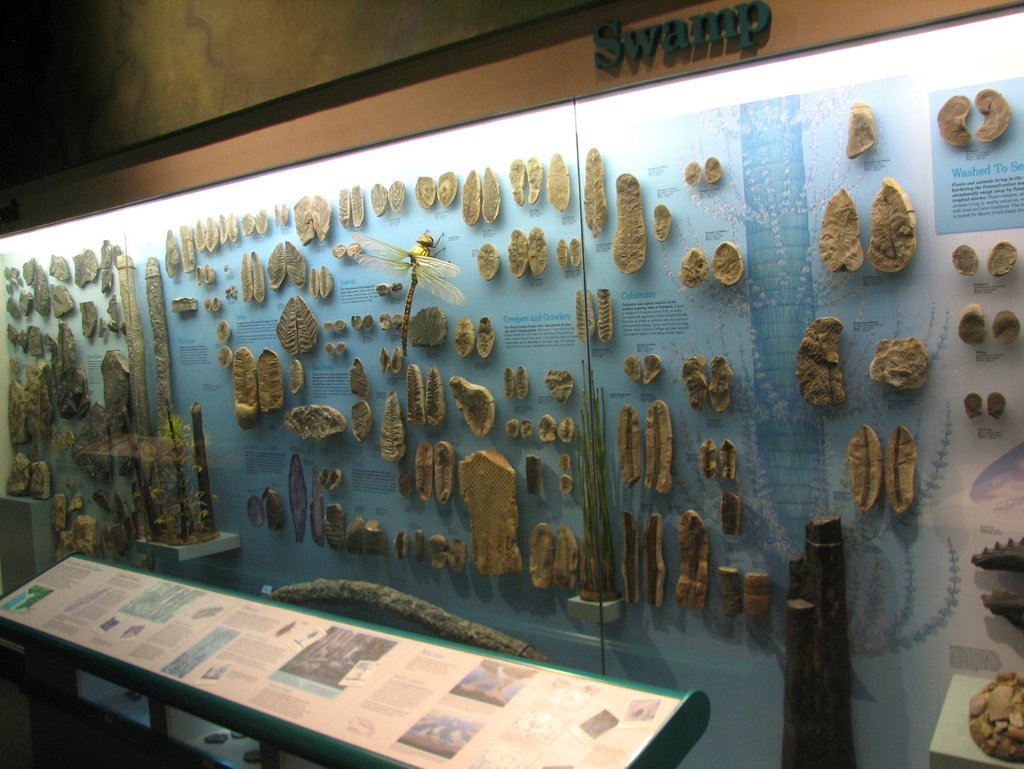
Mazon Monday #83: George Langford at the Illinois State Museum
This is Mazon Monday post #83. What’s your favorite Mazon Creek fossil? Tell us at email:esconi.info@gmail.com. As part of the trip to the 2021 MAPS Expo in Springfield, IL this past weekend, a few ESCONI members took the opportunity to visit the Mazon Creek exhibit at the Illinois State Museum. George Langford donated a large…
-
PBS Eons: How Ancient Whales May Have Changed the Deep Ocean
PBS Eons has a new episode. This one is about how whales changed the ocean. It looks like the evolution of ocean-going whales like Borealodon may have affected communities found in the deep ocean, like the ones found around geothermal vents. And it turns out that when a whale dies, that’s just the beginning…
