Tag: fossils
-
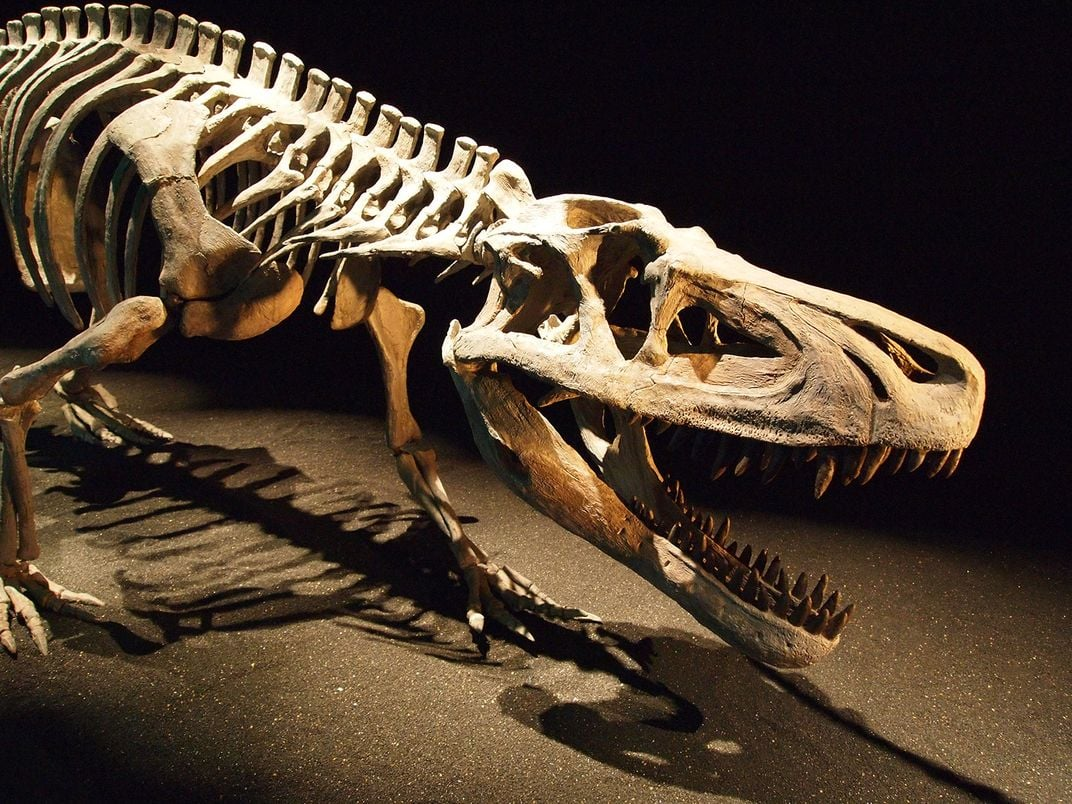
How a Mass Extinction Driven by Ancient Volcanoes Led to the Age of the Dinosaurs
Smithsonian Magazine features a story on the Triassic-Jurassic mass extinction, a pivotal event that reshaped life on Earth. The late Triassic was vastly different from the Jurassic and Cretaceous periods that followed. During this time, early dinosaurs played only minor roles, while the landscape was dominated by giant amphibians, a diverse array of crocodilian relatives—ranging…
-
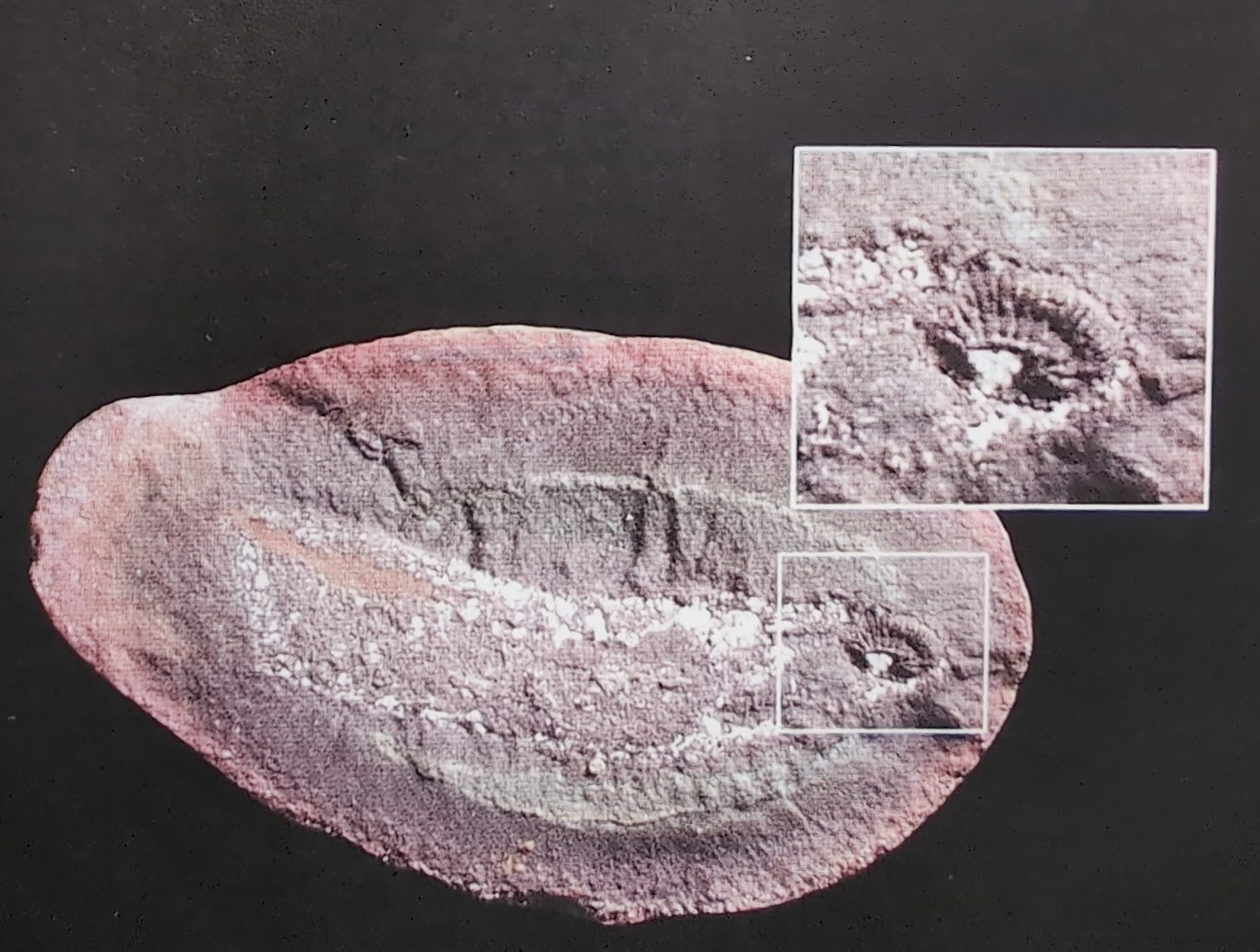
Mazon Monday #253: Pipiscius zangerli
Pipiscius zangerli is an extinct species of lamprey that lived 307-309 million years ago, during the Middle Pennsylvanian Epoch of the Carboniferous Period. It has a distinctive crown-like mouth comprising a ring of radially arranged teeth. It is known from the Mazon Creek fossil beds located in present-day Illinois. It was described by David Bardack…
-

PBS Eons: Could You Survive the K-Pg Extinction?
PBS Eons has another of their longer form videos which address major events in the history of the Earth. This one is about the K-Pg mass extinction event about 66 million years ago at the end of the Cretaceous Period. Would/could you survive? Remember, this event took out the non-avian dinosaurs, the ammonites, and many,…
-
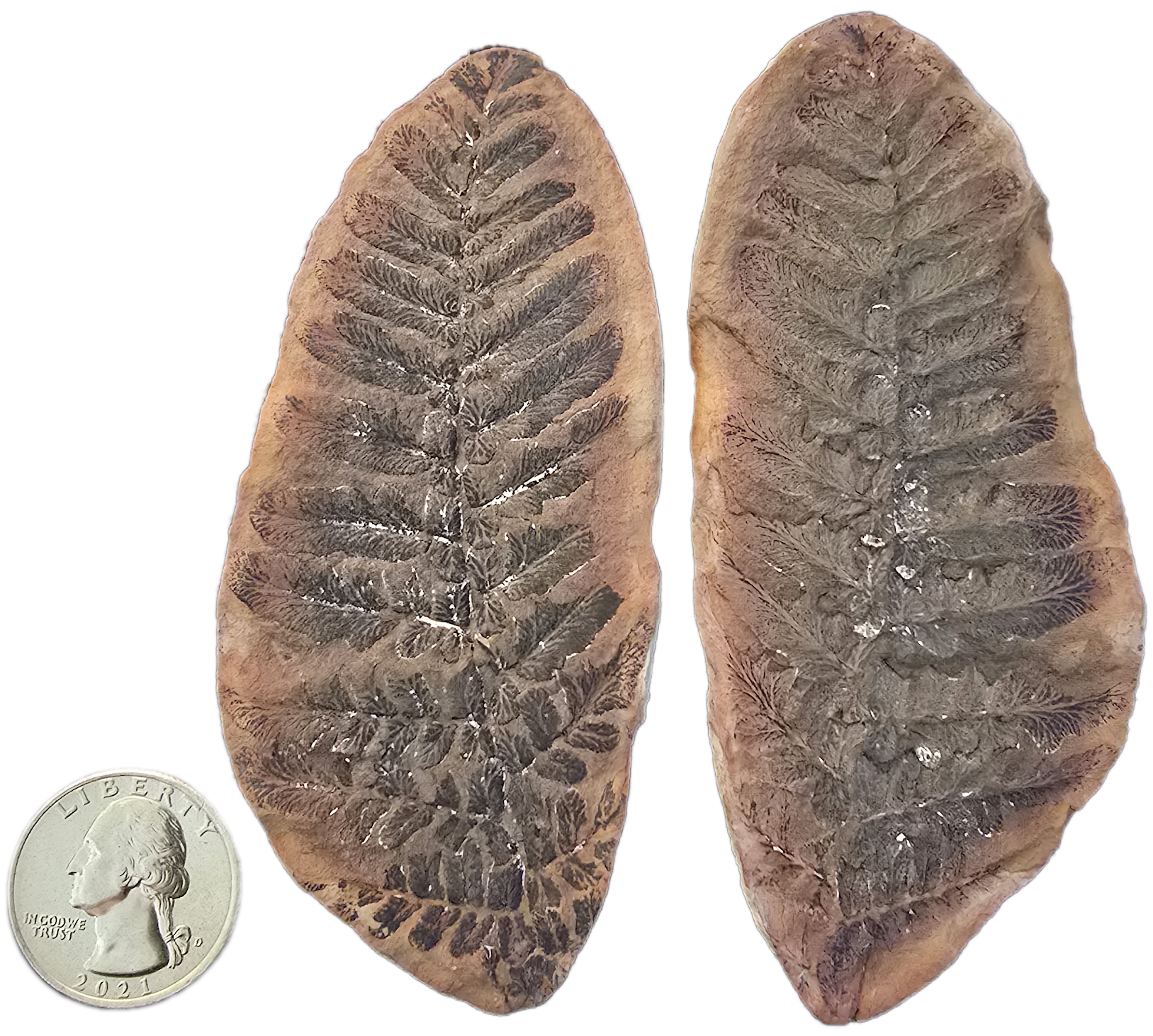
Fossil Friday #249: Reticulopteris muensterii
This is the “Fossil Friday” post #249. Expect this to be a somewhat regular feature of the website. We will post any fossil pictures you send in to esconi.info@gmail.com. Please include a short description or story. Check the hash tag #FossilFriday on Twitter/X and Bluesky for contributions from around the world! For this week, we…
-
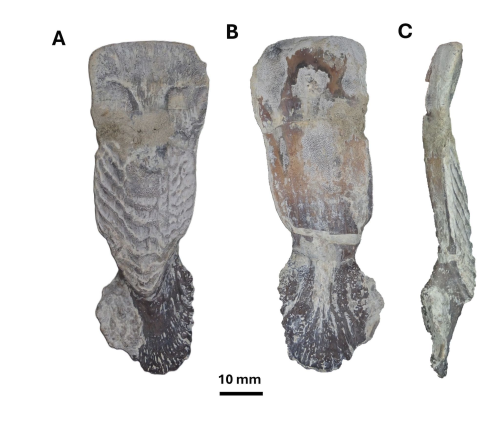
Paper: New Janassid Petalodontiform (Chondrichthyes) teeth from the Late Carboniferous of Kansas, USA
Bruce and Rene’ Lauer have been very busy. They are listed as co-authors of a new paper about shark teeth from the Late Carboniferous of Kansas – “New Janassid Petalodontiform (Chondrichthyes) teeth from the Late Carboniferous of Kansas, USA”. The paper was published in the jounal Neues Jahrbuch für Geologie und Paläontologie. Abstract An associated…
-
Mazon Monday #252: Reticulopteris muensterii var. dawsonii
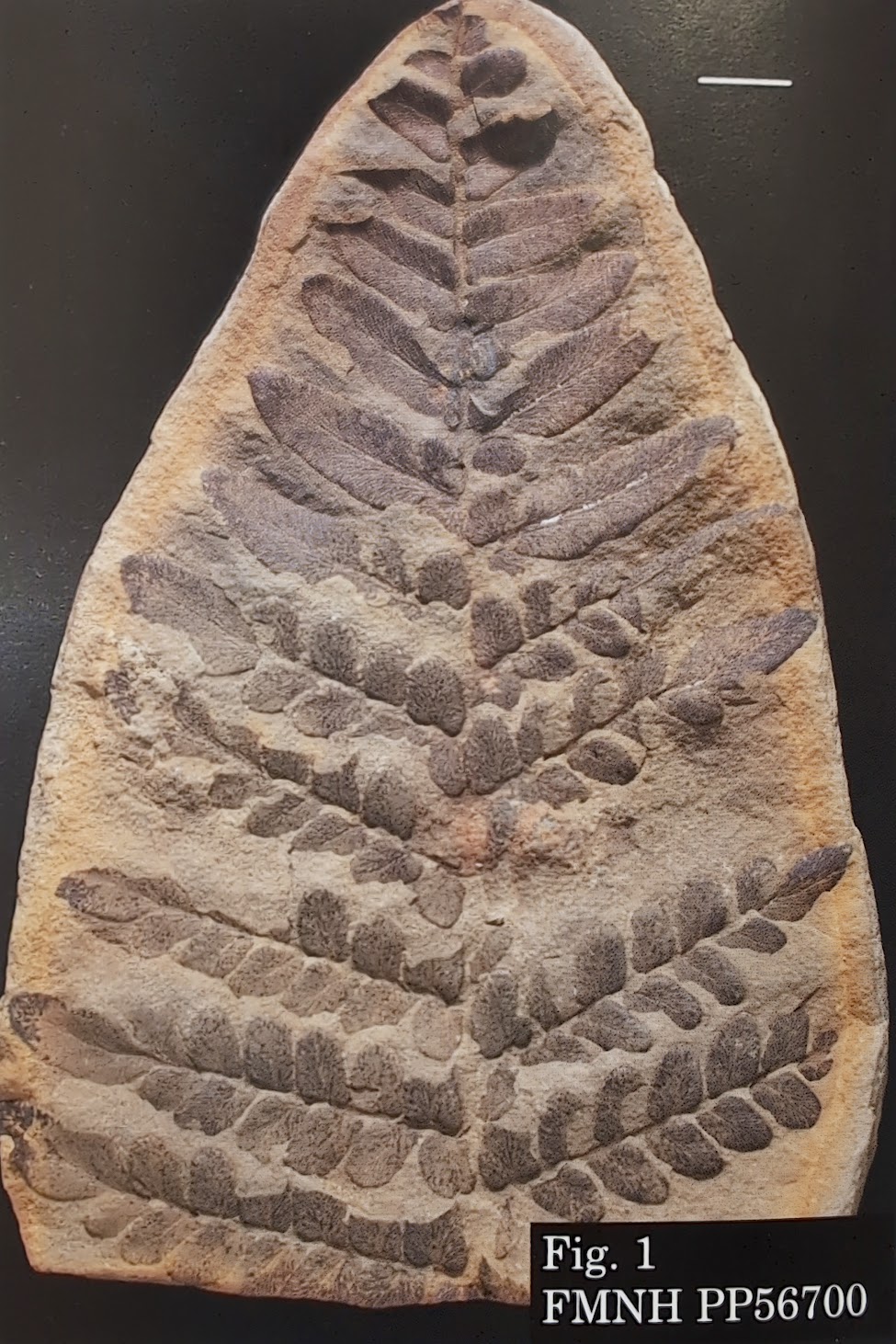
This is Mazon Monday post #252. What’s your favorite Mazon Creek fossil? Tell us at email:esconi.info@gmail.com. Reticulopteris munsterii var. dawsonii was a seed fern found in the Mazon Creek fossil deposit. It is fairly uncommon. Except for the venation, the pinnules resemble Macroneuropteris scheuchzeri. In M. scheuchzeri the veins run in parallel, while Reticulopteris munsterii…
-

Fossils of Illinois: A Step Back Through Time
Paul Mayer, the Collection Manager of Fossil Invertebrates at the Field Museum, has done many presentations for ESCONI over the years. In October 2023, he gave a presentation entitled “Fossils of Illinois: A Step Back Through Time” at the Lizzadro Museum. Video of the presentation is available on Youtube. Join us for a presentation by…
-
PBS Eons: Did Asteroids Spark Life?
PBS Eons has a new video. This one is about the very early history of the Earth, a period called the Hadean. How did the building blocks of life form? Harold Miller did some experiments in the 1950s attempting to recreate the conditions. The impacts of a large asteroid might have provided the perfect condition…
-
Fossil Friday #248: A Triple Mazonomya mazonensis
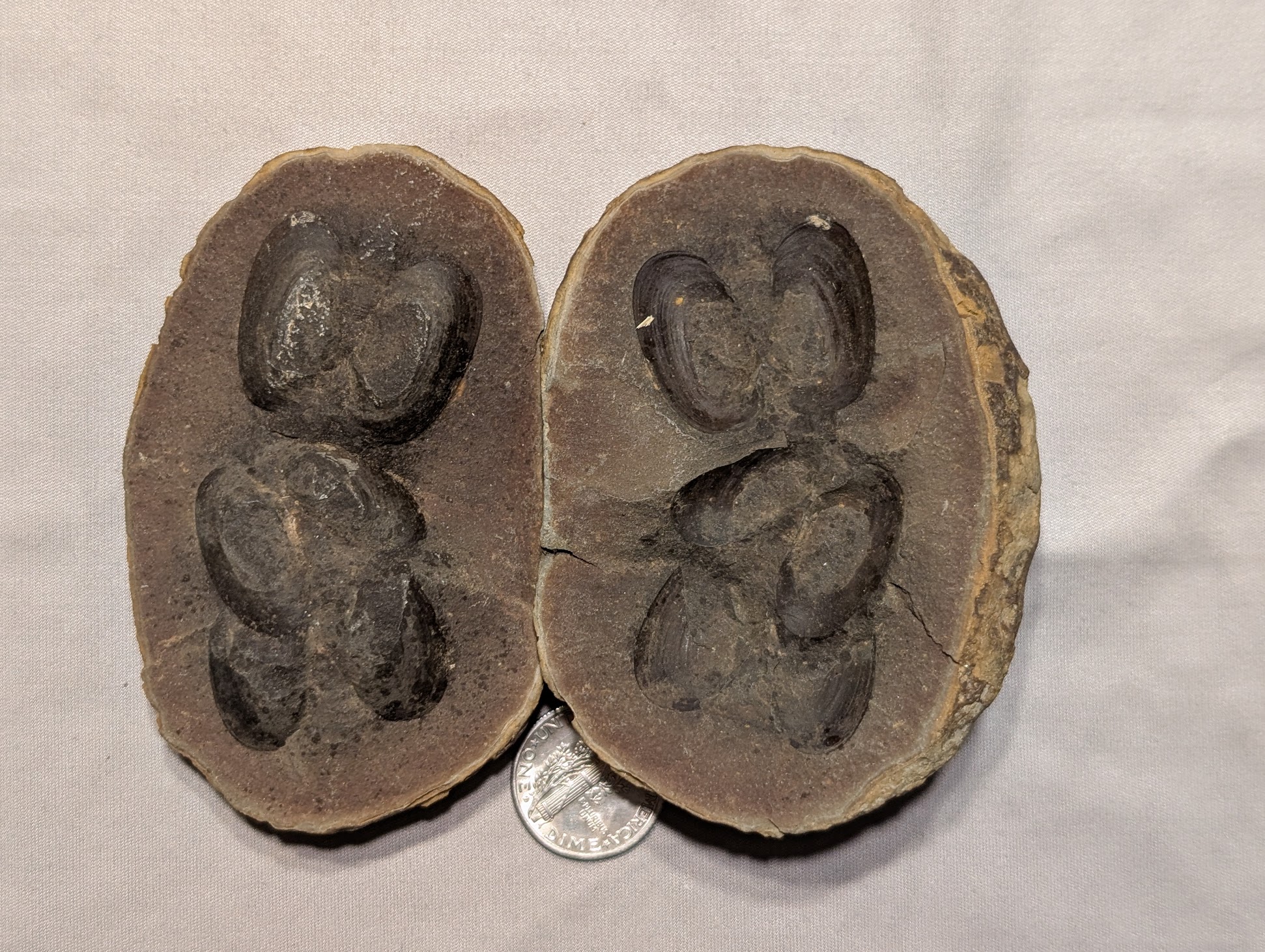
This is the “Fossil Friday” post #248. Expect this to be a somewhat regular feature of the website. We will post any fossil pictures you send in to esconi.info@gmail.com. Please include a short description or story. Check the hash tag #FossilFriday on Twitter/X and Bluesky for contributions from around the world! Today, we have a…
-
Throwback Thursday #248: The Afternoon Search #history
This is Throwback Thursday #248. In these, we look back into the past at ESCONI specifically and Earth Science in general. If you have any contributions, (science, pictures, stories, etc …), please send them to esconi.info@gmail.com. Thanks! Here is a poem written by Muriel Menzel of the Blackhawk Gem and Mineral Club. The title is…
-
Mazon Monday #251: Tardisia broedeae
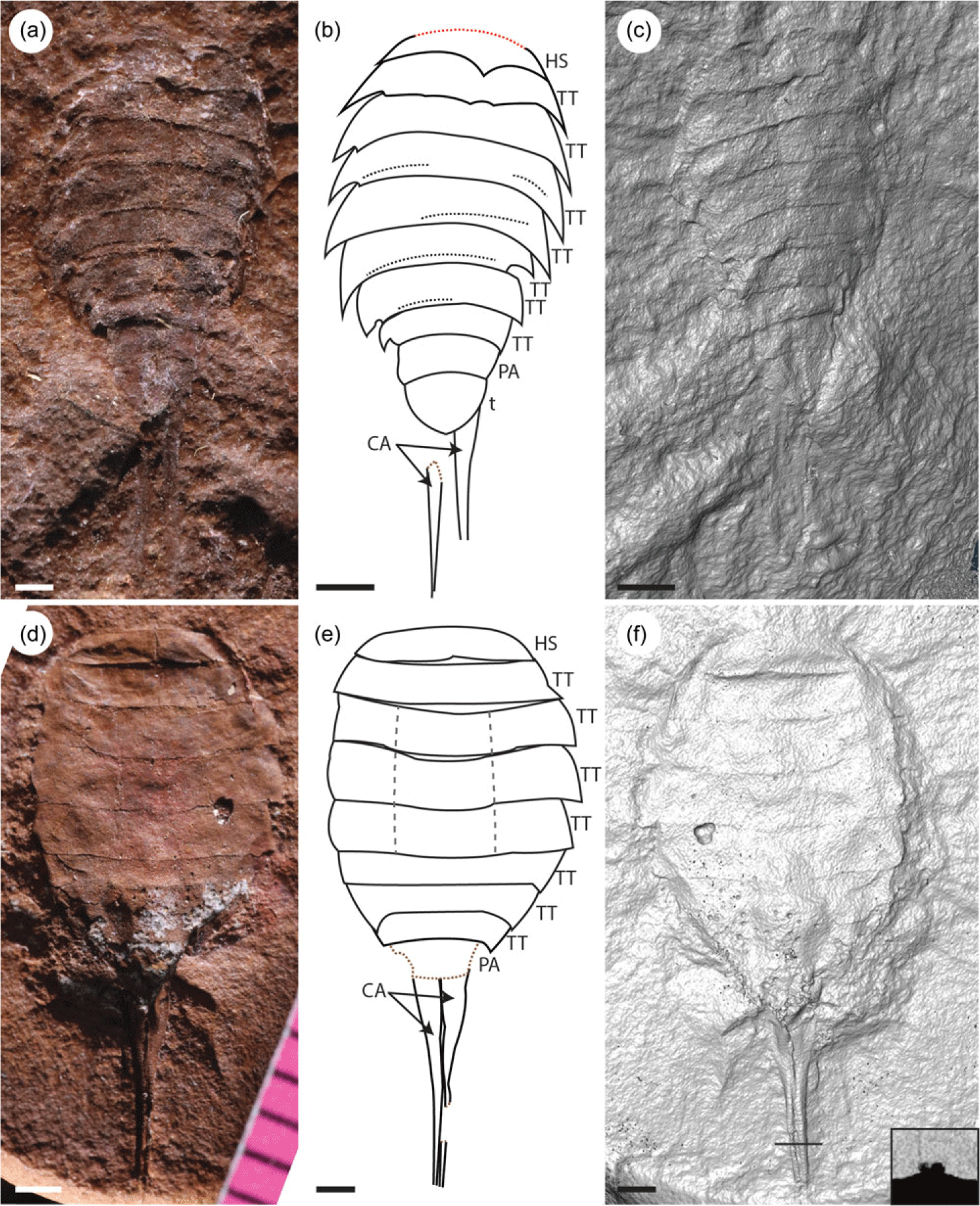
This is Mazon Monday post #251. What’s your favorite Mazon Creek fossil? Tell us at email:esconi.info@gmail.com. The Mazon Creek fossil fauna has a new member!. Hot off the internet presses, we present to you… Tardisia broedeae gen. et sp. nov (new species and new genus). The animal was described in the paper “A possible vicissicaudatan…
-

ESCONI January 2025 Paleontology Study Group Meeting – January 18, 2025 via Zoom – “The ‘Arctic Fauna’”
The January 2025 Paleontology Study Group Meeting will be held on January 18, 2025 via Zoom. Our presenter is John Catalani and his topic is “The ‘Arctic Fauna’”. The name refers to where the fossil assemblage was first discovered – Greenland and Baffin Island, although they are now known from many localities including the Stewartville Bed…
-
PBS Eons: Life and Death on Tiny-Dino Island
PBS Eons has another episode of their long form video series "Surviving Deep Time" This time they go to Hațeg island during the late Cretaceous. The domain of Hatzegopteryx thambema, the huge azhdarchid pterosaur. Could you survive? There was an island in the Late Cretaceous Period in the fragmented European archipelago that turned out to be…
-

Fossil Friday #247: Acanthotelson stimpsoni
This is the “Fossil Friday” post #247. Expect this to be a somewhat regular feature of the website. We will post any fossil pictures you send in to esconi.info@gmail.com. Please include a short description or story. Check the hash tag #FossilFriday on Twitter/X and Bluesky for contributions from around the world! Acanthotelson stimpsoni was a…
-
‘Dinosaur highway’ dating back 166 million years discovered in England
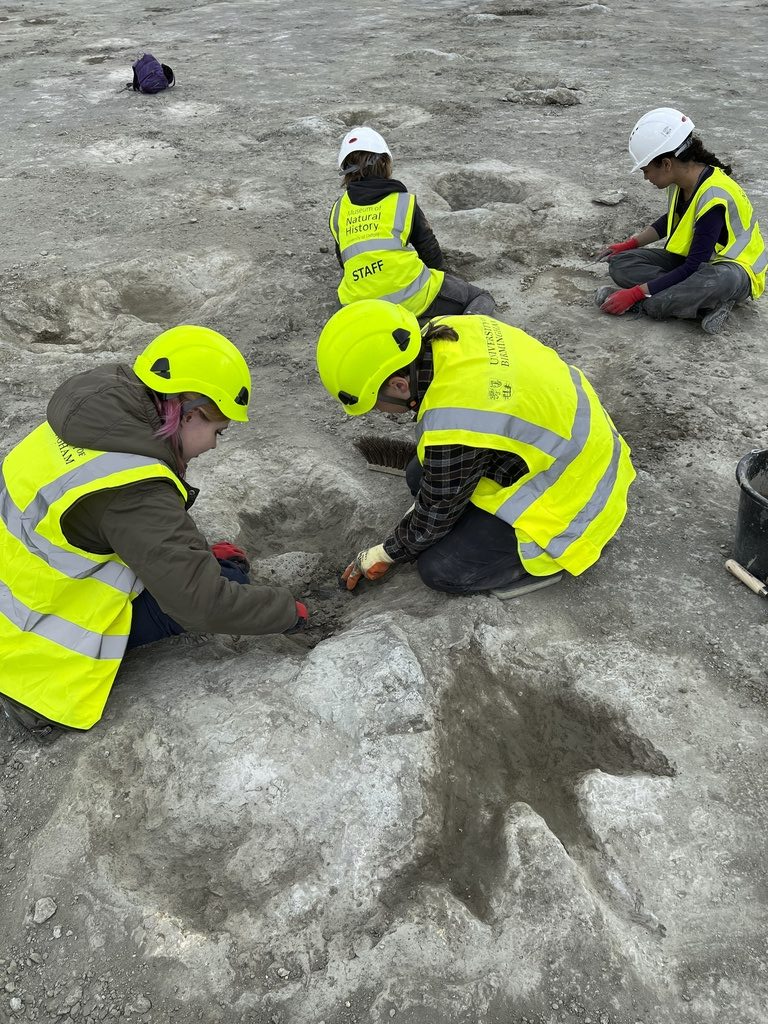
PBS News has a story about the discovery of a special dinosaur trackway in England. While digging up clay in a imestone quarry in southern England, a worker found nearly 200 dinosaur tracks that date to the Jurassic Period about 166 million years ago. There are four sets of sauropod tracks, thought to be Cetiosaurus…
-

Mazon Monday #250: Neuropteris jacksonii
This is Mazon Monday post #250. What’s your favorite Mazon Creek fossil? Tell us at email:esconi.info@gmail.com. Neuropteris jacksonii was named by William Culp Darrah (1909-1989) in 1969, who was an educator, paleontologist, geologist, botanist, and historian. His “A Critical Review of the Upper Carboniferous Floras of the Eastern United States” and many, many professional paper…
-
New Pterosaur Species Unearthed in Argentina is Earliest of Its Kind
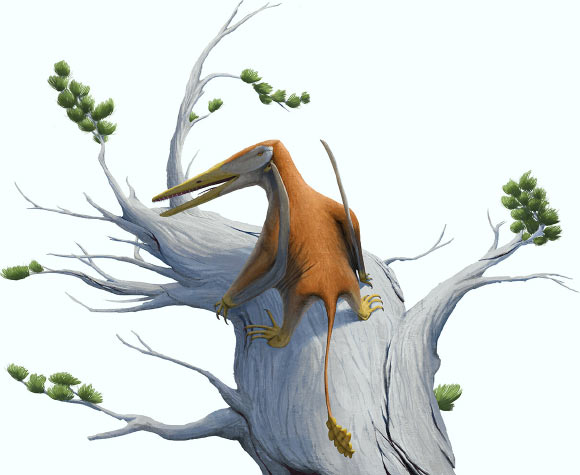
SciNews has a story about an early pterosaur from Argentina. Melkamter pateko lived between 184 and 174 million years ago in what is now Patagonia in Argentina. It is the earliest known member of Monofenestrata, a large clade of pterosaurs consisting of the Darwinoptera, Anurognathidae and Pterodactyloidea. The discovery of Melkamter pateko is reported in a paper in the…
-

Fossil Friday #246: Macroneuropteris macrophylla
This is the “Fossil Friday” post #246. Expect this to be a somewhat regular feature of the website. We will post any fossil pictures you send in to esconi.info@gmail.com. Please include a short description or story. Check the hash tag #FossilFriday on Twitter/X and Bluesky for contributions from around the world! —————————————————– Here is a…
-

Triassic Lizard-Like Parareptile Had Unusual Dental Apparatus
SciNews brings news of a new fossil parareptile from southwest England. Threordatoth chasmatos lived between 220 and 210 million years ago in the Triassic Period. It was discovered in Cromhall Quarry in south Gloucestershire, southwest England. The animal is a member of the Leptopleuroninae, a subfamily of extinct lizard-like parareptiles within the clade Procolophonidae. These animals…
-
The Top Ten Dinosaur Discoveries of 2024
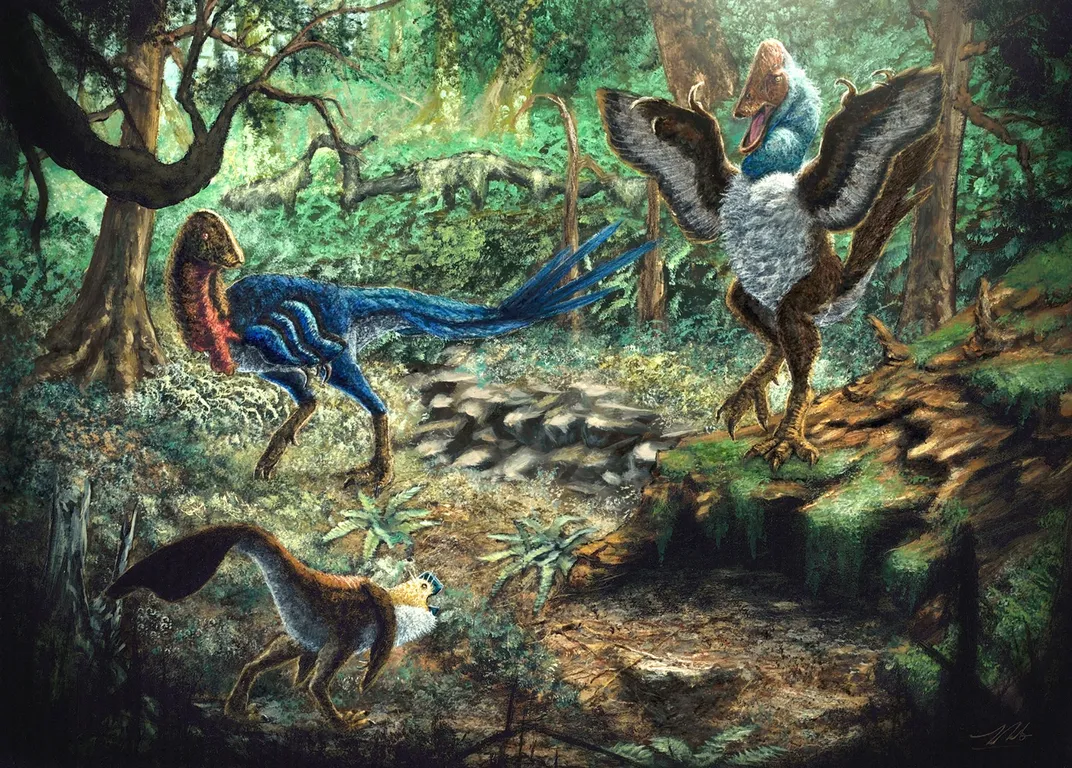
Smithsonian Magazine has an article that details the Top 10 dinosaur discoveries of 2024.
-

Mazon Monday #249: Pecopteris oreopteridia
This is Mazon Monday post #249. What’s your favorite Mazon Creek fossil? Tell us at email:esconi.info@gmail.com. Pecopteris oreopteridia is a fern from the Carboniferous Period, which has been found in the Mazon Creek fossil deposits. It is fairly uncommon and resembles Crenulopteris acadica in appearance (see Mazon Monday #115). Besides the crenulated edge on mature…
-

A Homeowner Found Huge, Fossil Teeth While Mowing the Lawn. Then, Excavations Revealed a Complete Mastodon Jaw
Smithsonian Magazine has a story about the discovery of Mastodon fossils. A homeowner was mowing his lawn in Orange County, New York when he spotted strange shaped poking up through his plants. His first thought was they were old baseballs. Subsequent digging revealed they were rather fossil teeth with a complete mastodon jaw. The prehistoric…
-

Fossil Friday #245: Tullymonstrum gregarium
This week’s fossil is a Tully Monster, which are always popular fossils. Tullymonster gregarium come in all shapes and sizes. It got both its common and scientific names from Eugene Richardson, Jr., who was the Curator of Fossil Invertebrates at the Field Museum for many years. Legend has it that Francis Tully brought in some…
-
Mazon Monday #248: Paleolimulus mazonensis
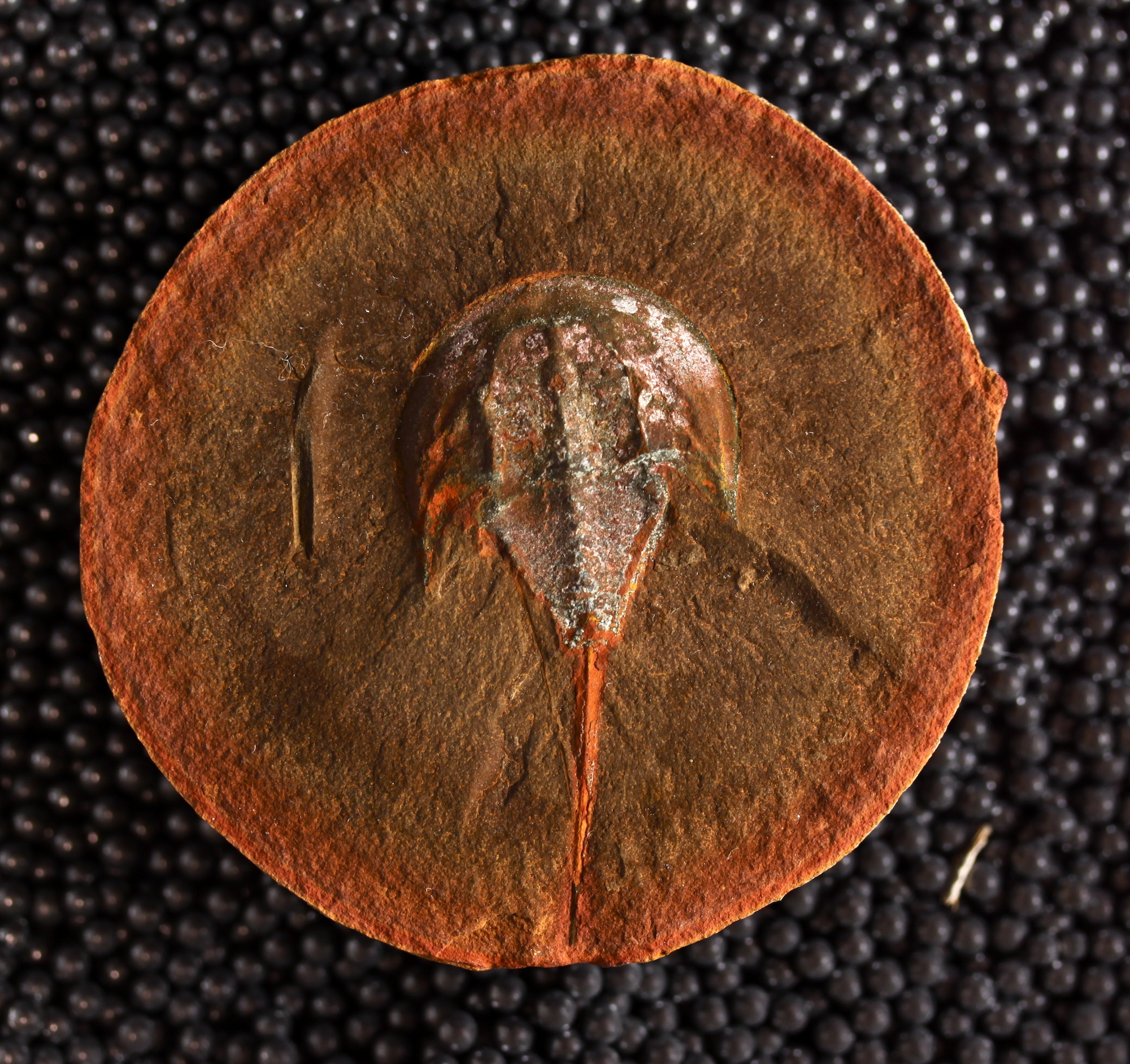
This is Mazon Monday post #248. What’s your favorite Mazon Creek fossil? Tell us at email:esconi.info@gmail.com. There are currently 3 recognized species of horseshoe crab known from the Mazon Creek deposit – Euproops danae, Paleolimulus sp., and Liomesaspis laevis. Euproops danae is the most commonly found species. Until 2022, Paleolimulus was largely undescribed. In 2022,…
-
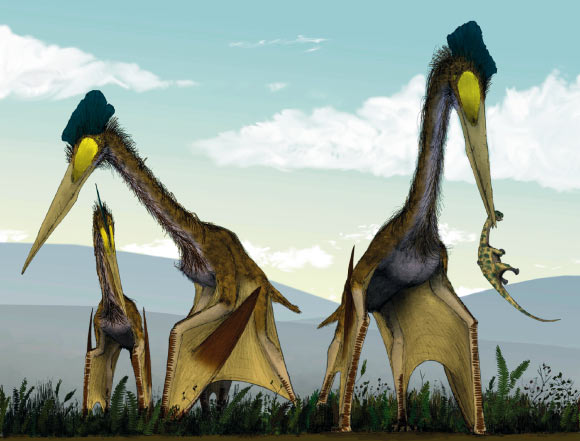
New Pterosaur Species Discovered in Japan
SciNews has a story about the discovery of a new species of quetzalcoatline azhdarchid pterosaur in Japan. The animal has been named Nipponopterus mifunensis. It lived about 90 million years ago in what is now the Japanese island of Kyushu. The quetzalcoatline azhdarchids include the largest flying animals ever known, with up to 30+ foot…
-
PBS Eons: When Neandertals Became Apex Predators
PBS Eons has a new episode. This one is about the Neandertals and how they lived. Climbing to the summit of the Eurasian food chain was one of the Neandertals’ most impressive evolutionary feats, but in the end, it may have actually been what doomed them.
-
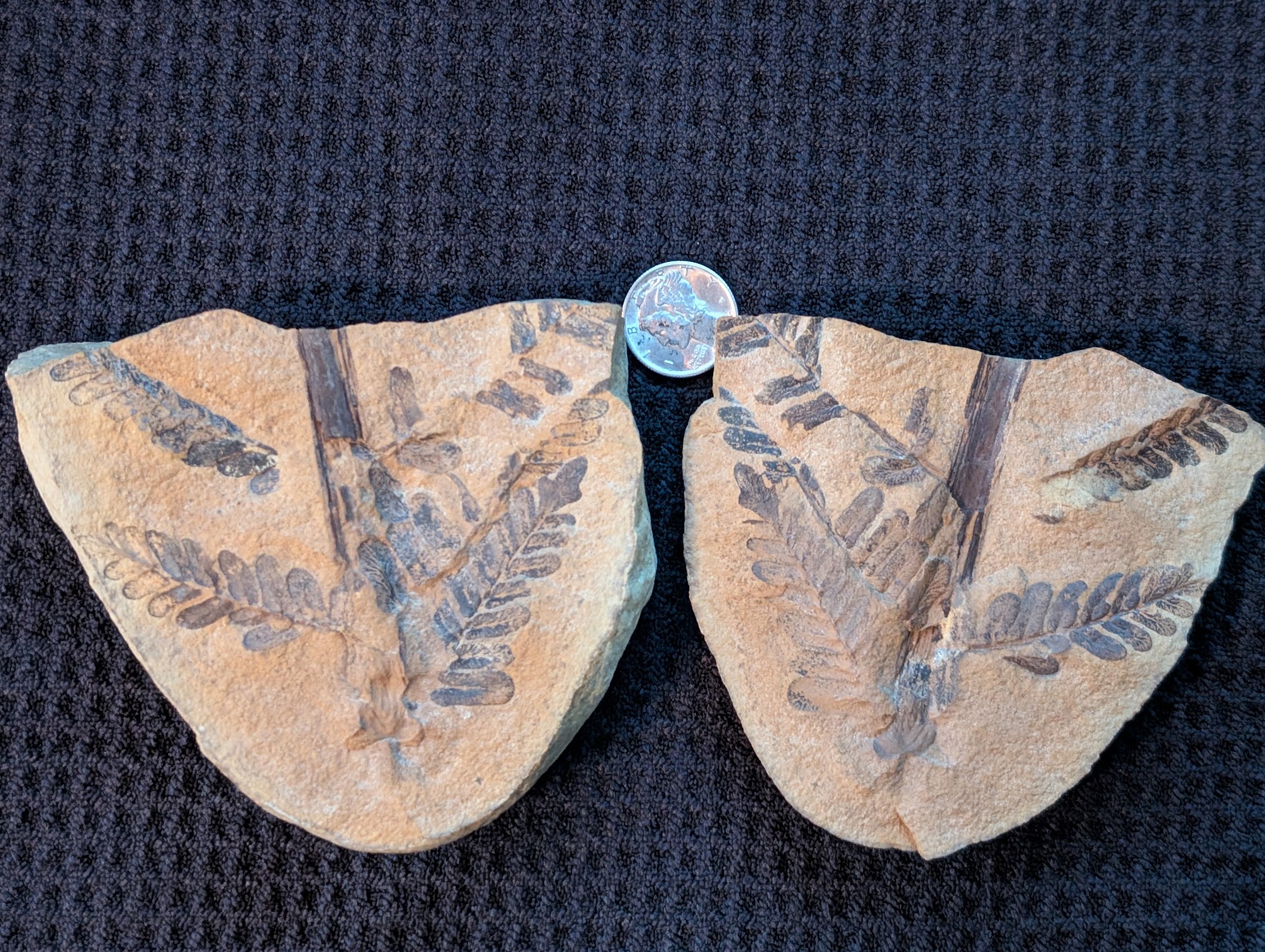
Fossil Friday #244: A beautiful Laveiniopteris from Knob Noster
This is the “Fossil Friday” post #244. Expect this to be a somewhat regular feature of the website. We will post any fossil pictures you send in to esconi.info@gmail.com. Please include a short description or story. Check the hash tag #FossilFriday on Twitter/X and Bluesky for contributions from around the world! The Knob Noster, Missouri…
-
Oldest Human Genomes Reveal How a Small Group Burst Out of Africa
The New York Times’ Origins column has an article about a group of early humans. Around 45,000 years ago, a small group of people, likely fewer than 1,000, lived on the icy edges of Europe, hunting large game such as woolly rhinoceroses. This group is identified as the LRJ culture. They are believed to have…
-
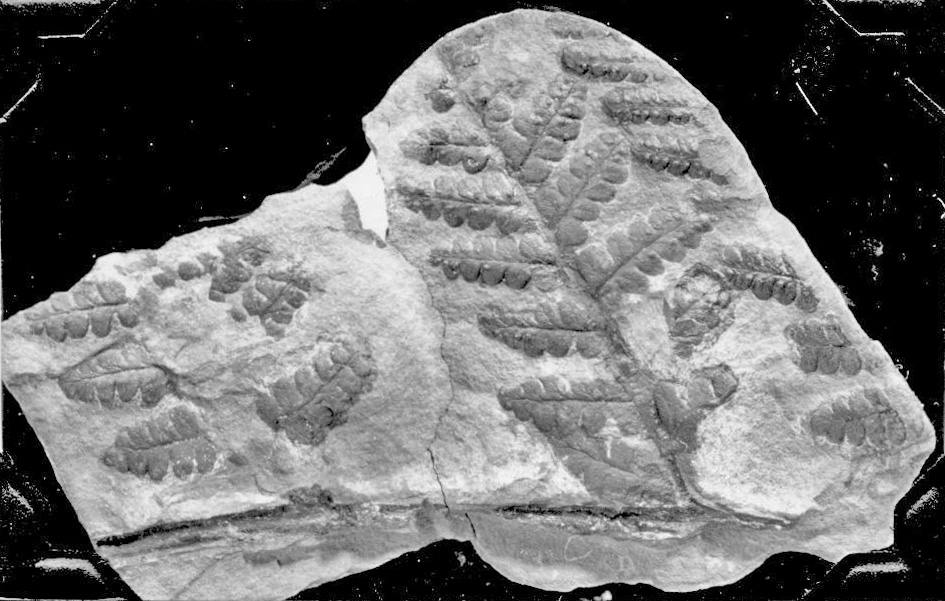
Mazon Monday #247: Oligocarpia gutbierii
This is Mazon Monday post #247. What’s your favorite Mazon Creek fossil? Tell us at email:esconi.info@gmail.com. Oligocarpia gutbierii is a herbaceous fern found in the Mazon Creek fossil biota. It belongs to a poorly understood group, which was an early member of the extant order Filicales. Oligocarpia gutbierii was first described in 1841 by Heinrich Göppert, a…
