Tag: fossil
-

Fossil Friday #189: Alethopteris serlii
This is the “Fossil Friday” post #189. Expect this to be a somewhat regular feature of the website. We will post any fossil pictures you send in to esconi.info@gmail.com. Please include a short description or story. Check the #FossilFriday Twitter hash tag for contributions from around the world! For this week, we have a beautiful…
-

Video for ESCONI Paleontology Meeting November 2023 – A Snapshot in Time: The Jurassic Lagerstätte of the Solnhofen Archipelago, Germany”
The presentation at the November 2023 Paleontology Meeting was given by Bruce and Rene Lauer. The title of the talk was “A Snapshot in Time: The Jurassic Lagerstätte of the Solnhofen Archipelago, Germany”. Bruce and Rene Lauer are founders and administrators of the Lauer Foundation for Paleontology, Science, and Education. The Lauer Foundation for Paleontology,…
-
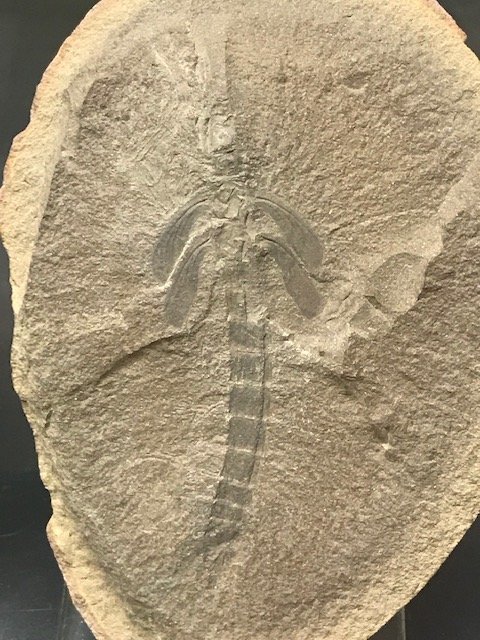
Mazon Monday #192: Mischoptera douglassi
This is Mazon Monday post #192. What’s your favorite Mazon Creek fossil? Tell us at email:esconi.info@gmail.com. Mischoptera douglassi is a winged fossil insect from the Pennsylvanian Period. It belongs to Superorder Palaeodictyopteroidea and Order Megascoptera. The first specimen was found by Lincoln Douglass in Pit 6 of the Northern Illinois Coal Company. Lincoln, was the…
-
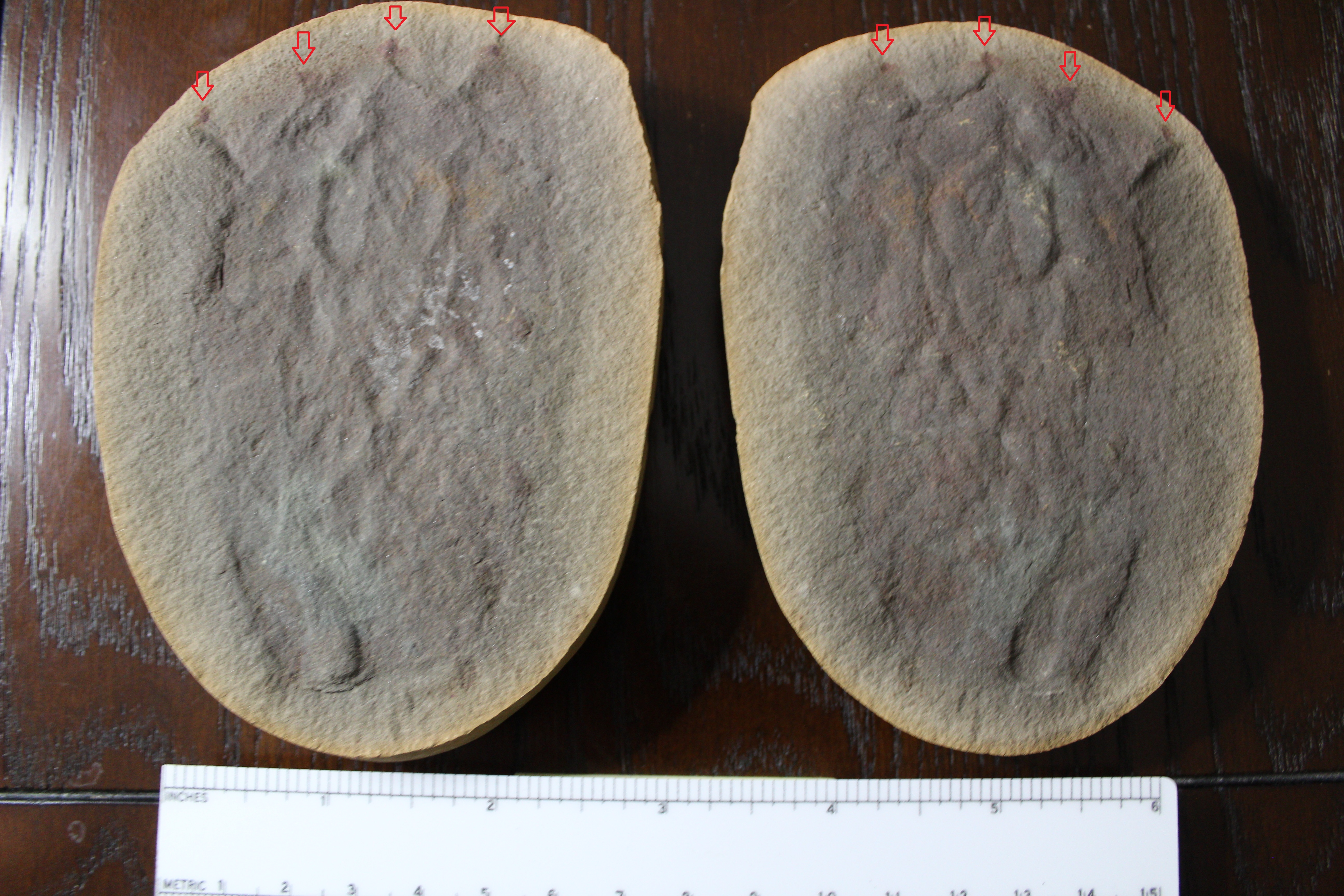
Fossil Friday #188: Essexella asherae
This is the “Fossil Friday” post #188. Expect this to be a somewhat regular feature of the website. We will post any fossil pictures you send in to esconi.info@gmail.com. Please include a short description or story. Check the #FossilFriday Twitter hash tag for contributions from around the world! In the marine areas of the Mazon…
-

Video for ESCONI October 2023 General Meeting – “Microfossils to Mosasaurs: A Journey Through the University of Iowa Paleontology Repository”
Here is the video for the October 2023 General Meeting. The speaker was Tiffany Adrain, who works as the Paleontology Repository Collections Manager at the University of Iowa. The topic of her presentation was “Microfossils to Mosasaurs: A Journey Through the University of Iowa Paleontology Repository”.
-

Mazon Monday #191: Ilyodes inopinata
This is Mazon Monday post #191. What’s your favorite Mazon Creek fossil? Tell us at email:esconi.info@gmail.com. Velvet worms, also known as Onychophora, are a phylum of terrestrial invertebates. They are soft-bodied, with many short thick legs, and a velvety body. Modern day examples live in tropical environments. They are very rare in the fossil record…
-

Fossil Friday #187: Mazon Creek Chiton
This is the “Fossil Friday” post #187. Expect this to be a somewhat regular feature of the website. We will post any fossil pictures you send in to esconi.info@gmail.com. Please include a short description or story. Check the #FossilFriday Twitter hash tag for contributions from around the world! For this week’s Fossil Friday, we have…
-
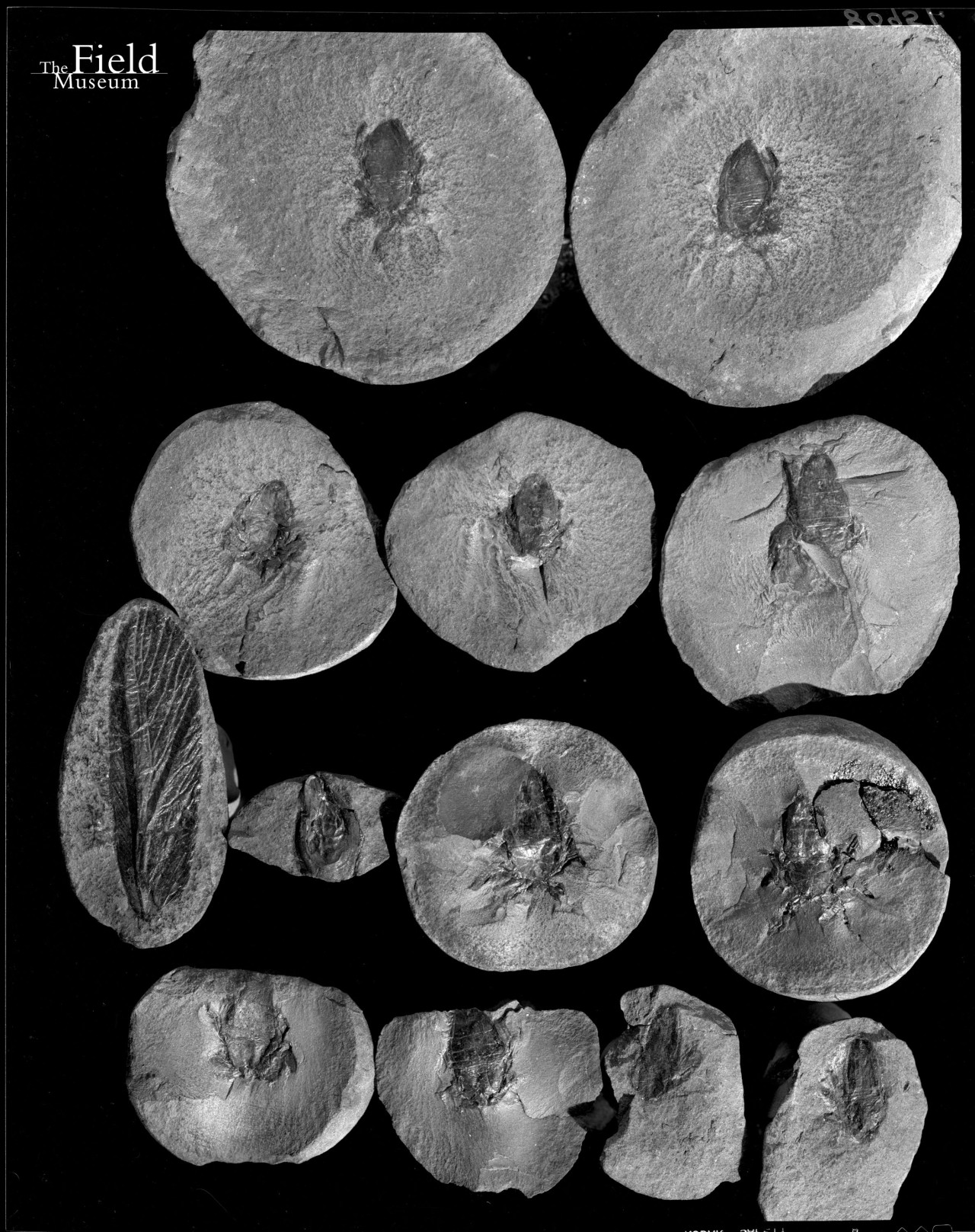
Throwback Thursday #188: Field Museum Photos – Mazon Creek Fossils
This is Throwback Thursday #188. In these, we look back into the past at ESCONI specifically and Earth Science in general. If you have any contributions, (science, pictures, stories, etc …), please send them to esconi.info@gmail.com. Thanks! Today, we take another peek into the Field Museum Photo Archive over on Tumblr. The subject is “Fossil…
-
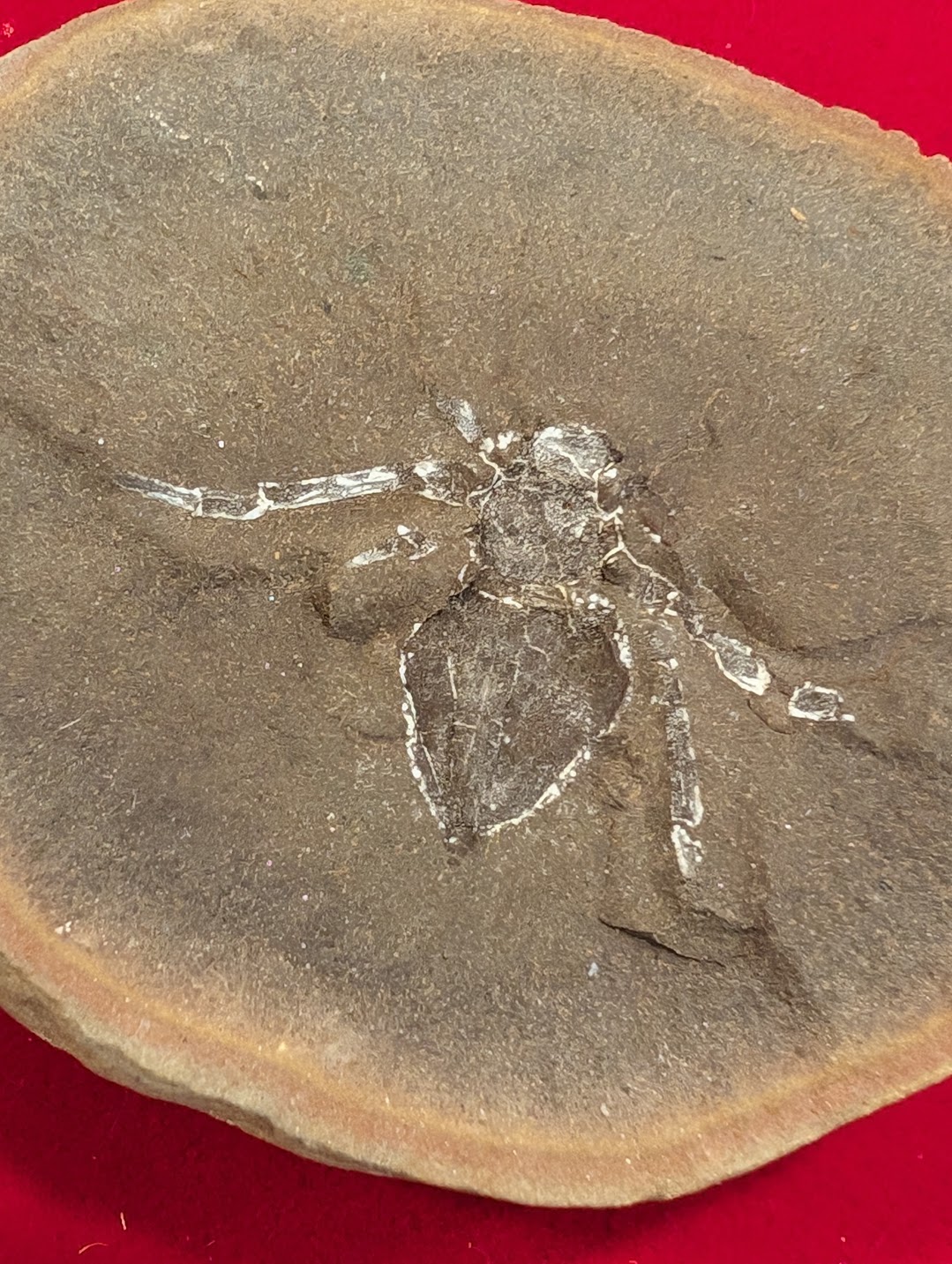
Mazon Monday #190: Amarixys sulcata
This is Mazon Monday post #190. What’s your favorite Mazon Creek fossil? Tell us at email:esconi.info@gmail.com. Amarixys sulcata is a Mazon Creek spider. When it was first found in the late 1880’s, it was mistaken for a beetle. A.L. (Axel Leonard) Melander (1878-1962) described it as Kustarachne sulcata in 1903 in the paper “Some additions…
-
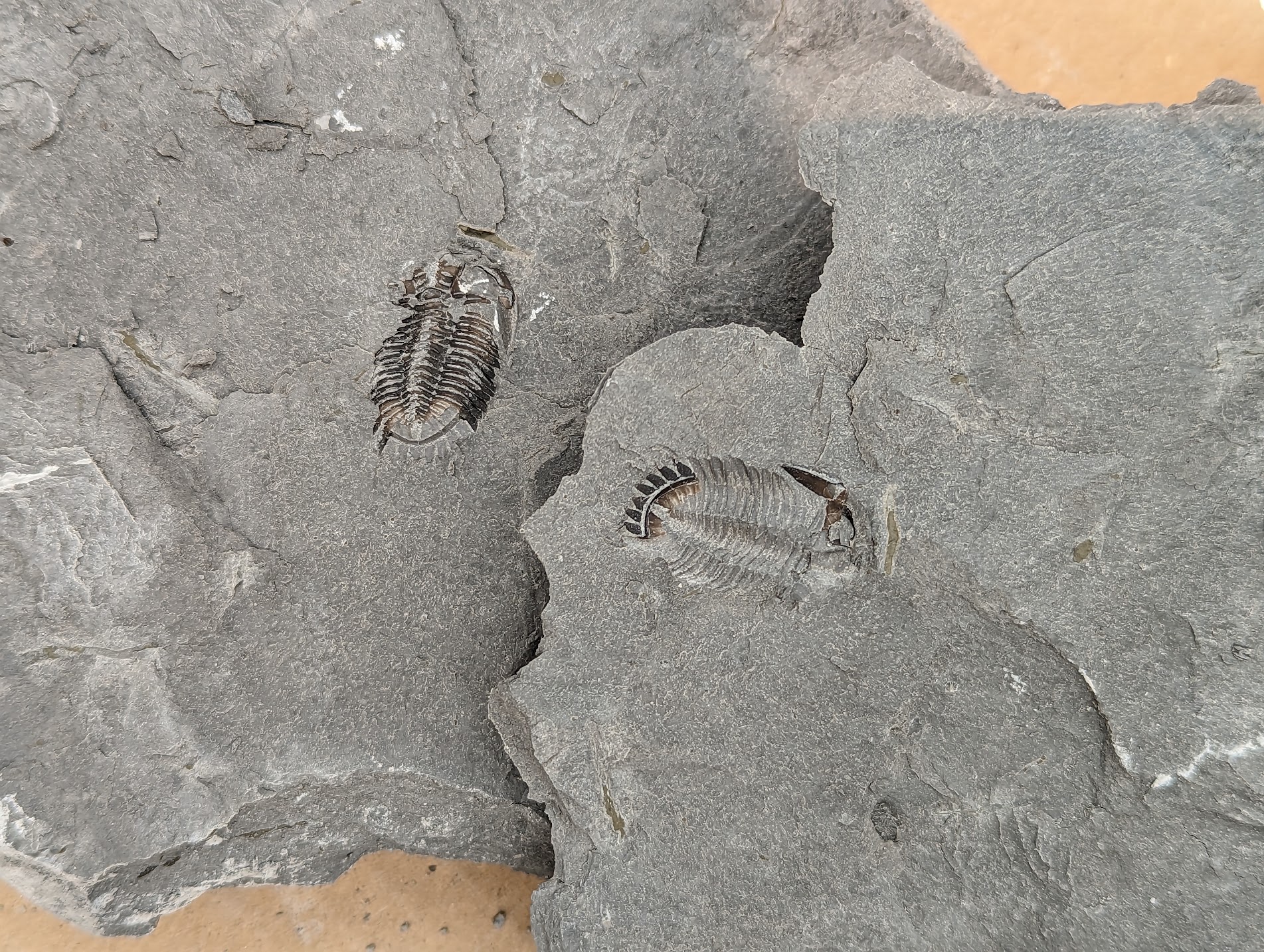
Fossil Friday #186: Greenops sp. from Penn Dixie
This is the “Fossil Friday” post #186. Expect this to be a somewhat regular feature of the website. We will post any fossil pictures you send in to esconi.info@gmail.com. Please include a short description or story. Check the #FossilFriday Twitter hash tag for contributions from around the world! Today, we have a Greenops trilobite from…
-

Throwback Thursday #187: Chowder Flats Field Trip March 1994
This is Throwback Thursday #187. In these, we look back into the past at ESCONI specifically and Earth Science in general. If you have any contributions, (science, pictures, stories, etc …), please send them to esconi.info@gmail.com. Thanks! John Good gave us some great ESCONI photos back at the 2023 ESCONI Gem, Mineral, and Fossil Show. …
-
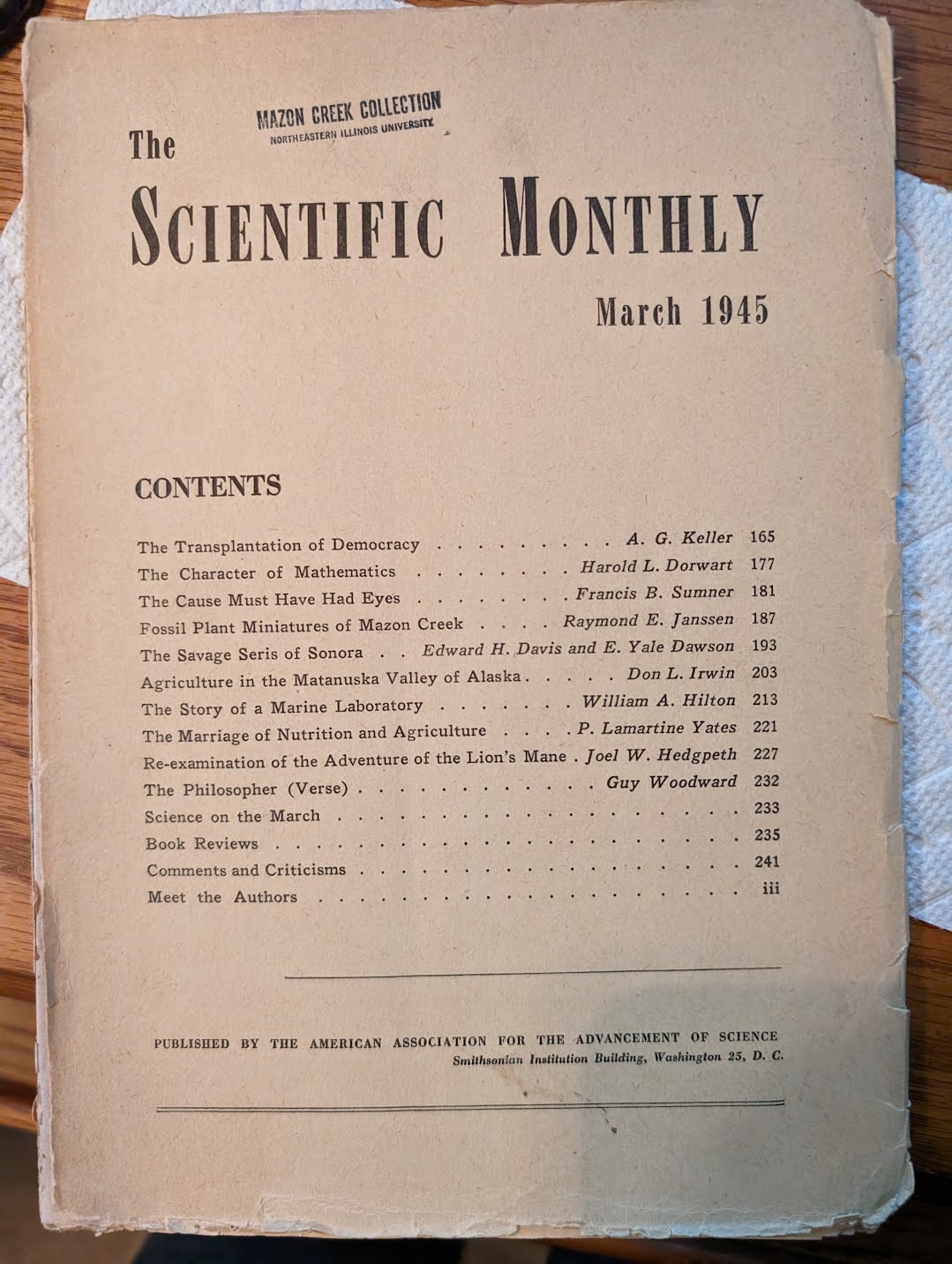
Mazon Monday #189: Fossil Plant Miniatures of Mazon Creek
This is Mazon Monday post #189. What’s your favorite Mazon Creek fossil? Tell us at email:esconi.info@gmail.com. You might remember Raymond Janssen from his “Leaves and Stems from Fossil Forests” book (Mazon Monday #51), which was published in 1939. It was part of a series of books distributed by the Illinois State Museum. Until George Langford…
-
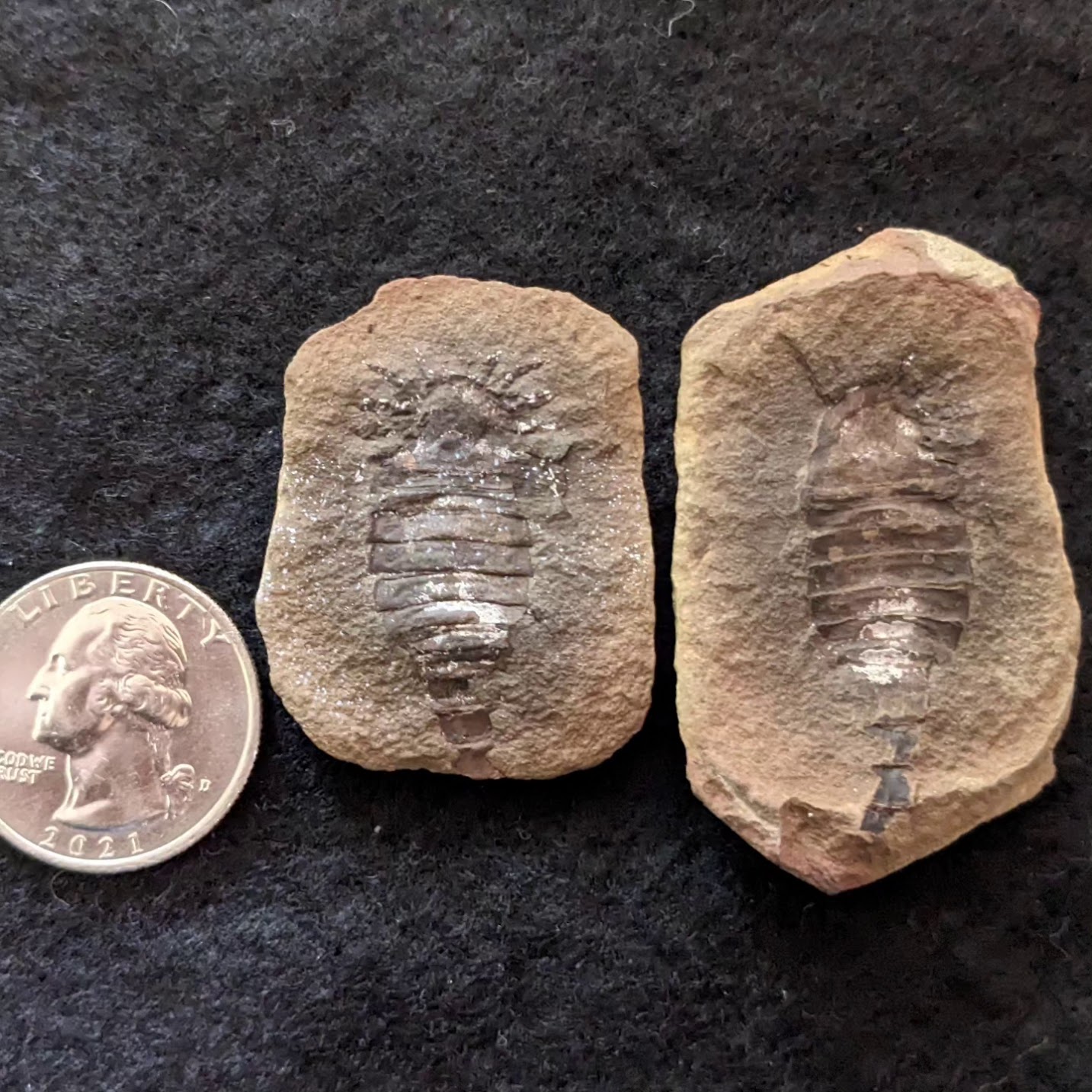
Fossil Friday #185: Adelophthalmus mazonensis
This is the “Fossil Friday” post #185. Expect this to be a somewhat regular feature of the website. We will post any fossil pictures you send in to esconi.info@gmail.com. Please include a short description or story. Check the #FossilFriday Twitter hash tag for contributions from around the world! Jeremy Zimmerman sent us some photos of…
-
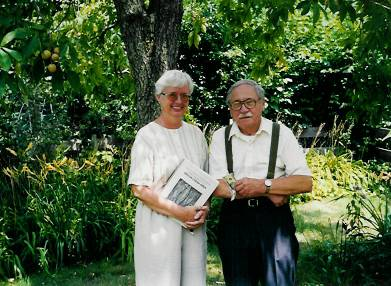
Mazon Monday #188: He looks for Tullys in gullies – Andy Hay
This is Mazon Monday post #188. What’s your favorite Mazon Creek fossil? Tell us at email:esconi.info@gmail.com. Tullimonstrum gregarium was first discovered by Francis Tully in the mid-1950s in the legendary Pit 11 fossil locality. It was described by Ralph Johnson and Eugene Richardson Jr. in the article “Pennsylvanian Invertebrates of the Mazon Creek Area, Illinois:…
-
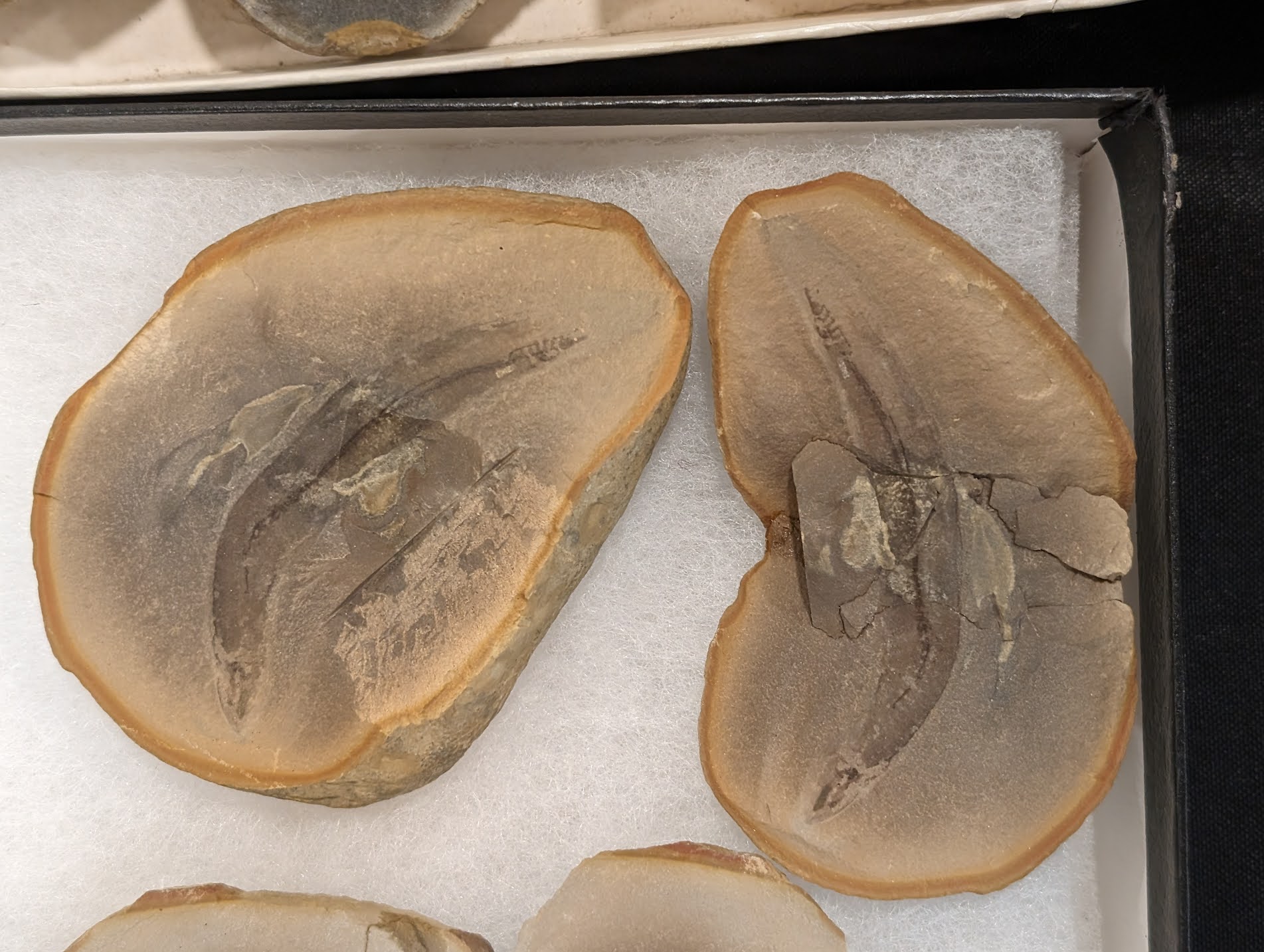
Fossil Friday #184: Gilpichthys greenei from Mazon Creek
This is the “Fossil Friday” post #184. Expect this to be a somewhat regular feature of the website. We will post any fossil pictures you send in to esconi.info@gmail.com. Please include a short description or story. Check the #FossilFriday Twitter hash tag for contributions from around the world! Today, we have a beautiful, huge Gilpichthys…
-
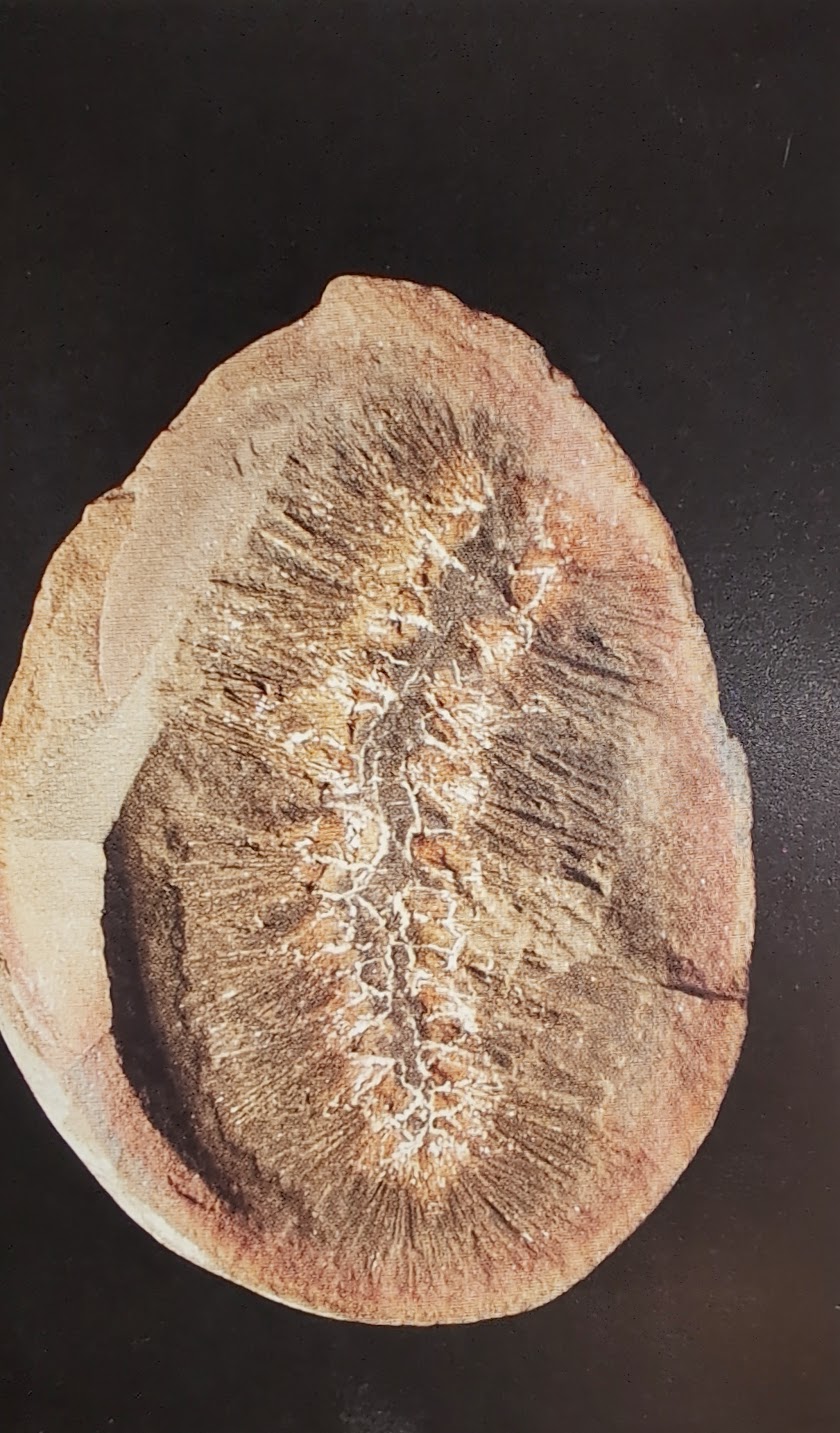
Mazon Monday #187: Palaeocampa anthrax
This is Mazon Monday post #187. What’s your favorite Mazon Creek fossil? Tell us at email:esconi.info@gmail.com. Palaeocampa anthrax was an polychaete worm, believed to be similar to a group of modern day annulid worms referred to as fireworms. It was described by Fielding Bradford Meek (1817-1876) and Amos Henry Worthen (1813-1888) in “Notice of some…
-
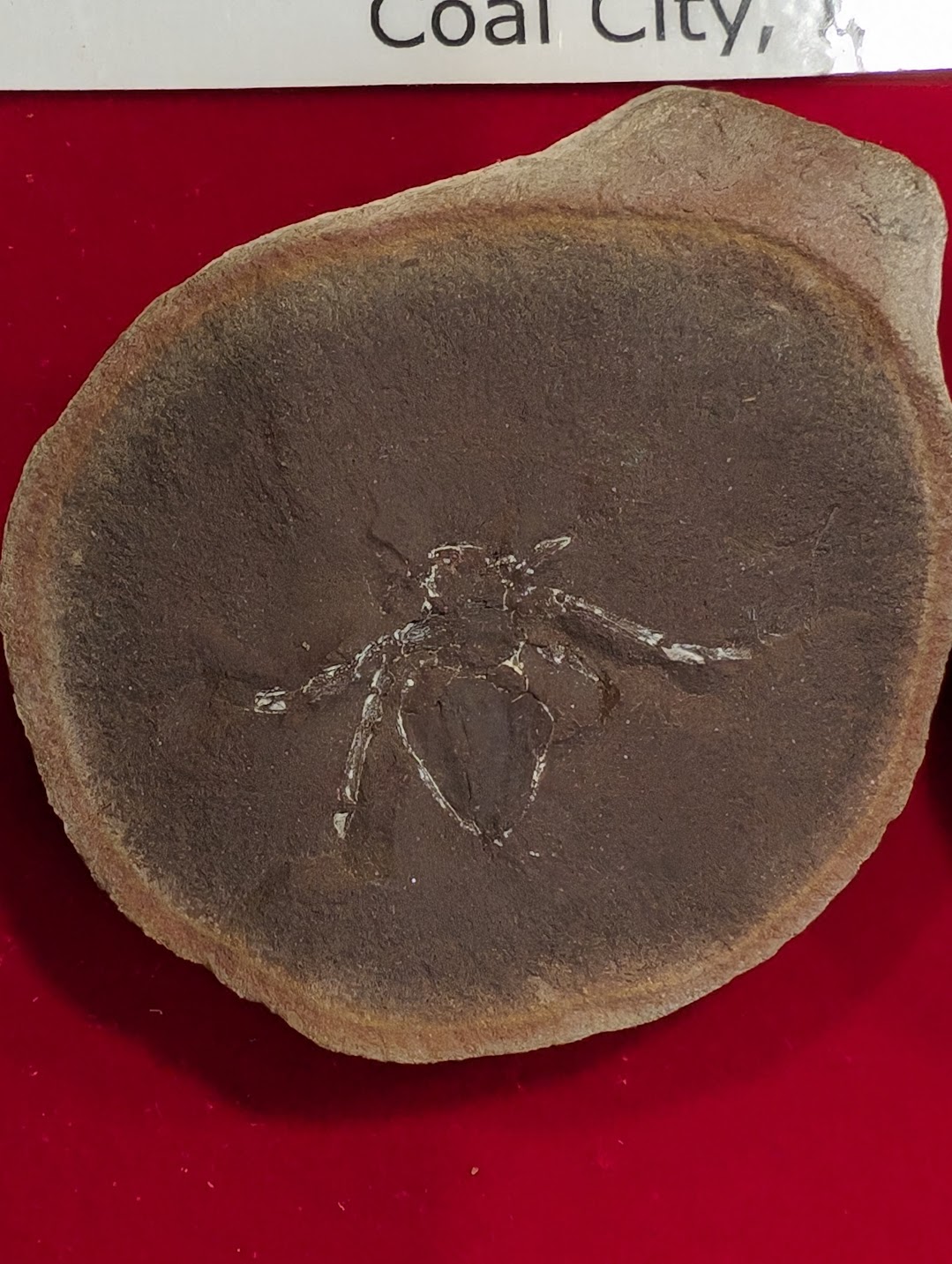
Fossil Friday #183: Mazon Creek Spider
This is the “Fossil Friday” post #183. Expect this to be a somewhat regular feature of the website. We will post any fossil pictures you send in to esconi.info@gmail.com. Please include a short description or story. Check the #FossilFriday Twitter hash tag for contributions from around the world! For this week, we have a breathtaking…
-

Mazon Monday #186: Mazon Creek Fossil Day
This is Mazon Monday post #186. What’s your favorite Mazon Creek fossil? Tell us at email:esconi.info@gmail.com. ESCONI and the Carbon Hill School Museum sponsored “Mazon Creek Fossil Day” on October 14th, 2023. The event was a celebration of Mazon Creek amateur fossil collectors and their contributions to Paleontology. There were fossil displays, two presentations, and…
-
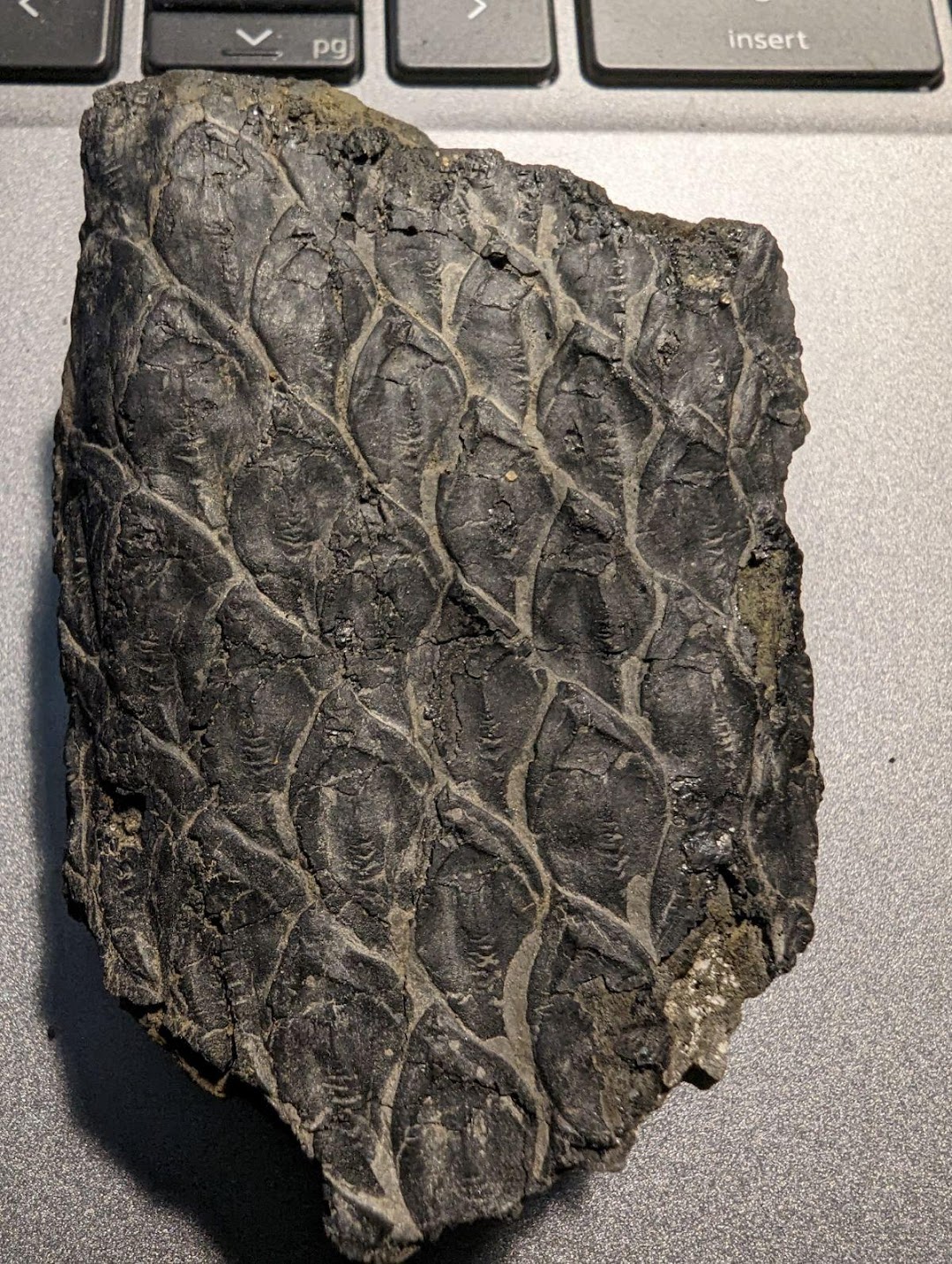
Fossil Friday #182: Lepidodendron Bark
This is the “Fossil Friday” post #182. Expect this to be a somewhat regular feature of the website. We will post any fossil pictures you send in to esconi.info@gmail.com. Please include a short description or story. Check the #FossilFriday Twitter hash tag for contributions from around the world! Lepidodendron, also known as “scale tree”, is…
-

Mazon Monday #185: The Naming of the Tully Monster
This is Mazon Monday post #185. What’s your favorite Mazon Creek fossil? Tell us at email:esconi.info@gmail.com. The Tully Monster was named the state fossil in 1989. Unfortunately, this was about two years after Francis Tully, its namesake, had passed away. The following article appeared in the April 1989 edition of the ESCONI newsletter. It was…
-
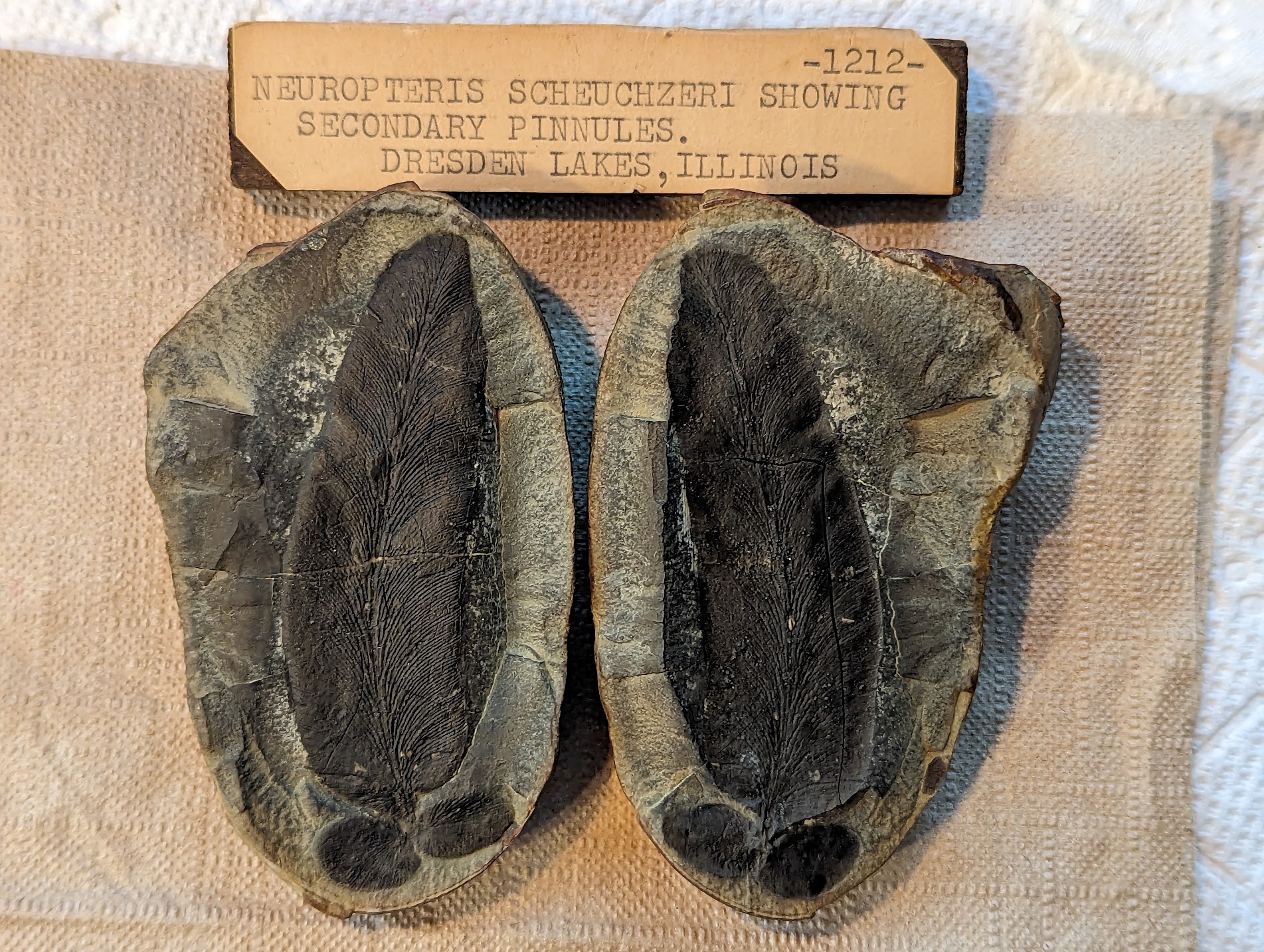
Fossil Friday #181: Macroneuropteris scheuchzeri
This is the “Fossil Friday” post #181. Expect this to be a somewhat regular feature of the website. We will post any fossil pictures you send in to esconi.info@gmail.com. Please include a short description or story. Check the #FossilFriday Twitter hash tag for contributions from around the world! This week, we have a rather nice…
-
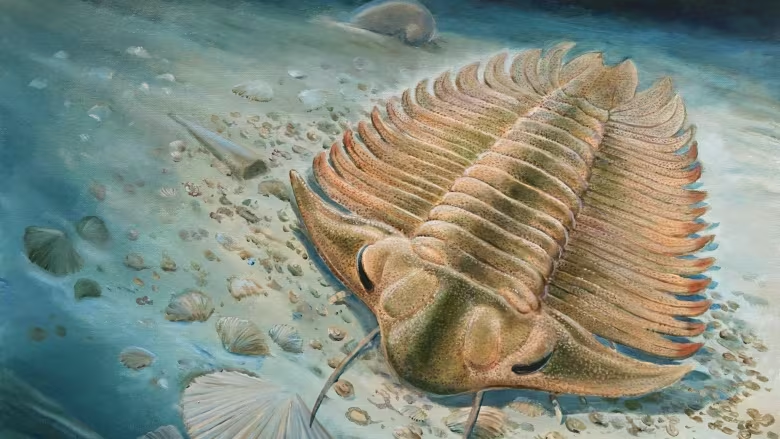
Trilobite Tuesday #46: Trilobite’s last meal
CBC Radio’s Quirks and Quarks show has a segment about a trilobite’s last meal. The trilobite specimen, Bohemolichas incola, was found in a 465 million year old (Ordovician Period) shale deposit. A 465 million year old trilobite fossil with remarkably preserved gut contents reveals for the first time what these extinct arthropods ate. Per Ahlberg, a…
-
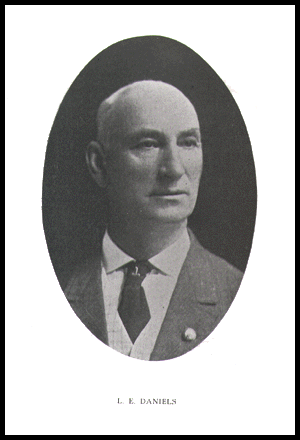
Mazon Monday #184: Historic Collectors – L.E. Daniels
This is Mazon Monday post #184. What’s your favorite Mazon Creek fossil? Tell us at email:esconi.info@gmail.com. Lorenzo Eugene Daniels was a Farmer, Sheriff of Grundy County, IL, Assistant State Geologist, Indiana, and an Amateur Conchologist. He was born in Mazon, Illinois on March 4th 1852. In the scientific literature of the time, he is referred…
-
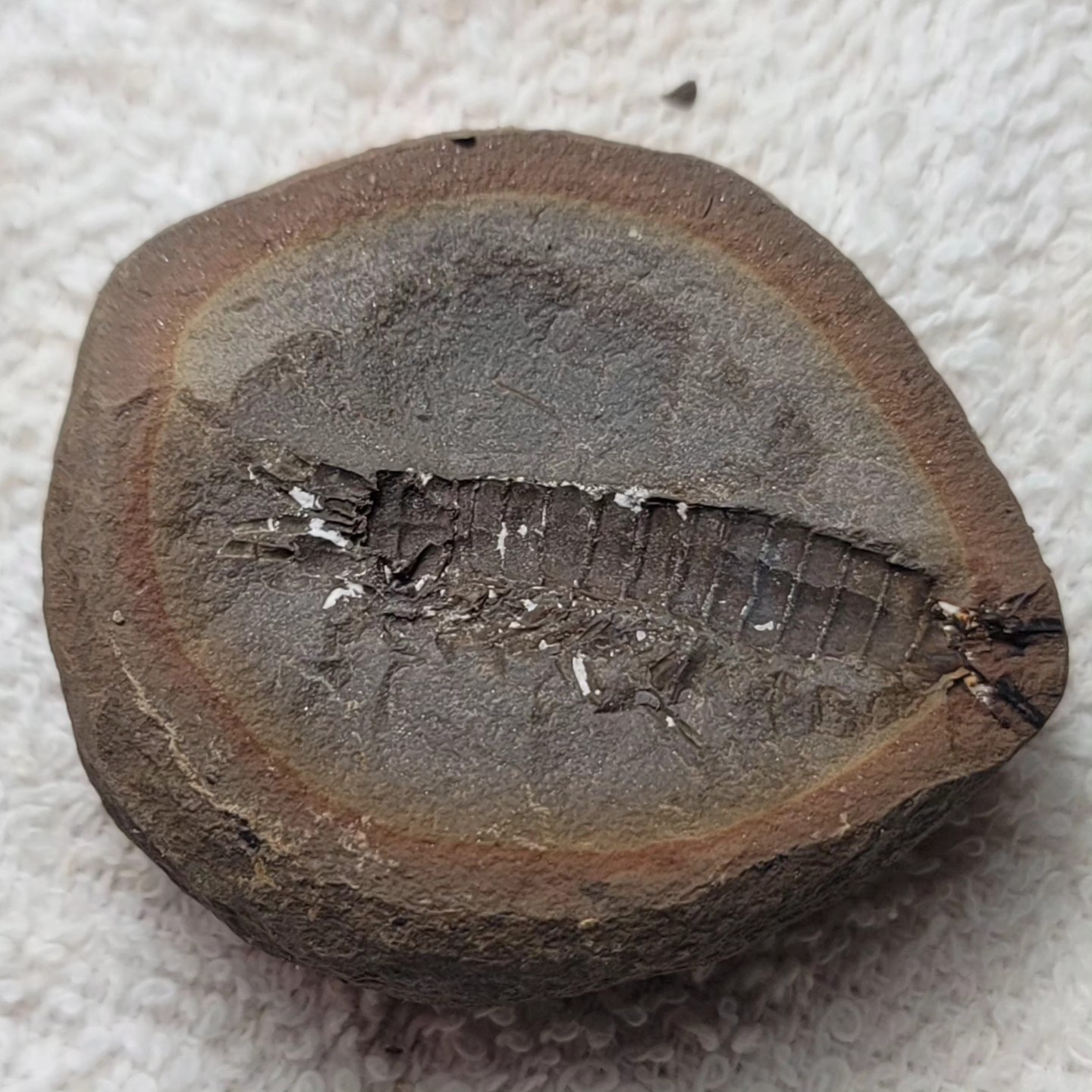
Fossil Friday #180: Acanthotelson stimpsoni
This is the “Fossil Friday” post #180. Expect this to be a somewhat regular feature of the website. We will post any fossil pictures you send in to esconi.info@gmail.com. Please include a short description or story. Check the #FossilFriday Twitter hash tag for contributions from around the world! This week’s fossil is a sweet little…
-
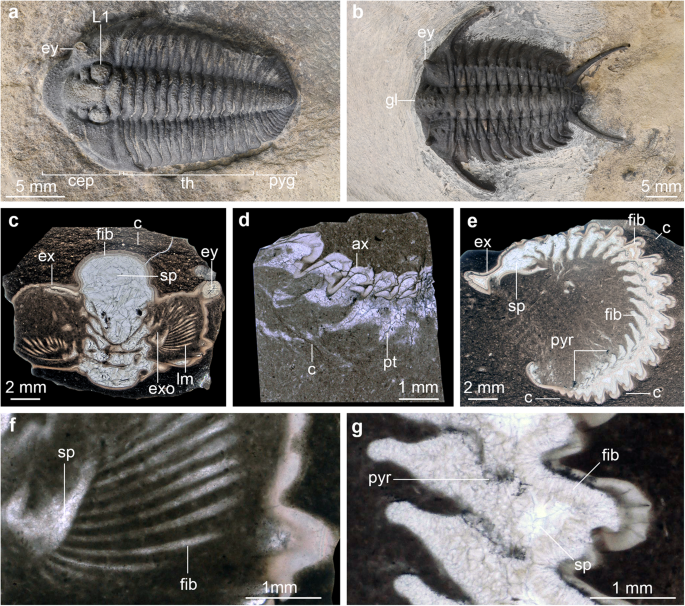
Trilobite Tuesday #45: Taphonomy of non-biomineralized trilobite tissues preserved as calcite casts from the Ordovician Walcott-Rust Quarry, USA
Nature’s journal communication Earth & environment has a paper about the preservation of trilobites in the Wolcott-Rust quarry. The Walcott-Rust quarry was discovered by Charles Wolcott in the 1870’s. It dates to the Ordovician Period and yielded the first known trilobite appendages. This paper details research into the mechanism of the delicate, three dimensional preservation.…
-
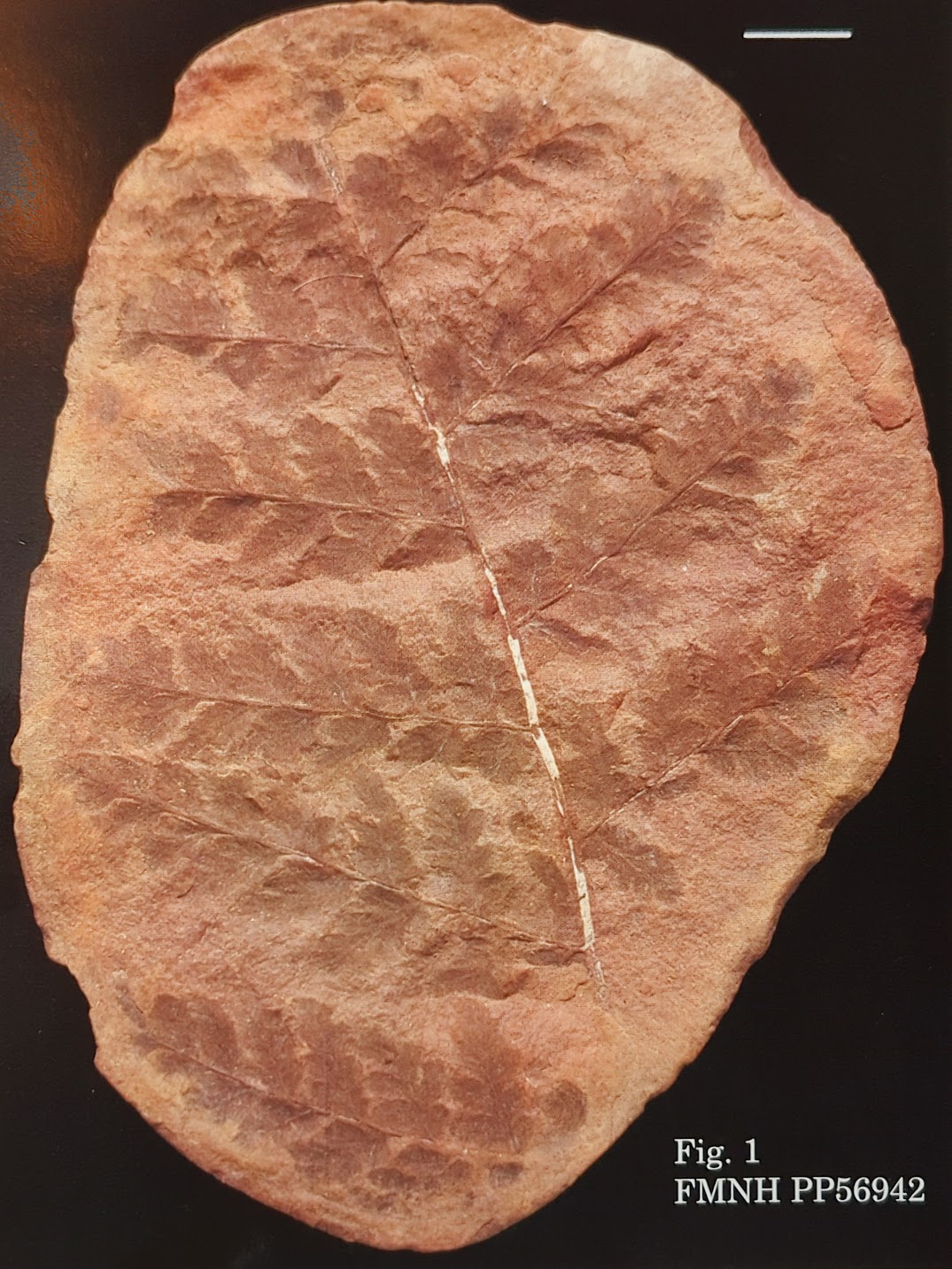
Mazon Monday #183: Sphenopteris plicata
This is Mazon Monday post #183. What’s your favorite Mazon Creek fossil? Tell us at email:esconi.info@gmail.com. Sphenopteris plicata was described by Leo Lesquereux in 1858. Lesquereux (1806 – 1889) described much of the North American Carboniferous flora in the mid 1800’s as a consultant to various US state geological surveys. His book “Atlas to the…
-

Fossil Friday #179: Reticulopteris munsterii
This is the “Fossil Friday” post #179. Expect this to be a somewhat regular feature of the website. We will post any fossil pictures you send in to esconi.info@gmail.com. Please include a short description or story. Check the #FossilFriday Twitter hash tag for contributions from around the world! We have a Pit 3 Reticulopteris munsterii…
-

Mazon Monday #182: Braceville Fall 2023 Report
This is Mazon Monday post #182. What’s your favorite Mazon Creek fossil? Tell us at email:esconi.info@gmail.com. The Fall 2023 Braceville Field Trip is in the books… is is that on the web? It was a enjoyable, but somewhat wet, weekend. We had rain at the very end of the day on Saturday and most of…
-
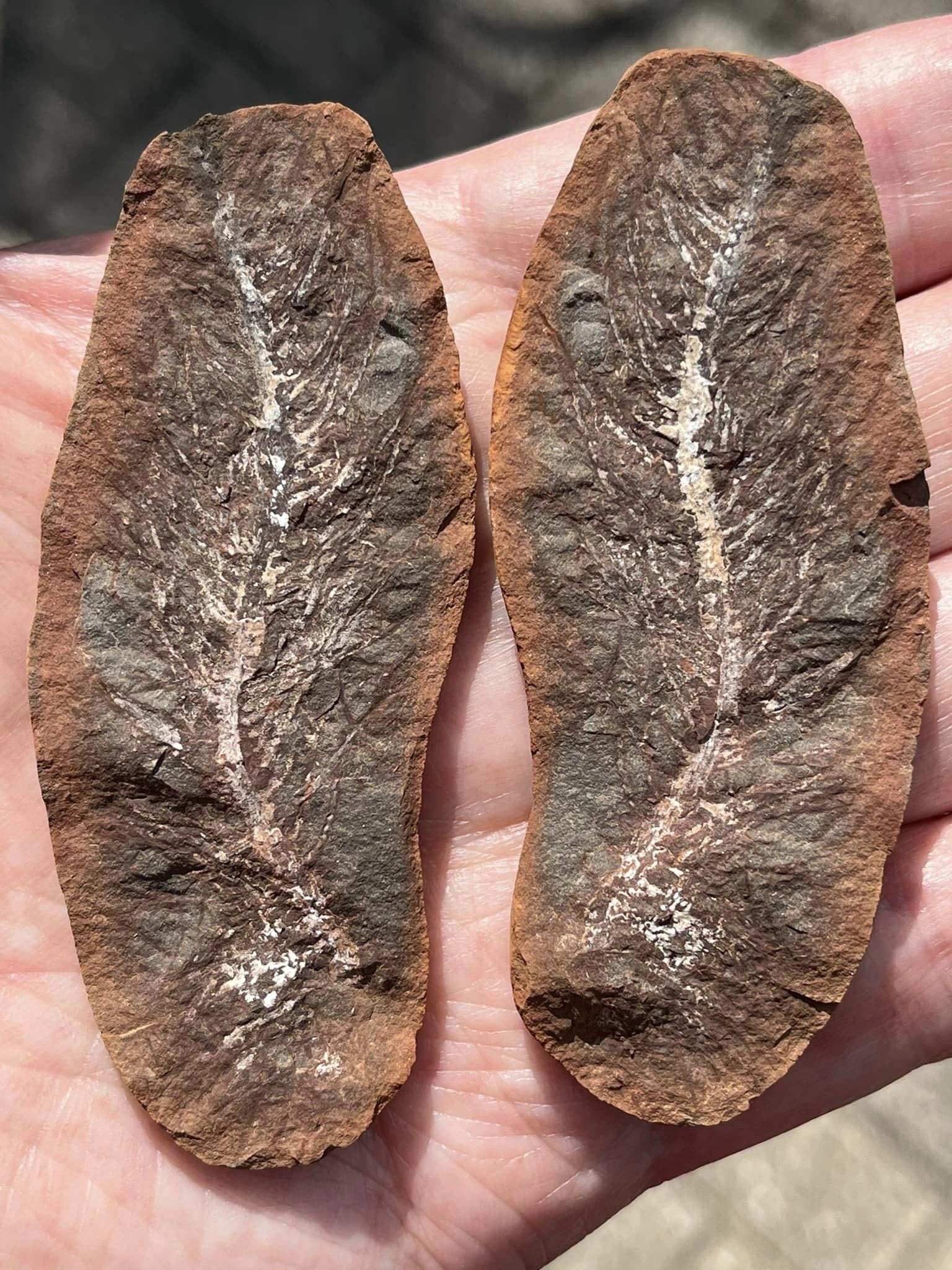
Fossil Friday #178: Radicites
This is the “Fossil Friday” post #178. Expect this to be a somewhat regular feature of the website. We will post any fossil pictures you send in to esconi.info@gmail.com. Please include a short description or story. Check the #FossilFriday Twitter hash tag for contributions from around the world! We have something different from Mazon Creek…
-
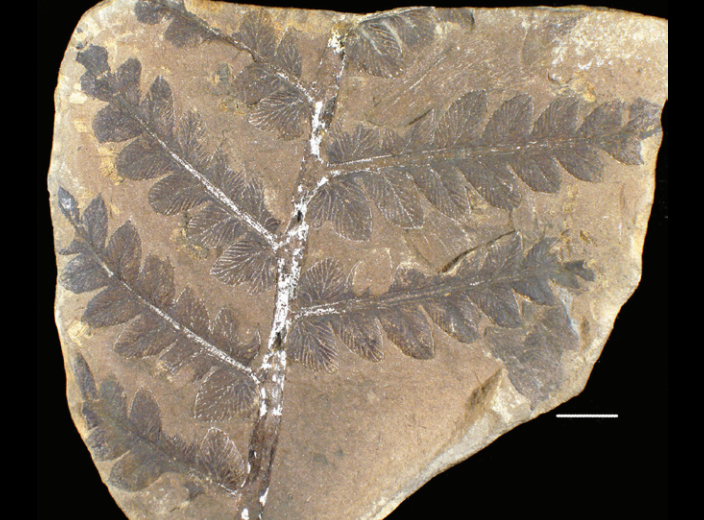
Mazon Monday #181: Mariopteris nervosa
This is Mazon Monday post #181. What’s your favorite Mazon Creek fossil? Tell us at email:esconi.info@gmail.com. Mariopteris nervosa is the most common species of Mariopteris found in the Mazon Creek fossil biota. It was named by Adolphe-Theodore Brongniart in 1879. He was a French botanist, who is widely considered the father of Paleobotany. He lived…
