Tag: Canada
-
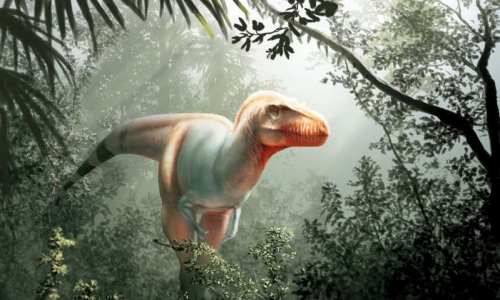
Phys.org: Meet T-Rex’s older cousin: The Reaper of Death
Phys.org has a story about a new tyrannosaur. This one is called Thanatotheristes degrootorum, Greek for “Reaper of Death”. It lived some 80 million years ago, during the Cretaceous Periond, in what is now Canada. Details were published recently in the journal Cretaceous Research. “We chose a name that embodies what this tyrannosaur was as…
-
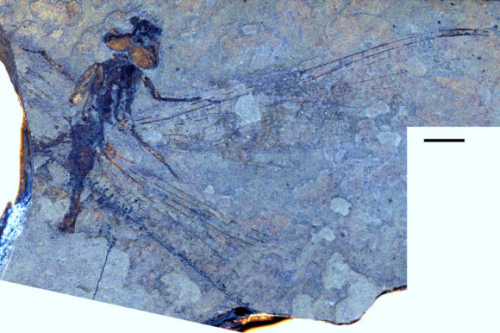
Paleontologists Find Fossils of Six New Dragonfly Species
Sci-News has a post about the discovery of 6 new species of fossil dragonflies. These animals lived about 50 million years ago during the Eocene epoch. The fossils were found in the Okanagan Highlands, whih is an elevated hilly plateau area in British Columbia, Canada and the state of Washington. All the details are in…
-
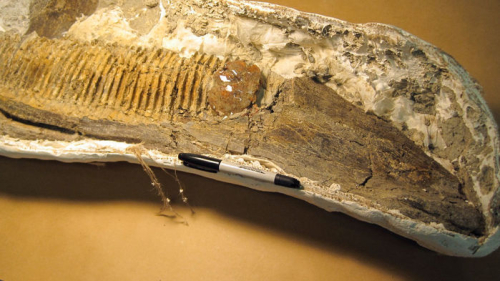
‘Remarkable’ fossil features an insect trapped in amber, stuck to a dinosaur jaw
Science has a post about a special fossil insect. The ‘remarkable’ fossil consists of sap-sucking aphids trapped in amber and stuck to the jawbone of a duck-billed dinosaur. It was discovered in 2010 in Dinosaur Provincial Park in Alberta, Canada. All the detail are in a paper publish in the journal Science. The “remarkable” two-for-one…
-
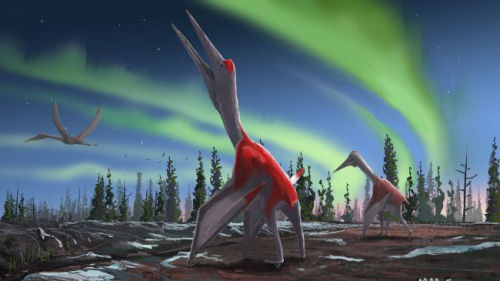
LiveScience: Meet ‘Cold Dragon of the North Winds,’ the Giant Pterosaur That Once Soared Across Canadian Skies
Live Science has a story about a new giant pterosaur. The animal, Cryodrakon boreas (cold dragon of the north winds), was discovered in Dinosaur Provincial Park in Alberta, Canada. It is thought to have lived between 77 million to 74 million years ago. The bones were originally found decades ago and were thought to be…
-
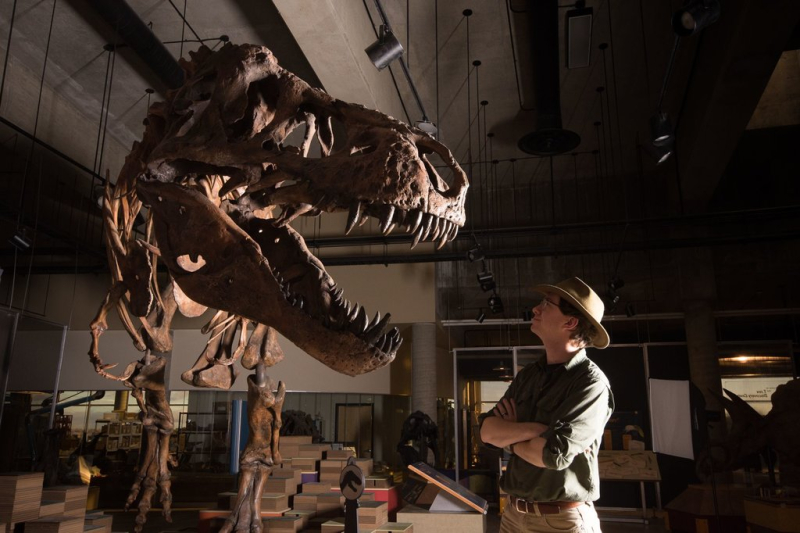
NYT: ‘Scotty’ the T. Rex Is the Heaviest Ever Found, Scientists Say
The NY Times has a piece about Scotty the Tyrannosaurus rex. The specimen was discovered in Saskatchewan in 1991. A paper published in the scientific journal “The Anatomical Record estimates Scotty to have weighed 19,555 pounds, which would make it heavier than SUE – estimated between 12,000 – 14,000. Size and age are also seen…
-
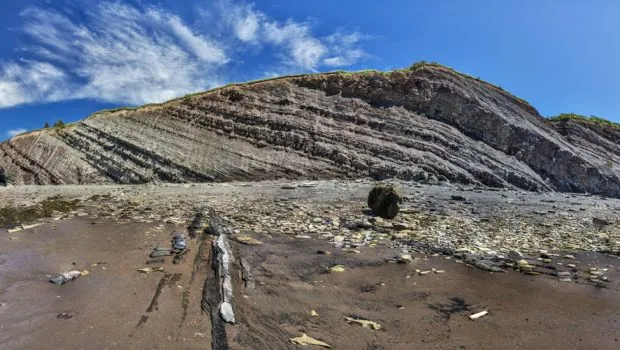
Palaeocast Episode 94: Joggins Fossil Cliffs
Palaeocast has a new episode. The topic is the Joggins Fossil Cliffs, which is a rich fossil deposit from the Carboniferous Period. The locality is in Nova Scotia, Canada and dates to about 300 million years ago, which makes it contemporary in time with Mazon Creek. There is a wide variety of fossils, both plants…
-
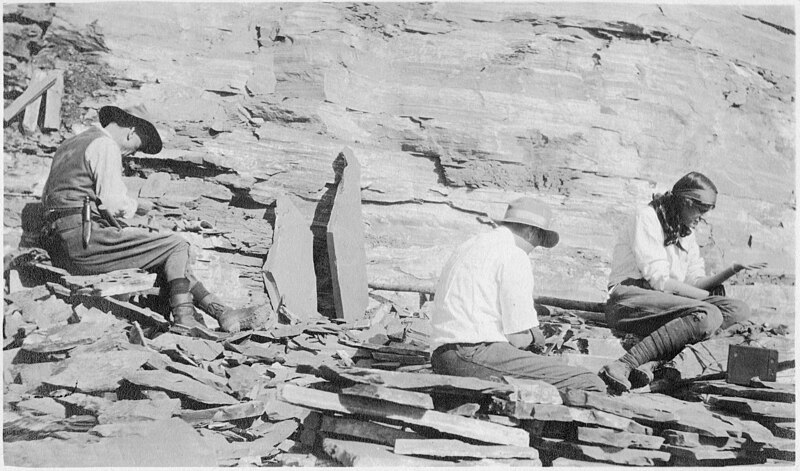
Happy Birthday, Burgess Shale – Discovered August 30th, 1909
The Burgess Shale was discovered 109 years ago today by Charles Doolittle Wolcott. The deposit dates to about 508 million years ago. Currently located high in the mountains of British Columbia, Canada, in life, it was located near the equator. It’s one of the most important fossil localities ever discovered, as it opened our eyes…
-
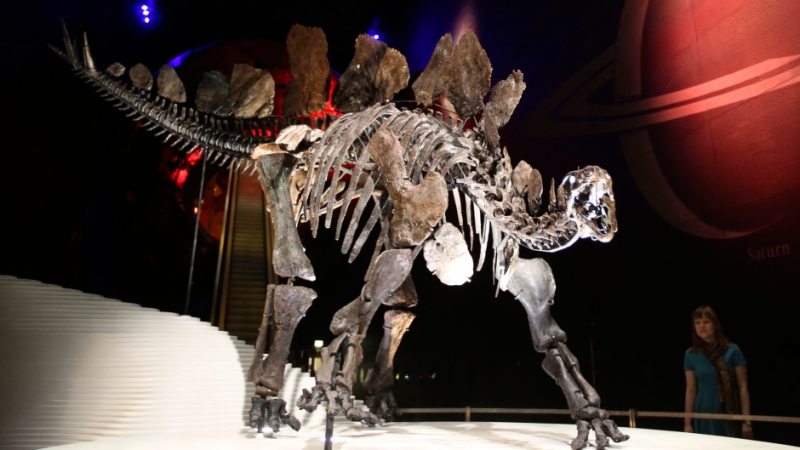
CBC Quirks & Quarks – Why extinct creatures fought with their tails, while today animals use their heads
CBC Radio’s Quirks & Quarks has a segment about dinosaurs that fought with their tails. There were quite a few dinosaurs that evolved defence mechanisms centered around their tails. Examples are Stegosaurs, Ankylosaurs, and maybe some Sauropods. Modern animals with powerful weapons, overwhelmingly use their heads instead of their tails, think rams, deer, elk, with…
-

Heavily armoured dinosaur had ginger camouflage to deter predators – study
The Guardian has a story about a recent paper that studied coloring in the best-preserved armoured dinosaur ever discovered. The specimen of Ankylosaur named Borealopelta markmitchelli, was discovered back in 2011 at the Suncor Millennium Mine in Canada. The discovery was a surprise as the site had previously only revealed fossils of ancient marine reptiles. …
-
CBC Quirks & Quarks – This armoured and spiky dinosaur still had to hide from predators
CBC Radio’s Quirks & Quarks Show has a segment about an amazing fossil dinosaur specimen. It’s one of the best preserved dinosaur fossils ever found and was discovered in Alberta, Canada. The animal is a nodosaur that lived about 110 million years ago during the Cretaceous Period. The detail is such that researchers can determine…
-
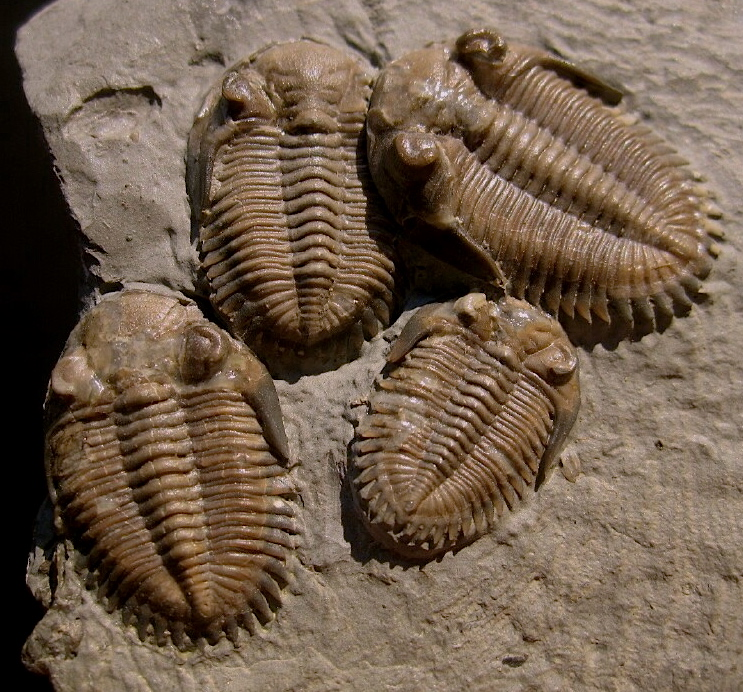
Trilobites.info: April 2016 Trilobite of the Month
Over at Trilobites.info, the Trilobite of the Month for April 2016 is Stummiana arkonensis. It’s a Middle Devonian trilobite from the Widder Formation, Hamilton Group of Arkona, Ontario, Canada. Check it out on the trilobites.info website. The trilobites.info website is invaluable for everything trilobite. Check it out today! The Trilobite of the Month for the…
-
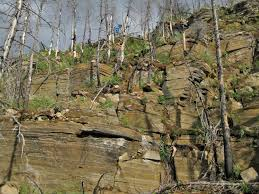
500 million years ago, this critter had a really bad day
The Globe and Mail has a fantastic piece on the newest fossil discoveries of animals that lived during the “Cambian Explosion” in British Columbia. The new locality has been dubbed “Marble Canyon”. It features a slightly different assemblage of animals than what was found in the “Burgess Shale”. The exact location has been kept secret;…
-
New Archaeological Lab at McMaster University, Canada
From TheSpec (includes interesting video): … Thursday marked the official opening of McMaster’s Archaeological XRF Lab, or MAX Lab, for short. It’s the first research centre in Canada to use a special non-destructive technology to determine what ancient artifacts are made of. The centrepiece of the lab is a nearly $100,000 piece of equipment that uses…
-
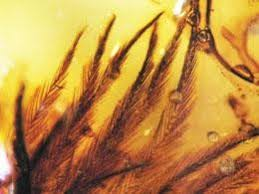
Preserved Dino Feathers found in Amber
From Science via NatureNews: The amber samples are between 70 and 85 million years old, and come from a site called Grassy Lake in western Canada that was once home to a conifer forest. The site is well known for the wide range of insects found preserved in its amber. Palaeontologist Ryan McKellar and his…
