Tag: Cambrian
-

Fossil of Pincer-Wielding Crawler Reveals Origins of Spiders, Scorpions and Others
The Trilobites column over at the New York Times has a interesting story about the origin of chelicerates – spiders, scorpions, mites, horseshoe crabs, and others. Chelicerates are a diverse group of arthropods that consists of more than 120,000 known species. Member of this group are classified by having a pair of appendages called chelicerae.…
-
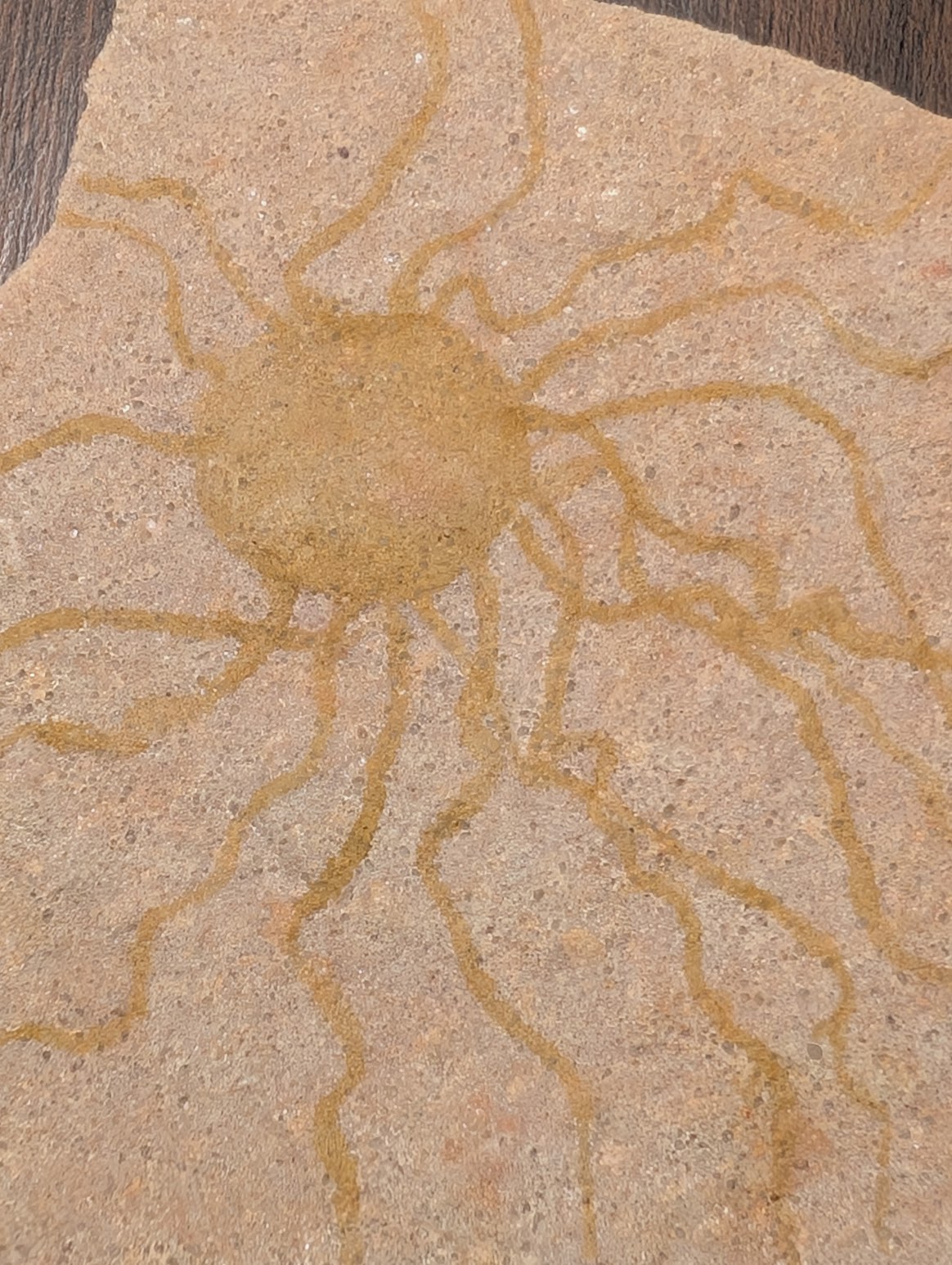
2026 ESCONI Gem, Mineral, and Fossil Show – Preview #27: Rare Wisconsin Jellyfish from Marathon County, Wisconsin
Jellyfish, which have no hard parts, are very rare in the fossil record. This species Hiemalora stellaris was found in the Cambrian rocks of the Blackberry Hill Deposit of Marathon County, Wisconsin. Come on out tomorrow and it can be yours!
-
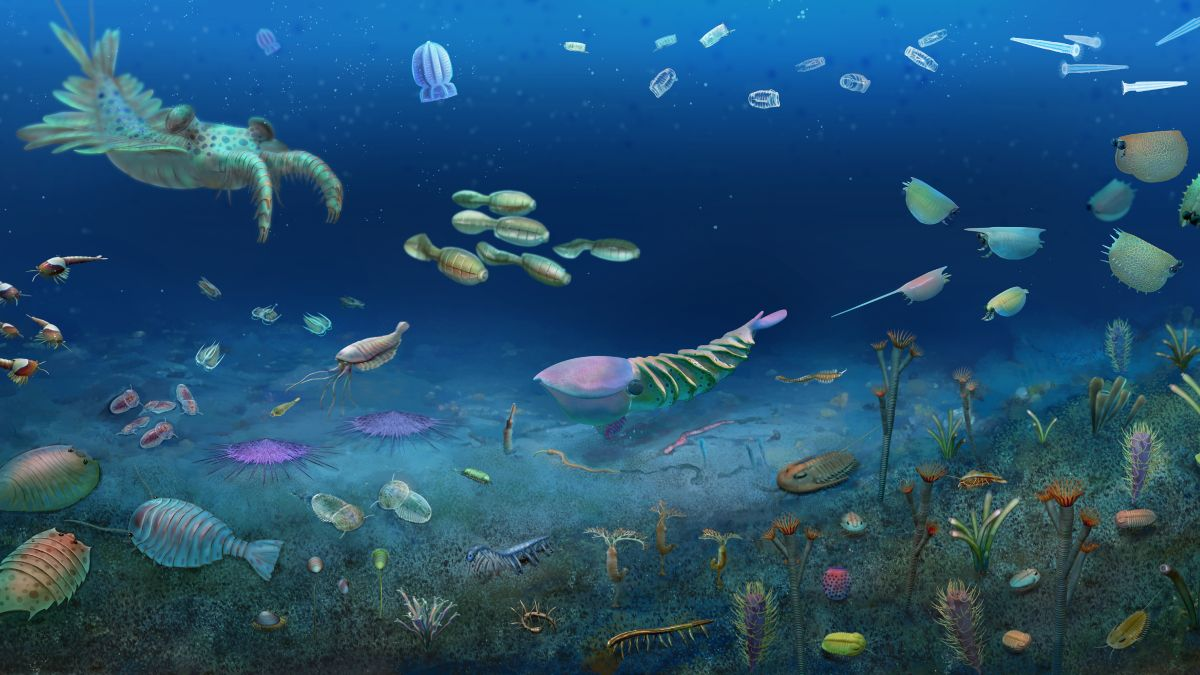
Stunning Fossil Site Reveals Life Rebounding After Major Extinction Event
Science Alert has a story about the discovery of a new Cambrian lagerstatte in China. The site preserves an entire ecosystem in stunning detail. There are about 40 Cambrian sites worldwide that exhibiting exquisite preservation of rarely preserved, non-mineralized soft tissue. Add this newly discovered 512 million years old fossil site in Hunan, South China, named…
-
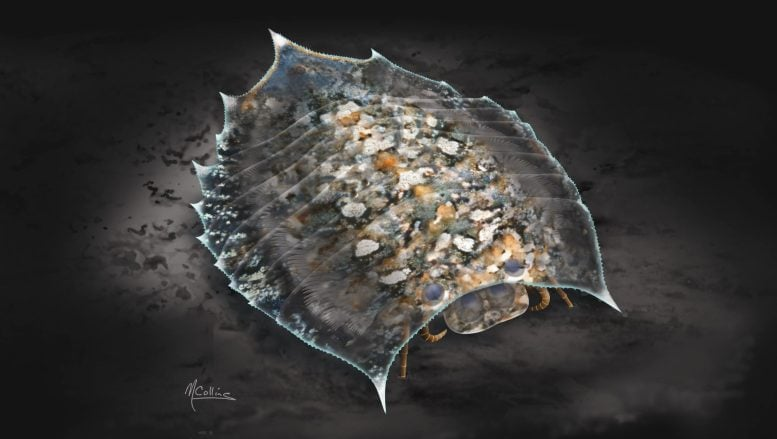
Harvard Scientists Solve 100-Year Mystery of Bizarre 508-Million-Year-Old Arthropod
SciTechDaily has an article about the strange arthropod Helmetia expansa. H. expansa was discovered by Charles Doolittle Walcott in 1918 in the Burgess Shale. It was initially identifed as a crustacean, however, it was never described. A new paper, in the Journal of Systematic Palaeontology, describes Helmetia expansa as a concilitergans, a group closely related…
-

Manitoba Museum: Introducing a NEW Fossil… from the Burgess Shale Comes Mosura fentoni”!
https://youtu.be/NiJFzNCbl98 Here is Dr. Joe Moysiuk, of the Manitoba Museum, introducting of a new fossil from the Burgess Shale… Mosura fentoni. There’s a new fossil in town! Meet “Mosura fentoni”. It was discovered by Curator of Palaeontology & Geology Dr. Joe Moysiuk, alongside colleagues from the ROM. Get to know this bizarre-looking little predator in…
-

PBS Eons: Could You Survive the Cambrian Explosion?
There's a new episode of PBS Eons. This one discusses whether you could survive in the Cambrian Period, some 500 million years ago. What would you eat? Could you breathe? In the ocean, the Cambrian Period was one of startling evolutionary innovations, but on land, it was barren, with no vegetation of any kind. In…
-

Throwback Thursday #229: Happy 115th Birthday, Burgess Shale!
This is Throwback Thursday #229. In these, we look back into the past at ESCONI specifically and Earth Science in general. If you have any contributions, (science, pictures, stories, etc …), please send them to esconi.info@gmail.com. Thanks! Charles Doolittle Walcott discovered the Burgess Shale on August 30th, 1909. At the time, Walcott was head of the Smithsonian…
-

Meet this 500 million-year-old, taco-shaped marine creature that has 30 pairs of legs
Researchers have uncovered more about the ancient marine creature Odaraia alata, which they say could have swum upside down to gather food among the spines along its legs. (Danielle Dufault/Royal Ontario Museum) We’ve got another post about a Cambrian animal, today. This one comes from CBC News and is about some recent research on Odaraia alata. …
-
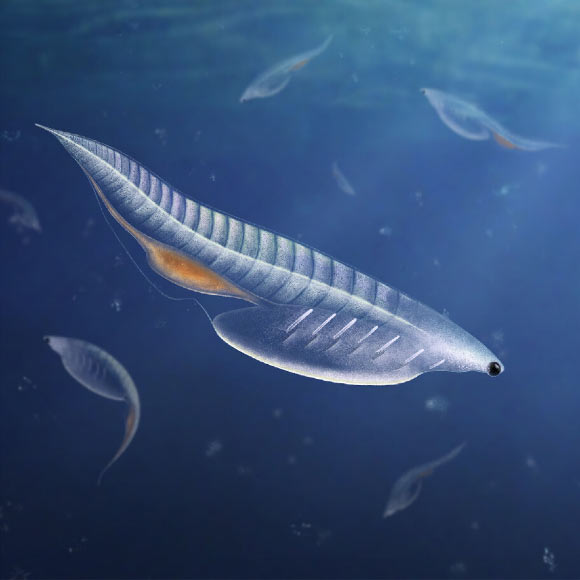
Fossil of Cambrian Long-Headed Chordate Unearthed in Utah
Nuucichthys rhynchocephalus was a pelagic organism with limited swimming abilities. Image credit: Franz Anthony. SciNews has an article about the discovery of the first chordate from the Great American Basin. Nuucichthys rhynchocephalus is a chordate and an animal that sheds light on early vertebrate evolution. N. rhynchocephalus lived during the Cambrian Period, about 505 million years ago. …
-
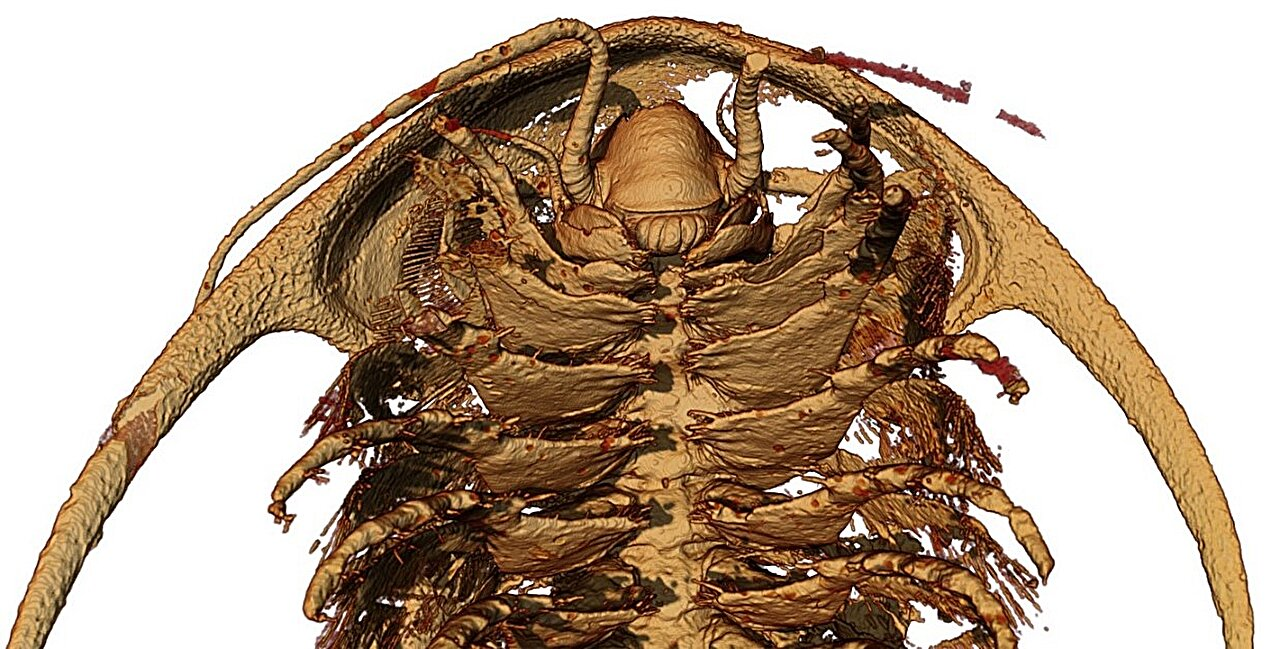
Trilobite Tuesday #49: Most pristine trilobite fossils ever found shake up scientific understanding of the long extinct group
Phys.org has an article about an amazing fossil find in Morocco. A recently discovered deposit of Cambrian trilobites is being described as Pompeii-like, in that the fossils were preserved in volcanic ash (like the Roman city of Pompeii). The fossils are preserved with such fidelity that some never before seen anatomical features are seen preserved…
-

Was This Sea Creature Our Ancestor? Scientists Turn a Famous Fossil on its Head
The fossil of Pikaia, a creature that lived 508 million years ago and may have been a close relative of vertebrates.Credit…Mussini et al., Current Biology 2024 Carl Zimmer writes about Pikaia in his ORIGINS column in the New York Times. Discovered in 1909 by Charles Walcott in the Burgess Shale, Pikaia gracilens, which lived during…
-
PBS Eons: How Ancient Microbes Rode Bug Bits Out to Sea
PBS Eons has a new episode. This one is about the evolution of microbes and how it might be connected to the evolution of the chiton exoskeletons of arthropods. Tiny exoskeleton fragments may have allowed some of the most important microbes in the planet’s history to set sail out into the open ocean and change…
-

Three-eyed distant relative of insects and crustaceans reveals details of early animal evolution
Phys.org has a story about the evolution of insects and crustaceans. Kylinxia zhangi is an early arthropod related to insects and crustaceans. It lived about 520 million years ago during the Cambrian Period. It was part of the famous Chengjiang fossil locality, which is located in the Yunnan Province in southern China. A team…
-
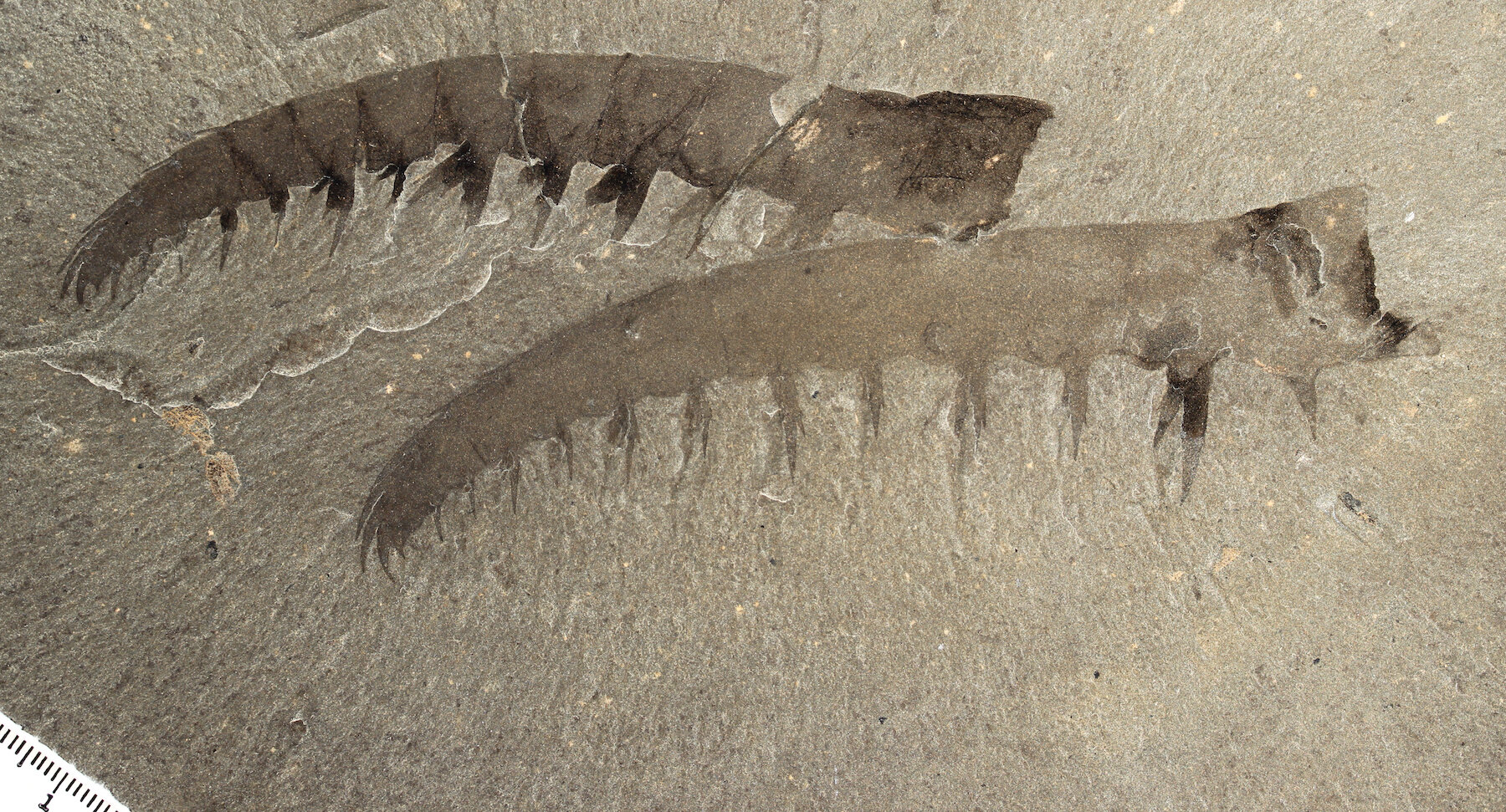
Apex predator of the Cambrian likely sought soft over crunchy prey
Phys.org has a story about one of the largest predators of the Cambrian Period. Anomalocaris canadensis, which means “weird shrimp from Canada”, was first discovered in the 1800’s in fossil deposits around Mt. Stephen in British Columbia. Until the discovery of the Burgess Shale, the front appendages and body fossils were thought to be separate…
-
PBS Eons: These Fossils Were Supposed To Be Impossible
PBS Eons has a new episode. This one is about the earliest animals, which evolved during a period of the Pre-Cambrian called the Ediacaran. Hidden in rocks once thought too old to contain complex life we may have found the animal kingdom’s oldest known predator.
-
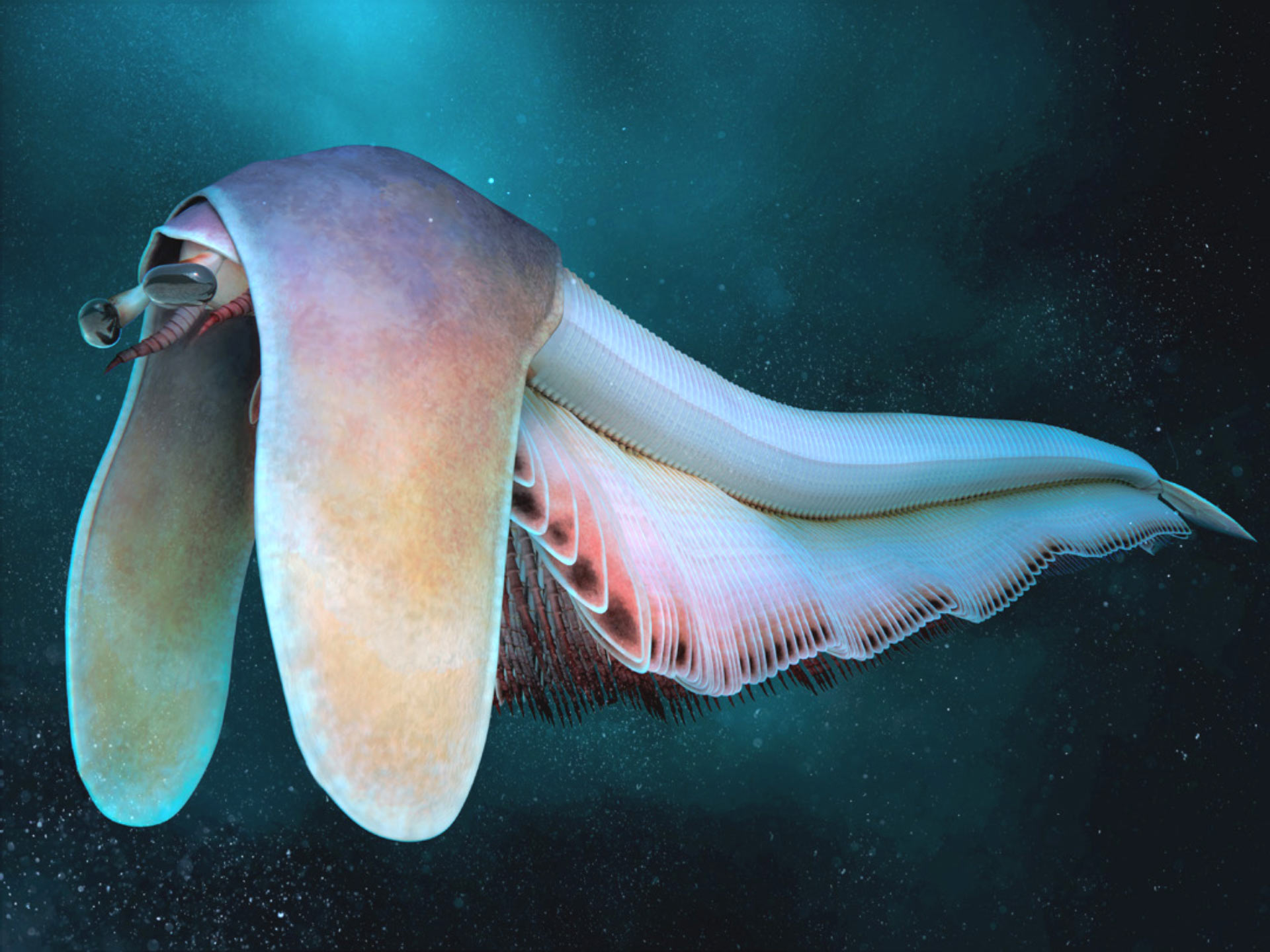
Cambrian Bivalved Arthropod Had Extremely Multisegmented Body
SciNews has a story about a large bivalved arthropod from the Burgess Shale. This animal, Balhuticaris voltae, lived about 506 million years ago in what is now British Columbia, Canada. It is one of the largest known Cambrian arthropods and the largest bivalved arthropod every found. The new species was described in a paper in…
-
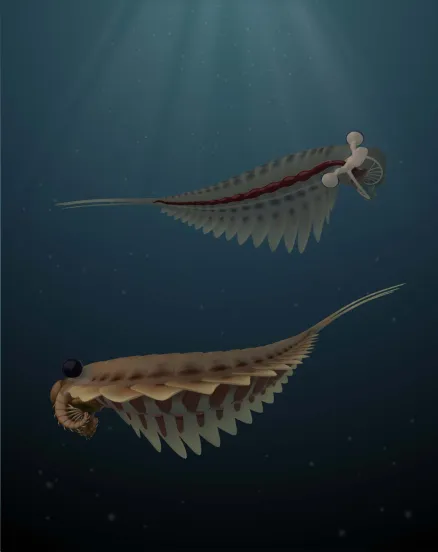
500-million-year-old fossilized brains of Stanleycaris prompt a rethink of the evolution of insects and spiders
Phys.org has a story about fossilized brains…500 million year old brains. A recent paper from researchers at the Royal Ontario Museum in Toronto, Canada describes the fossilized brain in a species of Radiodont called Stanleycaris. The animal is related to Anomalocaris and distantly related to modern day spiders and insects. This amazing fossil was collected…
-
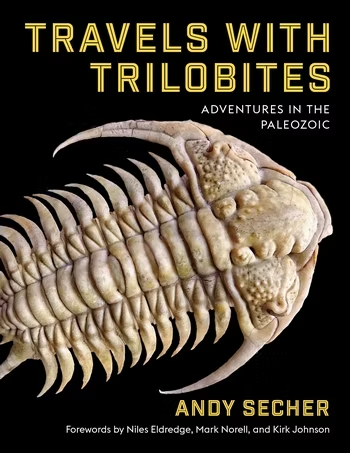
Trilobite Tuesday #41: Travels with Trilobites
There’s a new trilobite book coming out on June 21st, 2022. It’s called “Travels with Trilobites”. The author is Andy Secher a prolific collector of trilobites. He lives in New York City just a few blocks from the American Museum of Natural History. He’s co-editor of the AMNH’s very informative trilobite website. Trilobites were some…
-
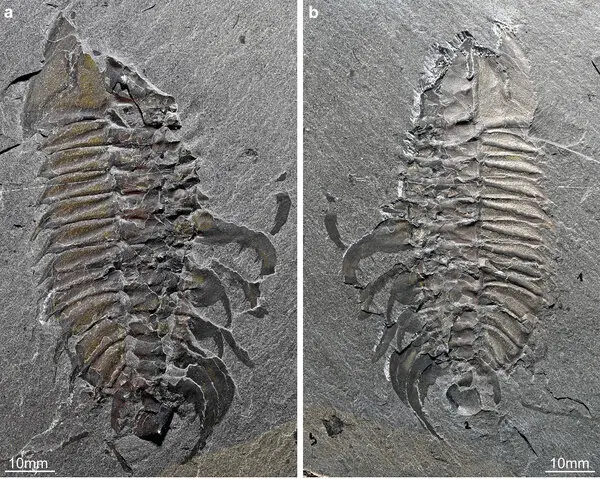
Trilobite Tuesday #39: Before There Were Birds or Bees, This Is How Trilobites Made Babies
The New York Times Trilobites column has a story about trilobite reproduction. Trilobites first show up in the fossil record back in the Cambrian Period, some 500 million years ago. Their closest living relative is most likely the horseshoe crab. Now, a team of paleontologists from Harvard have published a paper in the journal Geology that looks into the…
-

Paleontologists Find Evolutionary Link between Ediacaran and Early Cambrian Multicellular Animals
SciNews has a story about a fossil that links the animals of the Ediacaran and the Cambrian periods. The fossils, which date to about 547 million years ago, were found by University of Edinburgh’s Professor Rachel Wood as she did field work in Namibia, in Africa. The fossil preserves soft tissue from an animal called…
-
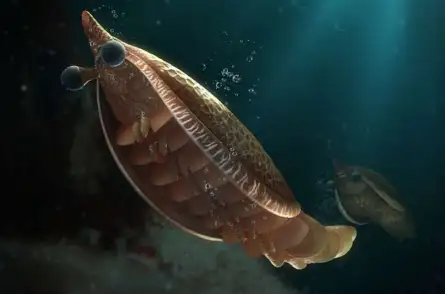
New fossil reveals origin of arthropod breathing system
Phys.org has a story about a new Cambrian arthropod. Erratus sperare was discovered in the Chenjiang Fossil Site in Yunnan, China. That site dates to about 520 million years ago during the Cambrian Period. The researchers were looking for evidence of the evolution of biramous limbs from specialized flaps. In both cases, the limbs are…
-

NYT: One of Evolution’s Oddest Creatures Finds a Fossilized Family Member
The Trilobites column at the New York Times has a story about Opabinia, an enigmatic animal from the Burgess Shale. Stephen Pates, a paleotologist, discovered a strange animal in the collections at the Natural History Museum at the University of Kansas in 2017. The animal was classified as a radiodont, like Anomalocaris, but he was…
-
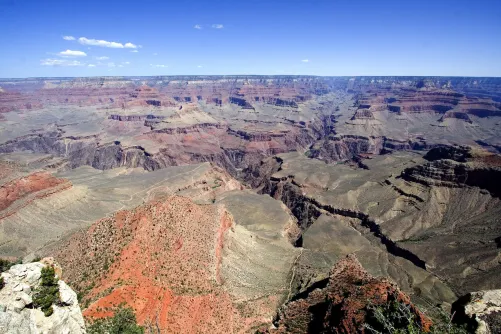
One of Geology’s Great Mysteries May Actually Be Many Smaller Mysteries
Atlas Obscura has a story about the The Great Unconformity. In geology, an unconformity is a break in the sequence of time in a continuous rock record. There is usually a large gap of missing rock layers at the contact point between a much older layer and a younger one. It’s caused by a period…
-
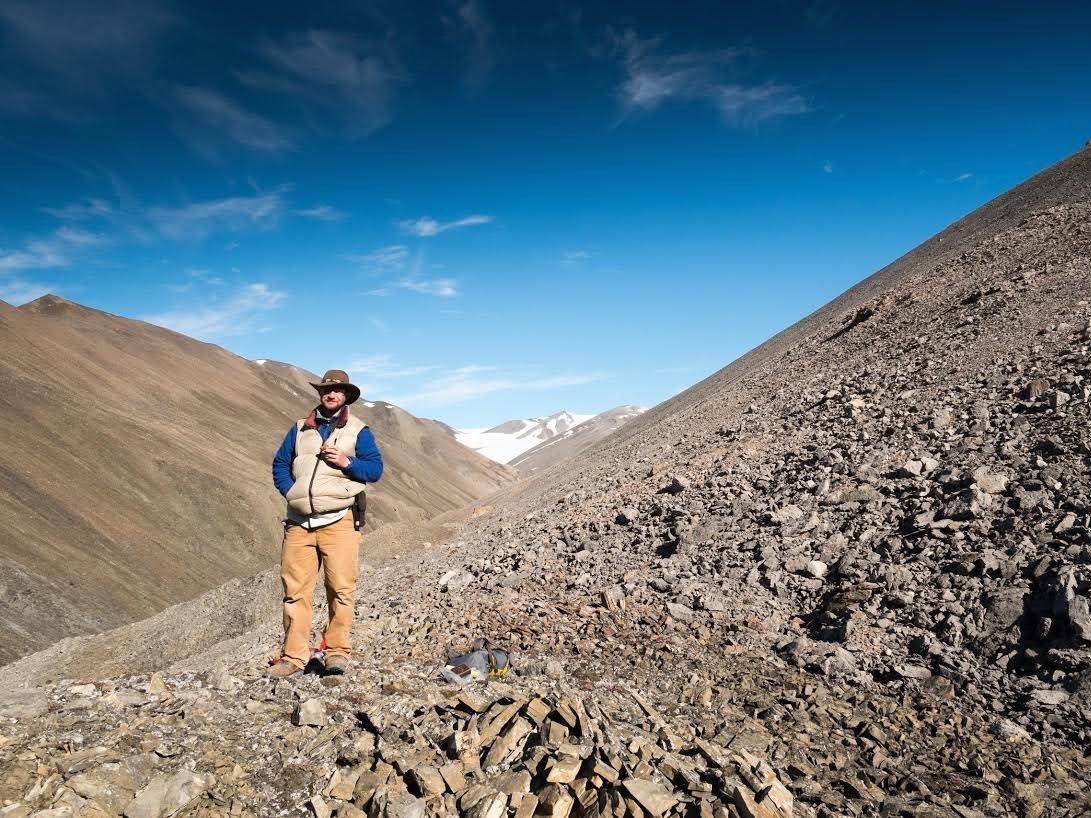
Video for ESCONI September 2021 General Meeting – “Exploring evolutionary patterns and processes in trilobites”
The speaker at our September 10th General Meeting was Dr. Mark Webster from the Department of Geophysical Sciences at the University of Chicago. The topic was Cambrian trilobites. Here’s a link to his page at the university: https://geosci.uchicago.edu/people/mark-webster/
-

A Huge, Unknown Cambrian Bug Fossil Has Been Found in The Eerie Burgess Shale
Science Alert has a story about a new arthropod discovered in the Burgess Shale. The Burgess Shale is a fossil deposit located in British Columbia which gives visibility into the explosion of life during the Cambrian Period more that 500 million years ago. This new animal, Titanokorys gainesi, was more than a foot long, which…
-
Oldest Fossilized Land Plant Spores Have Scientists Rethinking How Plants Evolved
Science Alert has a story about the oldest land plants. In rock samples from the Canning Basin in Western Australia, scientists have found clues to early land plant evolution. These samples come from deposits that date to the lower Ordovician about 480 million years ago when land plants were small and moss-like. The research can…
-

Longest known continuous record of the Paleozoic discovered in Yukon wilderness
Phys.org has a story about ocean conditions in the early to mid Paleozoic Era. Using a newly discovered contiguous geologic record of the Paleozoic Era discovered in Canada’s Yukon, research, detailed in a recent paper in Science Advances, shows that the low oxygen ocean conditions of the Paleozoic lasted into the Devonian period, which is…
-

Paleonursery offers rare, detailed glimpse at life 518 million years ago
Phys.org has a story about a newly discovered fossil Lagerstatte. A paper published in Nature details the new deposit, which is located near Kunming, China. It dates to the middle Cambrian about 518 million years ago, which is same age as the Chengjiang locality. For reference, the Burgess Shale dates to about 508 million years…
-
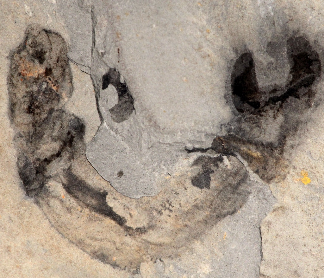
ESCONI May 2021 General Meeting – May 14th, 2021 at 8:00 PM via Zoom – “Enigmatic worms from the Burgess Shale reveal a novel symbiosis”
ESCONI is inviting you to a scheduled Zoom meeting. We hope to see you there! The Zoom link is below. Date/Time: Friday, May 14, 2021 – 8:00 PM Central Time (US and Canada) Topic: “Enigmatic worms from the Burgess Shale reveal a novel symbiosis.” Presented by: Paleontologist, Dr. Karma Nanglu, of the Smithsonian Institution. Excerpt from 5/7/16 New York…
-
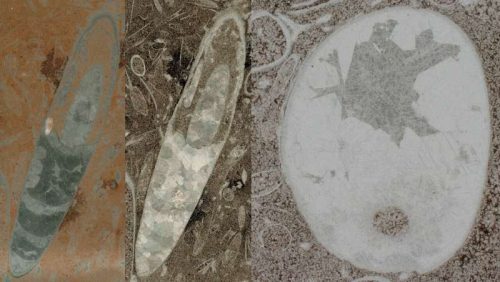
Phys.org: Cephalopods: Older than previously thought?
Phys.org has a piece on the discovery of some very old cephalopods. Found in Newfoundland, Canada on the Avalon Peninsula, the animals date to about 522 million years ago during the middle Cambrian. If really a cephalopod, these fossils would push their origin back about 30 million years from what is currently thought. Details can…

