Tag: birds
-

Tiny pterosaurs dominated cretaceous skies
Phys.org had a story about pterosaus during the Cretaceous. A new study looked at competition between birds and pterosaurs and found the babies of the largest pterosaurs out-competed the adults of smaller species. Previously, it was thought that birds had out-competed the smaller species. The paper appeared in the journal Cretaceous Research. New research has…
-

Phys.org: Giant fossil flightless bird had an enormous body but was still ‘bird-brained’
Phys.org has a story about a giant flghtless bird from Australia. The animal, Dromornis stirtoni, lived in Australia about 50,000 years ago. It stood about 3 meters high and had a weighed up to 600 kg. The description of this species was recently published in the journal Diversity. The largest flightless bird ever to live…
-
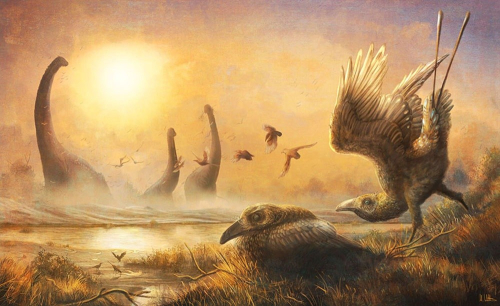
Fossil Reveals Weird, Toothed ‘Toucan’ That Lived Alongside The Dinosaurs
ScienceAlert has a story about a “buck-toothed toucan”. The animal, Falcatakely forsterae, lived about 68 million years ago during the late Cretaceous in what is now modern Madagascar. It was described in a paper in the journal Nature. At less than nine centimetres (3.5 inches) long, the delicate skull of the bird scientists have dubbed Falcatakely forsterae might…
-

Washington Post: How to dissect your Thanksgiving dinosaur
Happy Thanksgiving from ESCONI! The Washington Post has a story and video that does a good job explaining why birds are dinosaurs and how you can see that in your turkey’s skeleton this Thanksgiving. On Thanksgiving, people will gather with their loved ones to share their gratitude for one another over a lavish meal.…
-
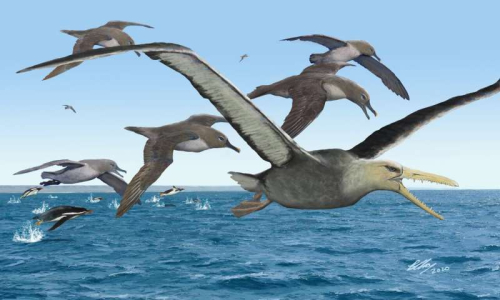
Phys.org: Antarctica yields oldest fossils of giant birds with 6.4-meter wingspans
Phys.org has an interesting story about some truly giant birds. The bird fossils, discovered in the 1980s, show that an extinct group of birds, the pelagornithids, had some large members not long after the mass extinction that killed off the dinosaurs, 65 million years ago. One specimen, which lived about 50 million years ago, had…
-
PBS Eons: How the Egg Came First
There’s a new episode of PBS Eons. This one is about eggs, the platypus, and of course birds! They tackle the endless question “What came first the Chicken or the egg?”. The story of the egg spans millions of years, from the first vertebrates that dared to venture onto land to today’s mammals, including…
-
PBS Eons: When Penguins Went From The Sky To The Sea
There’s a new episode of PBS Eons. This one is about penguins and how they evolved from sea birds. Today, we think of penguins as small-ish, waddling, tuxedo-birds. But they evolved from a flying ancestor, were actual giants for millions of years, and some of them were even dressed a little more casually.
-
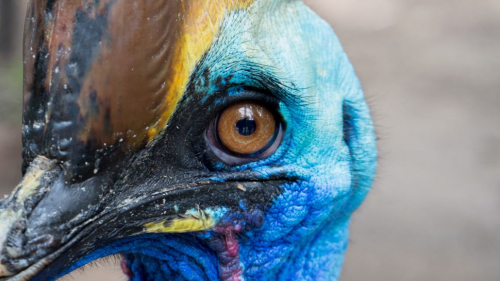
LiveScience: Are Birds Dinosaurs?
LiveScience has an interesting story that explains how and why birds are dinosaurs. What do sparrows, geese and owls have in common with a velociraptor or the mighty Tyrannosaurus rex? All can trace their origins to a bipedal, mostly meat-eating group of dinosaurs called theropods (“beast-footed”) that first appeared around 231 million years ago, during the…
-
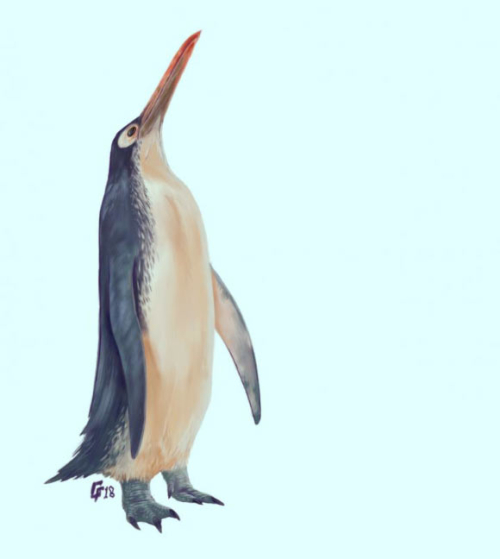
Paleontologists Unearth Another Giant Penguin in New Zealand
Sci-News has a story about a new giant penguin from New Zealand. The animal, which lived around 27 million years ago during the Oligocene Period, joins a growing list of giant penguins from New Zealand. This list include the genera Kairuku, Pachydyptes, Palaeeudyptes, and Kumimanu. This new one belongs to the genus Kauruku. The details…
-
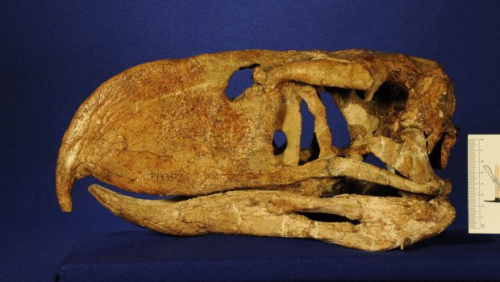
Palaeocast Episode 103: Terror birds
A new episode of Palaeocast is out. This one is about Terror birds. These are large flightless birds that evolved after the K-Pg extinction event. They originated in South America and migrated up to North America when the Isthmus of Panama formed almost 3 million years ago. Personally, I’ve always found these animals fascinating! Terror…
-
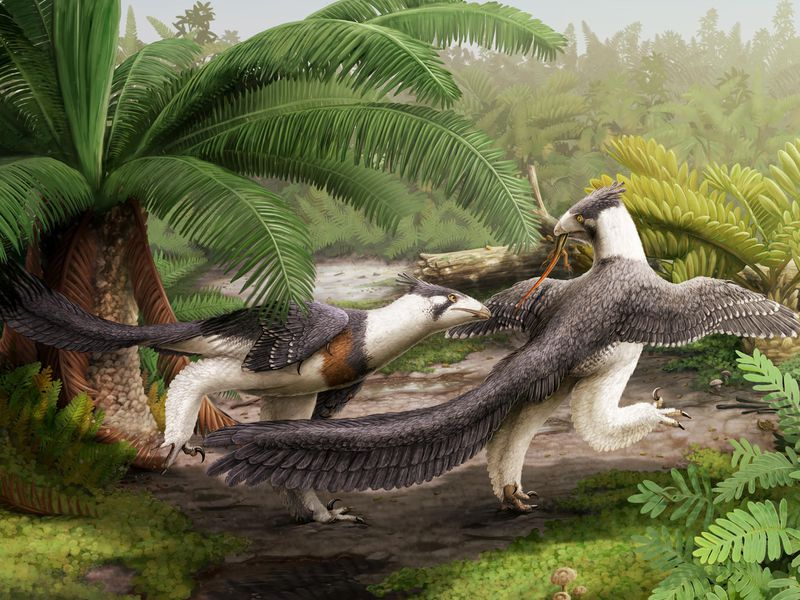
Smithsonian: Discovery of Raptor-Like Dinosaur Adds a New Wrinkle to the Origin of Birds
Smithsonian has a story about the discovery of a small dinosaur that sheds light on the origin of birds. While excavating a Supersaurus nicknamed “Jimbo”, Wyoming Dinosaur Center paleontologist spotted some small bones amongst the enormous bones. Named Hesperornithoides miessleri, the animal lived about 150 million years ago during the late Jurassic. The specimen is referred…
-
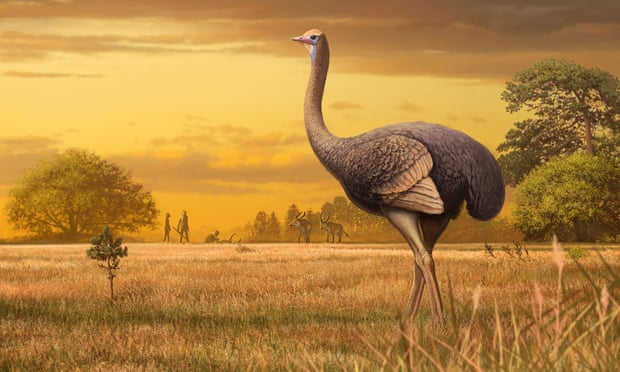
Half-tonne birds may have roamed Europe at same time as humans
The Guardian has a post about large flightless bird that might have roamed Europe at the same time. Researchers discovered the fossilized thigh bone of a giant bird in a cave on the Crimean peninsula. It belonged to an animal called Pachystruthio dmanisensis, which lived between 1.5 and 1.6 million years ago. This bone and…
-
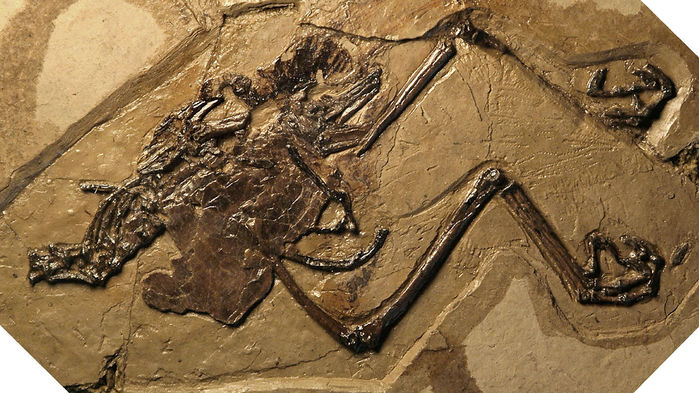
Unlaid egg discovered in ancient bird fossil
BARBARA MARRS ScienceMag has a post about the discovery of a fossil bird with an unlaid egg. The original paper appeared in the journal Nature Communications. For the first time, researchers have found an unlaid egg inside a fossilized bird. The find—belonging to a sparrow-size flyer that lived in northwestern China 110 million years ago—is…
-

This Dino-Era Bird Was as Advanced as Modern Species. So Why Did It Disappear?
The Smithsonian has a piece about a recently rediscovered 70 million year old fossil bird from the Cretaceous Period. The specimen was originally found 25 years ago in the Kaiparowits Formation of the Grand Staircase-Escalante National Monument. It’s called Miracre eatoni, and it was about the size of a turkey vulture. It has been described…
-
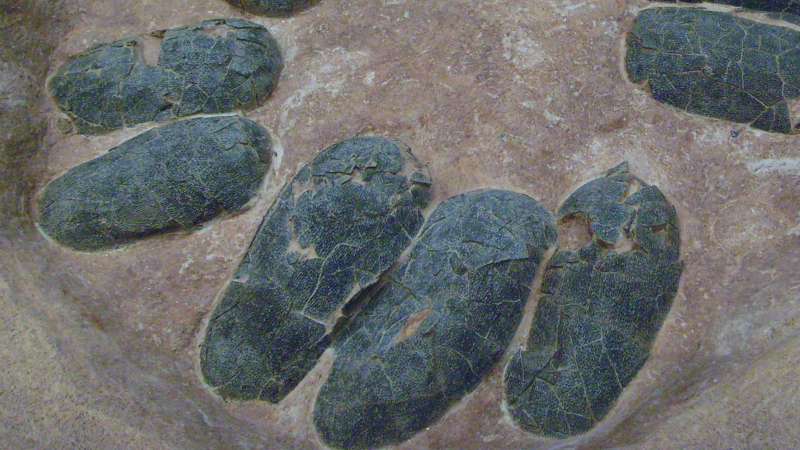
Why Do Birds Have Colorful Eggs? Because They’re Dinosaurs
Gizmodo has an article about bird eggs. Why are they colorful? Well, dinosaurs had colorful eggs and birds are dinosaurs, therefore, birds also have colorful eggs. A recent study in Nature proposes that colorful dinosaur eggs had a single evolutionary origin. Birds are the only living amniotes with coloured eggs, which have long been considered…
-
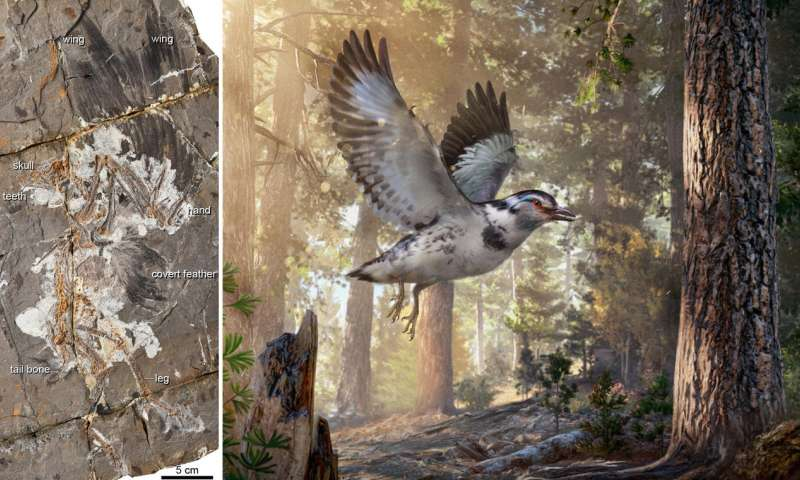
Chinese Cretaceous fossil highlights avian evolution
Phys.org has a story about a newly identified extinct bird species. The 127 million year old bird lived in what is now northeastern China. Its name is Jinguoforis perplexus and it provides new information about avian development during the early evolution of flight. Details are provided in a paper published in PNAS. Drs. Wang Min,…
-
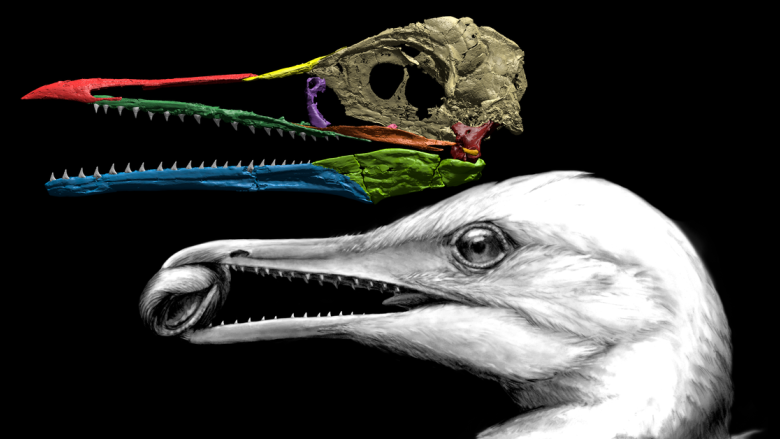
CBC Quirks & Quarks – A new fossil reveals the first bird beak – and it came with teeth as well
CBC’s Quirks & Quarks has a segment about the first known bird beak. It belongs to Ichthyornis a bird that dates to about 80 million years ago, during the Cretaceous Period. The species was first identified in the 1870’s and named by Othniel Charles Marsh, of Yale’s Peabody Museum of Natural History. The original paper…
-
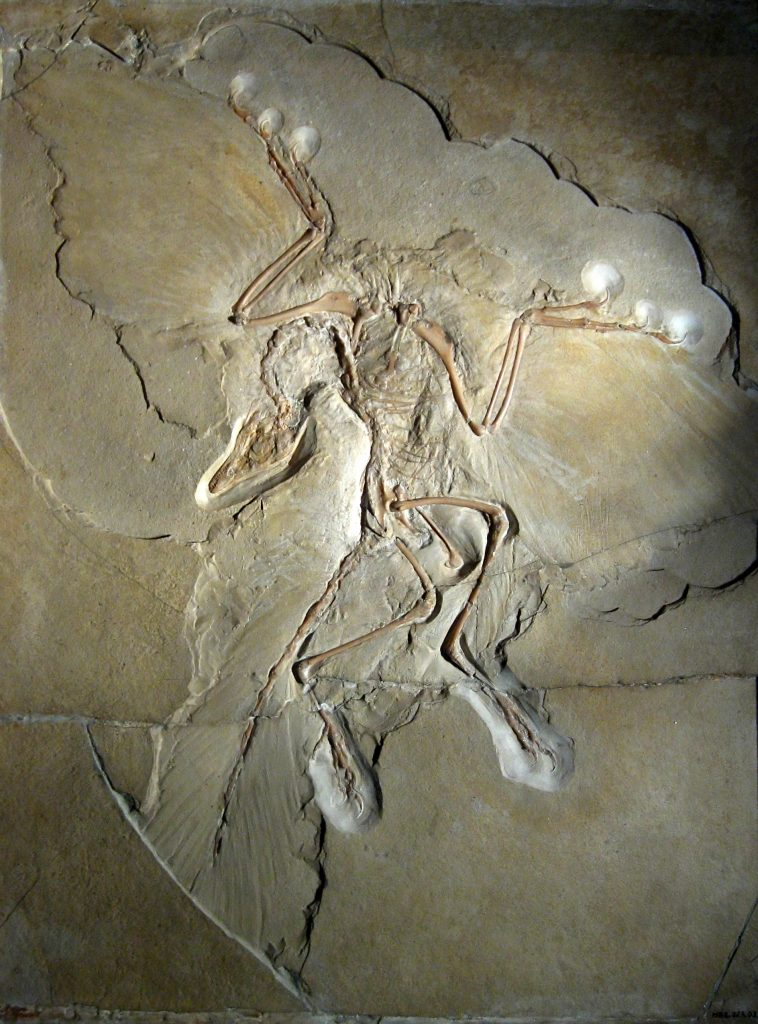
Palaeocast Episode 87: Archaeopteryx
Palaeocast episode 87 is about Archaeopteryx. Archaeopteryx lived about 150 million years ago, during the Jurassic Period, in what is now southern Germany. Including the first feather, discovered in 1860 or 1861, there are now twelve specimens. All have been found in the limestone deposits near Solnhofen, Germany. The iconic “Berlin” specimen shown above was…
-
Top Fossil Discoveries of 2017
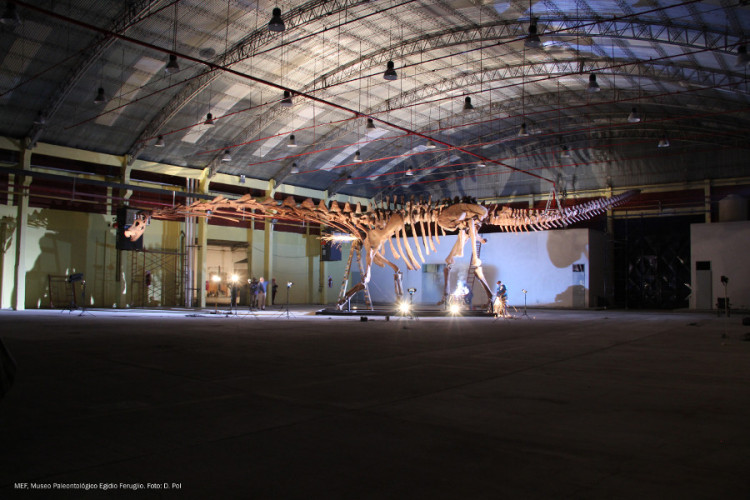
The blog “Letters from Gondwana” has a post entitled “Top Fossil Discoveries of 2017”. The entries include Borealopelta markmitchelli (the ankylosaurian “mummy” discovered in Alberta), Junornis houi (a new bird from the early Cretaceous), Patagotitan mayorum (the largest and most complete titanosaur discovered to date – from Patagonia, Argentina). There’s a few more with some…
-
New analysis of Chicxulub asteroid suggests it may have struck in vulnerable spot
Phys.org has a story about the Chicxulub asteroid that took out the dinosaurs. A paper published in the journal Scientific Reports suggests that had the asteroid struck the Earth in a different location it is possible the non-avian dinosaurs may have survived the event. The researchers from Tokohu University analysed multiple data sources about the…
-
Reminder: General Meeting in June Will Be Held the Friday, on June 5th, 2015
Due to a scheduling conflict, June's general meeting will be held on the first Friday of the month, June 5th, 2015. The speaker will be Adam Smith of the Field Museum. His topic is a good one, "The Evolution of Birds". See you there!
-
General Meeting in June Will Be Held on June 5th, 2015
Due to a scheduling conflict, June’s general meeting will be held on the first Friday of the month, June 5th, 2015. The speaker will be Adam Smith of the Field Museum. His topic is a good one, “The Evolution of Birds”. See you there!
