Category: Mazon Monday
-

Mazon Monday #49: Mazon Creek Fossils Honoring Collectors
Since the beginning, amateur fossil collectors have played a huge role in the science and research of Mazon Creek. Joseph Even, Joseph C. Carr, Samuel S. Strong, and Homer Hill were some of the earliest amateur collectors of Mazon Creek fossils back in the mid 1800’s. They and others did much to popularize the fossils…
-

Mazon Monday #48: Kallidecthes richardsoni
This is Mazon Monday post #48. What’s your favorite Mazon Creek fossil? Tell us at email:esconi.info@gmail.com. Kallidecthes richardsoni was described in 1969 by Frederick Schram. It was named for Eugene Richardson, who was then the Curator of Fossil Invertebrates at the Field Museum of Natural History in Chicago, IL. It’s an extinct species of shrimp…
-
Mazon Monday #47: Centipedes
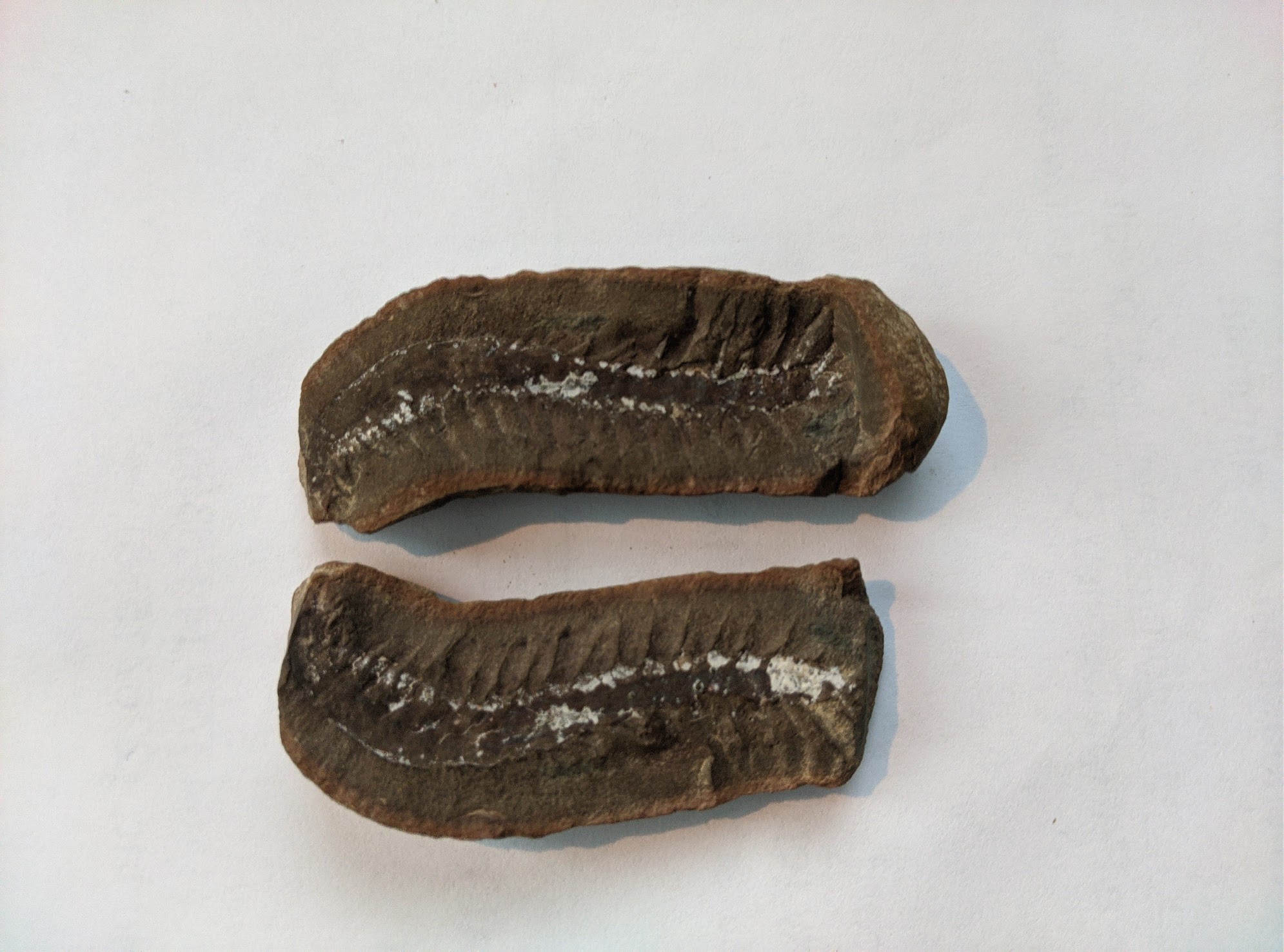
This is Mazon Monday post #47. What’s your favorite Mazon Creek fossil? Tell us at email:esconi.info@gmail.com. For this week, we have a very rare Mazon Creek animal. The estimate of occurrence for centipedes was about 3 in 287,000 concretions in the paper “Relative Abundance of Different Mazon Creek Organisms” by Gordon C. Baird and John…
-
Mazon Monday #46: Insects Part 4 – Roachoids
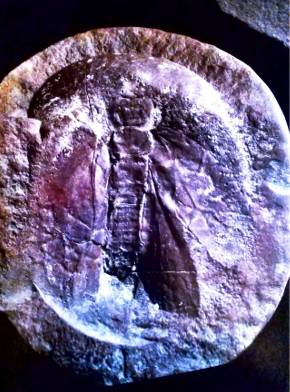
This is Mazon Monday post #46. What’s your favorite Mazon Creek fossil? Tell us at email:esconi.info@gmail.com. This week, as part of our series on Mazon Creek insects, we are looking at roaches, or to be more correct roachoids, as true roaches don’t show up in the fossil record until the late Jurassic. Roachoids are the…
-
Mazon Monday #45: Insects Part 3 – Gerarids
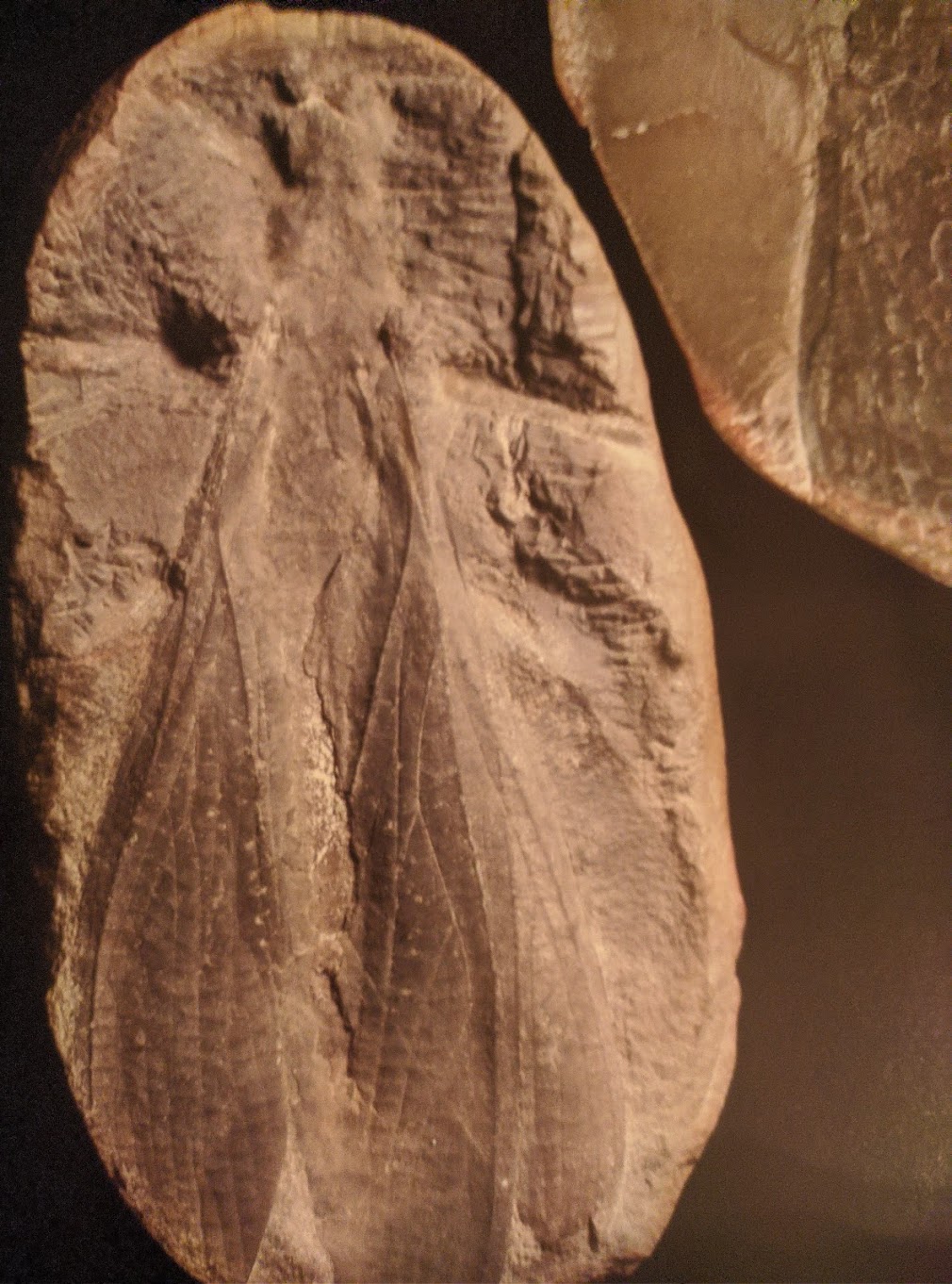
This is Mazon Monday post #45. What’s your favorite Mazon Creek fossil? Tell us at email:esconi.info@gmail.com. The gerarids are large winged insects from the Carboniferous Period. Fossils of gerarids have been found in deposits from Mazon Creek and Commentry, France. The animals are known for a distinctive stalked head. Some have spikes on their thorax. …
-
Mazon Monday #44: Insects Part 2 – Monurans
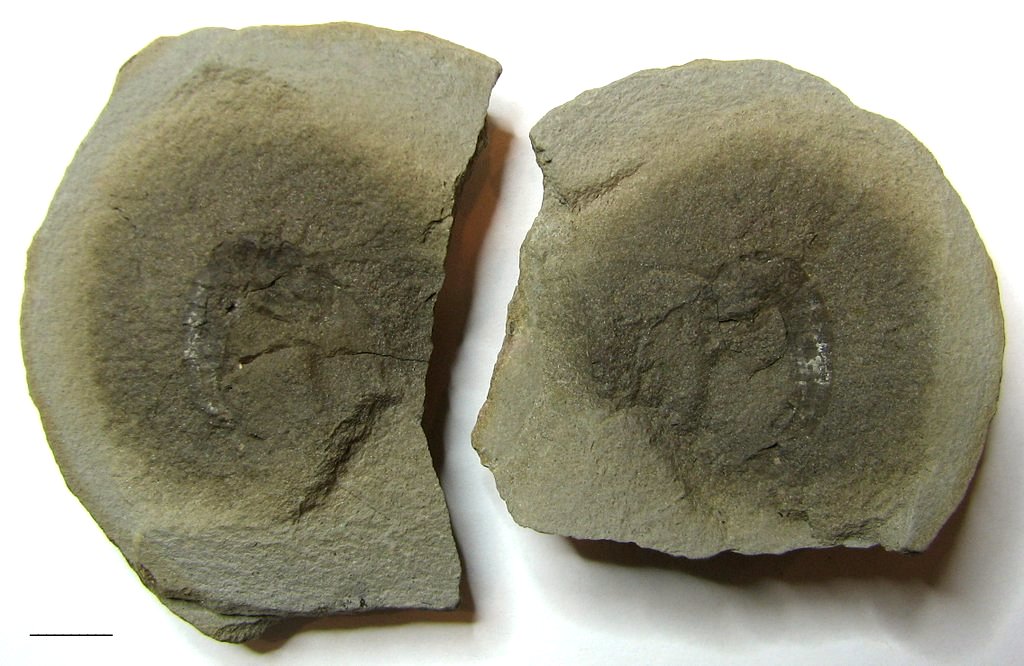
This is Mazon Monday post #44. What’s your favorite Mazon Creek fossil? Tell us at email:esconi.info@gmail.com. Monurans are an extinct order of wingless insects. They are known from the Mazon Creek biota, other Carboniferous localities, and have been found in later deposits that date to the Permian. They get their name for the single tail…
-

Mazon Monday #43: Insects Part 1
This is Mazon Monday post #43. What’s your favorite Mazon Creek fossil? Tell us at email:esconi.info@gmail.com. The insects of Mazon Creek are a hugely, complex subject. We’ll take the next few posts of Mazon Monday to cover this topic. There will be information from multiple sources along with some breathtaking pictures and drawings. Insects are…
-

Mazon Monday #42: “Mazon Creek Fossils” by Matthew H. Nitecki
This is Mazon Monday post #42. What’s your favorite Mazon Creek fossil? Tell us at email:esconi.info@gmail.com. Another Mazon Creek book that belongs in the collection of any serious collector is “Mazon Creek Fossils” edited by Matthew Nitecki. It was first published in 1979, and is a collection of most of the papers presented at the…
-

Mazon Monday #41: Revisiting the exceptional tetrapod fauna of Mazon Creek, Illinois
This is Mazon Monday post #41. What’s your favorite Mazon Creek fossil? Tell us at email:esconi.info@gmail.com. This article is republished from the January 20201 ESCONI Newsletter. If you are a member, you will receive this newsletter January – June, July/August, and September – December during the year. Please consider joining ESCONI for $20 a year…
-
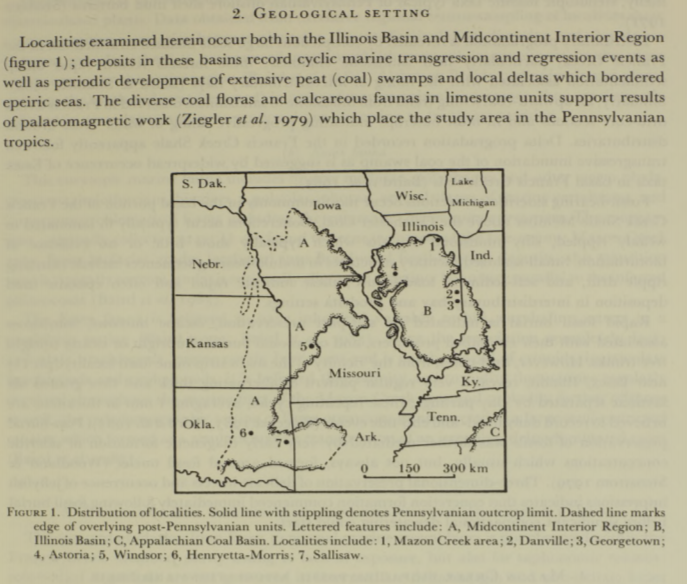
Mazon Monday #40: Mazon Creek-type fossil assemblages in the U.S. midcontinent Pennsylvanian
This is Mazon Monday post #40. What’s your favorite Mazon Creek fossil? Tell us at email:esconi.info@gmail.com. Back in Mazon Monday #10, we posted about other siderite concretionary fossil localities from the Pennsylvanian Period. That list was worldwide. Here is an interesting paper from 1985 that discusses some of those Mazon Creek-type fossil localities in the central…
-
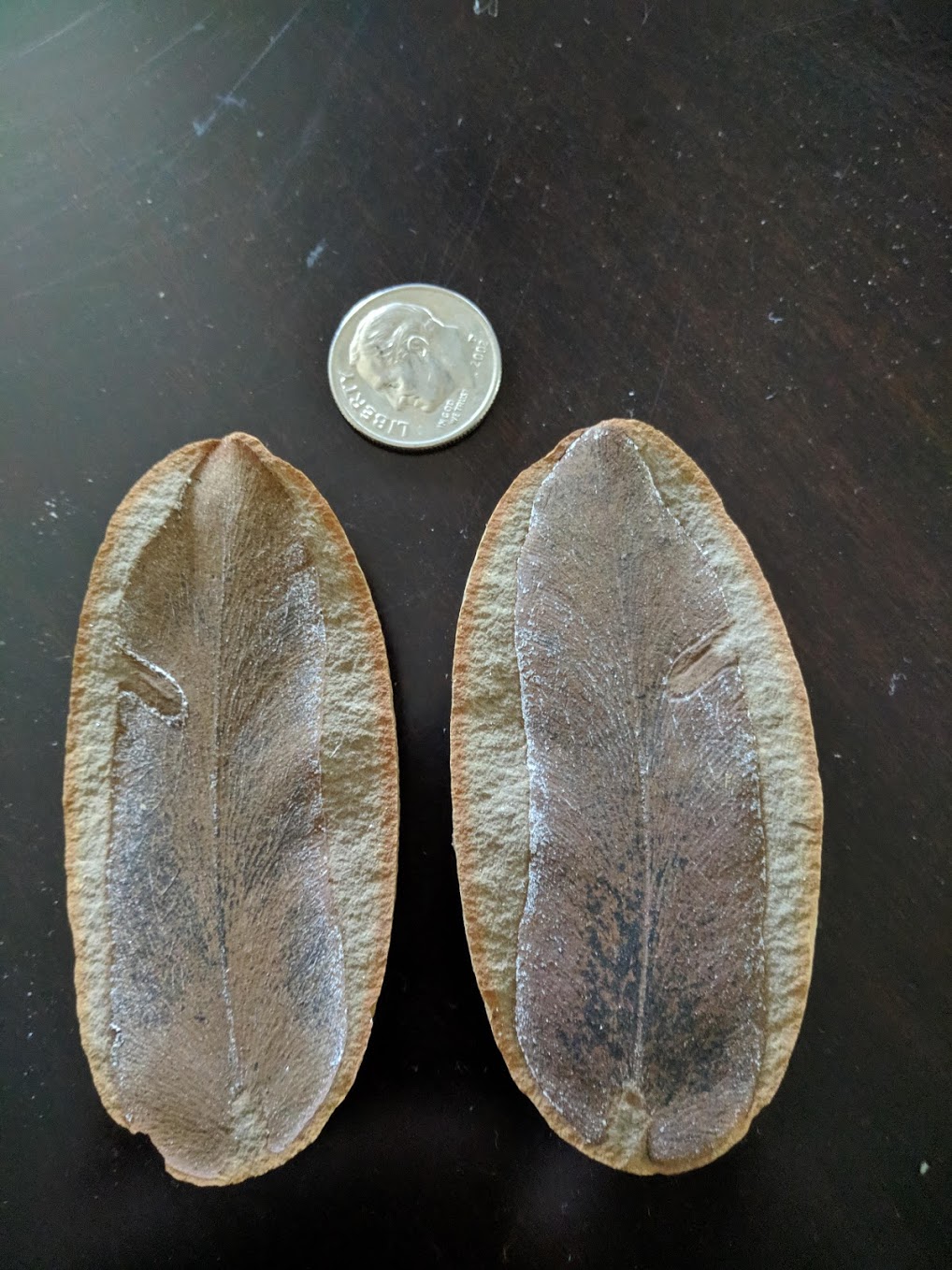
Mazon Monday #39: Macroneuropteris scheuchzeri
This is Mazon Monday post #39. What’s your favorite Mazon Creek fossil? Tell us at email:esconi.info@gmail.com. Macroneuropteris scheuchzeri is the subject of our Mazon Monday post this week. M. scheuchzeri is a seed fern (Pteridospermatophyta), which is a group of plants that went extinct during the late Cretaceous Period. They first show up in the…
-
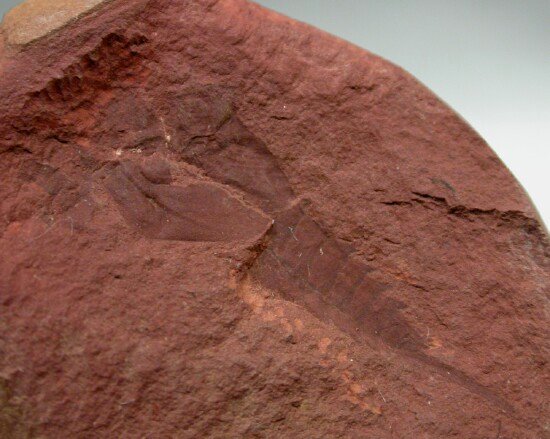
Mazon Monday #38: Carboniferous Plants in Siderite Nodules
This is Mazon Monday post #38. What’s your favorite Mazon Creek fossil? Tell us at email:esconi.info@gmail.com. Recently, I ran across this interesting paper from the journal Acta Palaeobotanica back in 2012. It’s called “Carboniferous plants preserved within sideritic nodules – a remarkable state of preservation providing a wealth of information” by Grzegorz Pacyna and Danuta…
-

Mazon Monday #37: Alethopteris sullivantii
This is Mazon Monday post #37. What’s your favorite Mazon Creek fossil? Tell us at email:esconi.info@gmail.com. Today, we look at one of my favorite Mazon Creek plants… Alethopteris sullivantii. A. sullivantii is a seed fern (Pteridospermatophyta), which is a group of plants that went extinct during the late Cretaceous Period. They first show up in…
-
Mazon Monday #36: Fossils of Terre Haute Indiana
This is Mazon Monday post #36. What’s your favorite Mazon Creek fossil? Tell us at email:esconi.info@gmail.com. Recently, there has been a few questions about the Mazon Creek-like fossils from around Terre Haute, Indiana. Although there is a pretty rich history of these fossils, there’s not much reference information about the locality. There were actually two…
-
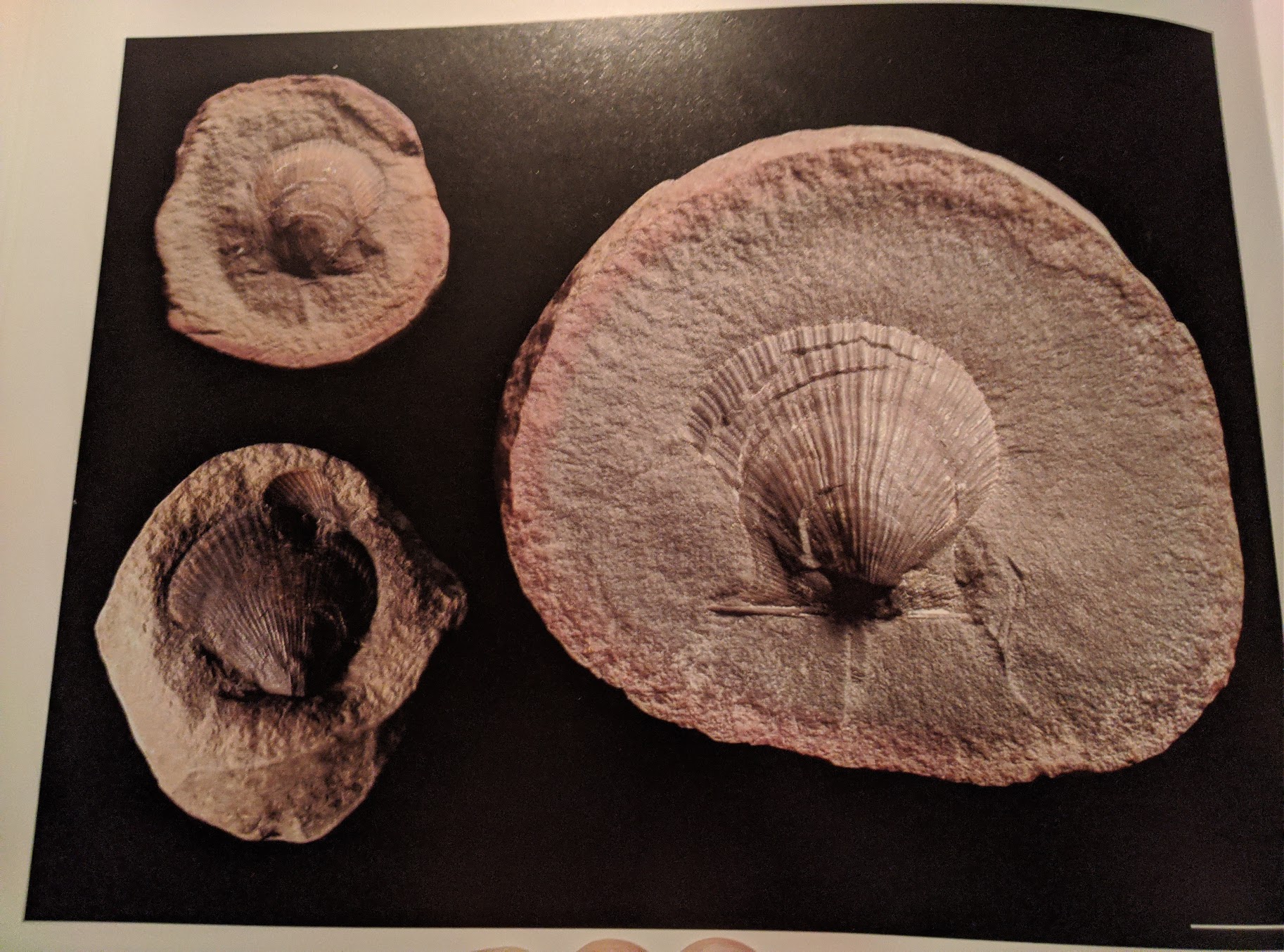
Mazon Monday #35: Scallops
This is Mazon Monday post #35. What’s your favorite Mazon Creek fossil? Tell us at email:esconi.info@gmail.com. For this post, we are highlighting some of the pectens found in the Mazon Creek fossil deposit. Aviculopecten mazonensis is one of the most commonly known, but there are three others of note Dunbarella striata, Euchondria pellucida, and Palaeolima…
-
Mazon Monday #34: Pit 14
This is Mazon Monday post #34. What’s your favorite Mazon Creek fossil? Tell us at email:esconi.info@gmail.com. The Mazon Creek fossil deposits consists of numerous different localities. These localities are the Mazon River, which has been collected since at least the 1850’s (and probably earlier) to the shaft mines, which date to the late 1800’s and…
-
Mazon Monday #33: Creature Corner Newsletter Column and Book
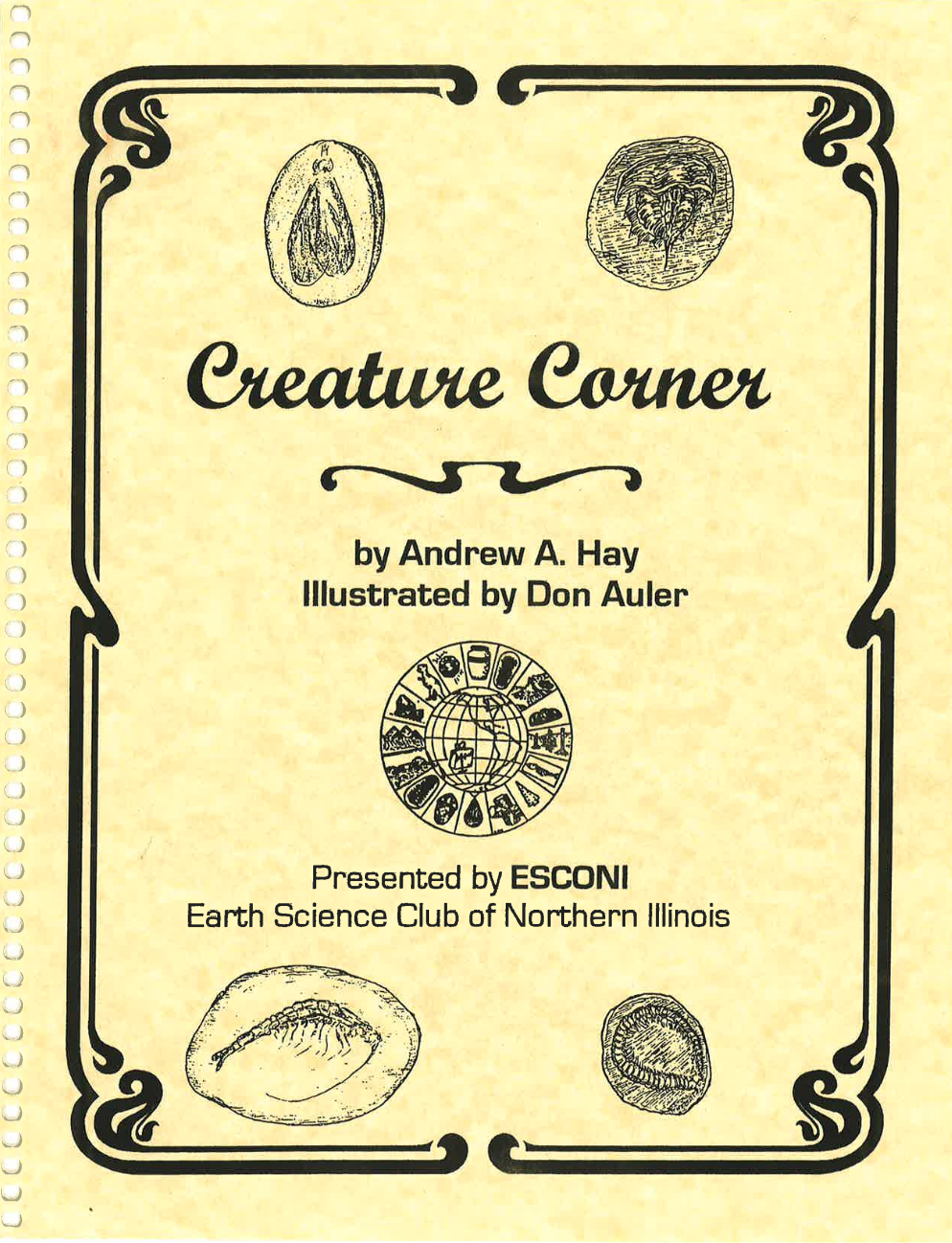
This is Mazon Monday post #33. What’s your favorite Mazon Creek fossil? Tell us at email:esconi.info@gmail.com. Last week, we spoke about a couple books published by ESCONI in the 1980’s – “Keys To Identify Pennsylvanian Fossil Plants of the Mazon Creek Area” in 1986 (updated in 1990) and “Keys To Identify Pennsylvanian Fossil Animals of…
-
Mazon Monday #32: ESCONI books – Keys to Identify Pennsylvanian Fossil Plants and Animals
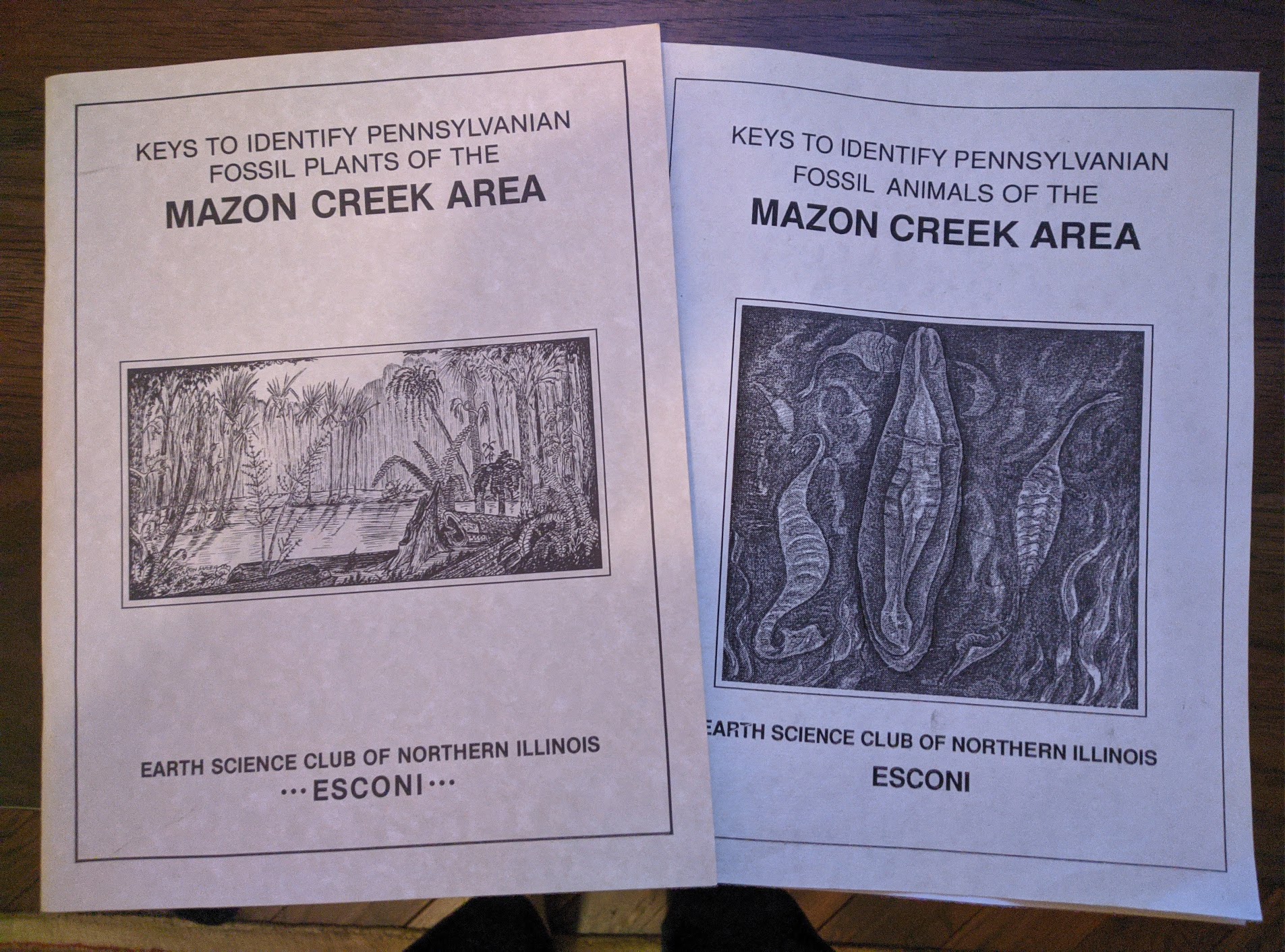
This is Mazon Monday post #32. What’s your favorite Mazon Creek fossil? Tell us at email:esconi.info@gmail.com. ESCONI has made numerous contributions to the science of Mazon Creek fossils over the years. Everyone knows about the George Langford books published in the late 1950s and early 1960s. Jack Wittry wrote new books that included much of…
-
Mazon Monday #31: Fanworms
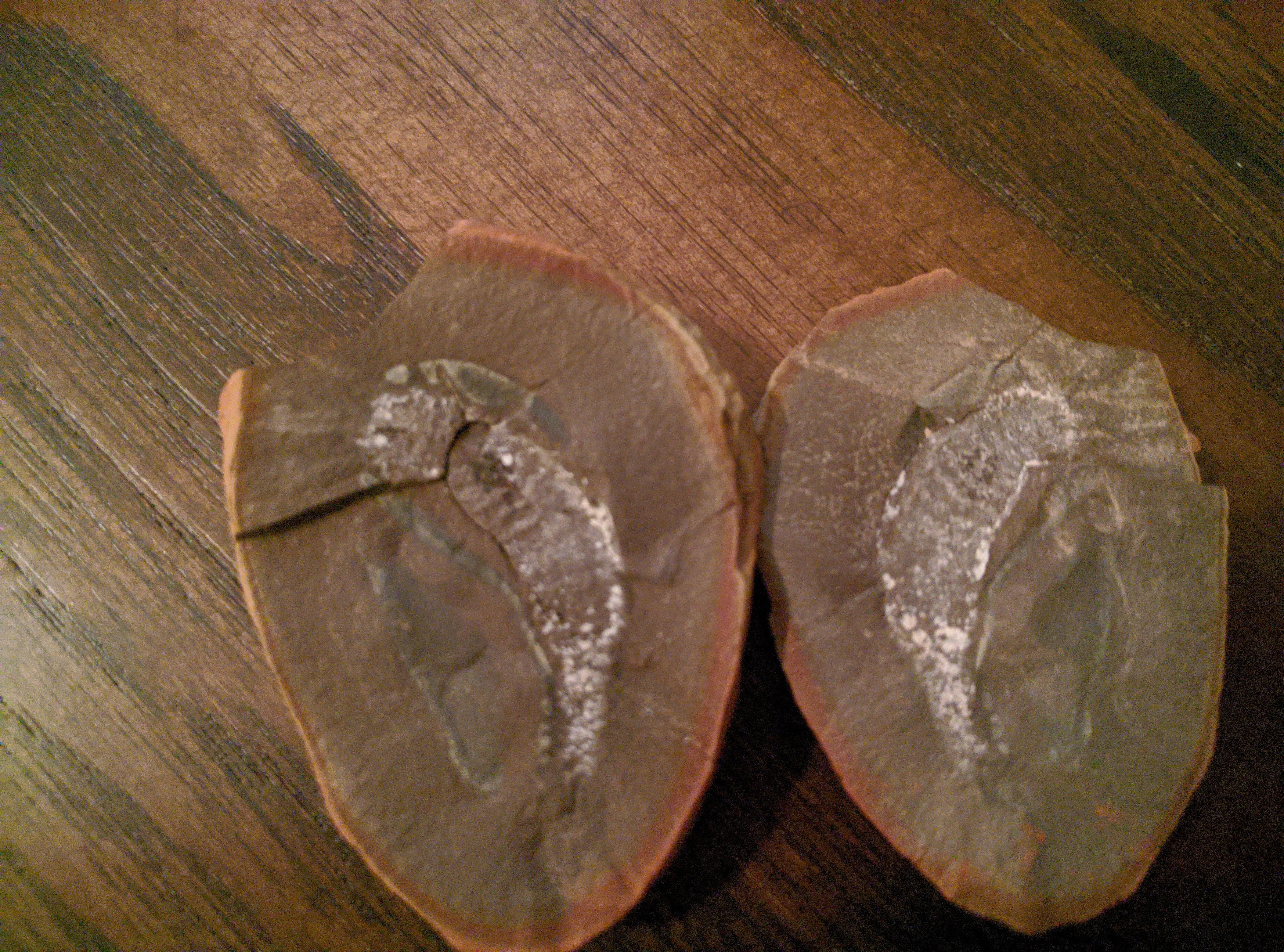
This is Mazon Monday post #31. What’s your favorite Mazon Creek fossil? Tell us at email:esconi.info@gmail.com. Today, we are highlighting Fanworms. Mazon Creek fanworms were soft bodied animals and are thought to be polychaetes. They were and currently are filter feeders, which live in the ocean. Some are free swimming and some others live in…
-
Mazon Monday #30: The Diamond Mine Disaster At Braidwood
This is Mazon Monday post #30. What’s your favorite Mazon Creek fossil? Tell us at email:esconi.info@gmail.com. This week’s Mazon Monday isn’t about fossils… we are recalling a coal mine disaster in Diamond, IL on February 16th, 1883. ESCONI had a great lecture about this event back in June 2019 by Michele Micetich, of the Carbon Hill…
-
Mazon Monday #29: Achistrum sp. (Holothurians)
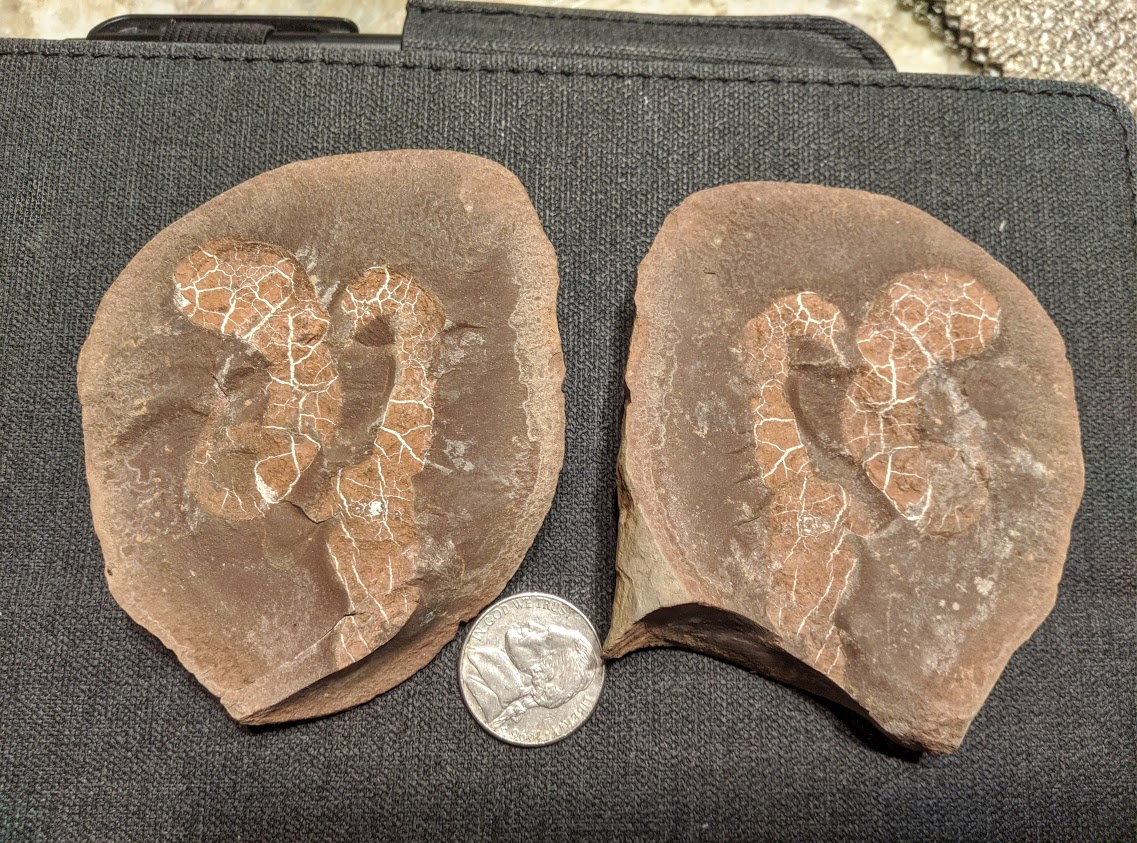
This is Mazon Monday post #29. What’s your favorite Mazon Creek fossil? Tell us at email:esconi.info@gmail.com. This week’s “Mazon Monday” is a species (or class) spotlight on the Holothurians otherwise known as Sea Cucumbers. They belong to the phylum Echinodemata, which includes starfish, sea urchins, sand dollars, and seal lilies. Current feeling is there were…
-

Mazon Monday #28: Cyclus americanus
This is Mazon Monday post #28. What’s your favorite Mazon Creek fossil? Tell us at email:esconi.info@gmail.com. Today, we have a species spotlight on Cyclus americanus. It’s one of my favorite Mazon Creek animals. Cycloids form an order of fossil arthropods that lived from the Carboniferous to the Cretaceous periods. Here is the text from the…
-

Mazon Monday #27: Care and Feeding of Your Mazon Creek Concretions
This is Mazon Monday post #27. What’s your favorite Mazon Creek fossil? Tell us at email:esconi.info@gmail.com. Now that you have collected some concretions at Braceville (and maybe other places) this year, here are some notes on how to process them to maximize your chances for something good. Care and Handling of Mazon Creek Concretions Storage …
-
Mazon Monday #25: Mazonomya mazonensis
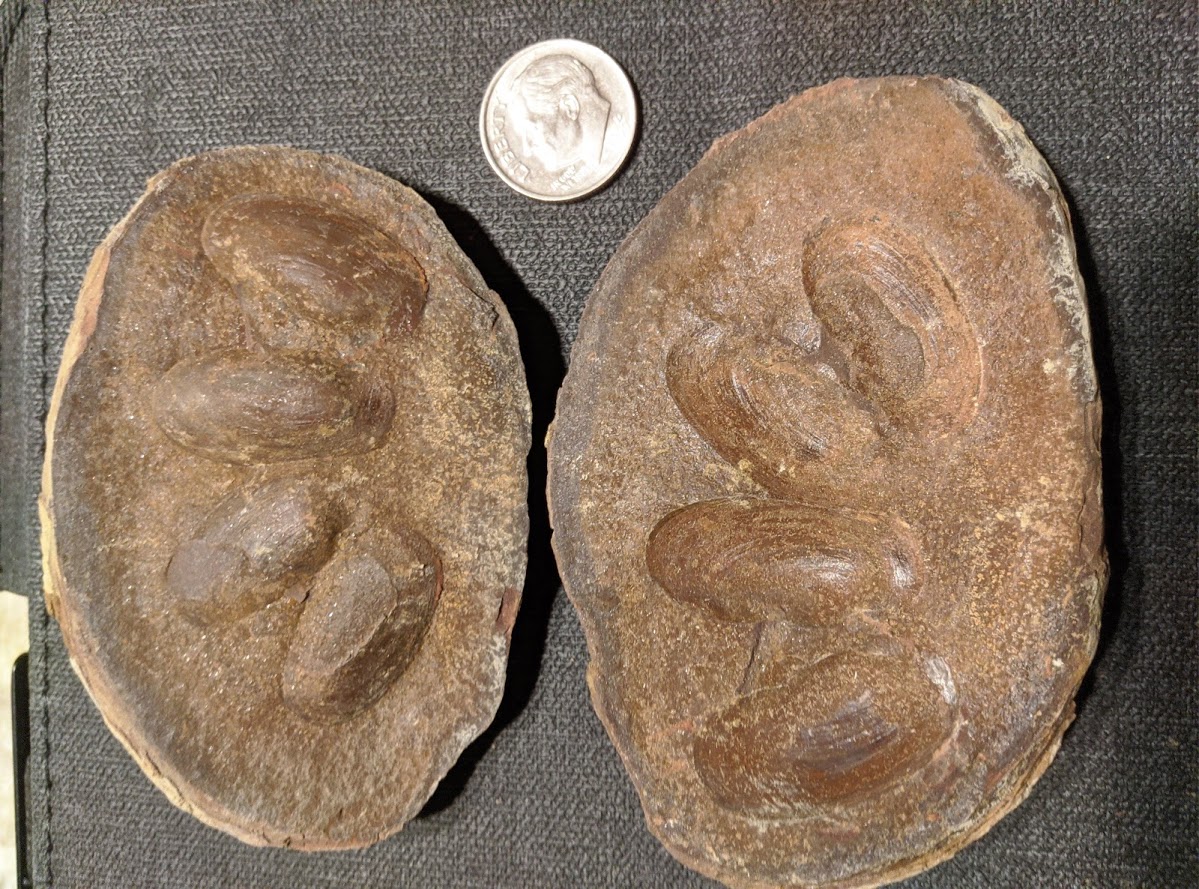
This is Mazon Monday post #25. What’s your favorite Mazon Creek fossil? Tell us at email:esconi.info@gmail.com. The species spotlight falls on Mazonomya mazonensis, known mistakenly as Edmondia for a long time. It was also called affectionately clam-clam. Here is the text from the Mazon Creek Fossil Fauna by Jack Wittry. Mazonomya mazonensis Bailey, 2011 Found…
-

Mazon Monday #24: Euphoberia sp.
This is Mazon Monday post #24. What’s your favorite Mazon Creek fossil? Tell us at email:esconi.info@gmail.com. Today’s species is Euphoberia sp., a millipede from the Mazon Creek biota. From Wikipedia, the free encyclopedia. Euphoberia is an extinct genus of millipede from the Pennsylvanian epoch of the Late Carboniferous, measuring up to 30 centimetres (12 in) in length.[1] Fossils have been found in Europe[2] and North America.[3] There…
-

Mazon Monday #23: Interesting Pennsylvanian Fossil Sites: Crock Hey, Lancashire, UK
This is Mazon Monday post #23. What’s your favorite Mazon Creek fossil? Tell us at email:esconi.info@gmail.com. In Mazon Monday #10, we discussed localities where siderite preservation of Pennsylvanian fossils has been found. There were a few localities listed. Here is more information about the site called Crock Hey (also Crockhey). This site was located near Lancashire in…
-
Mazon Monday #22: Pit 11
This is Mazon Monday post #21. What’s your favorite Mazon Creek fossil? Tell us at email:esconi.info@gmail.com. Summer is passing into September and the temperature should should be cooling. Unfortunately, the overgrowth isn’t going to diminish until next spring. However, Pit 11 doesn’t close to fossil hunting until September 30th. So, It’s time to repeat this article…
-
Mazon Monday #21: Euproops danae
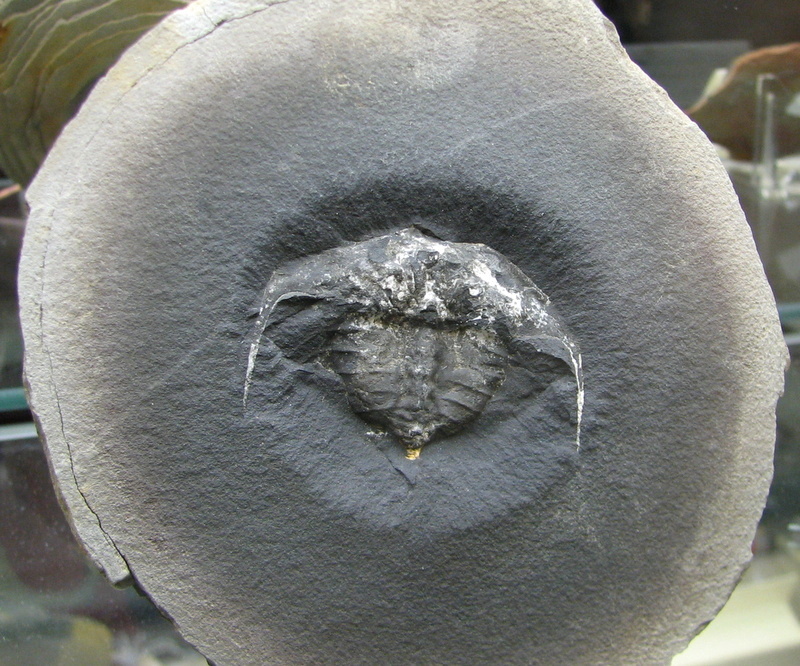
This is Mazon Monday post #21. What’s your favorite Mazon Creek fossil? Tell us at email:esconi.info@gmail.com. Euproops was a horseshoe crab. There are two species of horseshoe crab found in the Mazon Creek biota, Euproops danae (common) and Paleolimulus sp. (extremely rare). Both are known from other Carboniferous fossil localities around the world. As you…
-
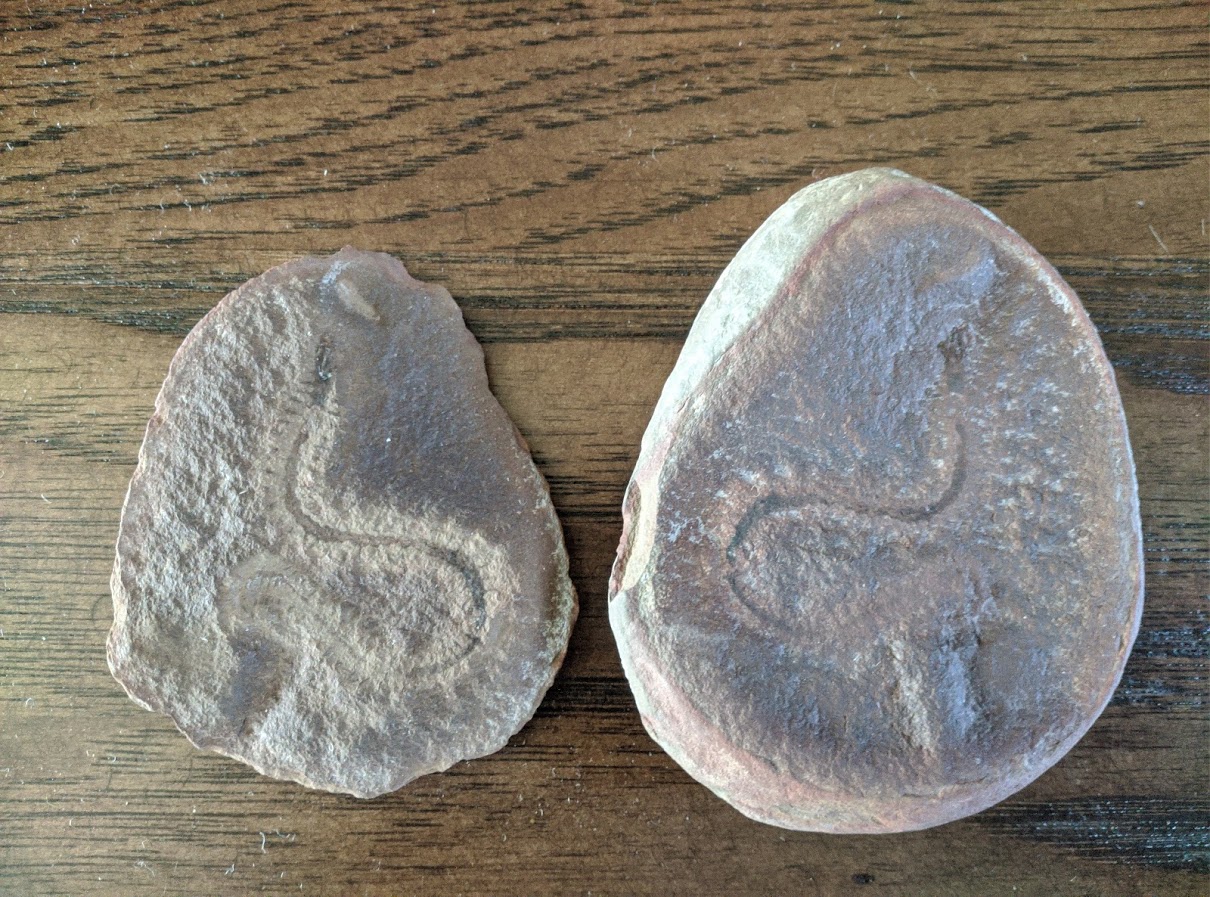
Mazon Monday #20: Fossil Preservation
This is Mazon Monday post #20. What’s your favorite Mazon Creek fossil? Tell us at email:esconi.info@gmail.com. Back in 2017, Palaeocast posted a lecture called “Is a ‘one size fits all’ taphonomic model appropriate for the Mazon Creek” by Dr. Thomas Clements, of the University of Birmingham in the UK. You may remember Dr. Clements… he…
-
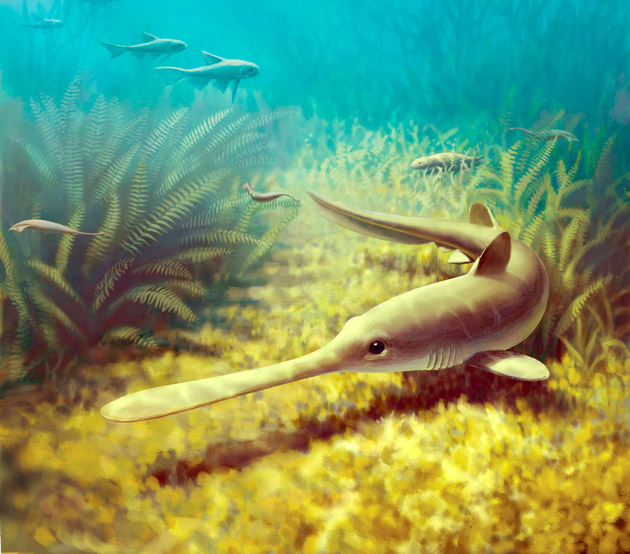
Mazon Monday #19: Bandringa rayi
This is Mazon Monday post #19. What’s your favorite Mazon Creek fossil? Tell us at email:esconi.info@gmail.com. Would you believe that Illinois has a shark nursery? OK, it is about 307 million years old and the evidence resides in Mazon Creek fossil concretions. The first species, Bandringa rayi, was described in a paper published by Rainer…
