Category: Mazon Creek
-
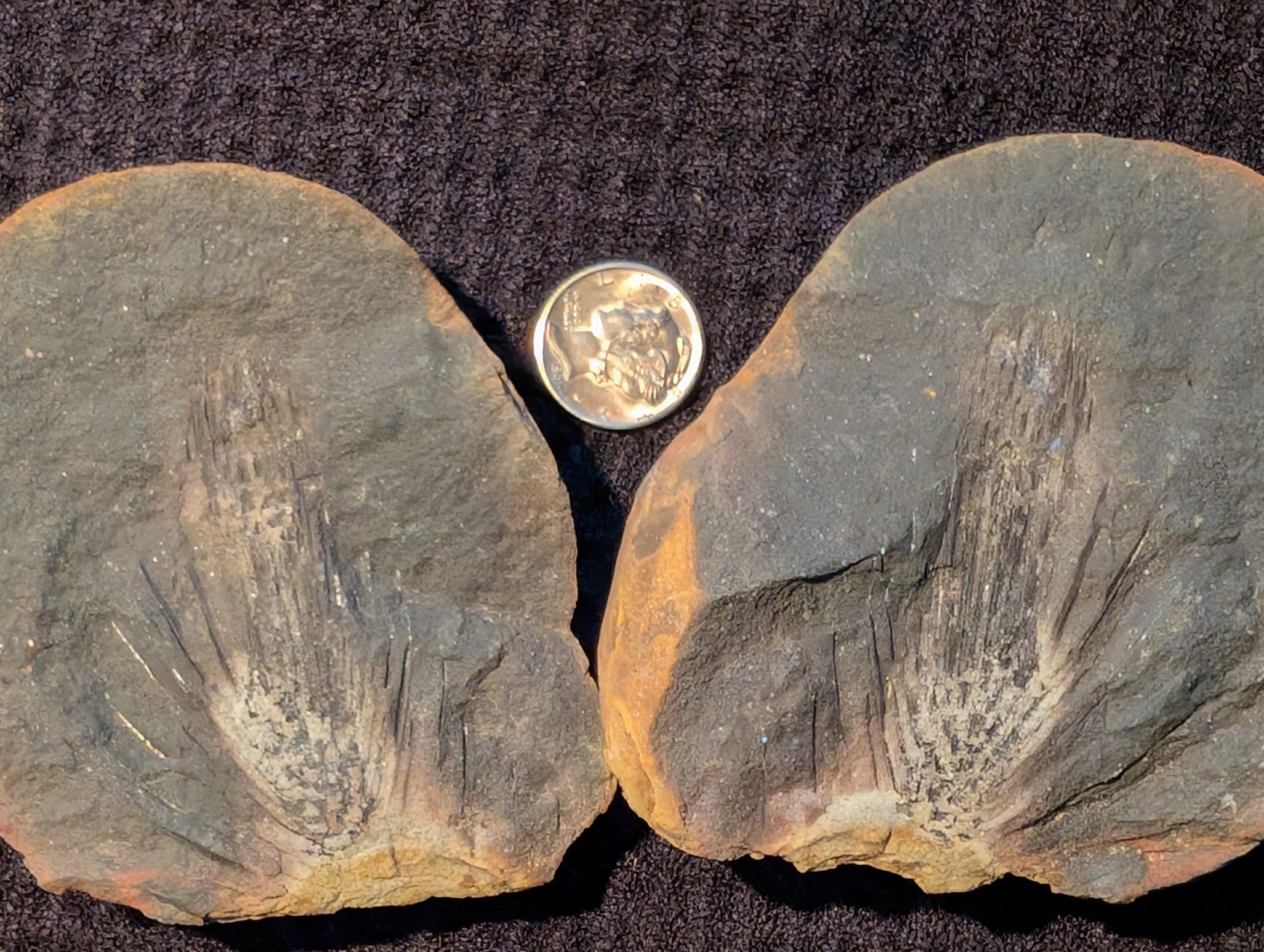
Fossil Friday #312: Sublepidophloios protuberans with a spray of Cyperites bicarinatus
At first glance, today’s fossil might look like a cone. But, closer examination reveals it to be a nice specimen of Sublepidophloios protuberans with a spray of Cyperites bicarinatus at the top. Sublepidophloios protuberans is a species of lycopsid branch (see Mazon Monday #316) and Cyperites bicarinatus was the sterile leaves for the Lycopsida (see Mazon…
-

Throwback Thursday #312: Ron Schinderle Donation
Barb Schinderle stopped by ESCONI Show last month to drop off a donation of her late husband Ron’s fossils. Ron passed away in 2021. He was a long time ESCONI member and an avid fossil collector . He went on many ESCONI field trips. A group of us remember him fondly from our many trips…
-
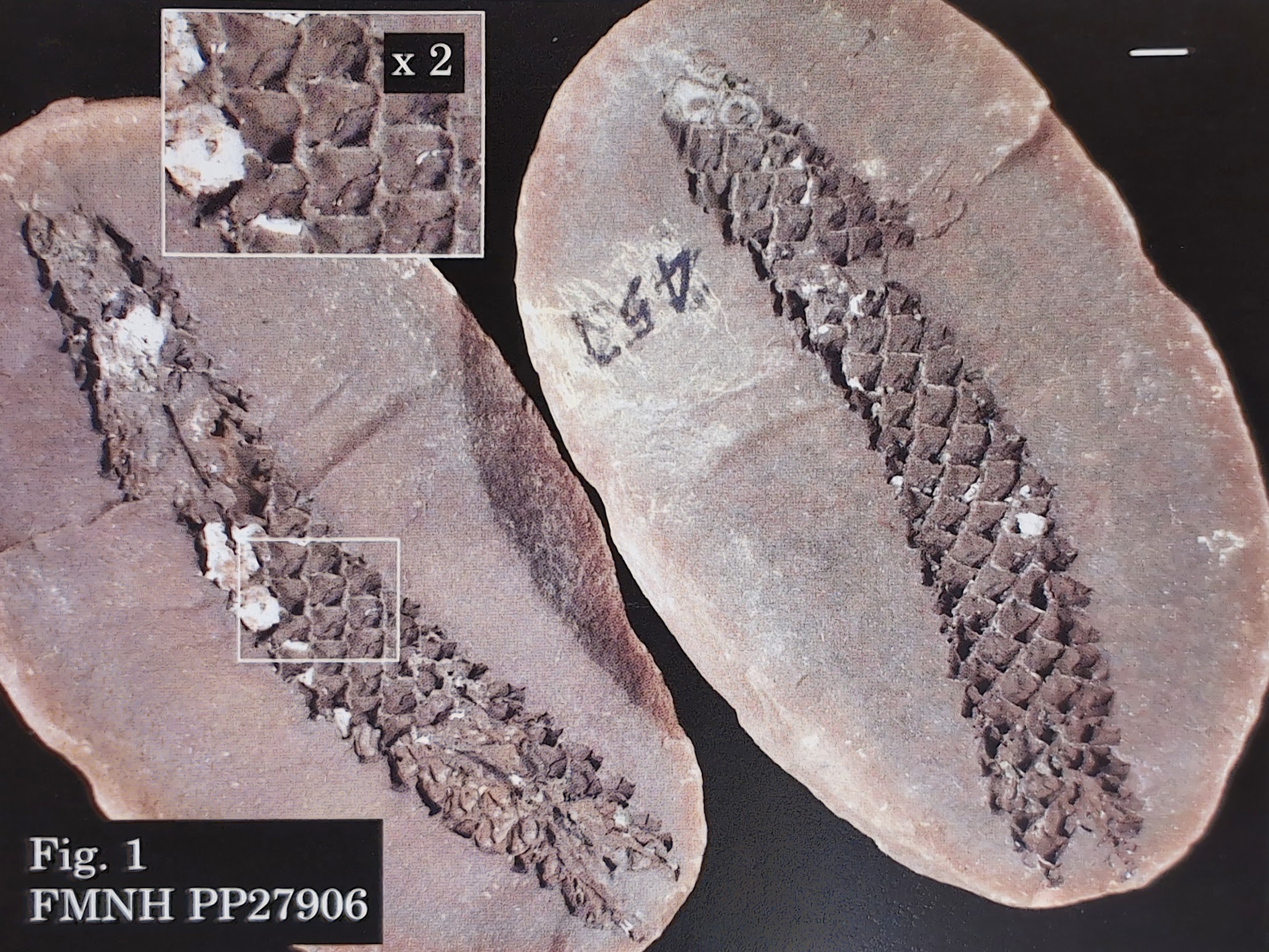
Mazon Monday #316: Sublepidophloios protuberans
Today, we have Sublepidophloios protuberans, which is a species of lycopsid branch. It’s very common, actually the most common form of lycopsid bark in the Mazon Creek fossil flora.
-
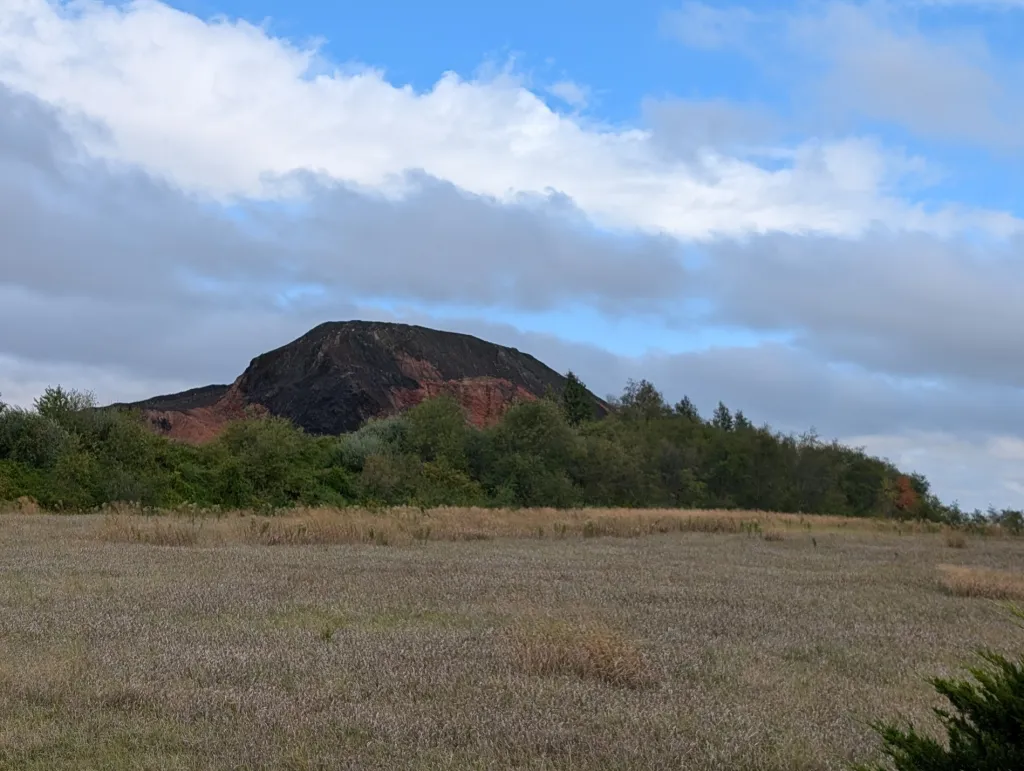
ESCONI Field Trip to Danville Shale Pile Fossils – Saturday, May 2nd, 2026
An ESCONI field trip to the Danville IL Shale Pile for Pennsylvanian fossils is scheduled for Saturday May 2nd, 2026 starting at 10 AM. This is on private property and there is an attendance limit of 25 people. The gate will be secured once we are in and locked when we leave. Plan on being…
-
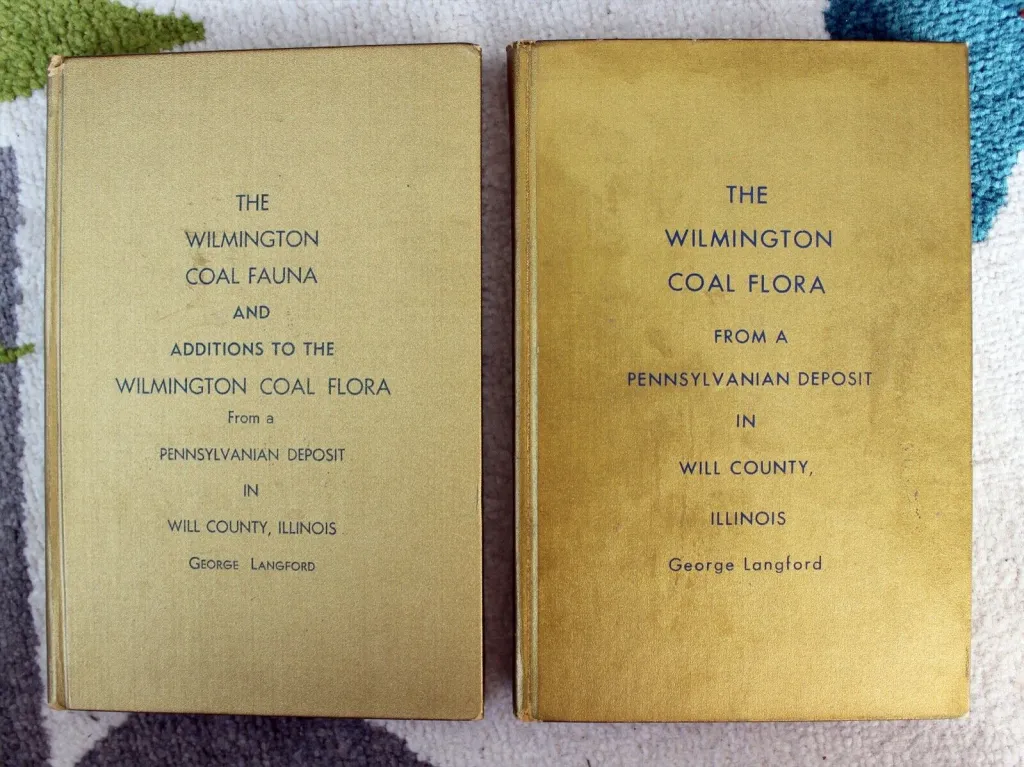
Mazon Monday #315: Another Langford Book Inscription
From time to time, we run across some old book inscriptions. Back in Mazon Monday #18, we highlighted a few… Well, here’s another interesting inscription.
-
Fossil Friday #310: Mazon Creek Scallop
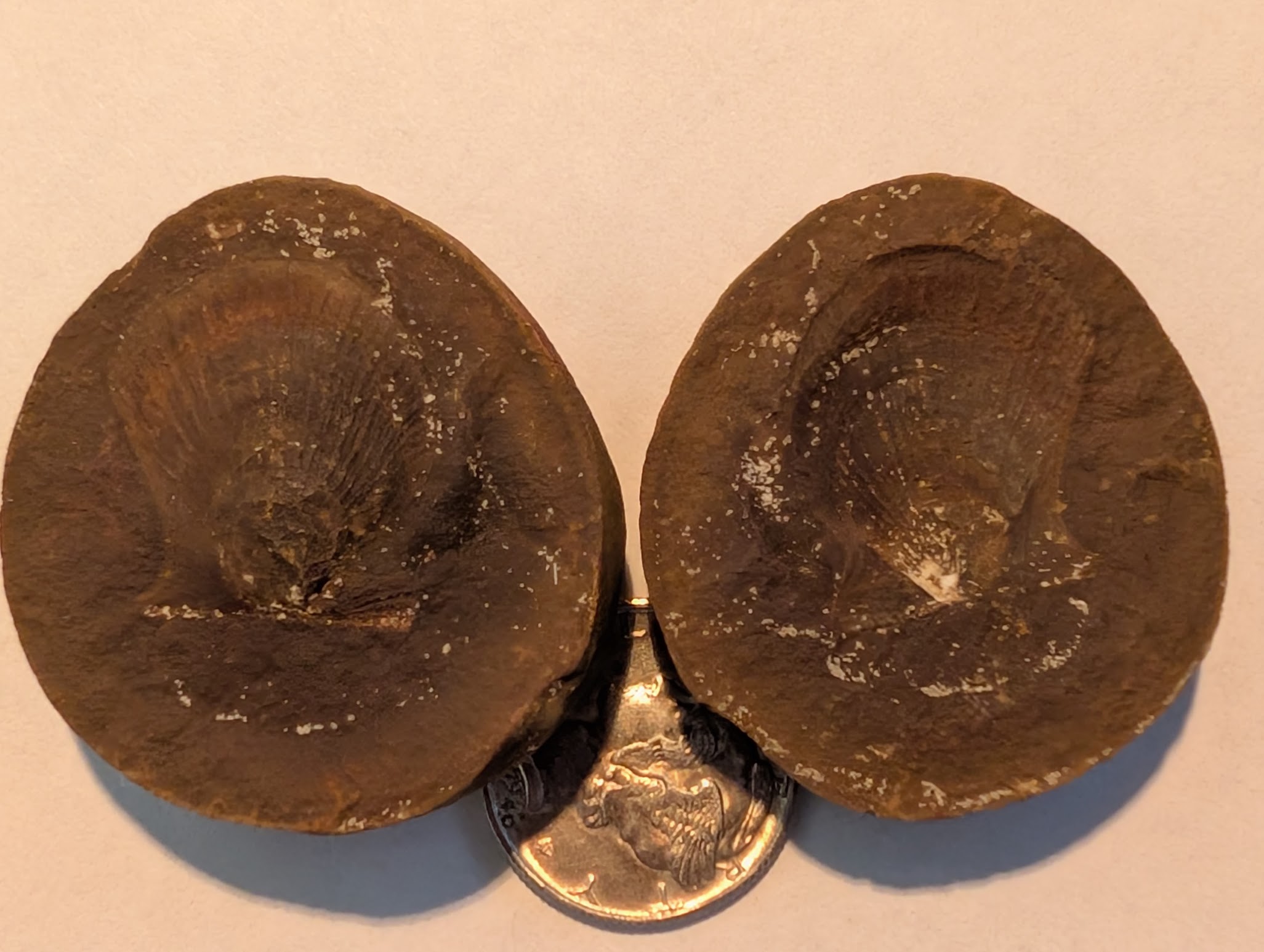
Another small concretion with a treasure inside… this one has a scallop (see Mazon Monday #35). This one is Aviculopecten mazonensis. There’s no information about where this concretion was collected, but Pit 11 is very likely. We ran across it while preparing for the 2026 ESCONI Show. Do you think these were as tasty as…
-
Mazon Monday #314: Smithixerxes juliarum
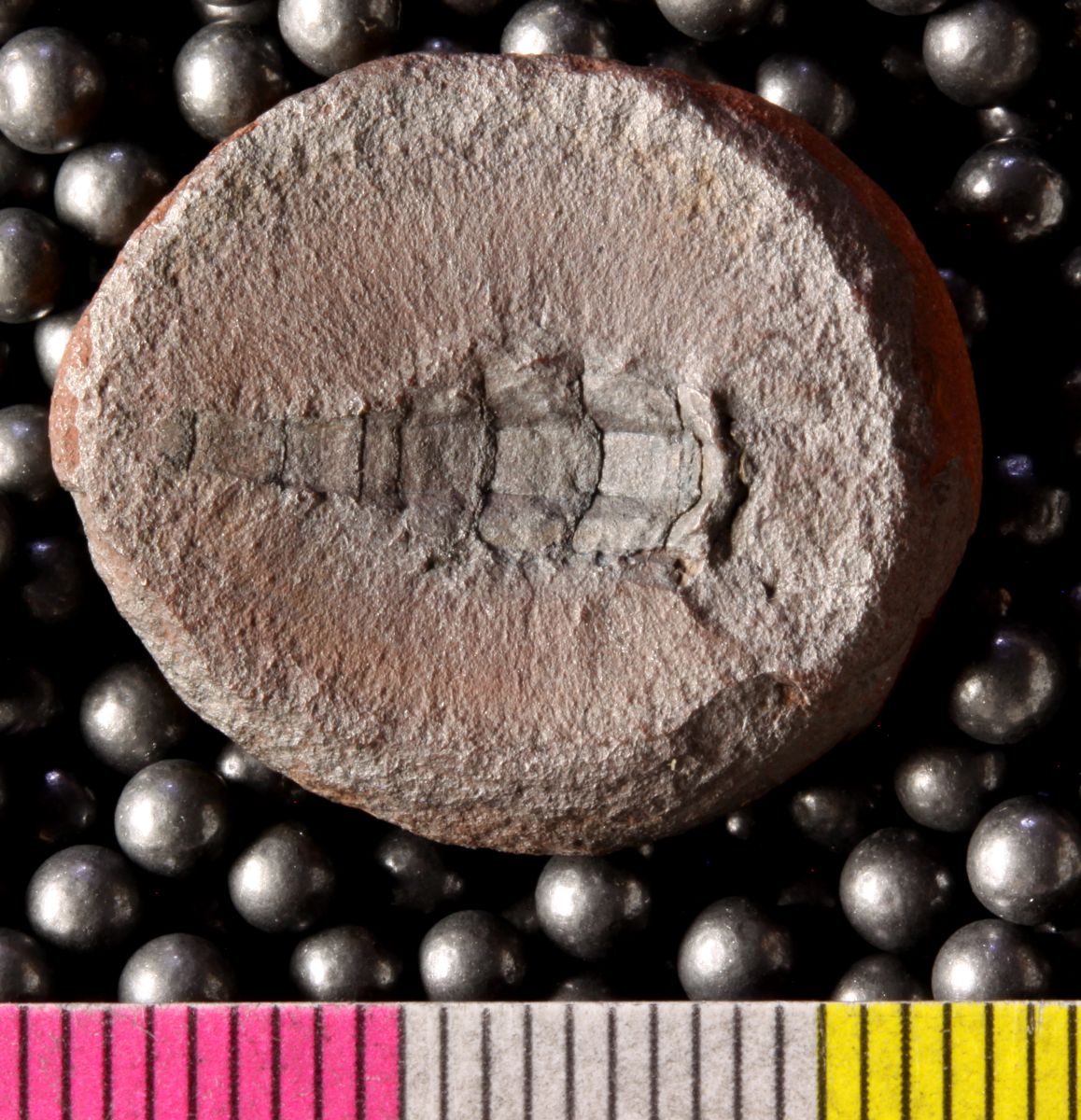
Smithixerxes juliarum is among the rarest animals found in the Mazon Creek fossil deposit. It belongs to an extinct group of arthropods known as the euthycarcinoids, which ranged from the Cambrian to the Triassic periods. Some researchers believe euthycarcinoids may have been amphibious, capable of venturing between water and land.
-
2026 ESCONI Gem, Mineral, and Fossil Show – Preview #38: Reticulopteris munsterii var. dawsonii from Mazon Creek
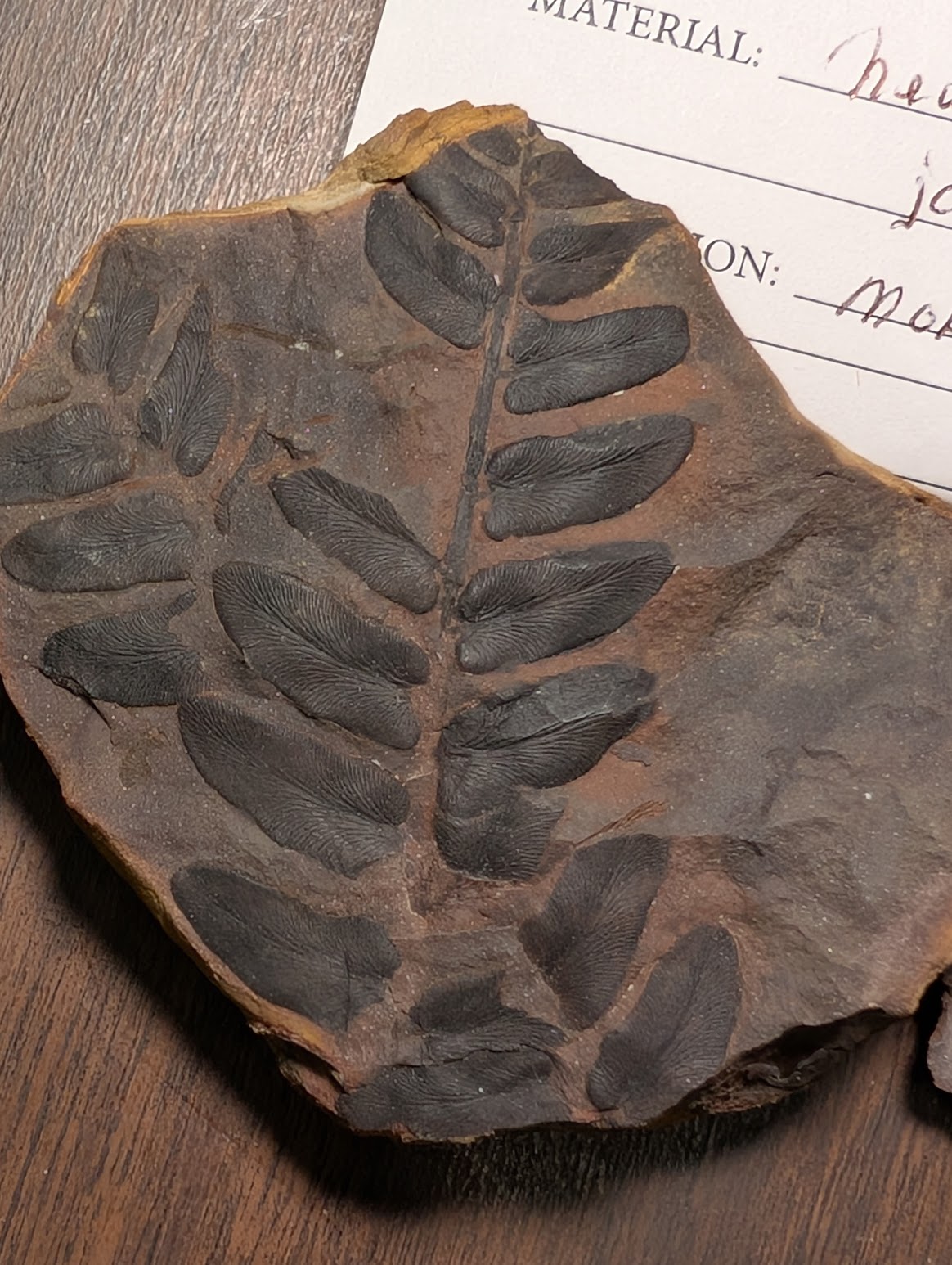
How about another Mazon Creek seed fern? This one is Neuropteris jacksonii (see Mazon Monday #250). If you are reading this… today is the day!
-
2026 ESCONI Gem, Mineral, and Fossil Show – Preview #28: Coelocanth Scale from Pit 11
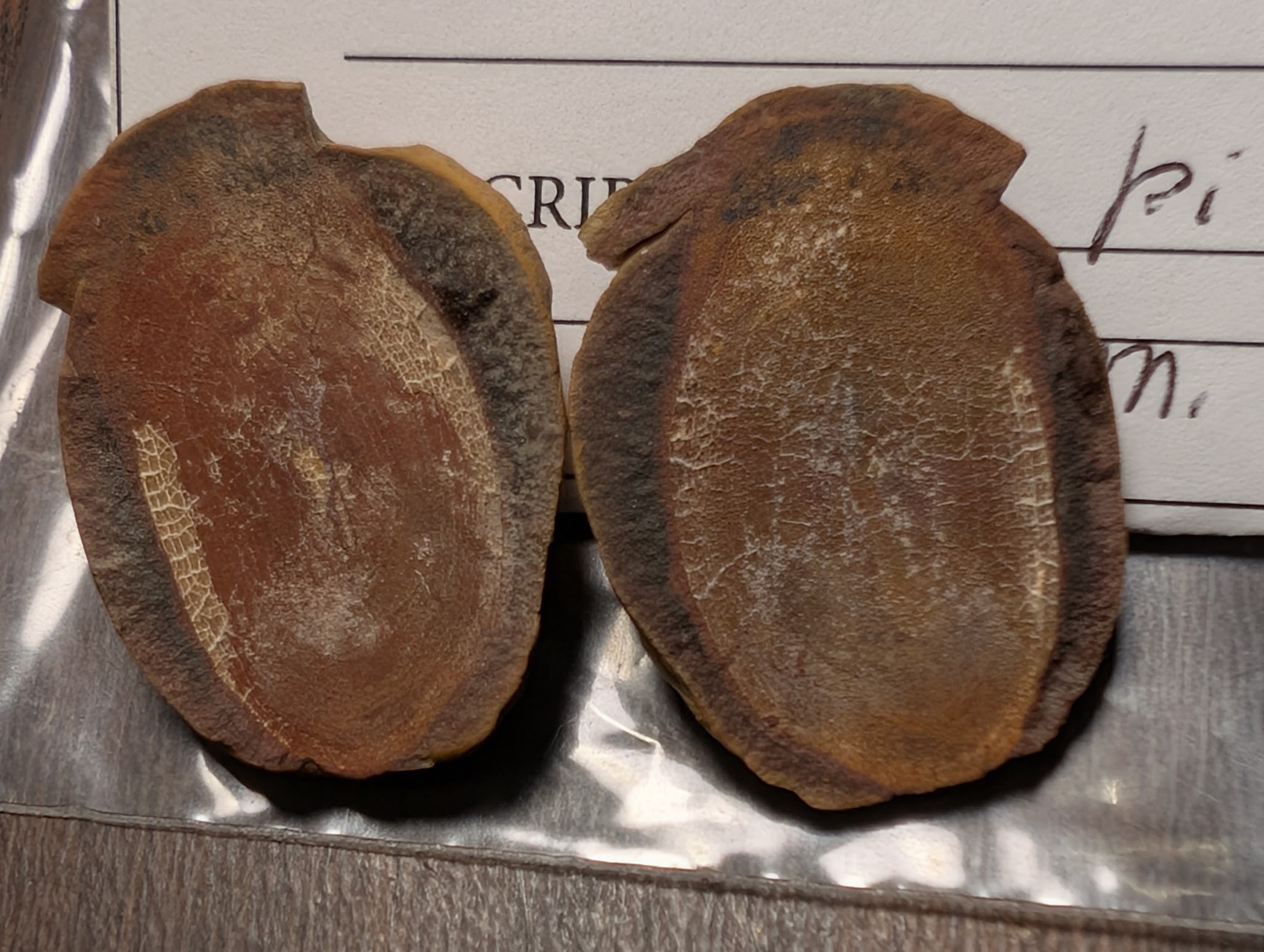
Here’s beautiful example of a Coelocanth scale Mazon Creek’s Pit 11 locality. Look closely, the preservation is very detailed. Did we mention the tomorrow is the show… see you there!
-
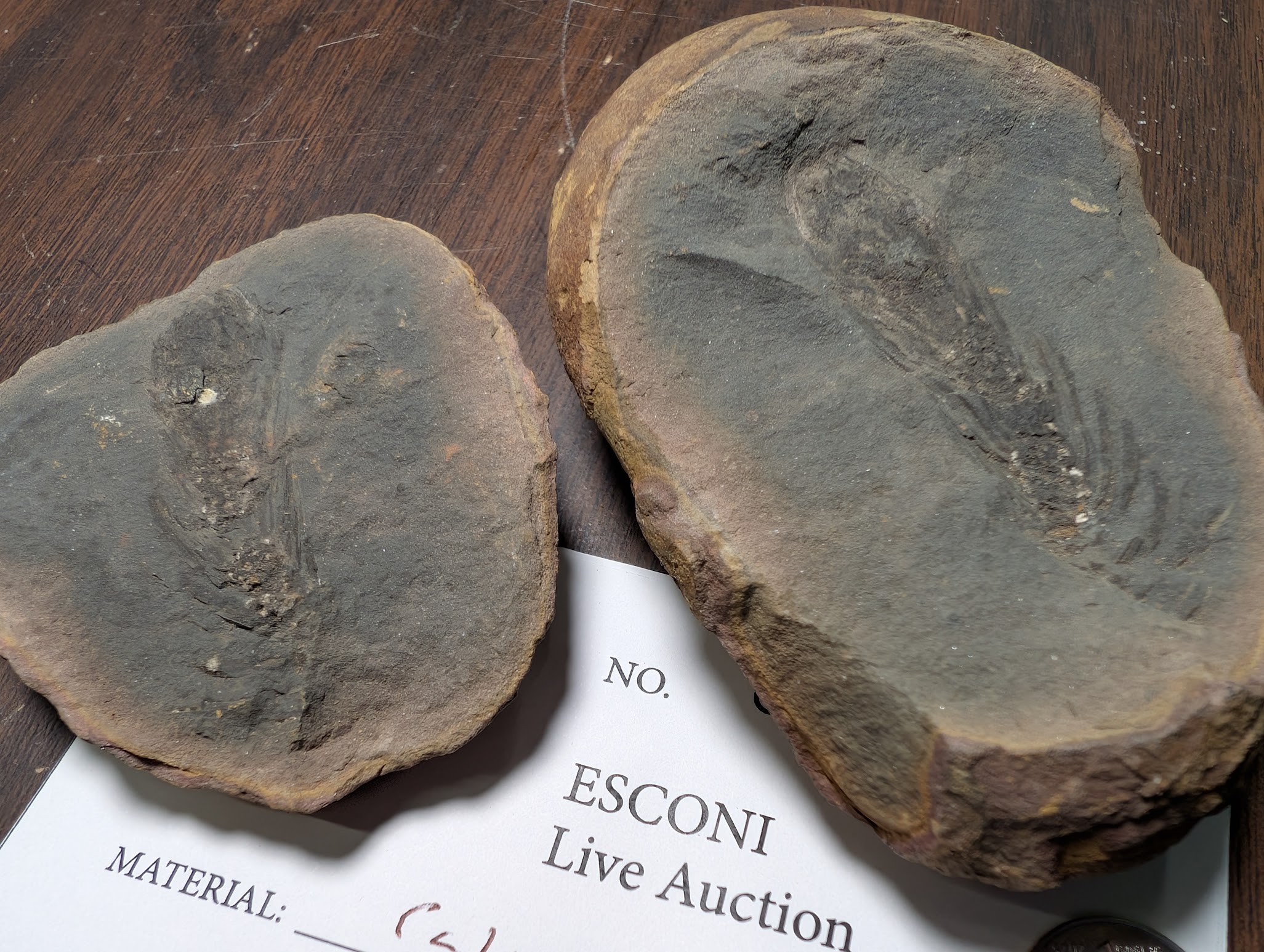
2026 ESCONI Gem, Mineral, and Fossil Show – Preview #25: Calomostachys Cone
We have a bunch of Mazon Creek fossils this year… here’s another nice cone – Calomostachys, sp. One day away from the show… are you coming?!?
-
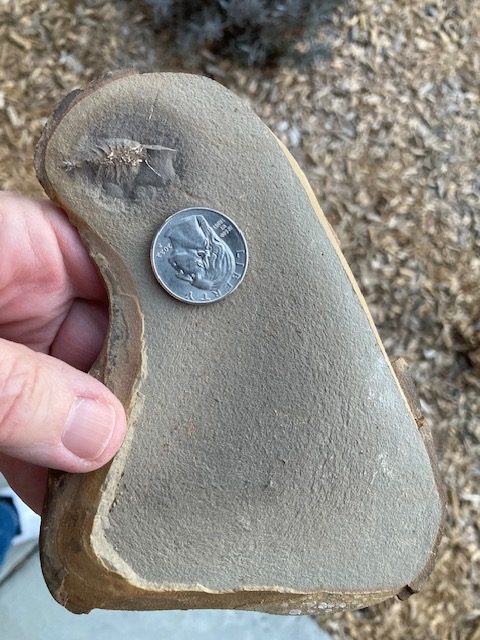
Fossil Friday #309: Acanthotelson stimpsoni
Today, we have a cute little Acanthotelson stimpsoni (see Mazon Monday #52) from the Mazon River. Acanthotelson stimpsoni is a syncarid shrimp. It’s the most common shrimp found in the Braidwood fauna.
-

Mazon Monday #313: Mazon Creek Studies – the first 120 years
For this week, we have an article from the September 1978 edition of the Field Museum’s Bulletin. The full edition, which includes Jaunary thru December, is available on the Biodiversity Heritage Library (BHL) website.
-
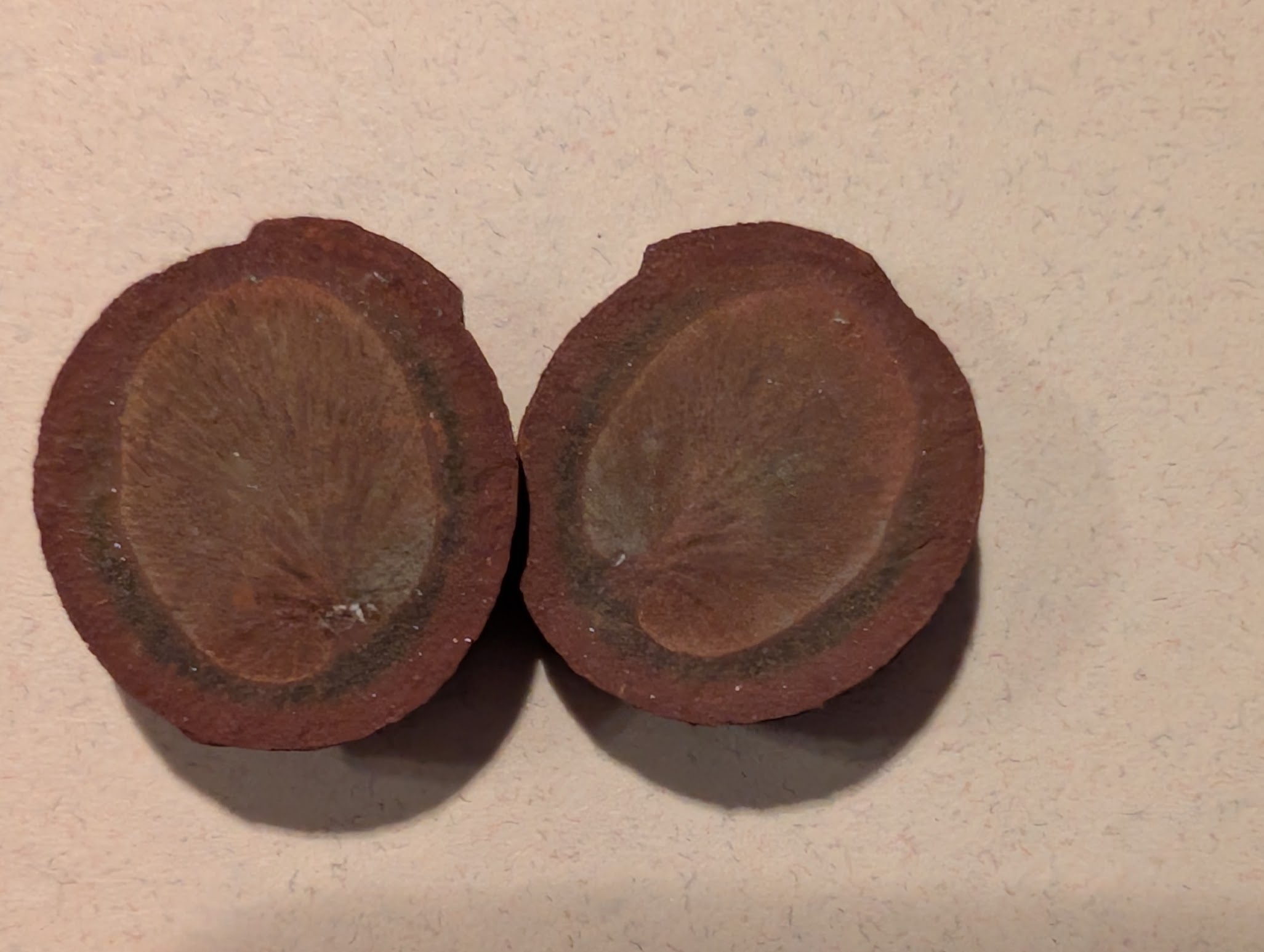
Fossil Friday #308: Beautiful things in small packages…
For this week, we have a nice and detailed orbicular pinnule from a Macroneuropteris scheuchzeri. The concretion is very small., but the “hairs” are there. Unfortunately, they may not show up in the photos. This concretion was collected from Pit 2 and opened via freeze/thaw. Check out the last photo to see the size and…
-

Mazon Monday #312: Sigillaria tessellata
Sigillaria tessellata is an extinct species of spore bearing, arborescent (tree-like) lycophyte from the Mazon Creek fossil deposit. Arborescent lycophytes (or scale trees) belong to the group Lepidodendrales. Sigillaria is known from as early as the Middle Devonian. It went extinct during the Early Permian Period.
-
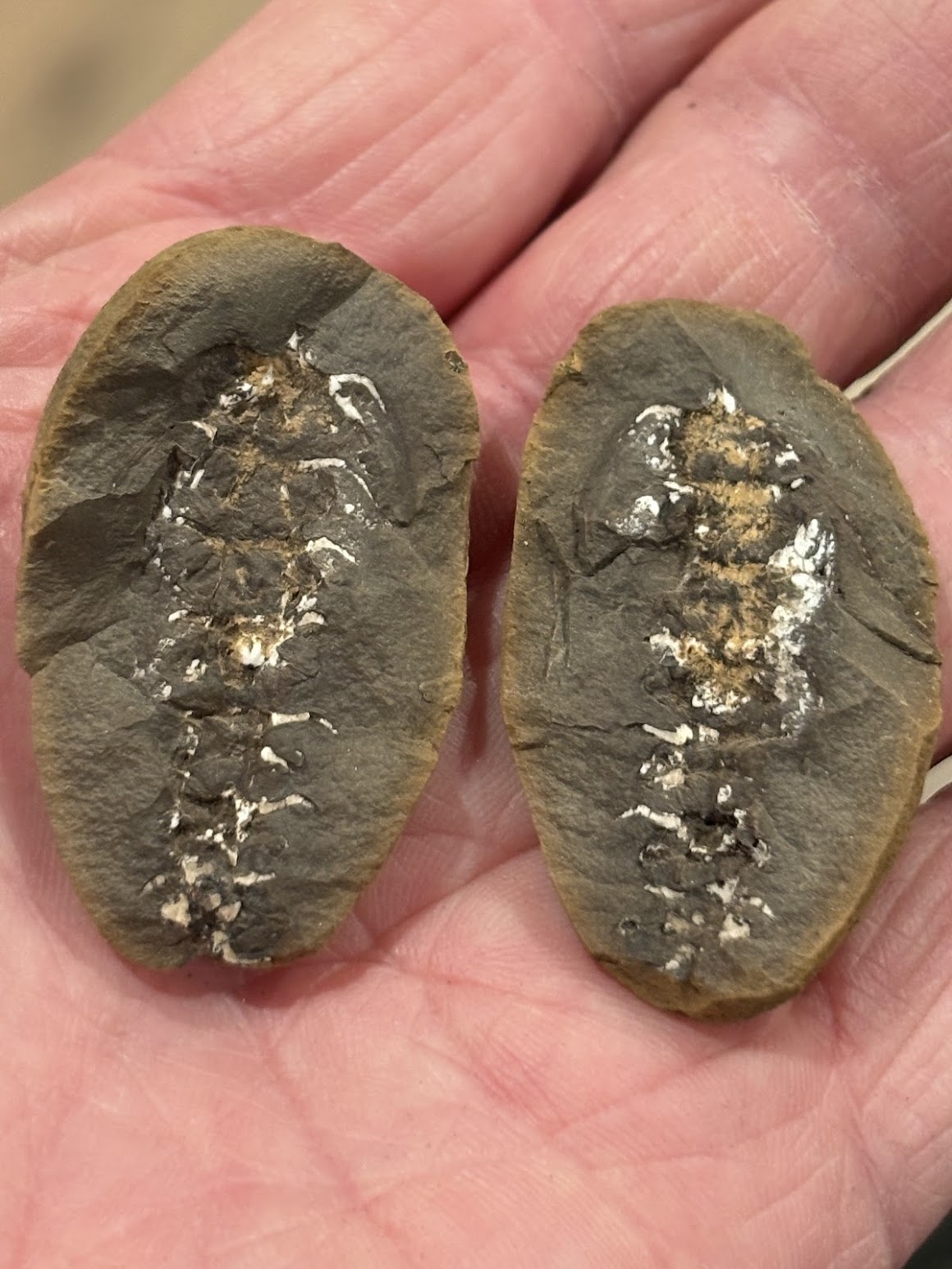
Fossil Friday #307: Euphoberia sp. From Pit 11
For today, we have a very nice Mazon Creek millipede. Euphoberia is an extinct genus of millipede found in both Europe and North America. The genus was erected by Fielding Bradford Meek and Amos Henry Worthen when they described Euphoberia armigera as a centipede in 1868.
-
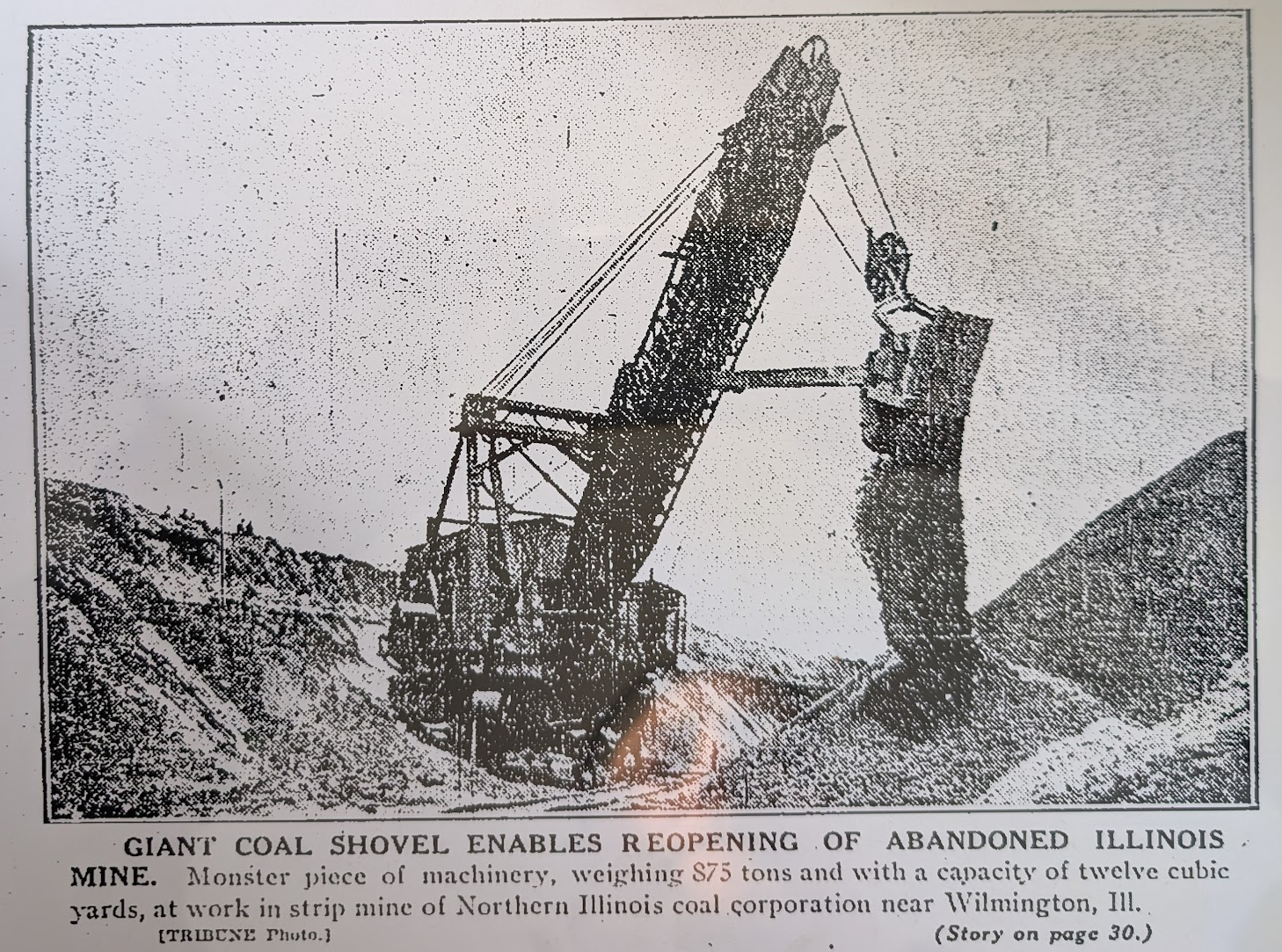
Mazon Monday #311: Strip mining begins in Braidwood on May 23, 1928
Yesterday marked opening day for fossil collecting at the IDNR Mazonia–Braidwood State Fish and Wildlife Area. I hope you were able to make it out… or are planning a trip soon. This is prime season for collecting at Pit 11, the name many collectors still use for Mazonia–Braidwood.
-
ESCONI Books and Items for Sale
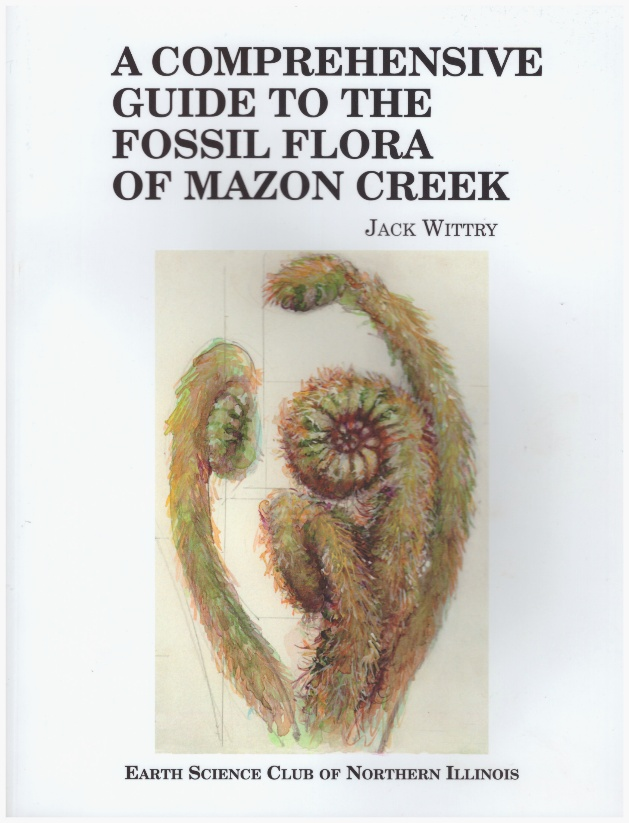
ESCONI actively sells our Club’s new books on Mazon Creek fossils that were written by Jack Wittry (an Honorary Club member). We also sell other ESCONI-branded items such as T-shirts, hats, mugs, ornaments, memory sticks, etc., in addition to used books that are donated to the Club. These items are for sale at ESCONI’s annual…
-
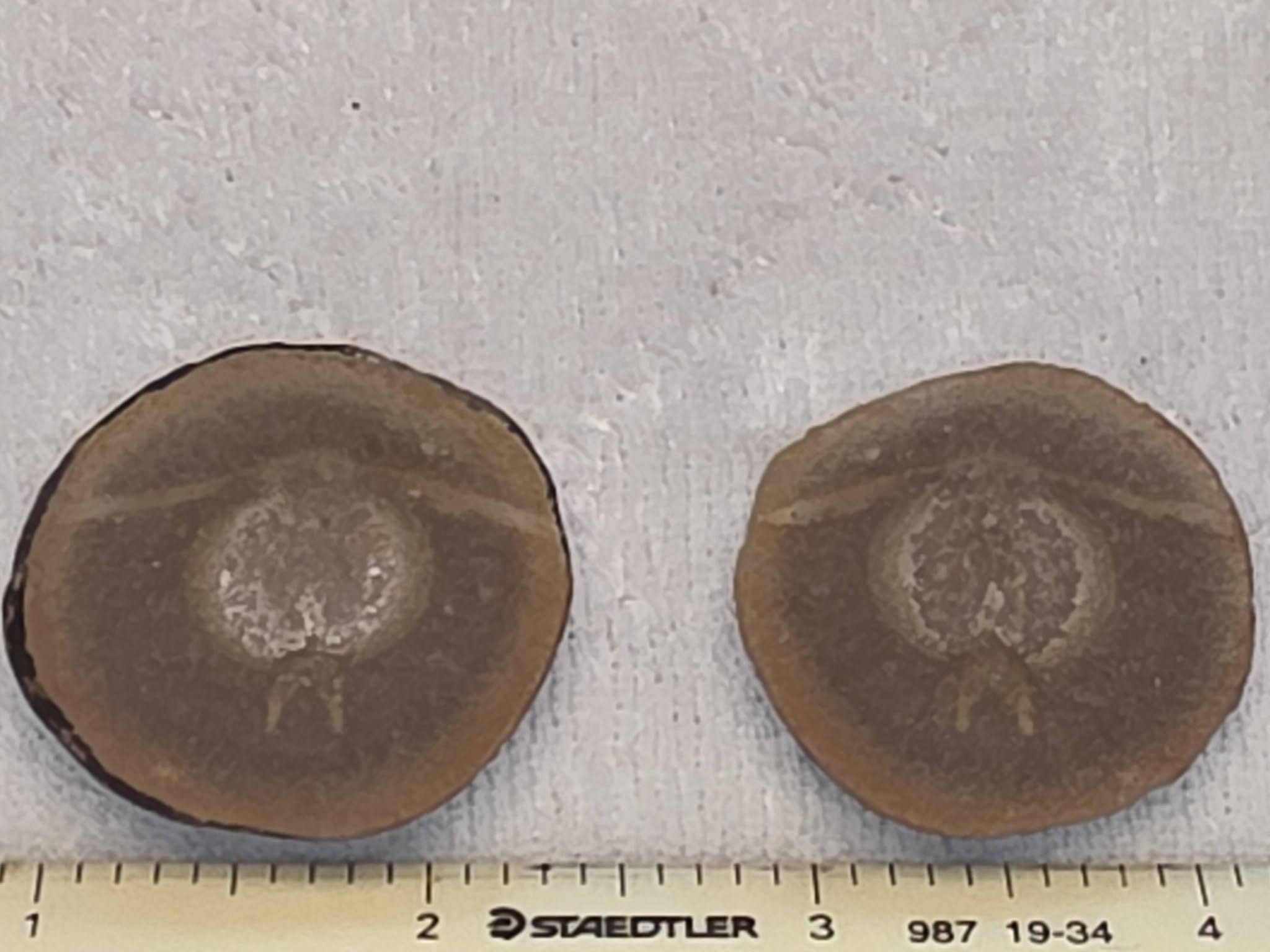
Fossil Friday #306: Cyclus obesus
Just earlier this week, Mazon Monday #310 was about Cyclus obesus. That post was triggered by Mike Monteith’s recent find. On one of the nice days last week, Mike was going through his freeze/thaw from this winter and found this very nice Cyclus obesus. Thanks for sharing, Mike!
-

Mazon Monday #310: Cyclus obesus
This is Mazon Monday post #310. What’s your favorite Mazon Creek fossil? Tell us at email:esconi.info@gmail.com. Cyclus obesus is one of four species of Cycloidea found in Mazon Creek. It was described in the paper “Mazon Creek Cycloidea” by Frederick Schram. The paper was published in the Journal of Paleontology in 1997. In that paper,…
-
Mazon Monday #309: Herbivory is Older Than We Thought!
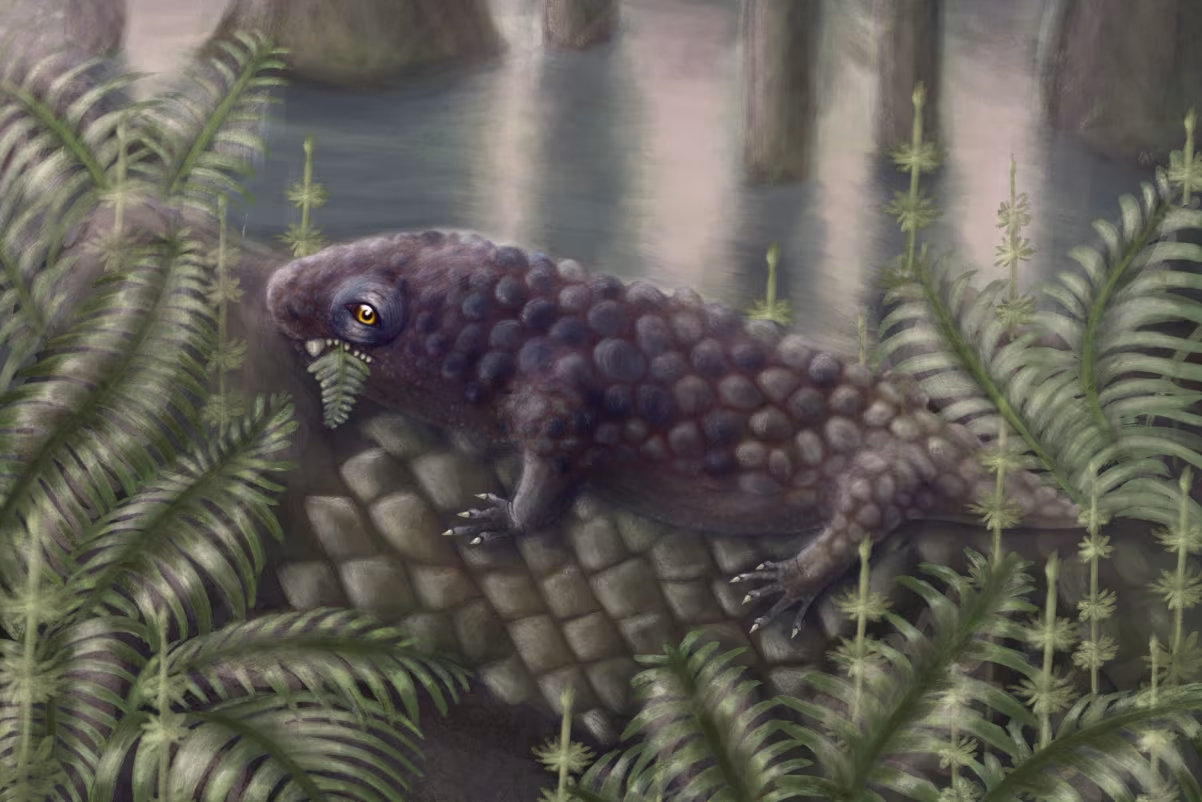
This is Mazon Monday post #309. What’s your favorite Mazon Creek fossil? Tell us at email:esconi.info@gmail.com. The Mann Lab at the Field Museum has been very busy. Their new paper “Carboniferous recumbirostran elucidates the origins of terrestrial herbivory” published in the journal Nature Ecology & Evolution has significant implications for the Mazon Creek ecosystem. This…
-

Fossil Friday #304: A Heartwarming Tully Reunion
This is the “Fossil Friday” post #304. Expect this to be a regular feature of the website. We will post fossil pictures you send in to esconi.info@gmail.com. Please include a short description or story. Check the #FossilFriday Bluesky/Twitter hash tag for contributions from around the world! For Valentines Day, we have a nice heartwarming Tullymonster reunion…
-

Mazon Monday #308: Acitheca polymorpha
This is Mazon Monday post #308. What’s your favorite Mazon Creek fossil? Tell us at email:esconi.info@gmail.com. Acitheca polymorpha is an extinct species of the class Filcopsida. It is one of the rarer species of fern found in the Mazon Creek fossil localities. The classification of Acitheca polymorpha (Pecopteris polymorpha) has been problematic. Leo Lesquereux figured Pecopteris…
-

Mazon Monday #307: Arjan Mann on Fossil Nerds
This is Mazon Monday post #307. What’s your favorite Mazon Creek fossil? Tell us at email:esconi.info@gmail.com. Episode #94 of the Fossil Nerds podcast is “The Marvelous Mini-Monsters of Mazon Creek with Arjan Mann”. Arjan is the Assistant Curator of Early Tetrapods at the Field Museum. He discusses his lab’s work, various ancient fish and tetrapods,…
-

Fossil Friday #302: A Beautiful Macroneuropteris scheuchzeri from Braceville!
This is the “Fossil Friday” post #302. Expect this to be a regular feature of the website. We will post fossil pictures you send in to esconi.info@gmail.com. Please include a short description or story. Check the #FossilFriday Bluesky/Twitter hash tag for contributions from around the world! For this week, we have a beautiful pyritized Macroneuropteris sheuchzeri…
-

Mazon Monday #306: Drevotella proteana
This is Mazon Monday post #306. What’s your favorite Mazon Creek fossil? Tell us at email:esconi.info@gmail.com. Drevotella proteana is believed to be a hydrozoan. It lived during the Pennsylvanian Period. Fossils of this soft-bodied animal are known only from the Mazon Creek fossil deposit, where exceptional preservation allows such delicate organisms to be recorded. Hydrozoans…
-
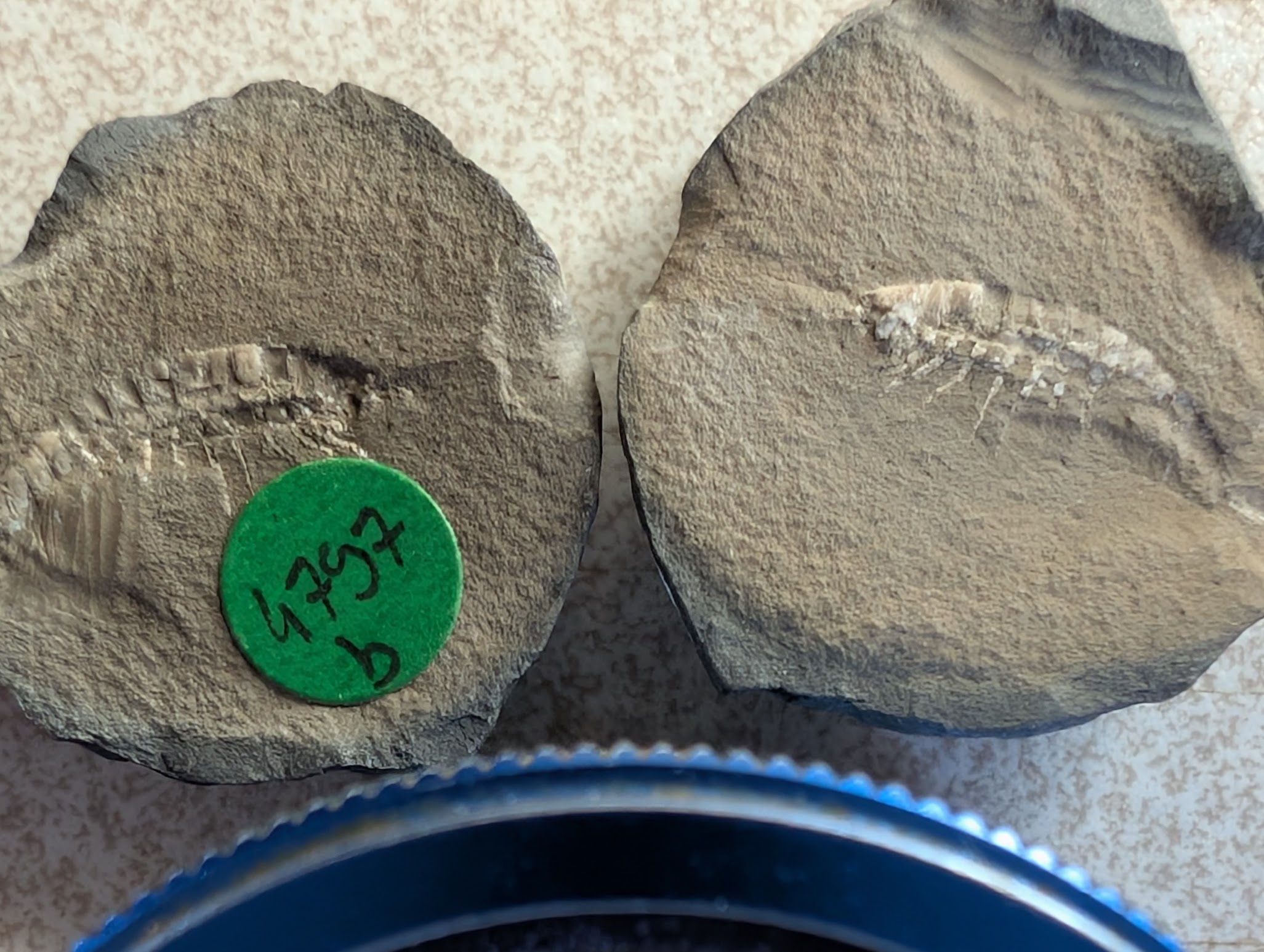
Fossil Friday #301: French Palaeocaris
This is the “Fossil Friday” post #301. Expect this to be a regular feature of the website. We will post fossil pictures you send in to esconi.info@gmail.com. Please include a short description or story. Check the #FossilFriday Bluesky/Twitter hash tag for contributions from around the world! In Mazon Monday #294, we highlighted the fossil site at…
-

Mazon Monday #305: Herdina mirificus
This is Mazon Monday post #305. What’s your favorite Mazon Creek fossil? Tell us at email:esconi.info@gmail.com. Herdina mirificus is an extinct species of short-winged insect, currently classified in the order Protorthoptera. Protorthoptera is an extinct lineage of insects that lived during the middle to late Pennsylvanian Period some 318 to 299 million years ago. The…
-
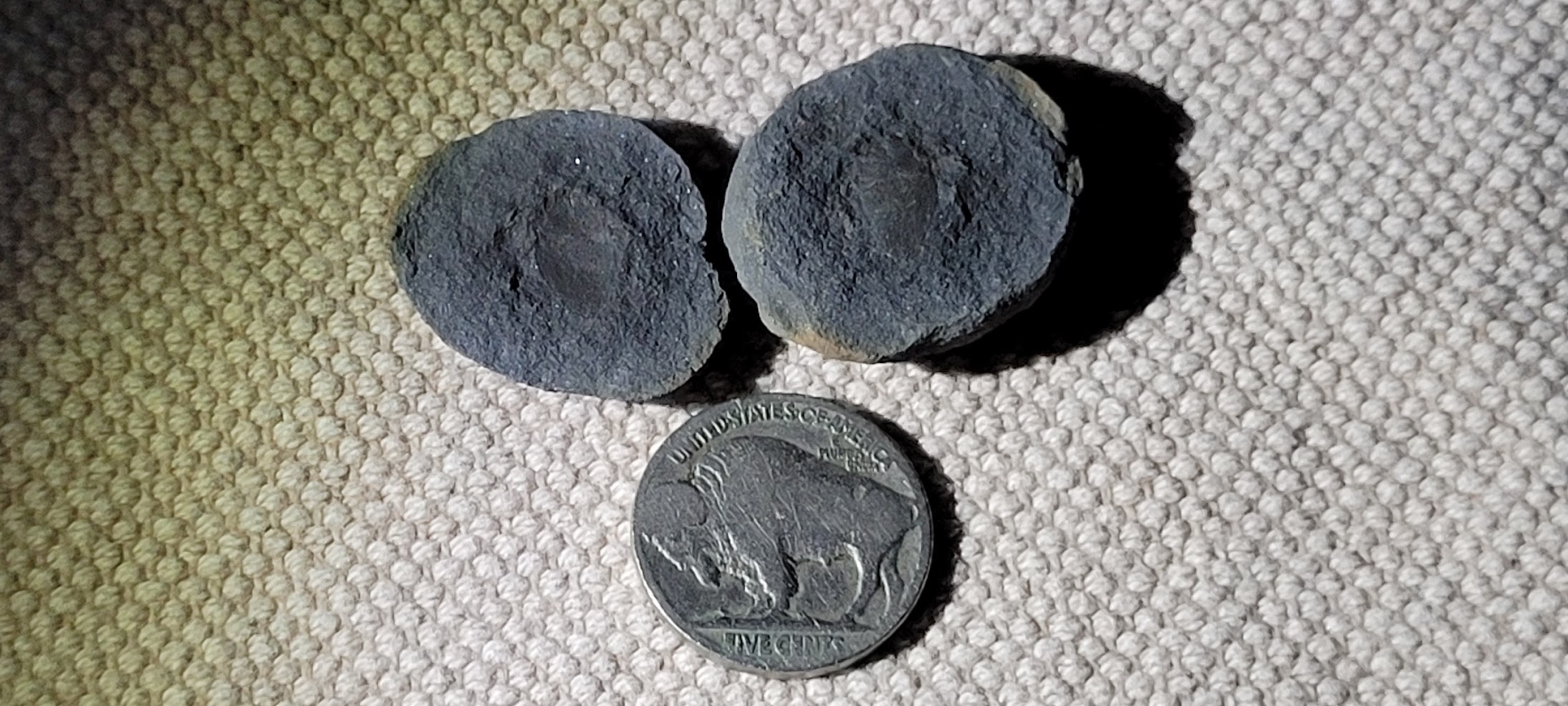
Fossil Friday #300: Orthotarbus robustus from the River
This is the “Fossil Friday” post #300. Expect this to be a regular feature of the website. We will post fossil pictures you send in to esconi.info@gmail.com. Please include a short description or story. Check the #FossilFriday Bluesky/Twitter hash tag for contributions from around the world! Is there a better way to post our 300th Fossil…
-

Mazon Monday #304: Field Museum… Illinois by the sea
This is Mazon Monday post #304. What’s your favorite Mazon Creek fossil? Tell us at email:esconi.info@gmail.com. In May 1970, the Field Museum opened an exhibit about Mazon Creek. It was called “Illinois by the sea: a coal age environment” and ran from May 25th until September 25th. It was a successful exhibit that featured Field…
-

Fossil Friday #299: Annularia sphenophylloides
This is the “Fossil Friday” post #299. Expect this to be a regular feature of the website. We will post fossil pictures you send in to esconi.info@gmail.com. Please include a short description or story. Check the #FossilFriday Bluesky/Twitter hash tag for contributions from around the world! Today, we have another beautiful contribution from George Witaczek. This time…
