Month: November 2024
-

PBS Eons: Could You Survive The Great Dying?
PBS Eons has another interesting episode. This one is about the Permian Mass Extinction, which is often referred to as the "Great Dying" as more than 90% of all species went extinct during this event. The cause is thought to be massive flood basalt volcanic eruptions in what is now Siberia about 250 million years…
-
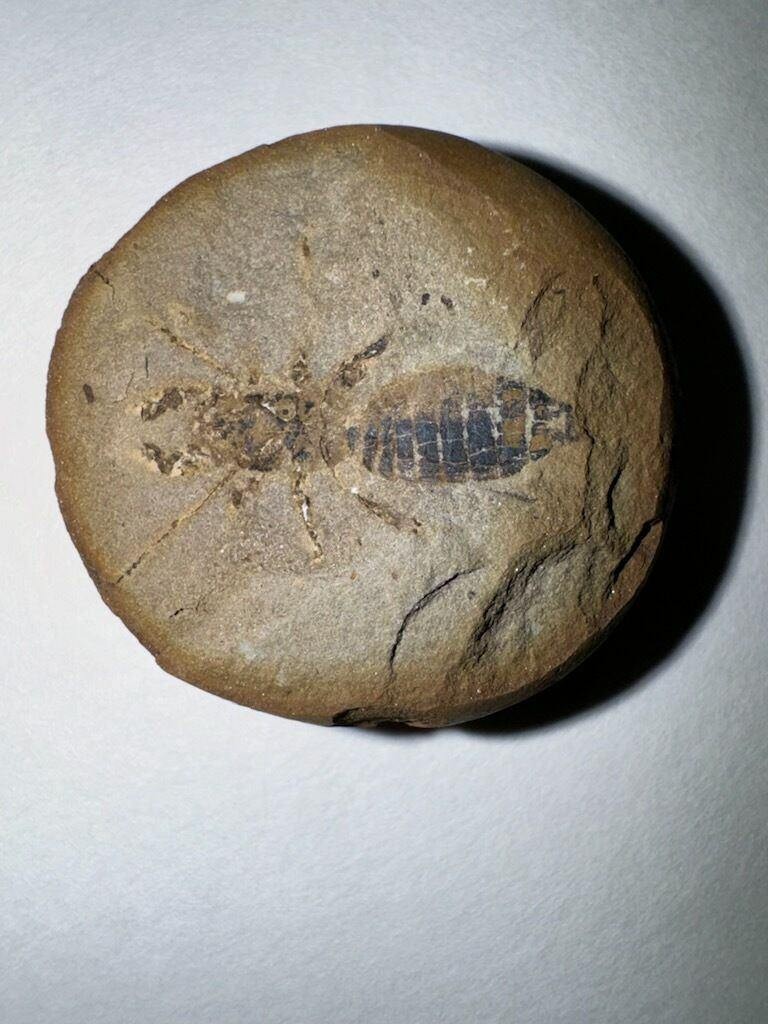
Fossil Friday #241: A Tailless Whip Scorpion from the Mazon River
This is the “Fossil Friday” post #241. Expect this to be a somewhat regular feature of the website. We will post any fossil pictures you send in to esconi.info@gmail.com. Please include a short description or story. Check the #FossilFriday Twitter hash tag for contributions from around the world! Today, we have a very, very rare…
-

Thanksgiving special: Dinosaur Drumsticks and the Story of the Turkey Trot
Yale News has a post about research into what makes "peacocks to strut, penguins to waddle, and turkeys to trot." See the study published in the journal Nature. Wings may be the obvious choice when studying the connection between dinosaurs and birds, but a pair of Yale paleontologists prefers drumsticks. That part of the leg,…
-

Paleontologists Discover a New Pterosaur, Filling a Key Gap on the Evolutionary Timeline for These Flying Reptiles
Smithsonian Magazine has highlighted the recent discovery of Skiphosoura bavarica, a Jurassic pterosaur from Germany. This research was led by David Hone a paleontologist at Queen Mary University of London. Long-time ESCONI members Bruce and Rene’ Lauer were co-authors on the study. The paper was published in the journal Current Biology. The paper introduces a…
-
Video for ESCONI Paleontology Meeting November 2024 – “Devonian Fossils from Independence”
The ESCONI Paleontology Study Group Meeting for November 2024 featured an interesting presentation by Jim Preslicka. His presentation was titled “Devonian Fossils From Independence”. Jim has a deep interest in cephalopods. The eastern Iowan deposit was discovered by the Blackhawk Gem and Mineral Society in 2007. A joint project between the BHGMS and the University…
-
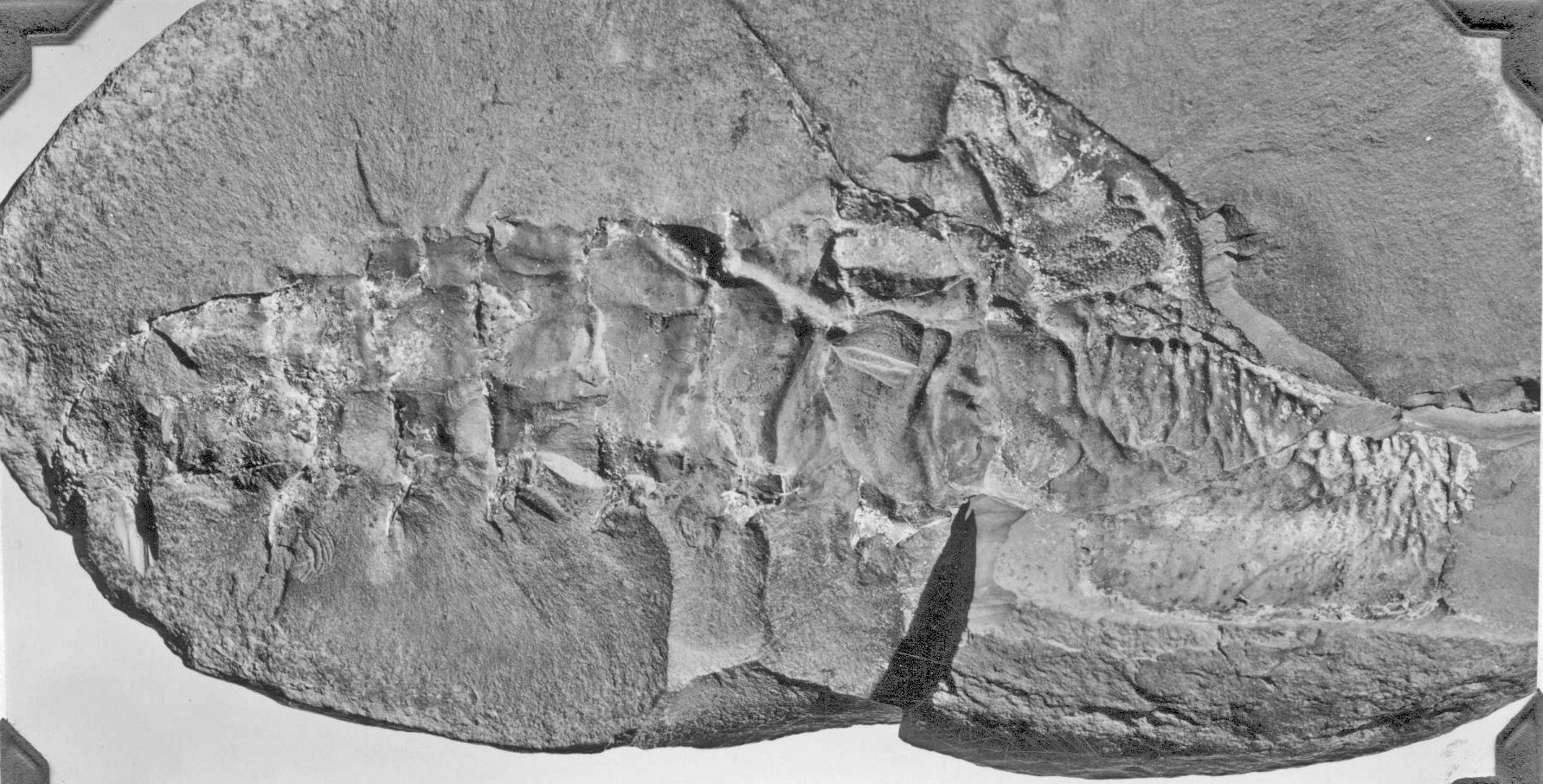
Mazon Monday #244: First Arthroplura Identified from Mazon Creek
This is Mazon Monday post #244. What’s your favorite Mazon Creek fossil? Tell us at email:esconi.info@gmail.com. Arthropleura cristata was described by Eurgene Richardson, Jr. in 1956 in “Pennsylvanian invertebrates of the Mazon Creek area, Illinois. Trilobitomorpha: Arthropleurida” in Fieldiana Geology 12(4): 76-76. He based this work on specimens he collected with George Langford in 1952…
-

New Grand Canyon Discovery Could Rewrite Geology Textbooks
SciTechDaily reports on a discovery that may reshape our understanding of the Cambrian Period. New research, published in the journal GSA Today, focuses on Cambrian rock formations at the base of the Grand Canyon. The study, a collaborative effort led by Carol Dehler, a professor at Utah State University, and Fred Sundberg, a paleontologist and adjunct professor at UNM, revisits…
-
PBS Eons: How Animals Got Butts
There's a new episode of PBS Eons. Birds do it. Bees do it. Everyone and anything that eats does it… While the evolution of the butthole was a major breakthrough in animal development, its story might actually end with redefining what it means to have a butthole at all.
-
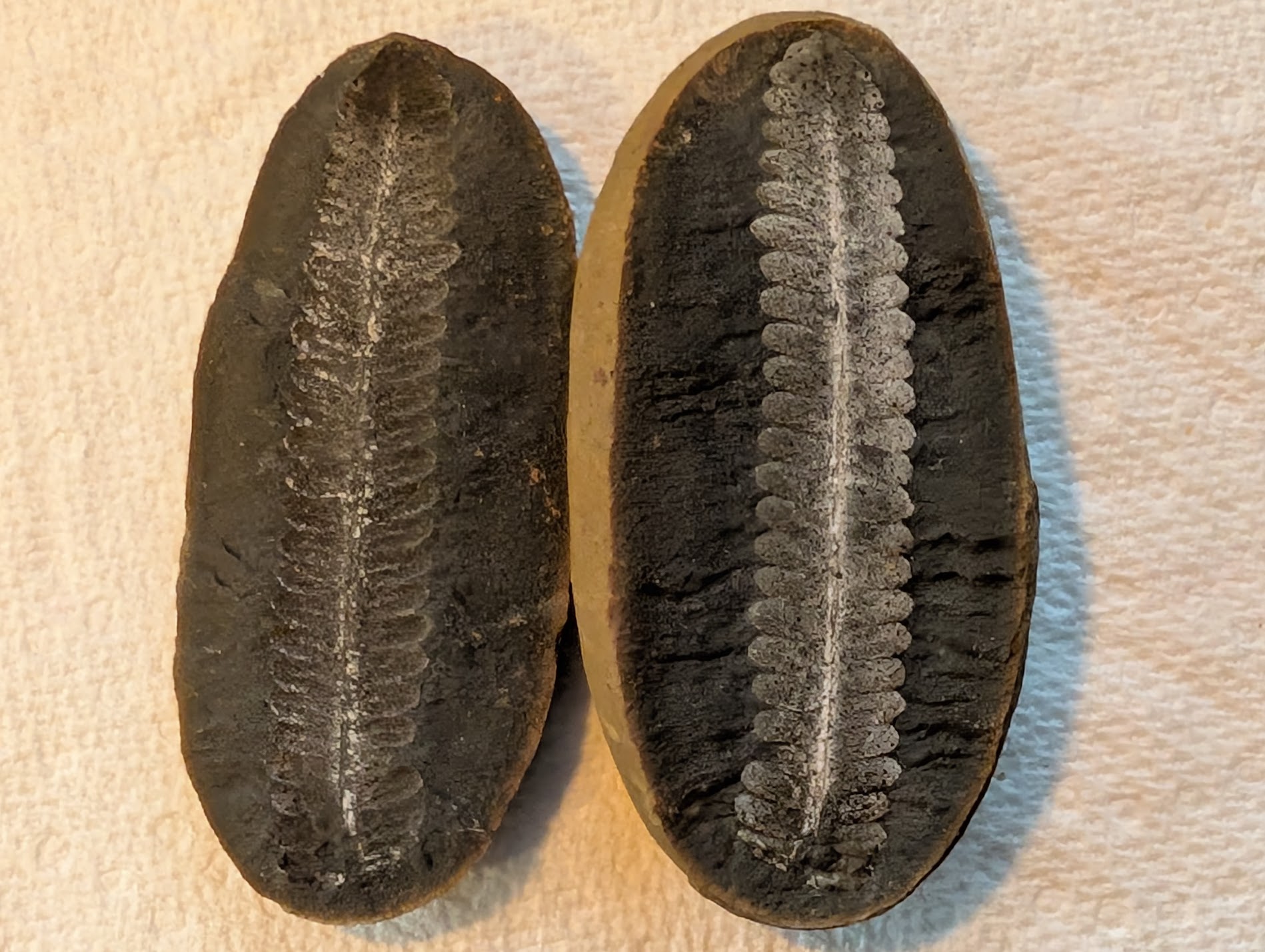
Fossil Friday #240: Diplazites unita from Mazon Creek #fossils
This is the “Fossil Friday” post #240. Expect this to be a somewhat regular feature of the website. We will post any fossil pictures you send in to esconi.info@gmail.com. Please include a short description or story. Check the #FossilFriday Twitter hash tag for contributions from around the world! We’ve got a nice Diplazites unita from…
-

Throwback Thursday #241: Happy 75th Birthday, ESCONI!!!!
This is Throwback Thursday #241. In these, we look back into the past at ESCONI specifically and Earth Science in general. If you have any contributions, (science, pictures, stories, etc …), please send them to esconi.info@gmail.com. Thanks! ——————————————————————————————- Ok, just a few days late on this…. Happy 75th Birthday, ESCONI!!!! Notes of the first meeting…
-

Video for ESCONI General Meeting November 2024 – “From Muldraugh to Museum: Amphoracrinus tenax”
The topic of the November 2024 Paleontology meeting was “From Muldraugh to Museum: The Unexpected Journey of Crinoid Amphoracrinus tenax“. It was presented by ESCONI member Gretel Monreal. This presentation will include the investigative process for recognizing a new species of crinoid and explaining what this simple fossil can tell us. Amphoracrinus tenax was described…
-

A new and large monofenestratan reveals the evolutionary transition to the pterodactyloid pterosaurs
Bruce and Rene Lauer have done it again… groundbreaking paleontological research. This time it’s a new pterosaur, Skiphosoura bavarica, from the Jurassic of Germany. The lead author is David Hone with Adam Fitch, Stefan Selzer, and the Lauers. The paper is Open Access and was published in the journal Current Biology.
-
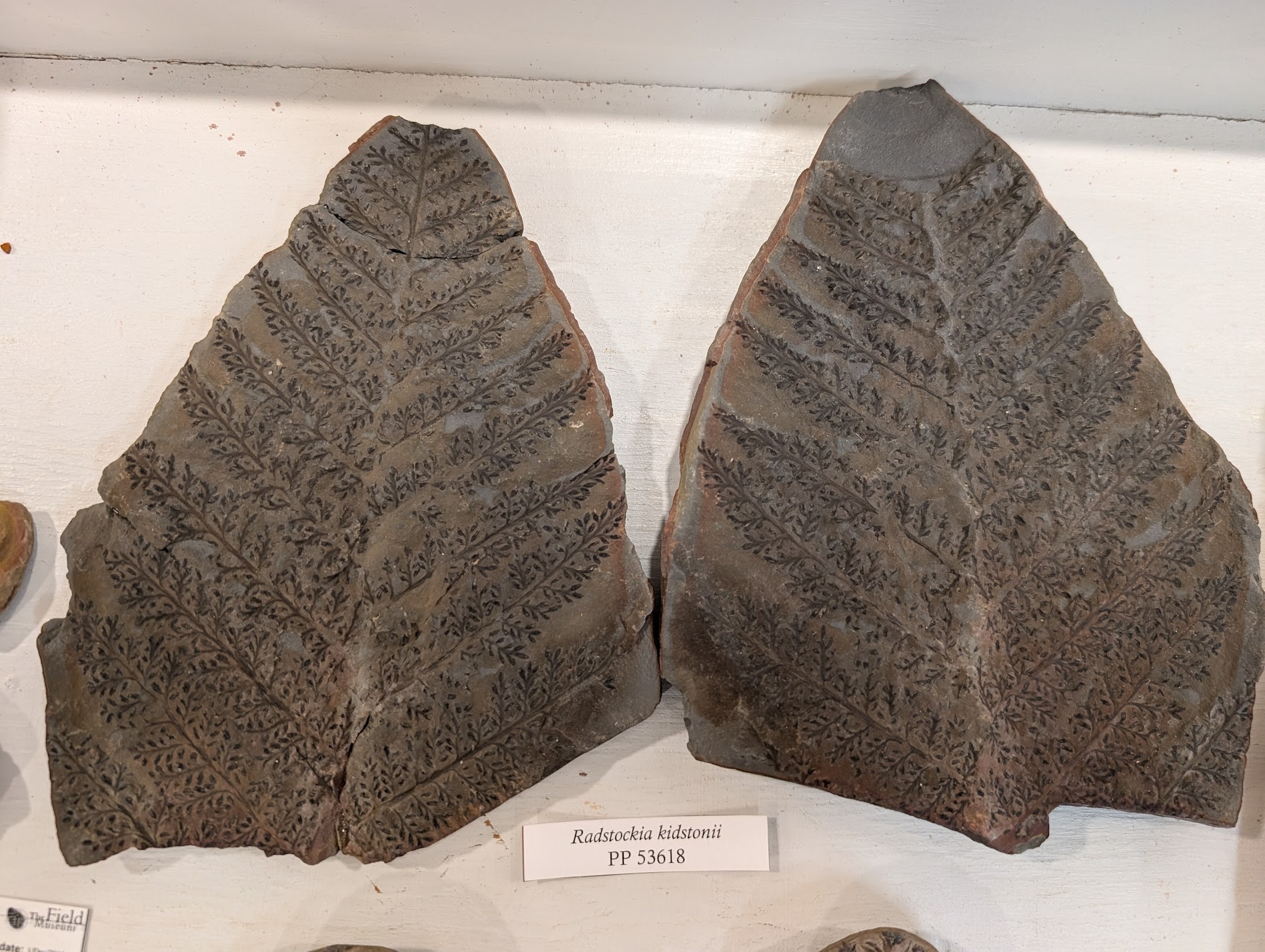
Mazon Monday #243: Radstockia kidstonii
This is Mazon Monday post #243. What’s your favorite Mazon Creek fossil? Tell us at email:esconi.info@gmail.com. Radstockia kidstonii is a very rare plant fossil from the Mazon Creek deposit. It is currently considered a true fern, as the pinnules and fertile structures are similar to the modern fern Marattia alata. It was originally named Radstockia…
-

Paleontologists Discover Dinosaur Fossils in Hong Kong for the First Time
Smithsonian Magazine brings news of the first discovery of dinosaur fossils in Hong Kong. The fossils were identified as a “large, aged dinosaur”. They were found on the tiny uninhabitied Port Island. The animal lived during the Cretaceous Period. China—along with Argentina, Canada and the United States—is one of the main geographical regions for identifying…
-
PBS Eons: Could You Survive The Carboniferous Period?
There's a new episode of PBS Eons. This one is about the coal swamps of the late Carboniferous Period. The swamps of the Late Carboniferous Period teemed with giant insects, but it’s time for the amniotes – the ancestors of all reptiles, birds, and mammals to come – to earn the title of Fully Terrestrial…
-

Fossil Friday #239: Linopteris neuropteroides from Indiana
This is the “Fossil Friday” post #239. Expect this to be a somewhat regular feature of the website. We will post any fossil pictures you send in to esconi.info@gmail.com. Please include a short description or story. Check the #FossilFriday Twitter hash tag for contributions from around the world! For this week, we have a sweet…
-
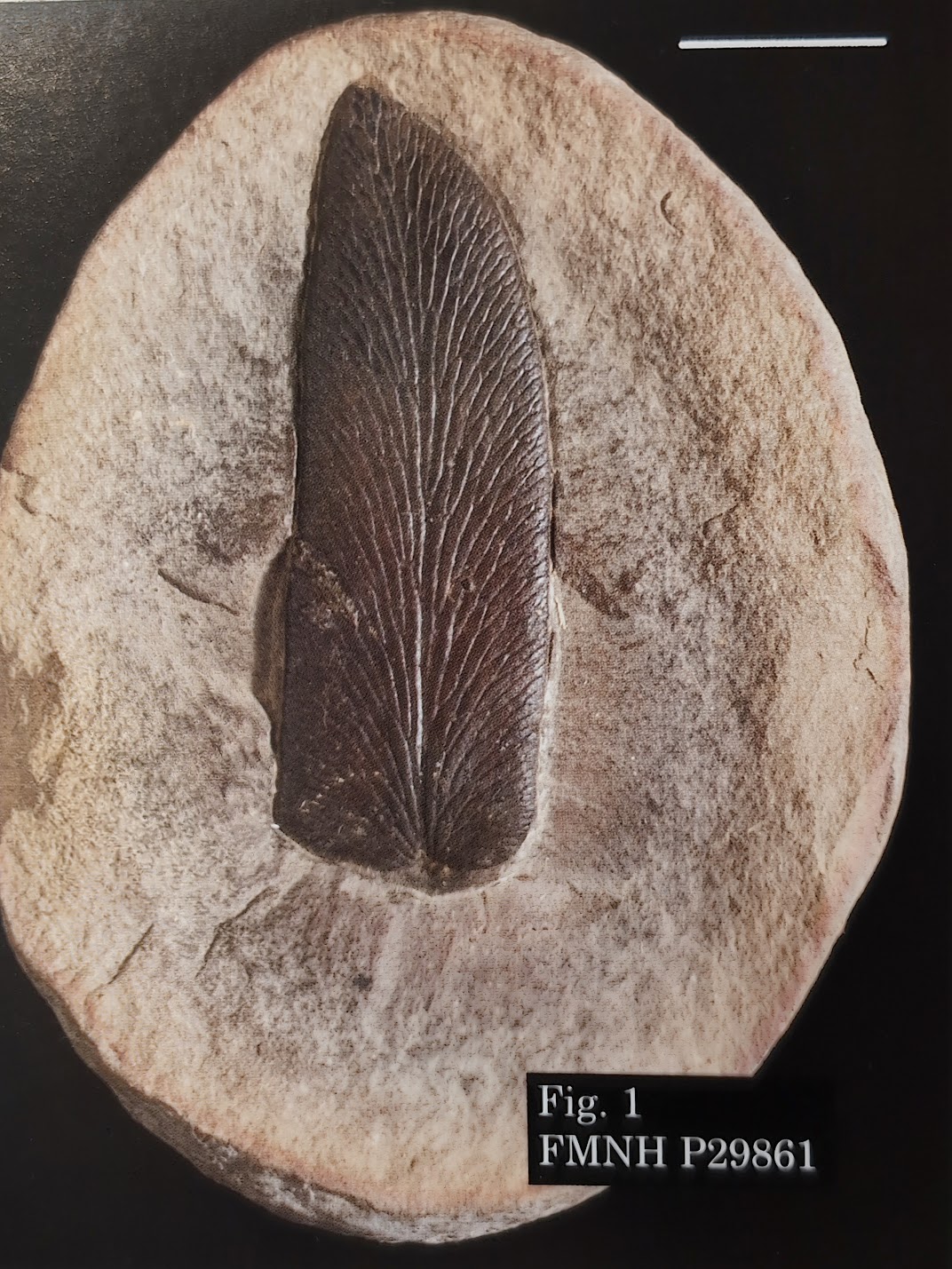
Mazon Thursday #242: Linopteris neuropteroides
This is Mazon Monday post #242. What’s your favorite Mazon Creek fossil? Tell us at email:esconi.info@gmail.com. This is Mazon Thursday. We moved this week’s Mazon Monday to Thursday to do a Veteran’s Day post on Monday. Linopteris neuropteroides is a very rare seed fern known from Mazon Creek and other Pennsylvanian localities. It was originally…
-
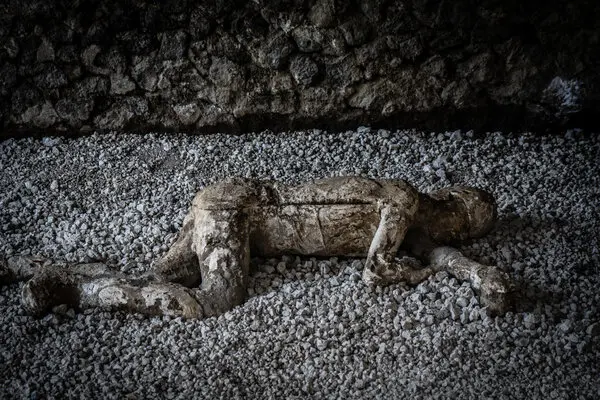
With DNA, Pompeii Narratives Take a Twist
The New York Times has a story about the residents of Pompeii when Vesuvius erupted in 79 C.E. Naratives were created when body cavities were first discovered at Pompeii in 1863. One group, a child and two adults were thought to be related, with a pair being a mother with a her child. DNA research…
-

‘Closer than people think’: Woolly mammoth ‘de-extinction’ is nearing reality — and we have no idea what happens next
LiveScience has news that the de-extinction of the Woolly mammoth is nearing reality. Colossal Biosciences, a Texas-based biotechnology and genetic engineering company, is working to bring the dodo (Raphus cucullatus), the Tasmanian tiger (Thylacinus cynocephalus; also known as the thylacine) and the woolly mammoth (Mammuthus primigenius) back from extinction. The question of can has morphed into the question of should. …
-
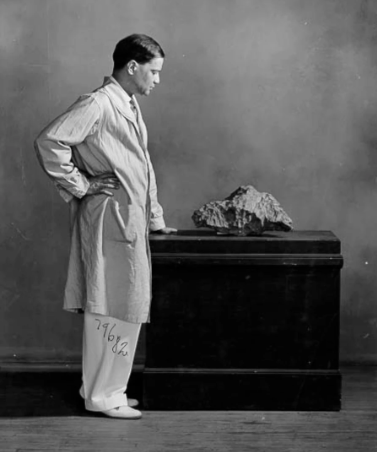
Throwback Monday #240: Happy Veterans Day from ESCONI… and the Field Museum!
This is Throwback Thursday #240. In these, we look back into the past at ESCONI specifically and Earth Science in general. If you have any contributions, (science, pictures, stories, etc …), please send them to esconi.info@gmail.com. Thanks! ——————————————————————————————- To celebrate Veterans Day, we are doing something different this week… How about a Throwback Monday and…
-

Dinosaurs unearthed in China may have ended with a collapse, not a catastrophe
NPS has news of an interesting new theory of how a group of dinosaurs were preserved in China. Recent research offers a new perspective on the preservation of dinosaur fossils in China’s Yixian Formation, often dubbed the “Chinese Pompeii.” Previously, the exceptional preservation of these Cretaceous-period fossils was attributed to periodic volcanic eruptions over a…
-
PBS Eons: What Happened To The Other Mesozoic Mammals?
There's a new episode of PBS Eons. This one is about the rise of modern mammals through the Cretaceous Period. In 2003, a fossil belonging to a mammaliaform was discovered in an ancient lakebed in what's now China. It was an almost complete skeleton the size of a platypus, a find that complicated the history…
-

Fossil Friday #238: Edestus heinrichi from St. David, IL
This is the “Fossil Friday” post #238. Expect this to be a somewhat regular feature of the website. We will post any fossil pictures you send in to esconi.info@gmail.com. Please include a short description or story. Check the #FossilFriday Twitter hash tag for contributions from around the world! Long time ESCONI member Ralph Jewell sent…
-

Throwback Thursday #239: Looking Back at ESCONI for November 2024
This is Throwback Thursday #239. In these, we look back into the past at ESCONI specifically and Earth Science in general. If you have any contributions, (science, pictures, stories, etc …), please send them to esconi.info@gmail.com. Thanks! 25 Years Ago – November 1999 50 Years Ago – November 1974 70 Years Ago – November 1954
-

Fossil Reveals Oldest Known Tadpole That Grew to the Size of a Hot Dog
The New York Times Trilobite column has a story about what may be the largest tadpole species ever discovered. Notobatrachus, an ancient relative of modern frogs, lived around 161 million years ago in present-day Santa Cruz Province, Argentina. In 2020, a team of paleontologists from Argentina and China uncovered hundreds of adult fossils of Notobatrachus,…
-
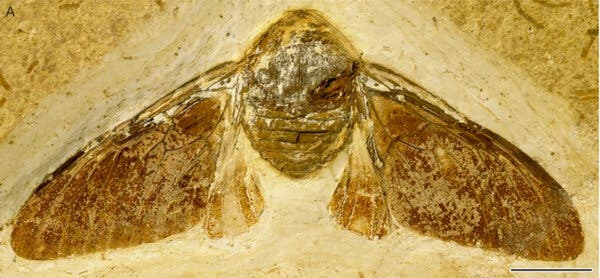
The Early Bird Got the Cicada, Then an Evolutionary Air War Started
The New York Times has a story about the evolution of flight in cicadas. New research published in the journal Science Advances found that cicadas likely evolved sleeker and more powerful wings due to the existential threat posed by birds. The researchers, including Chunpeng Xu a scientist at the Nanjing Institute of Geology and Palaeontology…
-
Mazon Monday #241: Eucryptocaris asherorum
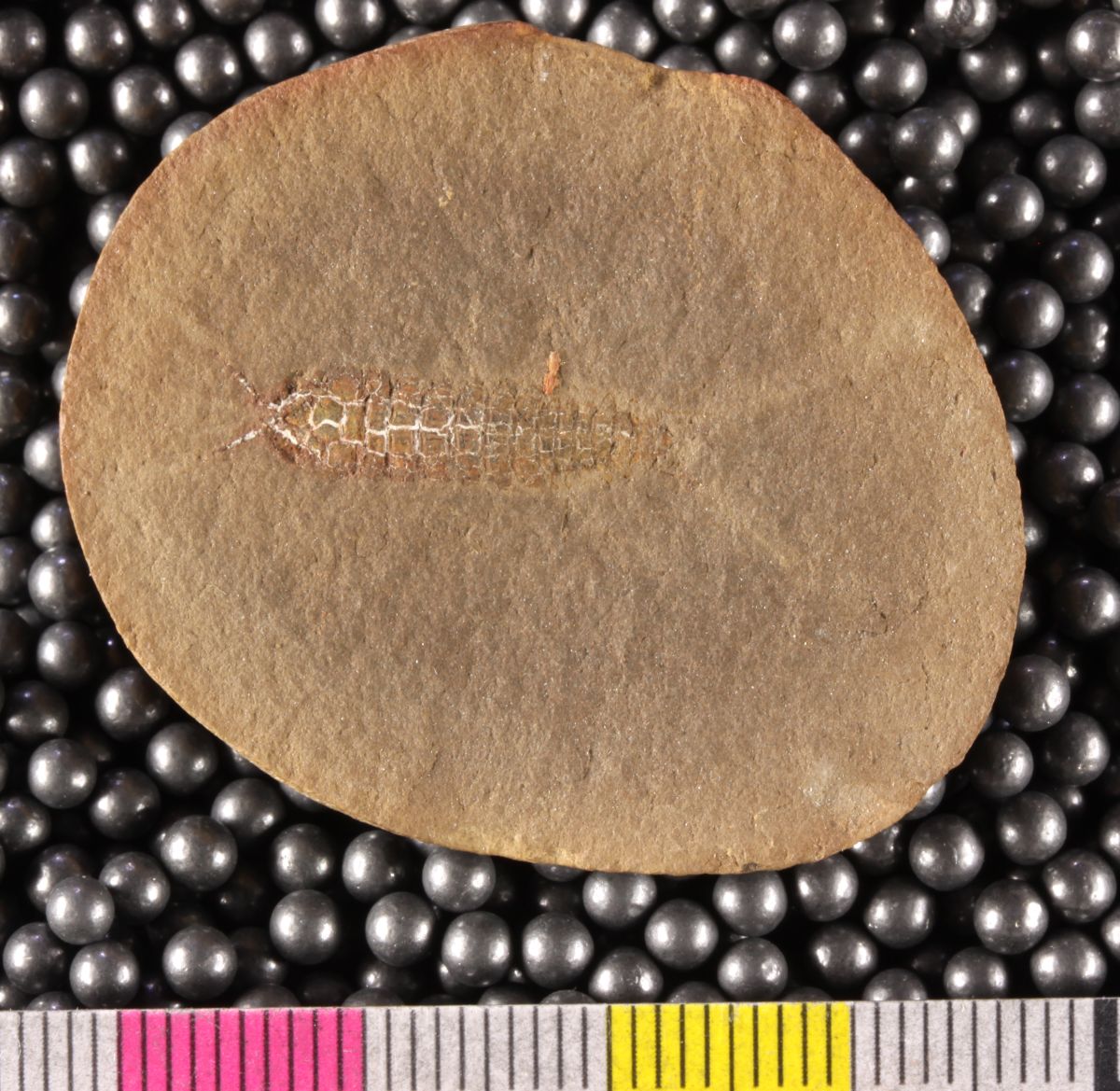
This is Mazon Monday post #241. What’s your favorite Mazon Creek fossil? Tell us at email:esconi.info@gmail.com. Eucryptocaris asherorum is a species of extinct shrimp-like animals from Mazon Creek. They are members on the suborder Tanaidacea, a minor group within the class Malacostraca. Extant members of Tanaidacea are mostly marine, but a few species live in…
-

ESCONI Events for November 2024
Field trips require membership, but visitors are welcome at all meetings! Sat, Nov 2nd ESCONI Mineralogy Study Group – Cancelled! Fri, Nov 8th ESCONI General Meeting – 8:00 PM via Zoom – Topic: “From Muldraugh to Museum: The unexpected journey of Amphoracrinus tenax“ by Gretel Monreal Zoom link Sat, Nov 9th ESCONI Junior Meeting –…
-
450-Million-Year-Old Fossil Arthropod Found Preserved in Fool’s Gold
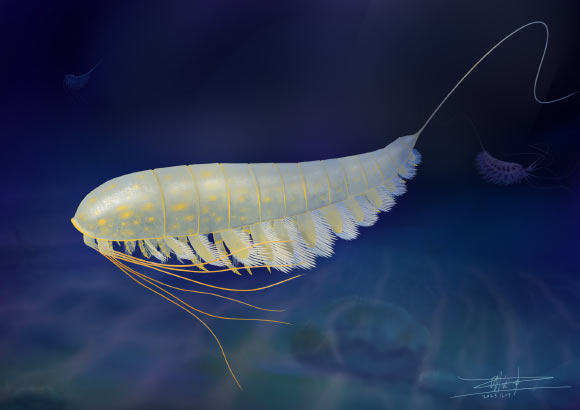
SciNews has news of a new species of arthropod from the Ordovician Period. Lomankus edgecombei lived some 450 million years ago in what is now New York. This specimen was found at a fossil locality that includes the famous Beecher’s Trilobite Bed. That locality is known for equisite pyrite replacement fossils. The legs of trilobites…
-
PBS Eons: Could You Survive The Ordovician Period?
PBS Eons has another episode. This one is about the Ordovician period… could you survive the Earth's first mass extinction? The End-Ordovician Extinction was the first of the so-called ‘Big Five’ mass extinctions in the history of life on Earth – more than 80% of species in the oceans died out. But could you survive…
