Tag: trilobite
-
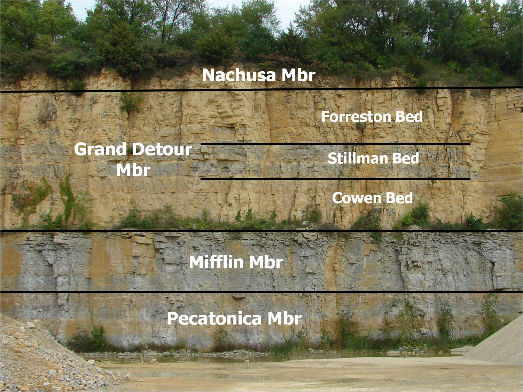
ESCONI March 2021 Paleontology Meeting – April 17th, 2021 at 7:30 PM via Zoom – “Analysis of the Mifflin Member of the Platteville Formation”
SATURDAY – APRIL 17 – 7:30 PM Central Time (US & Canada) Topic: “Analysis of the Mifflin Member of the Platteville Formation” Presented by: John Catalani, ESCONI Member Join Zoom Meetinghttps://us02web.zoom.us/j/84740566864?pwd=aG9hbU5wUCtHenI0Tmt5NTN1S2VJZz09 Meeting ID: 847 4056 6864Passcode: 569922 One tap mobile+13126266799,,84740566864#,,,,*569922# US (Chicago)+13017158592,,84740566864#,,,,*569922# US (Washington DC) Dial by your location+1 312 626 6799…
-
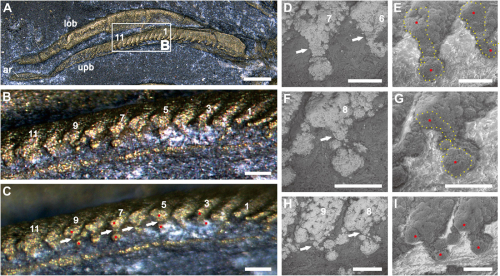
Trilobite Tuesday #34: 450-million-year-old sea creatures had a leg up on breathing
Science Daily has a story about trilobite gills. A paper in Science Advances looked at the limbs of trilobites and found that the biramous legs of the trilobites Triarthrus eatoni and Olenoides serratus functioned as gills in a manner similar to the gills of horseshoe crabs. A new study has found the first evidence of…
-

Trilobite Tuesday #33: Some trilobites crushed their prey to death with their legs
The Science News column from the Natural History Museum in London has a story about trilobites. A new paper by Dr. Greg Edgecombe, a researcher at the museum who focuses on the evolutionary history of arthropods, about how some trilobites fed was published in the Royal Society B. Instead of teeth, it appears that these…
-

Trilobite Tuesday #32: They Put the Bite in Trilobite
The New York Times Trilobites column has an article about predatory trilobites. While we have learned much about trilobites over the many years of study, there are some aspects of their life that we still don’t know. Those unknowns are mostly associated with soft parts like the guts and delicate parts like the legs and…
-

Throwback Thursday #42: A Trilobite Tale
This is Throwback Thursday #42. In these, we look back into the past at ESCONI specifically and Earth Science in general. If you have any contributions, (science, pictures, stories, etc …), please send them to esconi.info@gmail.com. Thanks! We have another poem out the stacks of past ESCONI newsletters. This one is from January 1960. It’s…
-

Throwback Thursday #41: Lemont Trilobites November 19th, 1950
This is Throwback Thursday #41. In these, we look back into the past at ESCONI specifically and Earth Science in general. If you have any contributions, (science, pictures, stories, etc …), please send them to esconi.info@gmail.com. Thanks! Today, we will revisit Flashback Friday #40. It was posted originally as a Lemont Quarry trip in 1952. …
-
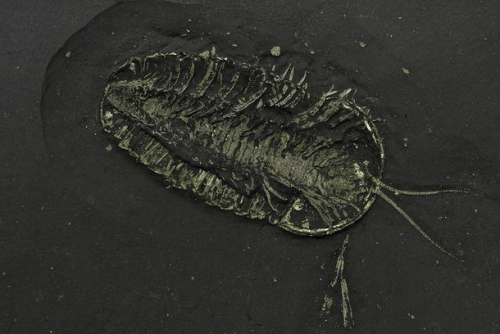
Trilobite Tuesday #31: Sexual Dimorphism / Trilobite Eggs
For many types of animals, there are differences between males and females, sometimes it’s size, sometimes color, and sometimes structure – either or both soft and hard body structures. Unfortunately, color and soft-body structures aren’t usually preserved and even when it’s preserved it doesn’t leave enough information in the fossil record. For size and hard…
-

Trilobite Tuesday #30: How to hunt for fossils in Ohio
Here’s a page that lists some places to find fossils in Ohio. I’m not sure the trilobite on the page is correct… looks like an Elrathia kingii. The one above is from Ohio and is a Flexicalymene. But, the page has a nice list of places to go and what you can find. Trilobites are…
-

Trilobite Tuesday #29: Why did trilobites go extinct?
LiveScience has a piece about the extinction of the trilobites. Trilobites existed on Earth for about 270 million years from the early Cambrian until the Permian Mass Extinction. Many organisms went extinct during that time… perhaps upward of 90% of species. But, it’s still an open question that has not been completely answered. During their…
-
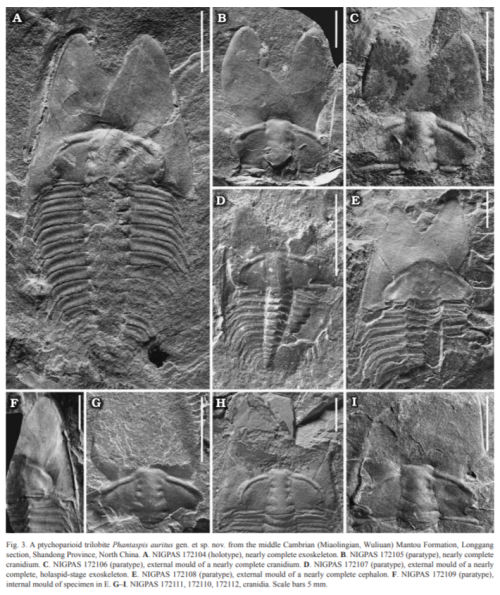
Trilobite Tuesday #28: A new middle Cambrian trilobite with a specialized cephalon from Shandong Province, North China
Acta Palaeontologica Polonica has a that describes newly discovered trilobites from the Middle Cambrian of Northern China. These trilobites had a strangely lobed cephalon that suggests “rabbit ears”. Actually, the species name Phantaspis auritus comes from the Latin aurītus, having ears; in reference to the cranidium having a pair of long “ears”. Trilobites achieved their maximum generic…
-

Trilobite Tuesday #29: Enrolled Isotelus
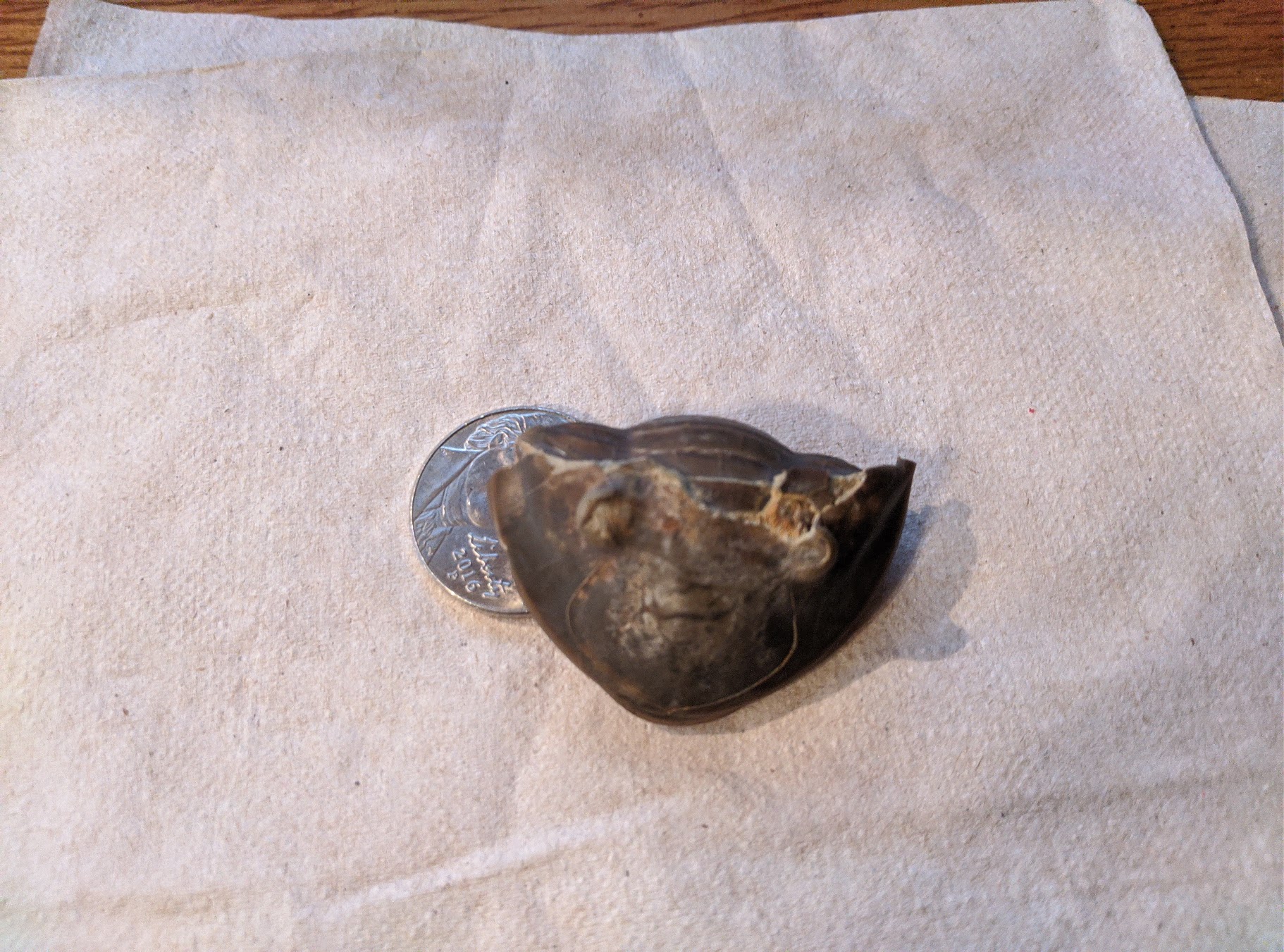
“Fossil Friday” post #29 is about an enrolled Isotelus. For this Fossil Friday, we are highlighting a specimen of Isotelus . Isotelus is a genus of asaphid trilobites that lived during the middle and upper Ordovician period. This little guy is enrolled and hails from the state of Ohio, where this species, Isotelus maximus, is the state fossil. One of the…
-
Fossil Friday #29: Enrolled Isotelus
This is the “Fossil Friday” post #29. Expect this to be a somewhat regular feature of the website. We will post any fossil pictures you send in to esconi.info@gmail.com. Please include a short description or story. Check the #FossilFriday Twitter hash tag for contributions from around the world! For this Fossil Friday, we are highlighting…
-

Trilobite Tuesday #27: 10 Terrific Facts About Trilobites
Mental Floss has a post about trilobites. Here are some highlights. Check out the details here!
-

Fossil Friday #26: Elrathia kingii from the Cambrian of Utah
This is the “Fossil Friday” post #26. Expect this to be a somewhat regular feature of the website. We will post any fossil pictures you send in to esconi.info@gmail.com. Please include a short description or story. Check the #FossilFriday Twitter hash tag for contributions from around the world! Here is an Elrathia kingii trilobite. It…
-
Trilobite Tuesday #26: Trilobite Enrollment
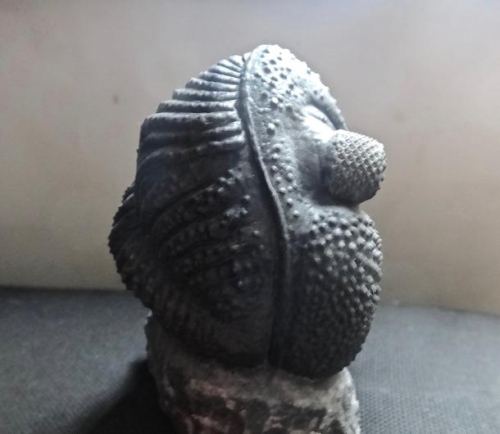
As we’ve said previously, the AMNH has an awesome Trilobite website. Today, we want to highlight the one about Trilobite Enrollment. It is generally accepted that trilobites enrolled to protect themselves from predators and other potentially other events in the surrounding environment. This page has a good discussion about the history and the usefulness of…
-
Fossil Friday #25: Asaphicus wheeleri from the Cambrian of Utah
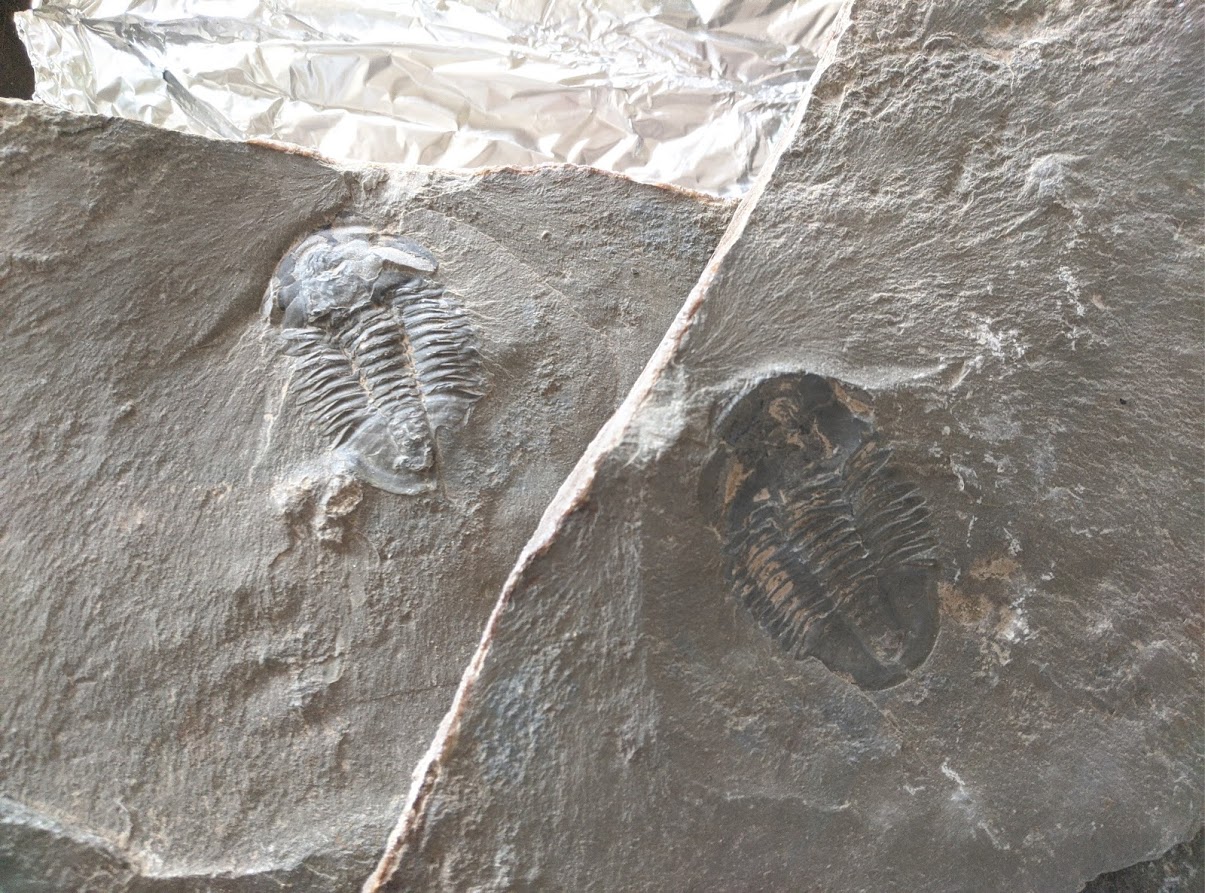
This is the “Fossil Friday” post #25. Expect this to be a somewhat regular feature of the website. We will post any fossil pictures you send in to esconi.info@gmail.com. Please include a short description or story. Check the #FossilFriday Twitter hash tag for contributions from around the world! —————————————————– Here is an Asaphiscus wheeleri trilobite…
-
Trilobite Tuesday #25: Fossils of New Trilobite Species Found in Tasmania
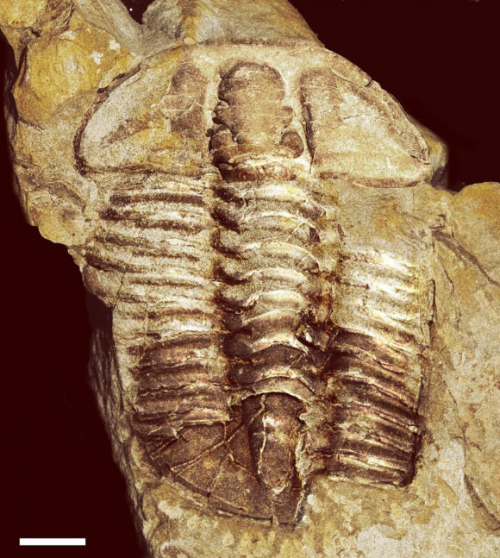
SciNews has a piece about a new species of trilobites from Tasmania. A new species of the genus Gravicalymene has been named. It’s called Gravicalymene bakeri after the actor Thomas Stewart Baker, the fourth actor to play the title character in the television series “Doctor Who”. This animal lived about 450 million years ago during…
-
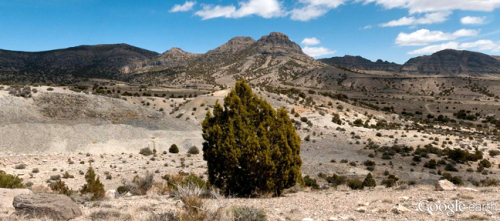
Trilobite Tuesday #24: Fossils In Millard County, Utah by Rich Holm
While doing some research during my recent trip to Utah, I ran across a very interesting page on the fossils of Millard County, Utah. It’s a great report of a couple field trips in this area of Utah. We stayed in Delta, Utah, which is a great place to stay to explore this area. The…
-
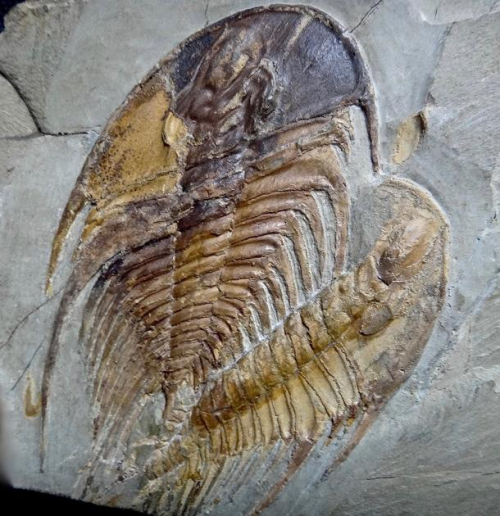
Trilobite Tuesday #23: AMNH: Trilobites on Land
It’s been generally accepted that trilobites were marine animals, living only in the ocean. However, there are some specimens that might hint that some of them crawled out of the sea. The American Museum of Natural History (in New York) has a page about this. Here is a paper from Nature that also proposes that…
-
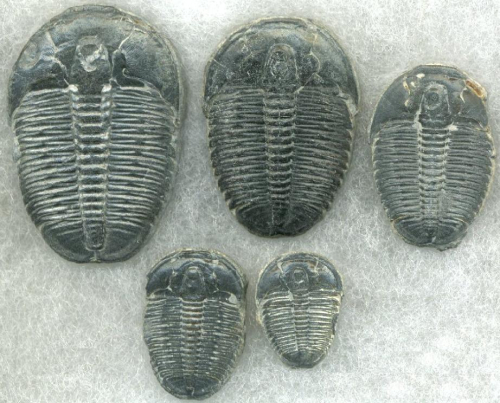
Trilobite Tuesday #22: Trilobites of the Wheeler Shale, Utah
Trilobites.info has a page about the trilobites of the Wheeler Shale in Utah. The Wheeler Shale dates to the Middle Cambrian, about 505 million years ago. The formation is known for a diverse group of soft bodied animals, many of which are the same taxa found in the Burgess Shale (508 million years ago). It…
-

Trilobite Tuesday #21: Pathology: Bites, Injuries & Healing
The AMNH’s Trilobite Website has a page on trilobite injuries. Over the many years that trilobites existed and considering the many, many fossil specimens that have been (and will be) found, there had to be some with signs of predation. And, of those, there had to be some that got away from the predator. There…
-
Trilobite Tuesday #20: The Trilobite Papers
The Trilobite Paper website has pdfs of the “Trilobite Papers 20” newsletters from August 2018 to February 2020. The newsletter is Fred Sundberg’s “reboot” of Rolf Ludvingsen’s international journal for and by trilobite paleontologists. The issues are published about every six months and are filled with everything trilobite. Rolf Ludvingsen was a paleontologist and author,…
-
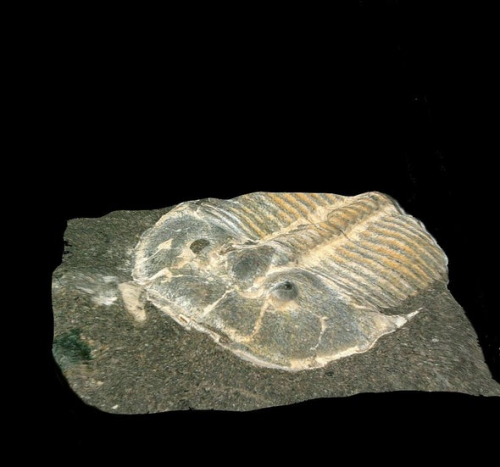
Trilobite Tuesday #19: A 429-Million-Year-Old Trilobite Had Eyes like Those of Modern Bees
Scientific American has a story about trilobite eyes. In a 429 million year old fossil trilobite fossil, scientists from the University of Edinburgh in Scotland got a glimpse at how the world looked to these ancient animals. A remarkably preserved specimen of Aulacopleura koninckii showed that these animals had eyes that were about as good…
-
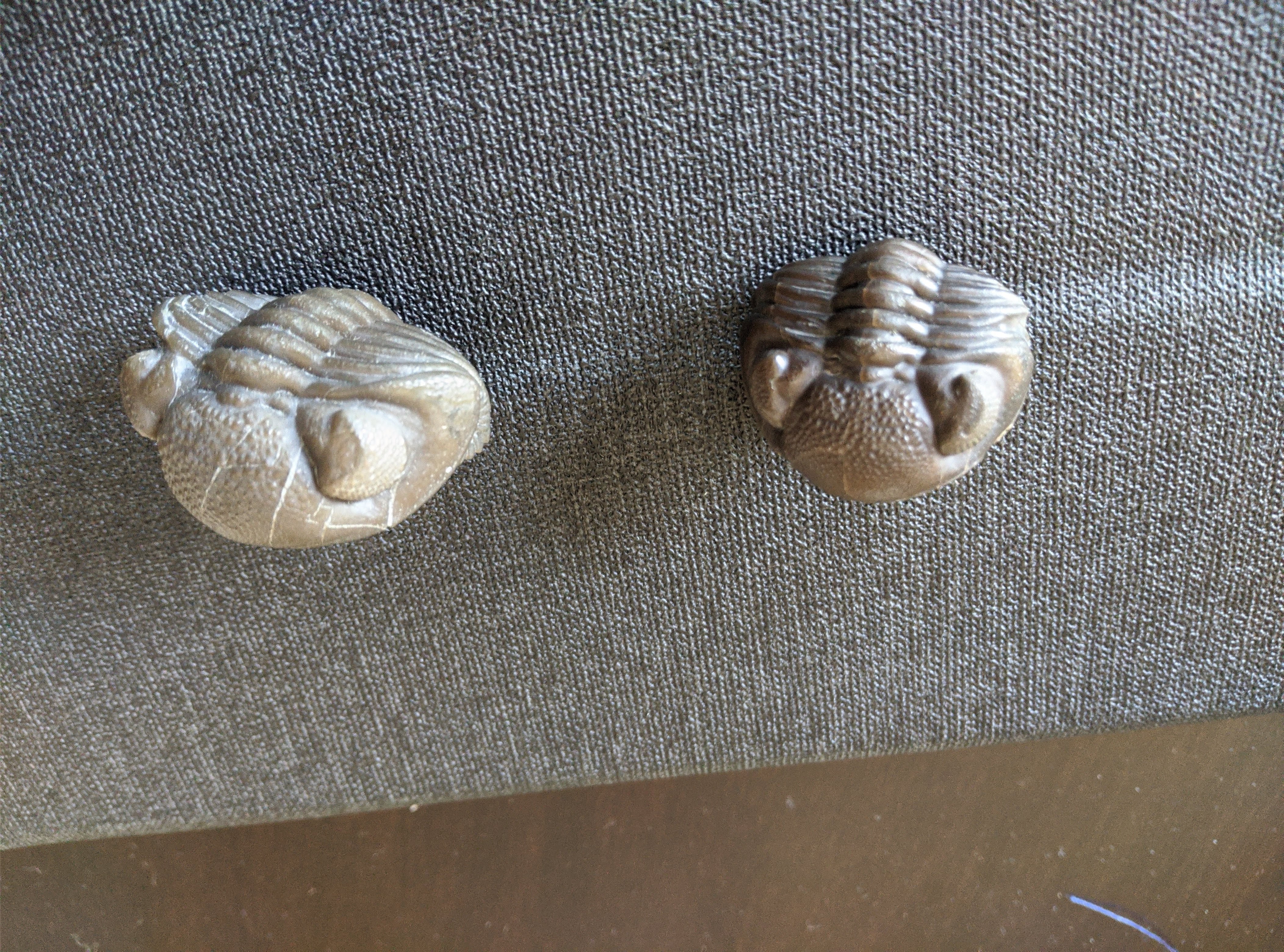
Fossil Friday #19: Phacops from Paulding, OH
This is the “Fossil Friday” post #19. Expect this to be a somewhat regular feature of the website. We will post any fossil pictures you send in to esconi.info@gmail.com. Please include a short description or story. Check the #FossilFriday Twitter hash tag for contributions from around the world! There is a fossil park in Paulding,…
-

Trilobite Tuesday #18: Early trilobites had stomachs
Phys.org has a story about some interesting details of trilobite digestion. A paper, published in 2017 in the journal PLOS ONE, revealed that trilobites had a stomach structure about 20 million years earlier than what had been known. The exceptionally preserved specimens of Palaeolenus lantenoisi used in the study lived about 514 million years ago during the Cambrian. They are…
-
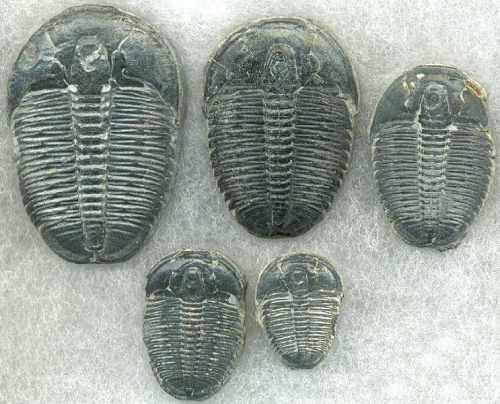
Trilobite Tuesday #17: The Cambrian Creatures That Grew Up Over the Course of 28 Bodies
Atlas Obscura has a story about Elrathia kingii. E. kingii is a very common trilobite found in the Cambrian rocks of Utah. This article is a great summary on how they lived and most importantly… how they grew. WITH ANY LUCK, HUMANS CHANGE a lot over the course of our time on Earth. As we grow…
-
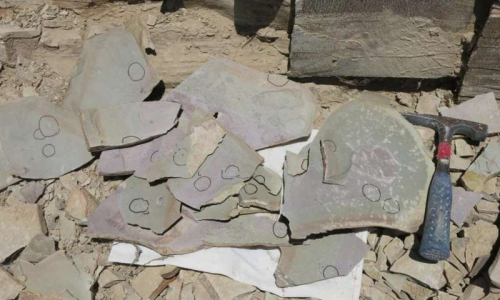
Trilobite Tuesday #16: Growing up trilobite
Phys.org has an article about probably the most common trilobites, Elrathia kingii. The article is about new research that used this trilobite to understand the ontogeny of this iconic species. The research can be found in a paper in the journal Papers in Palaeontology. If you’ve ever held a trilobite fossil, seen one in a…
-

Fossil Friday #15: Permian Trilobites From Kansas
This is the “Fossil Friday” post #15. Expect this to be a somewhat regular feature of the website. We will post any fossil pictures you send in to esconi.info@gmail.com. Please include a short description or story. Check the #FossilFriday Twitter hash tag for contributions from around the world! On Tuesday, we had a post about…
-
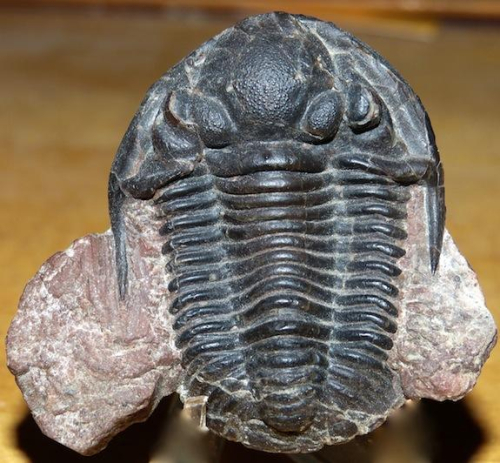
Trilobite Tuesday #15: The Last of the Trilobites
Both the American Museum of Natural History and Trilobites.info have pages on “The Last Trilobites”. By the end of the Permian, trilobites had existed for nearly 300 million years. That stretch of time spread from the lower Cambrian to the mass extinction events at the end of the Permian. Their highest diversity was during the…
-

Trilobite Tuesday #14: AMNH The First Trilobites
Trilobites were a very successful group of arthropods that existed on Earth from the early to middle Cambrian to the Permian mass extinction events. That’s a span of about 275 million years. By the end, there were just a few species left and the Permian extinction swept them away along with more than 90% of…

