Tag: teeth
-

PBS Eons: Why Evolution Made Your Teeth Hurt
There’s a new episode of PBS Eons. This one is about the evolution of teeth.
-

Video for ESCONI February 2025 Paleontology Study Group Meeting – “How to Explore the Incredible World of Microfossils”
The February 2025 Paleontology Study Group Meeting was held on February 15th, 2025. Our speaker was Katherine Howard. Her title of her persentation was “How to Explore the Incredible World of Microfossils”. This presentation is geared for anyone who is interested in pursuing microfossils. Prepare to be amazed at the plethora of microfossils that can be…
-
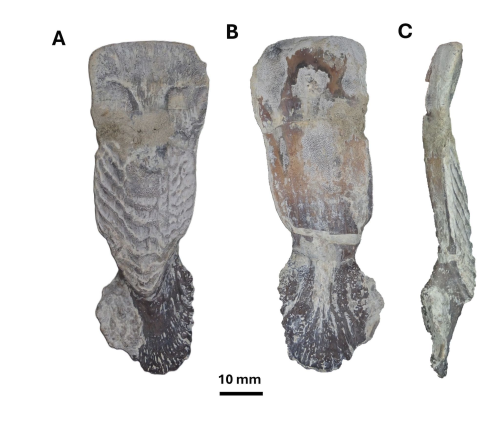
Paper: New Janassid Petalodontiform (Chondrichthyes) teeth from the Late Carboniferous of Kansas, USA
Bruce and Rene’ Lauer have been very busy. They are listed as co-authors of a new paper about shark teeth from the Late Carboniferous of Kansas – “New Janassid Petalodontiform (Chondrichthyes) teeth from the Late Carboniferous of Kansas, USA”. The paper was published in the jounal Neues Jahrbuch für Geologie und Paläontologie. Abstract An associated…
-

Paleontologists find omnivorous ancestor of the giant panda, revealing it was not always just a bamboo eater
Phys.org has a nice summary of a new paper in the journal Papers in Palaeontology and Geobios, which sheds light on the ancestry of the giant panda. The fossils were found at the Hammerschmiede clay pit, a fossil site in southern Germany that dates to about 11.5 million years ago. Fossil teeth of Kretzoiarctos beatrix, which is…
-
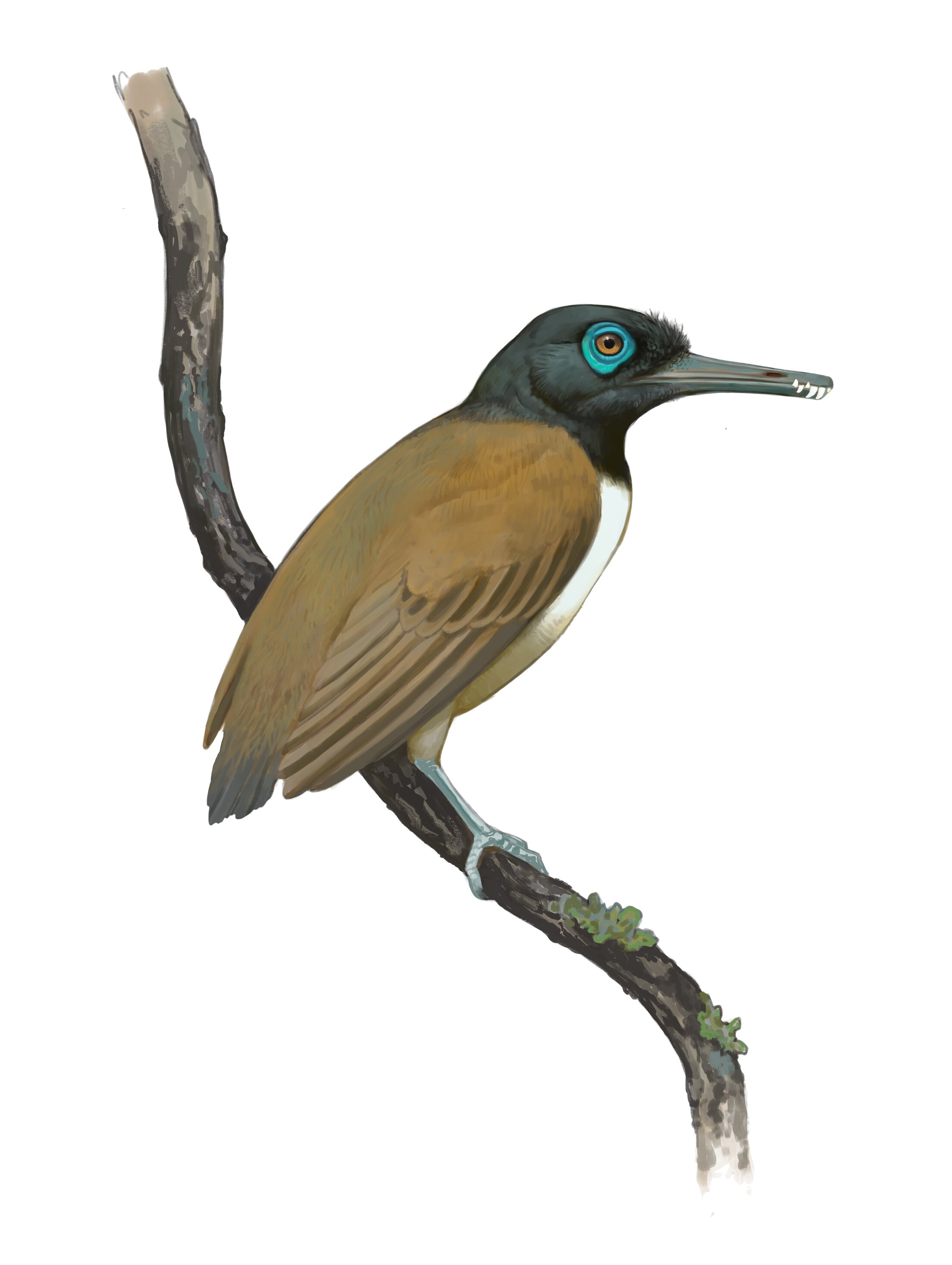
Paleontologists discover fossil birds with teeth had seeds in their stomachs, indicating that they ate fruit
Phys.org has a piece about birds with teeth. As rare as hen’s teeth is only a phrase for modern times… back in the Mezozoic – sometimes referred to as the “Age of Reptiles”, many birds had teeth. Longipteryx chaoyangensis is the subject of a new paper in the journal Current Biology. L. chaoyangensis lived during…
-
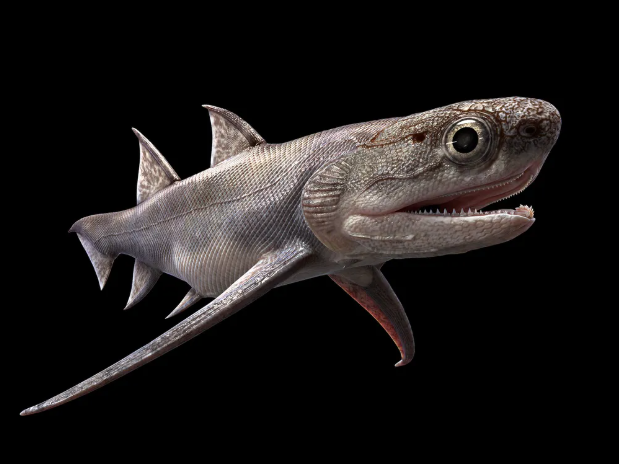
Haul of Fossil Fish Pushes Back the Origin of Teeth and Jaws
Smithsonian Magazine has a post about some amazing fish fossils. A series of papers published in the journal Nature shed light on the evolution of teeth and jaws. The discovery of these fossil fish from the Silurian of China has pushed back the oldest jawed fish to about 436 million years ago. Previously, the oldest…
-
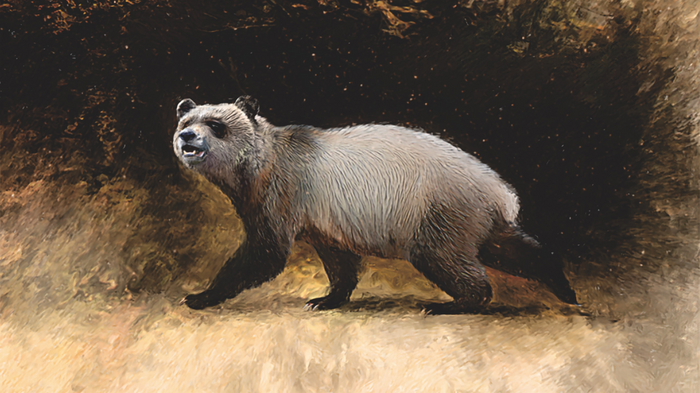
Europe’s last pandas were giant weaklings who couldn’t even eat bamboo
LiveScience has a story about European pandas. A new species of panda from Bulgaria called Agriarctos nikolovi lived about 10 million years ago. The fossil teeth show it had a vegetarian diet and would likely have struggled to eat bambo which is the main food of modern giant pandas, Ailuropoda melanoleuca. The research was published…
-

PBS Eons: How Vertebrates Got Teeth… And Lost Them Again
PBS Eons has a new episode. This one is about the origin of teeth… did they start as teeth on skin or teeth in mouth? As revolutionary as teeth were, they would go on to disappear in some groups of vertebrates. But why?
-
PBS Eons: The Fossil Record In Your Mouth
PBS Eons has a new episode. This one is about fossils in your mouth! Ever have your teeth cleaned? The hardened residue scraped off your teeth at the dentist is called your dental calculus, and your dental calculus is the only part of your body that actually fossilizes while you’re alive! And scientists have…
-
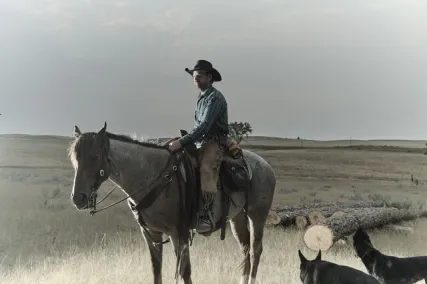
Dinosaur Cowboys Are Hunting for the Next $32 Million T. Rex
Bloomberg has a story about the Dinosaur Cowboy. Known for discovering the “Dueling Dinosaurs”, Clayton Phipps is a rancher and an amateur paleontologist. The story does a great job describing the controversy around the commercial exploitation of fossils, mainly dinosaurs. On a sunny, 99-degree day in northern Montana, Clayton Phipps grabs a backpack and heads…
-
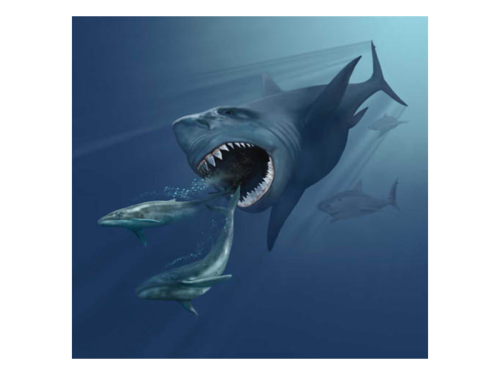
Megalodons, the Ocean’s Most Ferocious Prehistoric Predators, Raised Their Young in Nurseries
Smithsonian Magazine has a story about Megalodon sharks. A new paper in the journal Biology Letters raised their your in nurseries like many modern day sharks. Otodus megalodon was probably the largest predatory shark that every lived. It ruled the oceans ruled from 23 to 3.6 million years ago. Nurseries provide a safe haven for baby…
-
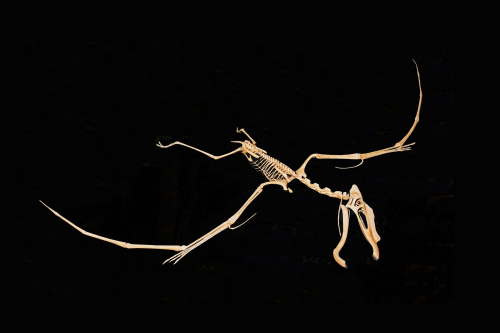
What Did Pterosaurs Eat? Look Very Closely at Their Teeth
Wired.com has a story about pterosaurs. Want to know what an animal eats… look at its teeth! That’s exactly what a paper published in Nature Communications did. The researcher imaged teeth of pterosaurs using a method called infinite focus microscopy. This allowed them to compare the teeth with modern animals, whose diets we know. THE…
-
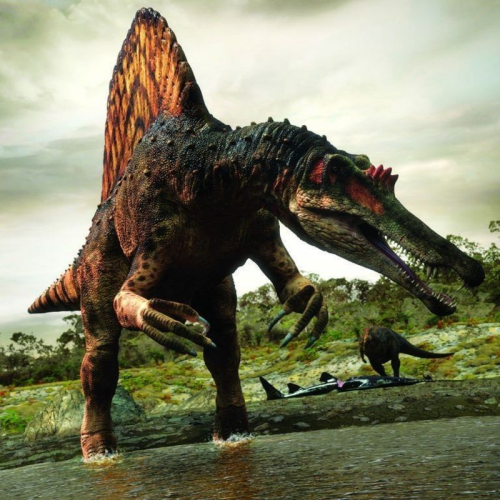
BBC: Spinosaurus dinosaur was ‘enormous river-monster’, researchers say
BBC has a story about Spinosaurus. Some researchers believe they have settled the argument around Spinosaurus being an aquatic. This new evidence, which appeared in the journal Cretaceous Research, stems from over 1200 teeth discovered in a prehistoric river deposit. And it backs up another paper which was published in April. That research looked at…
-
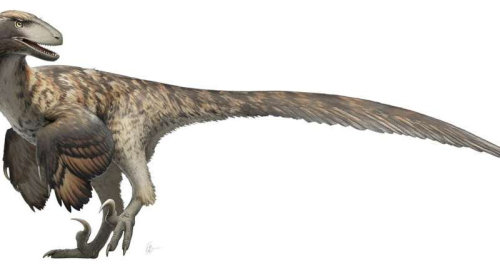
Phys.org: Jurrassic Park got it wrong: Research indicates raptors didn’t hunt in packs
Phys.org has a story about one the most favorite raptor dinosaurs. Raptors became popular after appearing in the 1993 blockbuster movie Jurassic Park. In that movie, where they were incorrectly called Velociraptors instead of Deinonychus antirrhopos, they are portrayed as hunting in packs similar to wolves. Because behavior doesn’t fossilize, there has been little evidence…
-
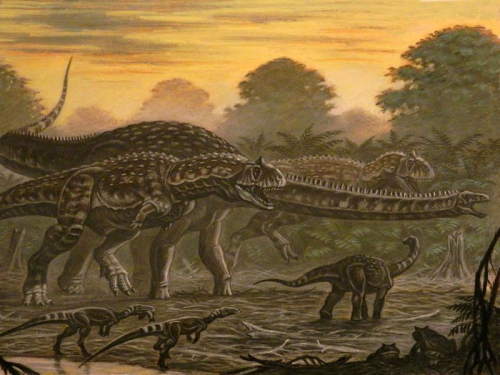
Flesh-Ripping Dinosaurs Replaced Their Teeth Multiple Times a Year
The Smithsonian has a story about tooth replacement in theropod dinosaurs. A new study published in the journal PLOS ONE has found that Majungasaurus probably replaced its teeth every 56 days. This is faster than the previous highest tooth replacement rate which was about 100 days in Jurassic carnivores Allosaurus and Ceratosaurus. This new rate…
-
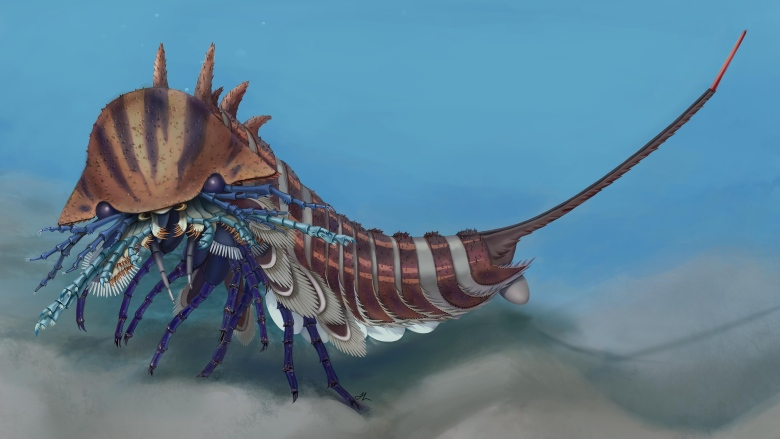
CBC: Ancient spider cousin had 5 sets of jaws for crushing its prey
Artistic reconstruction of Habelia optata on the Cambrian seafloor. Habelia is thought to have been an active predator, eating small animals with hard carapaces, such as trilobites. (Joanna Liang/Royal Ontario Museum) CBC has an article with new information about a Cambrian predator. The animal, Habelia optata, lived about 508 million years ago. It now appears…
-
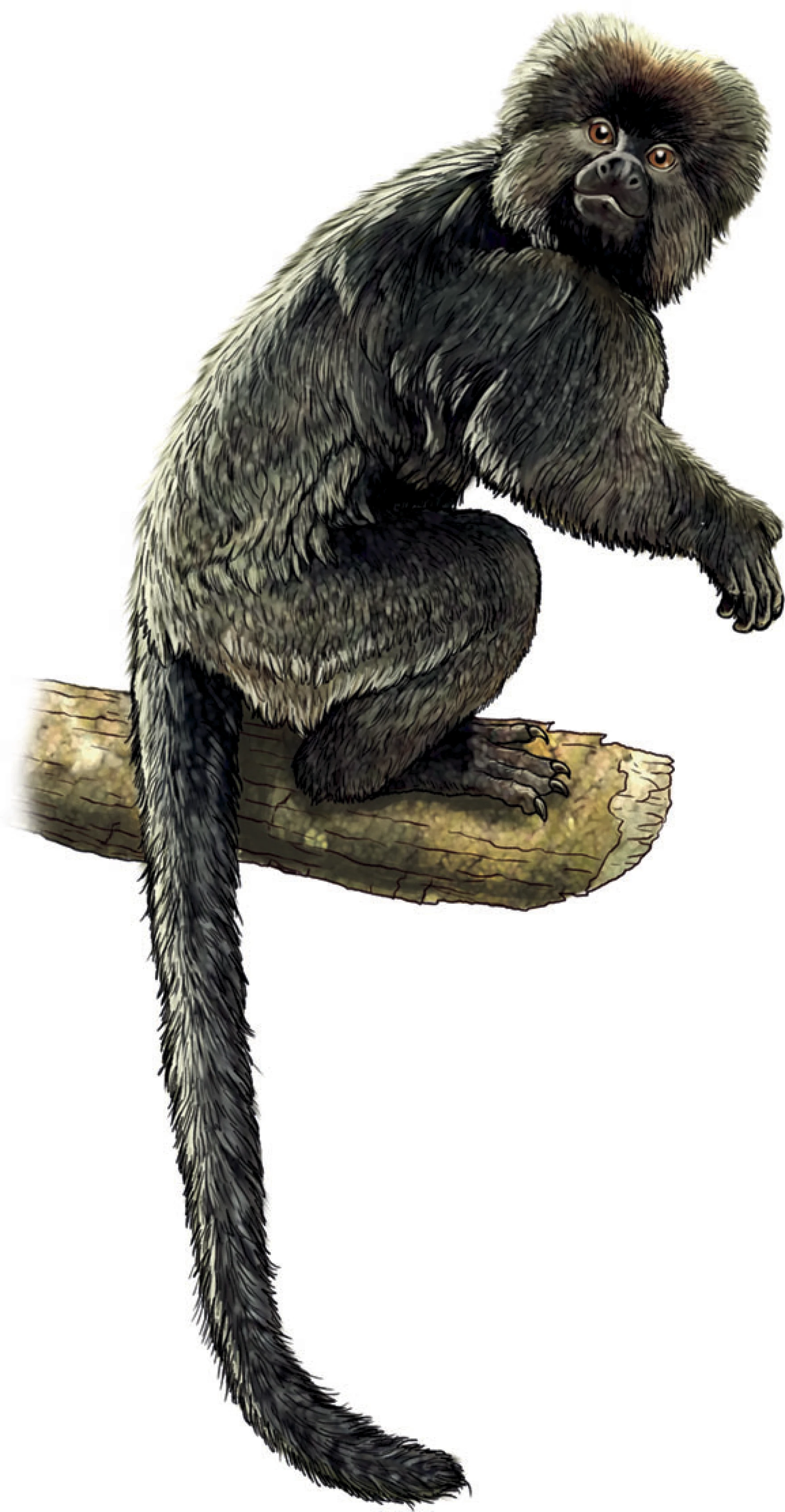
Ancient teeth may help solve a monkey mystery
According to a recent story published in the journal Nature, monkeys have lived in South America for 36 million years. The team of researchers, from the Natural History Museum of Los Angeles County, discovered four molars in Eastern Peru. These molars have been dated to 36 million years ago, which is 10 million years older…
-
Saber-tooth Cat Extinction
Vanderbilt University: (hat tip, Dave Carlson, ESCONI Discussion Group) In the period just before they went extinct, the American lions and saber-toothed cats that roamed North America in the late Pleistocene were living well off the fat of the land. That is the conclusion of the latest study of the microscopic wear patterns on the…

