Tag: Pleistocene
-
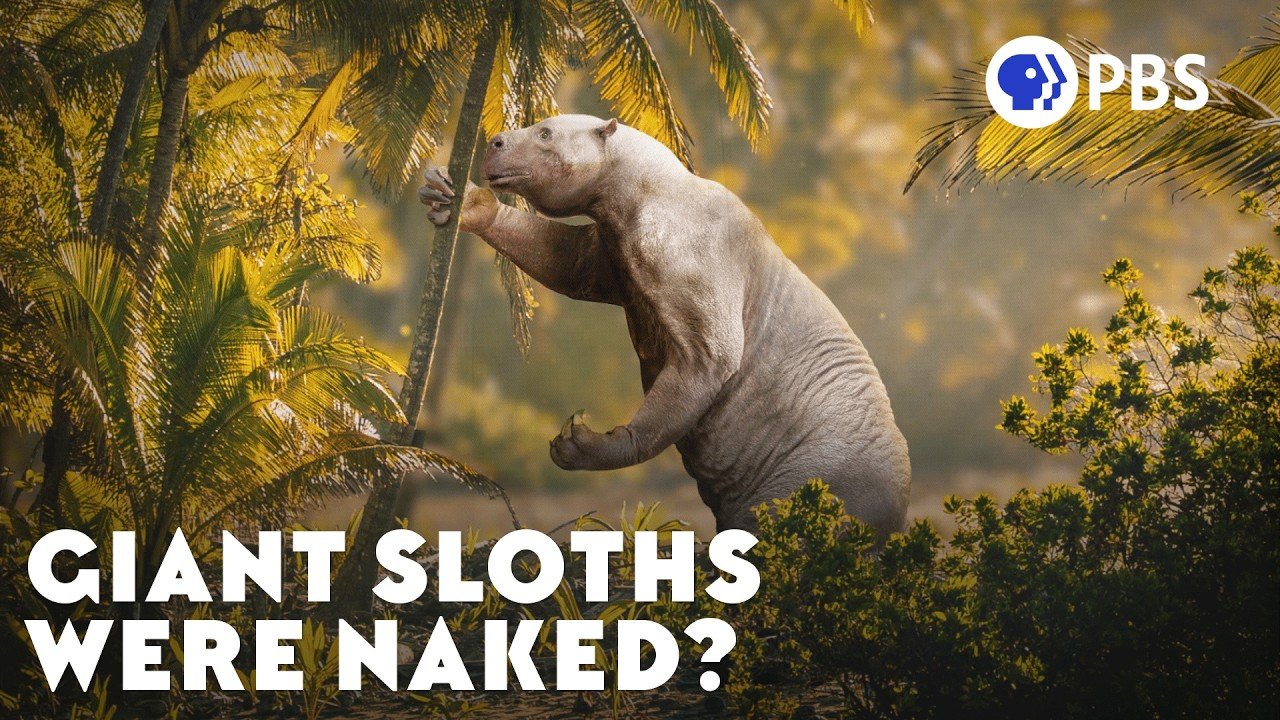
PBS Eons: Why Humanity Has Amnesia About Giant Sloths
PBS Eons has a new episode. This one is about human interactions with the giant megafauna of the Pleistocene.
-
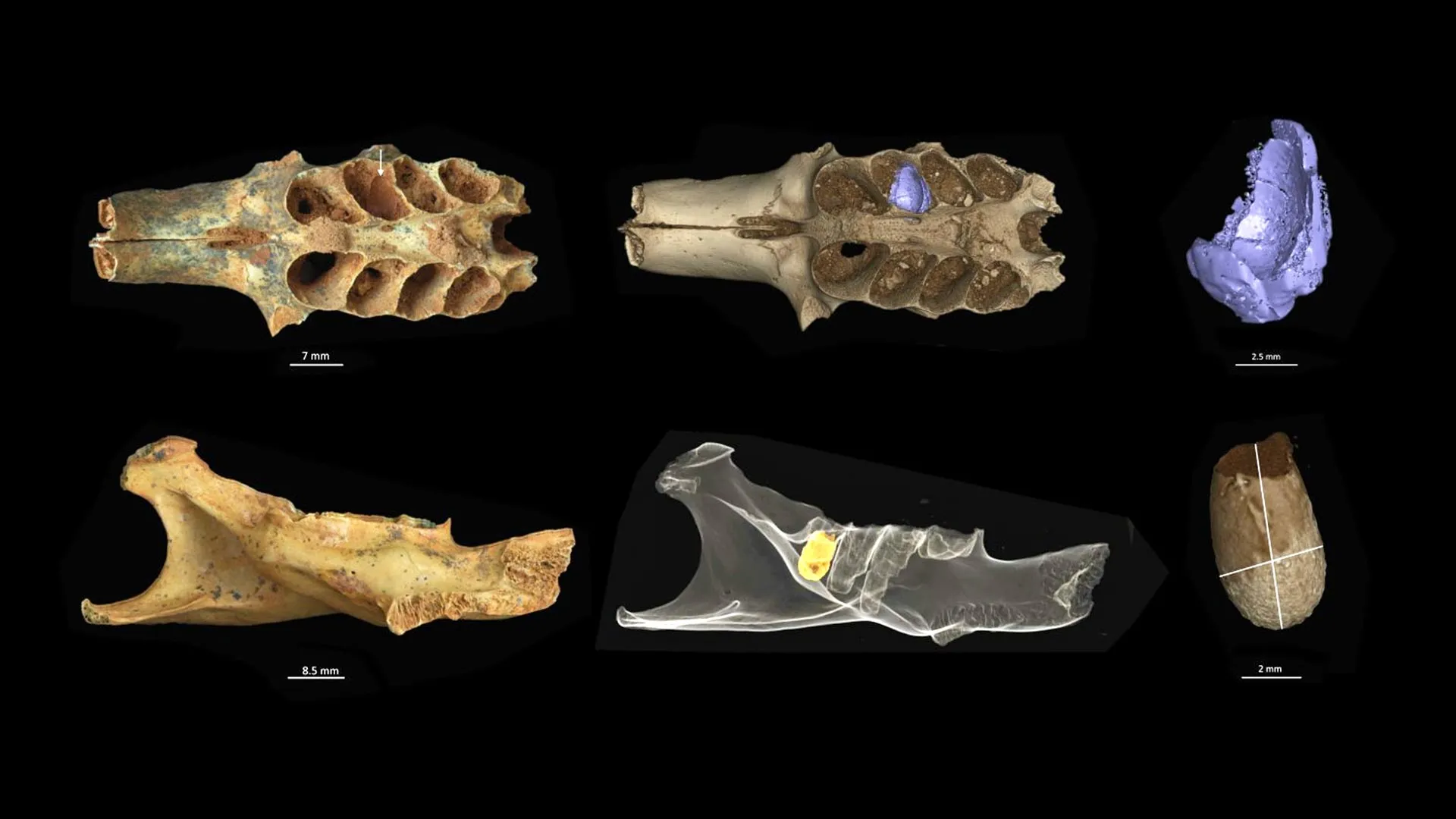
Ancient bees found nesting inside fossil bones in rare cave discovery
Science Daily has a post about a recent paper that looked at novel bee nesting behavior. Researchers working on the Caribbean island of Hispaniola discovered a rare and unusual fossil interaction in a cave, ancient bees used fossilized bones as nesting sites.
-

A Day at the Beach Hunting Mammoths
The New York Times has an interesting story about “citizen paleontologists” in the Netherlands. The beaches around Rotterdam’s port, the largest harbor in Europe, are loaded in Pleistocene fossils from the dredging of the North Sea floor. The beach where van den Berg was hunting, called Maasvlakte 2, is a particularly popular destination for fossil…
-
ESCONI October 2024 General Meeting – October 11th, 2024 – “Hoyo Negro: A Spectacular Natural Trap on Mexico’s Yucatan Peninsula”
The ESCONI October 2024 General Meeting will be held on October 11th, 2024 at 8:00 via Zoom. The topic of the meeting is “Hoyo Negro: A Spectacular Natural Trap on Mexico’s Yucatan Peninsula”. It will be presented by Jim Chatters, who has studied human history here in the Americas for many years. Here is an…
-

Fossil Hunter Pulls Massive Mammoth Jawbone Out of Florida River
The jawbone likely belonged to a Columbian mammoth. Fossil Junkies via Facebook Smithsonian Magazine has a story about the discovery of a Mammoth jawbone in Florida. The bone was found in the Peace River near Arcadia, Florida. The Peace River is known for producing fossils from the Pleistocene. The bone is probably 10,000 years old and likely…
-

PBS Eons: Thylacoleo Is The Missing Australian Apex Predator
PBS Eons has a new episode. This one is about Thylacoleo, the so called marsupial lion, which was an extinct genus of carnivorous marsupials that lived in Australia from the late Pliocene to the late Pleistocene. In Australia, evolution built a family of deadly predators by taking a group of cute, harmless herbivores and turning…
-

Mammoth and Horse DNA Left in Freezer Rewrite Ice Age Extinctions
Smithsonian Magazine has a story about research that shows that woolly mammoths and other Ice Age animals survived up to about 5,000 years ago instead of the accepted 13,000 years. Frozen permafrost samples collected about 10 years ago were analyzed and they revealed DNA of wooly mammoths, wild horses, and steppe bison. The research was…
-
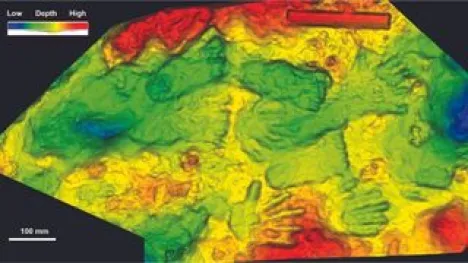
Kids’ fossilized handprints may be some of the world’s oldest art
LiveScience has an article about what may be the oldest art ever found. 200,000 years ago on a high plateau, children squished their hands and feet into a sticky mud floor of a cave. In a paper published in the journal Science Bulletin, the authors argue this should be considered “parietal” art, which is art that…
-
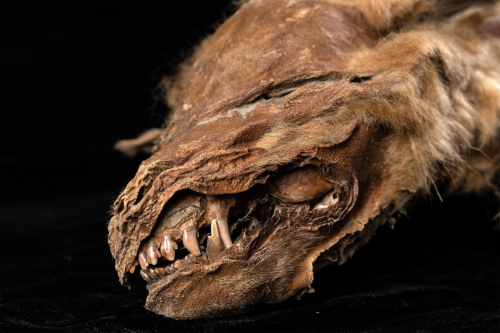
SciTechDaily: Exquisitely-preserved wolf pup mummy discovered in Yukon permafrost
SciTechDaily has a story about a mummified wolf puppy found in the Canadian Yukon. The gray wolf pup lived about 57,000 years ago, during the Pleistocene. It’s 100% intact and very well preserved. It was discovered by a gold miner that was using water to blast a wall of frozen mud. All the details are…
-
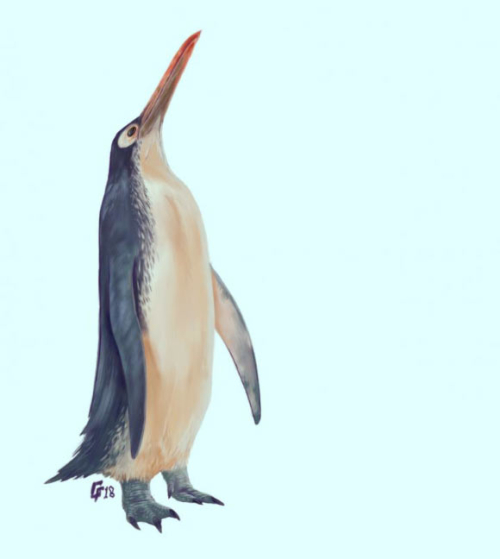
Paleontologists Unearth Another Giant Penguin in New Zealand
Sci-News has a story about a new giant penguin from New Zealand. The animal, which lived around 27 million years ago during the Oligocene Period, joins a growing list of giant penguins from New Zealand. This list include the genera Kairuku, Pachydyptes, Palaeeudyptes, and Kumimanu. This new one belongs to the genus Kauruku. The details…
-
PBS Eons: The History of Climate Cycles (and the Woolly Rhino) Explained
PBS Eons has a great video about climate cycles and what caused ebb and flow of the ice ages. Milankovitch cycles are front and center, with good explanation of how we are affecting the climate today. Throughout the Pleistocene Epoch, the range of the woolly rhino grew and shrank in sync with global climate.…
-
Saber-tooth Cat Extinction
Vanderbilt University: (hat tip, Dave Carlson, ESCONI Discussion Group) In the period just before they went extinct, the American lions and saber-toothed cats that roamed North America in the late Pleistocene were living well off the fat of the land. That is the conclusion of the latest study of the microscopic wear patterns on the…

