Tag: platetectonics
-

PBS Eons: There’s An Invisible Ocean Between These Fossils
There’s a new episode of PBS Eons. This one is about trilobites and what they show us about the history of the Earth’s continents. This is the hundred-year tale of how an unlikely bunch of bottom-dwelling marine critters helped reveal that ocean basins are basically reincarnated every few hundred million years.
-

PBS Eons: The Graveyard at the Center of the Earth
PBS Eons has a new episode. This one is about plate tectonics… how and why. Scientists have been trying to solve the mystery of why plate tectonics works the way it does for over a hundred years. And they might have just uncovered a key to cracking it.
-
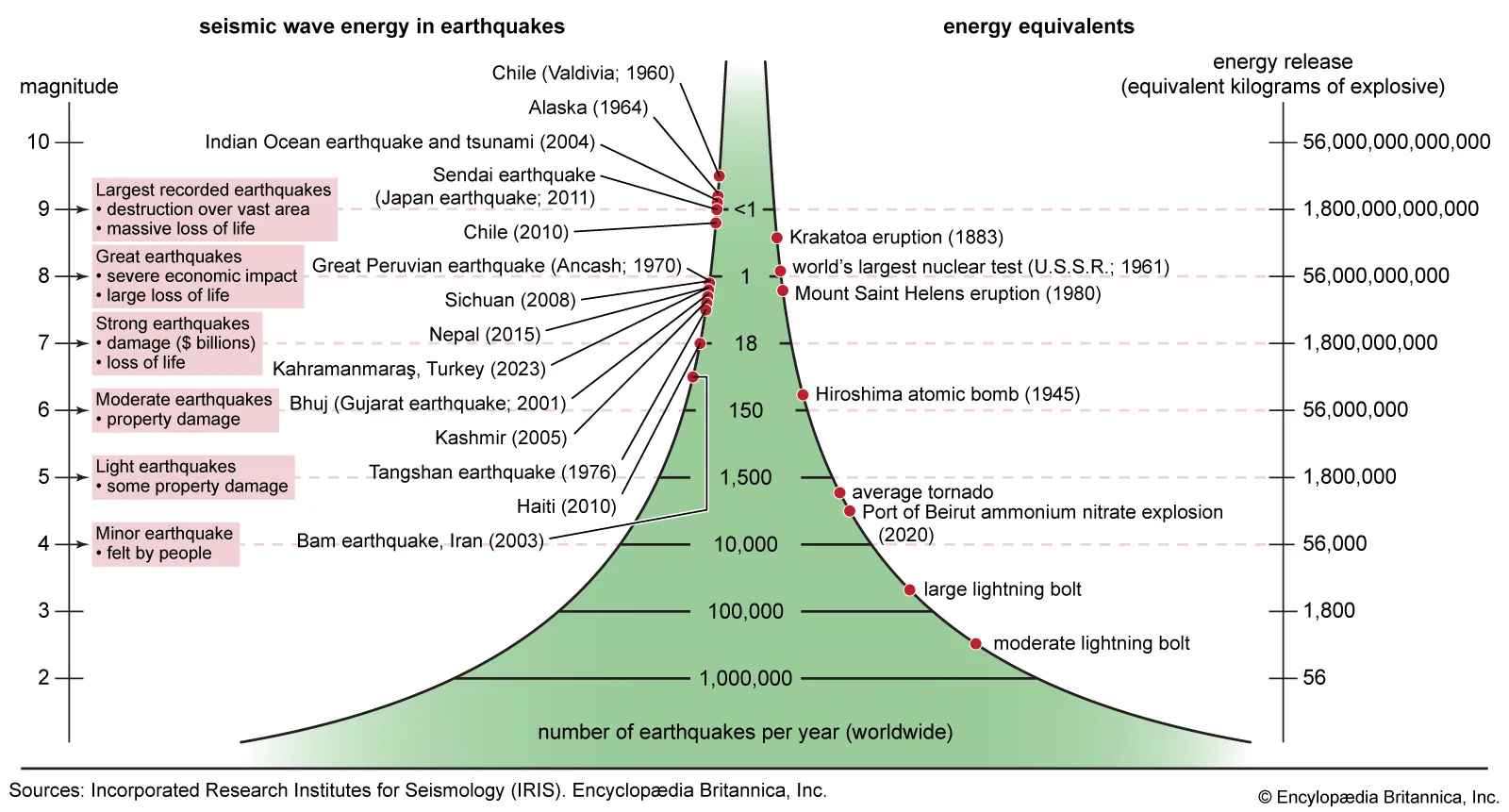
Here’s How Earthquakes Are Measured
The New York Times has an interesting article that explains the moment magnitude scale used to calibrate the strength of an earthquake. The logarithmic was proposed by Thomas C. Hanks and Hiroo Kanamori in 1979. The method measures an earthquake’s magnitude based on its seismic moment. It replaced the older Richter scale because it saturates…
-
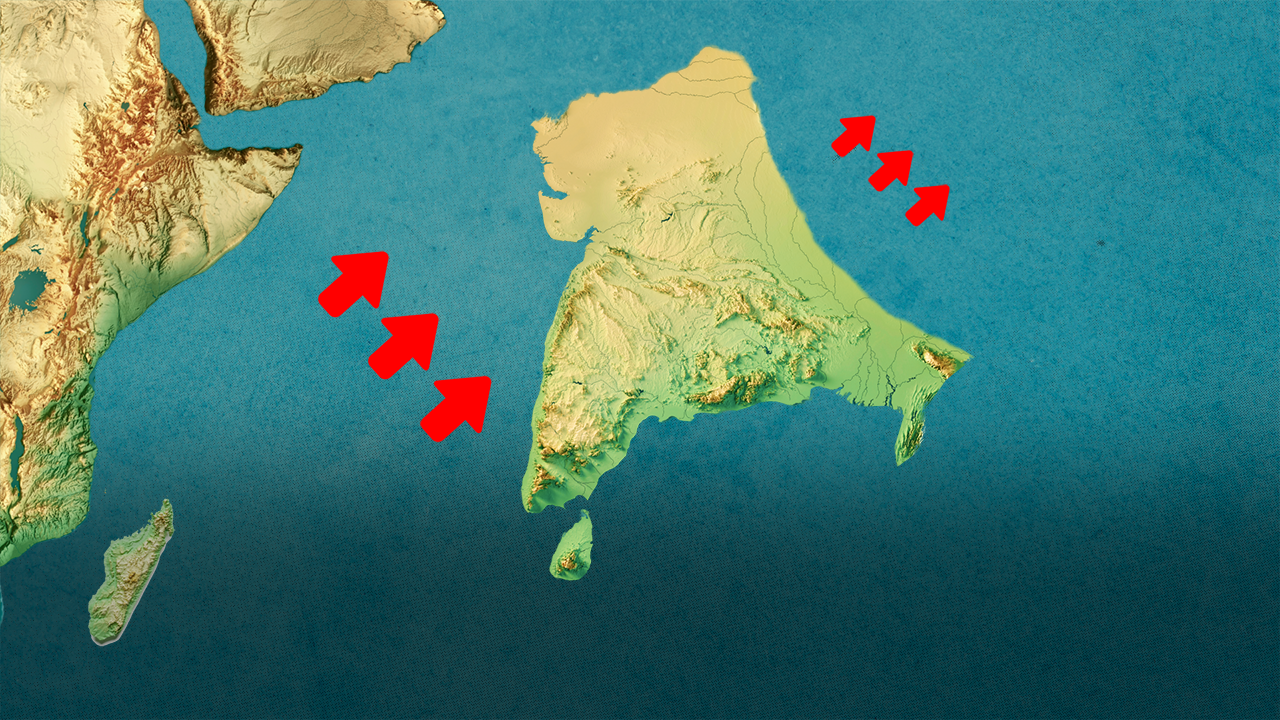
PBS Eons: When India Was An Island
PBS Eons has a new episode. This one is about the island isolation and how it affects evolution. We see that in the paleontological record of India. We need to talk about the biggest break-up of all-time: the break-up of the supercontinent Pangea, and how, ultimately, when India smashed back into Asia, it traded one…
-

PBS Eons: When The Atlantic Ripped Open A Supercontinent
There’s a new PBS Eons. This one is about the breakup of Pangea and the formation of the Atlantic Ocean. While the eruptions of the volcanoes along the Mid-Atlantic Ridge usually don’t trouble us, their birth was once responsible for ripping a supercontinent apart and creating the Atlantic Ocean that we know today.
-
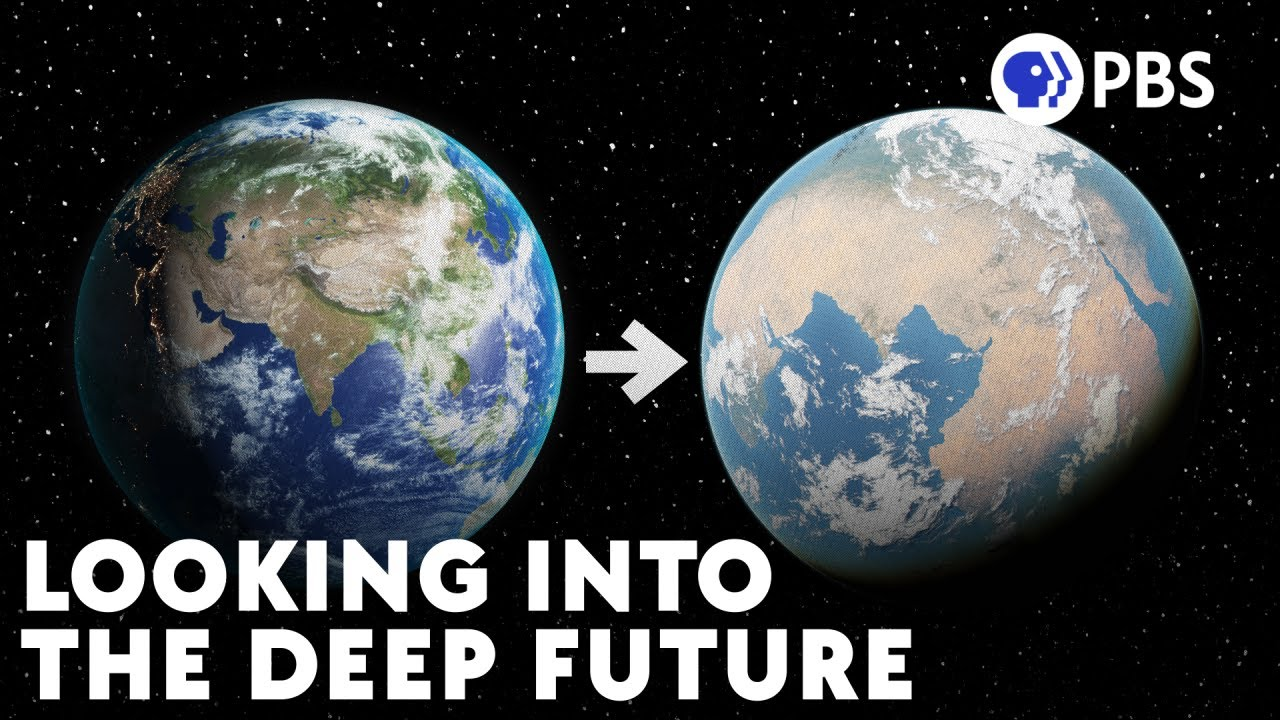
PBS Eons: What Will Earth Be Like 300 Million Years From Now?
PBS Eons has a new video. This one looks forward in time to see what the Earth will look in the future. We spend a lot of time here on Eons looking backwards into deep time, visiting ancient chapters of our planet’s history. But this time, we’re taking a look towards the deep future. After…
-

Earth’s biggest cache of pink diamonds formed in the breakup of the 1st supercontinent ‘Nuna’
Live Science has a post about Australian diamonds. Western Australia is the source of 90% of the worlds pink diamonds. They are found in the Argyle formation, which formed about 1.3 billion (yes, billion) years ago. A paper in the journal Nature details the origin of these diamonds. While other diamonds derive their color from…
-

Fountains of diamonds erupt from Earth’s center as supercontinents break up
A rough diamond in a mine (Image credit: Getty Images) LiveScience has a story about the formation of diamonds. Diamonds form deep in the Earth’s crust at a depth of about 93 miles. They are brought to the surface by fast moving eruptions called kimberlites. Kimberlites travel at between 11 and 83 mph (18 to 133…
-
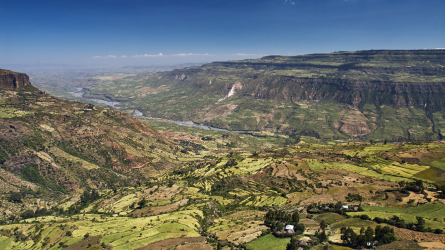
Is Africa splitting into two continents?
LiveScience has a story about plate tectonics and Africa. A rift in eastern Africa might be tearing it into two pieces. The rift is known as the East African Rift. It stretches for over 2,000 miles and consists of a system of valleys from the Red Sea to Mozambique. So will Africa rip apart completely,…
-
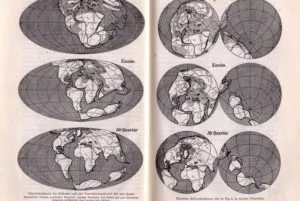
The theory of continental drift and how it changed the geosciences forever
EGU Blogs has an informative page on continental drift. Originating with Alfred Wegener around 1912, continental drift seemed somewhat ridiculous at the time. How could something so large as a continent move?!? The evidence was there… matching geologic formations across oceans, mountain building, and sea floor spreading. There were no good explanations until Plate Tectonics…
-
PBS Eons: How Plate Tectonics Gave Us Seahorses
PBS Eons has a new episode on Youtube. This one is about the evolution of the seahorse. How did seahorses — one of the ocean’s worst swimmers — spread around the globe? And where did they come from in the first place? Thanks to Franz Anthony (http://franzanth.com) for the incredible syngnathid reconstructions used in this…
-
PBS Eons: How Plate Tectonics Transformed Los Angeles
PBS Eons has a new episode over on Youtube. This one is about the geology and paleontology of Los Angeles. Despite the profound changes we’ve made here in recent history, the epic saga of Los Angeles' natural history is still visible – and even striking – if you know where and how to look for…
-
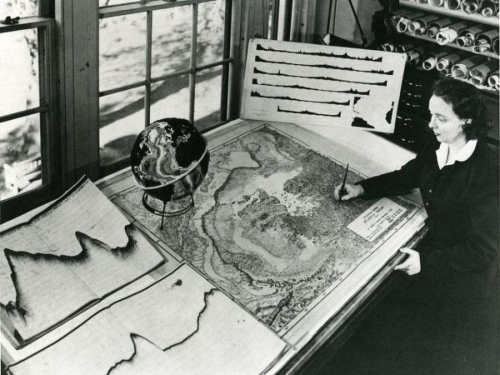
How Marie Tharp Changed Geology Forever
Forbes has a story about Marie Tharp and her contributions to geology. During the International Geophysical Year 1857, Marie Tharp noticed a series of valleys and ridges in the middle Atlantic Ocean. These “lines” are essentially the mark of the sea floor spreading at the tectonic plate boundary, although at the time, the concept of…
-
PBS Eons: The World Before Plate Tectonics
There’s a new episode of PBS Eons. This one is about plate tectonics and how they got started. Ever hear of super continent Nuna? The video of plate movement is very cool! There was a time in Earth’s history that was so stable, geologists once called it the Boring Billion. But the fact is,…
-
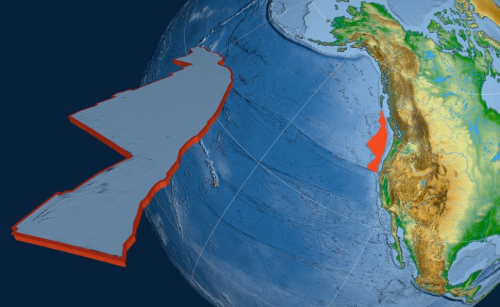
We Could Be Witnessing the Death of a Tectonic Plate, Says Earth Scientist
Live Science has a story about the tectonic plates along the West Coast of the United States. The plate named Juan de Fuca (pronounced “wahn de fyoo-kuh”), which is about the size of Michigan, has a large tear. The plate is located off the coast of Northern California extending north past Oregon, Washington, up to…
-
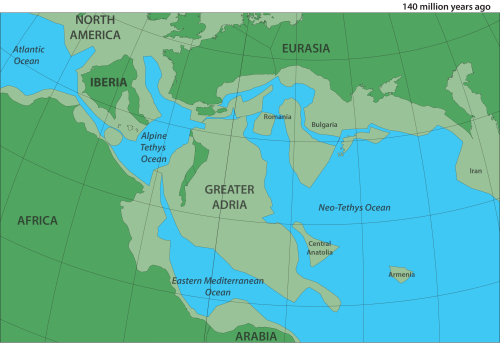
ScienceMag: Geologists uncover history of lost continent buried beneath Europe
Science Magazine has a piece about the discovery of a lost continent under Europe. Plate tectonics has done much to reshape the surface of our planet over the last 4+ billion of years. It has created and destroyed super continents multiple time. And, most likely, it has erased large landmasses in the process of remolding…
