Tag: Permian
-
PBS Eons: Did the Ozone Collapse 252 Million Years Ago?
PBS Eons has a new video. This is another one about the Great Dying about 252 million years ago. What was it about the Great Dying that caused a global age of mutant plants? And could figuring it out help us avoid triggering the next one? Watch Eons: Life and Death on Pangea on the…
-
PBS Eons: What Drove Life Into The Trees?
There’s a new episode of PBS Eons. This one is about the evolution of arboreal living. Watch Eons: Life and Death on Pangea on the free PBS App: https://to.pbs.org/EonsApp or on the web here: https://pbs.org/eons ← use this link if you are outside of the U.S. How and when did tetrapods move into the trees?…
-
PBS Eons: When Earth Was a Toxic Wasteland
PBS Eons has a new episode. This one is about the Permian Mass Extinction, the Earth’s worst mass extinction. Watch Eons: Life and Death on Pangea on the free PBS App: https://to.pbs.org/EonsApp or on the web here: https://pbs.org/eons ← use this link if you are outside of the U.S. For 3 million years, microbes ruled…
-
PBS Eons: How Pangea Upended Life on Earth
PBS Eons has released their TV series about Pangea! Check out Episode 2 on pbs.org. In the Late Carboniferous Period, predatory amphibians and giant arthropods ruled the swamps. But ancient seed plants and amniotes were evolving adaptations to drier climates. These will help them thrive on Pangea in the Permian Period to come. This is…
-

PBS Eons: That Time Sharks Got Weird
PBS Eons has a new episode. This one is about the “Age of Sharks” or should it be the “Age of Weird Sharks”. Long before the rise of the great whites and hammerheads we know today, sharks and their cartilaginous relatives ruled Earth’s oceans and rivers in astonishing variety. It was the golden age of…
-
PBS Terra: Earth’s Worst Mass Extinction is Actually a Warning
PBS Terra has a new video. This one is about the Permian Mass Extinction. There is a surprising natural wonder in the middle of the vast West Texas desert: a prehistoric ocean reef built from the remains of ancient sea life. This fossil-rich landscape tells the story of Earth’s most devastating mass extinction—and can help…
-

This 250-Million-Year-Old Reef Became a Mountain in Texas – And It’s Packed with Fossils
SciTechDaily has a piece about the Guadalupe Mountains, which span Texas and New Mexico. There are two National Parks in the Guadalupe Mountains, Guadalupe Mountains National Park and Carlsbad Caverns National Park in New Mexico. During the Permian Period, these mountains were part of a reef on the edge of a shallow sea. The area…
-

Refuge from the worst mass extinction in Earth’s history discovered fossilized in China
Live Science has an interesting piece about refugia during the “Great Dying”. The End Permian mass extinction was Earth’s worst with an an estimated 80% of life going extinct. A new paper “Refugium amidst ruins: Unearthing the lost flora that escaped the end-Permian mass extinction” in the journal Science Advances, describes a refuge from the…
-

PBS Eons: Could You Survive The Great Dying?
PBS Eons has another interesting episode. This one is about the Permian Mass Extinction, which is often referred to as the "Great Dying" as more than 90% of all species went extinct during this event. The cause is thought to be massive flood basalt volcanic eruptions in what is now Siberia about 250 million years…
-
This Bigheaded Fossil Turned Up in a Place No One Expected to Find It
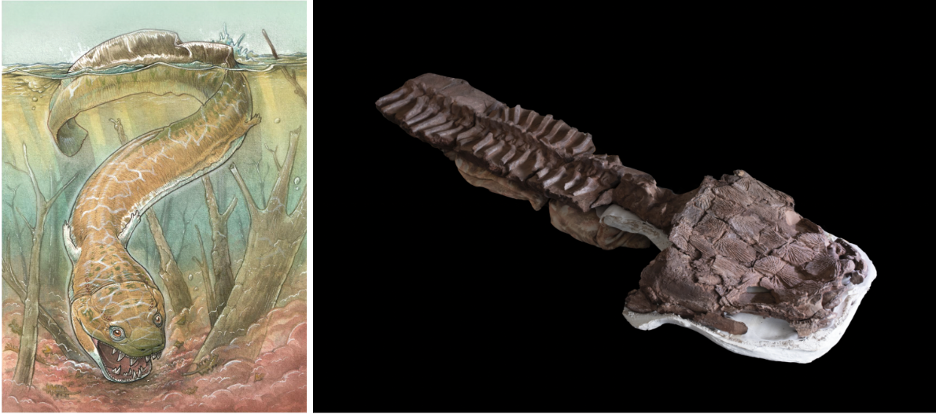
Left: Artist’s rendering of Gaiasia jennyae. Credit: Gabriel Lio. Right: Skeleton, including the skull and backbone, of Gaiasia jennyae. Credit: C. Marsicano. The New York Times has a story about a new stem tetrapod. Gaiasia jennyae lived 280 million years ago, which is about 40 million years before the evolution of the dinosaurs. It lived…
-
Fossil Friday #207: Fossils from the Permian of Jordan
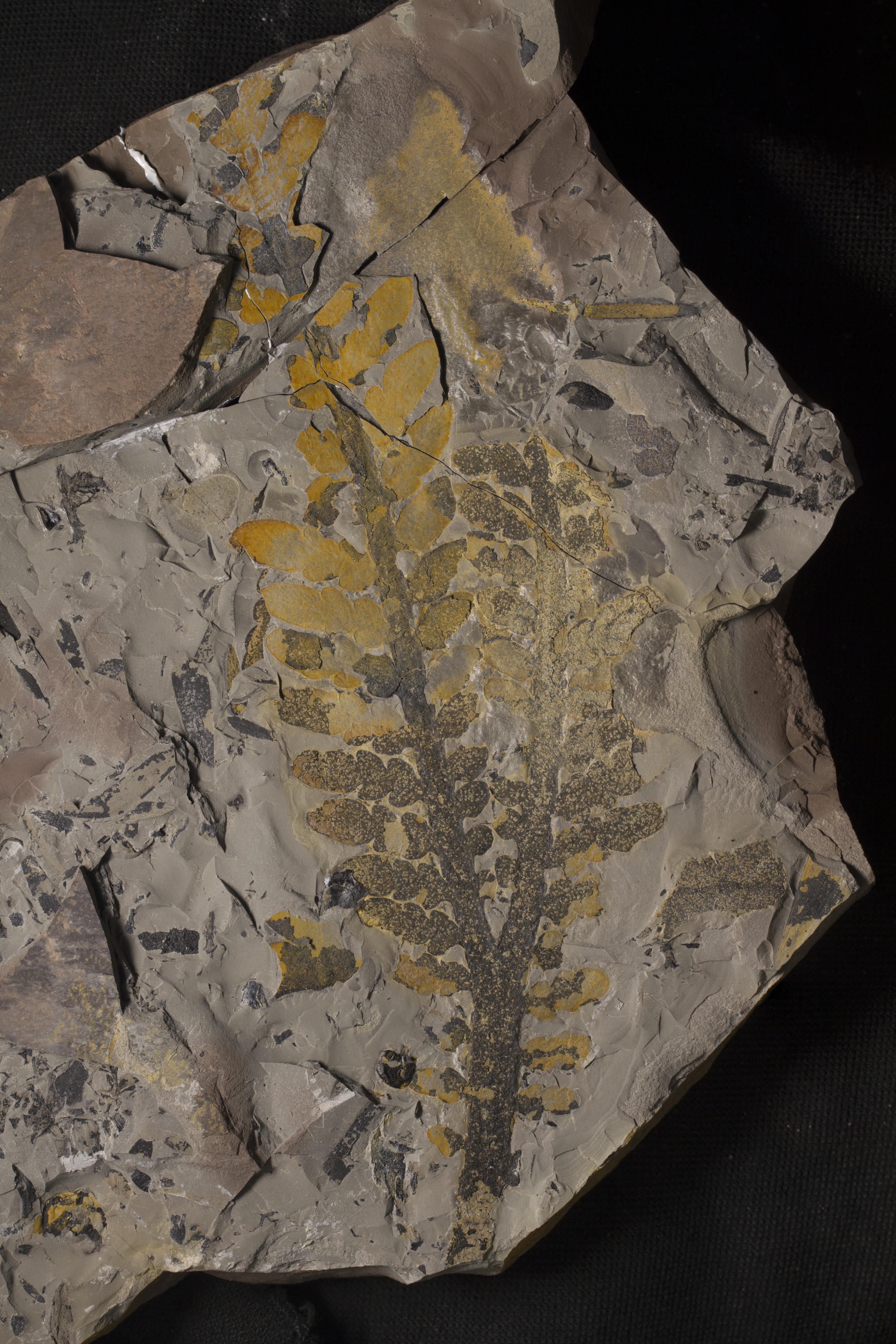
This is the “Fossil Friday” post #207. Expect this to be a somewhat regular feature of the website. We will post any fossil pictures you send in to esconi.info@gmail.com. Please include a short description or story. Check the #FossilFriday Twitter hash tag for contributions from around the world! On a recent field trip to a…
-

Newly Discovered Fossil from the Smithsonian’s Collection Named After Kermit the Frog
Smithsonian Magazine has an article about a new species named for the Muppet character Kermit the Frog. Kermitops gratus lived during the early Permian in what is now Texas, about 280 million years ago. The paper’s authors Calvin So, Arjan Mann, and Jason Pardo describe the new species as a pro-amphibian. The skull fossil was…
-
This 288-Million-Year-Old Fossilized Scrap of Skin Is the World’s Oldest
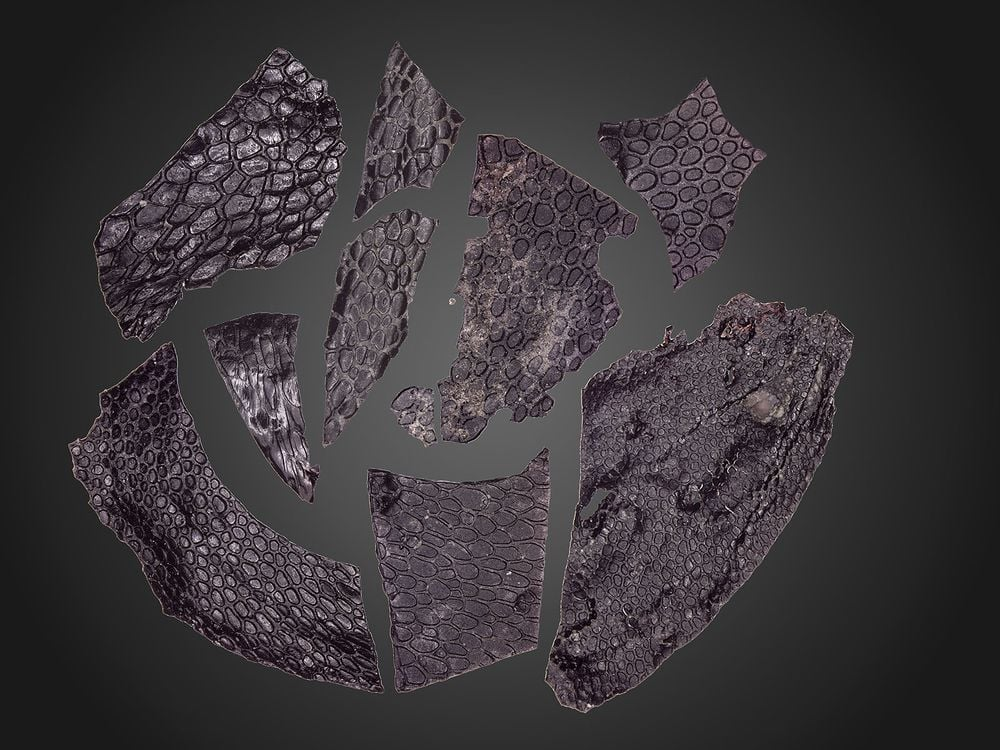
Smithsonian Magazine has an article about the discovery of the old fossilized skin. The specimen belonged to a lizard-like reptile that lived about 288 million years ago during the Permian Period. It was found in a cave near Richards Spur, Oklahoma. This specimen represents the oldest known preserved skin. The previous record was about 130…
-

Long-Standing Question Answered – How Mass Extinction Paved the Way for Oysters and Clams
SciTechDaily has a piece about the rise of the mollusks over the brachiopods after the Permian Mass Extinction. Scientists have long wondered why bivalve species like clams and oysters replaced the brachiopods about 250 million years ago. During the Paleozoic, brachiopods dominated the sea floor, but they are now just a small part of the…
-
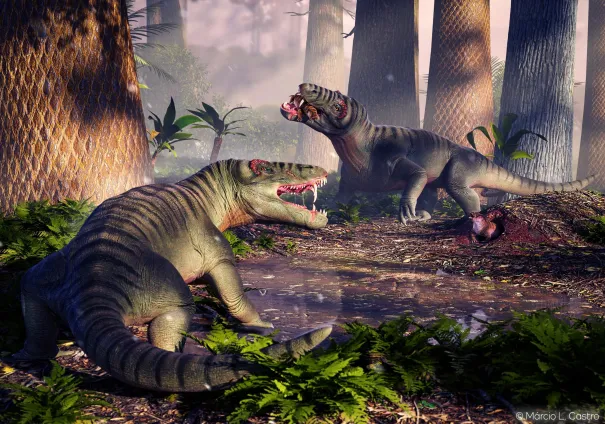
265-million-year-old fossil reveals oldest, largest predator in South America, long before the rise of dinosaurs
Phys.org has a story about a new Permian fossil from Brazil. Pampaphoneus biccai lived about 265 million years ago, during the Permian Period, around what is now São Gabriel in Southern Brazil. It was a dinocephalian, which are related to early mammals. This specimen is the first found in South America. Previously, they were only…
-
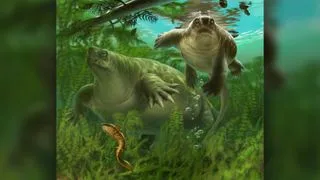
Mammal ancestor looked like a chubby lizard with a tiny head and had a hippo-like lifestyle
Live Science has a article about an mammal ancestor. Lalieudorhynchus gandi lived about 265 million years ago in what is now the Lodève Basin in southern France. At that time, southern France was part of northeastern Pangaea. Mammals had not evolved as a group yet. L. gandi was described in a paper in the journal Paleo…
-

Strange Animals That Lived Before the Dinosaurs Reveal the Evolutionary Origin of Tusks
SciTechDaily has a story about animal tusks. Throughout history, many animals have sported tusks, from modern day elephants to the dicynodonts of the Permian. A new paper in the journal Proceedings of the Royal Society B looks at the evolutionary history of tusks. A wide variety of animals have tusks, from elephants and walruses to five-pound, guinea pig-looking critters…
-
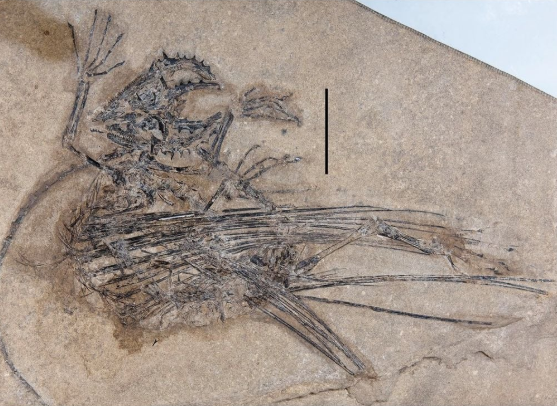
The Oldest Airborne Vertebrate Animal Was a Reptile With ‘Weird’ Wings
Smithsonian Magazine has a story about the first flying vertebrate. The fossil of Weigeltisaurus jaekeli was found in 1992 in Germany. It lived during the Permian Period over 250 million years ago. A new full analysis of the specimen was recently published in the journal PeerJ. Where the researchers theorize that the bony rods supported…
-

Earth’s Worst Mass Extinction Took Ten Times Longer on Land Than in the Water
SciTechDaily has a story about the Permian Mass Extinction. The worst mass extinction in Earth’s history, the Permian Mass Extinction happened about 252 million years ago. Researchers at the Field Museum in Chicago looked at the rate of extinction on land to see if it matched what is seen in the oceans. They found the…
-
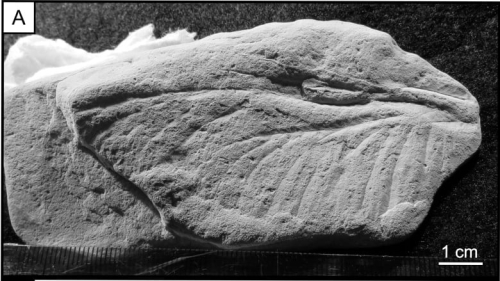
300-million-year-old dragonfly wing among several significant pandemic fossil findsseum
CBC has a story about some fossil finds in Nova Scotia, Canada during the pandemic. Fossil trackways, ferns, plants, and other fossils were reported by citizen scientists. The most significant finds are a dragonfly wing dating to the Carboniferous about 300 million years ago and fossil tracks dating to the Permian. There is an audio…
-

Phys.org: New study investigates how life on land recovered after ‘The Great Dying’
Phys.org has a story about the Permian Mass Extinction. A new study by an international team of scientists from multiple universities in China, Britain, and the United States looked at why communities took so long to recover after the “Great Dying”, which took place 252 million years ago at the end of the Permian Period. …
-
NYT: Burning Fossil Fuels Helped Drive Earth’s Most Massive Extinction
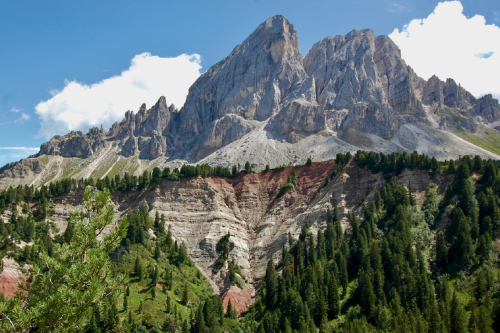
The New York Times Trilobites column has a story about the Permian Mass Extinction event. A paper published in the journal Geology adds more evidence to the theory that this mass extinction was driven by volcanic eruptions through ancient oil and coal deposits in Siberia. The study looked at chemical traces in the rocks in…
-

Trilobite Tuesday #29: Why did trilobites go extinct?
LiveScience has a piece about the extinction of the trilobites. Trilobites existed on Earth for about 270 million years from the early Cambrian until the Permian Mass Extinction. Many organisms went extinct during that time… perhaps upward of 90% of species. But, it’s still an open question that has not been completely answered. During their…
-
SciNews: New Research Provides Comprehensive Reconstruction of End-Permian Mass Extinction
SciNews has a story about new research that provides insights into the causes of the “Great Dying”. The End Permian Mass Extinction was the worst extinctionsin Earth’s history. It occurred about 252 million years ago. During it, about 96% of all marine species and over 70% of terrestrial species went extinct. Those percentages are for…
-

Fossil Friday #15: Permian Trilobites From Kansas
This is the “Fossil Friday” post #15. Expect this to be a somewhat regular feature of the website. We will post any fossil pictures you send in to esconi.info@gmail.com. Please include a short description or story. Check the #FossilFriday Twitter hash tag for contributions from around the world! On Tuesday, we had a post about…
-
The Epic Siberian Journey to Solve a Mass Extinction Mystery
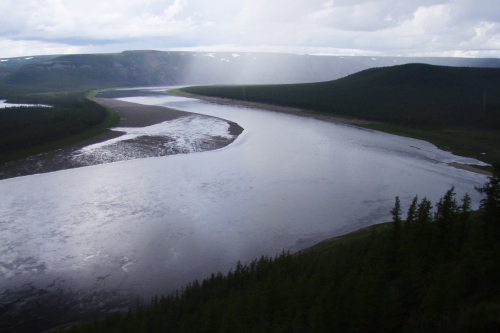
Wired has an article about research into the Permian-Triassic mass extinction event, which happened about 250 million years ago. Sometimes called “The Great Dying”, this event, which was really a series of events, took out about 70% of land species and more than 95% of marine species. The current theory about its cause is a runaway…
-

Fossil Friday #14: Kansas Brachiopods
This is the “Fossil Friday” post #14. Expect this to be a somewhat regular feature of the website. We will post any fossil pictures you send in to esconi.info@gmail.com. Please include a short description or story. Check the #FossilFriday Twitter hash tag for contributions from around the world! Brachiopods are very common fossils in the…
-
Fossil Friday #12: Ammonites from Kansas
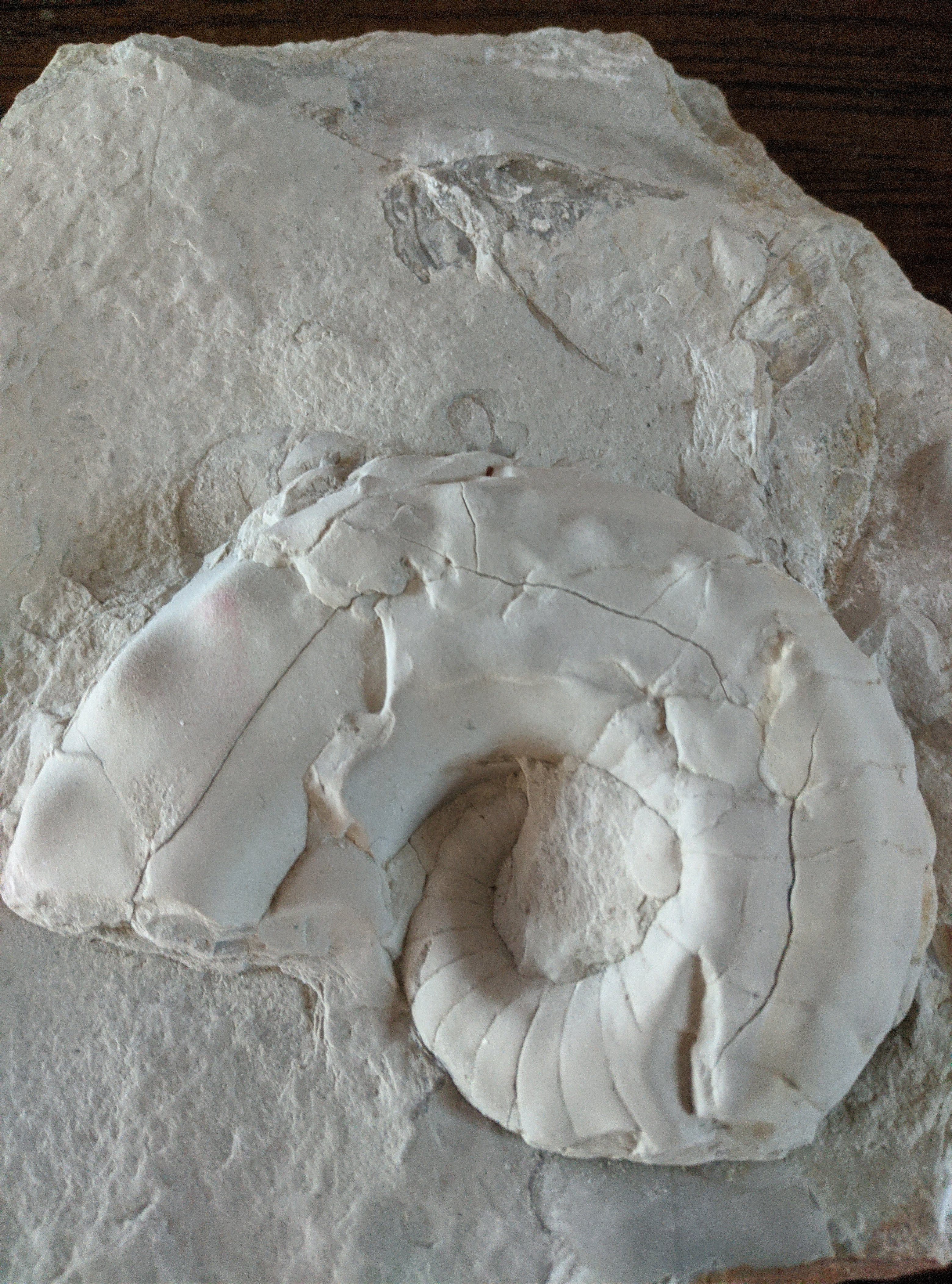
This is the “Fossil Friday” post #10. Expect this to be a somewhat regular feature of the website. We will post any fossil pictures you send in to esconi.info@gmail.com. Please include a short description or story. Check the #FossilFriday Twitter hash tag for contributions from around the world! How about some pictures of ammonites from Kansas? …
-
NatGeo: Earth has had more major mass extinctions than we realized
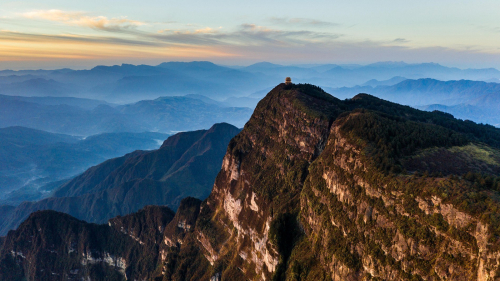
National Geographic has a story about Earth’s mass extinctions. The current biodiversity crisis is usually referred to as the “sixth mass extinction”. There is even a book by that name. Of the five previous extinctions, the worst was the one at the end of the Permian. In a paper in the journal Historical Biology, Michael…
-

Roy Plotnick: Existence Locates a Path
Roy Plotnick has a new post over on Medium. The post is about extinction… mass extinction. We have a roll in the current and a past extinction. Time for action! Mass extinctions and their causes are topics of intense interest. Nearly forty years after the 1980 paper on the end-Cretaceous impact, significant new research on…

