Tag: Pennsylvanian
-
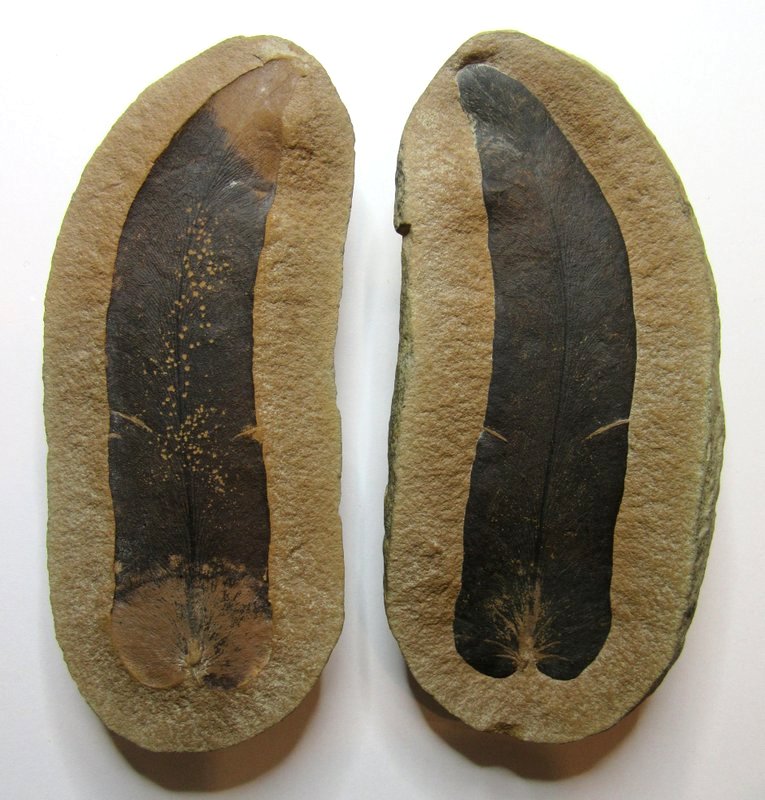
Fossil Friday #98: Missouri Macroneuropteris scheuchzeri
This is the “Fossil Friday” post #98. Expect this to be a somewhat regular feature of the website. We will post any fossil pictures you send in to esconi.info@gmail.com. Please include a short description or story. Check the #FossilFriday Twitter hash tag for contributions from around the world! Macroneuropteris scheuchzeri, a seed fern, is up…
-

Mazon Monday #101: Peggy Macnamara
This is Mazon Monday post #101. What’s your favorite Mazon Creek fossil? Tell us at email:esconi.info@gmail.com. The cover of the book “A Comprehensive Guide to the Fossil Flora of Mazon Creek” by Jack Wittry features a painting of a fiddlehead, which is an immature fern frond. The fiddlehead species in the Mazon Creek biota are…
-
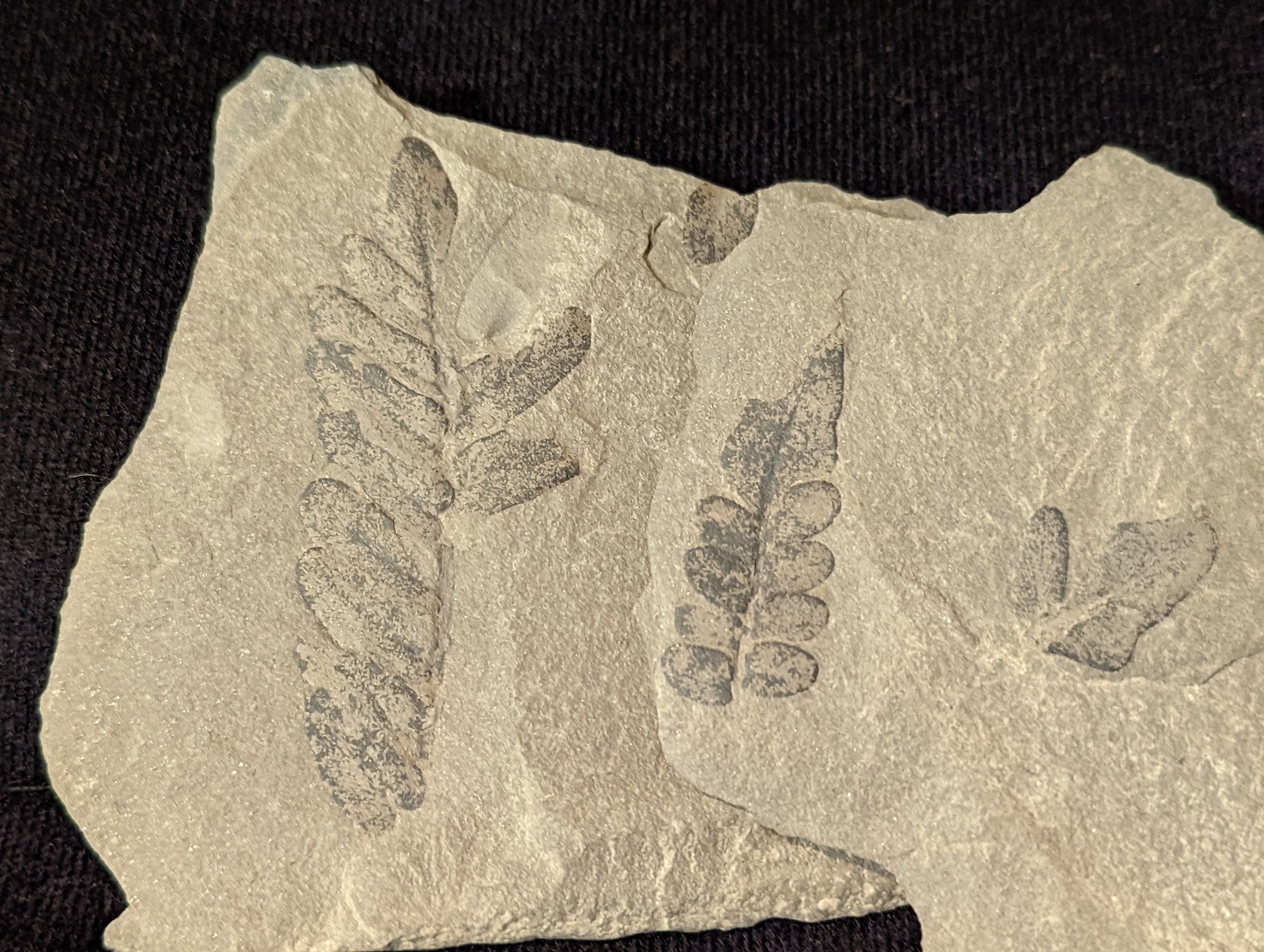
Fossil Friday #97: Kentucky Neuropteris
This is the “Fossil Friday” post #97. Expect this to be a somewhat regular feature of the website. We will post any fossil pictures you send in to esconi.info@gmail.com. Please include a short description or story. Check the #FossilFriday Twitter hash tag for contributions from around the world! Carboniferous seed fern fossils are on the…
-
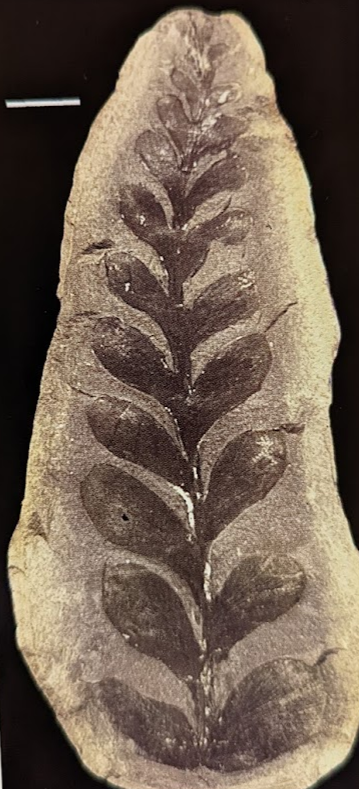
Mazon Monday #100: Odontopteris subcuneata
This is Mazon Monday post #100. What’s your favorite Mazon Creek fossil? Tell us at email:esconi.info@gmail.com. This is the 100th Mazon Monday post! We hope you are enjoying these posts! If you have any suggestions or feedback, please send it along to email:esconi.info@gmail.com. Odontopteris subcuneata was a seed fern that belonged to the same group…
-

Fossil Friday #96: Mazon Creek Insect Nymph
This is the “Fossil Friday” post #96. Expect this to be a somewhat regular feature of the website. We will post any fossil pictures you send in to esconi.info@gmail.com. Please include a short description or story. Check the #FossilFriday Twitter hash tag for contributions from around the world! We have another Mazon Creek insect this…
-
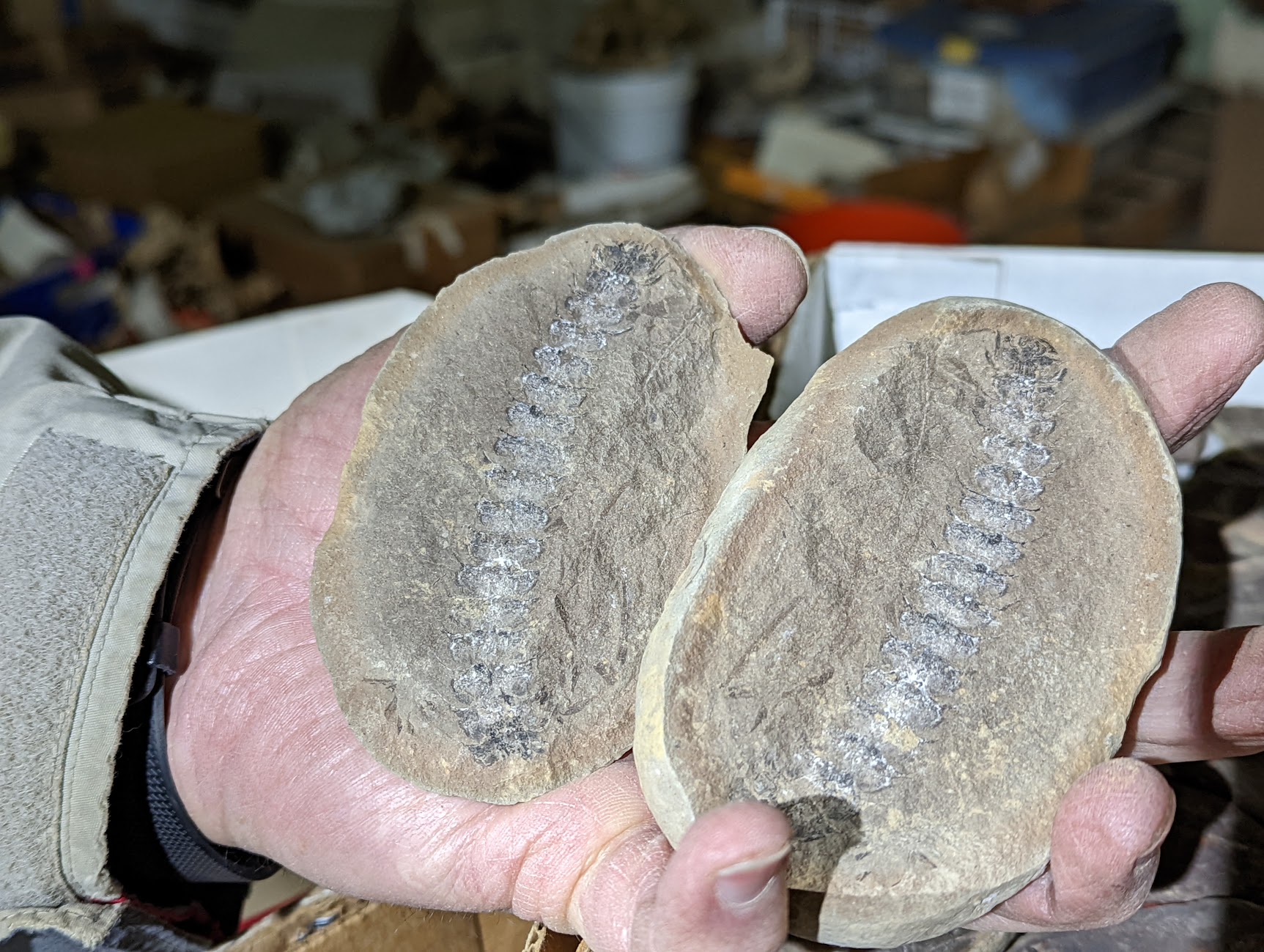
Mazon Monday #99: Calamostachys, sp.
This is Mazon Monday post #99. What’s your favorite Mazon Creek fossil? Tell us at email:esconi.info@gmail.com. —————————————————– Calamostachys is the cone portion of Calamites. Recall the Langford diagram which details the parts of Calamites. The round seed like part of these cones are actually sporagia, which Calamites used to reproduce. Calamites are horsetails. Their closest…
-
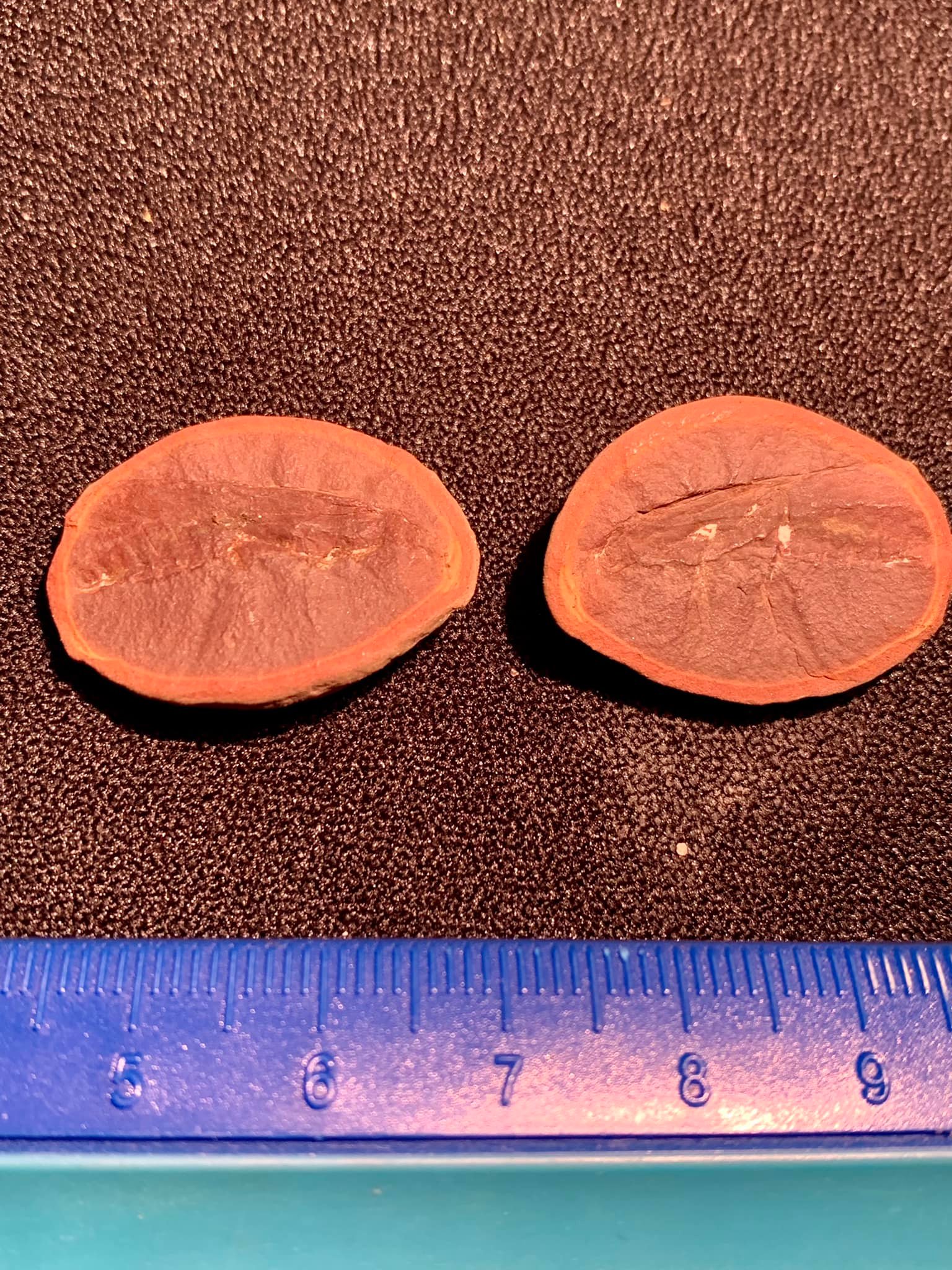
Fossil Friday #95: Mazon Creek Winged Insect – Diaphanopterodea
This is the “Fossil Friday” post #95. Expect this to be a somewhat regular feature of the website. We will post any fossil pictures you send in to esconi.info@gmail.com. Please include a short description or story. Check the #FossilFriday Twitter hash tag for contributions from around the world! This absolutely stunning Mazon Creek insect comes…
-
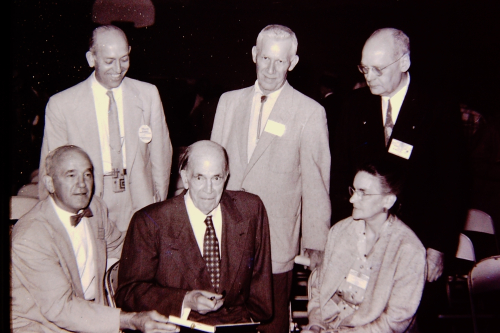
Mazon Monday #98: Natural History of Coal Age Fossils
This is Mazon Monday post #98. What’s your favorite Mazon Creek fossil? Tell us at email:esconi.info@gmail.com. George Langford’s second book, “The Wilmington Coal Fauna and Additions to the Wilmington Coal Flora from a Pennsylvanian Deposit in Will County, Illinois”, was published by Esconi Associates in 1963. As part of the publication of the book, Stella…
-
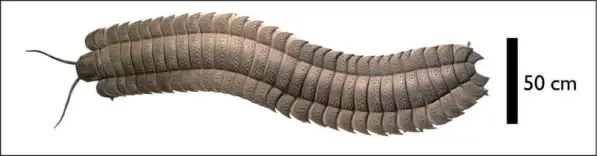
How we discovered a rare giant millipede fossil on a beach, and why it matters
This story on phys.org tell the story about the discovery of a giant millipede, Arthropleura in Engand in January 2018.. The original story describing the 326 million year old millipede fossil appeared back in December 2021. The animal was about 2.7 meters long (nearly 9 feet!). It lived during the Carboniferous Period in what is…
-

Fossil Friday #94: Diaphorodendron rimosum
This is the “Fossil Friday” post #94. Expect this to be a somewhat regular feature of the website. We will post any fossil pictures you send in to esconi.info@gmail.com. Please include a short description or story. Check the #FossilFriday Twitter hash tag for contributions from around the world! We haven’t posted enough fossil wood on…
-
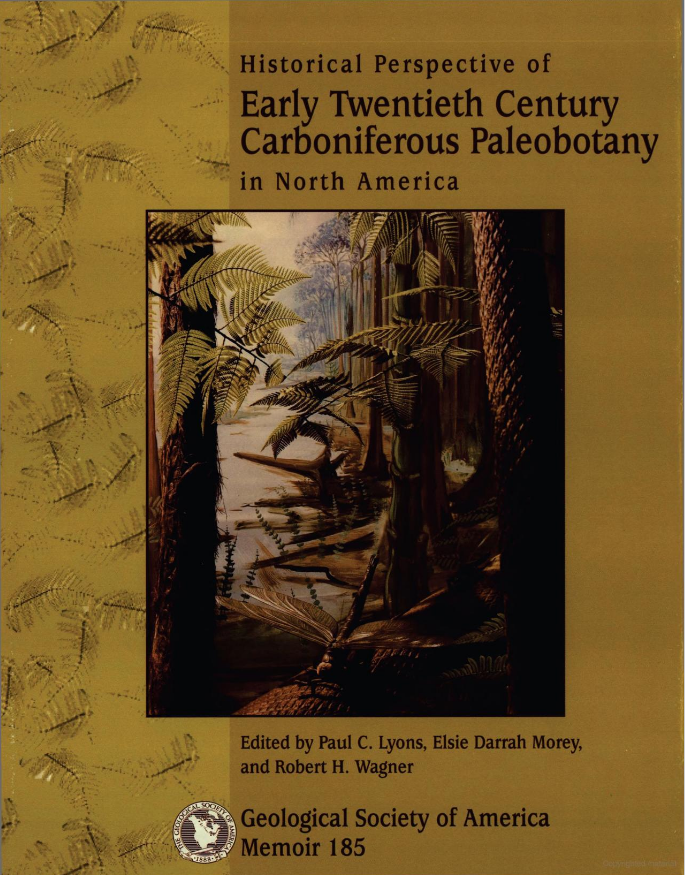
Mazon Monday #97: “Historical Perspective on Early Twentieth Century Carboniferous Paleobotany in North American”
This is Mazon Monday post #97. What’s your favorite Mazon Creek fossil? Tell us at email:esconi.info@gmail.com. The book “Historical Perspective on Early Twentieth Century Carboniferous Paleobotany in North American” was published in 1995 by the Geological Society of America (GSA). It’s dedicated as a memorial volume for William Culp Darrah (1909-1989), who was a pioneer…
-
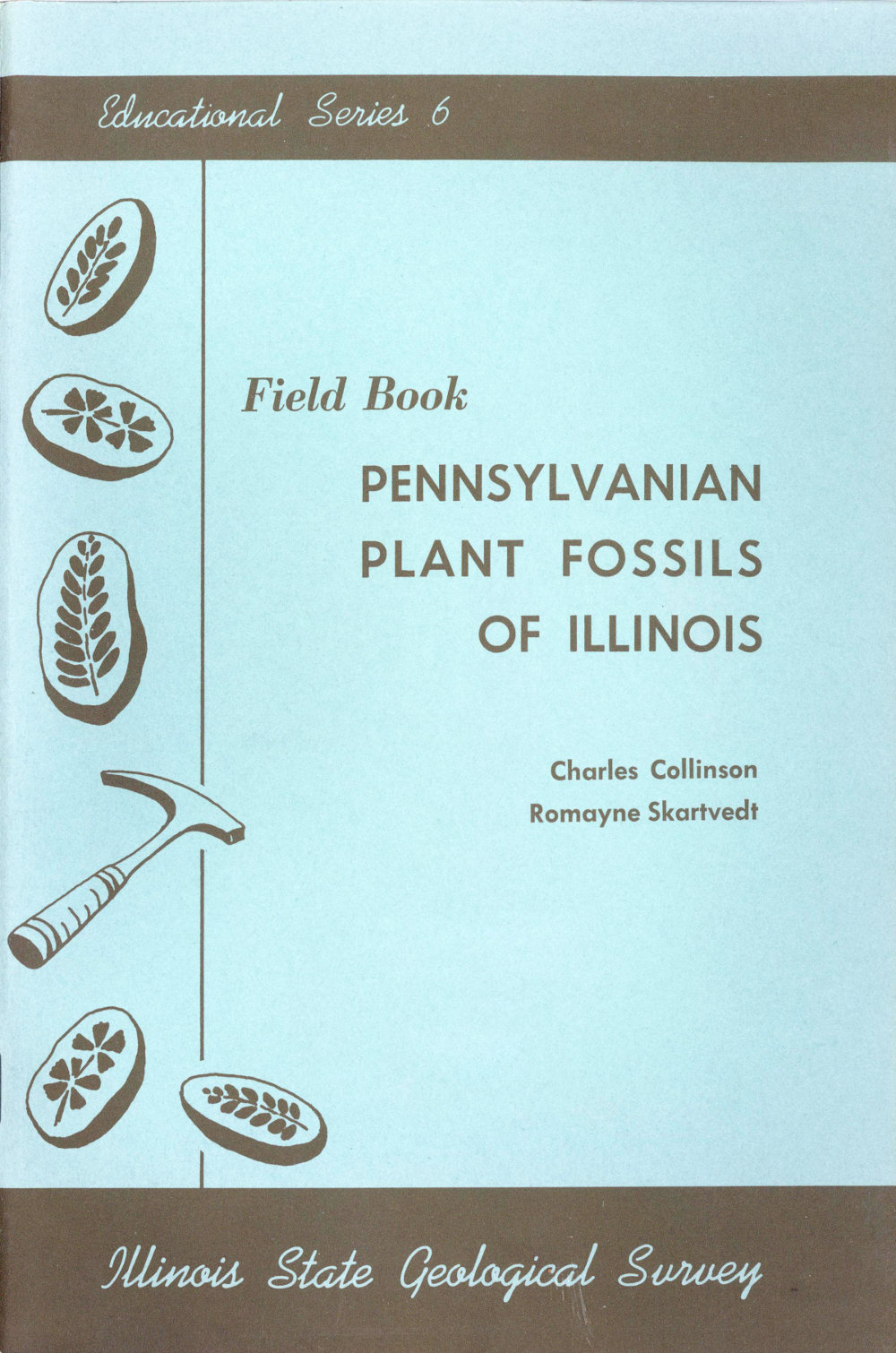
Mazon Monday #96: Pennsylvanian Plant Fossils of Illinois
This is Mazon Monday post #96. What’s your favorite Mazon Creek fossil? Tell us at email:esconi.info@gmail.com. The book “Pennsylvanian Plant Fossils of Illinois” was #6 in the Educational Series published by the Illinois State Geological Survey in 1960. It was written by Charles Collinson (1923 – 2011) and Romayne Skartvedt. The book can be purchased…
-

Fossil Friday #92: Mazon Creek Mystery
This is the “Fossil Friday” post #92. Expect this to be a somewhat regular feature of the website. We will post any fossil pictures you send in to esconi.info@gmail.com. Please include a short description or story. Check the #FossilFriday Twitter hash tag for contributions from around the world! Today, we have the first of a…
-
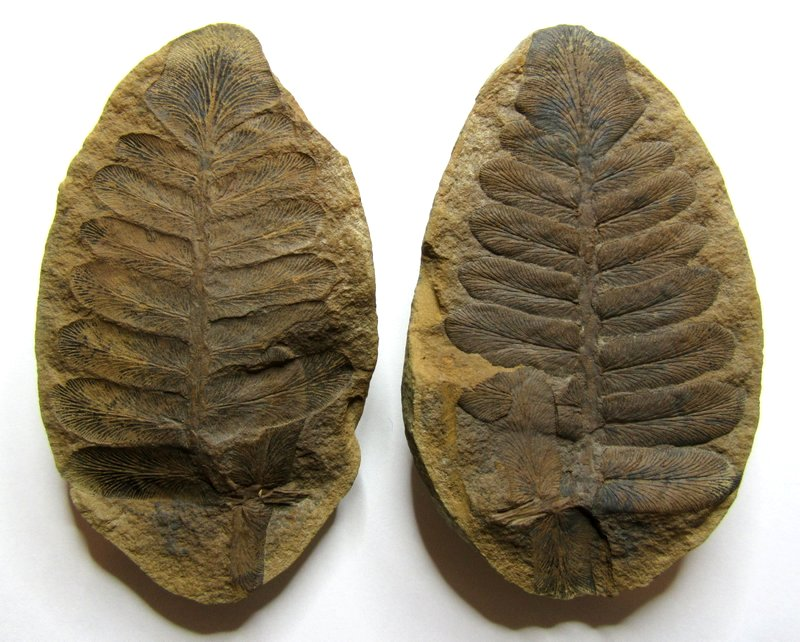
Mazon Monday #95: Neuropteris vermicularis
This is Mazon Monday post #95. What’s your favorite Mazon Creek fossil? Tell us at email:esconi.info@gmail.com. For this post, we are looking at another seed fern species, Neuropteris vermicularis. N. vermicularis was identified by Leo Lesquereux in 1866. He described much of the North American Carboniferous flora in the mid 1800’s as a consultant to…
-
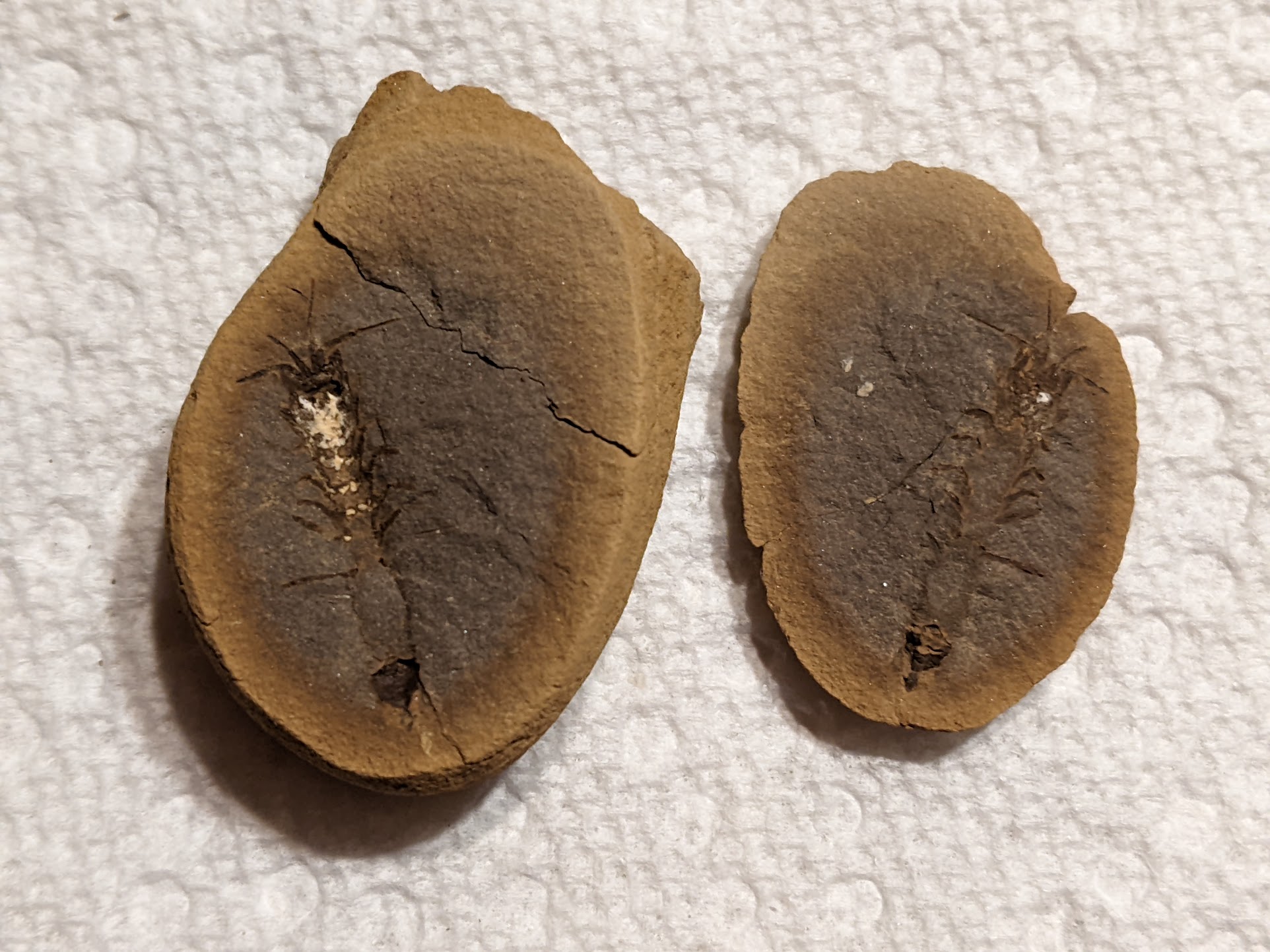
Fossil Friday #91: Paleocaris typus from the Mazon River
This is the “Fossil Friday” post #91. Expect this to be a somewhat regular feature of the website. We will post any fossil pictures you send in to esconi.info@gmail.com. Please include a short description or story. Check the #FossilFriday Twitter hash tag for contributions from around the world! Back in Mazon Monday #65, we spotlighted…
-
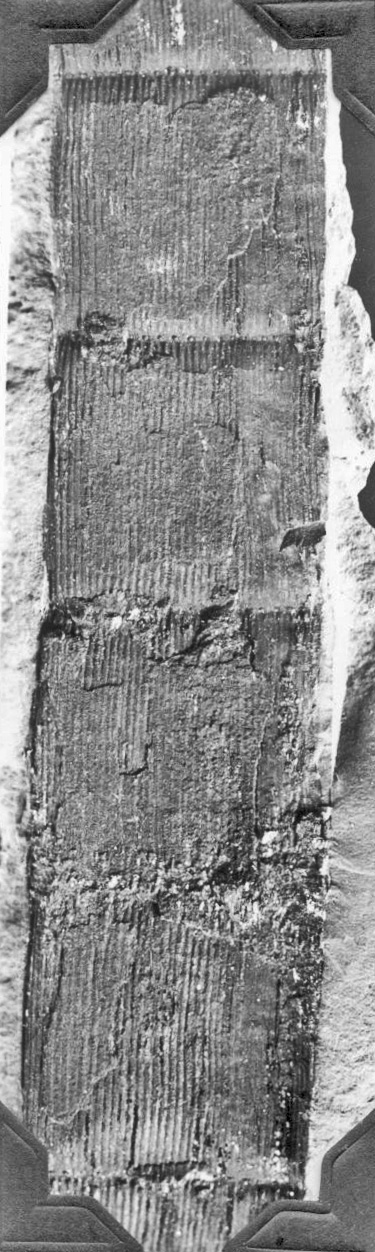
Mazon Monday #94: Calamites cistii
This is Mazon Monday post #94. What’s your favorite Mazon Creek fossil? Tell us at email:esconi.info@gmail.com. For this week, we are looking at Calamites, which is a genus of extinct arborescent (tree-like) horsetails. They are sphenopsids. Modern horsetails, genus Equistem, are fairly closely related. Some of these Carboniferous plants could grow to heights of more than…
-
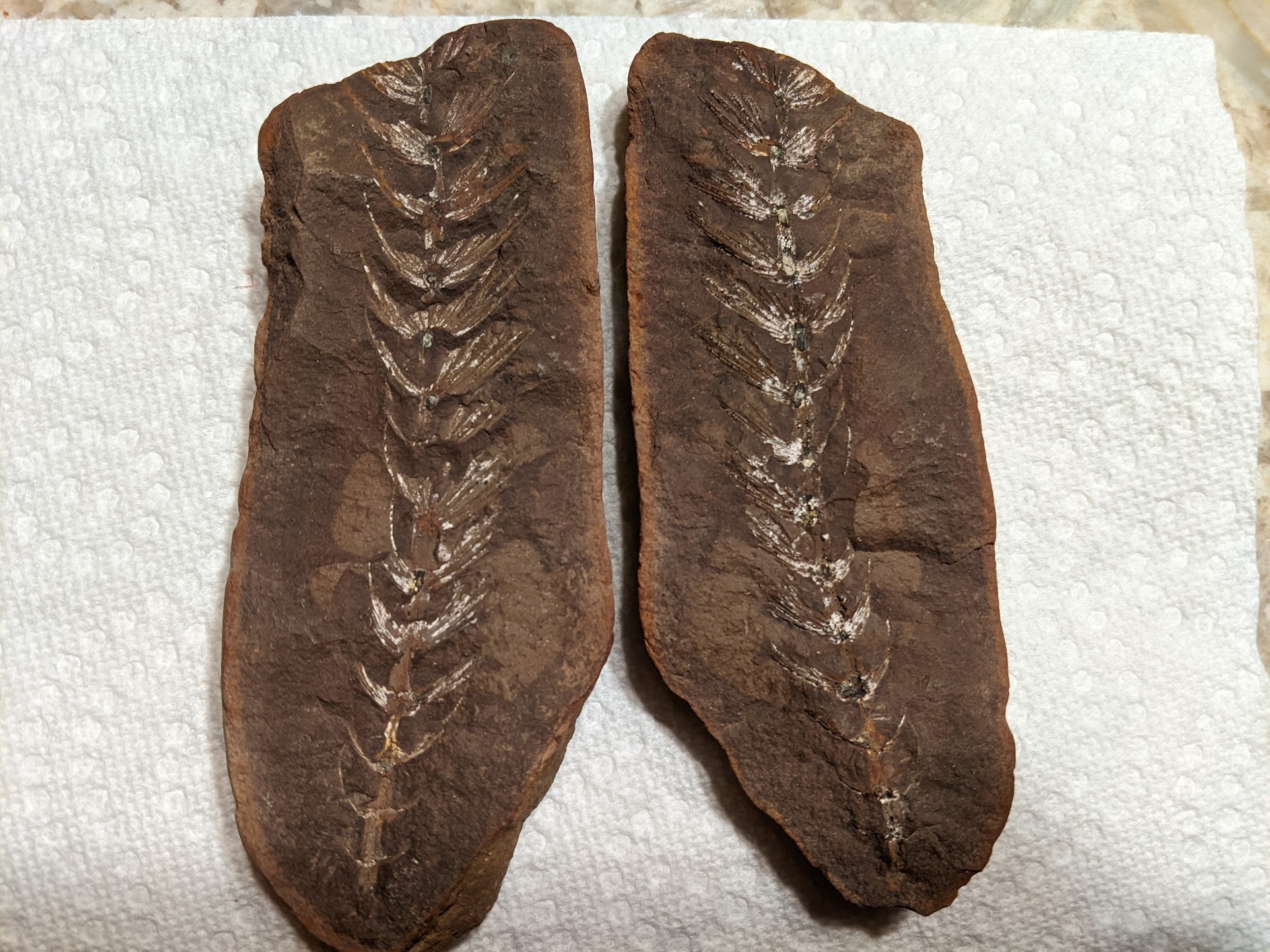
Fossil Friday #90: Asterophyllites equisetiformis
This is the “Fossil Friday” post #90. Expect this to be a somewhat regular feature of the website. We will post any fossil pictures you send in to esconi.info@gmail.com. Please include a short description or story. Check the #FossilFriday Twitter hash tag for contributions from around the world! This week’s fossil is a specimen of…
-

Mazon Monday #93: Dr. Victoria McCoy: Mazon Creek Fossils
This is Mazon Monday post #93. What’s your favorite Mazon Creek fossil? Tell us at email:esconi.info@gmail.com. ESCONI member Ralph Jewell sent me this link for a video of a presentation by Dr. Victoria McCoy of the University of Wisconsin Milwaukee Department of Geosciences. Her presentation is entitled “Mazon Creek Fossils”. Dr. Victoria McCoy, UWM Department…
-
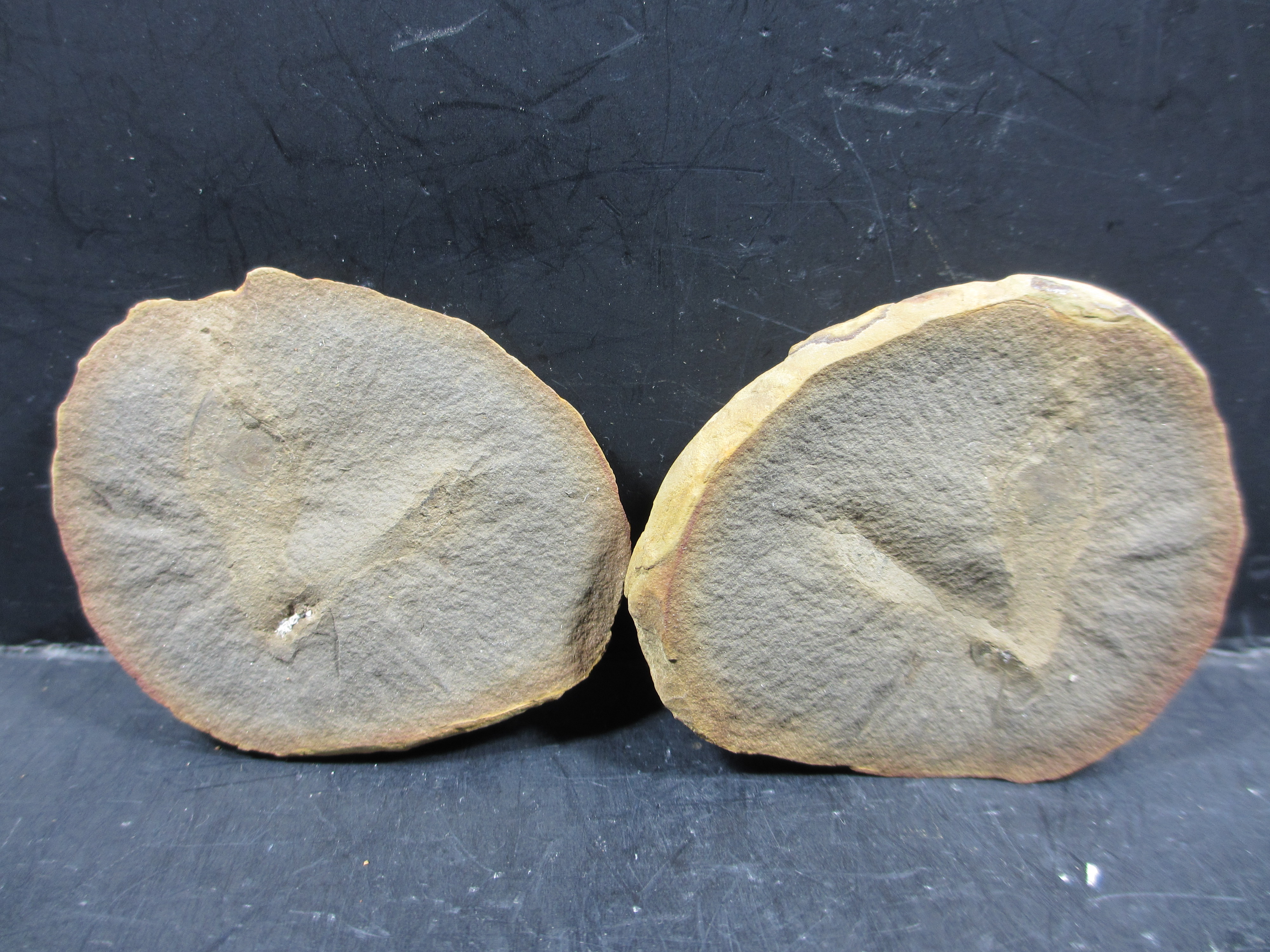
Mazon Monday #92: Illilepas damrowi
This is Mazon Monday post #92. What’s your favorite Mazon Creek fossil? Tell us at email:esconi.info@gmail.com. Illilepas damrowi is a gooseneck barnacle from the Mazon Creek biota, found in Essex localities like Pit 11. Barnacles are crustaceans thus they are related to crabs and lobsters. They are fairly rare in the fossil record with the…
-
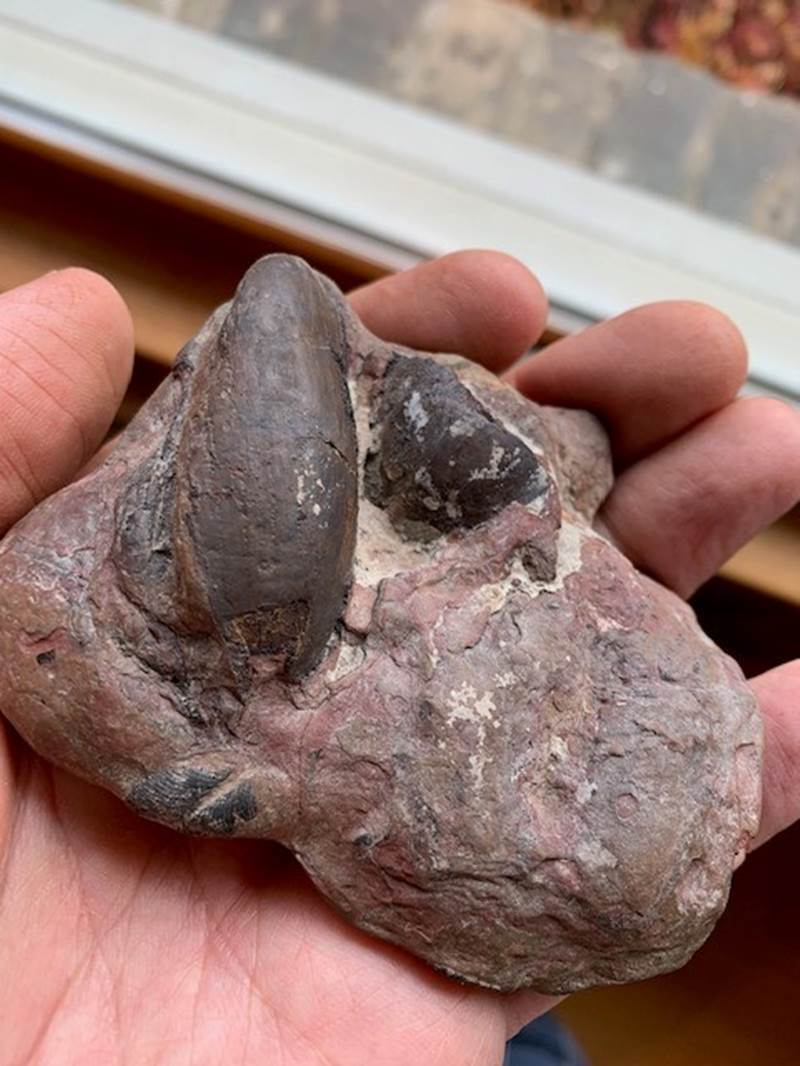
Fossil Friday #88: Trigonocarpus seeds
This is the “Fossil Friday” post #88. Expect this to be a somewhat regular feature of the website. We will post any fossil pictures you send in to esconi.info@gmail.com. Please include a short description or story. Check the #FossilFriday Twitter hash tag for contributions from around the world! Back in Mazon Monday #67, we took…
-

Mazon Monday #91: Macroneuropteris macrophylla
This is Mazon Monday post #91. What’s your favorite Mazon Creek fossil? Tell us at email:esconi.info@gmail.com. Today, we have a seed fern species called Macroneuopteris macrophylla. It was named Neuropteris macrophylla in 1831 by Alexander Brongniart, a French chemist, mineralogist, geologist, paleontologist, and zoologist. It was mistakenly renamed as Neuropteris clarksoni by Leo Lesquereux in…
-
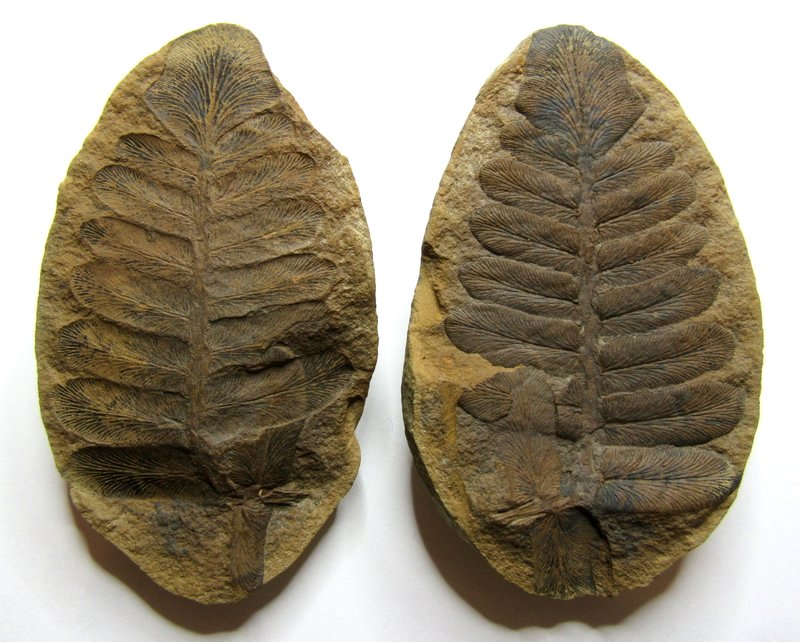
Fossil Friday #87: Neuropteris vermicularis from Knob Noster
This is the “Fossil Friday” post #87. Expect this to be a somewhat regular feature of the website. We will post any fossil pictures you send in to esconi.info@gmail.com. Please include a short description or story. Check the #FossilFriday Twitter hash tag for contributions from around the world! We’ve got a Pennsylvanian seed fern for…
-

Mazon Monday #90: Video for ESCONI December 2021 General Meeting – “The Life and Death of the Herrin Peat Swamp – Whys, Whens, and Hows”
This is Mazon Monday post #90. What’s your favorite Mazon Creek fossil? Tell us at esconi.info@gmail.com. For December 2021, the presentation by Scott Elrick provided context for the Danville, IL spoil pile fossils. Scott also discussed coal formation in Illinois during the Pennsylvanian. Additionally, he mentioned where the Colchester #2 Coal, associated with Mazon Creek,…
-
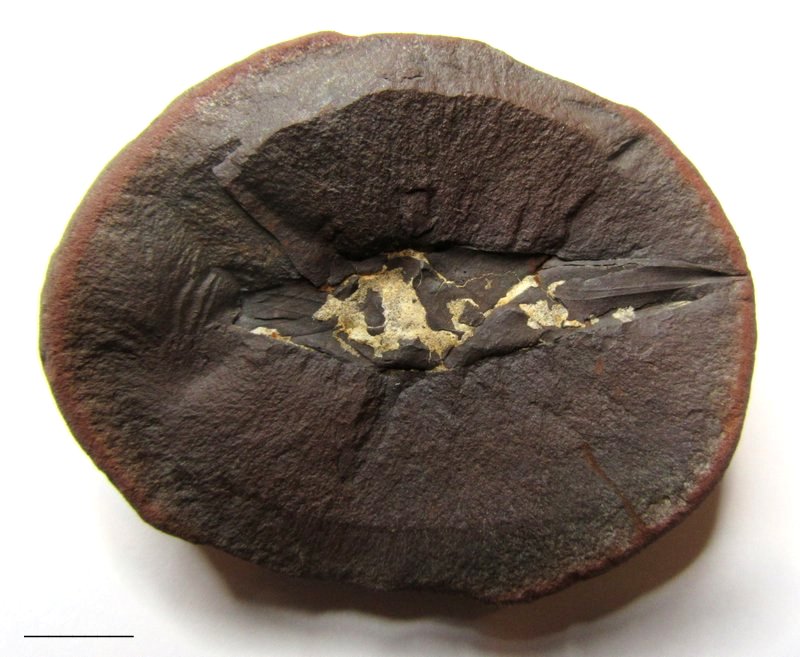
Fossil Friday #86: Mazon Creek Shark Egg Case
This is the “Fossil Friday” post #86. Expect this to be a somewhat regular feature of the website. We will post any fossil pictures you send in to esconi.info@gmail.com. Please include a short description or story. Check the #FossilFriday Twitter hash tag for contributions from around the world! There are a few species of shark…
-
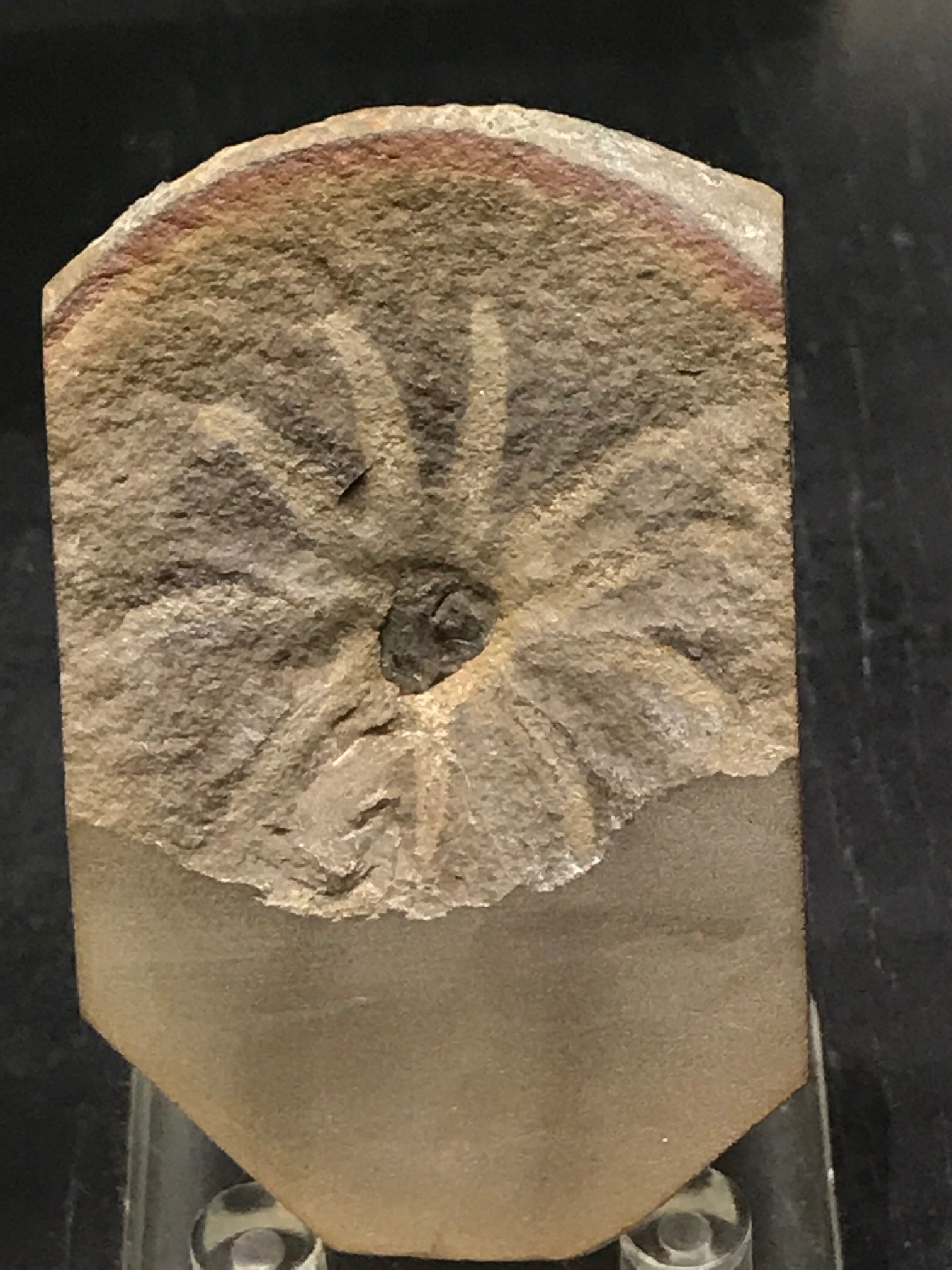
Mazon Monday #89: Jeletzkya douglassae
This is Mazon Monday post #89. What’s your favorite Mazon Creek fossil? Tell us at email:esconi.info@gmail.com. Of all the millions (yes, millions!) of Mazon concretions that have opened over the years, only two specimens of Jeletzkya douglassae are known. That might make it the rarest of species in the Mazon Creek biota. It’s considered to…
-
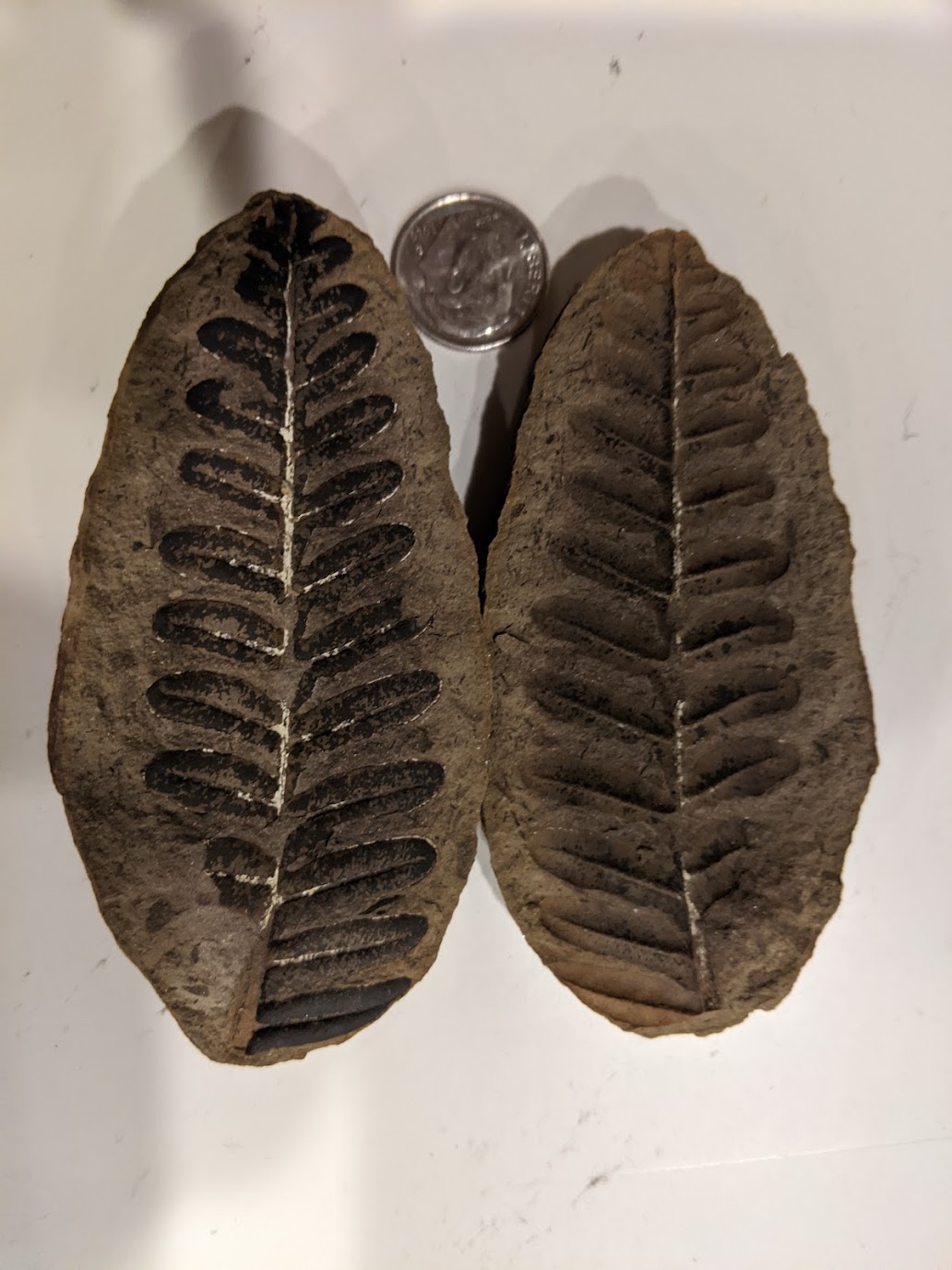
Fossil Friday #85: Callipteridium neuropteroides From Danville Spoil Pile
This is the “Fossil Friday” post #85. Expect this to be a somewhat regular feature of the website. We will post any fossil pictures you send in to esconi.info@gmail.com. Please include a short description or story. Check the #FossilFriday Twitter hash tag for contributions from around the world! You might recall that this year ESCONI…
-
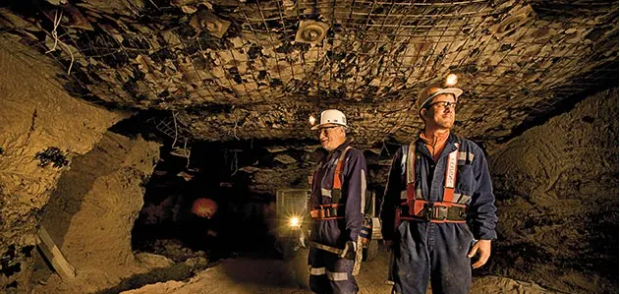
Reminder: ESCONI December 2021 General Meeting – December 3rd, 2021 at 8:00 PM via Zoom – “The Life and Death of the Herrin Peat Swamp – Whys, Whens, and Hows”
The speaker at our December 3, 2021 meeting will be Scott Elrick, Head of the Coal, Bedrock and Industrial Minerals Section of ISGS. The topic of his talk via Zoom will be paleoecology of the Herrin Coal roof shales including depositional environment and climate. This talk should should add context to the fossil flora found…
-
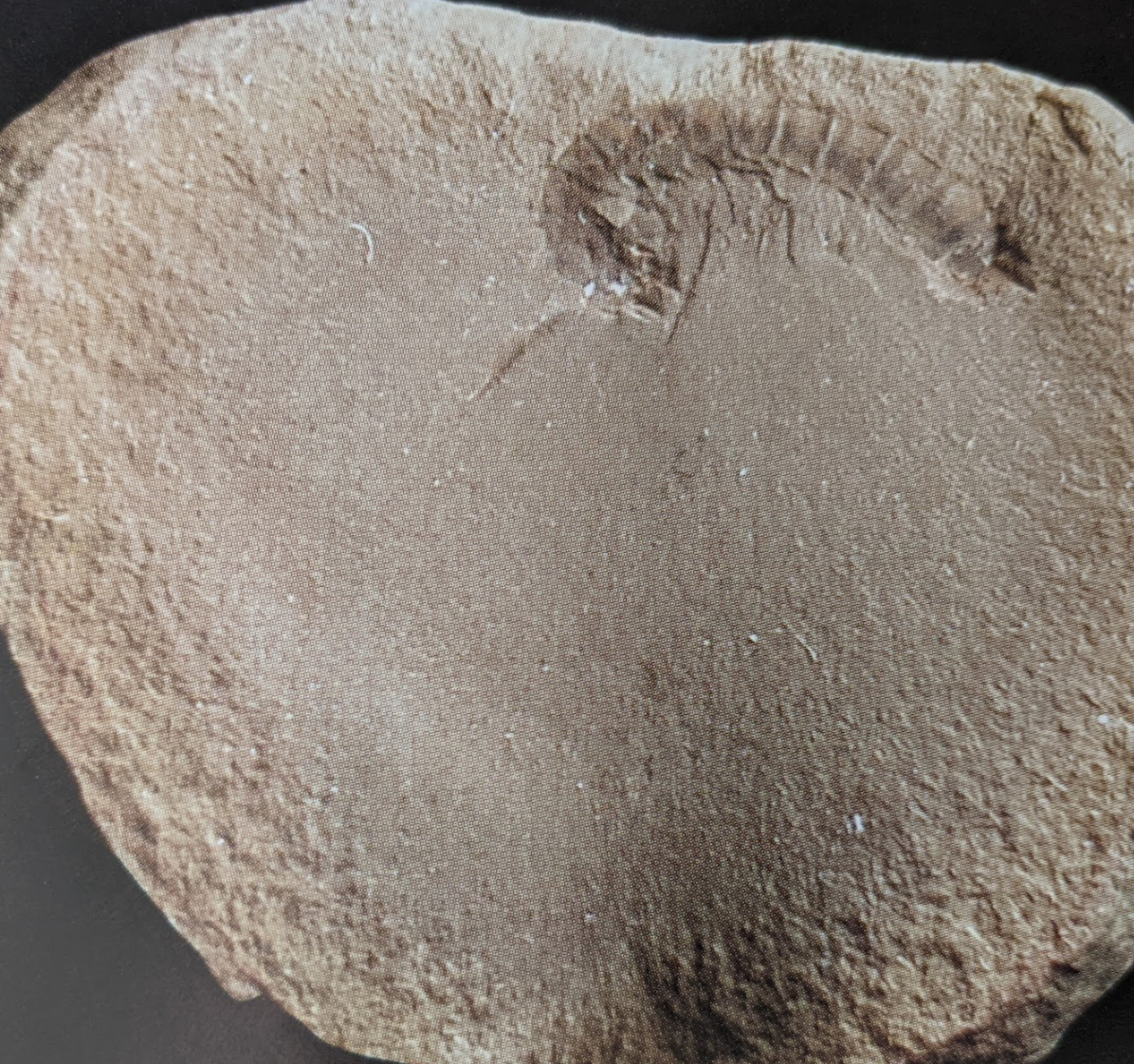
Mazon Monday #88: Hesserella shermani
This is Mazon Monday post #88. What’s your favorite Mazon Creek fossil? Tell us at email:esconi.info@gmail.com. Hesserella shermani is the earliest known isopod in the fossil record. Isopods are crustaceans, which includes shrimp, crabs, and lobsters. Modern day rolly-pollys are isopods, They have many common names like pill bugs, woodlice, and doodle bugs. They are…
-
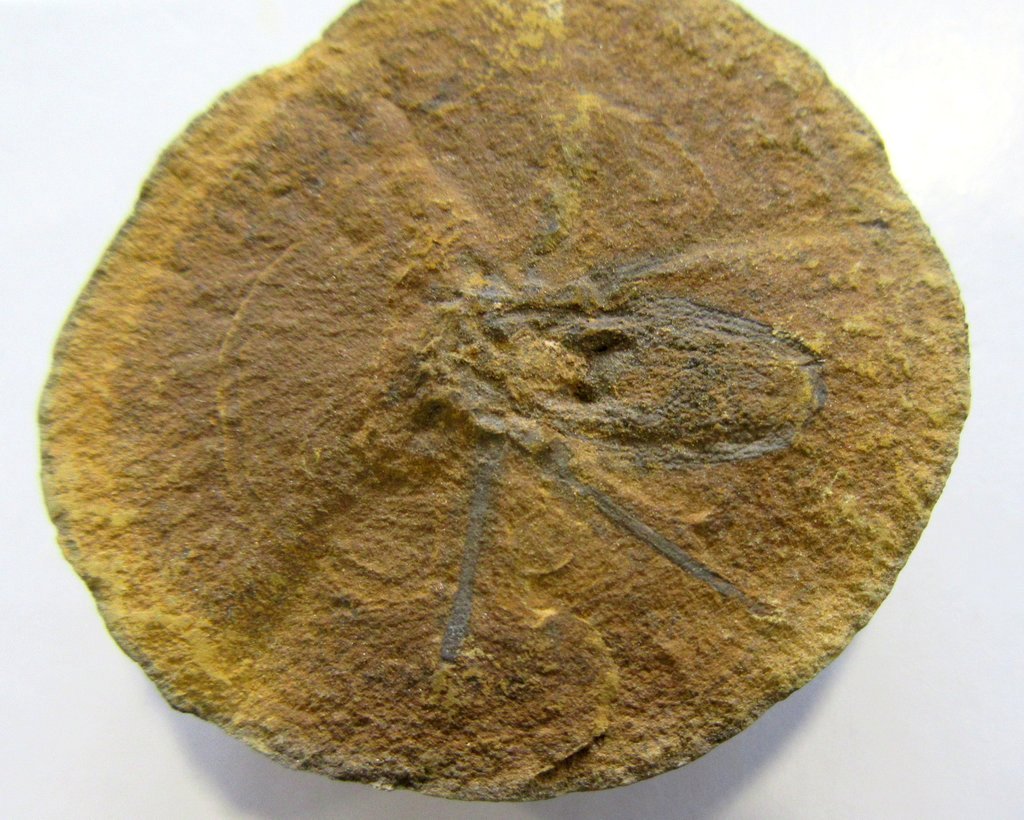
Fossil Friday #84: Spider from Knob Noster
This is the “Fossil Friday” post #84. Expect this to be a somewhat regular feature of the website. We will post any fossil pictures you send in to esconi.info@gmail.com. Please include a short description or story. Check the #FossilFriday Twitter hash tag for contributions from around the world! For the third time this year, we…
-

ESCONI December 2021 General Meeting – December 3rd, 2021 at 8:00 PM via Zoom – “Paleoecology of the Herrin Coal Roof Shales Including Depositional Environment and Climate”
The speaker at our December 3, 2021 meeting will be Scott Elrick, Head of the Coal, Bedrock and Industrial Minerals Section of ISGS. The topic of his talk via Zoom will be paleoecology of the Herrin Coal roof shales including depositional environment and climate. This talk should should add context to the fossil flora found…
