Tag: New Zealand
-

98-Million-Year-Old Ichthyosaur Fossil Uncovered in New Zealand
Sci News has a piece about the discovery of a new species of Cretaceous ichthyosaur from New Zealand. The specimen, GS15687, is still unnamed as it is too fragmentary. It was found disarticulated in a concretion from the Swale Member of the Split Rock Formation. The concretion dates to the Cenomanian (Ngaterian) about 98 million…
-
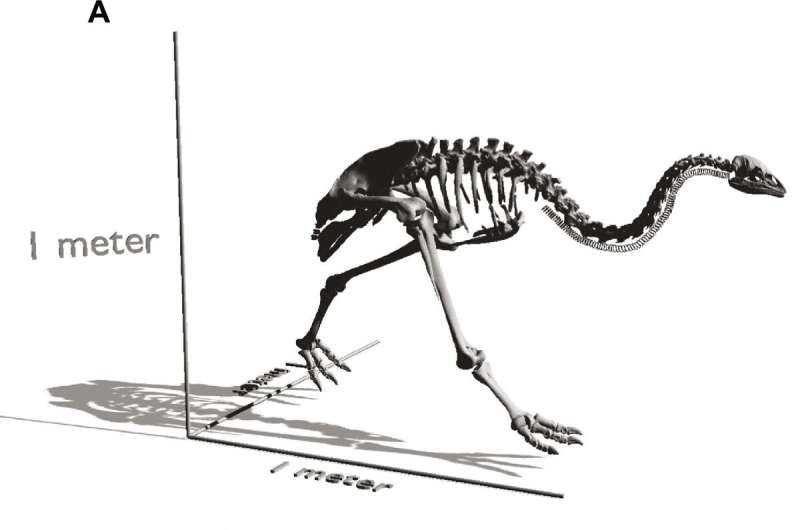
Researchers reconstruct genome of extinct species of flightless bird that once roamed the islands of New Zealand
Phys.org has a story about an extinct flightless bird from New Zealand. The genome of Anomalopteryx didiformis, the little bush moa, has been sequenced by a team of researchers that included scientists from Harvard University, the Max Planck Institute for Biological Intelligence, East Carolina University, Osaka University and the University of Toronto. A. didiformis went…
-
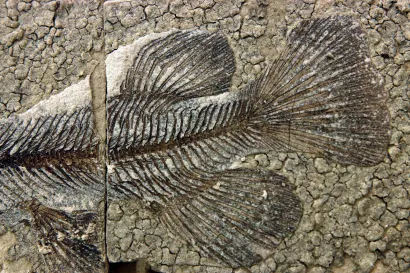
Exquisite Fossils Show an Entire Rain Forest Ecosystem
Scientific American has a story about a fossil deposit in New Zealand. The deposit formed around a shallow-sided volcanic crater about 23 million years ago during the Miocene epoch. This site is about an hour’s drive from the city of Dunedin in New Zealand. There are fossils of plants and animals and the preservation is…
-
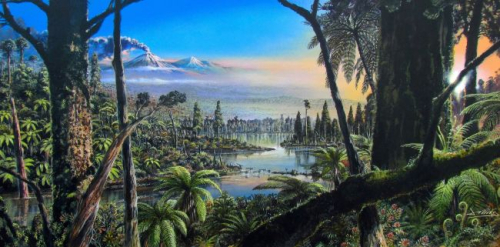
LiveScience: Remains of 90 million-year-old rainforest discovered under Antarctic ice
LiveScience has a story about a fossil rainforest under the ice in Antarctica. This forest was found in West Antarctica and dates to about 90 million years ago, during the Cretaceous Period. The fossils show a tropical climate similar to New Zealand. Read all about it in a paper in the April 1st, 2020, edition…
-
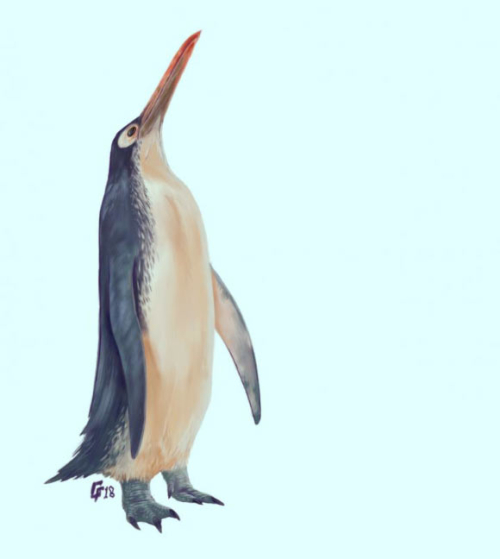
Paleontologists Unearth Another Giant Penguin in New Zealand
Sci-News has a story about a new giant penguin from New Zealand. The animal, which lived around 27 million years ago during the Oligocene Period, joins a growing list of giant penguins from New Zealand. This list include the genera Kairuku, Pachydyptes, Palaeeudyptes, and Kumimanu. This new one belongs to the genus Kauruku. The details…
