Tag: Myanmar
-
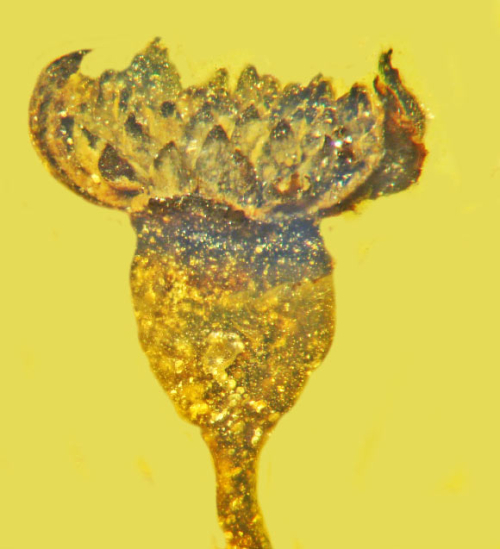
SciNews: 99-Million-Year-Old Fossil Flower Found Encased in Burmese Amber
SciNews has a story about a flower preserved in amber. The fossil flower is called Valviloculus pleristaminis. It lived about 99 miliion years ago during the Cretaceous Period in what is now Myanmar. Myanmar has amber deposits that have yielded some amazing finds, including dinosaur tails, feathers, wings, and even a skull. The discovery is…
-
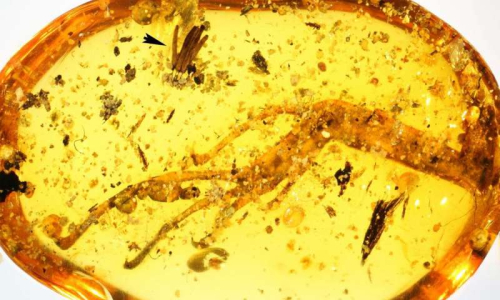
100 million years in amber: Researchers discover oldest fossilized slime mold
100 million-year-old amber piece with lizard leg and mycomycete (arrow). Credit: Alexander Schmidt, University of Göttingen and Scientific Reports Phys.org has a story about some very old slime. Many fossils have been found amber, including dinosaur tail feathers a few years ago. This time it’s some very old fungi. In this case, a mycomycete and it’s…
-
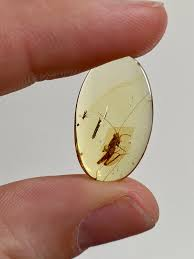
ScienceMag: Fossils in Burmese amber offer an exquisite view of dinosaur times—and an ethical minefield
Science Magazine has an interesting piece about the troubled nature of Burmese amber. Dating to about 99 million years ago, Burmese amber has revealed almost unbelievable fossils, from bird wings, to whole lizards, a host of insects, even a feathered dinosaur tail! Over 1000 new species have been described in recent years. Additionally, the…
-
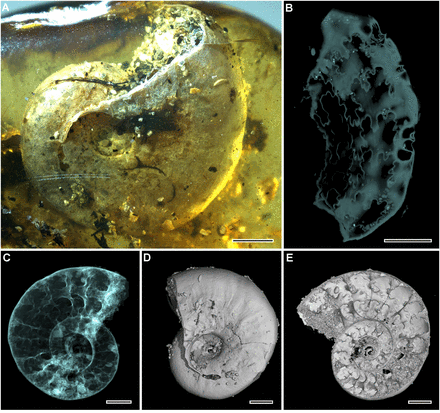
NatGeo: This ancient sea creature fossilized in tree resin. How’d that happen?
National Geographic has an article about an ammonite in amber. The amber is from Myanmar and is 99 million years old. The study was published Monday in the journal PNAS by a group led by Chinese paleontologist Tingting Tu. As you might guess, it’s the first known record of an ammonite found in amber. In…
-
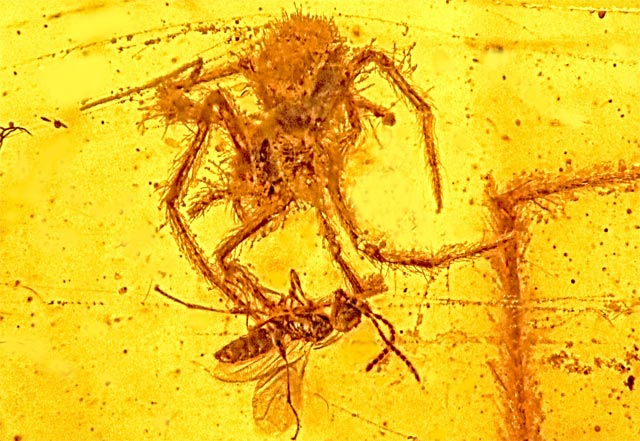
Spider Kills Wasp a 100 Million Years Ago
From Sci-News: (hat tip via Dave at ESCONI Yahoo Group) This piece of amber preserved the event in remarkable detail, an action that took place some 100 million years ago in the Hukawng Valley of Myanmar. The fossil also contains the body of a male spider in the same web. This provides the oldest evidence of…
