Tag: India
-

The geology that holds up the Himalayas is not what we thought, scientists discover
Live Science has a story about the what is holding up Himalayas and it’s it isn’t what we thought. Scientists had theorized the crumpled region caused by the squeezing of Tibet by the tectonic forces of the Indian sub-continent colliding with the Asia had doubled the thickness of Earth’s crust beneath the Himalayas and Tibetan…
-

PBS Eons: How the Himalayas Changed the World
There's a new episode of PBS Eons. This one explains how the Himalayan orogeny has affected the whole Earth over the last 50 million years. The rise of the Himalayas affected more than just the immediate area. Turns out, we may have them to thank for everything from the rise of giant flightless birds in…
-
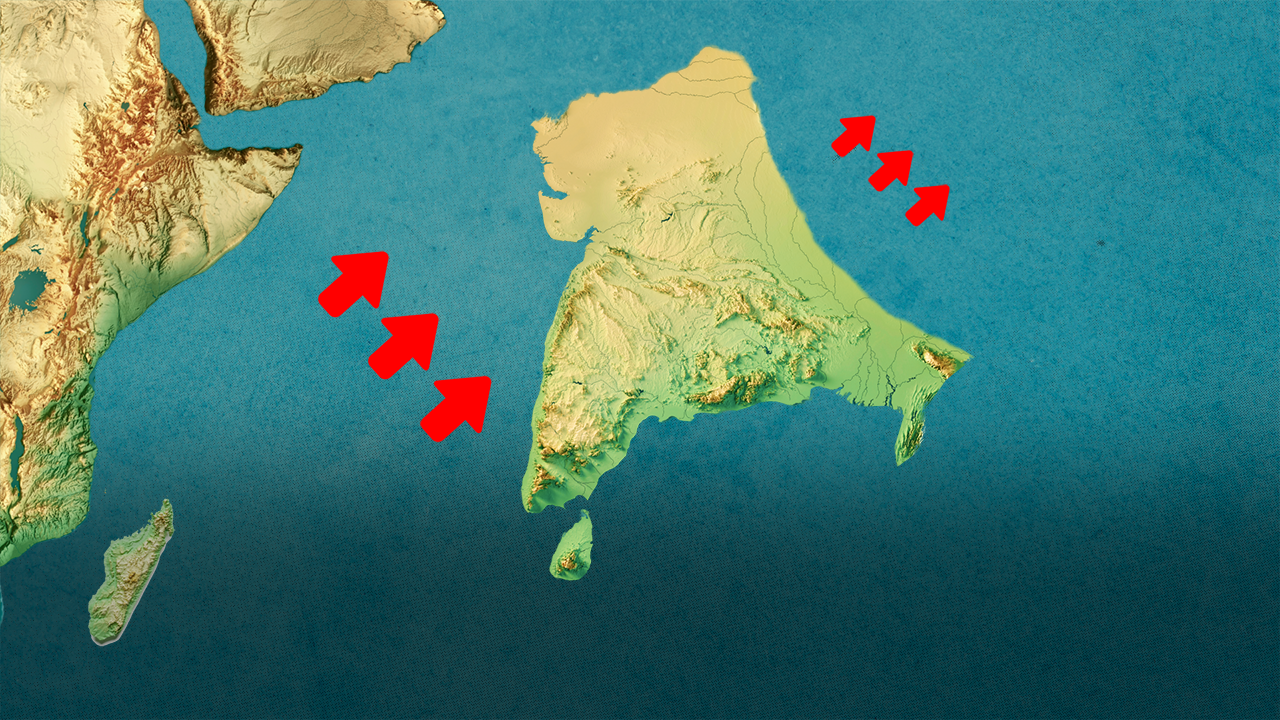
PBS Eons: When India Was An Island
PBS Eons has a new episode. This one is about the island isolation and how it affects evolution. We see that in the paleontological record of India. We need to talk about the biggest break-up of all-time: the break-up of the supercontinent Pangea, and how, ultimately, when India smashed back into Asia, it traded one…
-

Mysterious fruit found to be the oldest known fossils of the Frankincense and Myrrh family
Phys.org has a story about the identification of some Indian plant fossils as ancestors of the Frankincense and Myrrh family. The fossils were discovered in an Indian village in the early 1970’s. Recently. researchers at the Florida Museum of Natural History performed CT scans on these fossils. The scans revealed pyrenes. Pyrenes are woody dispersal…
-
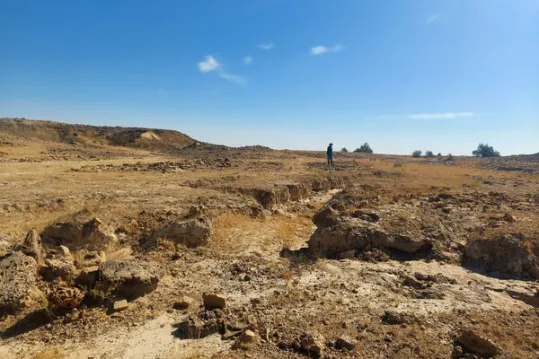
The Oldest Plant-Eating Dinosaur Has Been Found in India
The New York Times’ Trilobite column has a story about a new dinosaur from India. The animal, called Tharosaurus indicus, is an early member of the dicraeosaurids, which are sauropods. It lived about 167 million years ago during the Jurassic Period. The fossils were discovered in the Thar Desert, located in the northwest of India. …
-
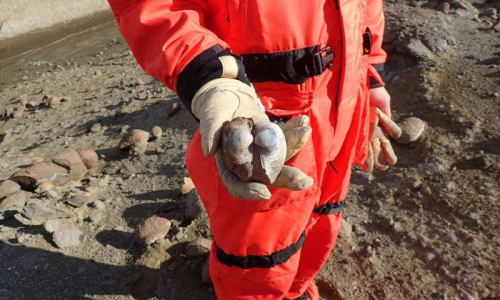
Earth was stressed before dinosaur extinction
Phys.org has an interesting story about the extinction of the dinosaurs. A new study, led by researchers from Northwestern University, shows that the chemistry of fossilized clam and snail shells changed greatly in the years leading up to the K-Pg mass extinction event. This change is likely due to a large influx of carbon into…

