Tag: humans
-

PBS Eons: We’re The Only Ones With Chins – And We Don’t Know Why
PBS Eons has a new episode. This one is about chins and how/why it fits into human evolution. Check out the first episode of Human: https://to.pbs.org/HumanNOVA You share a trait with every single human who’s ever lived – but no other animal on Earth has it. It’s not your big brain, or your opposable thumbs……
-
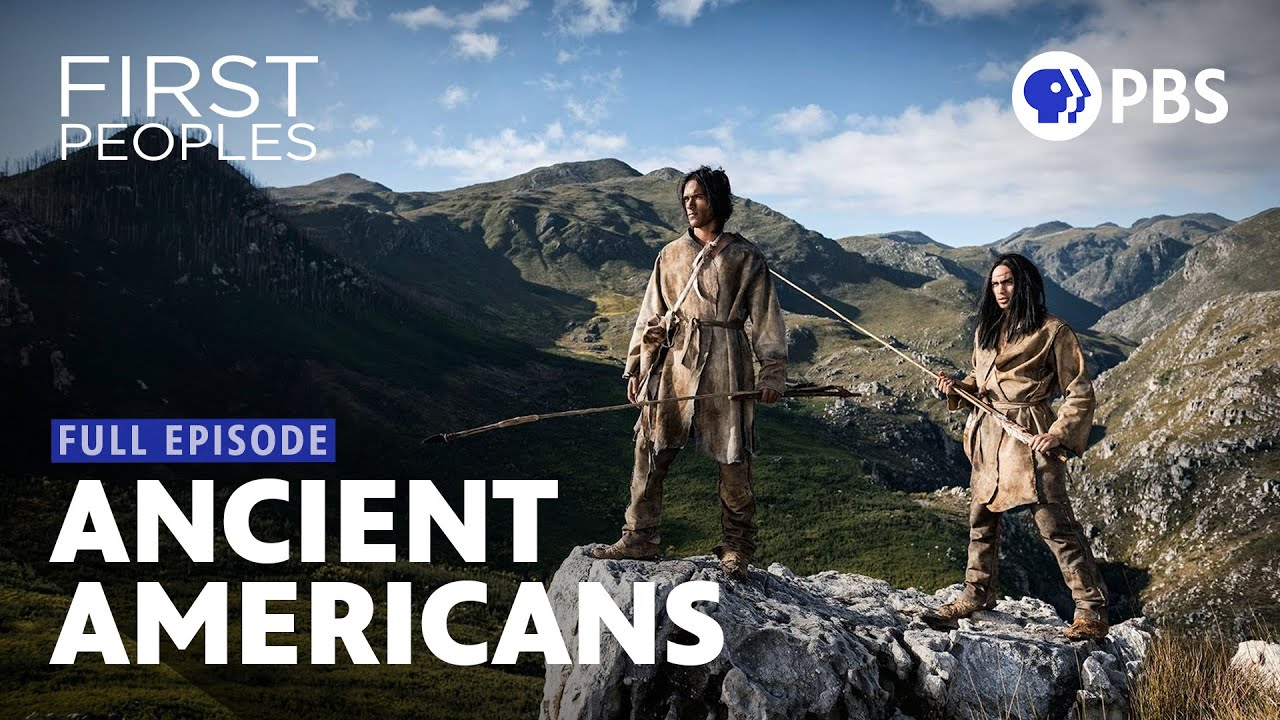
PBS: The Ancient Tribes That Settled the Americas
PBS and the first Americans… how did they get here and when? As early humans spread out across the world, their toughest challenge was colonizing the Americas because a huge ice sheet blocked the route. It has long been thought that the first Americans were Clovis people, who arrived 13,000 years ago. But an underwater…
-
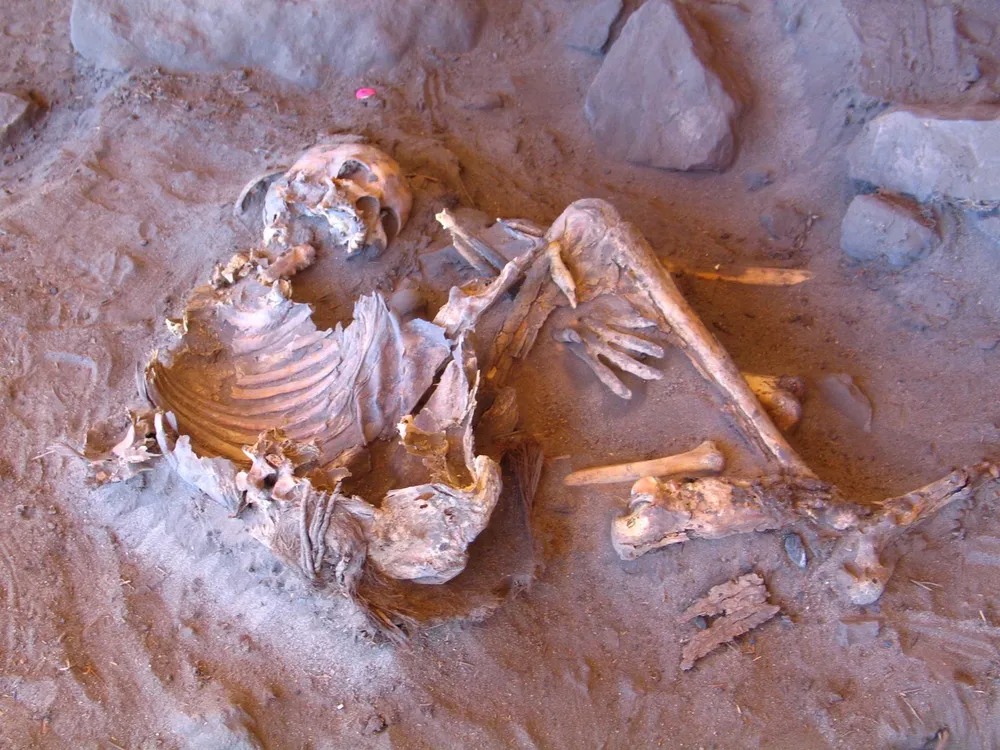
7,000-Year-Old Skeletons From the ‘Green Sahara’ Reveal a Mysterious Human Lineage
Smithsonian Magazine has a story about two mysterious skeletons found in Libya. As recent as 5,000 year ago, the area of the Sahara desert was a lush and green landscape with lakes and rivers. The land sustained a diverse variety of animals. It shouldn’t be surprising that humans were also lived there. Recently, 15 human…
-

PBS Eons: What Was The First Beverage?
PBS has a new episode. This one is about the development drink… when did we start drinking alternatives to water? When exactly did we start drinking other things, and why? To find out, we have to look at the world’s oldest beverages – which might not be what you expect.
-
PBS Eons: There’s No Single Cradle of Humankind
PBS Eons has a new episode. This one is about human origins. Where did our ancestors evolve? It would take decades for paleontologists to realize that maybe there wasn’t just one so-called “cradle of humankind,” and realize that maybe they’d been asking the wrong question all along.
-
PBS Eons: Our Most Mysterious Extinct Cousins
There's a new episode of PBS Eons. Paranthropus robustus and related species lived and evolved along side of us around 1 – 2 million years ago. What happened to them? There was a group of hominins, those creatures more closely related to us than to chimpanzees, that did take a different, parallel journey from our…
-
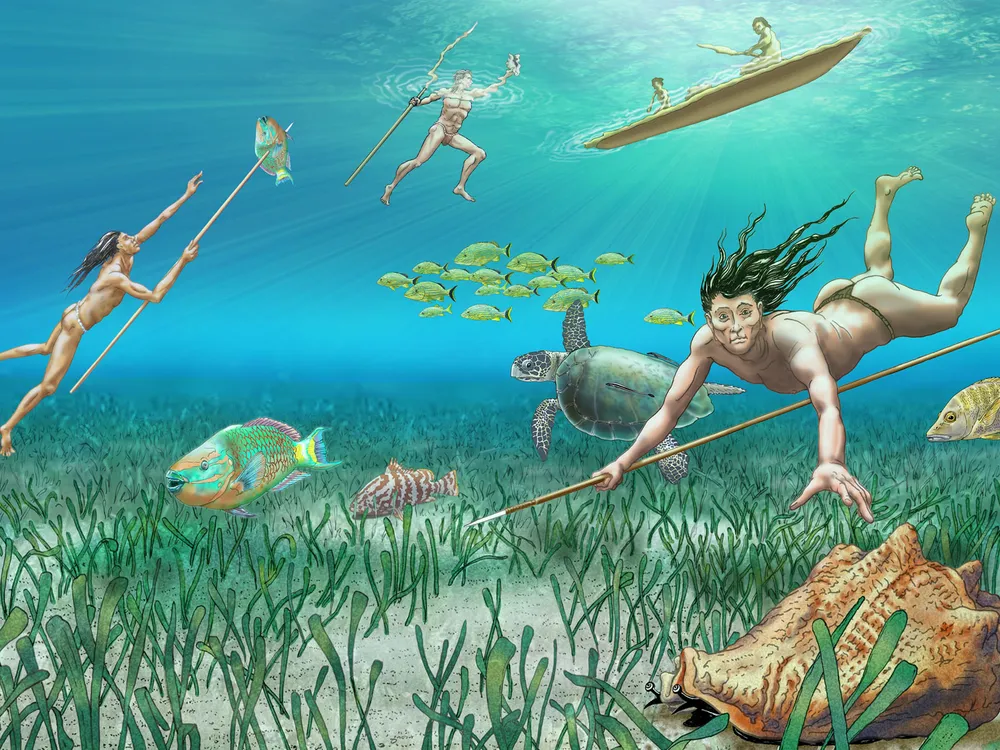
How Archaeologists Are Unearthing the Secrets of the Bahamas’ First Inhabitants
Smithsonian Magazine has a piece about the first inhabitants of the Bahamas. Until recently, not much was known of the Lukku-Cairi, who settled in the Bahamas around 700 C.E. The name Lukki-Caira means “people of the islands”. They are now referred to as the Lucayans and were part of a greater Caribbean civilization called the…
-
PBS Eons: When Did We Stop Being Naked?
PBS Eons has a new episode. Where and when did we start wearing clothes? Of course, the ancient Egyptians were probably not the first people to ever wear clothing, but we haven’t found any clothes older than the Tarkhan Dress. So how can we figure out when we first started wearing clothes? Well, it turns…
-
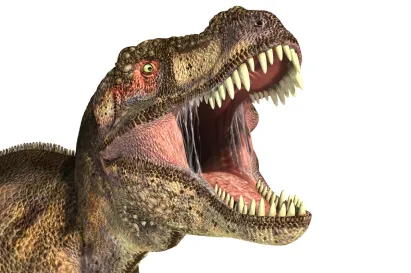
This is how many humans a T. Rex would need to eat each day to stay alive
Photo credit: Getty The BBC’s Science Focus website has an intriguing story about Tyrannosaurus rex. Iintriguing and a bit disturbing… but “How many humans would a T. rex need to eat to stay alive?” An adult Tyrannosaurus rex weighed about seven tonnes. A crocodile eats about five per cent of its body weight per week, whereas a warm-blooded predator,…
-

Giant Cave of Prehistoric Art Has Been Hidden Since The Stone Age
Science Alert has a story about the discovery of cave art in Spain. The art is dated to about 24,000 years old. It was found on the walls of a cave at the Cova Dones site near Spain’s Mediterranean coast. The cave has been known by locals for many years, but the art was somehow…
-
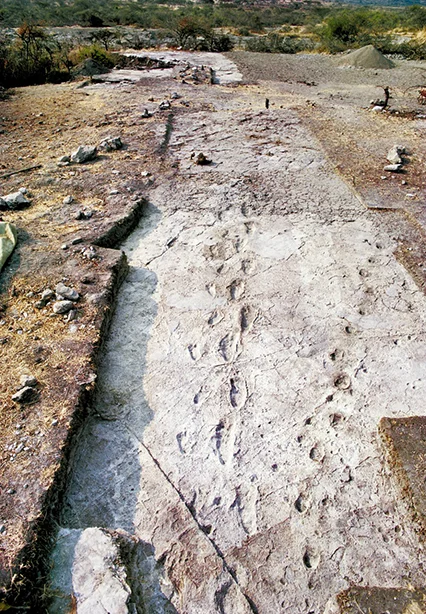
Fossils Upend Conventional Wisdom about Evolution of Human Bipedalism
Scientific American has a story about the evolution of human bipedalism. Paleontologists have long wondered when humans stood up and walked on two legs. There are skeletal adaptions in the fossils of the oldest hominins, which date to as much as seven million years ago. In the iconic representation of human evolution, a procession of…
-
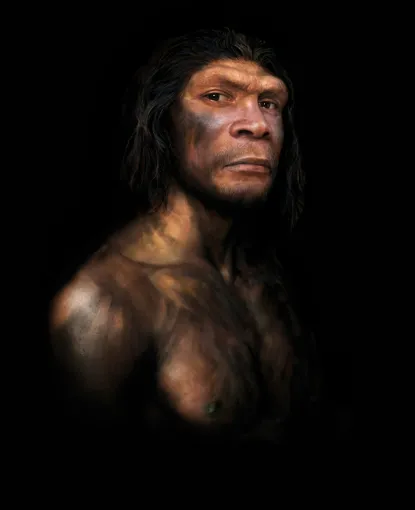
Neanderthals died out 40,000 years ago, but there has never been more of their DNA on Earth
The Conversation has an interesting article about the Neanderthals. First discovered in 1856, Neanderthals are known to have been very similar to us. We knew them and even interbred. They were successful for many years even along side us, so why did they go extinct? Neanderthals have served as a reflection of our own humanity…
-
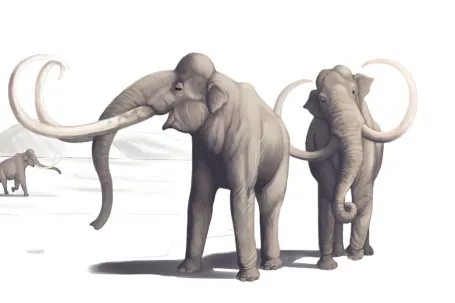
New Mexico mammoths among best evidence for early humans in North America
Phys.org has a story about early humans in North America. It’s long been thought that humans arrived in North America about 12,000 maybe 15000 years ago. There has been some spare evidence of a much earlier arrival, which was often played off as incorrect dating or just incorrect evidence. Now a team from the University…
-

A Canine Companion So Nice It (Maybe) Evolved Twice
The New York Times has a story about man’s (and woman’s) best friend. For a long time, we’ve wondered “where did dogs come from?”. Now, after research that has looked at 72 ancient wolf genes, we might finally know. It seems that two different lineages of ancient wolves contributed to the DNA of modern dogs. …
-
Ancient Tooth From Young Girl Discovered in Cave Unlocks Mystery of Denisovans, a Sister Species of Modern Humans
SciTechDaily has a story about the Denisovans. The Denisovans are a closely related species of humans who lived in southeastern Asia around 150,000 years ago. Their DNA had only known from the Denisova cave in the Altai Mountains of Siberia (Russia). Now, the discovery of Denisovan DNA in a tooth from Cobra Cave in…
-
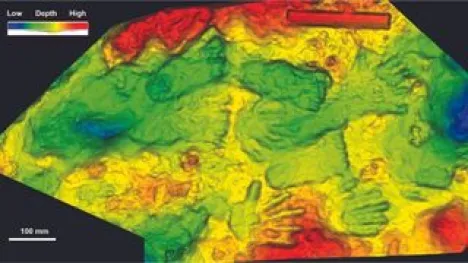
Kids’ fossilized handprints may be some of the world’s oldest art
LiveScience has an article about what may be the oldest art ever found. 200,000 years ago on a high plateau, children squished their hands and feet into a sticky mud floor of a cave. In a paper published in the journal Science Bulletin, the authors argue this should be considered “parietal” art, which is art that…
-
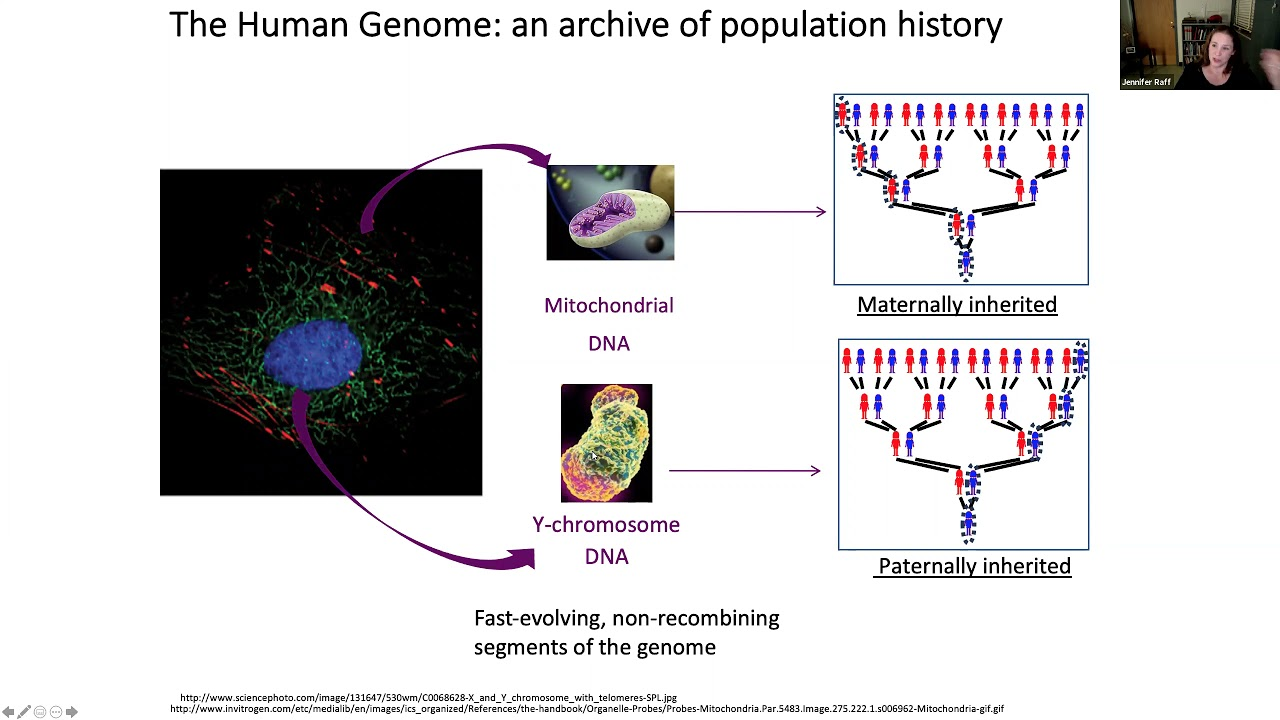
Video: ESCONI December 2020 General Meeting – “What Genetics Tells Us About the Peopling of the Americas”
The title for our Dec 4th program is “What Genetics Tells Us About the Peopling of the Americas” by Dr. Jennifer Raff, of the University of Kansas. Dr. Raff’s research includes ancient DNA, anthropological genetics, human evolution and population history, migration, bioarchaeology, and scientific literacy. You can find more about her on her page at…
-
PBS Eons: How Humans Became (Mostly) Right-Handed
PBS Eons has a new episode over on Youtube. Why are the majority of humans right-handed? What evolutionary pressures led to it? No other placental mammal that we know of prefers one side of the body so consistently, not even our closest primate relatives. But being right-handed may have deep evolutionary roots in our…
-
PBS Eons: When We First Talked
PBS Eons has a new episode which talks about talking. When did humans first speak? The evolution of our ability to speak is its own epic saga and it’s worth pausing to appreciate that. It’s taken several million years to get to this moment where we can tell you about how it took several…
-
PBS Eons: How Humans Lost Their Fur
There’s a new episode of PBS Eons on Youtube. This one is about humans and how we lost our fur. We’re the only primate without a coat of thick fur. It turns out that this small change in our appearance has had huge consequences for our ability to regulate our body temperature, and ultimately,…
-
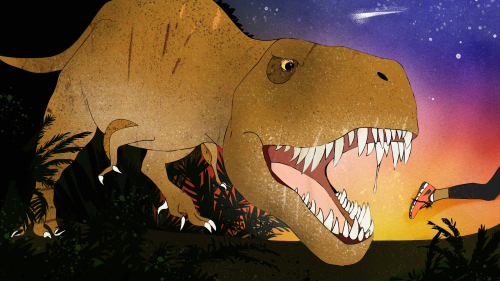
How to Outrun a Dinosaur
Wired has an informative article about how to outrun a dinosaur. It goes to the heart of the issue… allometry, which is the study of the relationship of body size to shape, anatomy, physiology and ultimately behavior. And, partial spoiler, we’d probably be safer than you think against the likes of T-rex and similarly sized…
-
PBS Eons: The Two Viruses That We’ve Had For Millions of Years
There’s a new episode of PBS Eons. This one is very relevant… it’s about viruses. In this case, the herpes virus. There’s one kind of herpesvirus that’s specific to one species of primate, and each virus split off from the herpesvirus family tree when the primate split off from its own tree. But of…
-
PBS Eons: The Risky Paleo Diets of Our Ancestors
PBS Eons has a new episode. This one is about the “paleo” diet of Homo erectus. We can track our history of eating just about anything back through the fossil record and see the impact it’s had on our evolution. Throughout time, part of the secret to our success as a species has been…
-
PBS Eons: How Dogs (Eventually) Became Our Best Friends
PBS Eons has a new episode. This one is about mans’ best friend… the dog! We’re still figuring out the details, but most scientists agree that it took thousands of years of interactions to develop our deep bond with dogs. When did they first become domesticated? Where did this happen? And what did the…
-

World Atlas: What Is The Difference Between Paleontology And Archeology?
Check out this article in the World Atlas. I hear this all the time when I mention fossil hunting… quite often they say something like “I love archeology” or “When did you get interested in archeology” or even “Where do archeologists find dinosaur bones?” Hopefully, this will clear up the concepts, paleontologists study dinosaurs and…
-
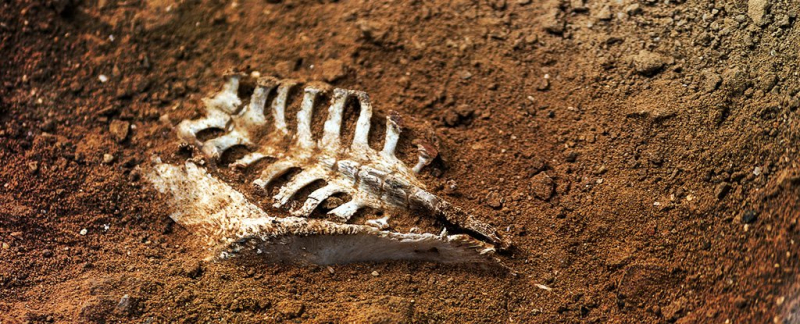
Scientists Argue a ‘Corpse Signal’ Will Be Left in The Fossil Record of Our Time
Science Alert has an interesting story about whether humans will leave a signature in the fossil record. We have had a huge impact on the current direction of life on Earth, but will any of that impact be preserved in the fossil record… that is subject to much debate. Today, the vast majority of scientists…
-
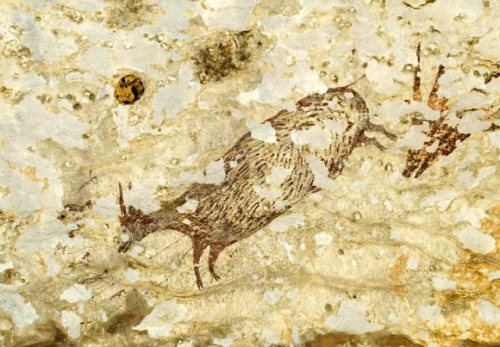
43,900-Year-Old Cave Painting Portrays Part-Human, Part-Animal Beings
SciNews has a story about a very old cave painting discovered in Indonesia. Archaeologist excavating the limestone cave of Leang Bulu’ Sipong 4 on the Indonesian island of Sulawesi discovered a painting that is about 43,900 years old. The painting depicts a group of ‘therianthropes’, abstract beings which combine qualities of people and animals, hunting…
-
PBS Eons: How We Domesticated Cats (Twice)
PBS Eons has a new episode and it’s a great one for cat lovers! It seems that cats have been domesticated twice and this is the story of Felis silvestris lybica. A 9,500 year old burial in Cyprus represents some of the oldest known evidence of human/cat companionships anywhere in the world. But when…
-

New Jurassic World Short Shows Just How Screwed the Humans Are Now
Gizmodo has a piece about the new Jurassic World short “Battle at Big Rock”. Check it out! The Jurassic Park/World franchise has long flirted with the idea that humanity’s hubris in reviving dino-kind would inevitably lead to said dinosaurs wreaking havoc on the whole world, not just a remote island park and/or research facility. Now, in the…
-
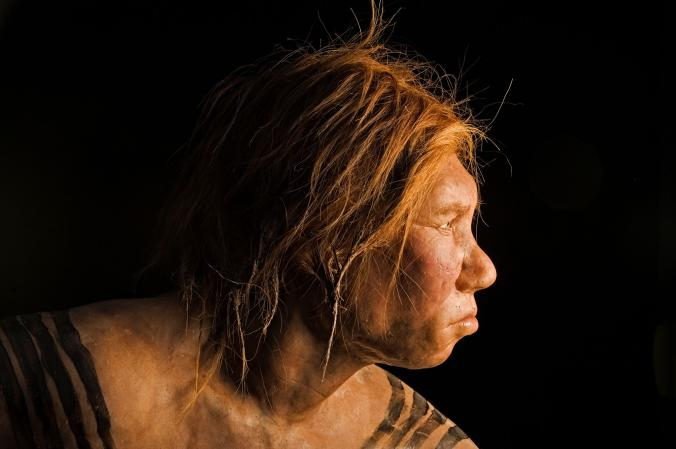
Ancient Girl’s Parents Were Two Different Human Species – Neanderthal and Denisovans
National Geographic has a story about the first direct evidence of interbreeding among Neanderthal and Denisovans. A paper in this week’s Nature has all the details. When the results first popped up, paleogeneticist Viviane Slon didn’t believe it. “What went wrong?” she recalls asking herself at the time. Her mind immediately turned to the analysis.…

